
 Zhejiang Hongyan Electric Co., Ltd.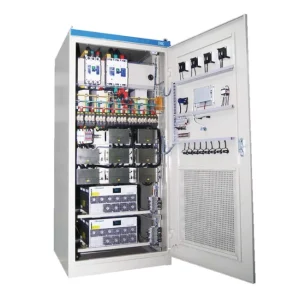
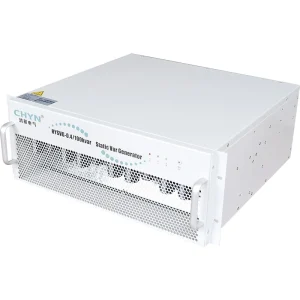
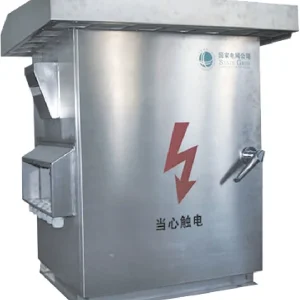
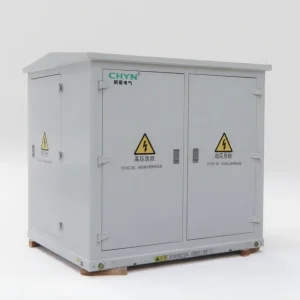
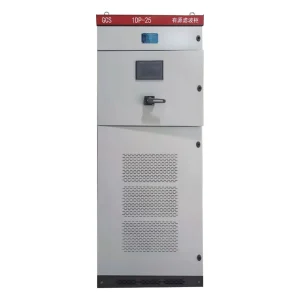
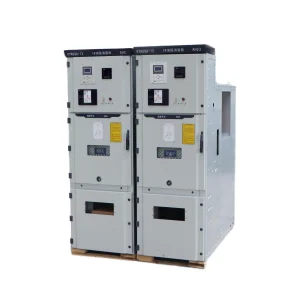
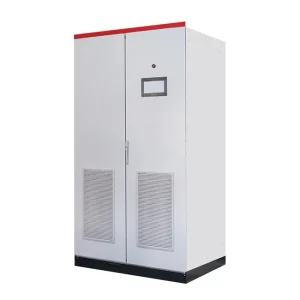
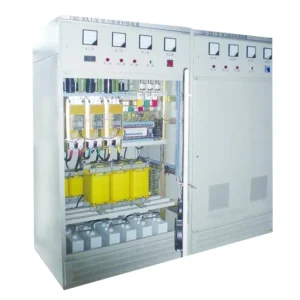
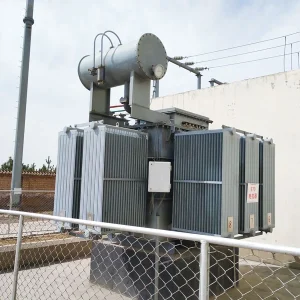
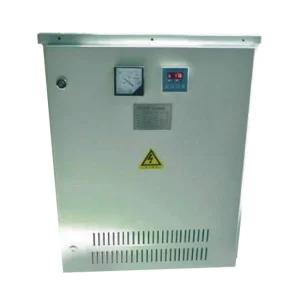
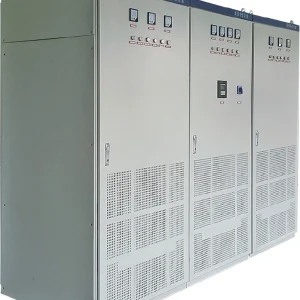
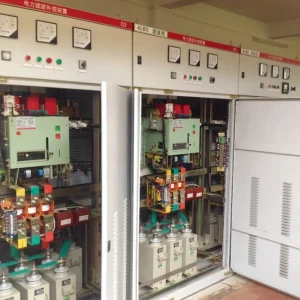
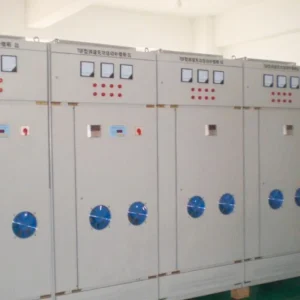
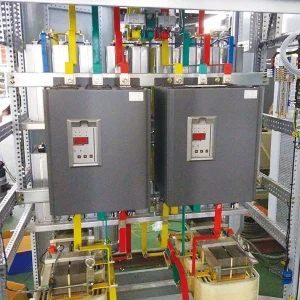
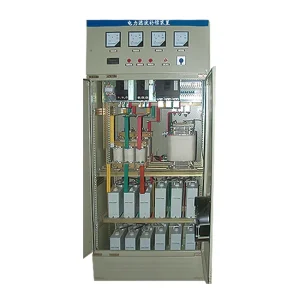
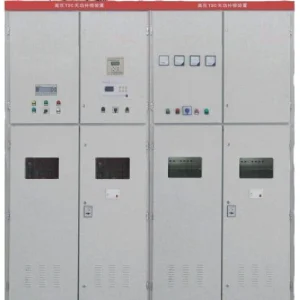
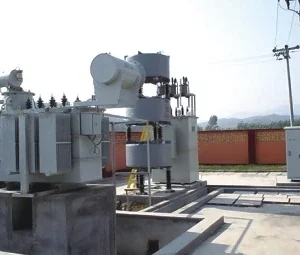
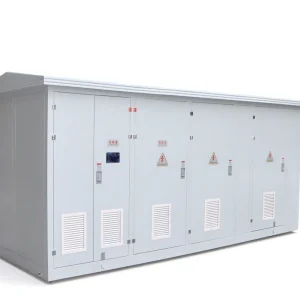
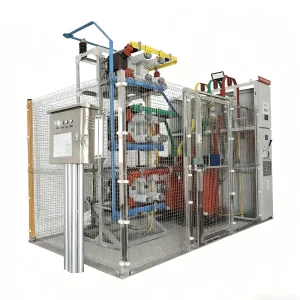
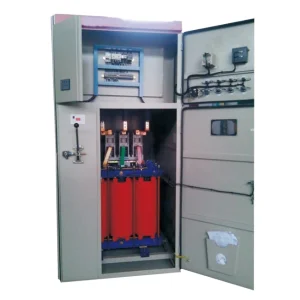
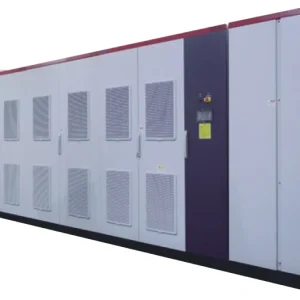
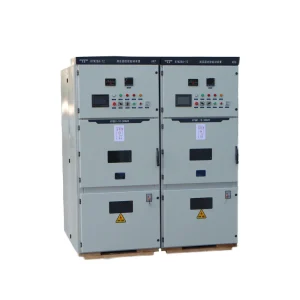
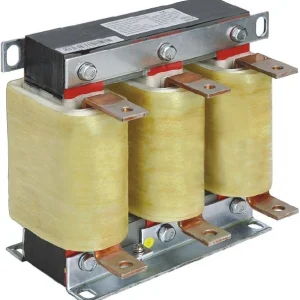
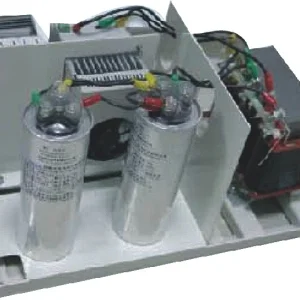
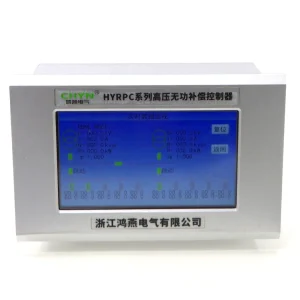
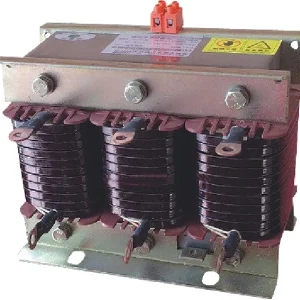
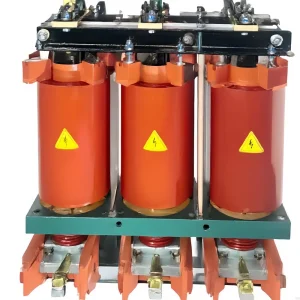
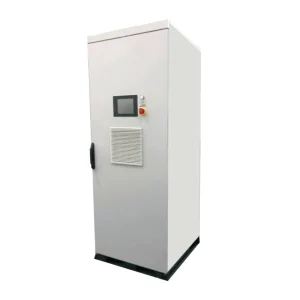
The static var generator to specify now for a typical indoor industrial feeder is the low-voltage HYSVG: that is the direct answer to which are the static var generator presently used, with the pole-mounted outdoor unit or the high-voltage series kept for a different published fit.
The split is voltage class and enclosure. An indoor plant bus, a pole-mounted outdoor feeder, and a high-voltage yard are not the same specification, even though all three published pages sit in the same SVG cluster.
People still argue about power factor. Reactive power compensation is the job. The pages below say which cabinet is published for which feeder, and which printed ratings have to agree before a capacity step is copied.
What the phrase asks a buyer to specify
The phrase is a specification question. It asks which static var generator should be written into the present job, not which names appear most often in a market summary.
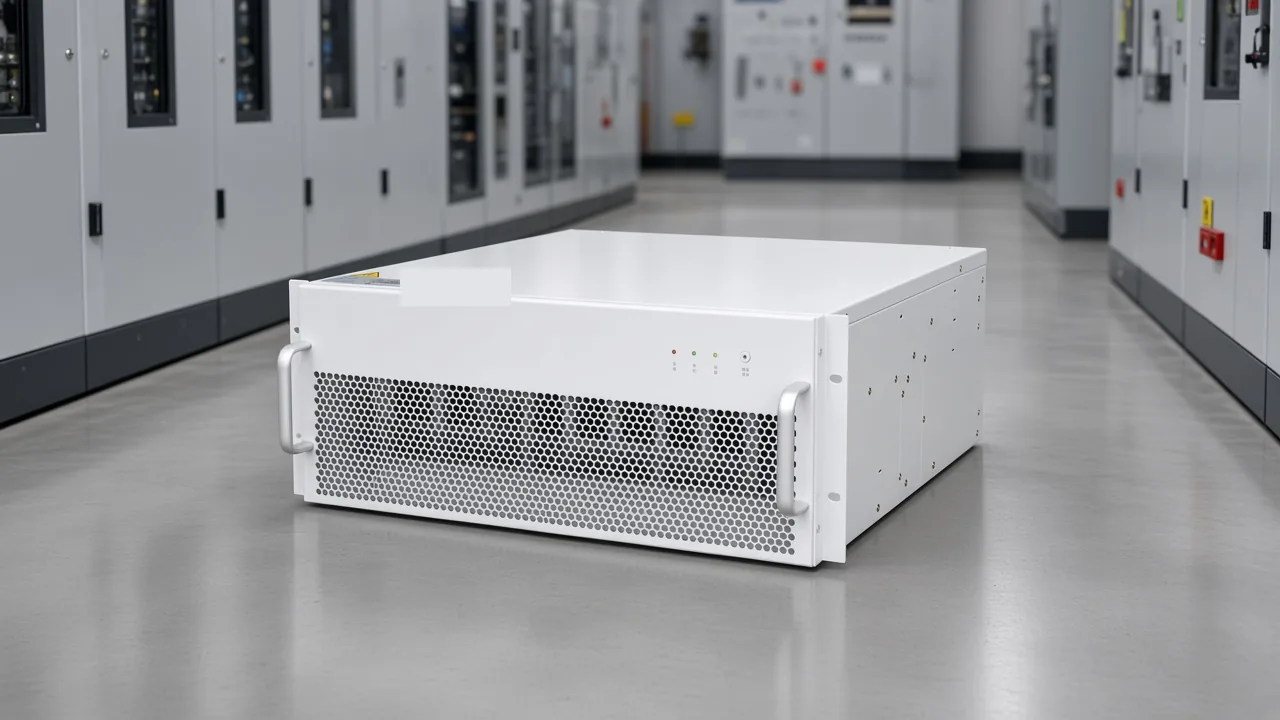
On the published catalog the answer has three branches. The low-voltage industrial default is the indoor HYSVG. The other two branches are an outdoor pole unit and a high-voltage series, and each has its own page.
Seller menus elsewhere often print a wide voltage list under one model family. That habit makes a buyer think one cabinet covers every bus.
The published CHYN pages do not work that way. Each page states its own voltage, enclosure, and capacity steps.
A crane, a welder, or a line of drives on a low-voltage switchboard is the indoor case. An overhead distribution feeder with unequal phase currents is the pole case. A metallurgy, mining, or renewable interconnection bus in the printed high-voltage list is the third case.
How voltage class splits the published SVG fits
Voltage class splits the published SVG fits before capacity does. The indoor page, the pole page, and the high-voltage page are three specifications.
A static synchronous compensator, often called a STATCOM, is the converter cousin of this cabinet. A voltage source converter sets the exchange.
When its output voltage sits above the bus, it supplies reactive current. When the output sits below the bus, it absorbs reactive current.
That is why the same family can be asked for inductive current and capacitive current. It is also why a stepped bank of capacitors is a different mechanism.
The converter follows the load. A switched step waits for a contactor.
IGBT valves are the usual modern hardware in that principle. The published low-voltage page adds the practical limits: indoor mounting, a stated frequency, and a protection grade that belongs in a switchroom rather than on a pole.
Where the low-voltage HYSVG is the industrial default
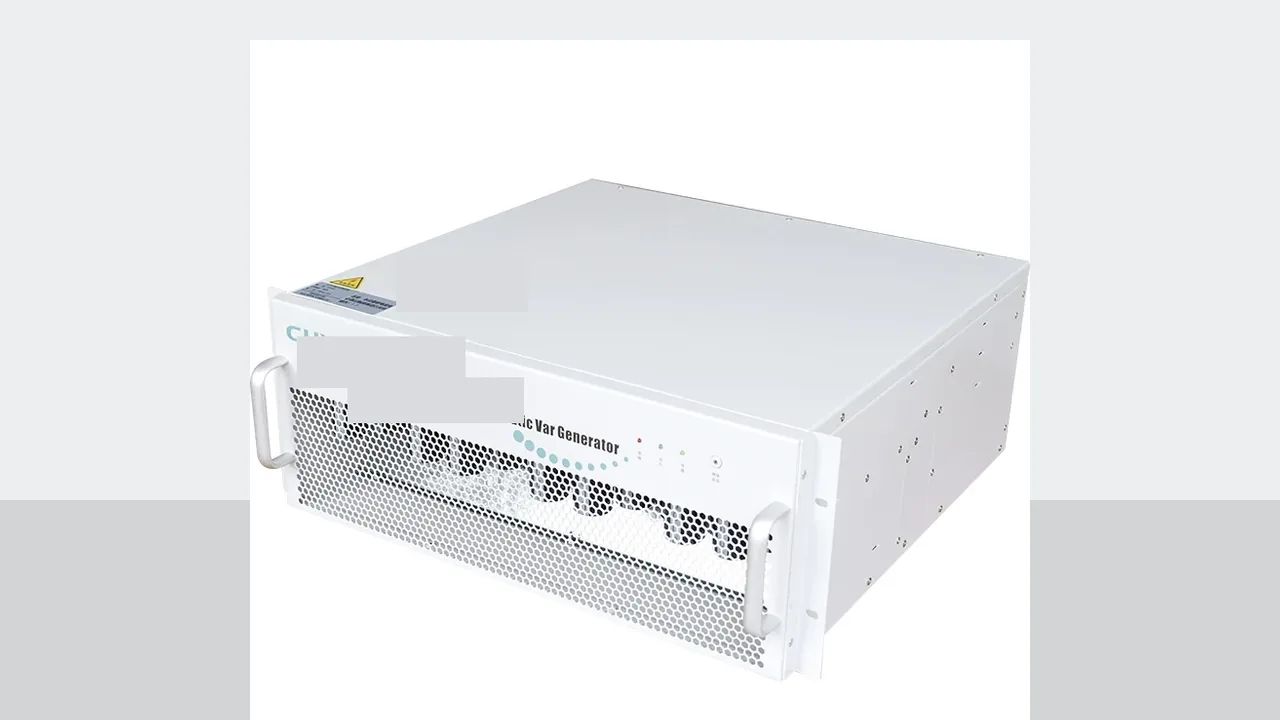
The low-voltage HYSVG is the industrial default when the feeder is an indoor low-voltage bus and the published ratings match the site.
The low-voltage page rates that cabinet at 380 V, with an allowable swing from −40% to +20%, and at 50 Hz ±2 Hz.
It supplies inductive and capacitive current continuously, and it does so without the inrush of a capacitor step. The page names cranes, hoists, drives, welders, compressors, pumps, mining and drilling loads, CNC and PLC lines, data centers, and commercial buildings.
Mounting is wall, rack, or an integrated cabinet, with forced air. The enclosure grade on that page is for an electrical room, not for rain on a pole. Operating temperature on the page runs from a cold plant to a warm switchroom, and altitude above the stated limit needs derating.
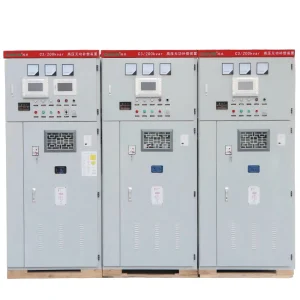
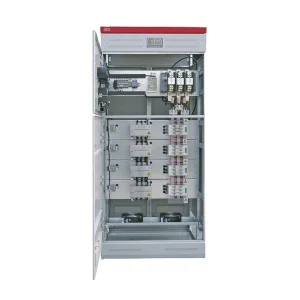
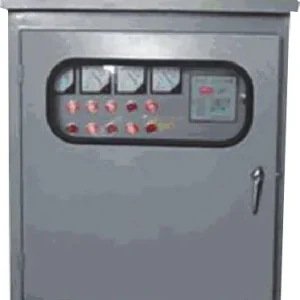
For that indoor feeder, open the HYSVG Static Var Generator.
Those plant loads are also the setting described on the manufacturing plant power quality solution. The product page still carries the ratings. The solution page only places the same problem in a plant.
From the field: Utility engineers still describe substation power factor as something they hold by switching capacitor banks in and out as the load changes — that stepped habit is the source of the comparison buyers bring to a static var generator.
The comparison is useful, and it has a limit. A forum remark about a utility's own banks is not a test of this cabinet. It only explains why stepped capacitor banks keep showing up in the conversation.
Published steps and response figures for the indoor page and the pole page are scanned below. Copy a row only with the page it came from.
| Item | Low-voltage HYSVG | Pole-mounted outdoor unit |
|---|---|---|
| Role | Indoor low-voltage reactive current | Outdoor distribution imbalance and voltage |
| Rated voltage | 380 V, −40% to +20% | 380 V, ±20% |
| Rated frequency | 50 Hz ±2 Hz | 50 Hz ±2% |
| Capacity steps | 50, 75, 100, 200 kvar, parallel expansion | 30, 50, 100, 150 kvar |
| Wiring note | Distribution network, indoor mounting | Three-phase three-wire |
| Efficiency | ≥97% | ≥97% |
| Switching frequency | About 20 kHz | 20 kHz |
| Response | Current loop 40 μs; full compensation 10 ms | 100 μs / 10 ms |
| Power factor note | Improves power factor | Up to 0.99 after compensation |
| Harmonic note | Capable of suppressing 3× line current | 2nd to 13th orders |
| Enclosure | IP20 | IP54, outdoor enhancement available |
| Cooling | Intelligent forced air | Forced air |
| Noise | Not stated as a decibel limit | < 65 dB |
| Operating temperature | −10°C to +45°C | −10°C to +45°C |
| Altitude | ≤2000 m, then derate | Not given as an altitude line |
| Sensing | 3 CTs, class 0.5 or above, 5 A secondary | Optional external CT, class 0.5 or above, 5 A secondary recommended |
| Mounting | Wall, rack, or cabinet | Pole-mounted outdoor enclosure |
Where the pole-mounted unit is the different published fit
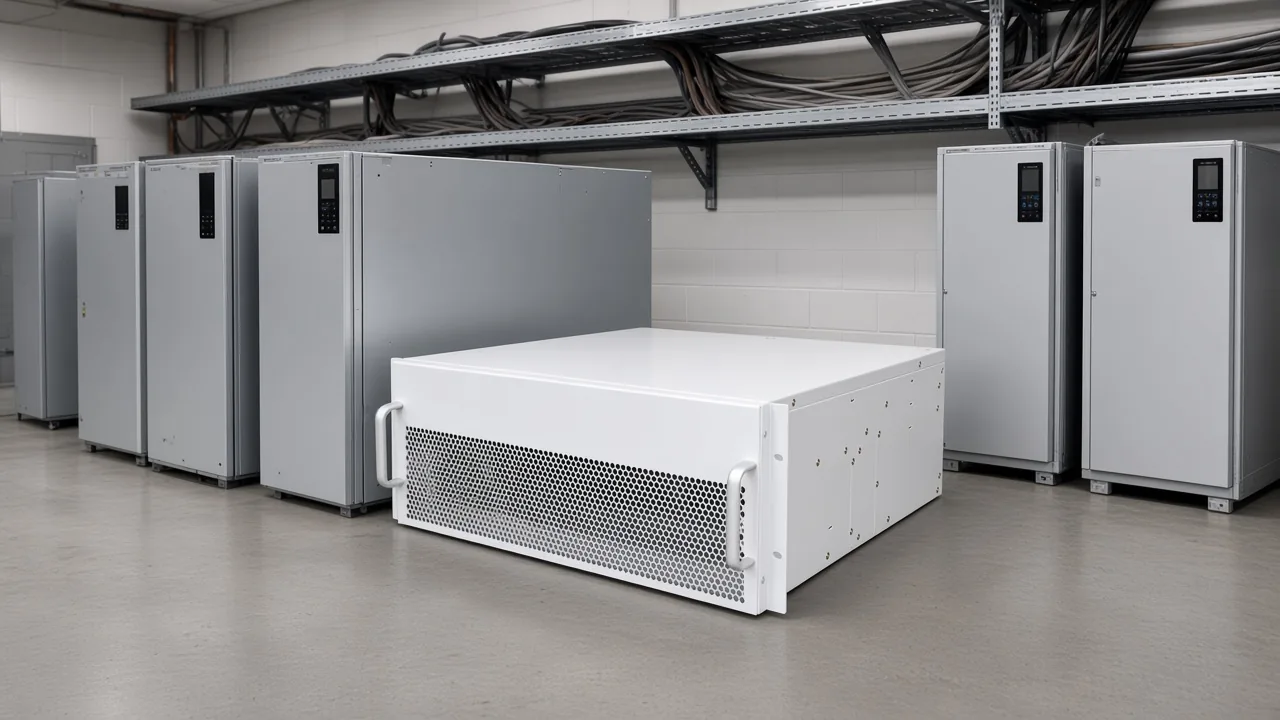
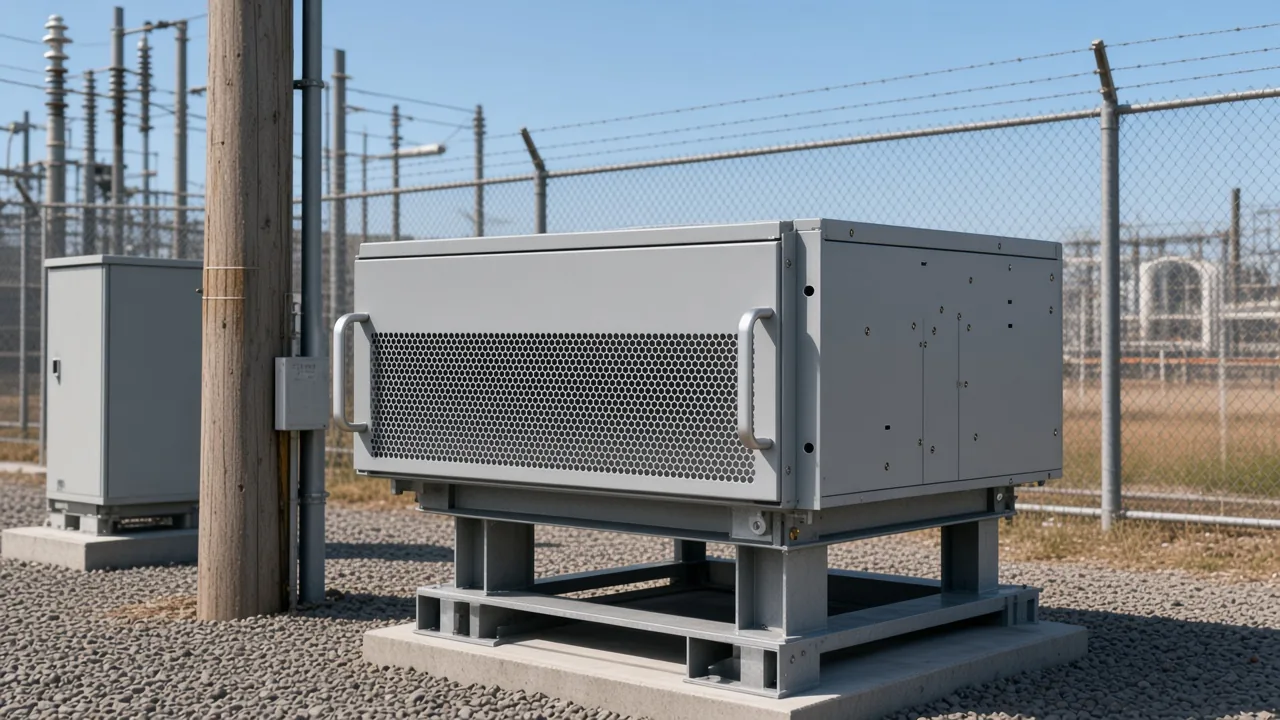
The pole-mounted unit is the different published fit when the problem is an outdoor distribution feeder, especially three-phase imbalance, a weak end-of-line voltage, or reactive current flowing back toward the transformer.
Do not treat this unit as a weather cover for the indoor HYSVG. The page gives its own kvar steps, a three-wire connection, and an IP54 enclosure with an outdoor option. Phase sequence on that page is flexible, so the installer is not locked to one wiring order.
A WiFi handheld covers local watching. An optional GPRS path covers remote watching. Neither feature is how the indoor page describes its RS485, Ethernet, and Modbus port.
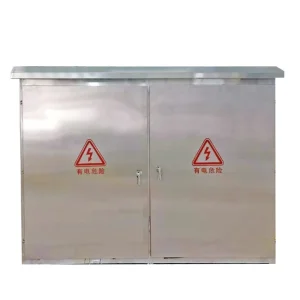
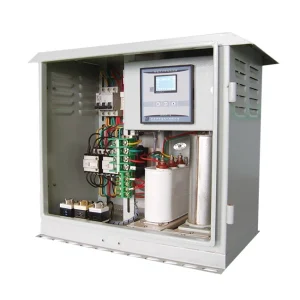
The HYSVG pole-mounted outdoor unit is the page to open for that pole-mounted outdoor feeder.
Two dimension notes appear on the same page, and they are not identical.
One lists 978 mm high, 485 mm deep, and 465 mm wide. Another lists about 650 mm wide, 650–850 mm deep, and 980 mm high, varying by model.
A buyer should treat both notes as published and ask which envelope applies to the chosen step.
Where the high-voltage series is the different published fit
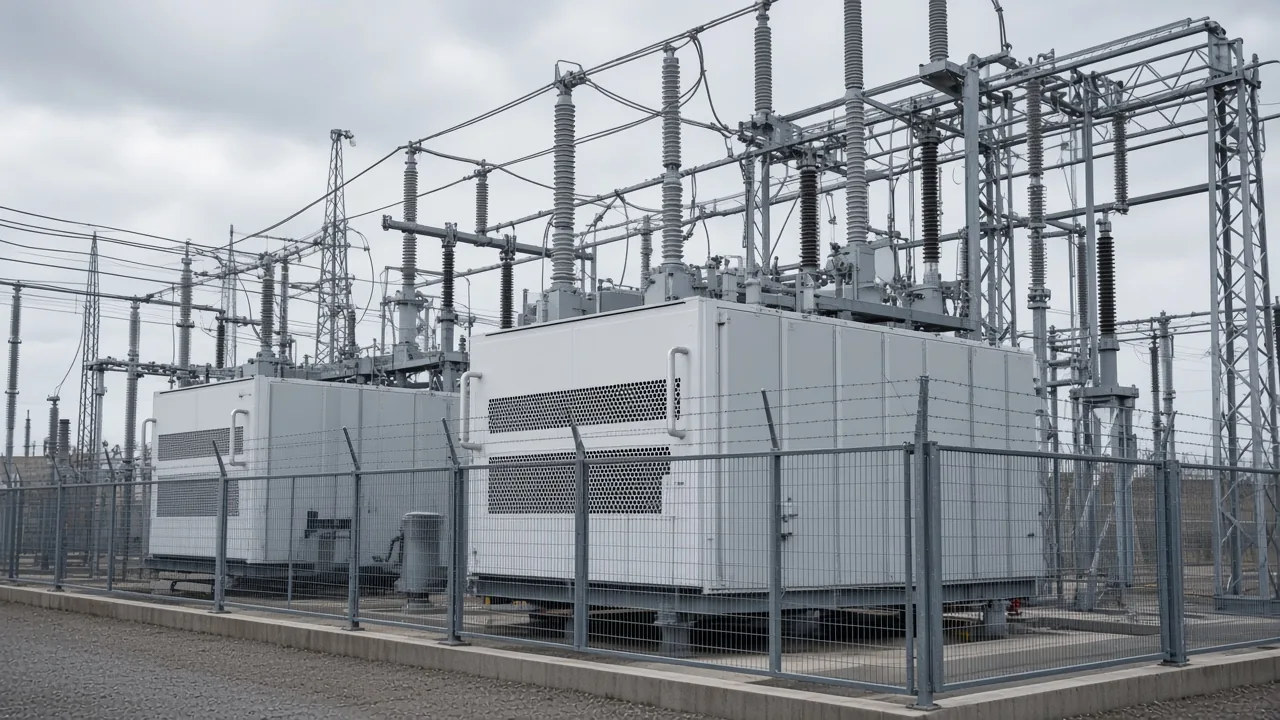
The high-voltage series is the different published fit when the bus is in the printed high-voltage list and a switched capacitor bank cannot follow the load.
The high-voltage series is the published fit for buses at 6 kV, 10 kV, 27.5 kV, and 35 kV.
The page describes metallurgy, mining, renewable-energy connections, and large industrial substations. Capacity is stated in megavars, continuously adjustable from rated inductive output to rated capacitive output. Efficiency is stated at rated conditions, higher than the low-voltage efficiency line, and the altitude note is stricter than the indoor page.
The model code on the page can mark single-phase or three-phase, delta or star, a harmonic function or none, and outdoor or indoor. Those marks are part of the series. They are not a reason to pull the indoor 380 V cabinet up to a substation bus.
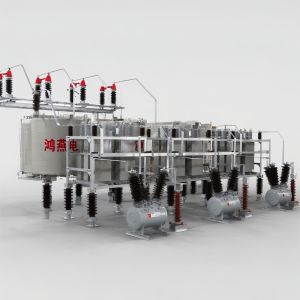
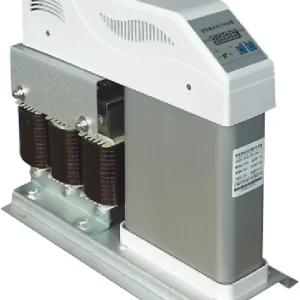
The HYSVG high-voltage series is the high-voltage series fit. The specification table on that page does not print a frequency. Nothing on the three SVG pages states a UL mark, an NEC article, or a grid-code listing.
| Item | High-voltage HYSVG series |
|---|---|
| Rated voltage | 6 kV, 10 kV, 27.5 kV, 35 kV |
| Rated capacity | ±1 to ±100 Mvar |
| Output range | Rated inductive to rated capacitive, continuous |
| Response | < 5 ms |
| Overload | 1.2 × rated for 1 min |
| Output current distortion | < 5% before the filter; THD < 3% |
| Voltage tolerance | 4% to 10% |
| Efficiency | ≥99.2% at rated conditions |
| Operating temperature | −20°C to +40°C |
| Storage temperature | −40°C to +65°C |
| Cooling | Advanced forced air |
| Humidity | ≤90% at 25°C, non-condensing |
| Altitude | ≤1000 m, then derate |
| Installation angle | ≤8° |
| Frequency on the table | Not printed |
Choose the published SVG product for the feeder in front of you
Choose the low-voltage product when the feeder is an indoor industrial bus that agrees with that page. Choose the pole page when the feeder is outdoors on a distribution pole. Choose the high-voltage series when the bus is one of the printed high-voltage values.
All three pages live with the Active Power Filter Series. Sharing a category does not make the ratings interchangeable.
Start with the bus you can point at. If it is a low-voltage switchboard indoors, stay on the HYSVG page and check frequency, CT class, and the IP20 room.
If the cabinet must hang on a pole, leave that page. If the bus is already in kilovolts at the values printed for the series, leave both low-voltage pages.
Parallel expansion is printed on the indoor page, so a larger indoor total can be more than one module. That still does not turn the indoor module into the pole unit or the megavar series.
What to confirm before the capacity number is useful
A capacity step is the last number, not the first. Voltage, frequency, enclosure, and sensing decide whether the step belongs on the job.
The low-voltage page and the pole page both print 50 Hz. A 60 Hz US feeder is not printed on the low-voltage page or the pole page.
Confirm the current transformer arrangement before the order. The indoor page asks for three CTs at class 0.5 or better, with a 5 A secondary.
The pole page makes the external CT optional and still recommends that class and secondary. A cabinet cannot see the feeder it is not wired to watch.
Then match the room. IP20 and forced air belong indoors. IP54 belongs with the pole page.
The high-voltage page has its own temperature, altitude, and installation-angle lines, including a tighter altitude note.
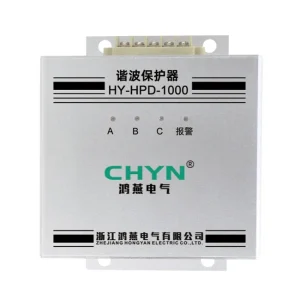
Harmonic lines differ by page and do not close a harmonic study. The indoor page says it can suppress triple line current. The pole page lists orders from the 2nd through the 13th.
The high-voltage model code can include a harmonic mark, and the output-current distortion lines are about the series itself. If the plant's harmonic problem is the main job, say so beside the reactive-current job rather than assuming one line covers both.
FAQ
Does a static var generator still need current transformers on the feeder?
Yes on the indoor page. It specifies three current transformers, class 0.5 or above, with a 5 A secondary, so the controller can see load current.
The pole page treats the external CT as optional and still points to the same class and a 5 A secondary when one is used.
Can one low-voltage unit cover both inductive and capacitive current?
Yes. The low-voltage page states inductive and capacitive continuous compensation, without capacitor switching transients.
That is a continuous exchange in both directions, not a stack of capacitor steps with a separate reactor.
What changes when the cabinet has to live outdoors on a pole?
The published fit changes to the pole-mounted page: IP54, three-phase three-wire, its own kvar steps, and a pole enclosure.
The indoor IP20 cabinet is the wrong page for rain, for end-of-line distribution voltage, and for three-phase imbalance as the main job.
Why do plant engineers still ask about stepped capacitor banks?
Because many feeders still hold power factor by switching capacitor banks as the load moves. That practice is familiar, and it moves in steps.
A converter static var generator is specified when the job needs continuous inductive and capacitive current instead of those steps. The forum remark explains the habit. It does not rate the cabinet.
What should a US buyer check about frequency before copying a 50 Hz rating?
Check the hertz printed on the page being copied. The indoor page prints 50 Hz ±2 Hz. The pole page prints 50 Hz ±2%.
A US site at 60 Hz does not get a new rating from either line. The high-voltage table does not print frequency, so that figure should be asked as an open item rather than filled in from the low-voltage page.
Does harmonic compensation on these pages replace a separate filter study?
No. Each page mentions harmonics in a different way, and none of them says a harmonic study can be skipped.
Use the harmonic line as a boundary on that page: triple-current suppression indoors, 2nd to 13th on the pole page, and the series' own distortion figures plus an optional harmonic mark at high voltage.