
 Zhejiang Hongyan Electric Co., Ltd.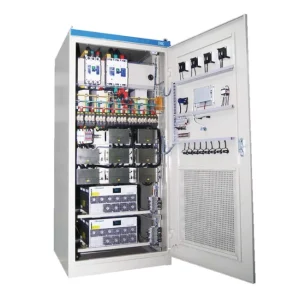
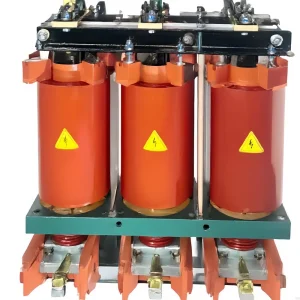
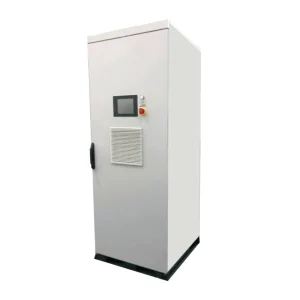
Reactive power compensation systems patent infringement is two jobs on one search: counsel still has to read claims and country-time status, and the mill still has to match thyristor-switched groups, a converter, or a shunt bank to the load that is actually swinging.
A United States patent is a right to exclude others from making, using, offering for sale, selling, or importing in the United States for a limited term. That exclude-right still leaves a mill bus that needs real compensation hardware.
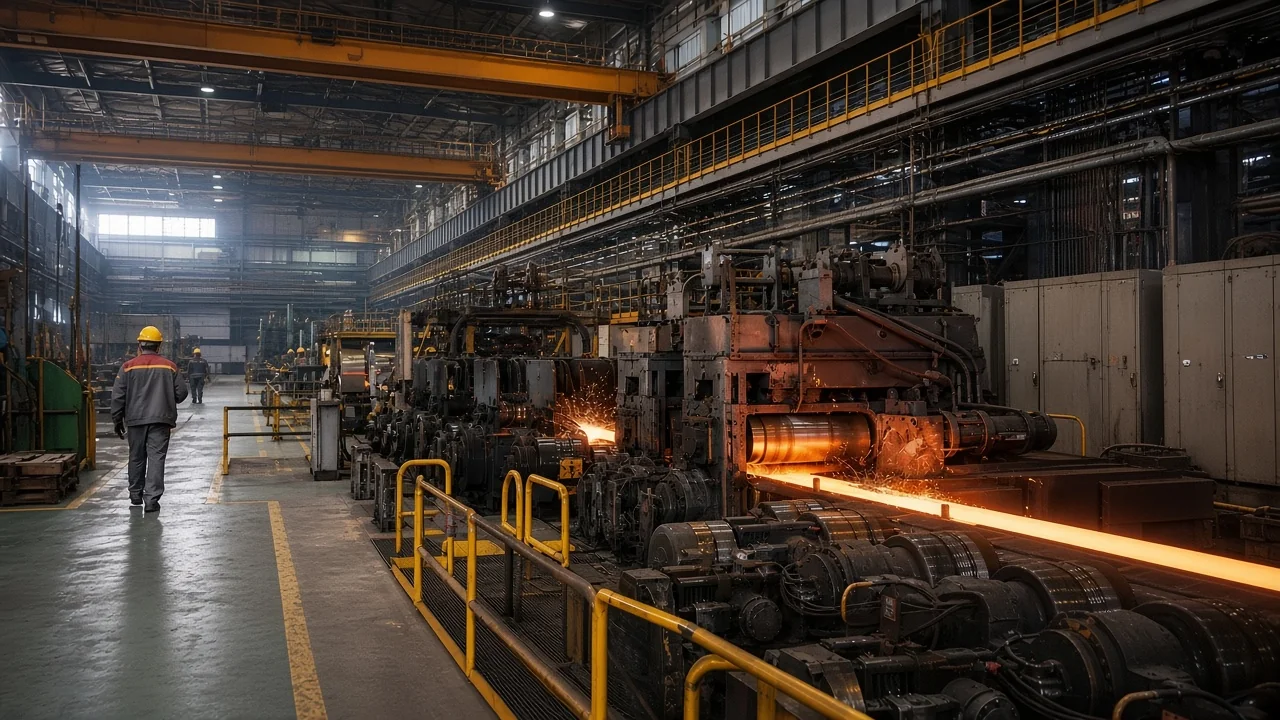
The legal lane and the hardware lane stay separate below. The steel path lands last, when electric arc furnaces, rolling mills, cranes share one network.
What the keyword actually asks a US mill buyer to decide
The phrase is two jobs: statutory make/use/sell/import questions for counsel, and a still-open equipment match on the mill bus.
Under 35 USC 271, whoever without authority makes, uses, offers to sell, or sells a patented invention within the United States, or imports it, infringes during the patent term. Induced and contributory paths sit in the same statute.
None of those sentences sizes a thyristor valve or a capacitor step.
Arc-furnace current, mill-stand torque, and crane hoist cycles still move reactive power on a medium-voltage bus. Counsel cannot answer that from a keyword string, and the mill team cannot answer a patent claim from a one-line kvar quote.
Keep the two packets on two desks. One desk holds claims, legal status, and country of use. The other holds the single-line diagram, the duty cycle, and the compensation family that can actually follow the load.
How US records treat claim language versus equipment catalogs
US opinions compare numbered claim limitations to accused control behavior, not to catalog speed claims.
In Varentec versus Gridco, the District of Delaware discussed US Patent Nos 9,293,922 and 9,014,867 against accused SVC-20 VAR devices. Claim language required delayed, unequal monitoring so parallel shunt VAR sources would not fight each other.
The accused caution-mode logic used a coin-flip pause. The opinion treated that difference as a limitation miss, not as a debate about a “VAR compensator” nameplate.
Brochure words such as dynamic, fast, or intelligent do not map onto a claim chart. Control timing, predetermined delays, and measured-versus-model voltage are the kind of patent claim elements courts actually test.
Indian commentary on a Dynamic Reactive Power Compensator patent versus a STATCOM product follows the same pattern. Courts talk substance of the claimed invention, not a two-word catalog synonym.
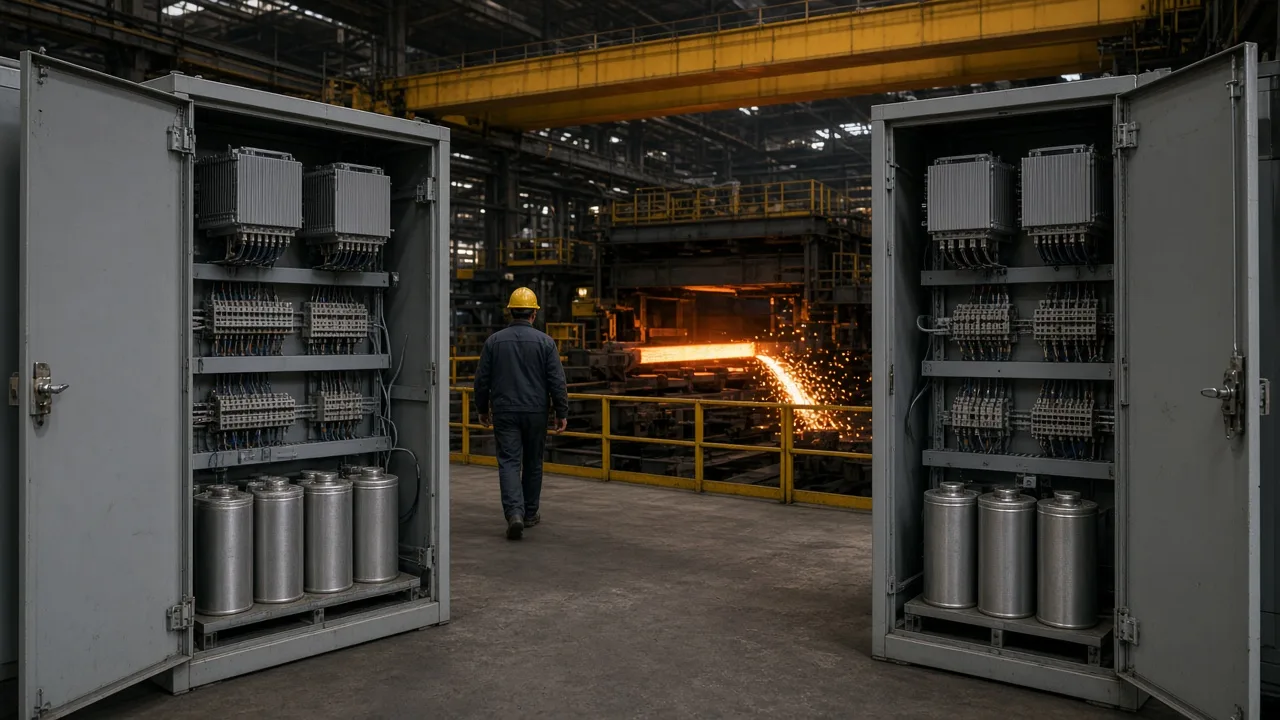
Do not treat those dockets as a shopping list. They name third-party products and third-party claims. They do not grade a CHYN cabinet, and they do not clear a US mill to skip measurements.
Freedom-to-operate versus patentability versus a demand letter
Patentability asks if an idea is new; FTO asks if a planned use hits in-force claims in named countries; a demand letter is a third, already-asserted path.
A patentability search looks for earlier disclosures that would block a grant. Patent Office examination is that kind of search. It is not a clearance to install hardware in Ohio or Texas.
Freedom to operate is the opposite-facing question. WIPO’s toolkit states that enforceable rights are defined by the claims, that patents are territorial and time-limited, and that the point of an FTO exercise is not to assert complete FTO.
Hindles puts the buyer trap in one line: a granted valid patent does not mean that you have freedom-to-operate. A supplier can hold its own patents and still sit inside someone else’s live claims.
A demand letter or a complaint is later still. Then the job is a named patent, a named product, and an opinion from qualified counsel, not a blog matrix. The mill’s useful input at that stage is a feature-level description of the installed or proposed system, not a marketing adjective.
| Work | Who owns it | What it is not |
|---|---|---|
| Patentability / novelty | Patent counsel or a patent agent, if the company is filing | Permission to use a mill package in the US |
| Freedom to operate | Qualified IP counsel for named countries and a defined product | A USPTO “similar inventions” search, or a vendor’s own grant |
| Claim response after notice | Counsel with the accused feature list | A faster TSC catalog page |
| Reactive duty, harmonics, voltage | Plant electrical team and the compensation vendor | A claim chart |
Which reactive-power hardware job is on the mill bus
Arc-furnace and mill swings need fast TSC/SVC or converter vars; steady lagging load can still use capacitor banks for reactive power compensation.
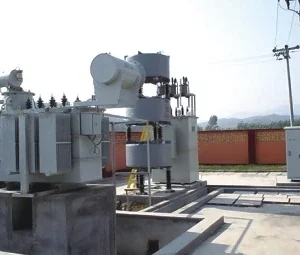
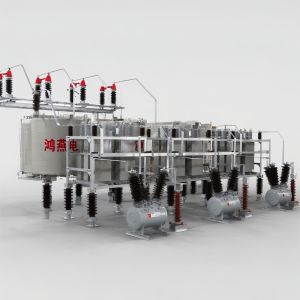
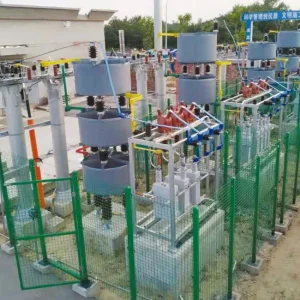
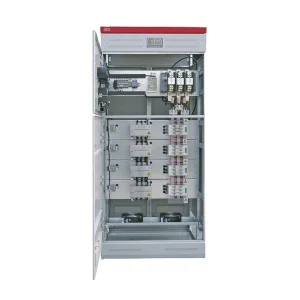
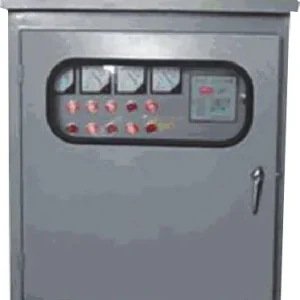
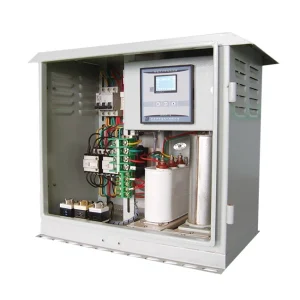
Industrial SVCs sit near rapidly varying loads such as arc furnaces. Typical building blocks are a thyristor-controlled reactor, thyristor-switched capacitor groups, harmonic filters, and mechanically switched capacitors or reactors. Operators often keep a mechanically switched bank for the slow, cheap vars and a thyristor or converter branch for the fast remainder.
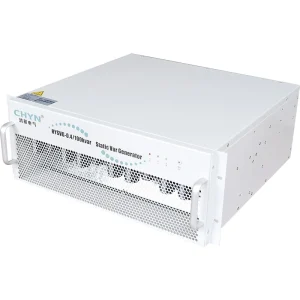
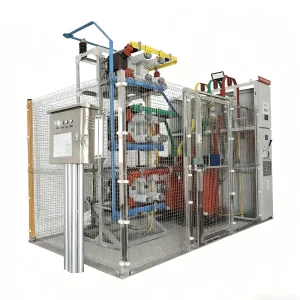
A STATCOM-class unit is a shunt voltage-source converter that can source or sink reactive AC power. Output can move on a millisecond scale and can be capacitive or inductive without adding another capacitor step. That family is the published job of an HV static var generator when switched banks no longer cover load change and voltage swing.
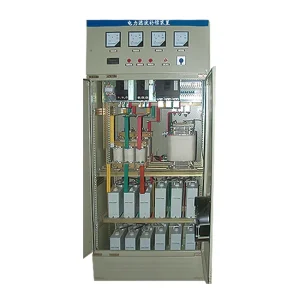
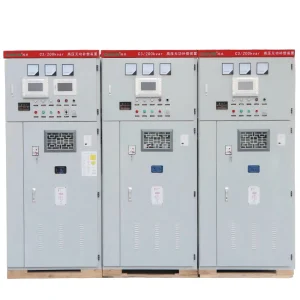
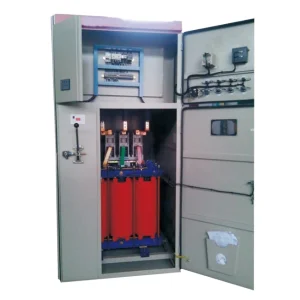
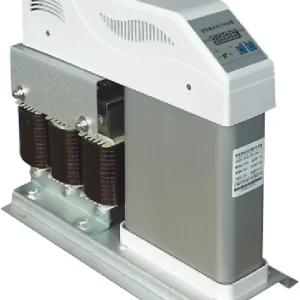
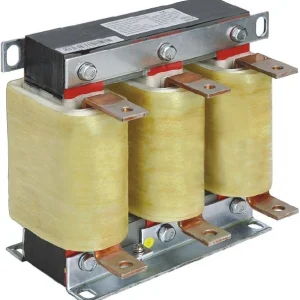
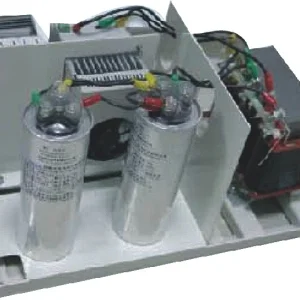
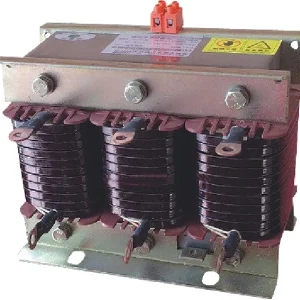
Shunt capacitor packages for 1 kV–35 kV still belong when the reactive demand is comparatively steady and the harmonic study permits a bank. High voltage capacitor bank design inputs stay with the study: voltage class, switching duty, reactor need, and protection. They do not belong on the claim-chart desk.
From the field: A fixed capacitor bank supplies reactive power in relation to the voltage squared, so a sag cuts the vars exactly when the bus wants help — source: Physics Forums, asynchronous-generator thread on SVC and STATCOM as stepless control.
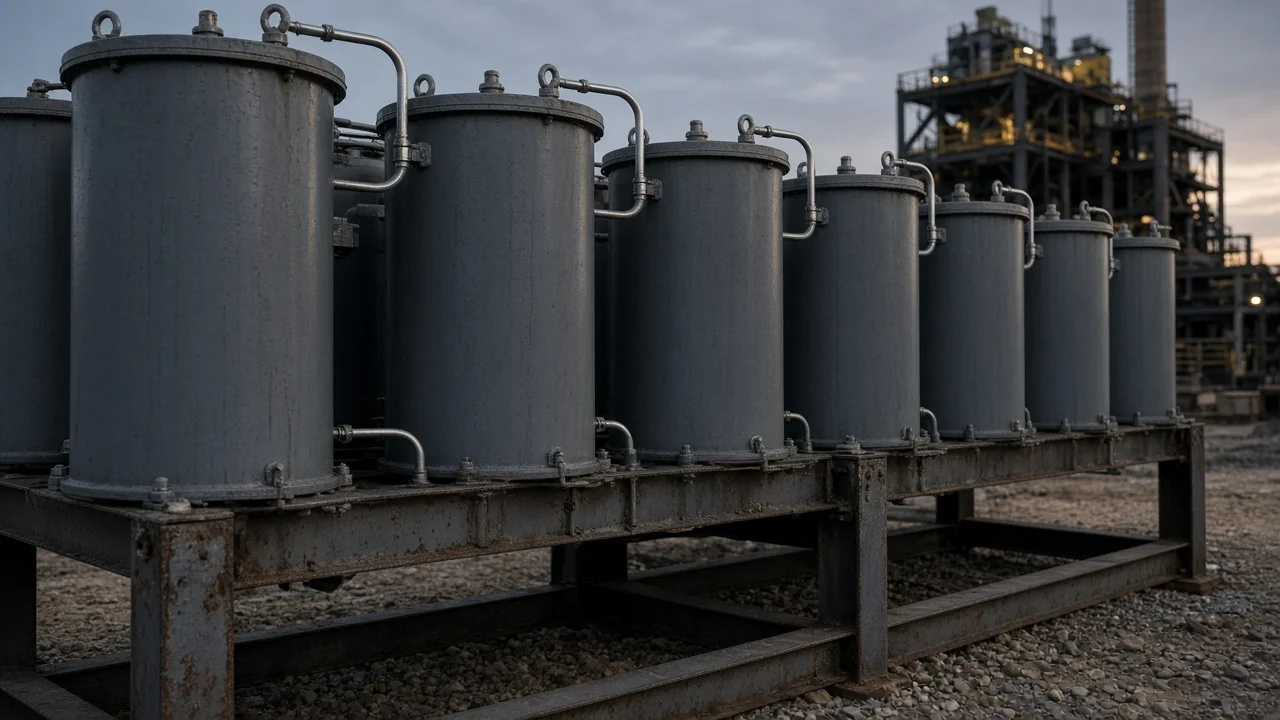
Forum language about TSC for arc-furnace and welding duty matches that split. Fast variable loads argue for thyristor-switched groups. A plant without that duty can stay on fixed or automatically switched banks and spend the legal budget on the actual FTO question instead of on unused dynamic hardware.
Diligence packet the plant team can assemble before counsel
Counsel needs a feature-level description; the mill still owes an SLD, ratings, cycle, PF, harmonics, and short-circuit context.
WIPO’s FTO tool starts by describing the product as an invention: what it is, where it will be used, and when. For a mill, that description is topology and control, not a slogan. Name the voltage, whether groups are thyristor-switched or converter-based, whether a TCR or filter branch is present, and where the package sits on the single-line.
The steel-and-metallurgy solution already lists the engineering set that makes that description honest: single-line diagram, transformer and furnace ratings, operating cycle, measured power factor, harmonic spectrum, short-circuit capacity, and target limits. Those files also freeze high voltage capacitor bank design choices such as reactor percentage and whether a plain shunt bank is even allowed.
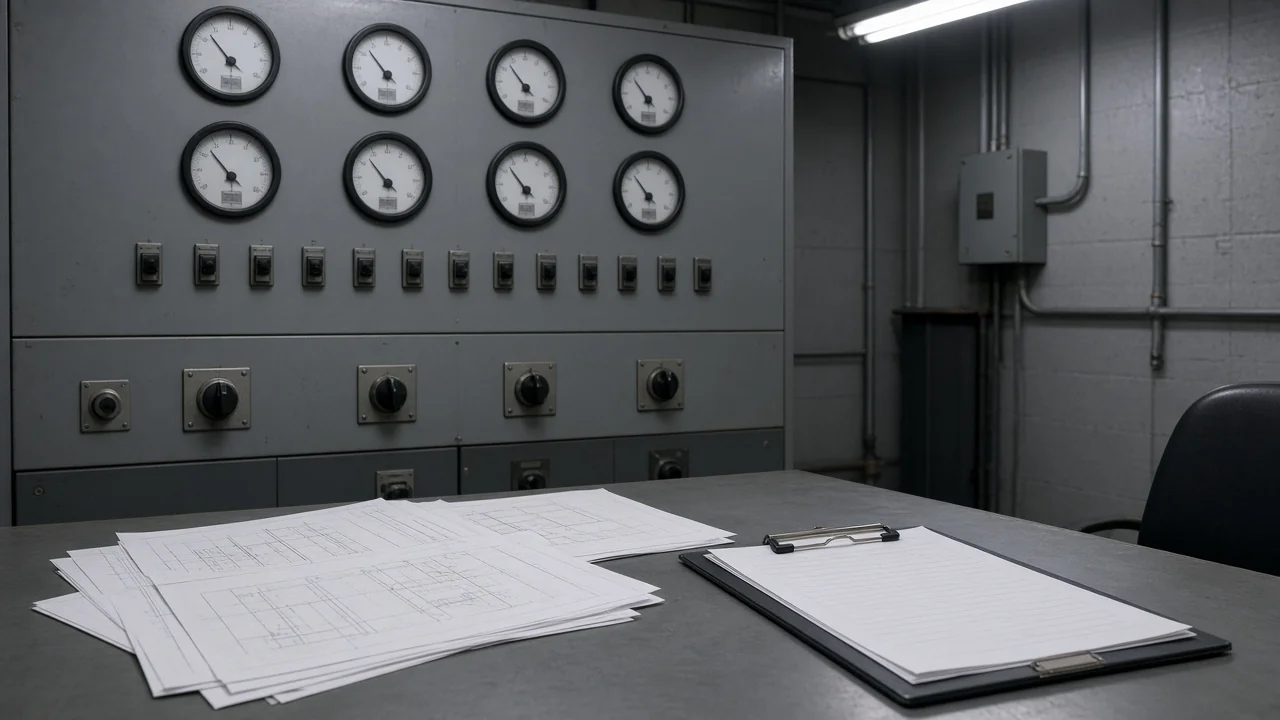
Hand counsel a feature list and a country list, not a PDF dump of every STATCOM patent on the internet. Hand the vendor the same measurement pack. Mixing the two folders is how a mill orders the wrong family and still leaves the statutory question unanswered.
How to select a steel-and-metallurgy reactive-power solution
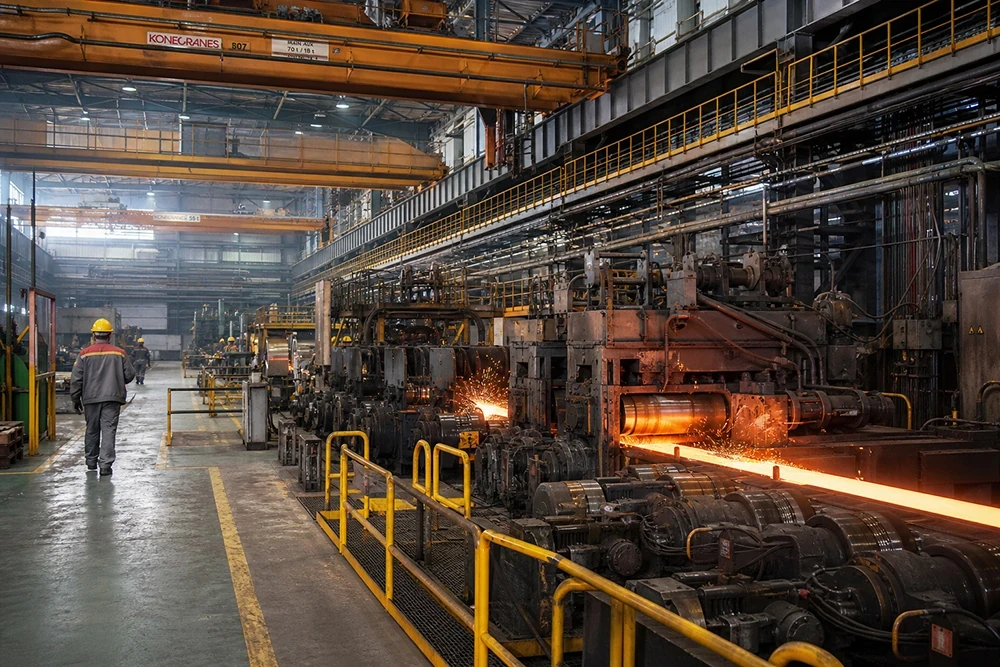
Select the steel-and-metallurgy package when EAF, rolling mills, and cranes share a network that needs HV SVG, SVC/MSVC, filters, and HV banks together.
The Steel & Metallurgy solution page, Steel & Metallurgy Power Quality Solutions, is written for power factor correction, harmonic mitigation, and voltage support on those loads. Rapid reactive changes, characteristic harmonics, and repeated cycles are the published operating picture.
The recommended configuration is high-voltage SVG, SVC or MSVC for fast reactive power and voltage support; tuned passive filters; high-voltage capacitor banks for stable base compensation where the harmonic study permits; and coordinated starting for large motors.
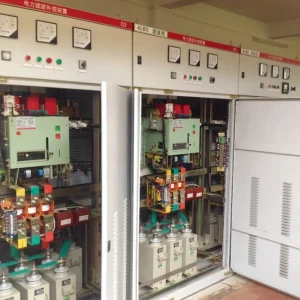
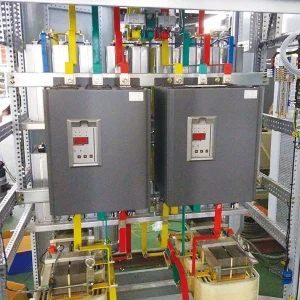
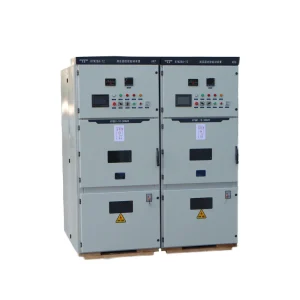
HYTSC uses thyristor-switched capacitor groups for 6 kV and 10 kV networks on rolling mills, hoists, and crushers. Published response time is ≤20 ms.
Catalog power-factor improvement lands at ≥0.9. Listed bank sizes run 300, 600, 750, 900, 1000, 1200, 1500, 1800, and 3000 kvar.
Tune the reactors at 6% or 13%. Enclosure rating is IP20.
On the published sheet the system frequency is 50 Hz. Those figures are catalog facts, not a US listing and not a patent clearance.
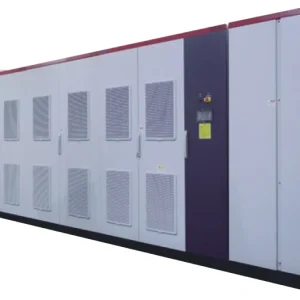
HYSVG high-voltage units supply continuously adjustable capacitive and inductive reactive power on 6 kV, 10 kV, 27.5 kV, and 35 kV buses. Published capacity spans ±1 to ±100 Mvar.
The converter answers in under 5 ms on the published sheet. Output current THD stays under 3%.
Overload holds at 1.2 × rated value for 1 min. Efficiency is ≥ 99.2% under rated conditions.
Use that family when conventional switched banks cannot cover the swing, including metallurgy.
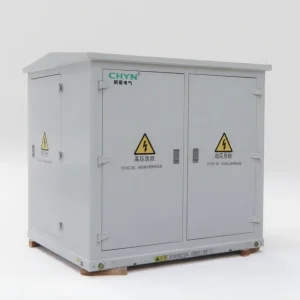
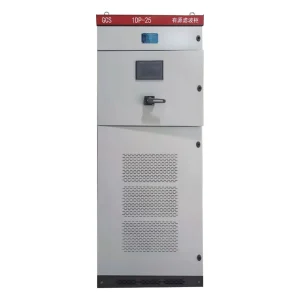
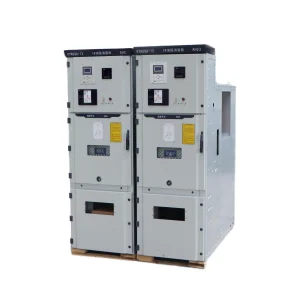
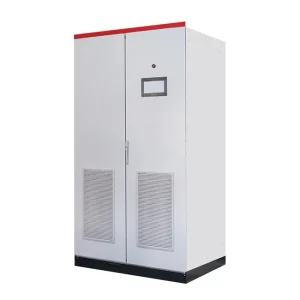
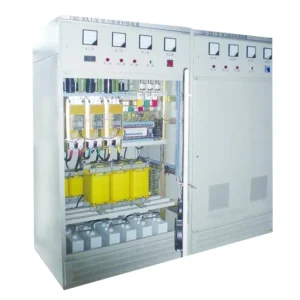
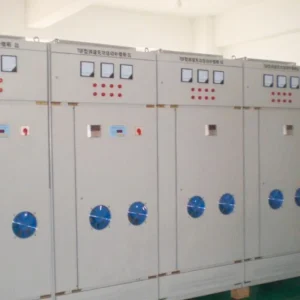
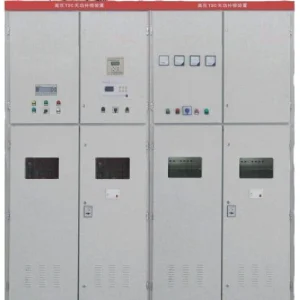
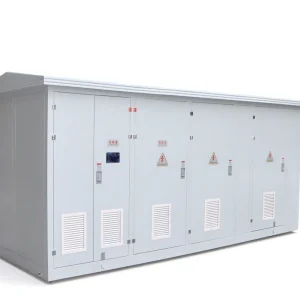
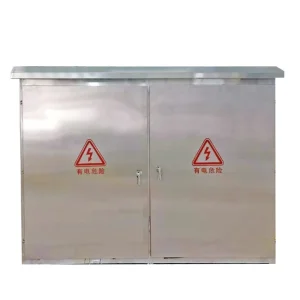
The high-voltage power factor compensation series holds the HYTBB shunt cabinets and related TSC/SVC gear for project-specific reactive work. Pick HYTSC when the bus is 6/10 kV and the load is a fast industrial swing that a thyristor-switched group can follow. Pick HYSVG HV when the bus needs continuous inductive and capacitive current beyond those steps.
| Published item | HYTSC | HYSVG HV |
|---|---|---|
| Job | Thyristor-switched capacitor groups | Converter vars, capacitive and inductive |
| Voltage | 6 kV / 10 kV | 6 / 10 / 27.5 / 35 kV |
| Speed (published) | ≤20 ms | < 5 ms |
| Range notes | 300–3000 kvar listed banks; PF ≥0.9 | ±1 to ±100 Mvar |
| Typical mill cue | Rolling mill, hoist, crusher swing | Switched banks no longer enough, including metallurgy |
None of those rows is an FTO conclusion. Open the solution page with the measurement pack. Leave claim charts with counsel.
FAQ
Does buying a compensation cabinet by itself create US patent infringement?
No automatic yes. 35 USC 271 names making, using, offering to sell, selling, and importing a patented invention without authority. Whether a named cabinet meets a named claim is counsel’s comparison, not a catalog checkbox.
Is a vendor’s own patent the same as freedom to operate in the United States?
No. Patentability and FTO face opposite questions. A granted valid patent does not mean that you have freedom-to-operate in the country where the mill will use the equipment.
What belongs with a patent attorney versus a power-quality study?
Counsel owns claim construction, legal status, and country-time risk. The plant owns the SLD, ratings, duty cycle, power factor, harmonics, and short-circuit context that make the feature list true.
Do Delaware VAR opinions tell me which mill cabinet to order?
No. Those opinions show how courts test claim limitations against accused control logic. They do not rank HYTSC against HYSVG for an EAF bus.
When does a thyristor-switched package fit a rolling mill better than a converter?
When the published job is 6/10 kV thyristor-switched groups on rolling mills, hoists, or crushers, and stepped dynamic vars are enough. Move to an HV converter when the bus needs continuous inductive and capacitive current beyond switched banks.
Why does a fixed bank’s kvar fall when voltage sags?
Capacitor vars track voltage squared. A sag cuts the vars the bank can deliver. SVC or STATCOM-class control is the field language for a stepless response that is not locked to that V² drop.
How long does a US utility patent generally last from filing?
The USPTO states that a utility or plant patent generally lasts 20 years from the US filing date, subject to maintenance fees and any term adjustment. Expired paper is a status check for counsel, not a mill shortcut.
What measurements does the steel-and-metallurgy package still ask for after the legal split?
Single-line diagram, transformer and furnace ratings, operating cycle, measured power factor, harmonic spectrum, short-circuit capacity, and target limits. Those inputs also decide whether a shunt bank is even allowed beside the dynamic branch.
References
- USPTO, patent process overview, on the US right to exclude
- 35 U.S.C. § 271, Cornell LII, on make, use, sell, offer, and import
- WIPO TISC Tool 5, Freedom to Operate, on claims, territory, and time
- Hindles, patentability search versus freedom-to-operate search
- U.S. District Court for the District of Delaware, Varentec v. Gridco opinion
- Wikipedia, static VAR compensator, on industrial TSC and TCR building blocks
- Wikipedia, static synchronous compensator, on voltage-source converter vars
- Physics Forums, capacitor vars versus voltage squared and stepless SVC or STATCOM