
 Zhejiang Hongyan Electric Co., Ltd.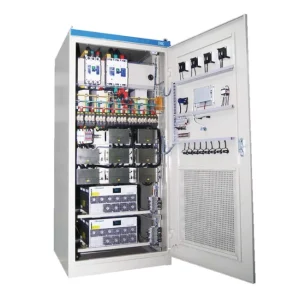
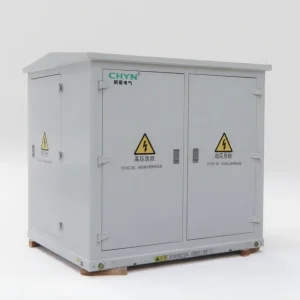
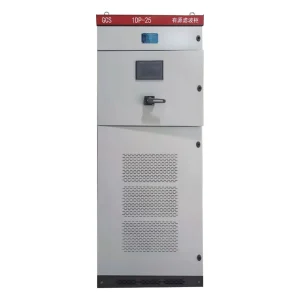
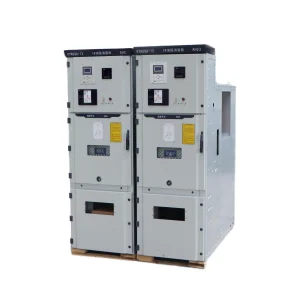
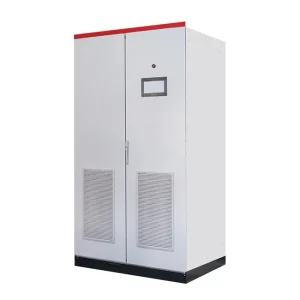
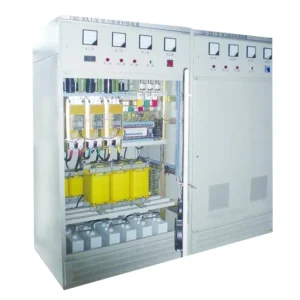
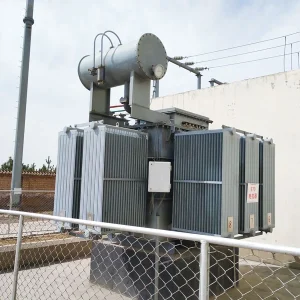
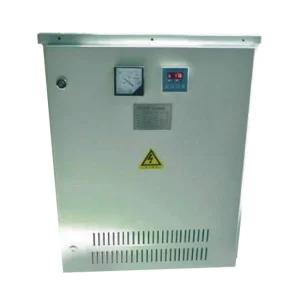
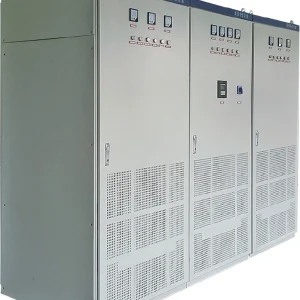
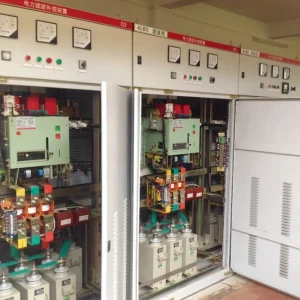
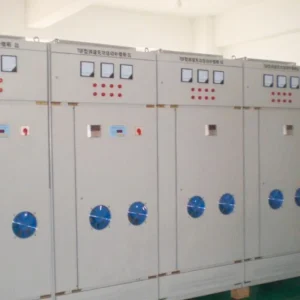
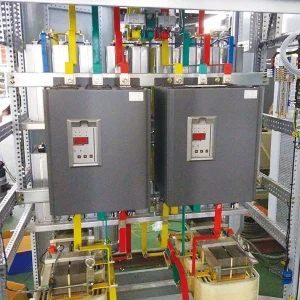
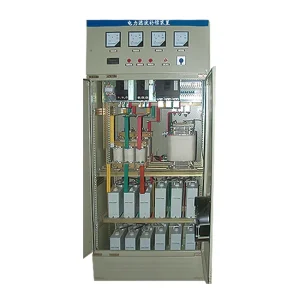
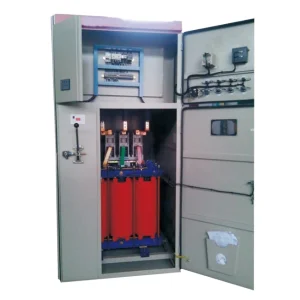
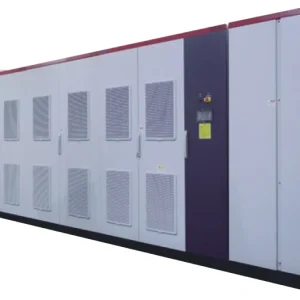
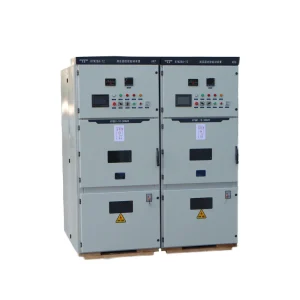
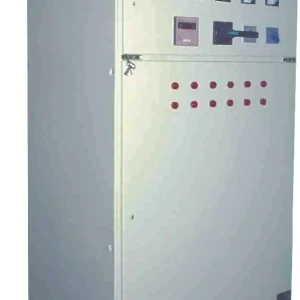
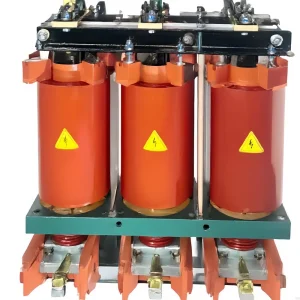
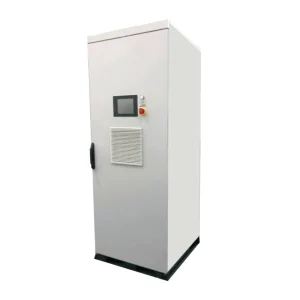
Stable power is not only about supplying enough electricity. In many industrial projects, the real challenge is how to keep the power system reliable when heavy loads, large motors, nonlinear equipment, and changing production conditions operate at the same time.
Factories, mines, cement plants, water treatment facilities, metallurgical plants, chemical production lines, and other industrial sites often face similar electrical problems. Low power factor, harmonic distortion, voltage fluctuation, reactive power impact, and large motor starting current can all affect equipment performance, energy efficiency, and long-term system stability.
As a power quality and industrial drive systems manufacturer in China, CHYNfocuses on industrial power projects where equipment selection must match real electrical conditions. Instead of treating power quality equipment and drive-related products as separate items, CHYN supports project-based solutions that consider load type, system voltage, compensation requirements, harmonic conditions, motor starting impact, and installation environment.
Industrial Power Projects Need More Than Standard Electrical Equipment
Industrial power distribution systems are different from ordinary commercial electrical systems. The loads are usually heavier, the operating conditions are more complex, and the consequences of unstable power can be more serious. A small power quality issue may cause higher losses, capacitor overheating, nuisance tripping, motor stress, production interruption, or inaccurate operation of sensitive control systems.
One common example is low power factor. When a system has a large amount of inductive load, such as motors, transformers, pumps, fans, compressors, and heavy processing equipment, reactive power demand increases. If the compensation system is not properly designed, the site may face higher current, increased transformer loading, and reduced electrical efficiency.
Another common issue is harmonic distortion. VFDs, rectifiers, UPS systems, welding machines, electric furnaces, and other nonlinear loads can introduce harmonic currents into the distribution system. If capacitor banks are installed without considering the harmonic environment, resonance or overheating may occur. This is why power quality improvement cannot be based only on rated capacity or product name.
Large motors also affect system stability. When a high-voltage motor starts directly, the starting current may be several times higher than the rated current. This can cause voltage dips, mechanical shock, and electrical stress. For pumps, fans, crushers, conveyors, compressors, and similar equipment, motor starting control is often closely related to the overall power quality strategy.
| Industrial Condition | Possible Electrical Problem | Solution Direction |
| Large motors | Starting current impact, voltage dip | High-voltage soft starter |
| Inductive loads | Low power factor, high reactive power | Reactive power compensation |
| VFDs and rectifiers | Harmonic distortion | Active filter or passive harmonic filter |
| Fast-changing loads | Voltage fluctuation, reactive power variation | Dynamic reactive power compensation |
| Harmonic environment with compensation demand | Capacitor overheating, resonance risk | Filter compensation and reactor coordination |
This is why industrial users need a manufacturer that can understand both equipment and system behavior. A reliable solution should be selected according to the real problem, not only according to a product catalog.
Power Quality Solutions Should Match the Actual Electrical Problem
Power quality is a broad topic. It includes power factor correction, harmonic mitigation, voltage stability, reactive power compensation, filtering, and system protection coordination. Different problems require different equipment, and one product cannot replace every solution.
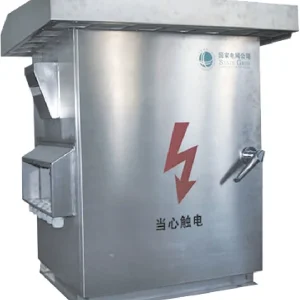
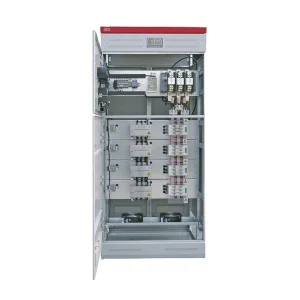
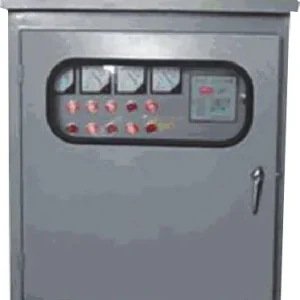
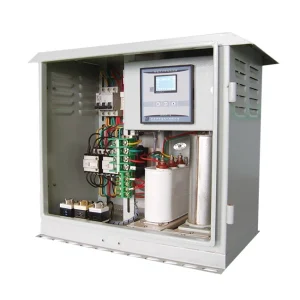
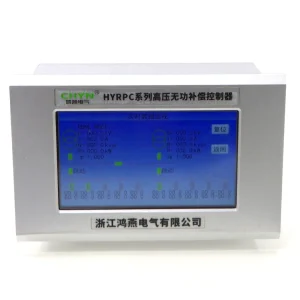
For low power factor, capacitor compensation systems may help improve reactive power balance and reduce unnecessary current in the distribution system. For high-voltage power distribution systems, medium and high voltage reactive power compensation equipment can be configured according to voltage level, transformer capacity, target power factor, load behavior, and project standards.
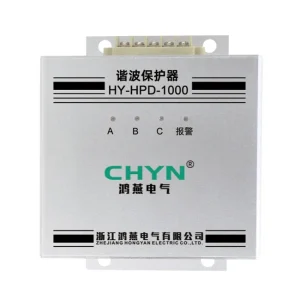
For harmonic distortion, the solution must be more careful. If the system contains nonlinear loads, harmonic measurement or load analysis should be considered before selecting compensation equipment. In some low-voltage systems, an active power filter may be suitable for dynamic harmonic control. In medium- or high-voltage systems with specific harmonic orders, passive filter compensation may be a more targeted solution.
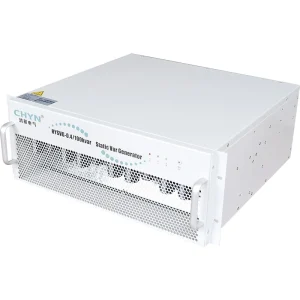
For fast reactive power changes, dynamic compensation equipment such as SVG or SVC-related systems may be considered. These solutions are useful when the load changes quickly and traditional fixed capacitor switching cannot respond smoothly enough.
For motor starting impact, a high-voltage solid-state soft starter can help control starting current and reduce electrical disturbance during acceleration. This does not replace harmonic filtering or reactive power compensation, but it can become an important part of a complete power stability plan when large motors affect voltage quality.
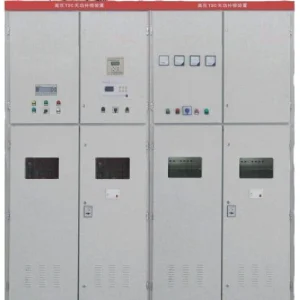
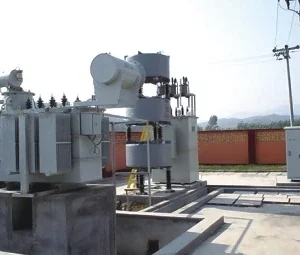
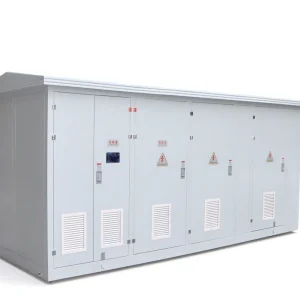
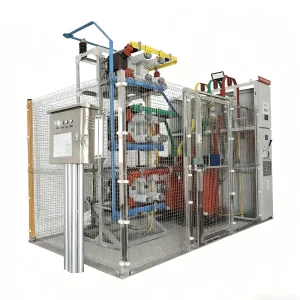
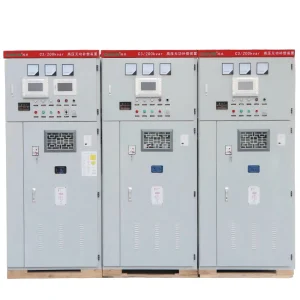
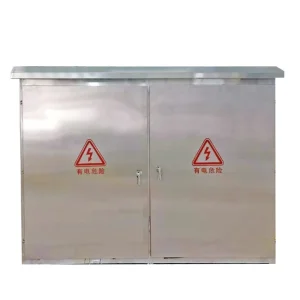
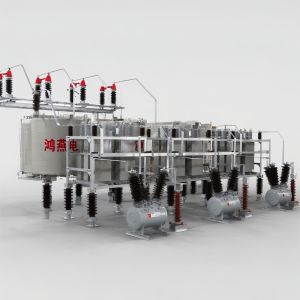
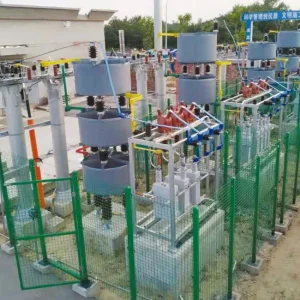
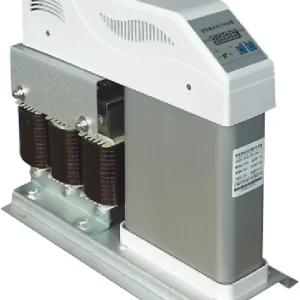
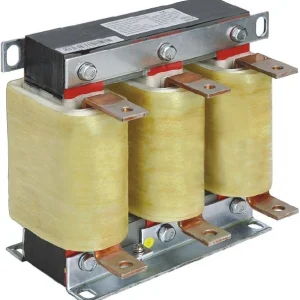
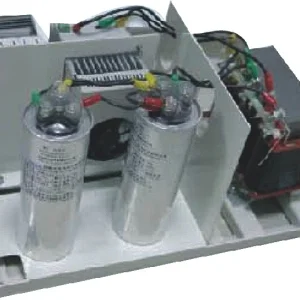
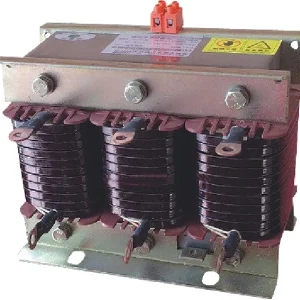
CHYN’s product range supports these different directions, including reactive power compensation systems, high-voltage reactors, dynamic reactive power compensation devices, passive filter compensation devices, active power filters, capacitor banks, and high-voltage soft starter products. The final selection should always depend on project data and site conditions.
Industrial Drive Systems Are Closely Connected With Power Quality
Industrial drive systems are not only about motor control. In many plants, large motors are one of the main sources of electrical impact. Pumps, fans, compressors, crushers, conveyors, ball mills, rolling mills, and other motor-driven equipment may create high starting current, voltage dips, and mechanical stress if the starting process is not properly controlled.
For this reason, motor starting and power quality should often be reviewed together. If a factory only installs compensation equipment but ignores the starting behavior of large motors, the system may still experience voltage disturbance during motor startup. If a project only focuses on the motor starter but ignores harmonics, reactive power, or voltage fluctuation, the wider distribution system may still remain unstable.
A high-voltage soft starter helps the motor accelerate more smoothly. By controlling the starting process, it can reduce starting current impact, lower mechanical shock, and help protect motors, cables, transformers, and switching equipment. This is especially important for applications where motors start frequently or where sensitive equipment operates on the same power network.
In industrial projects, the drive system should be selected according to the motor capacity, voltage level, load type, starting frequency, acceleration requirement, control method, and protection demand. For example, a pump station, a mining conveyor, a cement production line, and a chemical plant may all use high-voltage motors, but their operating conditions are not exactly the same.
As a manufacturer of power quality and industrial drive system equipment, CHYN can support projects where high-voltage motor starting needs to be considered together with reactive power compensation, harmonic mitigation, and voltage stability. This makes the solution more practical for industrial sites instead of treating each product as an isolated device.
Project Data Makes Equipment Configuration More Reliable
A good power quality solution starts with correct project information. Without enough site data, it is difficult to select the right compensation capacity, filter structure, reactor parameters, protection settings, cabinet configuration, or drive system design.
Before recommending a solution, the manufacturer usually needs to understand the electrical system and the actual operating conditions. Important information may include system voltage, transformer capacity, single-line diagram, load list, existing power factor, harmonic measurement data, motor capacity, starting method, installation environment, protection requirements, and future expansion plan.
| Project Information | Why It Matters |
| System voltage | Confirms low-voltage, medium-voltage, or high-voltage solution direction |
| Transformer capacity | Helps evaluate compensation capacity and system loading |
| Load type | Identifies inductive, nonlinear, impact, or fast-changing loads |
| Existing power factor | Defines the compensation target |
| Harmonic data | Helps avoid resonance and unsuitable capacitor selection |
| Motor capacity and starting frequency | Supports soft starter or drive-related configuration |
| Installation environment | Affects cabinet layout, cooling, protection, and maintenance access |
| Project standards | Guides component selection, testing, documentation, and delivery requirements |
This project-based approach is important for both EPC contractors and industrial end users. A product that works well in one project may not be suitable for another project if the voltage level, harmonic condition, load behavior, or installation environment is different.
Working directly with a China factory can make this process more efficient. Instead of only comparing standard product models, customers can discuss the actual electrical problem, provide site data, and confirm the configuration before production. This helps reduce the risk of incorrect selection and makes the procurement process clearer.
Manufacturing and Testing Affect Long-Term Operation
Power quality equipment and industrial drive systems are not simple electrical accessories. Their long-term performance depends on design, component selection, cabinet structure, insulation, wiring, protection logic, heat dissipation, and factory inspection.
For high-voltage systems, these details are especially important. Electrical clearance, insulation strength, protection coordination, reactor matching, capacitor selection, switching method, cooling design, and control system reliability all affect safe operation. If the equipment is not manufactured and inspected properly, the project may face problems after installation, even if the initial design direction is correct.
Factory testing helps confirm that the supplied equipment matches the project requirement before delivery. It may include appearance inspection, component confirmation, wiring check, insulation test, control logic verification, protection function check, nameplate confirmation, and packaging inspection. These steps cannot replace proper engineering design, but they help reduce avoidable risks before the equipment reaches the site.
For industrial users, this is one reason to work with a manufacturer rather than only a trading supplier. A manufacturer can better coordinate technical configuration, production requirements, quality control, and delivery documentation. When a project involves customized cabinets, high-voltage equipment, harmonic control, or motor starting systems, this coordination becomes even more important.
As a China power quality equipment factory, CHYN supports industrial projects through manufacturing, technical configuration, and project-based supply. The purpose is not only to deliver equipment, but to provide a practical solution that can fit the electrical system and support stable operation.
CHYN Supports Stable Industrial Power Projects From China
CHYN manufactures and supplies power quality and industrial drive system products forindustrial power distribution projects. Its product range covers several important solution directions, including reactive power compensation, harmonic mitigation, active filtering, passive filter compensation, dynamic reactive power compensation, high-voltage reactors, capacitor banks, and high-voltage soft starters.
For projects with low power factor, CHYN can support reactive power compensation solutions based on system voltage, load characteristics, and compensation target. For projects with harmonic distortion, active filters or passive harmonic filter compensation solutions can be considered according to voltage level and harmonic condition. For projects with fast-changing reactive power demand, dynamic compensation equipment can help improve response. For projects with large motor starting impact, high-voltage soft starter products can help reduce starting current and voltage disturbance.
This product structure allows CHYN to support different industries, including manufacturing, mining, metallurgy, cement, petrochemical, water treatment, power distribution, and other industrial applications. Each project may require a different combination of products, so the solution should always be confirmed according to actual site data.
For EPC contractors, project distributors, electrical panel builders, and industrial users, CHYN can be positioned as a power quality and industrial drive systems manufacturer that combines equipment manufacturing with project-oriented technical support. This is especially useful when the project requires more than a standard product purchase.
Conclusion
Stable industrial power systems depend on more than a single device. Low power factor, harmonic distortion, voltage fluctuation, reactive power impact, and motor starting current may appear together in the same plant. A practical solution should consider the complete operating condition of the electrical system.
As a power quality and industrial drive systems manufacturer in China, CHYN supports industrial projects with reactive power compensation equipment, harmonic mitigation products, active power filters, passive filter compensation devices, dynamic compensation systems, high-voltage reactors, capacitor banks, and high-voltage soft starters.
For industrial projects that require stable operation, better power factor, harmonic control, smoother motor starting, and manufacturer-based configuration, CHYN provides a practical equipment and supply direction from China.