
 Zhejiang Hongyan Electric Co., Ltd.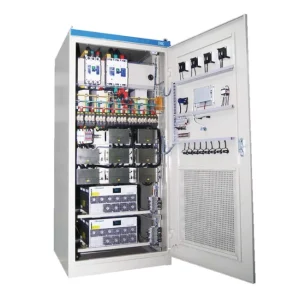
Industrial power systems are no longer simple electrical networks with only motors, transformers, and lighting loads. Modern factories often use variable frequency drives, rectifiers, welding equipment, electric furnaces, large pumps, compressors, automated production lines, and high-capacity distribution systems. These devices improve production efficiency, but they also bring power quality problems such as harmonic distortion, low power factor, voltage fluctuation, reactive power imbalance, capacitor overheating, and motor starting impact.
For many industrial projects, power quality improvement cannot be handled by one standard product. A stable solution usually requires harmonic control, reactive power compensation, dynamic compensation, filtering, protection, and equipment coordination. This is why a power quality solutions manufacturer needs to understand the real electrical conditions of the project before recommending equipment.
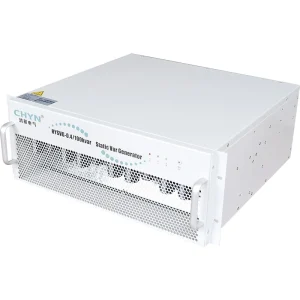
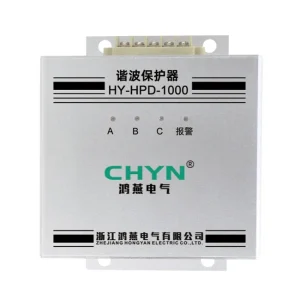
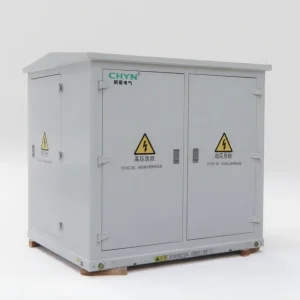
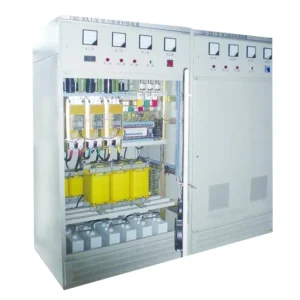
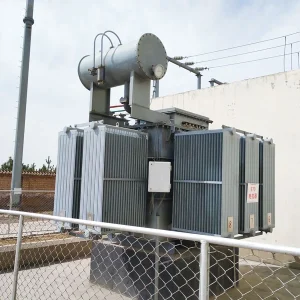
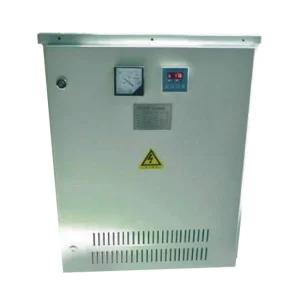
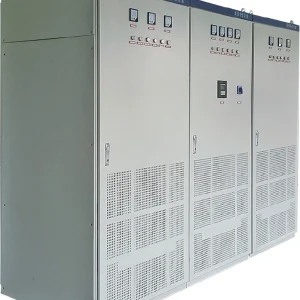
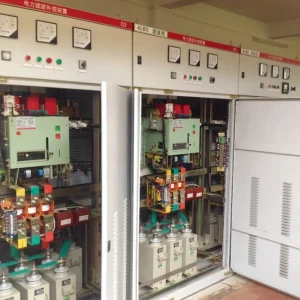
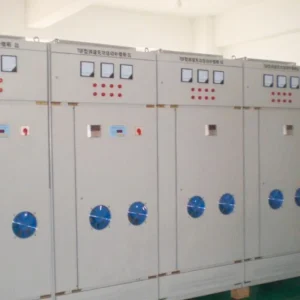
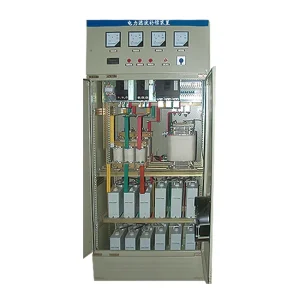
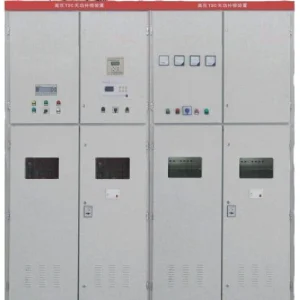
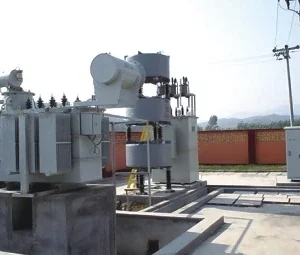
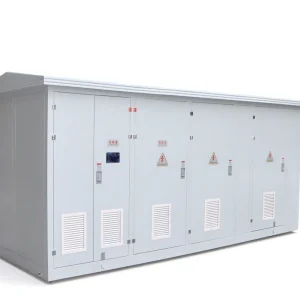
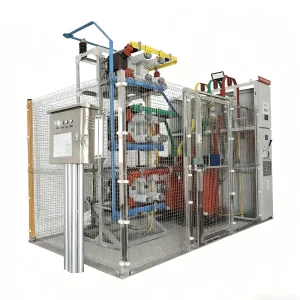
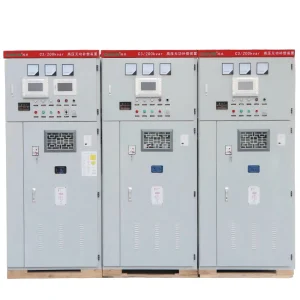
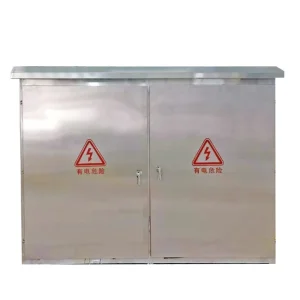
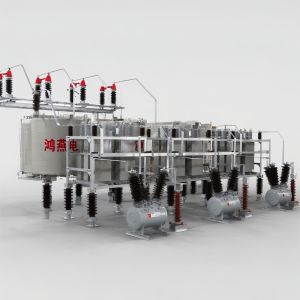
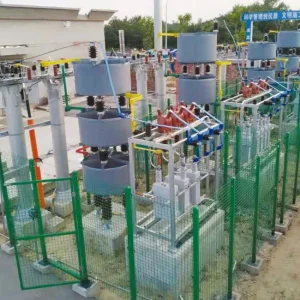
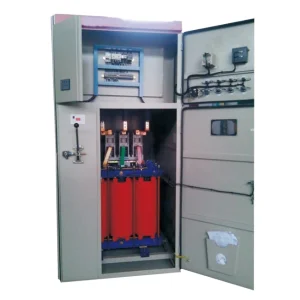
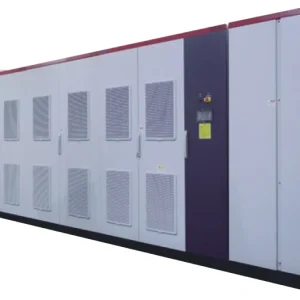
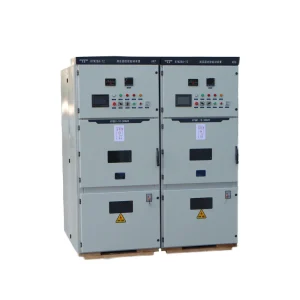
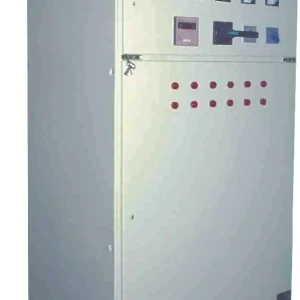
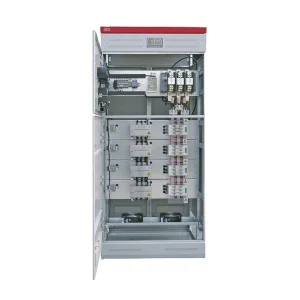
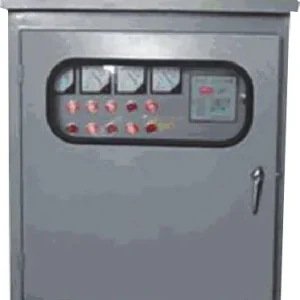
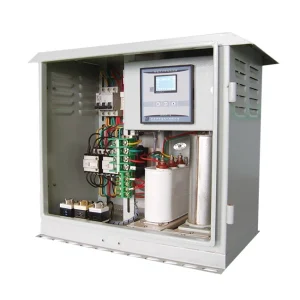
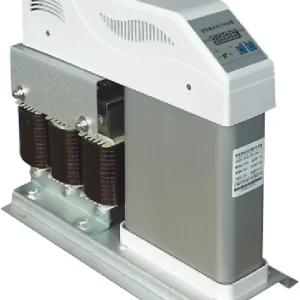
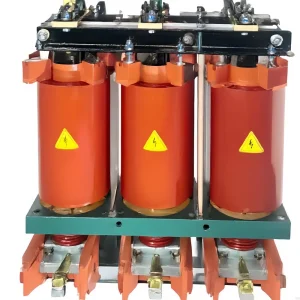
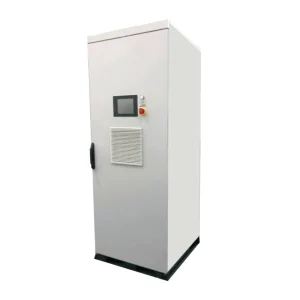
CHYN manufactures power quality equipment for industrial power systems, including active power filters, high-voltage dynamic reactive power compensation devices, high-voltage passive filter compensation devices, high-voltage solid-state soft starters, capacitor compensation systems, and reactors. These products can be configured according to voltage level, load type, harmonic condition, compensation target, and site operating requirements.
Industrial Power Quality Problems Come From Real Load Conditions
Non-Linear Loads Create Harmonic Distortion
Many power quality problems begin with non-linear loads. Variable frequency drives, rectifiers, UPS systems, welding machines, power electronic devices, and electric furnace equipment do not draw current in a smooth sinusoidal waveform. Instead, they may generate harmonic currents and inject them into the distribution system.
When harmonic currents flow through transformers, cables, busbars, capacitors, and switching devices, they can increase losses and temperature rise. In serious cases, harmonic distortion may cause capacitor overheating, transformer noise, nuisance tripping, relay malfunction, or interference with control equipment.
Inductive Loads Reduce Power Factor
Motors, transformers, reactors, pumps, fans, and compressors consume reactive power during operation. If the system does not have suitable compensation, the power factor may remain low. This can increase current, reduce usable transformer capacity, raise line losses, and create extra pressure on the distribution system.
In some industrial parks or utility-connected projects, a low power factor may also lead to penalties or failure to meet grid connection requirements. Therefore, reactive power compensation is not only about improving an electrical index. It directly affects system efficiency, operating cost, and project compliance.
Impact Loads Cause Voltage Fluctuation
Some industrial loads change quickly during operation. Electric furnaces, rolling mills, cranes, large motors, crushers, compressors, and heavy production equipment may cause sudden reactive power changes or voltage dips. These fluctuations may affect sensitive equipment, control cabinets, automation systems, and production continuity.
Traditional fixed capacitor compensation may not respond quickly enough in these situations. Dynamic reactive power compensation or a coordinated power quality solution may be required to keep the system more stable.
Power Quality Solutions Should Match the Actual Electrical Problem
One Device Cannot Solve Every Power Quality Issue
In industrial projects, harmonic distortion, low power factor, voltage fluctuation, and motor starting impact often appear together. If the solution only focuses on one problem, it may create new risks.
For example, installing capacitor banks without checking the harmonic environment may increase resonance risk. Using only harmonic filtering while ignoring reactive power fluctuation may leave the power factor unstable. Selecting fixed compensation for fast-changing loads may result in slow response and poor compensation accuracy.
A practical power quality solution should first identify the main problem, then match the correct equipment to the electrical system.
Equipment Selection Should Follow Site Conditions
The selection of power quality equipment usually depends on system voltage, transformer capacity, load type, harmonic spectrum, existing power factor, target compensation capacity, switching frequency, installation environment, and protection requirements.
For low-voltage harmonic control, an active power filter may be suitable. For high-voltage dynamic reactive power compensation, SVG equipment may be more appropriate. For high-voltage systems with harmonic filtering and compensation needs, passive filter compensation may be used. For large motor starting impact, a high-voltage solid-state soft starter may be part of the solution.
Common Problems and Solution Directions
| Power Quality Problem | Typical Cause | Suitable Solution Direction |
| Low power factor | Motors, transformers, inductive loads | Reactive power compensation system |
| Harmonic distortion | VFDs, rectifiers, welding equipment, non-linear loads | HYAPF active power filter or HYFC passive filter compensation |
| Fast reactive power fluctuation | Impact loads, electric furnaces, changing production lines | HYSVG dynamic reactive power compensation |
| Capacitor overheating | Harmonic current, resonance, unsuitable compensation design | Filter compensation and reactor coordination |
| Voltage fluctuation | Large motor starting, rapidly changing loads | Dynamic compensation or soft-start coordination |
| Starting current impact | Pumps, fans, compressors, crushers, large motors | HYSQ1 high-voltage solid-state soft starter |
| High-voltage centralized compensation demand | Industrial power distribution systems | HYFC, HYSVG, HYTBB-based system configuration |
HYAPF Active Power Filter Supports Low-Voltage Harmonic Control
Suitable for Variable and Non-Linear Loads
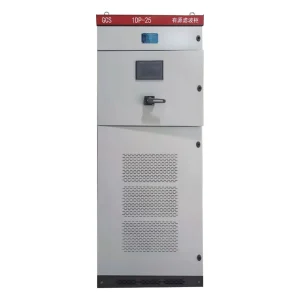
HYAPF Series Active Power Filter is mainly used for harmonic control in low-voltage power distribution systems. It is suitable for applications where non-linear loads generate harmonic currents and affect electrical stability.
Typical load sources include variable frequency drives, rectifier equipment, UPS systems, automated production lines, elevators, precision machinery, and other power electronic devices. These loads may create current waveform distortion and increase total harmonic distortion in the system.
Fast Compensation for Changing Harmonic Conditions
An active power filter detects harmonic current in the system and injects compensation current in the opposite direction. Compared with passive filtering, active filtering is more flexible when load conditions change frequently.
This makes HYAPF suitable for plants where the harmonic condition changes with production speed, equipment operation mode, or load switching. It can be installed near the harmonic source or at selected low-voltage distribution points to reduce harmonic current circulation within the plant.
Practical Value in Industrial Distribution Systems
The purpose of harmonic control is not only to improve a technical index. In real projects, proper harmonic mitigation can help reduce abnormal heating, improve capacitor safety, lower nuisance tripping risk, and support more reliable operation of electrical equipment.
For manufacturing plants, commercial buildings, automation systems, and industrial distribution rooms, HYAPF can become an important part of a complete power quality solution.
HYSVG Provides Dynamic Reactive Power Compensation for High-Voltage Systems
Designed for Fast Reactive Power Changes
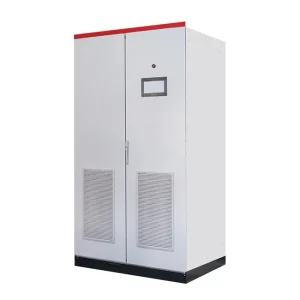
HYSVG Series High Voltage Dynamic Reactive Power Compensation Device is suitable for projects where reactive power changes quickly and the system needs fast compensation. Compared with traditional fixed capacitor switching, SVG technology can respond dynamically to changing load conditions.
In many industrial systems, the load is not stable. Electric furnaces, rolling mills, cranes, large compressors, mining equipment, high-power drives, and production lines with frequent load changes may cause rapid reactive power fluctuation. These changes can lead to unstable power factor and voltage fluctuation.
Helps Improve Power Factor and Voltage Stability
HYSVG can provide dynamic reactive power support, improve power factor, reduce reactive power impact, and help stabilize voltage under changing operating conditions. This is especially useful for high-voltage distribution systems where load variation is large and compensation response speed is important.
For industrial users, the value of HYSVG is not only fast response. It also helps the electrical system operate more smoothly when production conditions change. Stable voltage and improved power factor can reduce stress on transformers, cables, switching devices, and other distribution equipment.
Suitable for High-Capacity Industrial Projects
HYSVG can be considered for projects with high-capacity loads, frequent load fluctuation, strict power factor requirements, or voltage stability concerns. Before selection, the project should consider system capacity, transformer data, load behavior, compensation target, and site protection requirements.
As part of CHYN’s power quality solutions, HYSVG is suitable for high-voltage dynamic compensation projects that require faster and more flexible reactive power control.
HYFC Combines High-Voltage Harmonic Filtering and Reactive Power Compensation
Suitable for Medium- and High-Voltage Harmonic Conditions
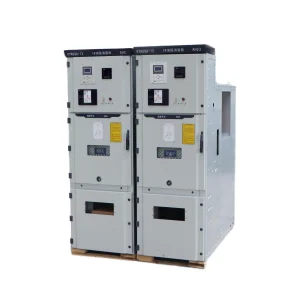
HYFC Series High Voltage Passive Filter Compensation Device is suitable for industrial systems where harmonic control and reactive power compensation need to be considered together. It is often used in medium- and high-voltage power distribution systems with large non-linear loads.
Heavy industrial sites may have more serious harmonic conditions than ordinary commercial distribution systems. Electric arc furnaces, rectifier systems, large drives, mining equipment, metallurgical production lines, cement plants, and chemical plants may produce specific harmonic orders.
Filtering and Compensation Work Together
HYFC can be configured to filter selected harmonic components while also providing reactive power compensation. This combined function is important when the project needs both harmonic control and power factor improvement.
The design usually needs to consider system voltage, short-circuit capacity, harmonic order, capacitor capacity, reactor parameters, load characteristics, and switching method. Therefore, passive filter compensation is not simply a standard cabinet selection. It requires engineering calculation and project-based configuration.
More Targeted Than Ordinary Capacitor Compensation
Compared with general capacitor compensation, HYFC is more suitable for sites where harmonic filtering is already part of the project requirement. It can reduce selected harmonic currents and improve power factor at the same time.
For high-voltage industrial systems, this is often more practical than treating harmonic control and reactive power compensation separately. When a project has both harmonic distortion and low power factor, HYFC provides a more targeted solution direction.
HYSQ1 Reduces Motor Starting Impact in Industrial Power Systems
Large Motors Can Disturb the Power System
Not every power quality problem comes from harmonics or reactive power alone. Large motor starting can also create voltage dips, electrical stress, and mechanical shock.
Pumps, fans, compressors, crushers, conveyors, and other motor-driven equipment may draw high starting current if they are started directly. This can affect the motor itself, the transformer, cables, switching devices, and other loads connected to the same distribution system.
Soft Starting Helps Control Electrical Impact
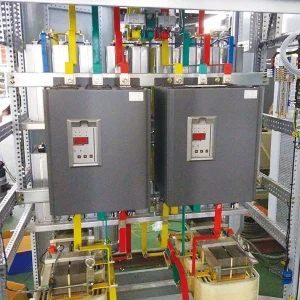
HYSQ1 Series High Voltage Solid-State Soft Starter is designed for high-voltage motor starting applications. It helps control the starting process, reduce starting current impact, and make motor acceleration smoother.
In industrial plants, smoother motor starting can reduce voltage disturbance and mechanical stress. This is especially useful when large motors start frequently or when sensitive equipment operates nearby.
A Supporting Part of Power Quality Improvement
A soft starter is not the same as a harmonic filter or a reactive power compensation device. However, in projects where motor starting affects voltage stability, HYSQ1 can become an important supporting product in a complete power quality improvement plan.
It is suitable for water treatment plants, mining sites, cement production, metallurgy, chemical plants, power stations, and other industries using high-voltage motors.
Manufacturer-Based Solutions Require Engineering and Testing Coordination
Project Data Should Guide Equipment Configuration
Power quality equipment should match the actual project. The same product series may require different ratings, cabinet structures, control methods, protection configurations, and component selections for different sites.
Before configuration, a manufacturer usually needs information such as system voltage, transformer capacity, load type, single-line diagram, existing power factor, harmonic test data, target compensation capacity, installation environment, and project standards.
Product Selection Should Be Coordinated
For example, HYAPF may be selected for low-voltage harmonic control. HYSVG may be used for dynamic high-voltage reactive power compensation. HYFC may be applied to high-voltage passive filter compensation. HYSQ1 may be selected where high-voltage motor starting impact needs to be controlled.
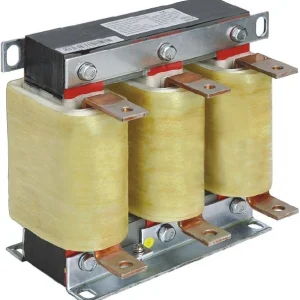
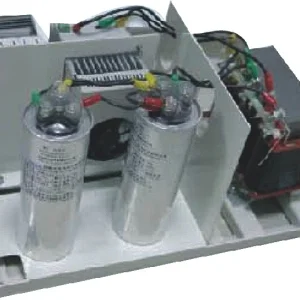
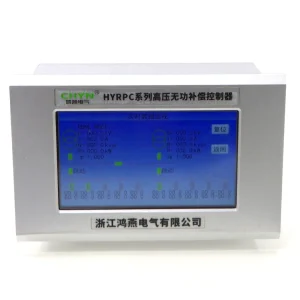
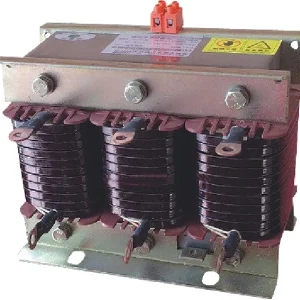
In some projects, capacitor compensation systems, iron-core reactors, switching devices, control units, protection components, and cabinet structures also need to be coordinated. HYTBB series compensation systems and CKSC series reactors can be part of the overall configuration when the project requires them, but they should be selected according to the actual compensation method and harmonic environment.
Production Quality Affects Long-Term Operation
A reliable power quality solution is not only about the electrical design. Cabinet assembly, insulation performance, electrical clearance, protection logic, wiring quality, component matching, and factory inspection all affect long-term operation.
For industrial projects, this is one of the main reasons to work directly with a manufacturer. The equipment is not only purchased as a product, but configured, manufactured, tested, and supplied according to project requirements.
CHYN Power Quality Solutions Are Built Around Industrial Project Requirements
Different Industries Need Different Solutions
Different industries require different power quality solutions. A steel plant may focus on harmonic filtering and dynamic compensation. A mining project may need high-voltage compensation and motor starting control. A manufacturing plant with many VFDs may need low-voltage active filtering. A chemical plant may require stable distribution, controlled reactive power, and reliable cabinet operation in a demanding environment.
This is why power quality improvement should be based on the electrical problem instead of only the product name.
Product Range Supports System Configuration
CHYN’s product range allows solutions to be configured around project differences. HYAPF is suitable for active harmonic control in low-voltage systems. HYSVG supports dynamic reactive power compensation in high-voltage systems. HYFC is suitable for high-voltage passive filter compensation where harmonic control and reactive power compensation are both required. HYSQ1 helps reduce high-voltage motor starting impact.
This structure allows CHYN to support industrial harmonic control, reactive power compensation, voltage stability improvement, and motor starting control in different project conditions.
Clearer Procurement for Industrial Projects
For industrial users, EPC contractors, electrical panel builders, and project distributors, a manufacturer-based solution can make procurement clearer. Instead of comparing only product names, buyers can evaluate whether the solution fits the site condition, whether the manufacturer can support technical selection, and whether the equipment configuration is suitable for long-term operation.
Conclusion
Industrial power quality problems are usually connected with real production loads. Harmonic distortion, low power factor, voltage fluctuation, reactive power changes, and motor starting impact may appear together in the same power distribution system. A practical solution should therefore be based on system analysis, proper equipment selection, and manufacturer-level coordination.
As a power quality solutions manufacturer, CHYN provides equipment for harmonic control, reactive power compensation, dynamic compensation, passive filtering, and high-voltage motor starting applications. With HYAPF, HYSVG, HYFC, HYSQ1, and related compensation and reactor products, CHYN can support industrial projects that require stable, efficient, and better-coordinated power distribution systems.