
 Zhejiang Hongyan Electric Co., Ltd.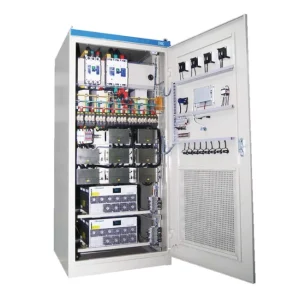
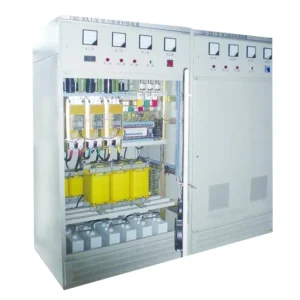
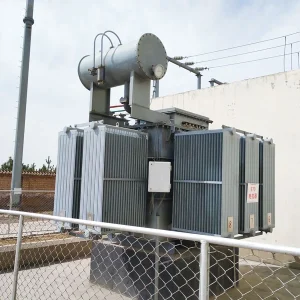
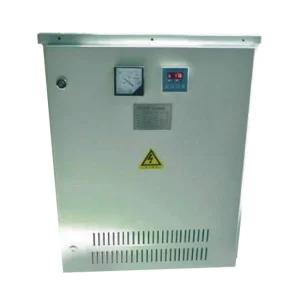
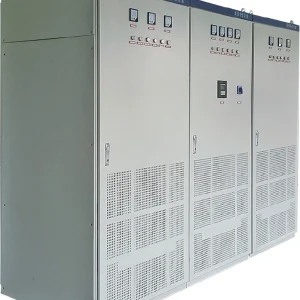
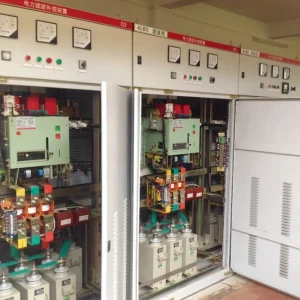
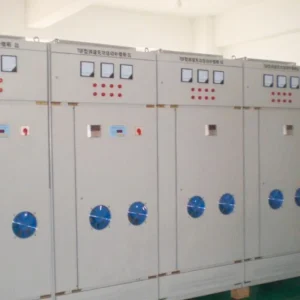
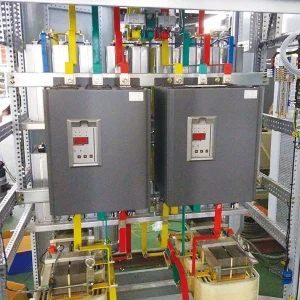
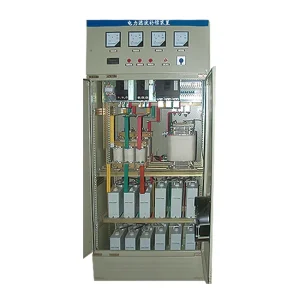
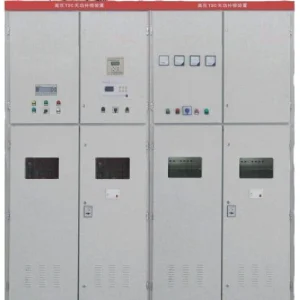
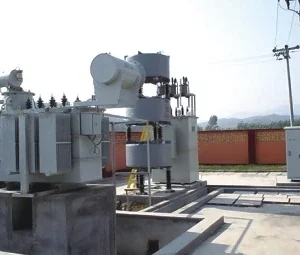
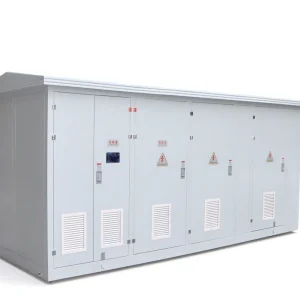
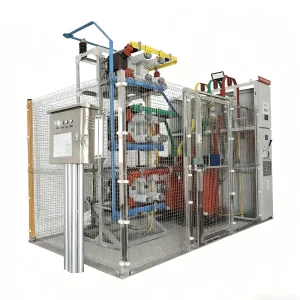
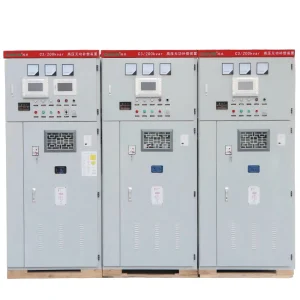
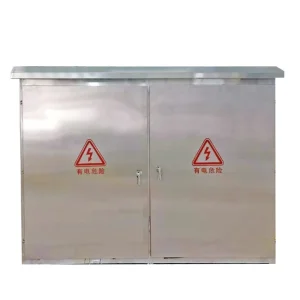
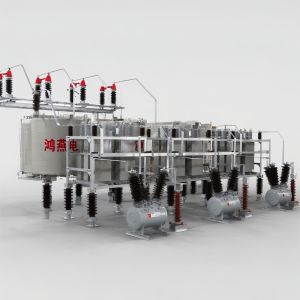
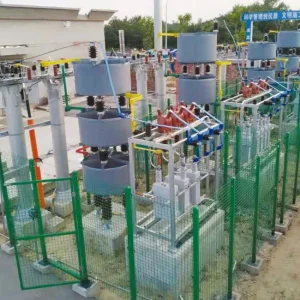
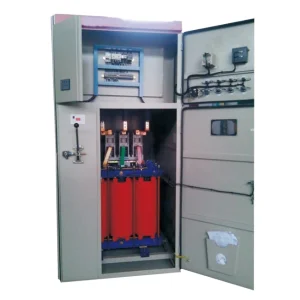
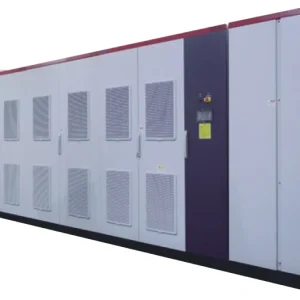
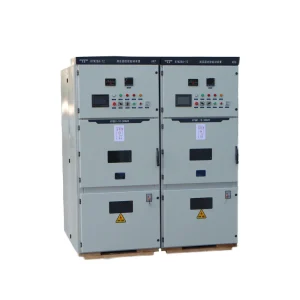
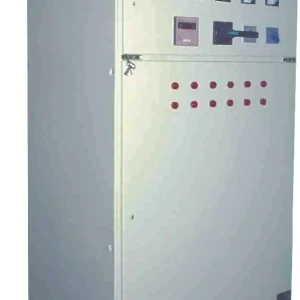
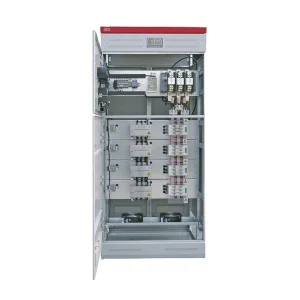
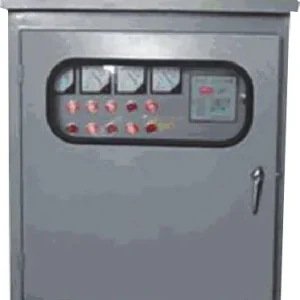
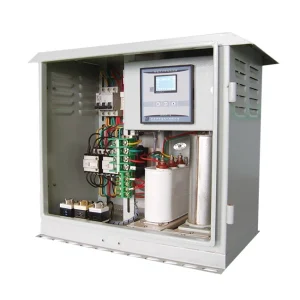
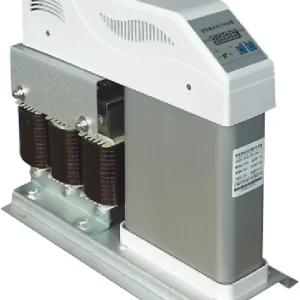
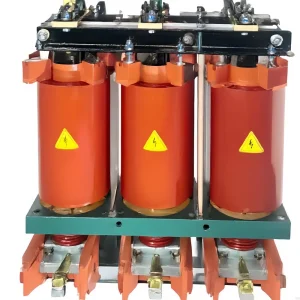
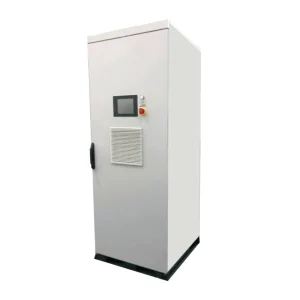
High voltage power factor compensation is not only about adding capacitor capacity to a power system. In industrial projects, the right compensation method depends on voltage level, transformer capacity, load behavior, harmonic condition, voltage stability requirements, switching speed, installation environment, and future expansion plans.
This is especially important for large industrial power systems where motors, transformers, pumps, compressors, crushers, furnaces, rolling mills, welding systems, and renewable energy equipment may operate together. If the compensation scheme is selected only by kvar capacity, the system may still face problems such as unstable power factor, voltage fluctuation, harmonic resonance, frequent switching, capacitor overheating, or insufficient dynamic response.
For this reason, high voltage power factor compensation should be treated as a complete power quality configuration. A stable load may only need a high voltage capacitor bank. A fast-changing load may require SVG, SVC, or MSVC dynamic reactive power compensation. A system with harmonics may need reactors, passive filter compensation, active harmonic filtering, or a combined solution.
As a power quality equipment manufacturer, CHYN provides high voltage power factor compensation series for industrial and utility power systems. The purpose is not simply to supply one standard cabinet, but to match the compensation equipment with real operating conditions.
Why Does High Voltage Power Factor Compensation Matter in Industrial Power Systems?
Low Power Factor Increases Unnecessary Current
Many industrial loads are inductive. Motors, transformers, compressors, pumps, fans, and other electromagnetic equipment require reactive power to build magnetic fields. This reactive power does not directly produce mechanical output or useful heat, but it still flows through transformers, cables, switchgear, busbars, and protection devices.
When the power factor is low, the system needs more current to deliver the same amount of active power. This additional current increases line losses, raises equipment temperature, and occupies transformer and cable capacity. In large industrial systems, this can become a serious operating issue because the electrical infrastructure may appear heavily loaded even when the useful production load has not reached its planned limit.
High voltage power factor compensation helps provide reactive power closer to the medium-voltage or high-voltage distribution point. By reducing the amount of reactive current drawn from the upstream grid, the system can operate more efficiently and leave more usable capacity for production equipment.
High Voltage Compensation Is Suitable for System-Level Improvement
Low-voltage compensation is useful in many local load areas, but it may not solve every problem in a large industrial plant. When the electrical system has centralized medium-voltage distribution, high-voltage motors, large transformer capacity, or a substation-based power supply structure, high voltage compensation can be more suitable.
High voltage power factor compensation is often connected to a medium-voltage busbar, transformer secondary side, substation feeder, or main distribution system. It can provide centralized reactive power support for factories, mining facilities, steel plants, cement plants, renewable energy stations, large pumping stations, and utility distribution systems.
The goal is not only to improve a power factor number. A well-configured high voltage compensation system can also support voltage stability, reduce upstream reactive power flow, improve transformer utilization, and create a more stable electrical environment for heavy industrial loads.
Different Industrial Loads Need Different Compensation Methods
Not all low power factor problems are the same. A water pumping station with stable motors, a mining system with heavy starting loads, a steel plant with impact loads, and a renewable energy station with grid fluctuation may all require reactive power compensation, but the correct equipment configuration can be very different.
For stable loads, capacitor-based compensation is often practical and economical. For loads that change in steps, automatic capacitor switching may be needed. For fast-changing or impact loads, dynamic reactive power compensation may be required. For nonlinear loads, harmonic mitigation must be considered before capacitor banks are selected.
This is why a high voltage power factor compensation project should begin with load analysis, not only with a requested kvar value.
Why Shouldn’t Compensation Capacity Be Selected Only by kvar?
The Same kvar Can Behave Differently in Different Systems
In many projects, customers may start by asking for a certain compensation capacity, such as a high voltage capacitor bank with a specified kvar rating. This is useful information, but it is not enough for a complete solution.
The same kvar capacity may work well in one system but cause problems in another. For example, a stable motor load may accept capacitor compensation smoothly, while a system with large variable frequency drives or rectifiers may need detuned reactors or harmonic filtering. A system with rapid load changes may require SVG or SVC instead of step-switched capacitors.
Therefore, kvar capacity should be treated as one design parameter, not the whole design basis.
Overcompensation Can Also Create Problems
The purpose of compensation is to improve the power factor, not to push the system blindly toward maximum capacitance. If the compensation capacity is too large, the system may become overcompensated under light-load conditions. This can cause a leading power factor, voltage rise, unnecessary switching, and unstable operating conditions.
A good compensation scheme should consider the operating range of the load. In many industrial systems, load demand changes between daytime and nighttime, between production and standby status, or between different process stages. If the compensation system cannot follow these changes properly, it may improve one operating condition while creating problems in another.
Switching Speed Must Match Load Fluctuation
Capacitor banks are suitable for many industrial compensation projects, but they are not always the best option for fast-changing loads. If the load changes more quickly than the capacitor switching system can respond, the power factor may continue to fluctuate. Frequent switching may also shorten component life and increase maintenance pressure.
Dynamic equipment such as SVG, SVC, or MSVC is more suitable when the system needs fast, continuous reactive power adjustment. This is common in steel plants, welding systems, cranes, mining equipment, rolling mills, and some renewable energy applications.
The key question is not only “how much kvar is needed,” but also “how fast must the compensation system respond?”
When Is a High Voltage Capacitor Bank Suitable?
Stable Industrial Loads Are Good Candidates
A high voltage capacitor bank is often suitable when the system has relatively stable inductive loads and the main target is power factor correction. Examples may include ordinary motor groups, pumps, fans, compressors, general factory production lines, distribution substations, and medium-voltage power distribution systems with predictable reactive demand.
In these conditions, capacitor-based compensation can be reliable, economical, and easy to maintain. It can reduce reactive power drawn from the upstream system and help the plant meet the required power factor target.
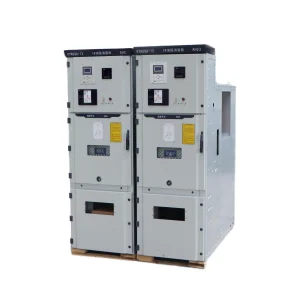
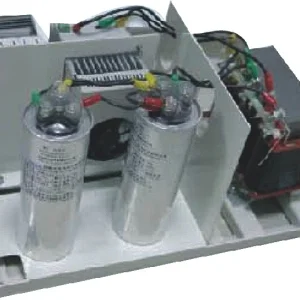
CHYN high voltage capacitor bank solutions can be configured according to voltage level, compensation capacity, switching method, installation structure, and protection requirements. They may be used for substations, factories, renewable energy projects, mining, metallurgy, and medium-voltage distribution systems.
Fixed or Automatic Switching Should Be Selected by Load Pattern
If the reactive power demand is very stable, fixed capacitor compensation may be enough. However, most industrial systems have changing loads. In that case, automatic capacitor switching is usually more practical because the compensation capacity can be adjusted in steps according to the actual system condition.
Automatic switching helps avoid serious undercompensation during heavy load and overcompensation during light load. The step size, switching logic, capacitor grouping, control method, and protection configuration should be designed according to the real load curve.
Reactors May Be Needed for Safer Operation
In many industrial systems, capacitor banks should not be installed without checking harmonic conditions. If the system contains variable frequency drives, rectifiers, UPS equipment, electric furnaces, welders, or other nonlinear loads, harmonic distortion may already exist.
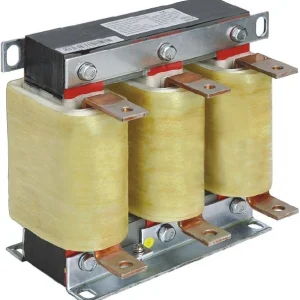
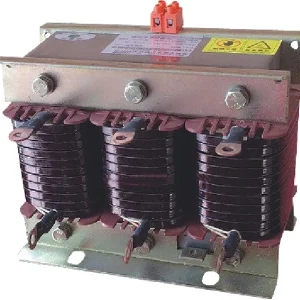
In this situation, series reactors, detuned compensation, or filter branches may be required. The purpose is to reduce resonance risk and protect the capacitor bank from harmonic overcurrent. This is an important difference between a simple capacitor cabinet and a properly engineered power factor compensation system.
When Is SVG or Dynamic Reactive Power Compensation Needed?
Fast-Changing Loads Require Faster Compensation
Some industrial loads change too quickly for traditional step-switched capacitor banks. When reactive power demand rises and falls rapidly, the compensation system must respond in real time or near real time. Otherwise, the power factor may continue to fluctuate, and busbar voltage may become unstable.
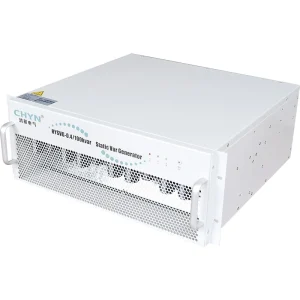
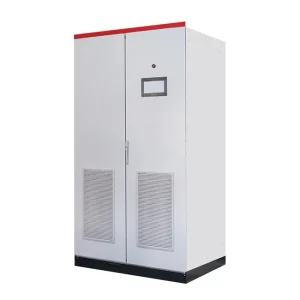
A Static Var Generator, or SVG, is suitable for this type of condition. It detects reactive power demand and provides capacitive or inductive reactive current dynamically. Compared with conventional capacitor switching, SVG can provide smoother and faster compensation.
CHYN HYSVG high voltage dynamic reactive power compensation device is based on power electronic technology and can provide continuous reactive power support for constant reactive power, constant voltage, and constant power factor control requirements.
Dynamic Compensation Supports Voltage Stability
In heavy industrial systems, voltage fluctuation can affect production equipment, control systems, motor operation, and overall power supply reliability. This is especially common where large loads start frequently, change suddenly, or create impact current.
Dynamic reactive power compensation helps support busbar voltage by adjusting reactive output according to real-time system demand. This makes SVG, SVC, or MSVC more suitable for steel plants, mining systems, rolling mills, large cranes, welding lines, electric arc furnace-related systems, and weak-grid applications.
The purpose is not only to correct the power factor after it becomes poor. The purpose is to keep the electrical system stable while the load is changing.
SVG, SVC, and MSVC Should Be Matched to the Project
SVG, SVC, and MSVC are not interchangeable in every project. SVG is often suitable for fast and precise reactive power compensation. SVC and MSVC solutions may be considered for larger systems with heavy reactive power demand and voltage fluctuation. The final choice depends on system voltage, short-circuit capacity, load fluctuation speed, harmonic condition, voltage stability target, available space, and project budget.
For this reason, CHYN does not recommend dynamic compensation equipment only by product name. The solution should be selected according to the actual electrical problem.
Why Must Harmonics Be Checked Before Power Factor Compensation?
Capacitors Can Interact with Harmonics
Harmonics are common in modern industrial power systems. Variable frequency drives, rectifiers, soft starters, welding machines, electric furnaces, UPS systems, and renewable energy inverters can introduce nonlinear current into the system.
If capacitors are added without harmonic analysis, the compensation system may interact with the system impedance and create resonance. This can amplify harmonic current, overheat capacitor units, damage reactors, cause protection trips, and reduce equipment life.
This is why harmonic checking is not an optional detail. It is a key part of high voltage power factor compensation design.
Harmonic Mitigation May Need to Be Combined with Compensation
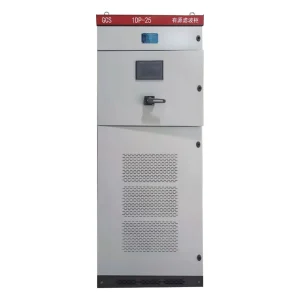
If the system has harmonic problems, the compensation solution may need more than a capacitor bank. Depending on the condition, the project may require detuned reactors, passive harmonic filter compensation, active harmonic filters, or a combined compensation and filtering scheme.
For example, a system with relatively stable inductive load and low harmonic distortion may use a capacitor bank. A system with significant harmonic content may need a filter compensation device. A system with both harmonic distortion and fast reactive power fluctuation may need a more integrated power quality solution.
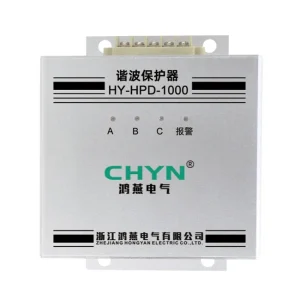
CHYN’s power quality product range includes equipment for reactive power compensation and harmonic mitigation, allowing the compensation scheme to be matched with the actual power quality condition.
Power Factor and Harmonics Should Not Be Treated Separately
A power system may have a low power factor, harmonic distortion, and voltage instability at the same time. If each problem is treated separately, the final equipment may not work well together.
A better approach is to evaluate the system as a whole. The manufacturer should consider the existing power factor, target power factor, harmonic spectrum, load profile, switching frequency, busbar voltage, transformer capacity, and equipment installation point together.
This is the difference between simply buying compensation equipment and configuring a high voltage power quality solution.
What Project Data Should Be Confirmed Before Configuration?
Voltage Level and System Structure
The voltage level is the basic starting point for high voltage power factor compensation. Common industrial systems may involve 6kV, 10kV, 35kV, or other project-specific voltage levels. The voltage level affects insulation design, cabinet structure, component selection, clearance, protection, testing, and installation layout.
The system structure is also important. Compensation equipment may be installed at the substation, medium-voltage busbar, transformer side, feeder side, or near major load groups. The installation point affects both performance and equipment configuration.
Transformer Capacity and Load Profile
Transformer capacity helps estimate the scale of the power system, but it should not be used alone to determine compensation capacity. The actual load profile is more important.
Customers should provide information about the main load types, operating schedule, load fluctuation, motor starting conditions, production process, and future expansion plan. If a load curve or electrical measurement report is available, it can help improve configuration accuracy.
Existing Power Factor and Target Power Factor
The existing power factor shows the current condition of the system. The target power factor defines the project goal. In some projects, the target is based on utility requirements. In other projects, the goal may be to release transformer capacity, reduce losses, improve voltage stability, or support a new production line.
The target should be practical. A suitable compensation system should improve the power factor without creating overcompensation under light-load conditions.
Harmonic Data and Nonlinear Load Information
If harmonic measurement data is available, it should be provided before quotation. If measurement data is not available, customers should at least provide information about nonlinear equipment, such as VFDs, rectifiers, UPS systems, electric furnaces, welding machines, and renewable energy inverters.
This information helps determine whether the project can use a standard capacitor bank or whether reactors, passive filters, active filters, or a combined scheme should be considered.
Installation Environment and Site Conditions
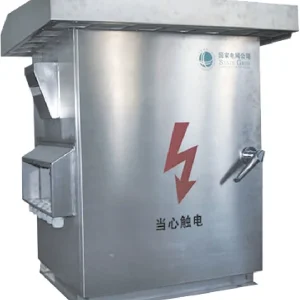
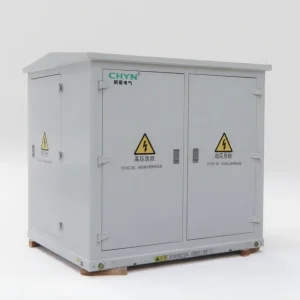
High voltage power factor compensation equipment may be installed indoors or outdoors. It may require cabinet type, outdoor box type, frame type, containerized layout, or customized structure.
Site conditions such as ambient temperature, humidity, dust, altitude, corrosion risk, ventilation, cable entry direction, maintenance space, and protection requirements should be confirmed early. These conditions affect enclosure design, cooling, layout, protection grade, and long-term reliability.
How Does CHYN Configure High Voltage Power Factor Compensation Series?
Matching Products to Real Electrical Conditions
CHYN manufactures high voltage power factor compensation series for industrial and utility power quality projects. The equipment can include high voltage capacitor banks, HYTBB medium and high voltage reactive power compensation systems, HYSVG high voltage dynamic reactive power compensation devices, SVC/MSVC dynamic compensation solutions, reactors, and harmonic filtering equipment.
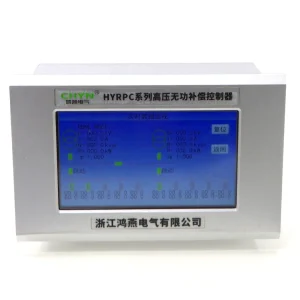
The selection is not based on product category alone. For stable loads, capacitor banks may be suitable. For medium-voltage substations that require coordinated voltage and reactive power control, HYTBB-type systems may be considered. For fast-changing loads, HYSVG or other dynamic compensation devices may be more appropriate. For harmonic conditions, filter compensation or harmonic mitigation equipment may be needed.
Supporting Industrial and Utility Applications
CHYN high voltage power factor compensation solutions can be used in factories, substations, mining systems, metallurgy plants, renewable energy stations, industrial parks, cement plants, pumping stations, and medium-voltage distribution systems.
Each application has different priorities. A factory may focus on improving power factor and reducing transformer loading. A substation may require voltage and reactive power coordination. A mining system may need dynamic response for heavy equipment. A steel plant may need voltage support and harmonic mitigation. A renewable energy project may require grid stability and reactive power control.
By understanding the actual application, CHYN can configure equipment that fits the project instead of only supplying a standard product.
Manufacturing with Project-Based Configuration
For high voltage compensation equipment, manufacturing quality and engineering configuration are both important. The final system may include capacitor units, reactors, switching devices, controllers, protection relays, discharge components, busbar structure, enclosures, monitoring devices, and auxiliary systems.
A proper manufacturer should consider electrical performance, mechanical structure, insulation safety, heat dissipation, maintenance access, site installation, and long-term operation. This is why project data is important before production begins.
CHYN’s role is to turn the electrical requirement into a practical equipment configuration that can be manufactured, tested, delivered, installed, and operated under real site conditions.
Conclusion
High voltage power factor compensation for industrial power systems should not be selected only by kvar capacity. The right solution depends on voltage level, transformer capacity, load stability, harmonic condition, response speed, installation environment, power factor target, and future expansion.
A high voltage capacitor bank is often suitable for stable inductive loads and centralized compensation. SVG, SVC, or MSVC dynamic compensation may be needed when loads change quickly or voltage fluctuation is a concern. If the system contains nonlinear loads, harmonic analysis is necessary before capacitor banks are selected, and reactors or filtering equipment may be required.
CHYN manufactures high voltage power factor compensation series for industrial and utility power quality projects. By combining capacitor banks, HYTBB systems, HYSVG dynamic compensation devices, SVC/MSVC solutions, reactors, and harmonic filtering equipment, CHYN can configure solutions according to real project conditions.
For a reliable technical proposal, customers should provide system voltage, transformer capacity, existing power factor, target power factor, load type, harmonic data, installation environment, and future expansion requirements. With accurate project information, CHYN can help configure a high voltage power factor compensation solution that improves power factor, supports voltage stability, reduces unnecessary reactive current, and matches the actual operating needs of industrial power systems.