
 Zhejiang Hongyan Electric Co., Ltd.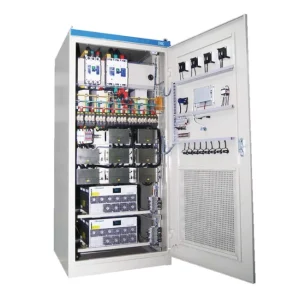
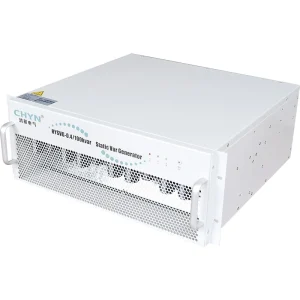
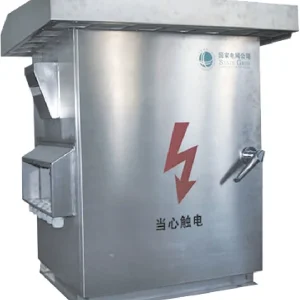
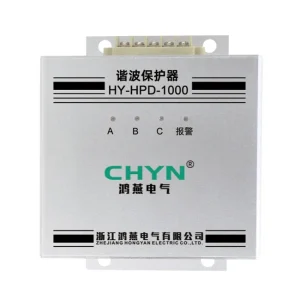
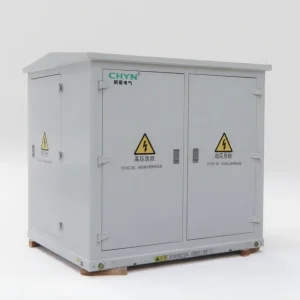
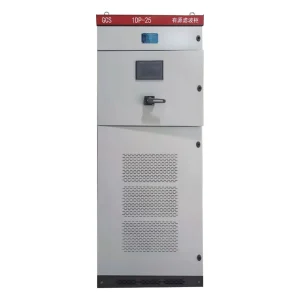
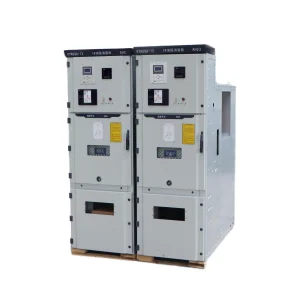
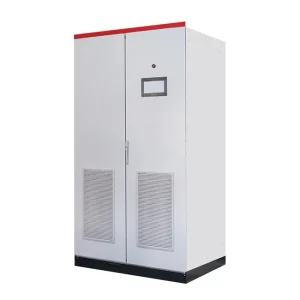
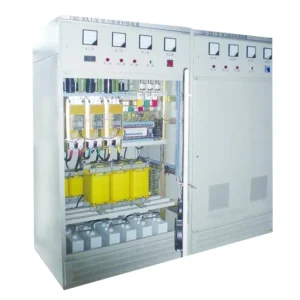
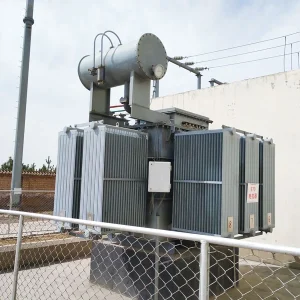
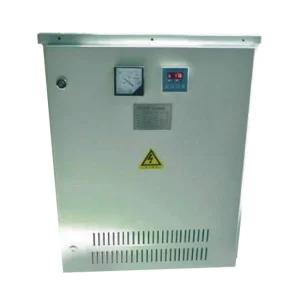
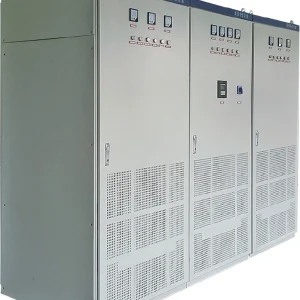
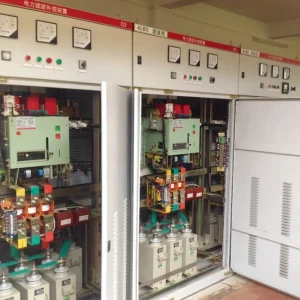
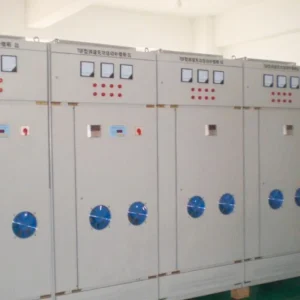
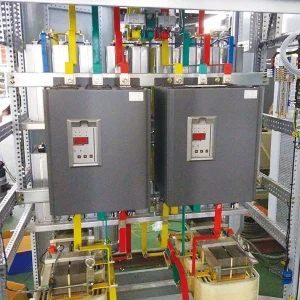
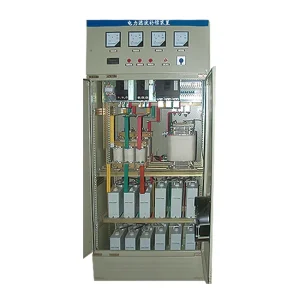
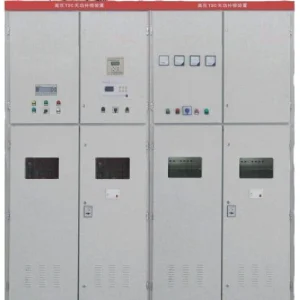
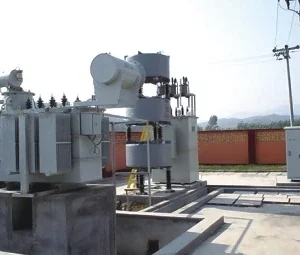
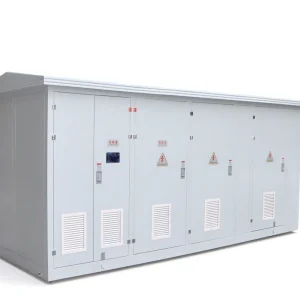
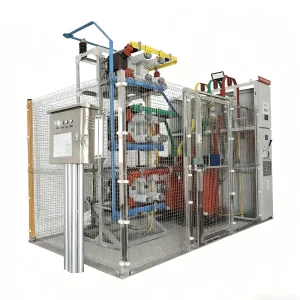
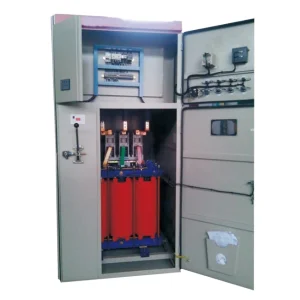
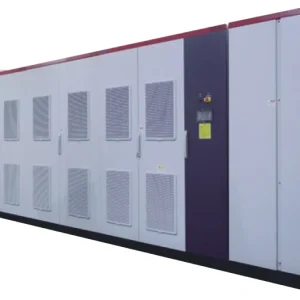
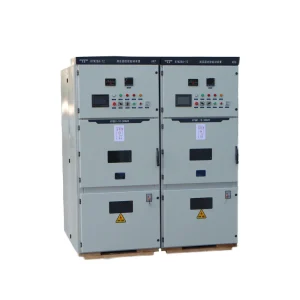
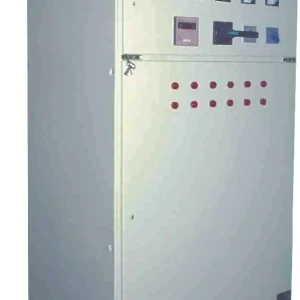
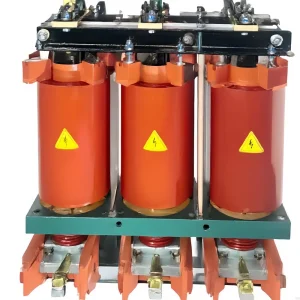
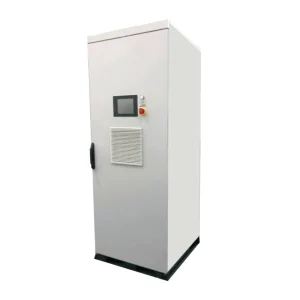
Power quality has become an important factor in modern industrial power systems. As factories use more variable-speed drives, rectifiers, electric arc furnaces, welding equipment, renewable energy systems, large motors, and automated production lines, the electrical network may face problems such as low power factor, harmonic distortion, voltage fluctuation, reactive power imbalance, and unstable equipment operation.
Choosing a reliable power quality equipment manufacturer in China is therefore not only about comparing prices. Industrial projects require equipment that matches the actual power system, load characteristics, installation environment, and long-term operating requirements. A suitable manufacturer should understand both product manufacturing and power quality applications.
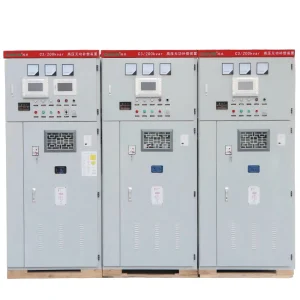
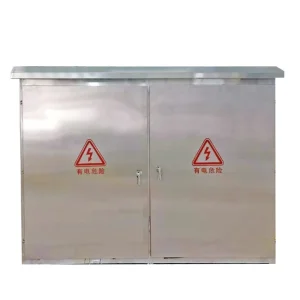
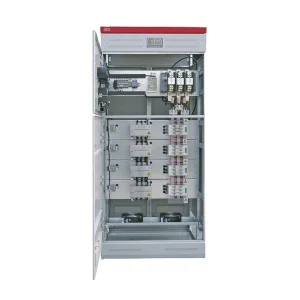
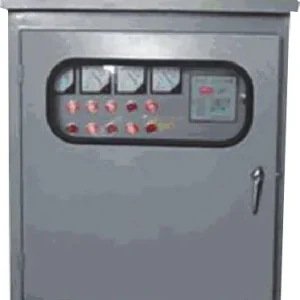
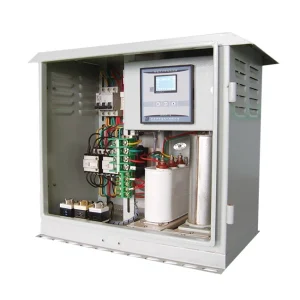
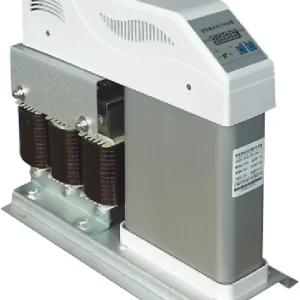
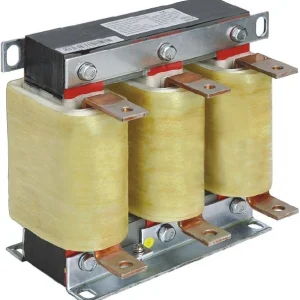
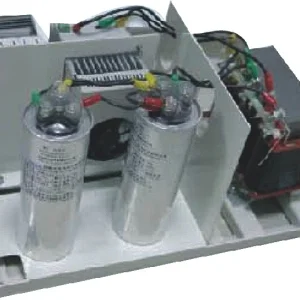
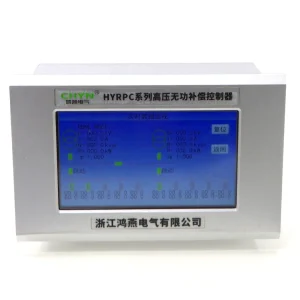
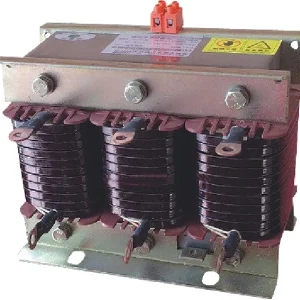
CHYN manufactures and supplies power quality equipment for industrial applications, including reactive power compensationequipment, harmonic filter systems, SVG-related solutions, SVC systems, capacitor compensation systems, reactors, and complete power quality cabinets. For factories, EPC contractors, electrical distributors, and project owners, the key is to select a manufacturer that can provide suitable equipment, stable production quality, proper testing, and technical support throughout the project.
This article explains how to choose a reliable power quality equipment manufacturer in China and what details should be checked before placing an order.
Why Is Power Quality Equipment Important for Industrial Power Systems?
Power quality equipment is used to improve the stability, efficiency, and reliability of electrical distribution systems. In many industrial facilities, the power system does not only supply lighting or ordinary small loads. It may support large motors, nonlinear loads, power electronic devices, electric furnaces, welding machines, compressors, pumps, and continuous production equipment.
When power quality problems are not controlled, several risks may appear. The power factor may remain low, causing higher current, greater line losses, and possible power factor penalties. Harmonic distortion may cause overheating in transformers, cables, capacitors, motors, and switchgear. Voltage fluctuation may affect automation systems, PLC control cabinets, production lines, and sensitive electrical devices. In severe cases, poor power quality can lead to equipment failure, production interruption, protection misoperation, or shortened equipment life.
Common power quality problems include:
| Power Quality Problem | Common Cause | Possible Impact |
| Low power factor | Motors, transformers, inductive loads | Higher current, increased losses, possible utility penalties |
| Harmonic distortion | Rectifiers, VFDs, furnaces, nonlinear loads | Heating, resonance risk, capacitor damage, equipment failure |
| Voltage fluctuation | Large motor starting, rapidly changing loads | Unstable operation, flicker, process interruption |
| Reactive power imbalance | Heavy industrial loads | Poor voltage support, lower system efficiency |
| Resonance | Improper capacitor selection in harmonic environments | Overcurrent, protection trips, capacitor failure |
| Phase imbalance | Uneven load distribution | Extra heating, unstable operation, reduced equipment life |
Because these problems are closely related to the real operating conditions of the electrical system, power quality equipment cannot be selected only by rated capacity or cabinet appearance. The equipment must match the system voltage, transformer capacity, load type, harmonic level, compensation target, installation location, and project standards.
A reliable manufacturer should be able to review these conditions before recommending equipment.
What Products Should a Reliable Power Quality Equipment Manufacturer Provide?
A power quality project may require different types of equipment depending on the system problem. Some projects mainly need power factor correction. Some need harmonic filtering. Some need fast dynamic reactive power compensation. Some need a complete medium-voltage or low-voltage power quality system.
A reliable power quality equipment manufacturer should provide a product range that covers the main requirements of industrial power quality control.
Reactive Power Compensation Equipment
Reactive power compensation equipment is used to improve power factor and reduce unnecessary reactive current in the power system. In many factories, motors, transformers, pumps, compressors, fans, welding machines, and other inductive loads consume reactive power. If this reactive power is not properly compensated, the system current increases, cable and transformer losses rise, and voltage stability may become worse.
The required compensation capacity should be calculated according to the actual power factor, target power factor, transformer capacity, load operation mode, and system conditions. For relatively stable loads, fixed capacitor banks or automatically switched capacitor compensation cabinets may be suitable. For loads that change frequently, dynamic compensation may be required.
In systems with harmonics, capacitor compensation must be selected carefully. If capacitors are installed without considering harmonics, resonance may occur. In this case, detuned reactors, filter branches, or harmonic mitigation equipment may be needed.
Harmonic Filter Systems
Harmonic distortion is common in industrial systems with nonlinear loads. Typical harmonic sources include rectifiers, frequency converters, UPS systems, induction furnaces, electric arc furnaces, rolling mill drives, welding equipment, and other power electronic devices.
A harmonic filter system is used to reduce specific harmonic currents and improve the overall power quality of the network. Depending on the project, the solution may include passive harmonic filters, active filtering equipment, detuned compensation, or a combined power quality scheme.
A reliable harmonic filter manufacturer should not recommend equipment only by cabinet size or rated capacity. The selection should consider harmonic orders, harmonic current, system short-circuit capacity, transformer capacity, existing capacitor banks, resonance risk, and the required power quality target.
For industrial projects, harmonic filtering is not only about reducing distortion numbers. It also helps protect capacitors, transformers, switchgear, motors, and production equipment from abnormal heating and electrical stress.
SVG and Dynamic Reactive Power Compensation
SVG, or Static Var Generator, is often used where reactive power changes quickly. Compared with traditional step-switched capacitor compensation, SVG can provide faster and smoother reactive power compensation. It is suitable for applications where the load changes rapidly or where stable voltage support is important.
Typical applications may include welding systems, cranes, rolling mills, electric furnaces, renewable energy systems, large motor loads, and industrial distribution networks with frequent load changes.
When selecting SVG equipment, the project should check rated capacity, response performance, control strategy, cooling method, protection functions, cabinet structure, communication interface, and long-term operating stability.
SVC and Medium-Voltage Compensation Systems
Some industrial projects require medium-voltage compensation and filtering systems. These projects usually involve larger system capacity, heavier loads, higher reactive power demand, and more complex operating conditions.
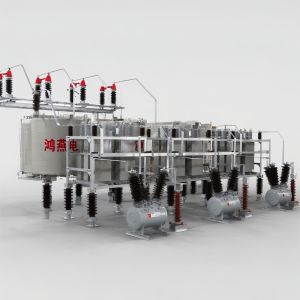
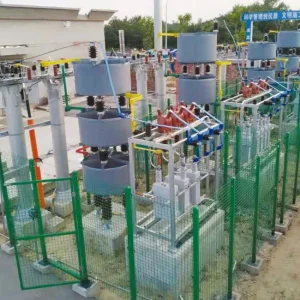
SVC systems and related medium-voltage power quality equipment may be used in steel plants, mining projects, cement plants, chemical plants, electric arc furnace systems, and other heavy industrial applications. These systems often combine compensation equipment, reactors, capacitors, filter branches, protection devices, control systems, and complete cabinet or switchgear structures.
Medium-voltage power quality projects require careful design. Insulation level, protection coordination, control strategy, switching method, harmonic filtering effect, cabinet structure, and site conditions all need to be considered before production.
Capacitor Banks, Reactors, and Complete Cabinets
Power quality equipment is not only the main compensation device. Capacitors, reactors, controllers, thyristor switches, IGBT modules, fuses, circuit breakers, contactors, protection relays, meters, cables, busbars, cooling systems, and cabinet structures all affect the final performance.
A reliable manufacturer should pay attention to component matching, heat dissipation, wiring layout, electrical clearance, insulation design, protection coordination, and maintenance convenience.
These details may not be obvious in a quotation, but they are very important for long-term operation.
How Should Engineering Capability Be Checked?
Power quality equipment is closely related to the actual electrical system. The same rated equipment may perform differently in different projects. Therefore, engineering capability is one of the most important factors when choosing a power quality equipment manufacturer in China.
Before recommending a solution, the manufacturer should understand the project conditions. Useful information includes system voltage, frequency, transformer capacity, load type, existing power factor, target power factor, harmonic data, single-line diagram, installation environment, and project standards.
If the supplier only asks for “how many kvar” or “what cabinet size,” the recommendation may not be accurate enough.
Load Characteristics Must Be Understood
Different loads create different power quality problems.
A motor load may mainly require reactive power compensation. A VFD system may generate harmonics. A rectifier system may cause harmonic distortion and low power factor. An electric arc furnace may cause rapid reactive power fluctuation, harmonics, and voltage flicker. A renewable energy system may require reactive power support and grid-side power quality control.
Before selecting equipment, several questions should be checked:
| Question | Why It Matters |
| Is the main problem low power factor? | Determines whether compensation equipment is needed |
| Are harmonics present in the system? | Affects capacitor, reactor, and filter selection |
| Is the load stable or rapidly changing? | Determines whether dynamic compensation is required |
| Is the system low voltage or medium voltage? | Affects insulation, protection, and cabinet design |
| Is there existing capacitor equipment? | Helps evaluate resonance and coordination risk |
| What is the target power factor or harmonic limit? | Defines the technical goal |
| What are the site conditions? | Affects cabinet structure, cooling, and protection level |
A reliable manufacturer should ask these questions before confirming the final solution.
The Technical Scheme Should Match the Project
For industrial power quality systems, a correct technical scheme is more important than a single product model. The manufacturer should be able to provide a proposal that explains the selected equipment type, rated capacity, system connection, protection design, control method, and expected function.
A useful technical proposal may include:
| Technical Item | Why It Matters |
| System voltage and frequency | Determines equipment rating and insulation level |
| Compensation capacity | Affects power factor improvement and voltage support |
| Harmonic order and distortion level | Determines filter design and resonance control |
| Reactor and capacitor matching | Helps prevent overload, resonance, and premature failure |
| Control strategy | Affects response speed and system stability |
| Protection configuration | Reduces risk during fault or abnormal operation |
| Cabinet layout and cooling | Affects reliability and maintenance |
| Applicable standards | Supports project acceptance and compliance |
The technical scheme should be based on real system conditions instead of a fixed template. This is especially important for steel, metallurgy, mining, cement, chemical, renewable energy, and heavy industrial projects.
How Does Manufacturing Capability Affect Long-Term Reliability?
Power quality equipment often operates under high electrical stress. Capacitors may face frequent switching. Reactors may carry harmonic current. Power electronic devices may need to respond quickly to changing loads. Cabinets may operate continuously in environments with heat, dust, vibration, or high current.
Because of this, manufacturing capability directly affects reliability.
A reliable manufacturer should have stable production procedures, qualified electrical assembly, strict component selection, and proper inspection before delivery. The production process should reduce hidden risks such as loose wiring, poor heat dissipation, insufficient insulation distance, wrong component matching, or unclear cabinet layout.
Components Should Be Selected for Real Operating Conditions
The quality of a power quality system depends heavily on its components. Capacitors, reactors, thyristors, IGBT modules, controllers, protection devices, cooling fans, busbars, cables, terminals, and cabinet materials must be selected according to the electrical and environmental conditions.
For example, in a harmonic environment, capacitors should not be selected only according to rated kvar. Harmonic current stress, voltage rise, detuning ratio, reactor matching, and temperature rise should also be considered.
For dynamic compensation equipment, the switching device, controller, cooling system, and protection logic must be suitable for frequent and fast operation.
For medium-voltage systems, insulation distance, grounding, protection, interlocking, and cabinet safety structure are especially important.
A low initial price may reduce the purchase cost, but unsuitable components may increase the risk of failure, maintenance cost, and production loss.
Cabinet Design Should Be Clear and Maintainable
Some power quality cabinets may look similar from the outside, but the internal structure can be very different. A reliable cabinet should have a reasonable busbar arrangement, clear wiring, sufficient electrical clearance, proper ventilation, safe grounding, and convenient maintenance access.
Good cabinet design helps reduce heat accumulation, wiring faults, insulation risks, and maintenance difficulty. For high-current or medium-voltage applications, these details are especially important.
When checking a manufacturer, it is useful to look at whether the cabinet layout is organized, whether components are clearly labeled, whether wiring is neat, whether the ventilation path is reasonable, and whether maintenance space has been considered.
Batch Consistency Matters
For distributors, EPC contractors, and repeated industrial projects, batch consistency is important. A manufacturer should be able to deliver stable quality across different orders, not only one well-made sample.
Stable manufacturing requires clear drawings, standard production procedures, trained workers, inspection steps, and quality records. This helps reduce differences between different cabinets, different batches, and different project deliveries.
CHYN manufactures power quality equipment for industrial applications and supports project-based production, including equipment configuration, cabinet assembly, inspection, testing, packing, and delivery according to confirmed technical requirements.
What Testing Should Be Done Before Delivery?
Testing is one of the most important steps before power quality equipment leaves the factory. A cabinet may look correct after assembly, but hidden problems can still exist if testing is incomplete. These problems may appear during installation, energization, or load operation.
The test items depend on the equipment type, voltage level, project requirement, and applicable standards. However, several areas should always be checked.
Electrical and Insulation Testing
Electrical safety is the basic requirement for power quality equipment. Before delivery, the manufacturer should check wiring, insulation, grounding, control circuits, and protection circuits.
Common inspection and testing items may include:
- Visual inspection
- Wiring inspection
- Insulation resistance test
- Power frequency withstand voltage test where applicable
- Grounding continuity check
- Control circuit inspection
- Protection device verification
- Nameplate and label checking
These checks help reduce the risk of wrong wiring, insulation failure, grounding problems, and unsafe operation.
Functional Testing
Functional testing confirms whether the system operates according to the design. For automatic capacitor compensation cabinets, the controller, switching logic, indicator lights, alarms, protection functions, and communication interfaces should be checked.
For SVG or dynamic compensation equipment, the control system, cooling system, response logic, alarm function, and protection settings should be verified.
Functional testing is important because many power quality systems depend on automatic control. If the controller setting, signal wiring, or switching logic is incorrect, the equipment may not reach the expected compensation effect.
Temperature and Operation Stability
Heat is one of the main factors affecting electrical equipment life. Capacitors, reactors, busbars, cables, and power electronic devices all generate heat during operation. If cabinet ventilation or cooling design is insufficient, the equipment may overheat.
A reliable manufacturer should consider temperature rise, ventilation path, cooling method, installation environment, and continuous operating conditions during design and testing.
For heavy-duty industrial applications, thermal performance should not be ignored.
Factory Test Records
Before delivery, the manufacturer should provide inspection records or factory test documents according to the project requirement. These documents help the customer, EPC contractor, or project owner confirm that the equipment has passed necessary checks before shipment.
For international projects, proper documentation also helps with installation preparation, customs clearance, commissioning, and project acceptance.
How Important Is Customization Ability?
Power quality equipment is often customized according to project conditions. Different countries, industries, and project sites may have different voltage levels, compensation requirements, cabinet dimensions, cable entry directions, protection standards, communication protocols, environmental conditions, and installation methods.
A reliable manufacturer should be able to adjust the equipment configuration according to technical requirements while keeping the design safe and practical.
Electrical Customization
Electrical customization may include rated voltage, rated capacity, compensation steps, filter tuning, detuning ratio, reactor configuration, switching method, protection configuration, control strategy, and communication function.
These changes should be based on power system conditions.
For example, if the project has a high harmonic level, a standard capacitor bank may not be suitable. The solution may need detuned reactors, harmonic filter branches, or dynamic compensation equipment. If the load changes quickly, traditional step compensation may not be enough. If the system is medium voltage, insulation, protection, and safety design require more careful engineering.
Cabinet and Structure Customization
Cabinet structure may need to match the installation site. Some projects have limited space. Some require top cable entry or bottom cable entry. Some need a specific protection level, ventilation design, color, busbar arrangement, or layout.
A manufacturer with in-house production capability can adjust the cabinet structure more directly according to confirmed drawings and project requirements.
Documentation Customization
For overseas projects, technical documents are very important. A reliable power quality manufacturer should be able to provide technical data sheets, drawings, wiring diagrams, test reports, packing lists, operation manuals, and other documents required by the project.
Clear documentation helps the installation team understand how to connect, operate, and maintain the equipment. It also reduces communication problems during project execution.
What Project Experience Should Be Checked?
Project experience matters because power quality problems are closely related to real site conditions. A manufacturer with industrial project experience is usually better at identifying risks, communicating with project engineers, and adjusting the solution according to the actual system.
When evaluating a power quality equipment manufacturer, it is useful to check whether the company has experience in industries such as steel, metallurgy, mining, cement, chemical plants, manufacturing factories, renewable energy, water treatment, ports, and large industrial distribution systems.
Different applications may require different solutions:
| Industry / Application | Common Power Quality Requirement |
| Steel and electric arc furnace projects | Harmonic filtering, dynamic reactive compensation, voltage fluctuation control |
| Cement plants | Power factor correction, motor load compensation |
| Mining projects | Stable distribution, reactive power compensation |
| Chemical plants | Reliable operation, harmonic and voltage control |
| Manufacturing factories | Power factor improvement, harmonic mitigation |
| Renewable energy projects | Reactive power support, grid-side power quality control |
| Water treatment and pumping systems | Motor load compensation, stable operation |
| Industrial distribution networks | Compensation, filtering, and voltage stability |
A manufacturer with relevant experience can better understand why power quality equipment should not be selected only by catalog capacity. Industrial systems often have hidden problems such as harmonic resonance, rapidly changing loads, uneven load distribution, or strict grid requirements.
CHYN supplies power quality equipment for industrial projects where power factor correction, harmonic control, reactive power compensation, and voltage stability are required. Project information such as system voltage, transformer capacity, load type, harmonic data, and installation conditions can be used to confirm a more suitable equipment configuration.
How Should International Customers Evaluate a Chinese Manufacturer?
International customers need to evaluate more than product price. Communication, engineering support, export experience, delivery management, documentation, and after-sales service all affect project execution.
Communication Should Be Technical and Clear
A reliable manufacturer should answer technical questions clearly. When customers ask about compensation capacity, harmonic filtering, reactor matching, cabinet layout, protection settings, or installation requirements, the manufacturer should provide practical explanations.
Clear communication reduces misunderstandings before production and helps both sides confirm whether the selected solution is suitable.
The Quotation Should Be Complete
A low price may look attractive, but the quotation should be checked carefully. A complete quotation should clearly show the equipment type, rated capacity, voltage level, main components, cabinet quantity, technical scope, optional functions, delivery terms, and documentation.
If two quotations have a large price difference, the reason may not only be profit margin. It may involve different component grades, different protection configurations, different cabinet structures, different testing scopes, or different technical responsibilities.
A transparent quotation helps customers compare the real scope of supply.
Delivery Ability Should Match the Project Schedule
Industrial projects usually have fixed schedules. Delayed electrical equipment may affect installation, commissioning, and production plans. Before placing an order, customers should check production planning, delivery time, packing method, export process, and document preparation.
For customized power quality systems, enough time should be left for technical confirmation, drawing approval, production, testing, packing, and shipping.
After-Sales Support Should Be Considered Before Ordering
Power quality equipment may need installation guidance, parameter setting, commissioning support, or troubleshooting after energization. A reliable manufacturer should provide technical support after delivery.
For overseas projects, remote support, operation documents, wiring guidance, and clear communication are especially important.
What Information Should Be Prepared Before Contacting a Manufacturer?
Before contacting a power quality equipment manufacturer, it is helpful to prepare basic project information. This allows the manufacturer to provide a more accurate recommendation and reduces unnecessary back-and-forth communication.
Useful information includes:
| Information | Why It Helps |
| System voltage and frequency | Determines equipment rating and insulation level |
| Transformer capacity | Helps evaluate system size and compensation range |
| Current power factor | Used to calculate required compensation |
| Target power factor | Defines the improvement goal |
| Load type | Helps identify reactive power and harmonic sources |
| Harmonic measurement data | Needed for harmonic filter selection |
| Single-line diagram | Helps understand connection point and system structure |
| Installation environment | Affects cabinet design and cooling |
| Available space | Affects cabinet quantity and dimensions |
| Project standard or utility requirement | Supports compliance and acceptance |
| Required delivery time | Helps arrange production and shipping |
If harmonic data is not available, customers can still provide information about the main equipment on site, such as VFDs, rectifiers, furnaces, welding machines, large motors, or renewable energy equipment. Based on this information, the manufacturer can provide a preliminary direction and suggest what additional data should be checked.
What Mistakes Should Be Avoided When Choosing Power Quality Equipment?
Many power quality project problems come from early selection mistakes. Avoiding these mistakes can reduce technical risk and improve long-term performance.
Choosing Only by Price
Price is important, but it should not be the only factor. A very low quotation may use a simplified design, lower-grade components, limited protection, insufficient testing, or incomplete technical support.
For industrial users, one unexpected shutdown can cost much more than the initial price difference between two suppliers.
Ignoring Harmonics When Selecting Capacitor Banks
Installing capacitor compensation without checking harmonics may create resonance risk. In systems with nonlinear loads, capacitors should be selected carefully. Detuned reactors, harmonic filter branches, or other mitigation methods may be required.
Using Fixed Compensation for Rapidly Changing Loads
If the load changes quickly, traditional fixed or step-switched compensation may not respond fast enough. Dynamic compensation equipment such as SVG may be more suitable for certain applications.
Not Checking Installation Conditions
High temperature, dust, humidity, altitude, limited ventilation, and restricted cabinet space can affect equipment performance. These conditions should be discussed before production.
Treating Power Quality Equipment as a Standard Commodity
Power quality equipment is closely related to the electrical system. Even if two cabinets look similar, the internal configuration may be very different. The equipment should match the project voltage, load type, harmonic environment, compensation target, and operation mode.
Why Work With CHYN?
CHYN manufacturesand supplies power quality equipment for industrial applications. The product scope covers reactive power compensation equipment, harmonic filter systems, SVG-related equipment, SVC systems, capacitor compensation systems, reactors, and complete power quality cabinets.
CHYN supports industrial projects from technical communication and equipment selection to production, testing, packing, and delivery. The equipment configuration can be selected according to project voltage, transformer capacity, load condition, harmonic environment, compensation target, cabinet structure, and installation requirement.
For factories, EPC contractors, distributors, and project owners, this helps reduce selection errors and improve the suitability of the final equipment.
Industrial Application Support
CHYN power quality equipment is used for applications where stable electrical operation is important. Typical project environments may include manufacturing plants, steel and metallurgy projects, mining, cement plants, chemical industries, renewable energy systems, and industrial distribution networks.
These applications often involve large loads, nonlinear equipment, or strict requirements for electrical stability. The equipment must therefore be selected according to the real operating conditions.
Manufacturing and Testing Support
CHYN manufactures equipment according to confirmed technical requirements and project configurations. During production, the cabinet structure, component selection, wiring layout, protection configuration, and control system are arranged according to the approved scheme.
Before delivery, equipment can be inspected and tested according to project requirements. Test records, drawings, operation documents, and other technical files can be provided when required.
Customized Configuration Support
Different projects require different configurations. Some customers need low-voltage capacitor compensation cabinets. Some need harmonic filter systems. Some need SVG equipment for dynamic compensation. Some need medium-voltage compensation and filtering systems for heavy industrial loads.
CHYN supports customized configurations based on rated voltage, compensation capacity, harmonic conditions, control requirements, cabinet design, cable entry method, and installation environment.
Conclusion
Choosing a reliable power quality equipment manufacturer in Chinarequires more than comparing product prices. Industrial projects need equipment that matches the real electrical system, load characteristics, harmonic environment, compensation target, installation conditions, and long-term operating requirements.
A reliable manufacturer should understand reactive power compensation, harmonic mitigation, dynamic compensation, cabinet design, component matching, factory testing, and project documentation. It should also provide clear technical communication before production and practical support after delivery.
CHYN manufactures and supplies power quality equipment for industrial applications, including reactive power compensation equipment, harmonic filter systems, SVG-related solutions, SVC systems, capacitor compensation systems, reactors, and complete power quality cabinets. With project-based equipment selection, manufacturing, testing, and delivery support, CHYN helps industrial users improve power factor, reduce harmonic problems, protect electrical equipment, and support stable production.
The right power quality solution should not be chosen only by product name or cabinet appearance. It should be selected according to the actual power system and real operating conditions. This is the key to reliable operation, lower electrical risk, and long-term power system stability.