
 Zhejiang Hongyan Electric Co., Ltd.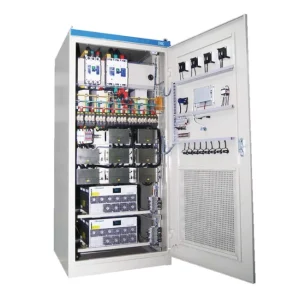
Quick Answer
Reactive power compensationshould be configured according to system capacity, transformer quantity, load fluctuation, harmonic condition, power factor target, and future expansion.
For stable loads, capacitor banks are often suitable. For medium-voltage systems, centralized high-voltage compensation may be more practical. For rapidly changing loads, SVG or SVC/MSVC is usually more effective. If the system also has harmonics from rectifiers, VFDs, furnaces, welding equipment, or UPS systems, passive harmonic filters, active harmonic filters, or integrated harmonic mitigation systems should be considered together.
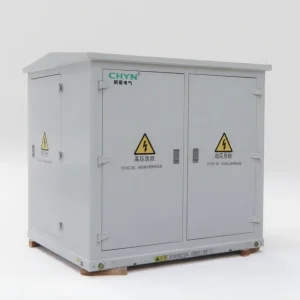
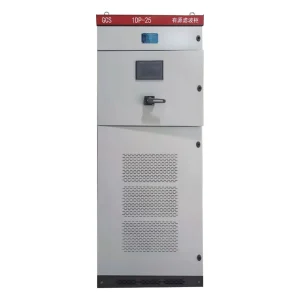
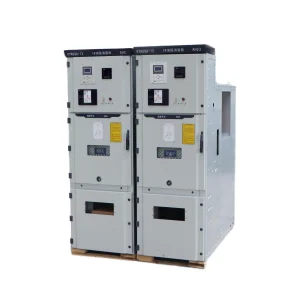
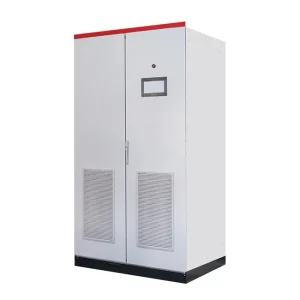
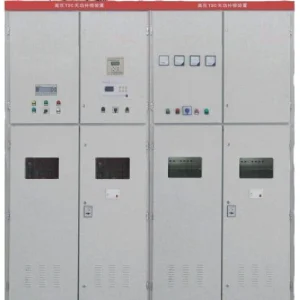
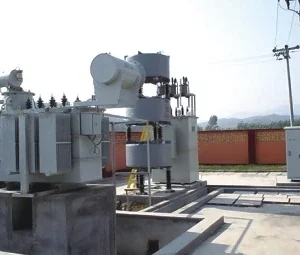
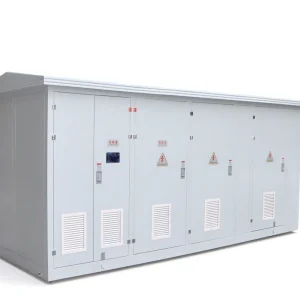
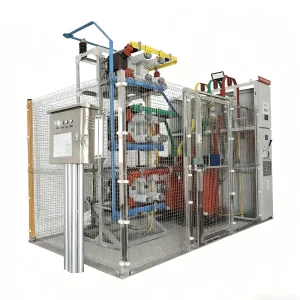
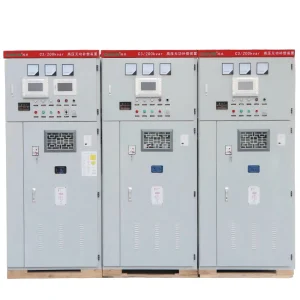
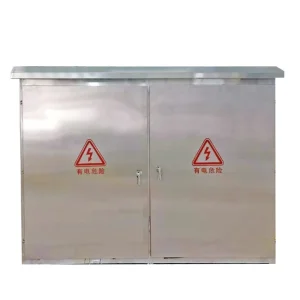
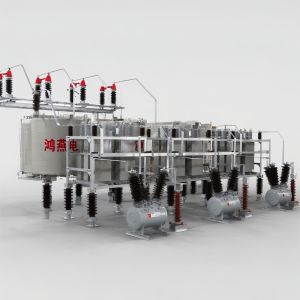
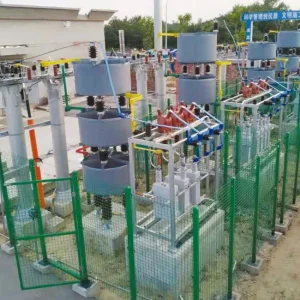
CHYN provides project-based power quality solutionsfor industrial plants, substations, mining, metallurgy, renewable energy, and utility distribution systems. Its solution range includes capacitor banks, high-voltage reactive power compensation devices, SVG, SVC/MSVC, passive harmonic filters, active harmonic filters, and harmonic mitigation systems.
System Capacity Determines the Compensation Range
A larger power system usually needs stronger reactive power support.
In a small workshop, compensation may only be used to improve power factor and reduce utility penalties. In a larger industrial plant, the compensation system may also need to reduce transformer reactive current, improve bus voltage, lower cable losses, and release transformer capacity for active load.
The basic compensation range should be calculated from actual operating data, not only from transformer nameplate capacity. Important information includes:
| Item | What It Helps Decide |
| Transformer capacity | Basic compensation range |
| Existing power factor | Current reactive power gap |
| Target power factor | Required compensation level |
| Load curve | Static or dynamic compensation |
| Voltage level | LV or MV equipment selection |
| Harmonic condition | Need for reactors, filters, or APF |
| Expansion plan | Reserved capacity and cabinet space |
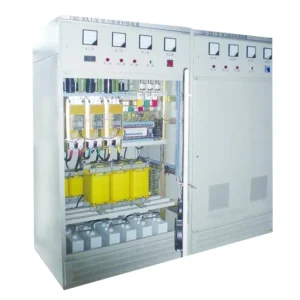
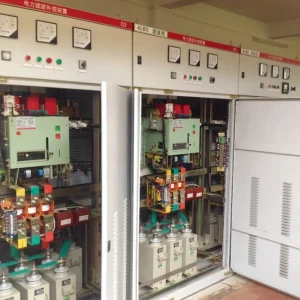
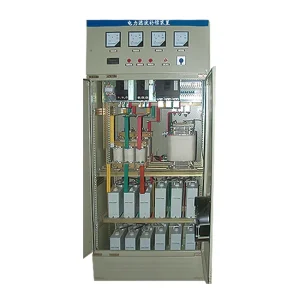
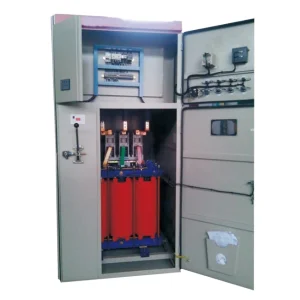
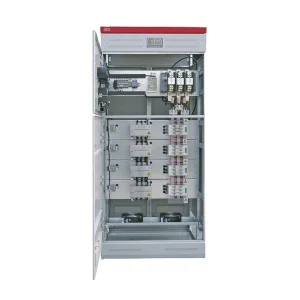
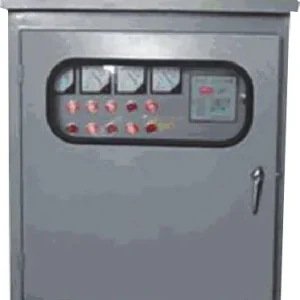
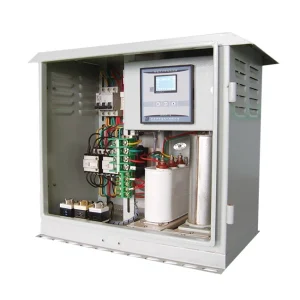
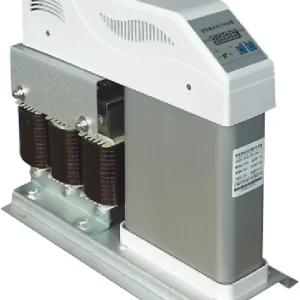
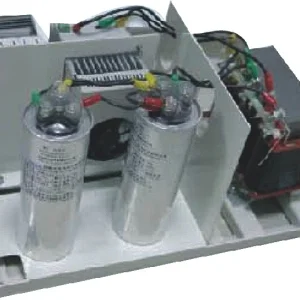
For stable or slowly changing loads, CHYN capacitor bank solutions can provide economical reactive power compensation. They are suitable for factories, substations, commercial facilities, and industrial distribution systems where the load profile is relatively predictable.
However, capacitor banks should not be selected only by kvar value. If the system has frequent load changes, harmonic distortion, or voltage fluctuation, the scheme may need detuned compensation, SVG, SVC/MSVC, or harmonic filtering.
Transformer Quantity Affects Compensation Placement
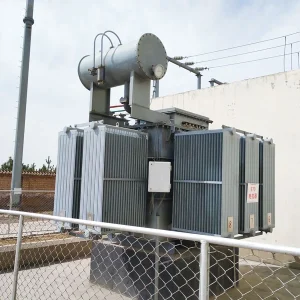
When a system has several transformers or transformer containers, compensation placement becomes more important.
Each transformer may supply different load groups. One transformer may serve motors and pumps. Another may supply rectifiers, VFDs, or furnace equipment. Their reactive power demand may change at different times. If compensation is installed only at one point, the main metering power factor may improve, but some internal feeders may still carry high reactive current.
For multi-transformer systems, the scheme should clarify three points:
| Design Question | Practical Meaning |
| Centralized or distributed compensation? | Decide whether compensation is placed at the main bus, transformer side, or load side |
| Independent control by transformer? | Avoid uneven compensation between load zones |
| Static or dynamic response? | Match capacitor banks, SVG, or SVC/MSVC to the load behavior |
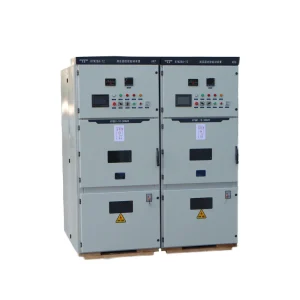
If each transformer supplies stable loads, distributed capacitor banks may be enough. If the project is assessed at a medium-voltage metering point, centralized high-voltage reactive power compensation may be preferred. If transformer loads change quickly, SVG or SVC/MSVC should be considered.
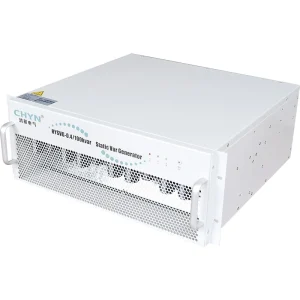
CHYN SVG systems are suitable for fast power factor correction, voltage stabilization, and reactive power support. They can inject capacitive or inductive reactive current according to real-time system demand. This makes SVG suitable for renewable energy, cranes, welding systems, steel plants, mining equipment, and production lines with changing loads.
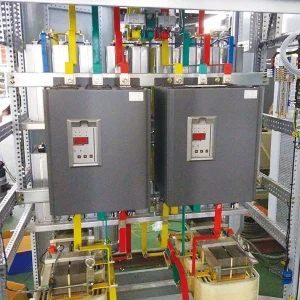
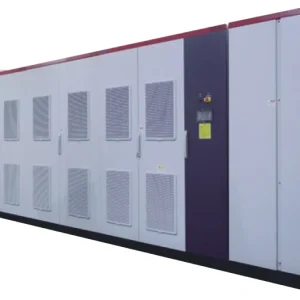
CHYN SVC/MSVC systems are also used for medium-voltage industrial networks with fluctuating loads. They are suitable for steel plants, rolling mills, mining, furnaces, substations, and heavy industrial distribution systems that need dynamic reactive power compensation and voltage support.
New Systems Should Reserve Compensation and Expansion Space
For a new power system, reactive power compensation should be considered during the electrical design stage.
If compensation is added only after the system is operating, there may be limited cabinet space, insufficient switchgear arrangement, unsuitable cable routing, or difficult protection coordination. Early planning reduces later modification work.
For new systems, the design should first review the load list:
- Motors
- Pumps
- Compressors
- VFDs
- Rectifiers
- Welding equipment
- Cranes
- Furnaces
- UPS systems
- Renewable energy inverters
The load type decides the compensation method.
Stable motor loads may use capacitor banks. Medium-voltage substations may use high-voltage reactive power compensation devices. Fast-changing industrial loads may need SVG or SVC/MSVC. Harmonic-rich systems may need passive harmonic filters, active harmonic filters, or a combined harmonic mitigation solution.
The design should also reserve space for future expansion. If the plant may add another production line, transformer, furnace, compressor group, or renewable energy unit, the compensation system should leave room for additional capacity. This does not mean oversizing the first-stage equipment. It means reserving electrical interfaces, cabinet space, and control flexibility.
Harmonics Must Be Checked Before Adding Capacitors
Reactive power compensation and harmonic mitigation are closely connected.
If the system contains nonlinear loads, adding capacitor banks without harmonic review may create resonance risk. Typical nonlinear loads include VFDs, rectifiers, induction furnaces, electric arc furnaces, welding equipment, UPS systems, and some renewable energy converters.
In these systems, the compensation scheme should check:
| Risk | Possible Result |
| Harmonic current | Capacitor overheating or overcurrent |
| Parallel resonance | Amplified harmonic distortion |
| Voltage distortion | Poor equipment operation |
| Frequent switching | Shorter device life |
| Unstable load | Power factor fluctuation |
For large and relatively stable harmonic sources, passive harmonic filters may be suitable. They can provide harmonic filtering and reactive power support at the same time. For variable low-voltage harmonic loads, active harmonic filters may be more flexible. For systems with both fast reactive power fluctuation and harmonics, SVG plus filter compensation or an integrated harmonic mitigation system may be considered.
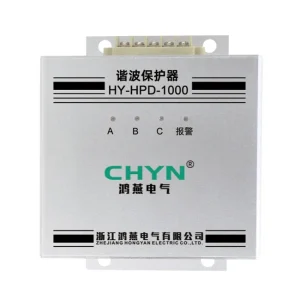
CHYN provides passive harmonic filters, active harmonic filters, and harmonic mitigation systems for industrial power networks affected by rectifiers, VFDs, furnaces, welding systems, UPS equipment, and other nonlinear loads.
Maintenance and Replacement Should Recheck the Whole System
Old compensation equipment should not always be replaced with the same capacity and same structure.
The user system may have changed after years of operation. A factory may have added VFDs, rectifiers, automated lines, larger transformers, or renewable energy equipment. The original capacitor bank may no longer match the present load condition.
Before replacement, the following items should be checked:
| Item | Reason |
| Existing power factor | Confirm whether compensation is still sufficient |
| Load change | Identify new motors, drives, rectifiers, or furnaces |
| Harmonic level | Decide whether filters or reactors are needed |
| Capacitor condition | Check aging, capacity loss, bulging, or leakage |
| Switching device condition | Check contact wear and abnormal heating |
| Controller setting | Verify CT ratio, target power factor, and step sequence |
| Cabinet environment | Check ventilation, dust, humidity, and temperature |
A replacement project may lead to several possible solutions:
- Replace fixed compensation with automatic capacitor bank compensation
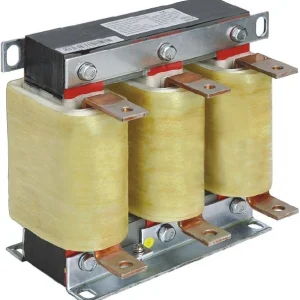
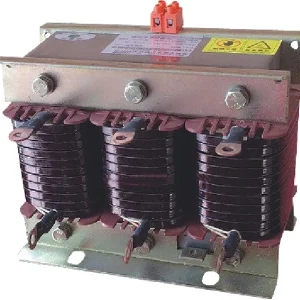
- Add detuned reactors where harmonic risk exists
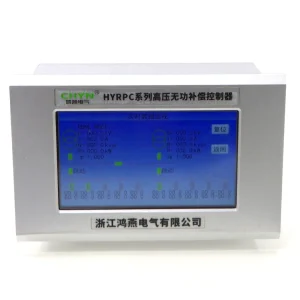
- Upgrade the power factor controller
- Use SVG for fast-changing reactive power demand
- Use SVC/MSVC for medium-voltage fluctuating loads
- Add passive harmonic filters for large fixed harmonic sources
- Add active harmonic filters for variable harmonic loads
- Combine compensation and harmonic mitigation in one engineered solution
This approach avoids replacing old equipment without solving the real cause of the problem.
Information CHYN Needs Before Scheme Configuration
To configure a practical reactive power compensation solution, CHYN usually needs the following information:
| Information | Purpose |
| Single-line diagram | Understand system structure and compensation point |
| Voltage level and frequency | Select suitable equipment design |
| Transformer capacity and quantity | Estimate compensation range and coordination method |
| Load list | Identify motors, drives, rectifiers, furnaces, and other major loads |
| Operating mode | Judge stable, intermittent, or fast-changing demand |
| Existing power factor | Define the current problem |
| Target power factor | Match utility or project requirement |
| Harmonic data | Decide whether filters, APF, or detuned compensation are needed |
| PCC location | Confirm the assessment point |
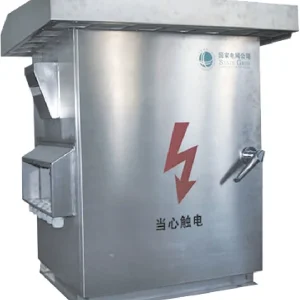
| Installation environment | Select cabinet, outdoor, indoor, or customized layout |
| Expansion plan | Reserve capacity and space |
With this information, CHYN can compare capacitor bank compensation, high-voltage reactive power compensation, SVG, SVC/MSVC, passive harmonic filters, active harmonic filters, and harmonic mitigation systems according to the project condition.
CHYN Reactive Power Compensation Solutions
CHYN is a manufacturer of power quality equipment and provides project-based solutions for industrial and utility power systems.
Forreactive power compensation projects, CHYN can support:
- Capacitor bank compensation for stable loads
- High-voltage reactive power compensation for medium-voltage and high-voltage systems
- SVG for fast dynamic reactive power control
- SVC/MSVC for medium-voltage fluctuating loads
- Passive harmonic filters for large harmonic sources
- Active harmonic filters for variable harmonic loads
- Integrated harmonic mitigation systems for combined power quality problems
The final configuration depends on the actual power system. A small factory may only need a capacitor bank. A medium-voltage substation may need centralized high-voltage compensation. A steel plant, mine, furnace system, or renewable energy project may require dynamic compensation and harmonic mitigation together.
CHYN can provide engineering support, equipment configuration, manufacturing, and project supply according to the voltage level, transformer capacity, load profile, power factor target, harmonic condition, installation space, and future expansion plan.
Conclusion
Reactive power compensationshould be configured from actual system data.
System capacity decides the basic compensation range. Transformer quantity affects compensation placement and control strategy. New systems should reserve space for future expansion. Maintenance and replacement projects should recheck load changes, harmonic risk, capacitor condition, and controller settings before selecting new equipment.
For stable loads, capacitor banks may be enough. For medium-voltage systems, high-voltage reactive power compensation may be suitable. For fast-changing loads, SVG or SVC/MSVC should be considered. For nonlinear loads, passive harmonic filters, active harmonic filters, or integrated harmonic mitigation systems may be required.
CHYN provides capacitor banks, high-voltage reactive power compensation devices, SVG, SVC/MSVC, passive harmonic filters, active harmonic filters, and harmonic mitigation systems for industrial and utility applications. Based on actual project data, CHYN can configure reactive power compensation and power quality solutions for factories, substations, mining, metallurgy, renewable energy, and heavy industrial power systems.