
 Zhejiang Hongyan Electric Co., Ltd.
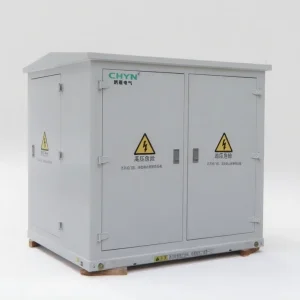
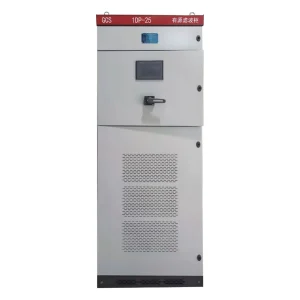
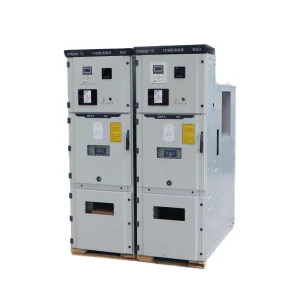
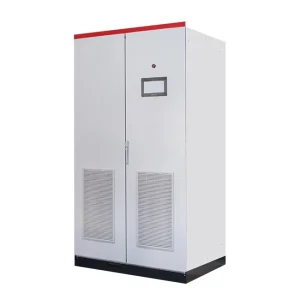
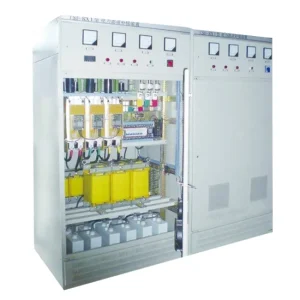
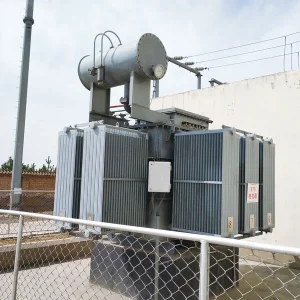
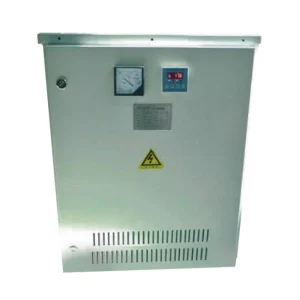
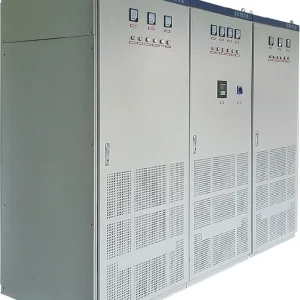
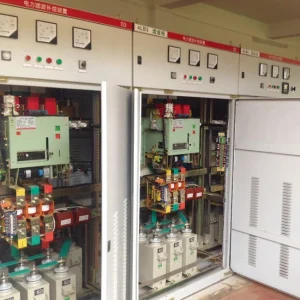
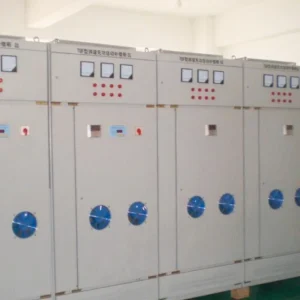
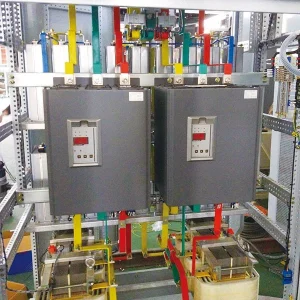
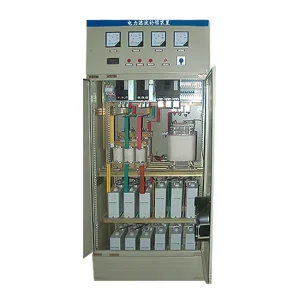
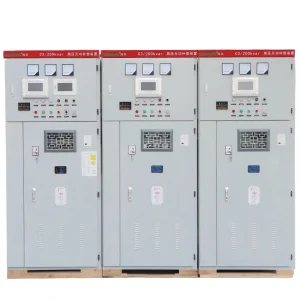
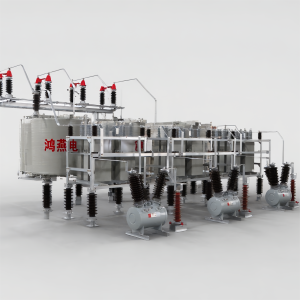
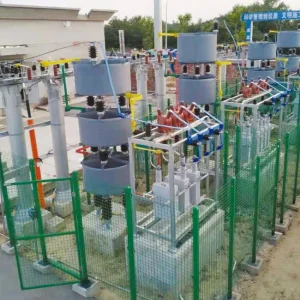
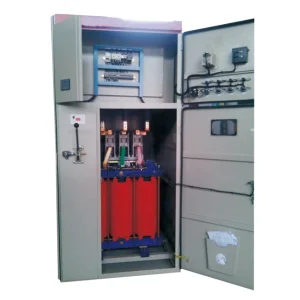
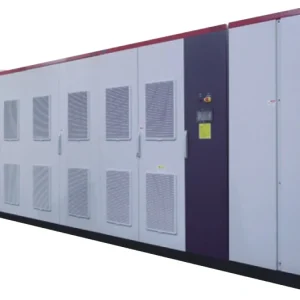
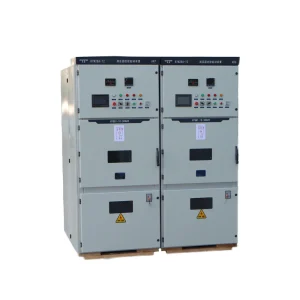
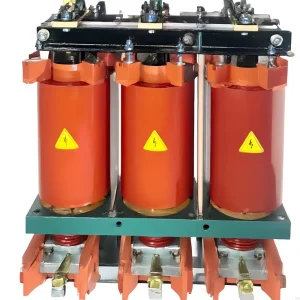
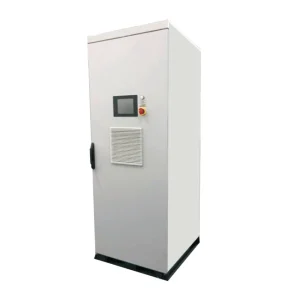
A capacitor bank at high altitude needs a site-specific review of external insulation and cooling. These are separate engineering questions, and increasing one voltage rating does not automatically resolve both. Provide the installation elevation, service environment, system voltage, switching conditions and required insulation levels before requesting a quotation. Ask the supplier to identify the approved operating envelope and the evidence supporting the complete assembly, including bushings, support insulators, switches, reactors and connections. A standard catalog description is only the starting point for that review.
This guide is intended for medium- and high-voltage project inquiries. It explains the information and documents to request without inventing a universal altitude multiplier or a CHYN high-altitude rating.
Separate the bank’s electrical ratings
A capacitor unit’s rated operating voltage, the bank’s connection arrangement and the insulation withstand requirements describe different aspects of the design. Record the nominal system voltage, highest service voltage, expected voltage variation and required bank output. Then identify the applicable insulation requirements and where they apply within the assembly.
The voltage across an individual capacitor unit depends on the bank arrangement and operating conditions. External insulation to earth or between conductive parts has a separate role. A purchaser should therefore request a clearly marked diagram and a rating schedule rather than relying on one headline voltage value in a quotation.
Also state whether the bank is fixed, switched or part of a filtering arrangement. Include reactors, existing compensation and relevant network changes. These inputs help the responsible engineer assess the complete operating duty; altitude does not replace the need for normal capacitor-bank design checks.
Why elevation belongs in the insulation review
Air density changes with elevation, affecting external insulation behavior. The appropriate design response depends on the applicable standard, insulation arrangement and service conditions. It should be documented for the actual equipment. Do not apply a correction factor taken from a different device or voltage class without confirming its scope.
A Ceylon Electricity Board capacitor-bank specification explicitly requires altitude to be considered when selecting insulation levels. This is an example of a utility’s engineering specification, not a universal design table for every capacitor bank or a claim that CHYN equipment meets that tender.
Ask the supplier to show which insulation paths were assessed. The answer should connect the required withstand duty to the proposed component and assembly ratings. A general statement that the capacitor dielectric is suitable does not establish the adequacy of every exposed bushing, support and switching component.
Cooling requires its own assessment
The installation environment also influences heat removal. Obtain the permitted ambient conditions and altitude envelope for each relevant component and for the assembled bank. In an enclosed arrangement, internal air temperature can differ from the temperature measured at the site weather station. Reactors and other loss-producing equipment need particular attention in the thermal review.
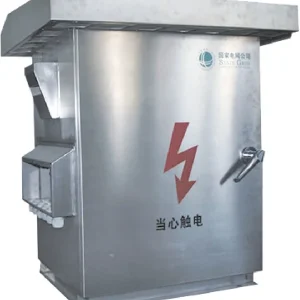
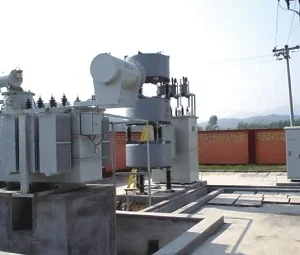
Ask for the loss assumptions, enclosure arrangement and cooling method used in selection. Identify whether the design relies on natural circulation, forced ventilation or another arrangement. Request the operating limits and maintenance requirements that keep that arrangement effective. Do not infer a thermal capability from a photograph of outdoor equipment.
A proposal may satisfy an insulation requirement while still needing a different thermal selection. Conversely, increasing ventilation does not establish adequate external insulation. Keep the two approvals visible as separate items in the technical review and acceptance record.
Build a complete site-condition schedule
The table is an original inquiry checklist. It intentionally avoids numeric thresholds because the correct values depend on the project and selected equipment. Supply measured or specified data and identify the source of each entry.
| Site input | Information to state | Required supplier response |
|---|---|---|
| Elevation | Installation height above sea level and exact equipment location | Confirmed altitude envelope and any design changes |
| Temperature | Extremes, daily variation and local enclosure conditions | Thermal assumptions, limits and cooling arrangement |
| Insulation duty | System voltage, required withstand levels and coordination basis | Component and assembly rating schedule |
| Contamination and weather | Pollution, moisture, condensation, wind and outdoor exposure | Insulator, enclosure and maintenance provisions |
| Electrical operation | Bank steps, switching frequency, harmonics and network configurations | Matched capacitor, reactor, switch and protection selection |
| Verification | Applicable standards, tests and documentation required by the contract | Specific evidence and clearly listed deviations |
For an indoor installation, describe the actual building ventilation and equipment placement. For an outdoor installation, identify local environmental exposure rather than using “outdoor” as the complete specification. If the final location has not been selected, make that uncertainty an explicit design assumption.
Coordinate with the rest of the substation
The bank interfaces with switching equipment, protection, earthing and the surrounding network. Ask the project engineer to identify the applicable insulation-coordination study and switching duty. A capacitor bank should not be reviewed as an isolated collection of capacitor cans when the installed system contains other components that may govern its performance.
NPTEL’s Power System Engineering course includes transient overvoltages and insulation coordination. These subjects provide the conceptual background for coordinating equipment withstand with expected stresses and protective arrangements. The course does not give a project-specific clearance or altitude rating.
Keep surge-protection assumptions visible. Identify protective devices, their location and the installation details relied on by the coordination study. A change in layout or component selection should be reviewed for its effect on the approved design. Do not assume that adding a protective device cancels every other insulation requirement.
Ask for assembly-level confirmation
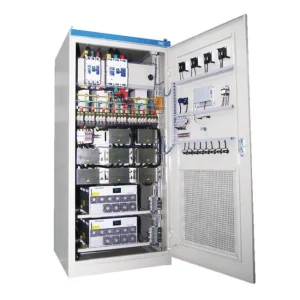
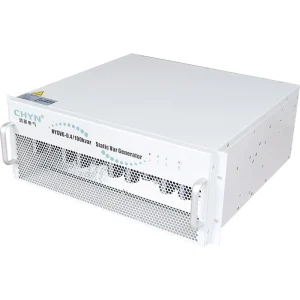
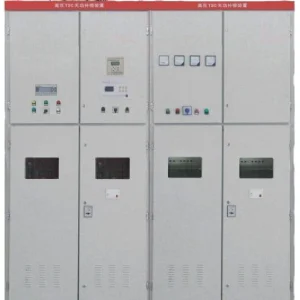
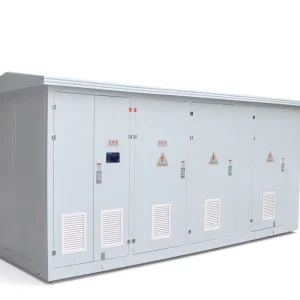
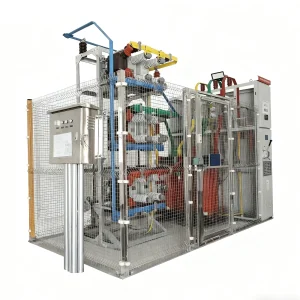
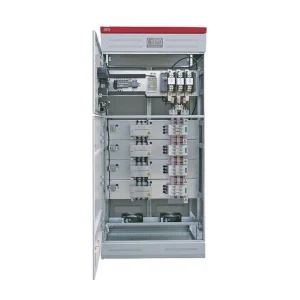
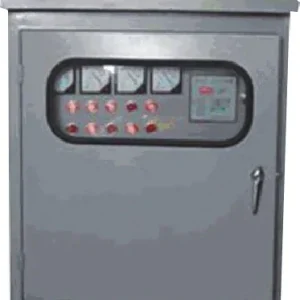
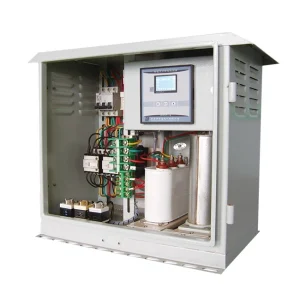
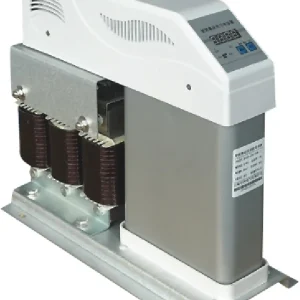
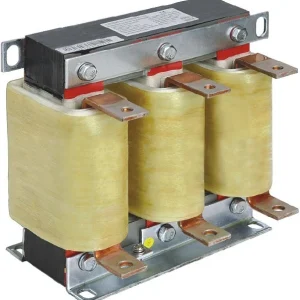
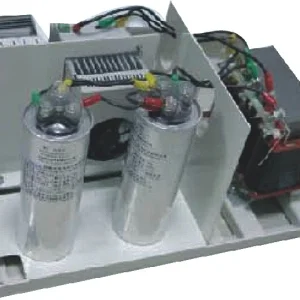
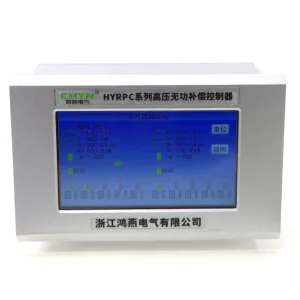
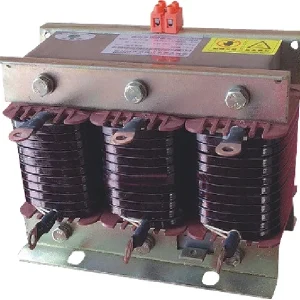
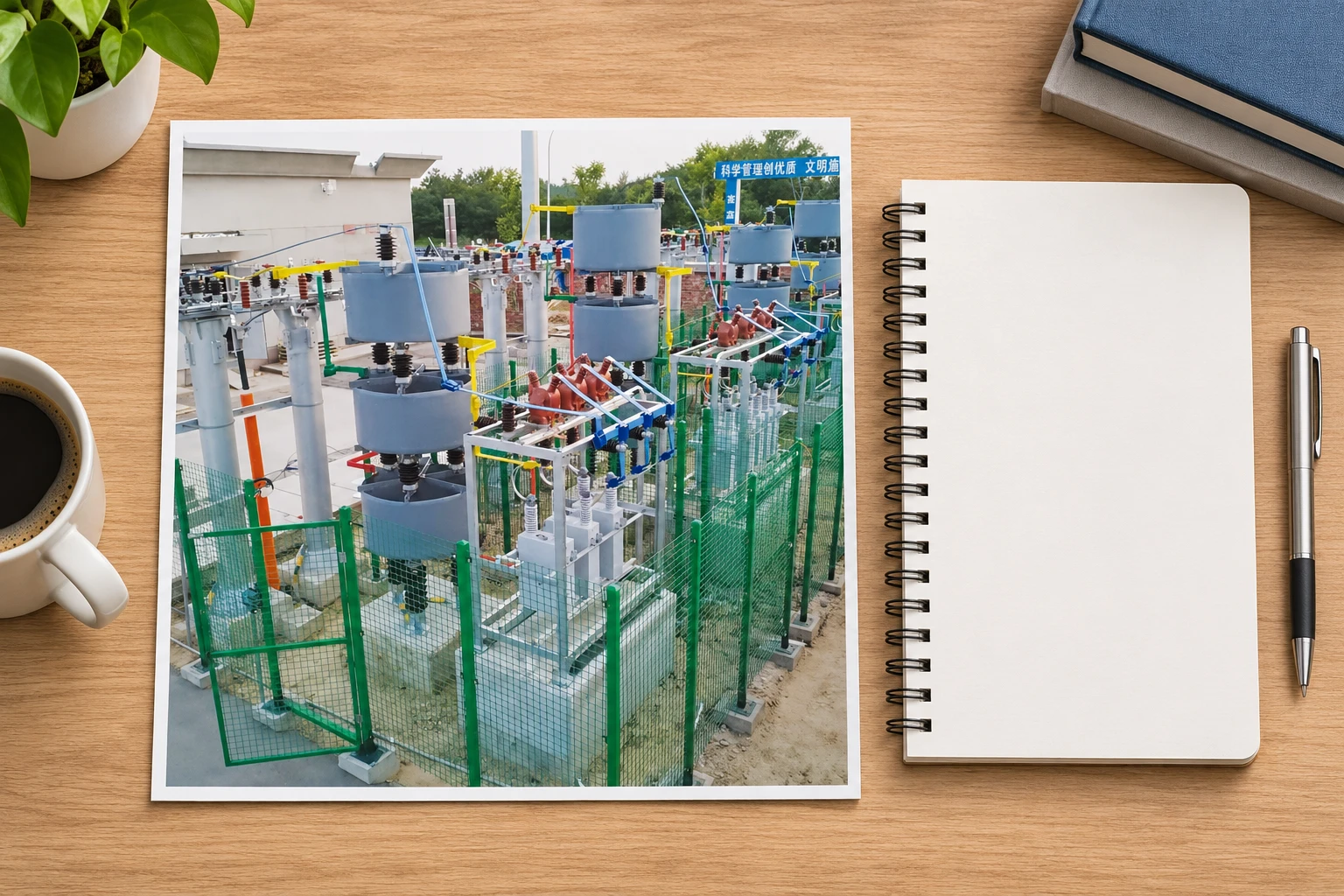
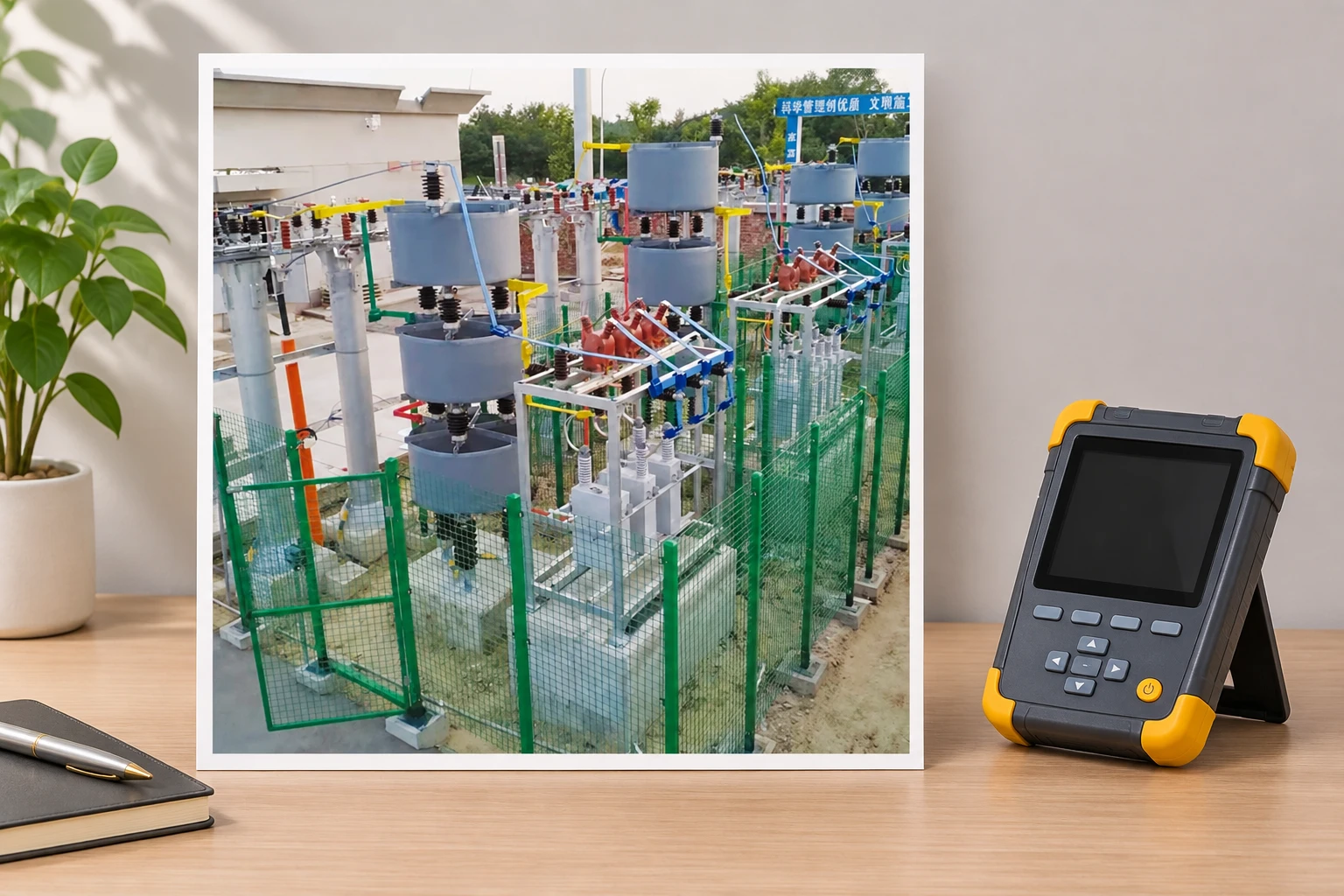
When discussing CHYN’s medium- and high-voltage reactive-power compensation equipment, include the full site schedule and required bank operating duty. Ask the supplier to confirm the proposed configuration and list conditions requiring further engineering review. The public product image illustrates equipment context; it does not certify a high-altitude installation.
Request a component schedule with ratings and a drawing that identifies the final arrangement. Ask how the evidence applies to the supplied assembly, including optional components. A test report for a different arrangement may be useful background, but its applicability should be explained rather than assumed.
Review deviations before commercial acceptance. A supplier may quote an alternative cooling method, a different enclosure or a restricted operating envelope. These changes can be reasonable, but they need to be evaluated against the project requirement and recorded in the final agreement.
Plan factory review, site inspection and handover
At design review, confirm the input revisions and close any missing site data. At factory review, check the supplied configuration against the approved drawings and evidence schedule. At site inspection, confirm that transport, mounting, spacing, connections and environmental provisions match the installation instructions. Qualified personnel must perform electrical testing under the approved procedure.
Retain records of the actual installation elevation and equipment identification. Link the final drawings, component schedule, test reports and operating limits in one handover package. This prevents a future replacement from being selected against a generic catalog instead of the site-specific design.
Define what triggers reassessment. Moving the bank, adding steps, changing reactors, modifying the enclosure or altering network operation can affect the original assumptions. The operating team should know which changes require engineering review and who is responsible for maintaining the approved configuration.
Compare quotations on the same basis
Price comparisons become misleading when one quotation covers the stated altitude and another uses standard service conditions. Create a comparison sheet showing confirmed elevation, thermal envelope, insulation evidence, included components, tests and exclusions. Treat unanswered fields as open technical items rather than interpreting silence as compliance.
For the wider design context, read CHYN’s shunt capacitor-bank fundamentals and protection. The outdoor capacitor-bank guide addresses environmental placement, while externally fused capacitor banks explains a complementary protection arrangement.
Educational video: insulation coordination
“Lecture 12 : Transient over voltages and Insulation coordination” from Power System Engineering - IITKGP explains the underlying coordination problem. It supports technical discussion and does not replace a site-specific study or the applicable equipment standard.

Watch Lecture 12 : Transient over voltages and Insulation coordination on YouTube.
Resolve missing information before manufacturing
If the project elevation or environmental data are uncertain, state the provisional range and identify who must confirm it. Ask the supplier which unresolved inputs could change the design, delivery scope or verification. Closing these questions before manufacturing is more useful than discovering at site acceptance that the quotation assumed different service conditions.
Keep technical clarifications attached to the final purchase specification. A confirmation sent during early inquiry can be lost when a later quotation revision changes the component list. The final acceptance record should identify the actual supplied arrangement and the assumptions that still apply, so procurement and engineering are reviewing the same equipment.
Frequently asked questions
Can I solve altitude requirements by selecting a higher capacitor voltage?
Not automatically. Capacitor operating voltage, external insulation withstand and thermal capability are separate design considerations. Ask for a configuration-specific review of the complete assembly and documentation connecting the proposed ratings to the actual installation conditions.
Is there a universal altitude correction factor for every component?
No. Applicable methods depend on the standard, insulation arrangement, equipment type and service conditions. Do not transfer a factor from an unrelated product. Request the engineering basis and scope for each correction used in the proposed assembly.
Does an outdoor product photograph prove high-altitude suitability?
No. It shows visible equipment context, not the site elevation, tested insulation level or thermal envelope. Obtain the actual rating schedule, site-specific selection and relevant verification records before treating the equipment as suitable for the project.
What changes should trigger a new review?
Relocation, added steps, different reactors, enclosure modifications and material network changes can affect the original design assumptions. Keep the approved configuration and operating limits with the handover records so future changes can be assessed against the correct baseline.