
 Zhejiang Hongyan Electric Co., Ltd.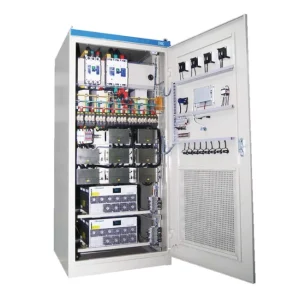
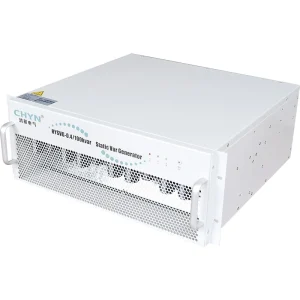
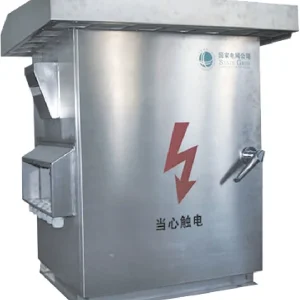
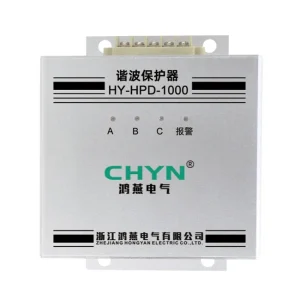
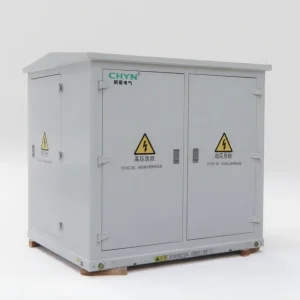
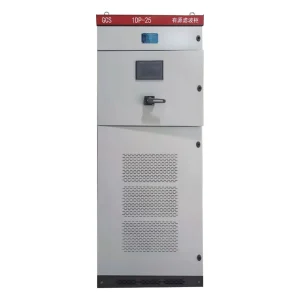
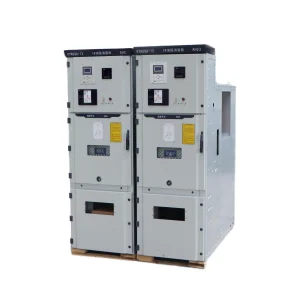
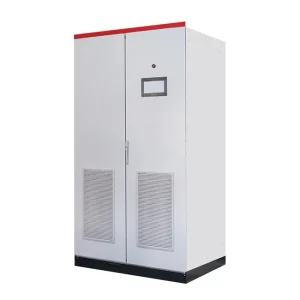
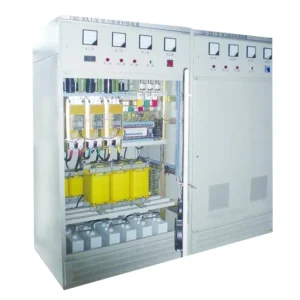
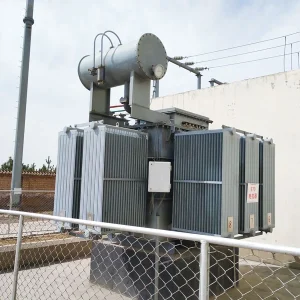
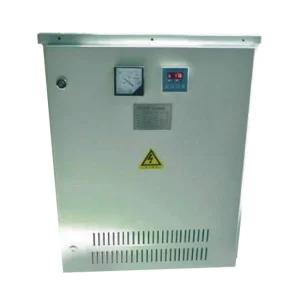
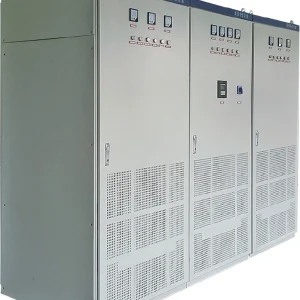
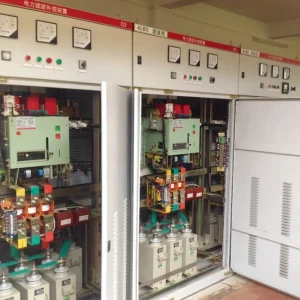
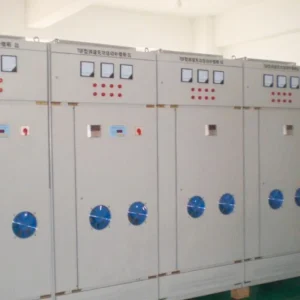
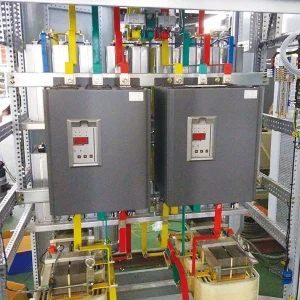
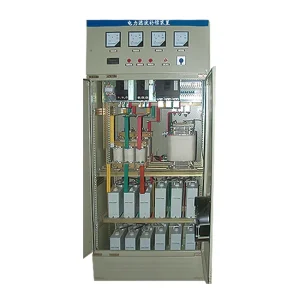
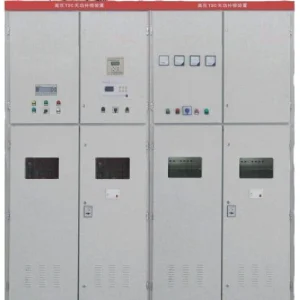
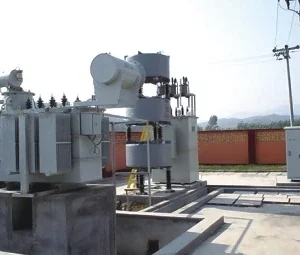
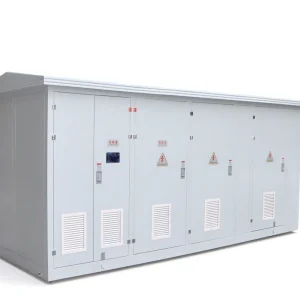
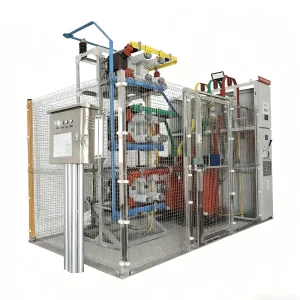
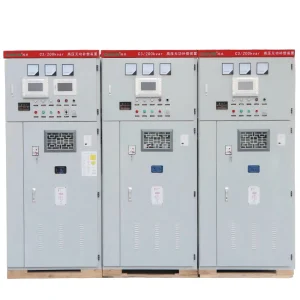
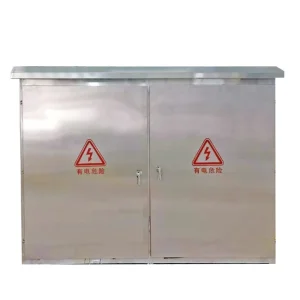
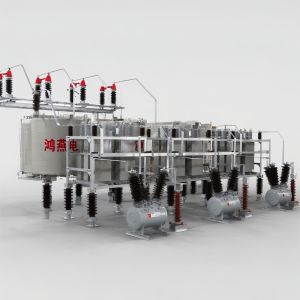
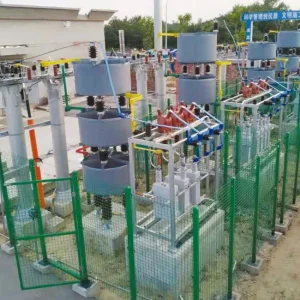
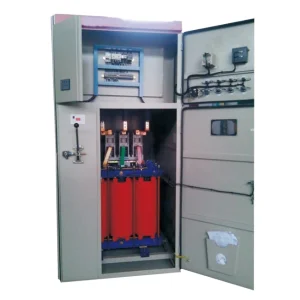
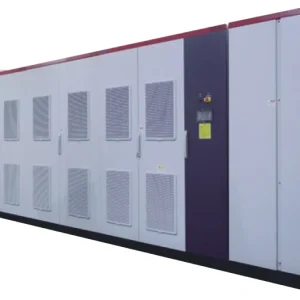
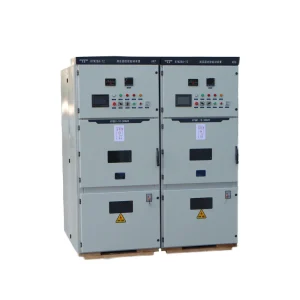
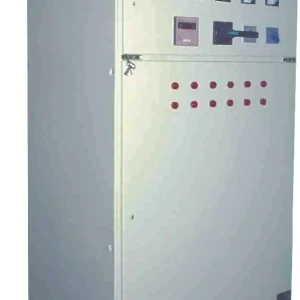
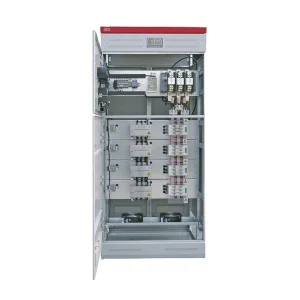
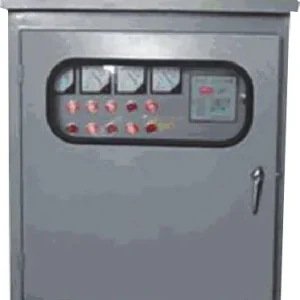
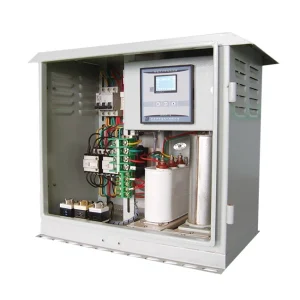
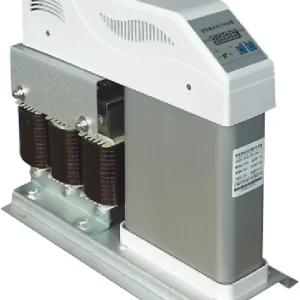
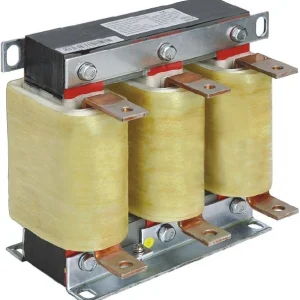
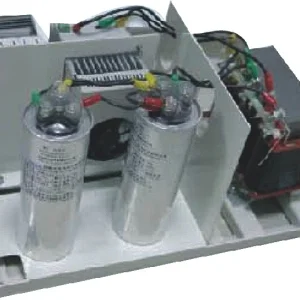
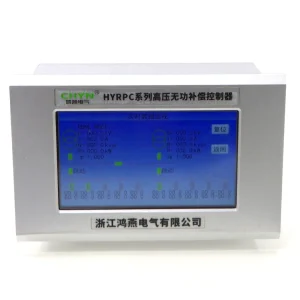
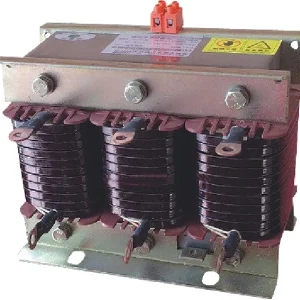
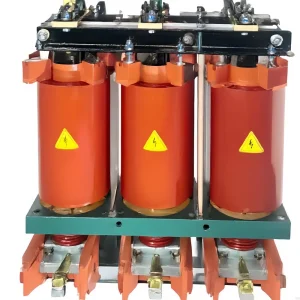
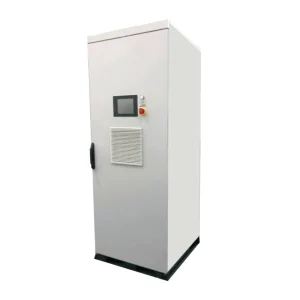
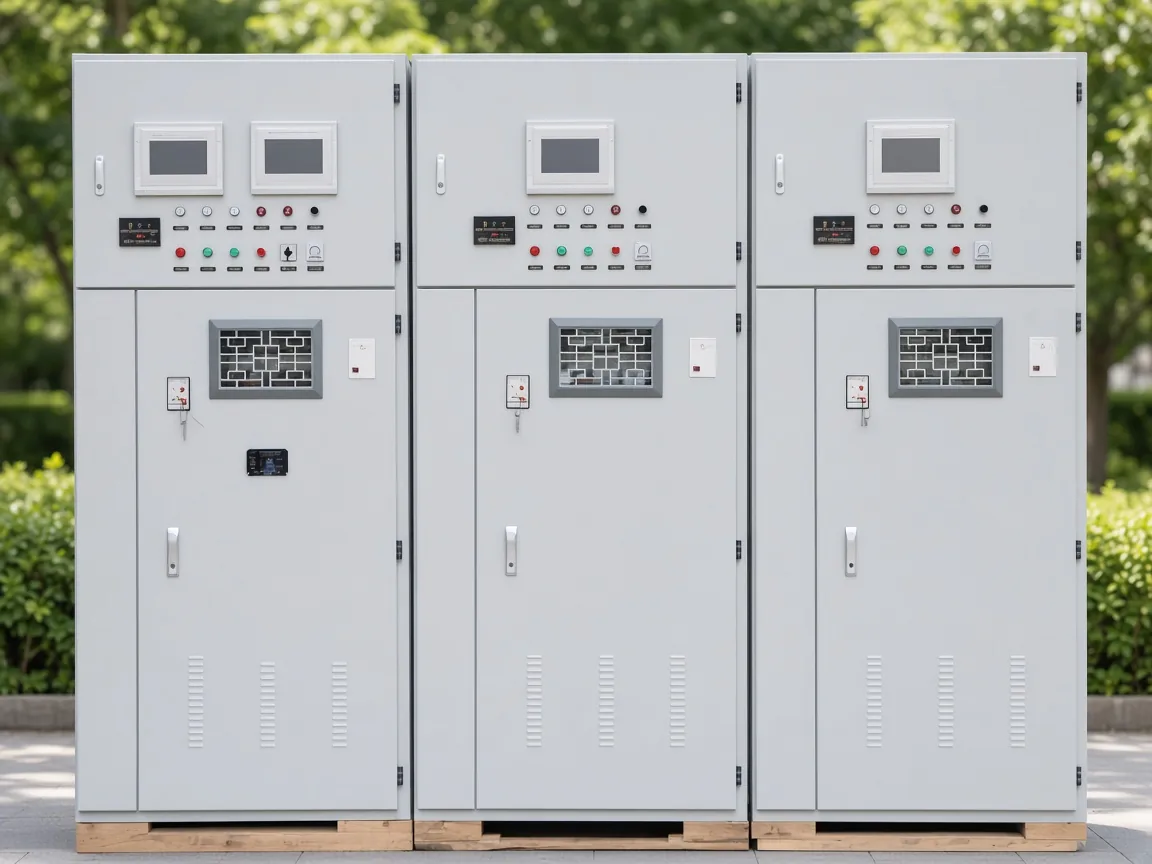
An outdoor capacitor bank, for this metal-enclosed plant shunt cabinet, is a cabinet whose installation environment is indoor or outdoor and whose job is shunt compensation of inductive reactive power. An open-air rack and a pole rack are different outdoor banks, and the enclosure rating code stays absent even where a high protection level is printed. The overview voltage range stays apart from the parameter-table voltage range, isolated neutral and non-effective grounding stay as two phrases, both residual-voltage lines stay in place, and the cabinet stays at 50 Hz only.
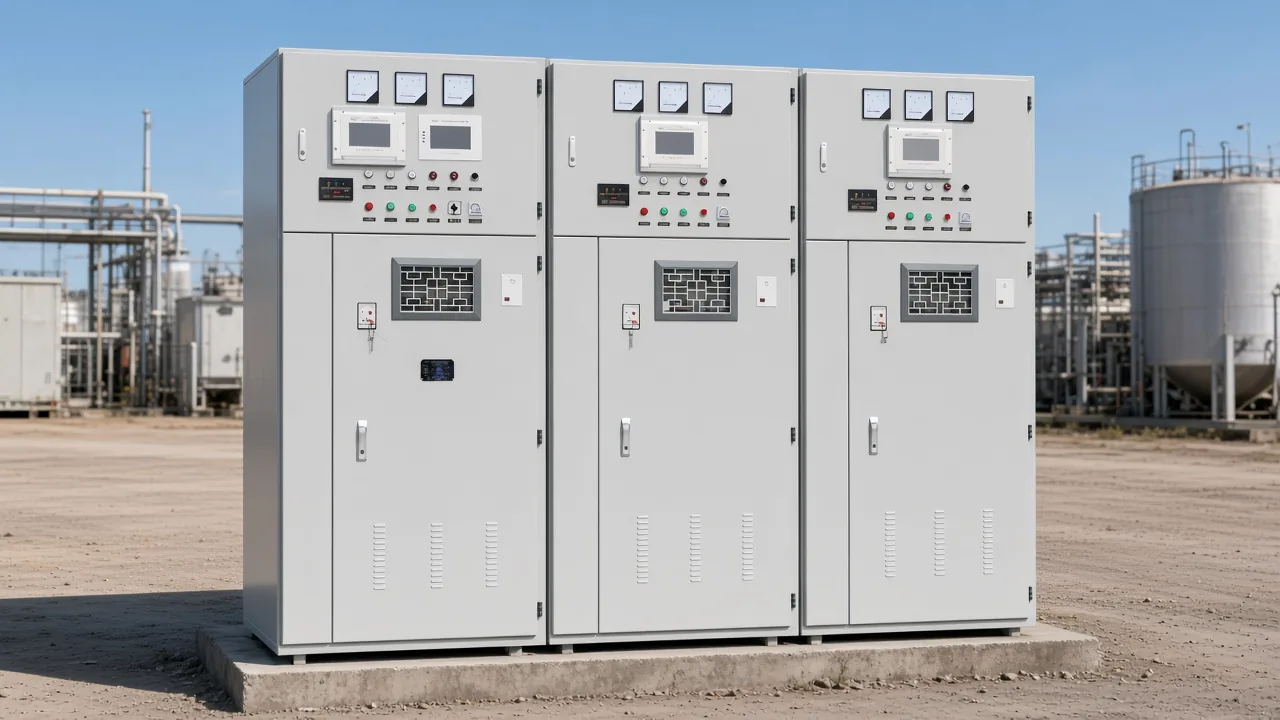
What outdoor placement means for this metal-enclosed shunt cabinet
The installation environment is Indoor or outdoor, and the cabinet is a shunt capacitor bank that compensates inductive reactive power. That environment line stays separate from rated voltage and rated capacity. Performance features on the HYTBB reactive power compensation cabinet state a power factor up to 0.95 or higher and a line current reduced by 10–20%.
The schema names Zhejiang Hongyan Electric Co Ltd as the manufacturer for this CHYN series, and the series name printed for the cabinet is HYTBB. Readers who specify shunt compensation for an industrial or distribution project use those printed limits when they set the cabinet beside an open substation rack. The high-voltage power factor compensation series gathers related medium- and high-voltage compensators, and the cabinet still keeps the lines printed for HYTBB.
Compensation may be fixed, or it may be configured for manual or automatic group switching. The printed protection list covers overcurrent, overvoltage, unbalanced load, and short-circuit protection. Those performance figures stay inside the performance-features list, and they stay separate from any kWh saving.
A plant reader who asks what outdoor means on a metal-enclosed shunt cabinet starts with the environment line, then looks for an enclosure rating code beside it. Indoor placement and outdoor placement are both named in that one line. The same line leaves voltage, capacity, neutral wording, and frequency on their own rows.
Open-air racks and pole racks are different outdoor banks
Eaton's fundamentals page names five capacitor-bank constructions: pole-mounted, metal-enclosed, mobile, open air, and specialty application. A metal-enclosed capacitor bank on that list is a metallic housing suitable for indoor, outdoor, and underground installations, and that suitability line stays with Eaton. An open-air capacitor bank is a different rack, with units on a frame and insulation from the surrounding air.
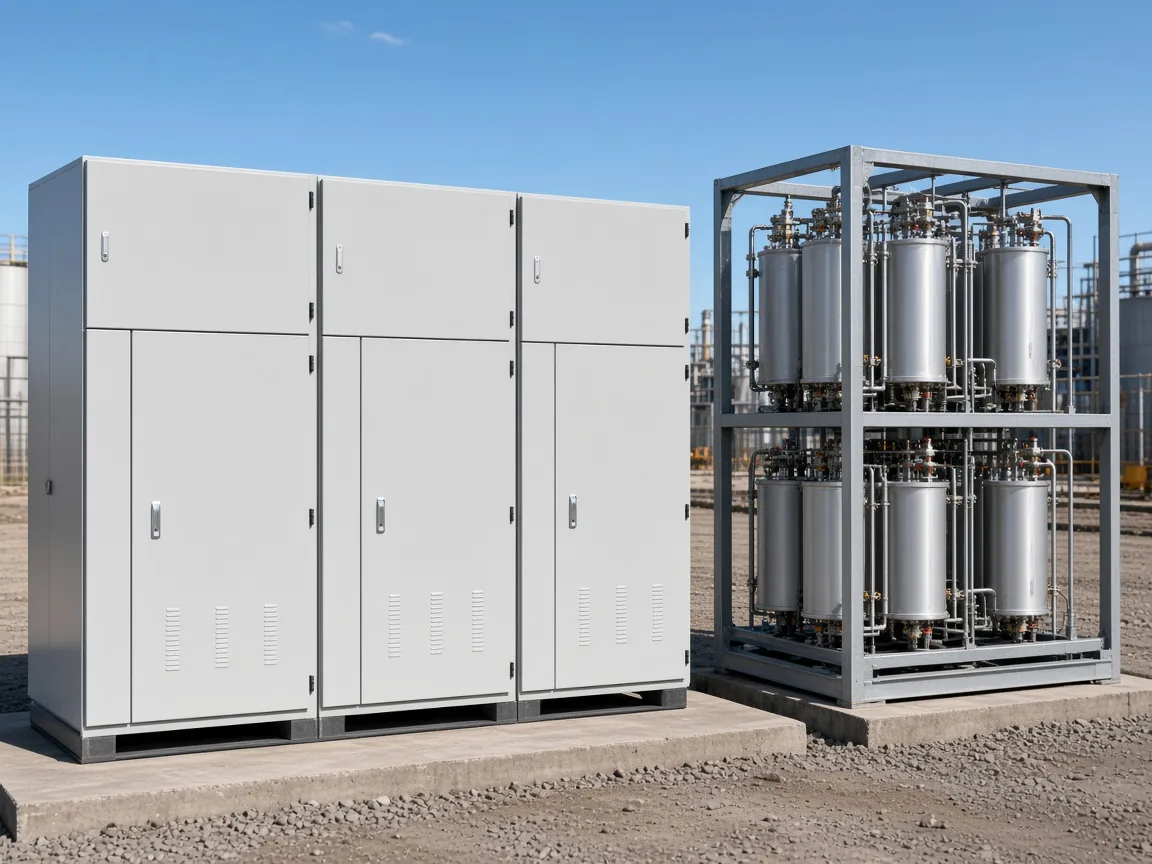
An Open-air / open-rack capacitor bank uses that open frame, and a plant cabinet with a door is a different outdoor bank. One utility specification, SEC 43-SDMS-04, specifies an outdoor shunt capacitor bank as a stack-type design on a common elevated rack at 13.8 kV through 69 kV, three-phase, 60 Hz, for that utility's primary distribution substations. The same specification also calls for a fence and a gate interlock that opens only after complete discharge, and that fence rule stays with the utility stack.
Eaton's open-air catalog describes custom configurations as externally fused, fuseless, or internally fused, and it describes frames engineered for wind, ice, other environmental conditions, and seismic-specified loading. Open air on the fundamentals page is often pad-mounted, often set on an elevating structure, and fused externally, fuseless, or internally. Mobile and specialty application are the remaining names on that Eaton list, and they are Eaton's names.
A pole-mounted capacitor bank is a frame associated with a utility pole, and that feeder rack stays in the 3-phase pole-mounted capacitor bank post. The drawing symbol, including an outdoor-symbol reading, stays in the capacitor bank symbol in a single-line diagram note. Pole-rack fusing is outside the job of separating this cabinet from those other outdoor banks.
| Construction | Outdoor meaning in that construction | Kept off this cabinet |
|---|---|---|
| Metal-enclosed capacitor bank | Metallic housing; Eaton says suitable for indoor, outdoor, and underground installations | Eaton's housing tests and Eaton's voltage band |
| Open-air capacitor bank | Units on a frame, insulated by surrounding air | Eaton open-air frame ratings |
| Pole-mounted capacitor bank | Frame associated with a utility pole | Pole-rack fusing and pole unit counts |
| Utility stack on an elevated rack | Stack-type design in one utility specification | That specification's frequency and voltage band |
People also ask for a short list of bank types. Eaton's fundamentals page names a longer construction list, so an open-air versus metal-enclosed split is only a convenience inside that list. The convenience used here is the metal-enclosed cabinet versus the open-air rack, with the pole-mounted bank kept as a boundary.
The printed protection words, and the enclosure code that is absent
The overview says the cabinet adopts a fully enclosed structure with a high protection level. An IP code is absent, and a NEMA code is absent, so the enclosure rating code stays unfilled. Another manufacturer's enclosure table does not fill that blank.
From the field: A poster on a Mike Holt thread had three sections of gear already full and asked whether a tap off the gear and a fusible switch could add capacitor banks for power-factor correction. The reply says capacitors maintain a charge after they are de-energized, so caution is required and the enclosure is accessed only after they are de-energized — Mike Holt thread.
The printed protection words are the fully enclosed structure and the high protection level. The missing item is the enclosure rating code. A buyer who pastes a weatherproof table from another metal-enclosed catalog onto this cabinet would be writing a code the cabinet record leaves blank.
Full switchgear changes the practical question, and it does not change the printed words. When the gear is already full, the field note is about waiting before the enclosure is opened, because capacitors can still hold a charge.
That note is a forum caution about access. It stays separate from the cabinet record, and it leaves code articles off the HYTBB ratings.
Opened ranking pages often tell their own enclosure story. Some print a code row, and some tell the reader to expect a specific enclosure rating with indoor or outdoor placement.
This cabinet prints the placement line and the high protection level, and the code cell stays empty. The empty cell is the fact a buyer keeps.
Voltage and kvar lines that stay on their own rows
Overview voltage, table voltage, and rated capacity each keep their own row. On the HYTBB reactive power compensation cabinet, the overview states rated voltages from 1 kV to 35 kV. The parameter table states rated voltage 10(6)–35 kV.
Rated capacity on that table is 50–20,000 kvar, and that capacity line stays on its own row.
Working principle item 4 says the series reactor is typically 4.5–6% for 6 kV systems and 12–13% for 10 kV systems. Those percent bands stay in that one working-principle sentence. Long-term operation is printed at 1.0× rated voltage, with up to 1.3× rated voltage for short durations.
Operating conditions print ambient temperature from −40°C to +45°C, relative humidity of ≤90% at 25°C, and altitude of ≤4500 m. Each cabinet can operate independently or be combined with KYN28/KYN61 switchgear, and that switchgear name is a compatibility line only. A buyer reads the overview range, the table range, and the capacity range as separate lines.
The parentheses in the table voltage cell stay as printed. Nothing in the cabinet record rewrites that cell into the overview sentence, and nothing rewrites the overview sentence into the table cell. Both lines can sit in the same record because they were printed in two places.
| Printed line | Where it is printed | What a buyer keeps |
|---|---|---|
| Installation environment | Operating-conditions list | Indoor or outdoor, apart from voltage and capacity |
| Enclosure words | Overview | Fully enclosed structure with a high protection level, and no enclosure rating code |
| Overview voltage | Overview | 1 kV to 35 kV |
| Rated voltage | Parameter table | 10(6)–35 kV |
| Rated frequency | Parameter table | 50 Hz |
| Rated capacity | Parameter table | 50–20,000 kvar |
| Neutral, first phrase | Parameter table | Isolated neutral |
| Neutral, second phrase | Parameter table | Non-effective grounding |
| Residual voltage, performance features | Performance features | Below 50 V within three minutes after disconnection |
| Residual voltage, working principle | Working principle item 3 | Below 50 V within five minutes after disconnection |
| Power factor | Performance features | Up to 0.95 or higher |
| Line current | Performance features | Reduced by 10–20% |
| Series reactor | Working principle item 4 | Typical bands stated once in the voltage section |
| Operating voltage multiple | Working principle | 1.0× rated voltage and up to 1.3× rated voltage for short durations |
| Ambient temperature | Operating conditions | −40°C to +45°C |
| Relative humidity | Operating conditions | ≤90% at 25°C |
| Altitude | Operating conditions | ≤4500 m |
| Switchgear name | Compatibility line | KYN28/KYN61 only as a compatibility name |
Capacity is easy to blend into a voltage sentence during a comparison, and the table keeps it alone for that reason. The series reactor percent bands are not repeated in the table, because they already appear in the working-principle sentence above. Frequency, neutral wording, and the two residual-voltage lines are on the table so a buyer can see them without folding them into the voltage rows.
Isolated neutral and non-effective grounding
The neutral cell prints isolated neutral as one phrase and non-effective grounding as the other phrase. Those two phrases stay side by side in the same cell. The cell is not renamed to a single grounding word.
A catalog elsewhere may list ungrounded wye, grounded wye, or delta for its own banks. Eaton's metal-enclosed catalog lists ungrounded wye, double ungrounded wye, grounded wye, and delta for Eaton's banks. Those names stay on Eaton's record, and the HYTBB cell still reads isolated neutral or non-effective grounding.
Collapsing the cell is the easy mistake. A buyer who keeps only isolated neutral drops non-effective grounding. A buyer who keeps only non-effective grounding drops isolated neutral.
The printed wording joins them with "or", and both phrases remain visible.
The same care applies when a utility specification describes a star connection for its own stack. That description belongs to the utility stack. It leaves the two phrases in this cabinet's neutral cell untouched.
A plant buyer comparing connection names should copy the cell as two phrases, then ask the project engineer which phrase the project uses.
Nothing in the opened ranking pages shows this pair as the neutral cell of a plant cabinet while also leaving the enclosure code blank. That is why the phrases get their own section. They are placement-adjacent buying facts, and they differ from the indoor-or-outdoor line.
Two residual-voltage times that stay on separate lines
Both residual-voltage lines are printed, and they stay on separate lines. Performance features say the residual voltage drops below 50 V within three minutes after disconnection. Working principle item 3 says the residual voltage drops below 50 V within five minutes after disconnection.
The discharge resistor is the residual-voltage device tied to those printed lines. Neither line is a step-by-step discharge procedure. A buyer who brings only the longer residual-voltage note still keeps the shorter performance-features line as well.
Printed in separate sections, those times do not cancel each other, and the cabinet record does not say that one section cancels the other. Choosing a single time would hide a printed line. The practical reading is to quote the section with the time: performance features for the three-minute line, and working principle item 3 for the five-minute line.
Access to the enclosure sits beside this reading. Capacitors can still hold a charge after they are disconnected, which is the same caution the Mike Holt reply gives for a full gear lineup.
The residual-voltage lines describe how far the voltage falls after disconnection. They leave the door-opening decision outside those two lines.
What product fit a buyer checks before using another outdoor rating table
A plant buyer checks printed frequency before borrowing another outdoor rating table. The parameter table prints 50 Hz only. The IEEE Std 18-2002 interpretation treats IEEE 18 as a standard for the units only, and IEEE 1036 contains guidelines for the application of capacitor units in a capacitor bank.
That interpretation lists contingency limits of 110% of rated rms voltage, 120% of rated peak voltage including harmonics, 135% of nominal rms current, and 135% of rated kvar for capacitor units, and those limits stay the interpretation's unit limits rather than a cabinet rule.
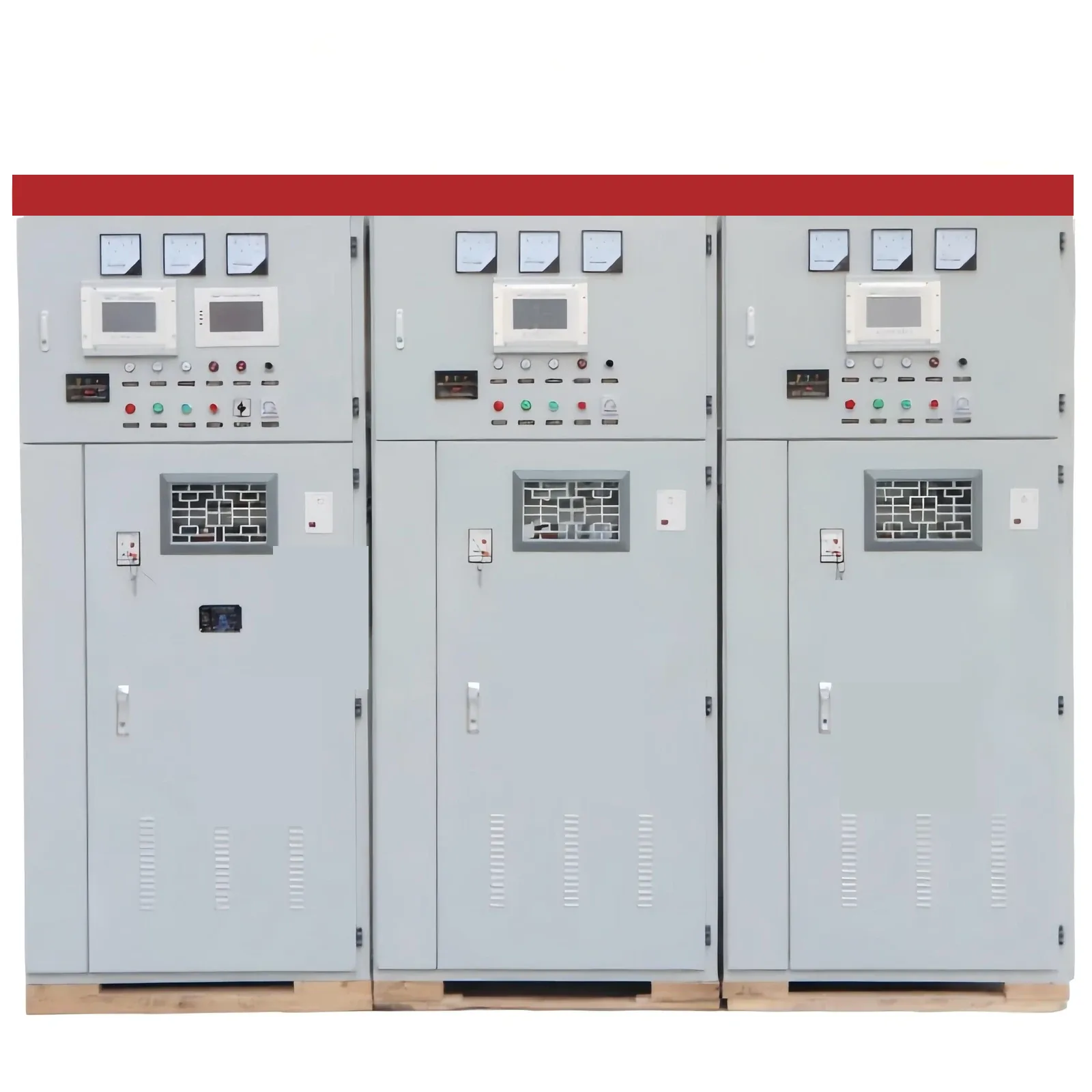
Fit for this cabinet is the printed Indoor or outdoor line together with the ratings in the table above. The HYTBB medium- and high-voltage reactive power compensation cabinet is the record a buyer reads for that line and those ratings. UL compliance, NEC compliance, and IEEE compliance are absent from the cabinet record.
A named IP code, a named NEMA code, a pole rack, or an open-air stack falls outside this fit. A buyer who needs one of those should use the record that actually prints it. Related titles on the same product record, including Indoor Frame Type, Outdoor Box Type, Outdoor Frame Type, and Pole-Mounted, are other models, and their blurbs stay off this cabinet.
A price, a payback period, and a kWh saving are absent from the cabinet record. A service-life year is absent as well. No SKU list beyond the series name HYTBB is printed, and no market share is printed.
A Mike Holt thread on add-on power-factor panels describes a panel-enclosed bank at a building main, notes that the utility already switches capacitor banks at substations, and asks whether payback would be a few years or decades. No year count is available for HYTBB from that question. A reply says unswitched correction can cause a leading net impedance and voltage instability, which is a forum caution about an always-connected add-on, while the cabinet record allows fixed compensation or manual or automatic group switching.
FAQ
What does outdoor mean on a metal-enclosed plant shunt cabinet?
It means the installation setting may be indoors or outdoors on this enclosed shunt cabinet. The job remains shunt compensation of inductive reactive power.
How is that cabinet different from an open-air rack or a pole-mounted bank?
Metal surrounds the live parts in the cabinet, while an open rack leaves insulation to the air. A pole-mounted bank is a feeder assembly in a separate post.
Which placement words are printed, and which enclosure codes are missing?
The placement words that are printed are Indoor or outdoor. IP and NEMA codes are missing, and a high protection level is still printed.
Why can the overview show 1 kV to 35 kV and the parameter table show 10(6)–35 kV together?
They come from two printed locations, so both ranges remain visible. Neither range is rewritten into the other.
What do isolated neutral and non-effective grounding each say?
Isolated neutral is the first phrase in the neutral cell. Non-effective grounding is the second phrase, and both stay side by side.
Why are there two residual-voltage times?
Performance features carry one time, and working principle item 3 carries the other time. Both times remain because both sections print them.
Can a buyer copy another manufacturer's NEMA or IP table onto this cabinet?
Copying that table would fill an enclosure code the cabinet record leaves blank. The high protection level remains, and the code remains blank.
Does the HYTBB cabinet print 60 Hz?
The cabinet record prints 50 Hz. A utility stack specification is a separate frequency case.