
 Zhejiang Hongyan Electric Co., Ltd.
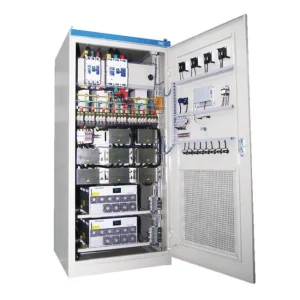
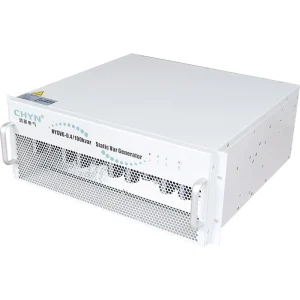
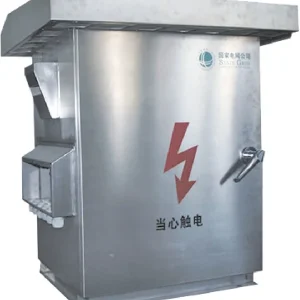
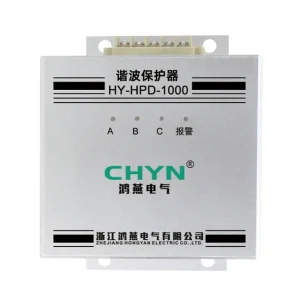
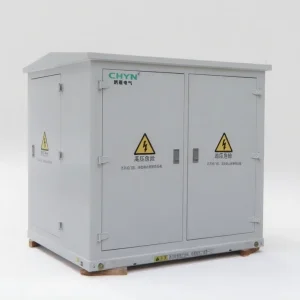
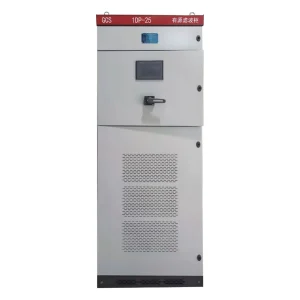
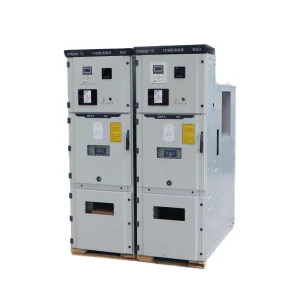
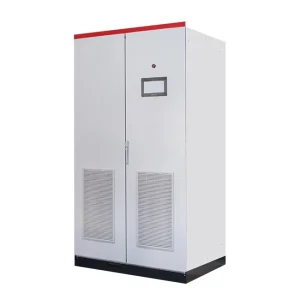
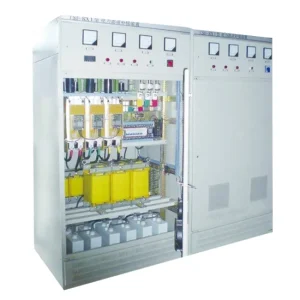
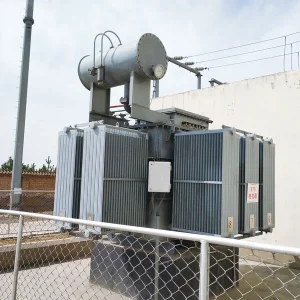
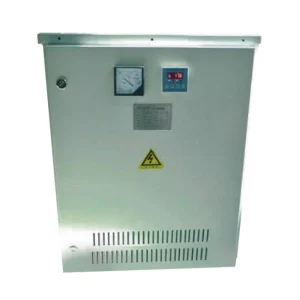
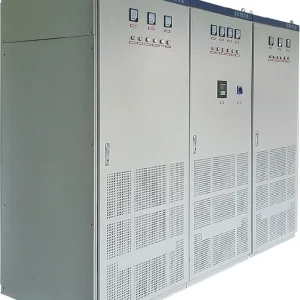
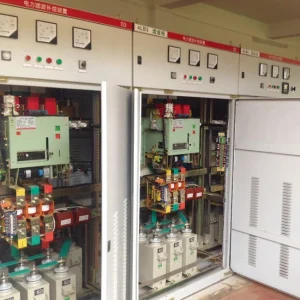
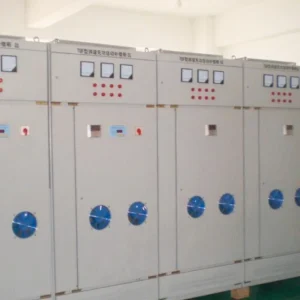
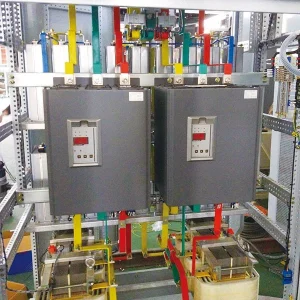
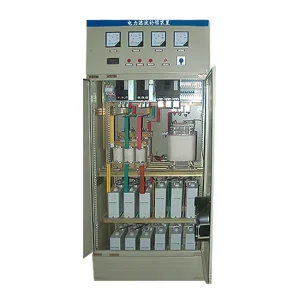
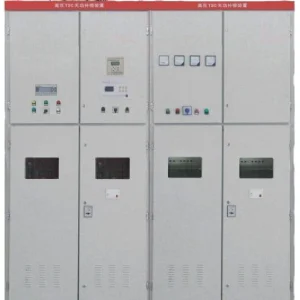
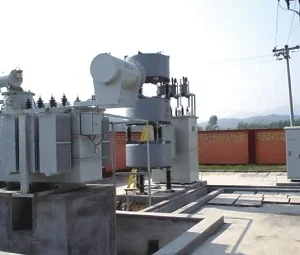
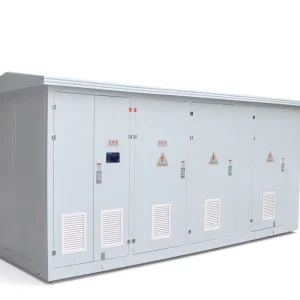
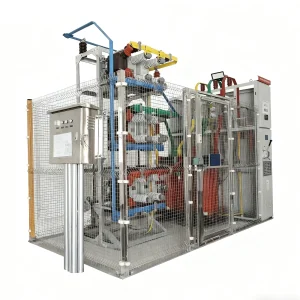
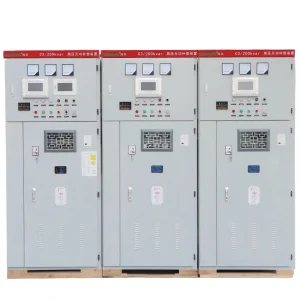
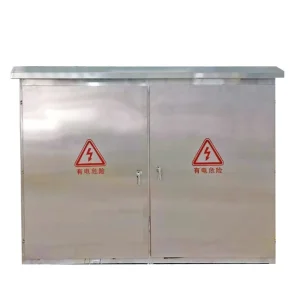
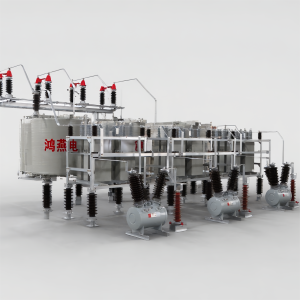
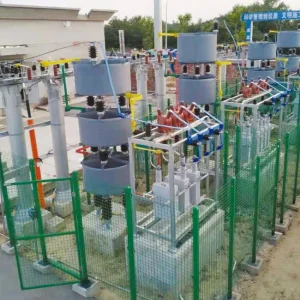
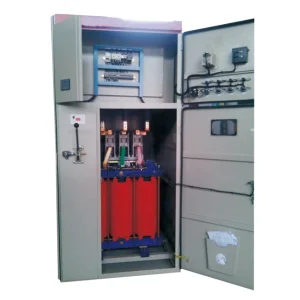
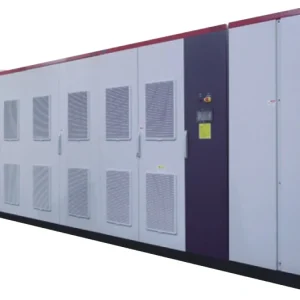
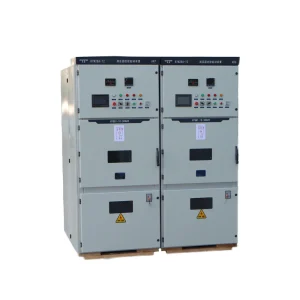
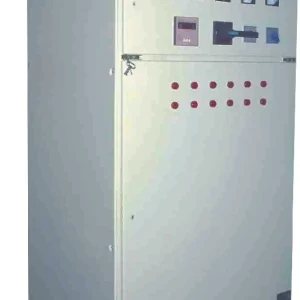
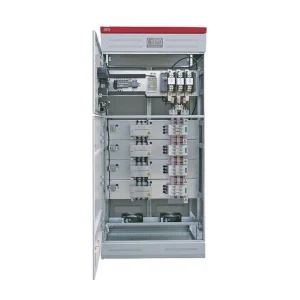
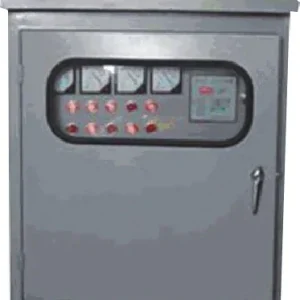
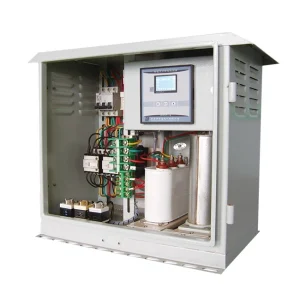
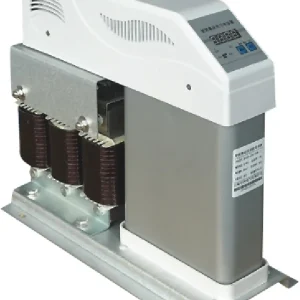
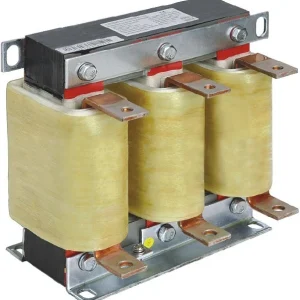
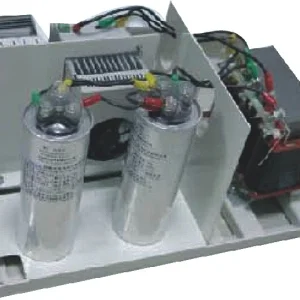
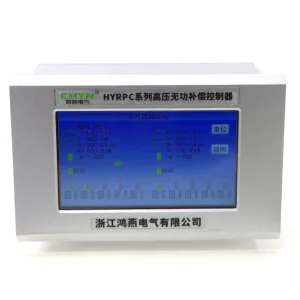
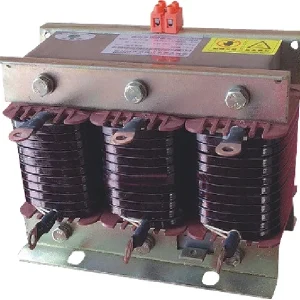
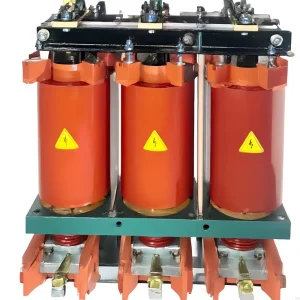
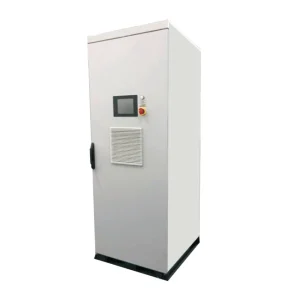
A fixed capacitor bank is a reactive compensation step that stays connected, rather than a set of groups that switch as the load changes. Search results often shorten that idea to a bank that stays on once energized, with manual switching mentioned only beside the always-on slogan. The same kind of metal-enclosed shunt cabinet can instead be set for manual group switching or for automatic group switching when the connected amount has to change.
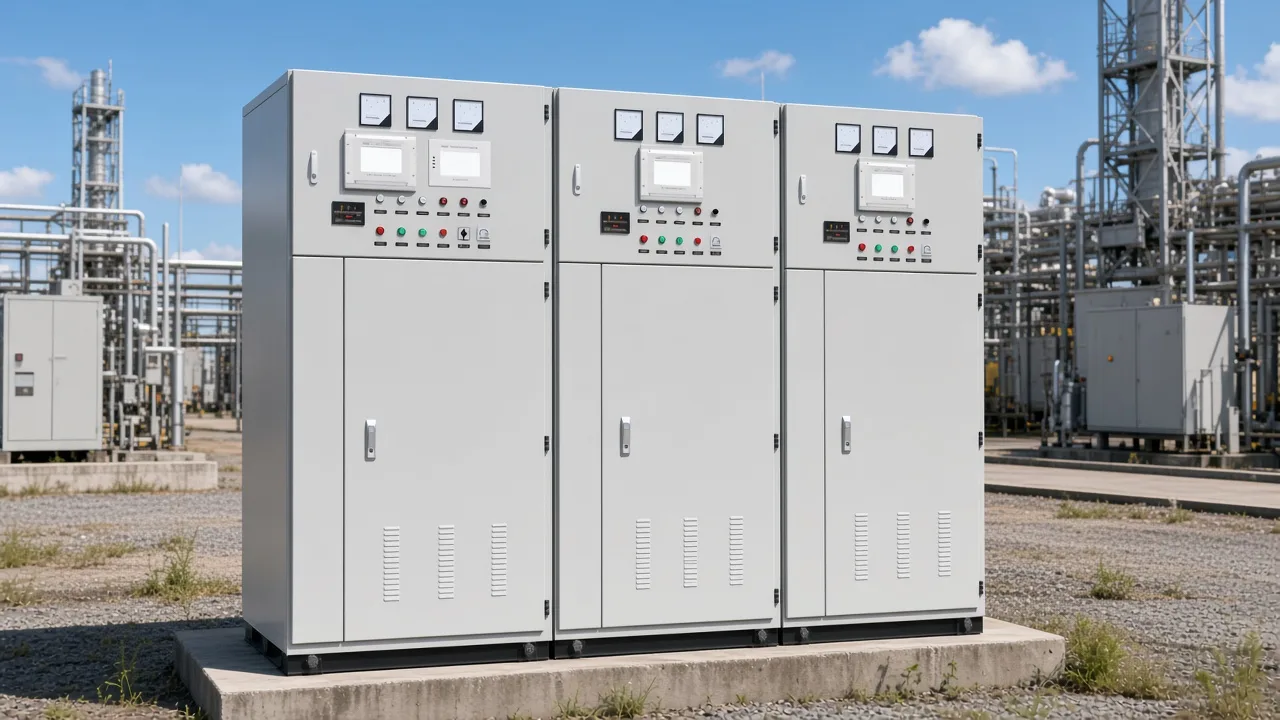
What stays connected in a fixed capacitor bank
In the wording of IEEE Std 1036-2020, fixed means the bank is not designed for automatic operation or frequent switching. The step is usually left energized on a continuing basis. A seasonal manual change can still be described as fixed, because that change is neither automatic operation nor frequent switching.
That definition is wider than the always-on slogan a plant buyer often hears. A summer process and a winter shutdown can still sit inside the fixed description when somebody opens the bank for the quiet season. The bank was not built to chase the load by itself.
Searchers are being told that a fixed bank stays permanently connected once energized, or is manually switched, unlike systems that switch stages on and off. The short aside about manual switching hides the seasonal case. What stays connected is the reactive step itself, until a person takes that step off the bus.
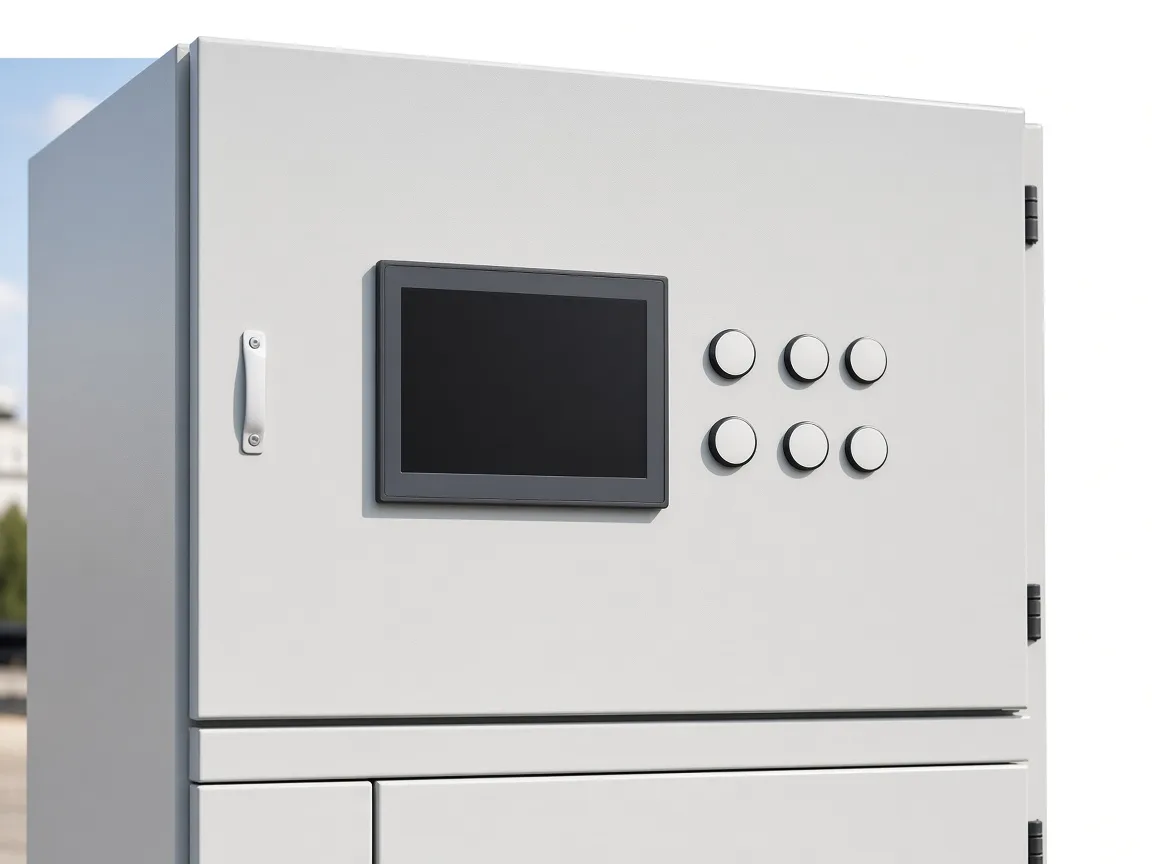
Leaving the step in service holds one reactive contribution on the bus. The connected amount does not follow the plant through the afternoon and the night. Somebody has to open the step before that contribution leaves.
A fixed capacitor bank, read this way, is the step that remains in service between deliberate changes. Groups that come and go with the shift pattern are a different choice. The next sections separate a hand-operated group change from a control that follows the load, then place both choices on one metal-enclosed shunt cabinet.
How manual group switching differs from a step left in service
Manual group switching changes which groups are closed, by a person's action, instead of leaving a single reactive step in service the whole time. One enclosed-bank brochure separates three arrangements that sales blurbs often flatten into a single always-on label. A fixed bank with no stepping capability can stay connected, or it can be switched from the customer's switchgear.
A further arrangement in that brochure is a fixed bank that carries its own switching device. An automatic bank in the same brochure is formed by different steps. The brochure's split is about enclosure layout, and it is not a nameplate for every shunt cabinet.
On this shunt cabinet, manual group switching is a configured compensation method. A person decides which groups are in and which groups stay out. The method is the alternative to a step that simply remains closed.
A switched capacitor bank is the name used when compensation is connected and removed as load conditions change. Manual group switching can be that kind of change when a person makes the move. It is still a different choice from leaving the step energized through a flat week.
| Choice | What stays connected | Who changes it | When a falling load makes the fixed step a poor fit |
|---|---|---|---|
| Fixed step | The reactive step stays in service | A person takes the whole step off, including a seasonal change | Night load falls and the same reactive step stays on the bus |
| Manual group switching | Only the groups a person has closed | A person closes or opens groups | A person can open groups after the load falls |
| Automatic group switching | Only the groups the control has closed | The control follows the load | Groups come off as the load falls |
The table is the buying contrast in one view. A step left in service has no group to peel off when the night shift goes quiet. Manual group switching still needs a person, and automatic group switching lets the control make that move.
Customer switchgear, in the brochure's no-step arrangement, connects or removes the whole fixed quantity from upstream. That is still one block of compensation, even though a device outside the enclosure operates it. Group switching, by contrast, treats the connected amount as something a person or a control can change in parts.
When automatic group switching follows the load
Automatic group switching belongs when the connected compensation has to follow a load that moves. Configured for automatic or manual group control, the cabinet can adjust reactive compensation levels according to real-time load demand. That load-tracking wording belongs to group control, and it does not describe a step that stays closed.
An automatic capacitor bank, in everyday plant language, connects or removes groups as the load changes. The control wording also lists automatic group switching together with monitoring, protection, and communication. Those functions describe the switched configuration, not a bank that is simply left energized.
A campus electrician described fixed banks that worked while equipment ran normally, then put too much capacitance on the circuit after nighttime load shedding. That concern is a reader's warning, not a measured result for this cabinet, and it is not a conversion procedure. Group control is the printed alternative when the connected amount must change with the load.
Picture a plant that runs hard on the day shift and sheds large blocks of motor load after midnight. A step that stays connected keeps supplying the daytime reactive amount into a much lighter night. Automatic group switching is the configuration that can take groups off as that demand falls, while manual group switching waits for a person to make the same kind of change.
The type list a buyer meets in search is easy to over-read. Tuned, detuned, and hybrid labels are not the decision this comparison is making. The useful split is a step left in service, a hand change of groups, or automatic group switching that follows the load.
When a steady plant load can leave the step connected
A steady plant load can leave the step connected when the reactive need barely moves. Where a locations article sees a load that is constant for 24 hours, it says the banks can stay on without switching on and off. The same article describes switched banks as on at peak load and off at off-peak load.
From the field: Fixed banks still work when the equipment is running normally, but after a building-automation schedule shuts the nighttime load down to almost nothing, the fixed bank puts too much capacitance on the circuit and the power factor gets worse — Automatic cap banks.
That note is one electrician's campus experience with fixed banks and a night schedule. It is not a case history for this cabinet, and it does not set a retrofit procedure. The warning is simply that a step left on can become the wrong fit after the plant load falls.
The shunt cabinet compensates inductive reactive power. A published low-voltage guide uses 15% of the supply transformer rating as its split between fixed compensation and an automatic bank. That sentence stays the guide's rule for low-voltage capacitors, and it is not a formula for sizing this cabinet.
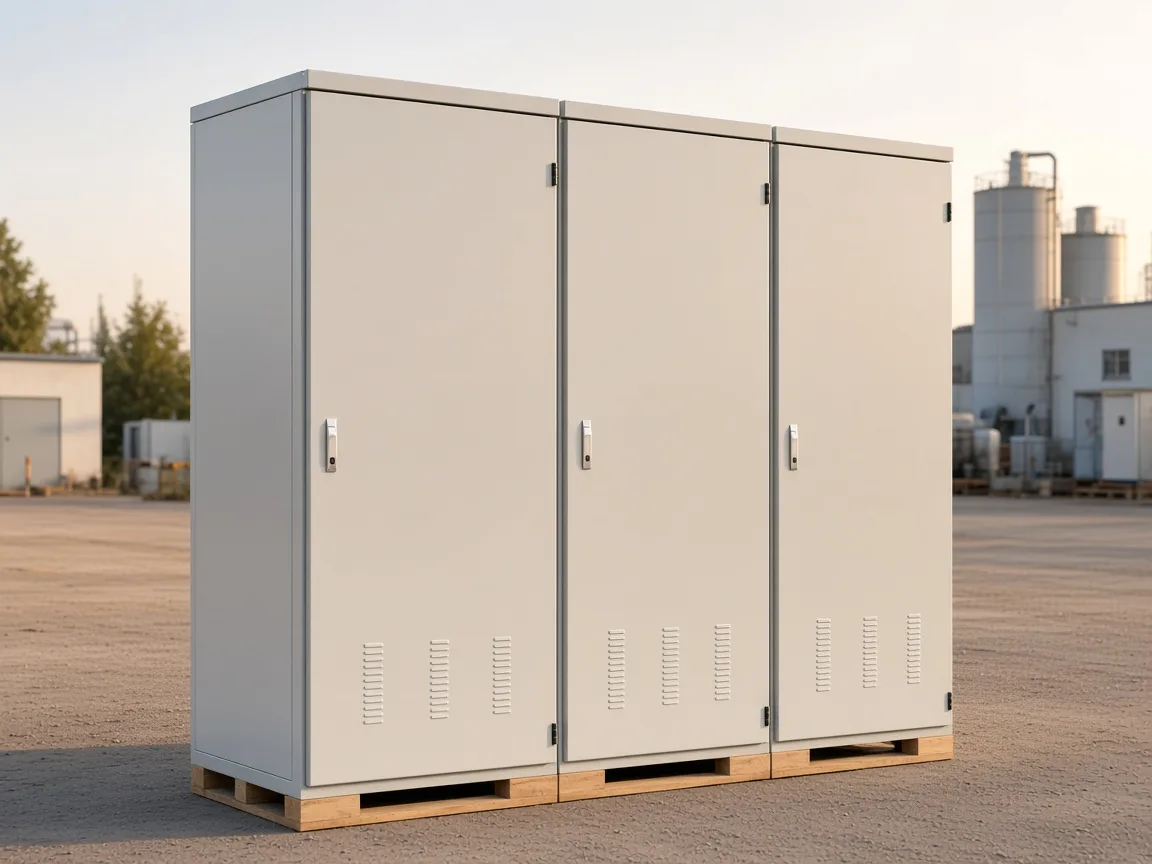
After the load falls far enough, the fixed step can push the plant into a leading power factor. The campus note is that experience with too much capacitance left on the circuit. A changing load points toward manual group switching or automatic group switching instead of a step left in service.
A flat industrial process, running the same motors through the day and the night, is the case for leaving the step connected. The reactive need does not swing, so there is no group to add at peak or remove at off-peak. Once the load profile stops being flat, the fixed step stops being the comfortable choice.
Purpose stays short on purpose. The cabinet's job in this comparison is inductive reactive compensation on a plant bus, which is also how the power factor, voltage stability, losses, and usable equipment capacity get discussed in the product wording. The decision in front of the reader is still whether that compensation stays connected or the groups change.
HYTBB product fit for a fixed step or switched groups
The HYTBB medium and high voltage reactive power compensation cabinet functions as a shunt capacitor bank that compensates for inductive reactive power in the system. The compensation method can be fixed or configured for manual or automatic group switching according to user needs. A plant buyer matches a steady load to the fixed step, or a changing load to either group-switching choice, inside the high-voltage power factor compensation series.
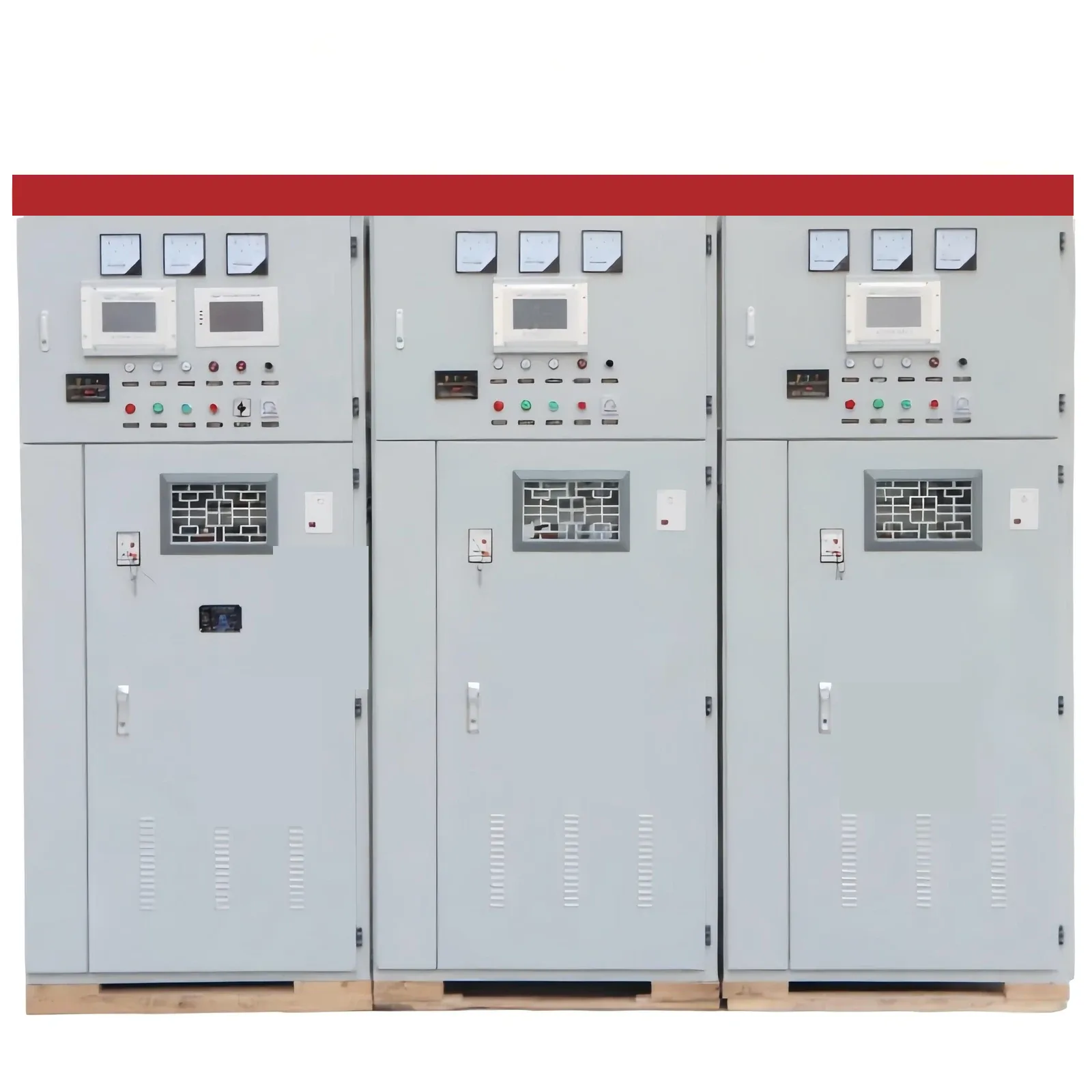
Printed statements on that shunt cabinet have to stay unmerged, because they answer different questions from the fixed-versus-switched choice. Rated frequency is 50 Hz. Nothing in this comparison adds another cabinet frequency.
The overview states rated voltages from 1 kV to 35 kV. The parameter table lists rated voltage as 10(6)–35 kV. Those two voltage wordings stay side by side, and neither one replaces the other.
Rated capacity is printed as 50–20,000 kvar, and that span is a printed range rather than a recommended size. Performance Features states that the discharge circuit design ensures that the residual voltage drops below 50 V within three minutes after disconnection. Working Principle states that each capacitor group is equipped with discharge resistors that ensure the residual voltage drops below 50 V within five minutes after disconnection.
Isolated neutral is printed as its own neutral phrase. Non-effective grounding stays a separate printed phrase on the same neutral line. Read them as two phrases, not as a single grounding name.
| Printed statement | What to keep apart |
|---|---|
| Rated frequency | 50 Hz only |
| Overview voltage | 1 kV to 35 kV |
| Parameter-table voltage | 10(6)–35 kV |
| Rated capacity | 50–20,000 kvar as a printed range |
| Residual voltage, discharge circuit | Below 50 V within three minutes after disconnection |
| Residual voltage, discharge resistors | Below 50 V within five minutes after disconnection |
| First neutral phrase | Isolated neutral |
| Second neutral phrase | Non-effective grounding |
A fixed method leaves the compensation connected as a constant step. Manual group switching and automatic group switching are the configured alternatives when the connected amount should change. The cabinet is a fit for that method choice on a medium- or high-voltage shunt bank for industrial and power distribution networks, and it is the wrong fit for a transient study or a sizing worksheet.
What a fixed-versus-switched choice does not settle
This comparison decides whether the step stays connected or the groups switch. Switching-transient math, point-on-wave closing, and back-to-back inrush sit outside that decision, and so does an automatic-controller advantage list. A kvar sizing worksheet is a different job, so this comparison does not calculate a bank size.
The reader can still leave with a clear method. Keep the step connected when the plant load stays steady, including a seasonal manual change that the guide still calls fixed. Move to manual group switching or automatic group switching when the connected amount has to change, including the night when a fixed step would be left supplying capacitance the plant no longer needs.
Printed lines that were kept apart above still have to be read as separate lines when the method is chosen. That includes the two residual-voltage times and the two neutral phrases, plus a cabinet frequency stated only as 50 Hz. Overview voltage from 1 kV to 35 kV also stays apart from the parameter-table cell 10(6)–35 kV.
Enclosure codes and compliance marks stay outside this method choice. The excluded modules are the transient lesson, the closing-angle lesson, and the controller-advantage list, because the reader came for the fixed step versus switched-group choice. Protection-hardware nicknames are outside that choice as well.
FAQ
What does a fixed capacitor bank mean when the step stays connected?
It means the reactive step is not built for automatic operation or frequent switching, and it is usually left energized. A person can take that step off, but the bank is not arranged to chase a moving load by itself.
Is seasonal manual switching still called a fixed capacitor bank?
Yes. A seasonal change made by hand can still carry the fixed name when the bank is not built for automatic or frequent switching.
What goes wrong if a fixed bank stays on after the plant load falls?
The step keeps supplying the same reactive power after the motors drop off. A campus electrician saw the power factor get worse once nighttime load was shut down to almost nothing, because too much capacitance stayed on the circuit.
Can one shunt cabinet be set for fixed compensation or for group switching?
Yes. The compensation method can stay fixed, or it can be configured for manual group switching or automatic group switching, according to what the plant needs the connected amount to do.
Which two neutral phrases does the HYTBB cabinet list?
Isolated neutral is listed as its own phrase. Non-effective grounding is listed as a separate phrase, and the two are not combined into one grounding name.
Why does HYTBB state two different residual-voltage times?
The discharge-circuit wording gives one fall time after disconnection. The discharge-resistor wording for each capacitor group gives a different fall time, so the two statements are not averaged.
Where does a published low-voltage guide split fixed compensation from an automatic bank?
The split sits in a published low-voltage guide, at 15% of the supply transformer rating. Above that guide's split, the guide advises an automatically controlled bank, and the split is not a formula for this cabinet.