
 Zhejiang Hongyan Electric Co., Ltd.
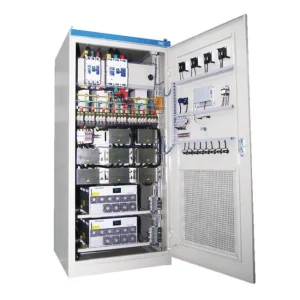
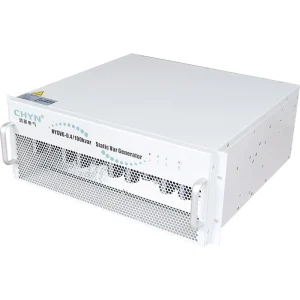
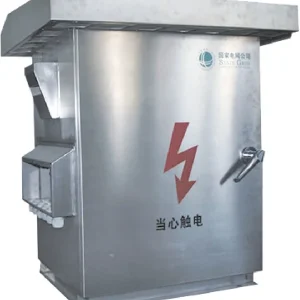
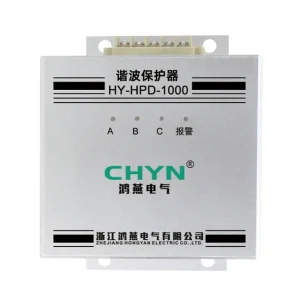
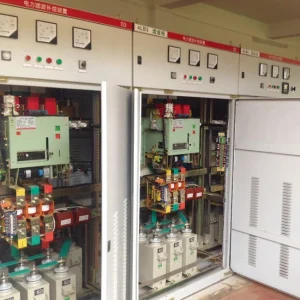
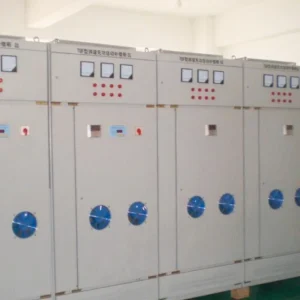
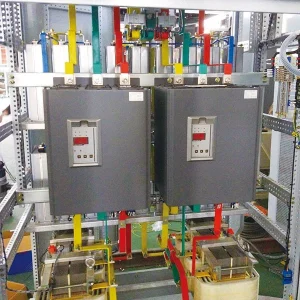
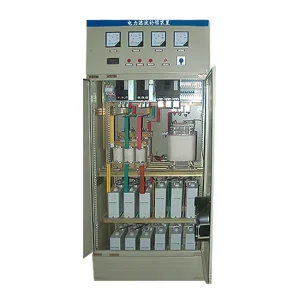
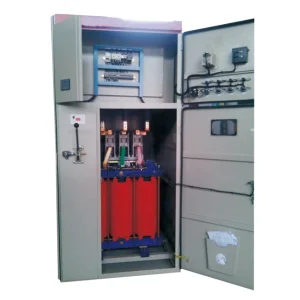
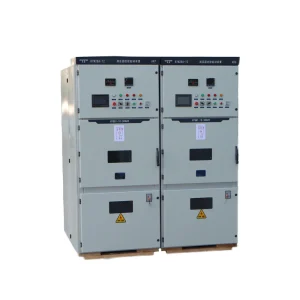
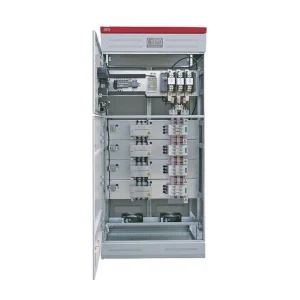
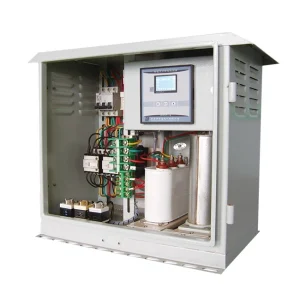
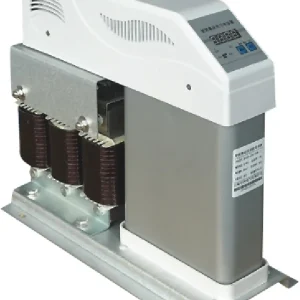
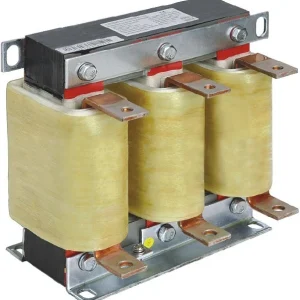
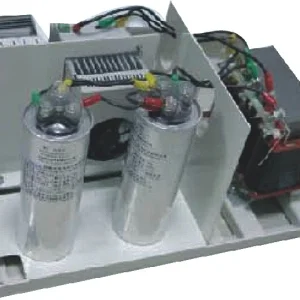
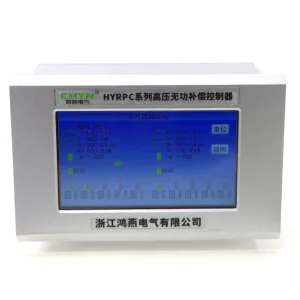
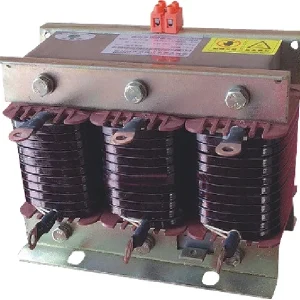
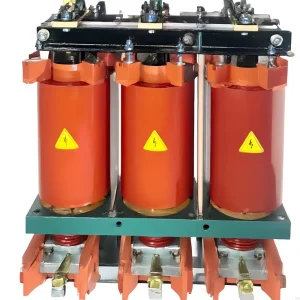
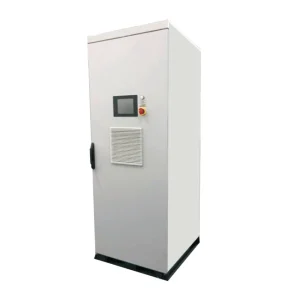
Detuned reactor overheating calls for two parallel checks: electrical loading and heat removal. Measure the branch current spectrum, verify the reactor-capacitor combination and compare the actual cooling conditions with the approved design. A hot reactor is not automatically defective, and a lower enclosure temperature does not prove that its winding duty is acceptable. Preserve the protection event record, identify the affected step and have qualified personnel investigate under an approved electrical procedure. Do not bypass a thermal trip to keep a capacitor step available.
This article provides a diagnosis and inquiry framework. It intentionally gives no universal surface-temperature limit, thermostat setting or ventilation clearance because those values depend on the selected equipment and assembly.
Establish what “overheating” means
Start with the evidence that triggered the concern. Was there a winding thermal trip, a measured enclosure-air temperature, a thermal-camera image, discoloration, an odor or a failed component? These observations are related but not equivalent. Record the time, instrument, measurement location and operating state. A photograph of a warm-looking surface cannot establish the internal winding temperature.
Compare the observation with the correct limit. An insulation-class designation, allowable winding rise, ambient-air limit and enclosure temperature are different quantities. Ask the manufacturer which limit applies to the measurement being reviewed and what method is appropriate. Avoid accepting a generic temperature value from another product family.
Keep the original trip sequence. A thermal alarm followed by step removal is different from a controller repeatedly reconnecting a damaged branch. Include command, feedback and alarm timestamps so the investigation can establish which event happened first.
Check actual harmonic duty
A detuned branch carries more than a simple label of “kvar.” Obtain phase currents, fundamental current, harmonic current magnitudes and the simultaneous bus-voltage spectrum. Compare the measured operating envelope with the reactor’s specified duty. If the load mix or supply configuration changed, the original harmonic survey may no longer represent the present installation.
Harmonic content and the electromagnetic installation conditions belong in the loss review. An IEEE Canadian Review case study of filter reactors describes installation-related electromagnetic losses and thermal effects in an air-core application. That case illustrates why assembly details matter; its reactor construction and ratings must not be transferred to a CHYN iron-core detuned reactor.
Capture several credible operating states. A production shift with many drives operating can differ from a light-load interval with a different capacitor-step combination. Identify the condition that coincides with the temperature rise rather than using the highest number found in an unrelated recording period.
Verify the complete reactor-capacitor combination
Match the installed reactor and capacitors against the approved bill of materials and drawings. Record inductance, capacitor arrangement, voltage ratings, intended tuning and delivered step output. A replacement capacitor selected only by its printed kvar can alter the branch behavior if its voltage rating or connection differs from the original design.
Review maintenance history. A failed fuse, loss of capacitance, incorrect reconnection or undocumented replacement can change the electrical conditions of a step. Use the manufacturer’s approved tests and isolation procedure to verify component condition. Do not infer the internal connection from a product photograph or from the appearance of a neighboring panel.
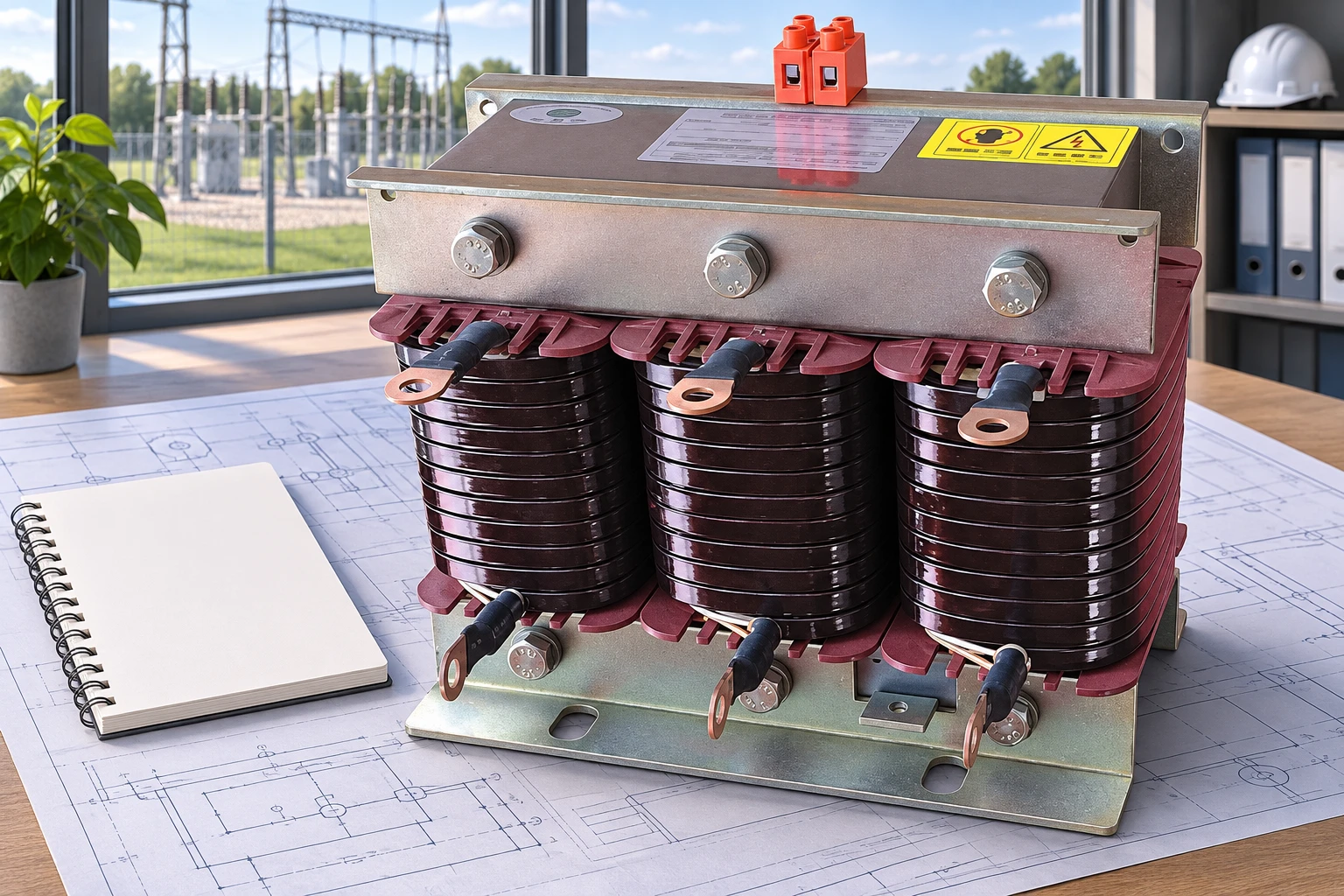
The public scope of IEC 60076-6 on reactors is a standards reference for applicable reactor requirements. The selected assembly still needs its own rating, design documentation and verification. A standard number on an inquiry is not a thermal calculation or evidence of a particular product’s compliance.
Use the temperature pattern to prioritize checks
The table below is an original diagnostic guide. Each observation suggests a direction for investigation; none is a conclusive diagnosis without measurements and inspection.
| Observed pattern | First evidence to collect | Question for review |
|---|---|---|
| All reactor steps run hotter after a production change | Before-and-after current spectra and load inventory | Has the electrical duty changed? |
| Several components heat up with rising enclosure-air temperature | Ambient records, fan status and airflow path | Is heat removal adequate for actual losses? |
| One connection is much hotter than comparable connections | Phase currents and an approved connection inspection | Is there a localized connection problem? |
| One step trips after a capacitor replacement | Replacement records, drawings and branch measurements | Does the installed combination match the design? |
| Thermal trips repeat shortly after reset | Trip sequence, cooling time and controller commands | Is the cause unresolved or the restart sequence unsuitable? |
Compare like conditions. A reactor measured after hours at full duty cannot be compared directly with a cold neighboring unit that has just switched on. Record elapsed operating time and branch current with each thermal observation.
Inspect the cooling path as a system
Review inlet and outlet locations, filters, fans, internal barriers and nearby heat sources against the assembly drawing. A fan can be running while the intended airflow is blocked, recirculating or bypassing the hot compartment. Check maintenance records for contaminated filters and confirm that later installation work has not obstructed the external openings.
Measure the air temperature at the locations specified for the equipment. Room temperature alone may not represent the air entering a reactor compartment. Conversely, a high surface temperature does not directly show how well the surrounding air is being exchanged. Keep the measurement method and location consistent between inspections.
Request a thermal review when the enclosure is changed, extra steps are added or the installation moves to a different environment. A larger fan chosen without an airflow and protection review can introduce other problems, including contamination or an altered enclosure arrangement. Changes should be supported by the responsible designer.
Check thermal protection without defeating it
Identify the sensor or contact arrangement for the actual model and trace its intended protective function on the schematic. Do not assume that a normally open or normally closed contact behaves like one in another catalog. Confirm the required disconnection path, reset method and fault indication from the approved documentation.
If the trip is suspected to be false, verify the sensing circuit using the manufacturer’s procedure. Retain the reactor out of service when the cause cannot be established safely. A protection bypass removes evidence and can expose the branch to a duty that has already caused an alarm.
Separate the protective action from the controller’s compensation demand. A controller may still request kvar while a branch is unavailable. The operating plan should account for reduced compensation capacity without repeatedly forcing the unavailable step back into service.
Decide whether to repair, replace or redesign
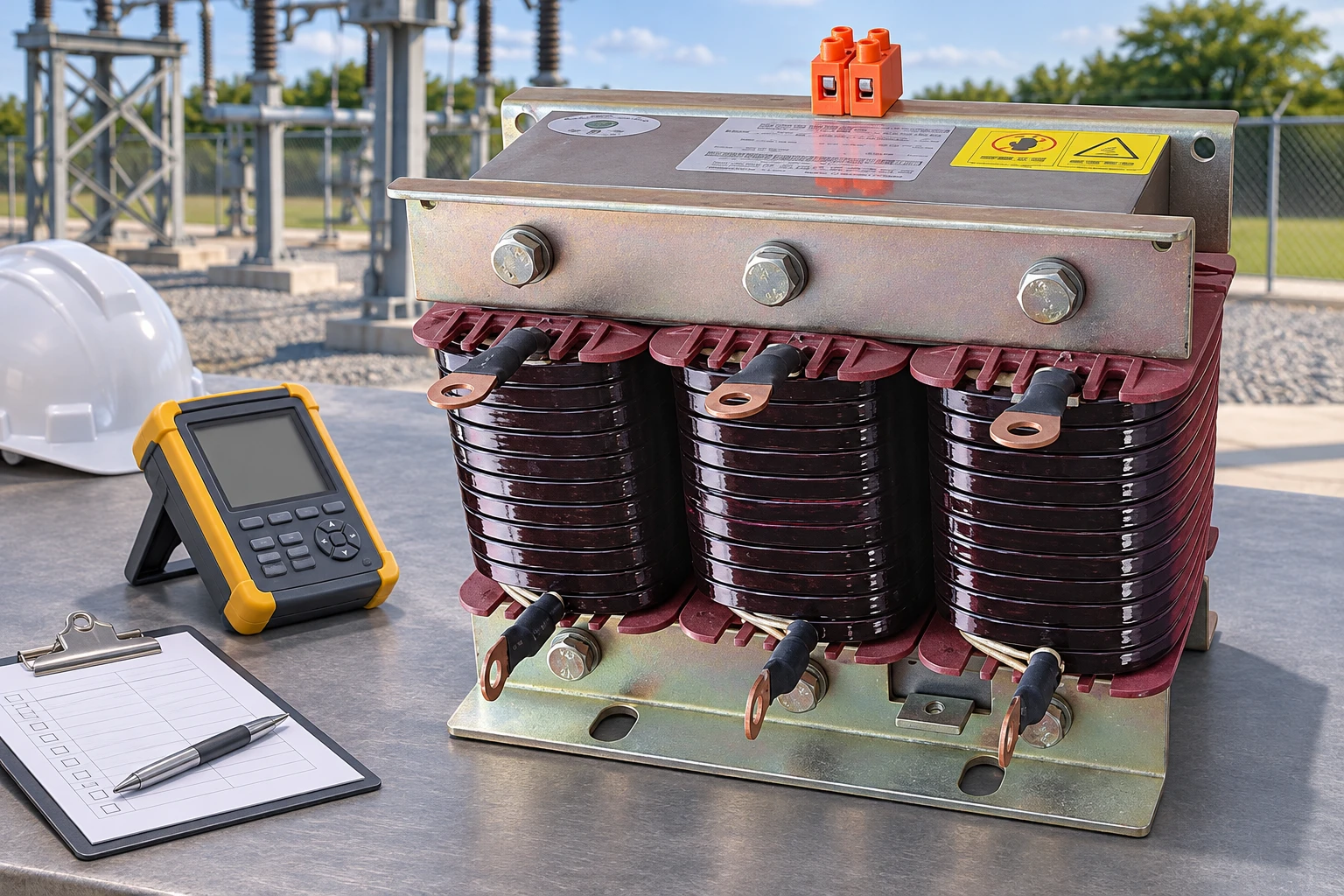
A localized connection defect, failed cooling component and overloaded reactor require different corrective actions. Ask the investigating engineer to state the evidence supporting the diagnosis, the proposed correction and the verification required afterward. Replacement with an identical part can repeat the failure if the duty or cooling problem remains.
When discussing CHYN’s series and tuning reactors, provide the branch diagram, capacitor details, harmonic survey, enclosure arrangement, ambient conditions and fault history. Request a matched selection for the real operating envelope rather than a part chosen only by physical size.
After correction, repeat the relevant electrical and thermal observations under comparable loading. Confirm protection operation through the approved commissioning process and retain the revised baseline. If full duty cannot be reached during the test, identify the remaining verification instead of reporting unconditional acceptance.
Related reading and educational background
CHYN’s guide to reactors in capacitor banks explains the broader role. The 7 percent detuned reactor article addresses tuning relationships, while APFC panel hunting covers a different switching-control symptom that can appear in the same installation.
“Lecture 61 - Problems with harmonics” from NPTEL-NOC IITM provides educational context for harmonic effects. It does not establish permissible winding temperatures or replace the selected reactor’s thermal documentation.
Watch Lecture 61 - Problems with harmonics on YouTube.
Distinguish urgent symptoms from a planned survey
Visible damage, smoke, abnormal odor or repeated protective operation require the site’s established fault-response procedure. Do not continue a diagnostic run simply to collect a more complete graph. The responsible electrical team should decide the safe equipment state and the conditions for inspection.
For a planned survey of serviceable equipment, agree the observation locations and expected operating states beforehand. Record the instrument settings and environmental conditions, and avoid comparing measurements made with different thermal-camera assumptions as though they were identical. The useful outcome is a traceable relationship between electrical duty, cooling conditions and temperature behavior, followed by a documented engineering decision.
Frequently asked questions
Is there one safe surface temperature for every detuned reactor?
No. The relevant limit depends on the reactor design, measurement location, ambient conditions and specified duty. Surface temperature, winding temperature and enclosure-air temperature are different quantities. Use the selected manufacturer’s documentation and approved measurement method.
Does a thermal trip prove the reactor is defective?
No. It may indicate excessive electrical duty, inadequate cooling, a component mismatch, a connection issue or a sensing problem. Preserve the trip record and investigate the evidence. Do not bypass protection or repeatedly reset an unresolved thermal condition.
Can identical kvar capacitors always be substituted?
No. Voltage rating, connection arrangement, capacitance and the matched reactor design matter. Check the complete branch specification and approved replacement list. A substitution based only on the printed kvar can change the operating conditions of the step.
What should be checked after a repair?
Repeat the relevant branch-current, harmonic and thermal observations under comparable loading. Verify protection through the approved procedure and retain the corrected baseline. Identify any operating state that could not be tested instead of reporting an unrestricted pass.