
 Zhejiang Hongyan Electric Co., Ltd.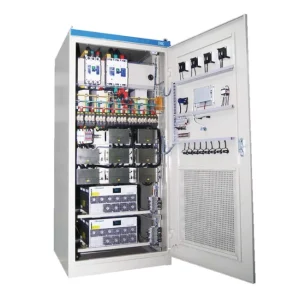
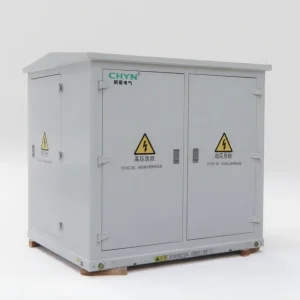
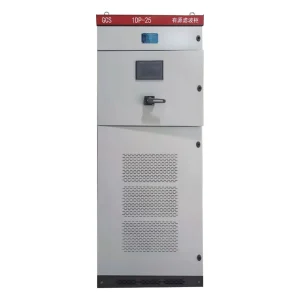
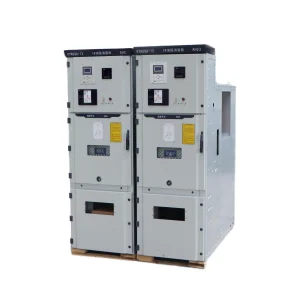
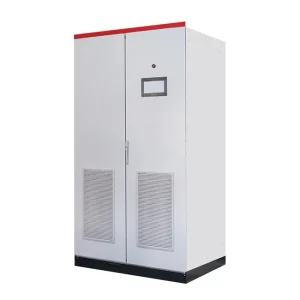
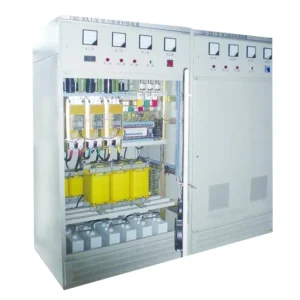
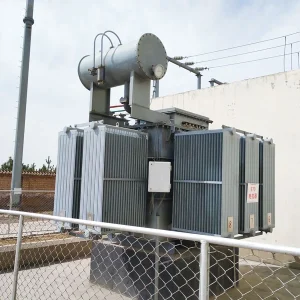
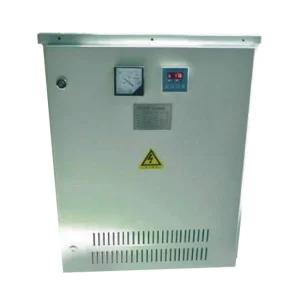
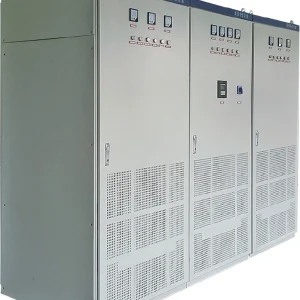
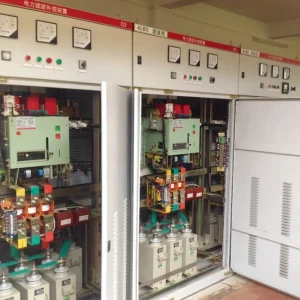
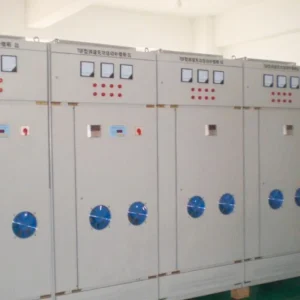
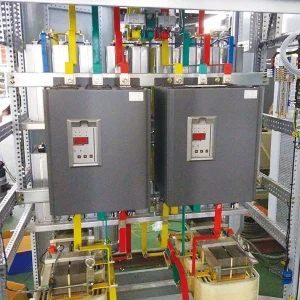
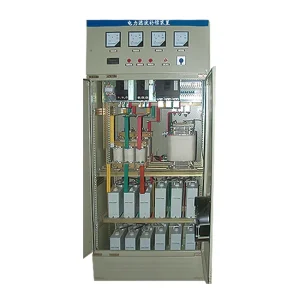
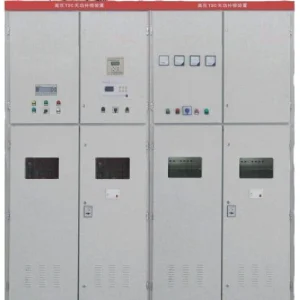
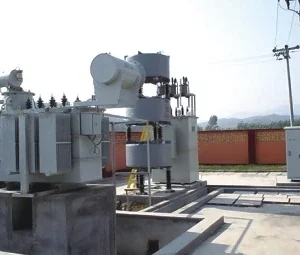
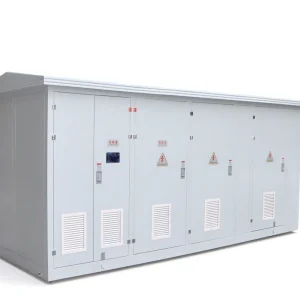
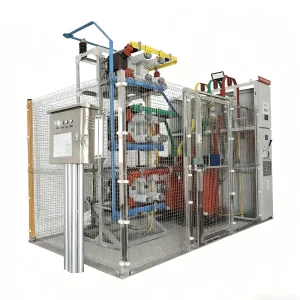
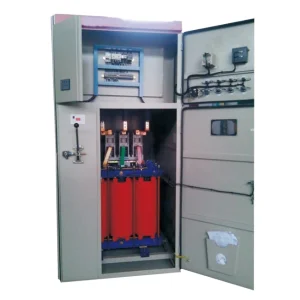
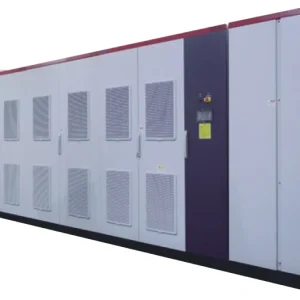
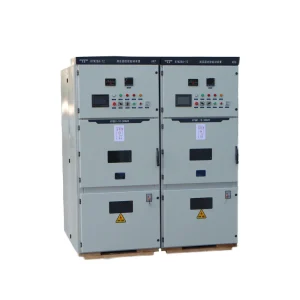
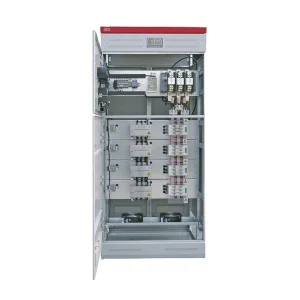
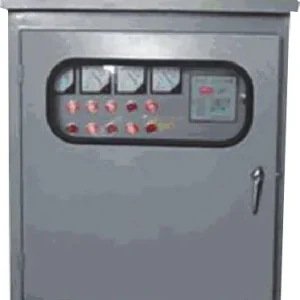
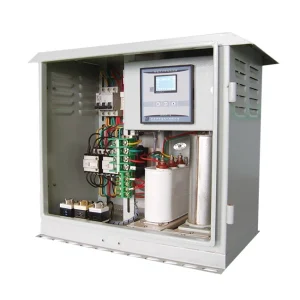
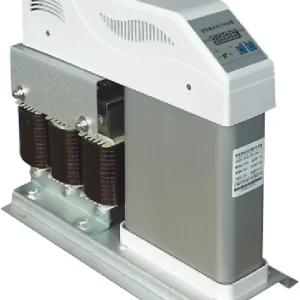
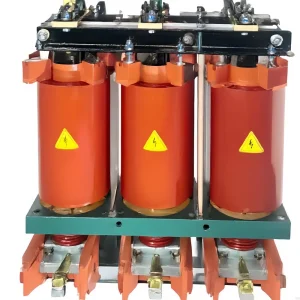
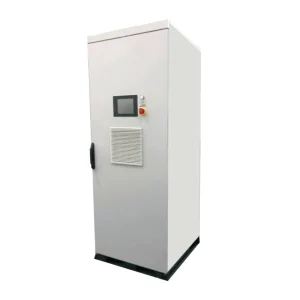
An active power filter design package is the document set and procurement choices a buyer or EPC assembles before RFQ — power quality study evidence, SLD, load list, voltage and frequency, cabinet space, and a THD target — so vendors quote the same job. This article maps those documents, clears APF versus AHF naming, locks capacity and enclosure choices, and shows the VFD-passive versus active-injector fork. For measured-ampere rating and CT placement, use the live active harmonic filter design note; products sit on the Active Power Filter Series hub.
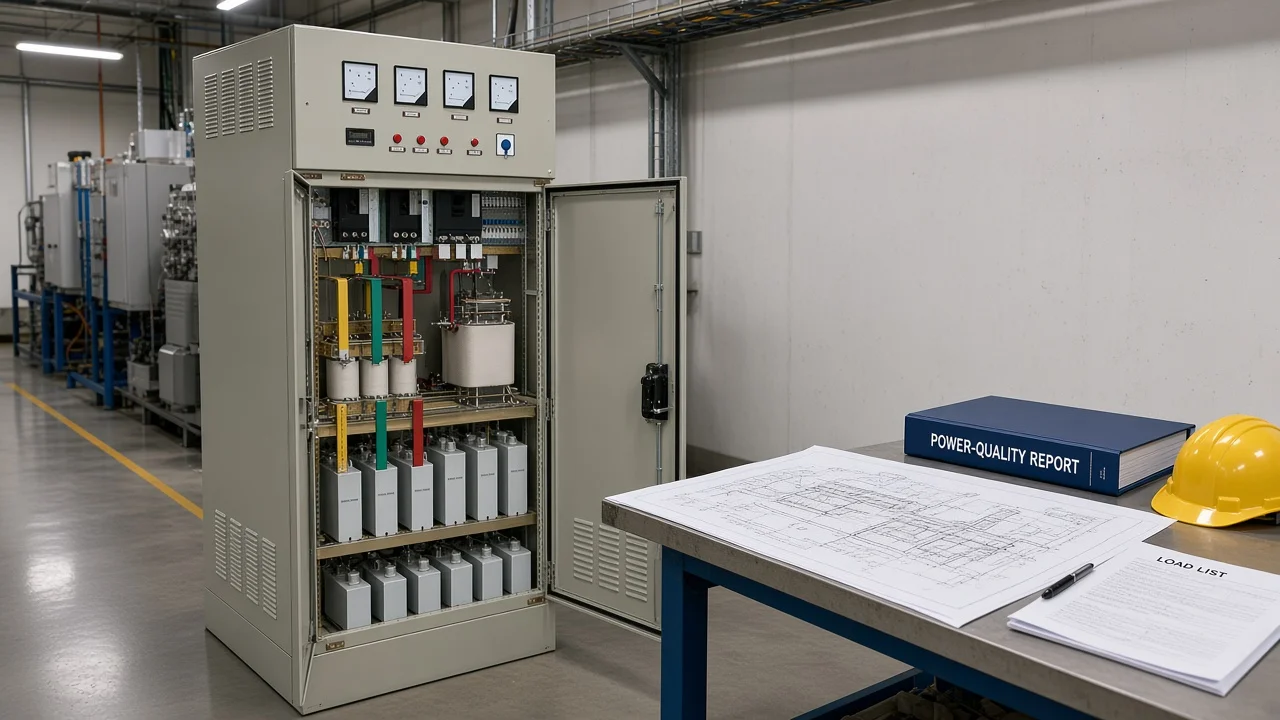
What an APF design package locks before RFQ
The package locks four things vendors cannot invent for you: the evidence of the harmonic problem, the words that name the hardware job, the physical limits of the room, and which fork you are buying — drive-local filtering or plant-bus injection.
Simulation papers and topology notes explain how an injector cancels harmonics. They do not tell a supplier whether your MCC is three-wire or four-wire, how much floor space exists beside the drives, or whether you meant a VFD-side passive cabinet. A thin RFQ that only lists transformer kVA and a drive count produces three incompatible quotes.
Keep the package short and complete. Every file should answer a decision. Every decision should appear once on the RFQ cover sheet so naming and capacity language stay aligned with the Active Power Filter Series context you intend to buy into.
Documents buyers should assemble for active power filter design
Bring a power-quality report, a single-line diagram, a nonlinear load list, system voltage and frequency, cabinet footprint notes, and a THD target before you ask for ampere or module options.
| Package document | What it unlocks on the RFQ |
|---|---|
| Power-quality report / analyzer log | Proves the harmonic current and how it moves across a production cycle |
| Single-line diagram (SLD) | Shows where the filter sits relative to transformers, MCC, and the point of common coupling (PCC) |
| Nonlinear load list | Names VFDs, rectifiers, and other sources that create the spectrum |
| Voltage and frequency | Matches published equipment lines (for example 400 V / 50 Hz) |
| Cabinet space and install location | Sets floor/wall mount, clearance, and cooling air path |
| THD or similar distortion target | States the cleanliness score you want discussed at the bus you care about |
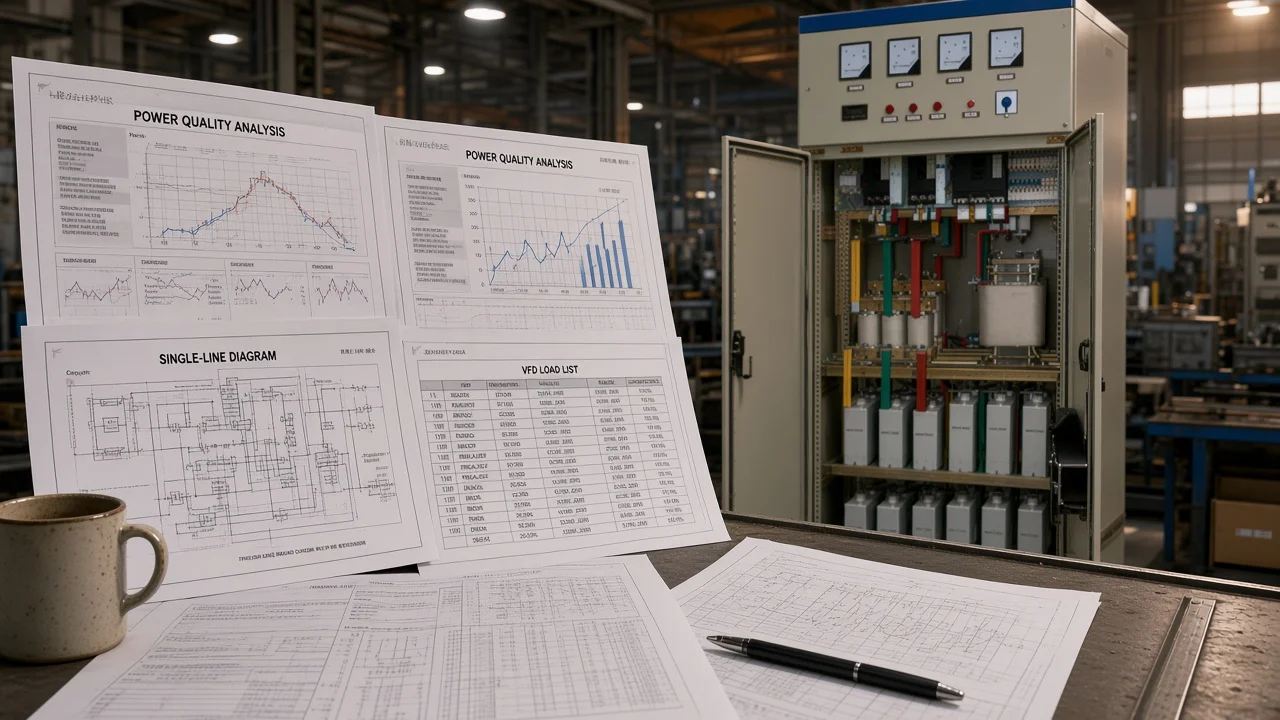
A power quality study is the analyzer-based log of harmonic current on a real cycle. It is not a nameplate photocopy.
Field engineers on industrial threads keep repeating the same failure mode: without upfront analysis, large filters get oversized or too slow and then disturb the plant they were meant to clean.
From the field: For large-scale filtering, missing a power quality study is how systems get oversized or slow, then cause wider disturbances. Physics Forums
Harmonic current is the integer-multiple distortion the plant draws. THD is a ratio that describes leftover waveform pollution — useful as a target on the RFQ, not as a substitute for the current the injector must supply. When you later need the ampere method from measured harmonic current, step into the active harmonic filter design article; keep this package focused on the files that make that method honest.
APF and AHF naming language for RFQ
On most industrial RFQs, active power filter (APF) and active harmonic filter (AHF) name the same shunt injector job: a parallel cabinet that injects compensating current opposite the harmonic current so the upstream supply sees a cleaner waveform.
Write the RFQ in plain topology language. Say shunt or parallel at the point of common coupling or other bus you care about.
State whether the duty is harmonic cancellation only, or also reactive or imbalance support sharing one current budget. If one vendor replies “APF” and another “AHF,” treat them as synonyms until a datasheet proves a different topology (series, hybrid, or an active front end on a drive).
A shunt active power filter sits beside the load path and scales by paralleling modules when one frame cannot supply the compensating current. That sentence belongs on the cover sheet so capacity options stay about injected amperes, not about renaming the product mid-bid.
Procurement choices: parallel capacity, cooling, enclosure, location
Write modular parallel capacity, cooling method, enclosure rating, and install location into the package so quotes compare the same physical job.
| Choice | What to write on the RFQ | Why it matters |
|---|---|---|
| Modular parallel capacity | Required compensating-current class and whether modules may parallel | Lets vendors offer one frame or paralleled modules without changing the duty |
| Cooling | Natural cooling vs forced-air, and any redundant fan expectation | Heat rejection changes clearances and noise in the electrical room |
| Enclosure / IP | Indoor rating needed at the install point | Locks door type and protection level before shipping |
| Install location | Floor-mounted or wall-mounted; drive-local vs plant-bus aisle | Changes cable runs, sensing notes, and which fork you are buying |
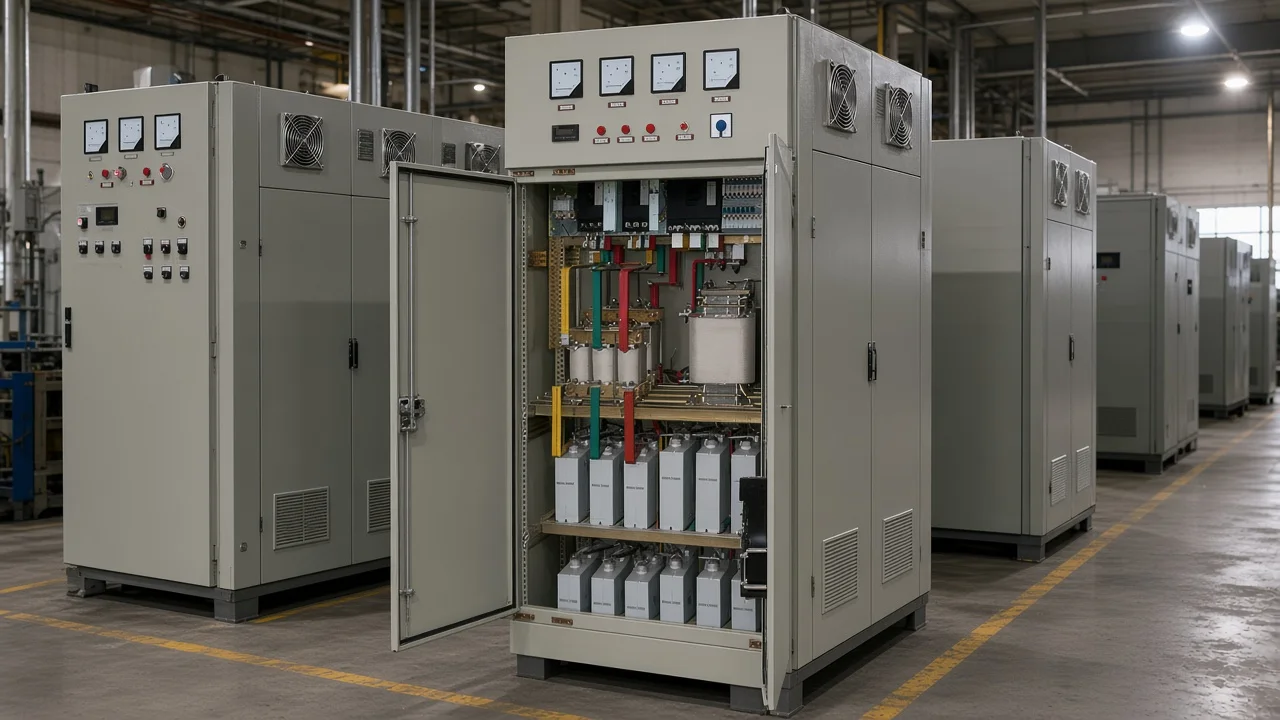
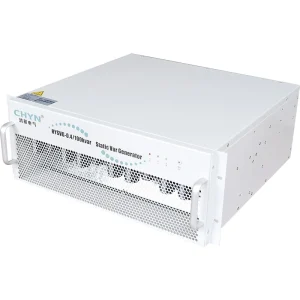
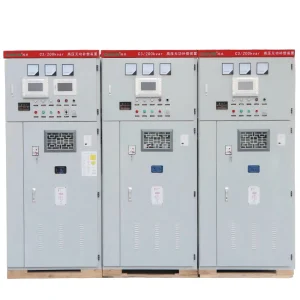
Published active injectors on the CHYN line, such as the HYAPF Series Active Power Filter, state modular parallel operation, intelligent forced-air cooling, and low-voltage ratings of 400 V / 690 V with harmonic coverage from the 2nd to the 51st order and response under 10 ms. Copy those fields only as product-page statements when the RFQ is truly an active injector. Drive-local passive cabinets publish their own enclosure and cooling lines — indoor IP20B, natural or forced-air, floor or wall mount — and those belong on the package when that fork is selected.
Do not leave cooling and footprint as “vendor to advise.” Room air path and aisle clearance decide whether a paralleled active lineup even fits.
When a VFD passive filter fits vs an active injector RFQ
Stable VFD-local harmonics that sit on the drive feeder favor a drive-side passive harmonic filter; a shared plant bus with a moving spectrum favors an active injector RFQ.
Active filters adapt when the load mix changes. Passive branches are simpler when the dominant orders stay put — for many six-pulse VFDs that means a familiar 5th / 7th / 11th pattern on the drive side.
The fork is a procurement decision, not a full comparison essay. If the package shows one drive family with a stable spectrum and local filtering at the converter, stay on the VFD-passive path. If several nonlinear loads share a bus or the spectrum shifts with production, RFQ the plant-bus active injector and open the HYAPF Series Active Power Filter page for published injection lines.
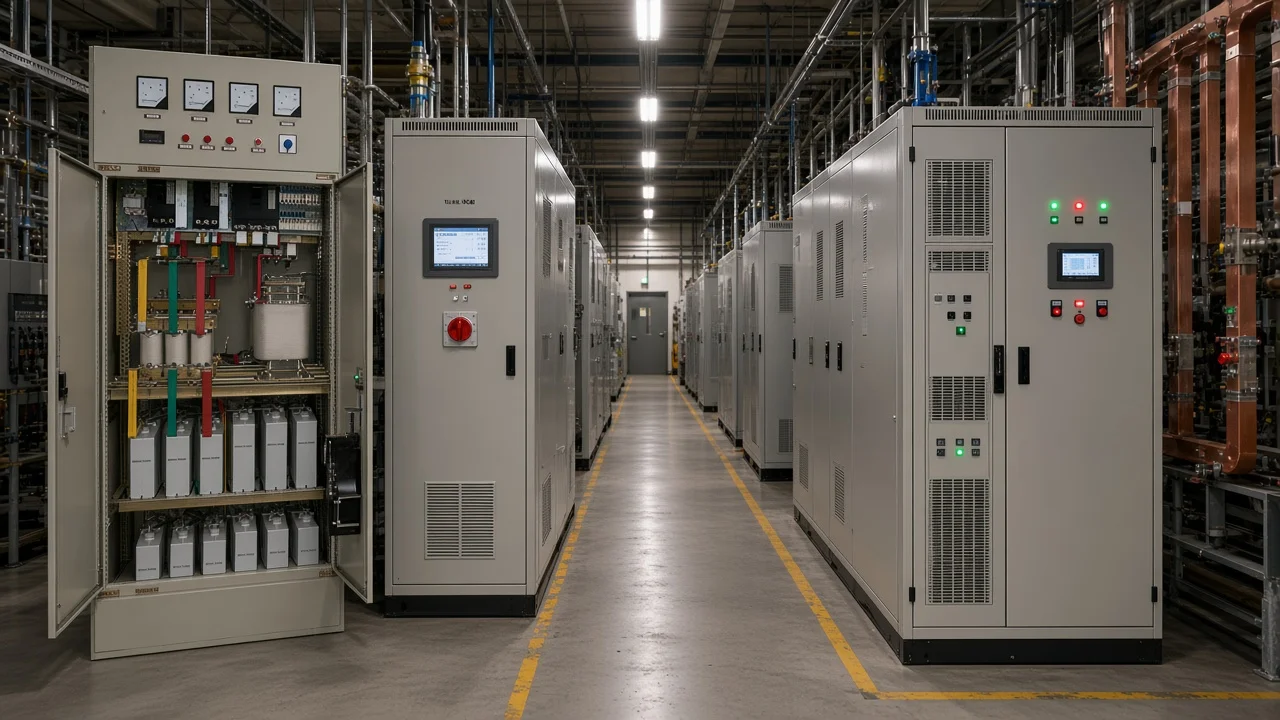
Keep sensing and measured-current rating on the sibling design note. Here the only question is which product family the documents point to before anyone opens a wiring checklist.
When to select and recommend HYFC-BP for VFD-local filtering
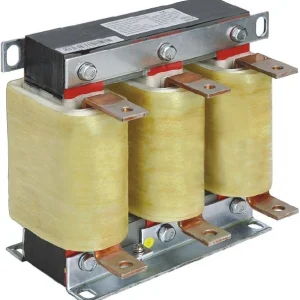
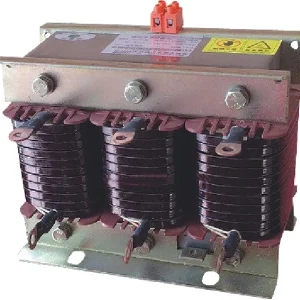
Select the HYFC-BP Series Passive Harmonic Filter for VFD Systems when the assembled package shows drive-local VFD harmonics and a passive filter on the converter side is the right fork — not when you need a plant-bus active injector.
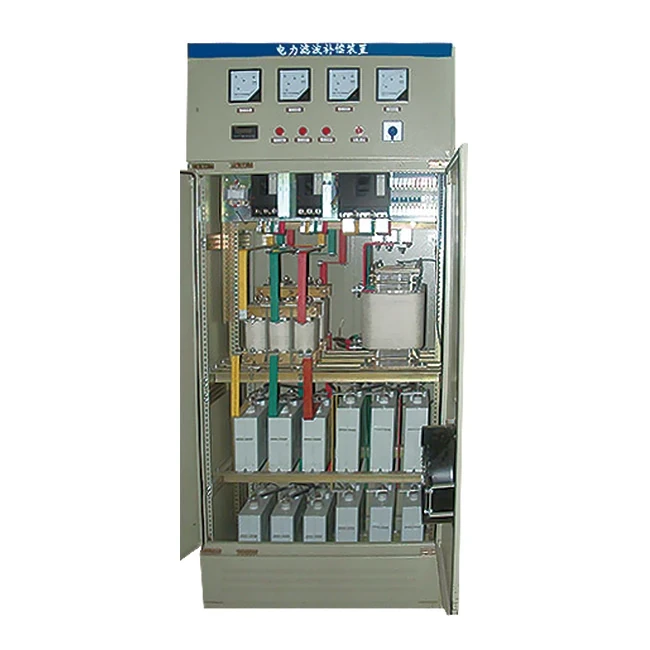
The live HYFC-BP page positions the cabinet for frequency-converter systems. It states suppression of the 5th, 7th, 11th and higher orders, system power factor at or above 0.95, harmonic suppression ratio at or above 70%, rated voltages of 400 V / 525 V / 660 V, indoor floor-mounted or wall-mounted installation, IP20B enclosure, and natural or forced-air cooling. Those published lines map directly onto the procurement choices table above when the RFQ is VFD-local.
Recommend HYFC-BP when:
- The load list is dominated by VFDs with a stable drive-side spectrum
- The SLD shows filtering at the converter, not a shared plant bus injector
- Enclosure and cooling notes match indoor IP20B and the published mounting options
Point buyers to HYAPF instead when the package requires real-time equal-and-opposite injection on a low-voltage distribution bus, modular parallel growth, or multi-order coverage stated on the active product page. Do not label HYFC-BP as an active power filter. Do not invent a cabinet ampere the page does not publish.
FAQ
Is active power filter the same as active harmonic filter on an RFQ?
Often yes. Buyers use APF and AHF for the same shunt injector that cancels harmonic current. Lock the bus, the duty, and the topology on the cover sheet so synonym language does not create two different scopes.
Which documents belong in the design package before vendors quote?
A power-quality report, SLD, nonlinear load list, voltage and frequency, cabinet space and install location, and a THD target. Those six items stop quotes from inventing the plant.
Can transformer kVA alone size the filter?
No. kVA describes the transformer. The injector cares about harmonic current on a real cycle.
Put the PQ report in the package. Use the measured-current method on the sibling design article when you are ready to set amperes.
When should we RFQ a plant-bus active injector vs a drive-local VFD passive filter?
Use drive-local passive filtering when VFD-side harmonics are stable and local. RFQ an active injector when the shared bus spectrum moves or one current budget must cover harmonics with other duties. Link HYAPF for the active path; keep HYFC-BP for the VFD-local fork.
What cooling and enclosure choices belong on the RFQ?
State natural versus forced-air cooling, the indoor IP rating you need, and floor versus wall mount. Those fields decide whether paralleled modules or a compact VFD-side cabinet even fit the room.
Does installing a filter automatically mean IEEE 519 compliance?
No. IEEE 519 and related IEC harmonic limits are compliance contexts you still apply at the point you care about. A cabinet is hardware; the study and the target on the RFQ are what make a limit discussable.
Where do modular parallel modules fit the package?
When the compensating-current need exceeds one frame, write that modules may parallel and share the duty. That language belongs with capacity and cooling, not as a late drawing change.
How does this differ from active harmonic filter design?
That live article owns measured harmonic current, compensating-current rating, CT placement, and response priority. This article owns the RFQ document package, naming, procurement choices, and the VFD-passive versus active-injector fork.
References
- Active power filter — injection principle, shunt topology, and parallel scaling overview.
- Harmonics (electrical power) — harmonic current and THD definitions used as package fields.
- Active power filters for harmonics mitigation — topologies and adaptive behavior versus passive branches.
- Circuit diagram of an active power filter — field objection that a power study must precede large-scale filtering.