
 Zhejiang Hongyan Electric Co., Ltd.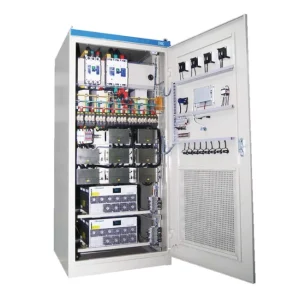
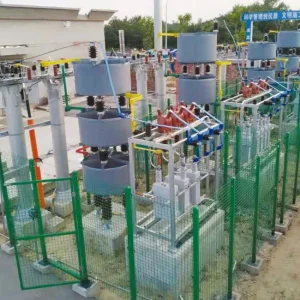
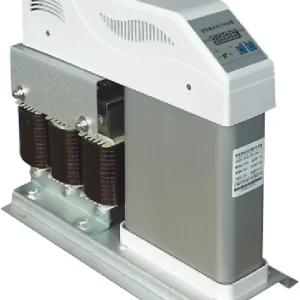
Capacitor bank testing starts after the bank is isolated and proven clear of residual voltage, then moves to capacitance, insulation, and stage-health clues that support an accept, suspect, or replace call. how to test a capacitor bank in an industrial plant is not a single-can appliance video: you need a valid microfarad path, fuse-aware reading rules, and companion checks that cold capacitance can miss. Miss the isolation check and the meter can lie; miss the fuse style and a healthy can looks open.
Confirm Zero Energy Before Any Capacitance Probe Touches the Bank
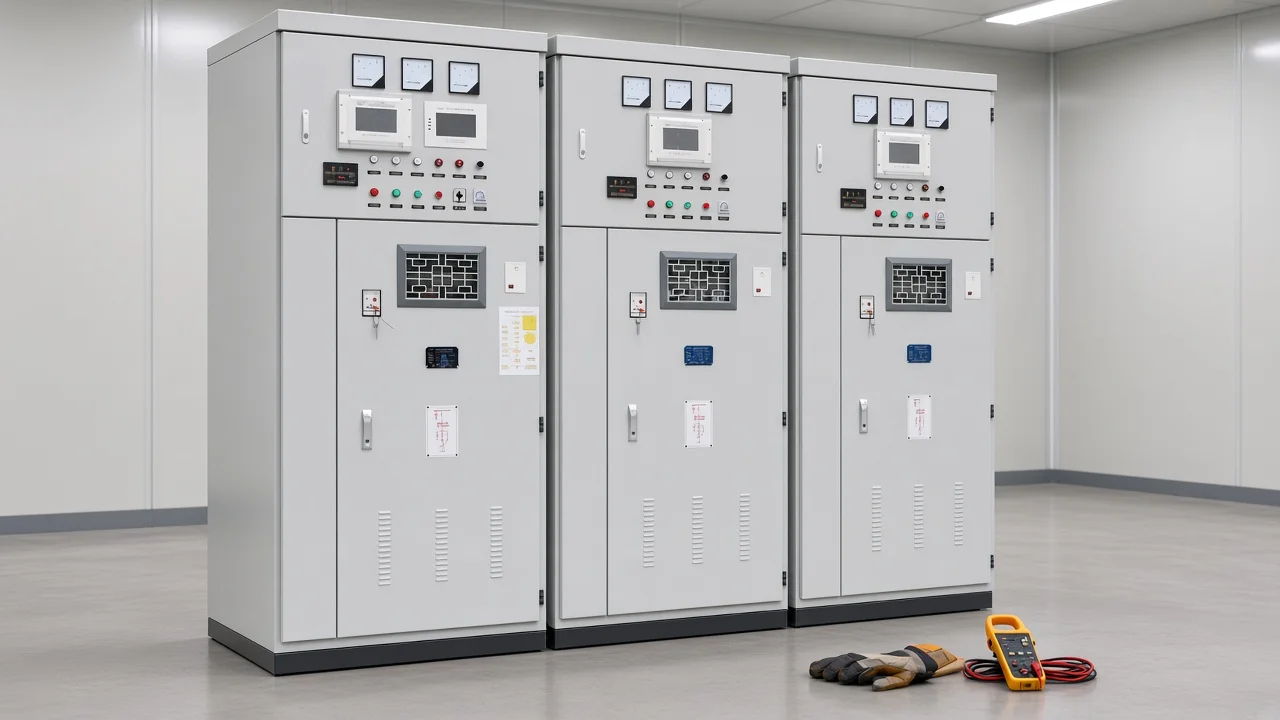
Testing starts only after isolation, the documented discharge wait, grounding, and a rated meter shows clear residual voltage.
Capacitor banks store energy after the feeder opens. A failed discharge path can leave a shock hazard even when the cabinet looks idle, so wait time alone is not a clearance certificate. Keep discharge procedure depth thin here: follow the bank manual and site lockout rules, then prove the terminals are clear before capacitance work.
Practical gate for qualified personnel:
- Open the disconnect and establish isolation / lockout for the bank.
- Wait the manufacturer discharge window stated on the nameplate or manual.
- Ground each phase and, for ungrounded banks, the neutral; stick-ground individual cans before contact.
- Prove the terminals are clear with a duty-rated meter: first AC, then DC between phases and from each phase to ground.
If voltage reappears, stop and re-clear before any microfarad probe touches a bushing. Deep wait-time and discharge-stick sequencing belong in a dedicated discharge procedure, not in this test article.
Measure Capacitance Unit by Unit Without Parallel Paths
Disconnect the line-side path so parallel cans and bus work cannot invent capacitance.
Capacitance measurement on a bank fails quietly when neighboring units remain connected. A handheld meter that charges a path will “see” every parallel can on that rail, so the number looks healthier than the can under test.
Field sequence that keeps the reading honest:
- Confirm the zero-energy gate above is complete.
- Note external fuse / internal fuse style, nameplate µF or kvar, and prior baseline if you have one.
- Disconnect the line-side terminal of the unit under test, or otherwise lift the parallel path.
- Measure in capacitance mode and wait for the reading to settle.
- Log the value beside the nameplate before you restore connections.
From the field: In-circuit capacitance on a shared rail is routinely skewed by every other capacitor still tied in parallel—isolate the unit under test before you trust the microfarad number. — EEVblog forum: Measuring capacitors in circuit
Interpret Open, Short, and Partial-Failure Capacitance Patterns
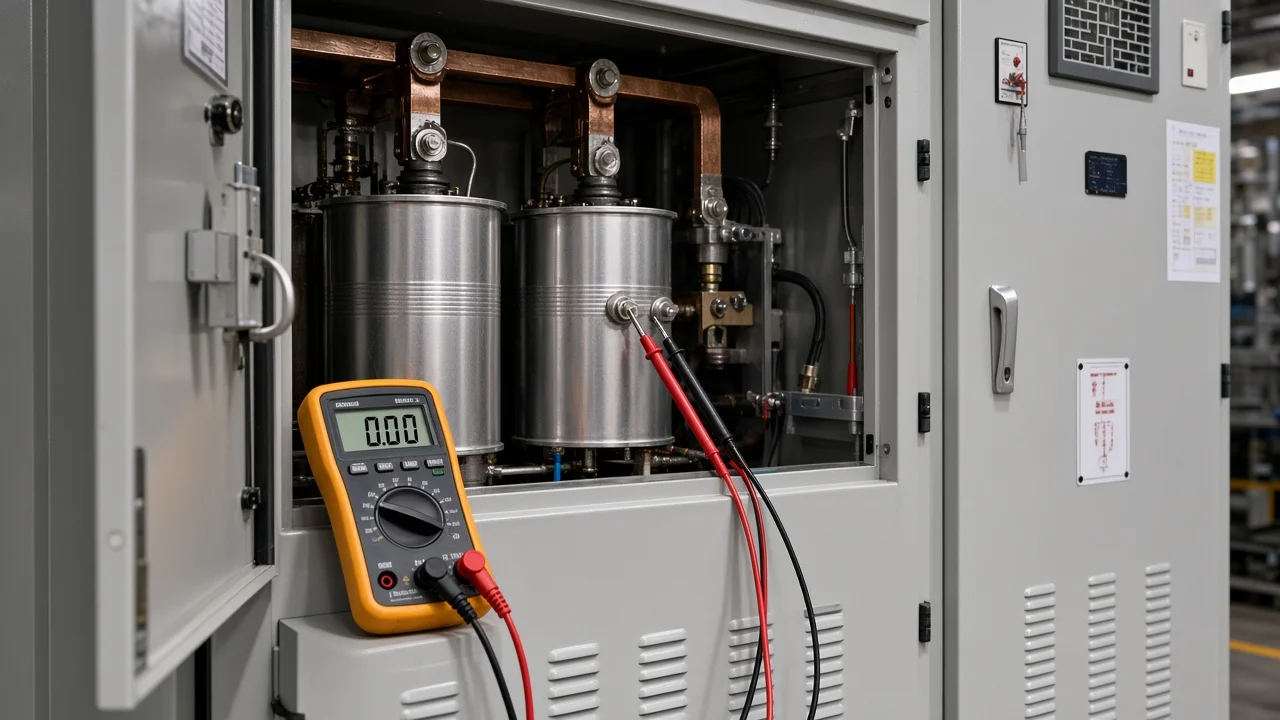
OL, near-zero nanofarad readings, and high or low microfarads each point to different failure modes by fuse style.
Industry guidance for shunt power capacitors commonly cites a nameplate capacitance window of 0 to +10% of nominal.
Many makers ship tighter bands, so prefer the plate and OEM bulletin when they conflict.
A shorted can often drives a capacitance meter into overload (OL). An open can often collapses toward a very low nanofarad floor or a discharge-style meter code.
Partial failures move capacitance in opposite directions depending on fuse construction:
| Fuse construction | Typical partial-failure capacitance move | Practical reading cue |
|---|---|---|
| External fuse / fuseless can | Measured C often rises above the nameplate band | Suspect failed elements still paralleled; replace after isolation checks |
| Internal fuse can | Measured C often falls below the nameplate / prior log | Small section losses can sit near meter and temperature noise—use baselines |
| Fully shorted unit | Capacitance OL on many DMMs | Replace; investigate heat, harmonics, or wrong duty |
| Fully open unit | Near 0–1 nF or “di.sc”-style codes on some meters | Replace; inspect links and wiring |
Externally fused banks sometimes blow a fuse from surge or a bad fuse rather than a dead can, so capacitance still matters before you scrap hardware. Internally fused cans hide fuse operation, so trending against a prior log matters more than a one-shot reading.
Add Insulation and Stage-Current Checks That Capacitance Alone Misses
Insulation resistance and energized stage-current or thermal clues find problems a cold microfarad reading can miss.
Insulation resistance between terminals and frame screens case insulation after the bank is clear. Between terminals, an internal discharge resistor can make a megohmmeter look “low” even when the dielectric is fine, because the meter is reading the discharge path. Treat that pattern as a reason to lean on capacitance and thermal clues, not as automatic condemnation.
When the bank can run safely for an energized inspection window, clamp each stage and compare currents while the controller calls steps in.
A cold or missing stage with the controller asserting “on” is a health clue capacitance will not show during an outage.
Thermal imaging after the bank has been energized for at least an hour helps catch loose connections, stressed fuses, and cans that run hotter than their neighbors.
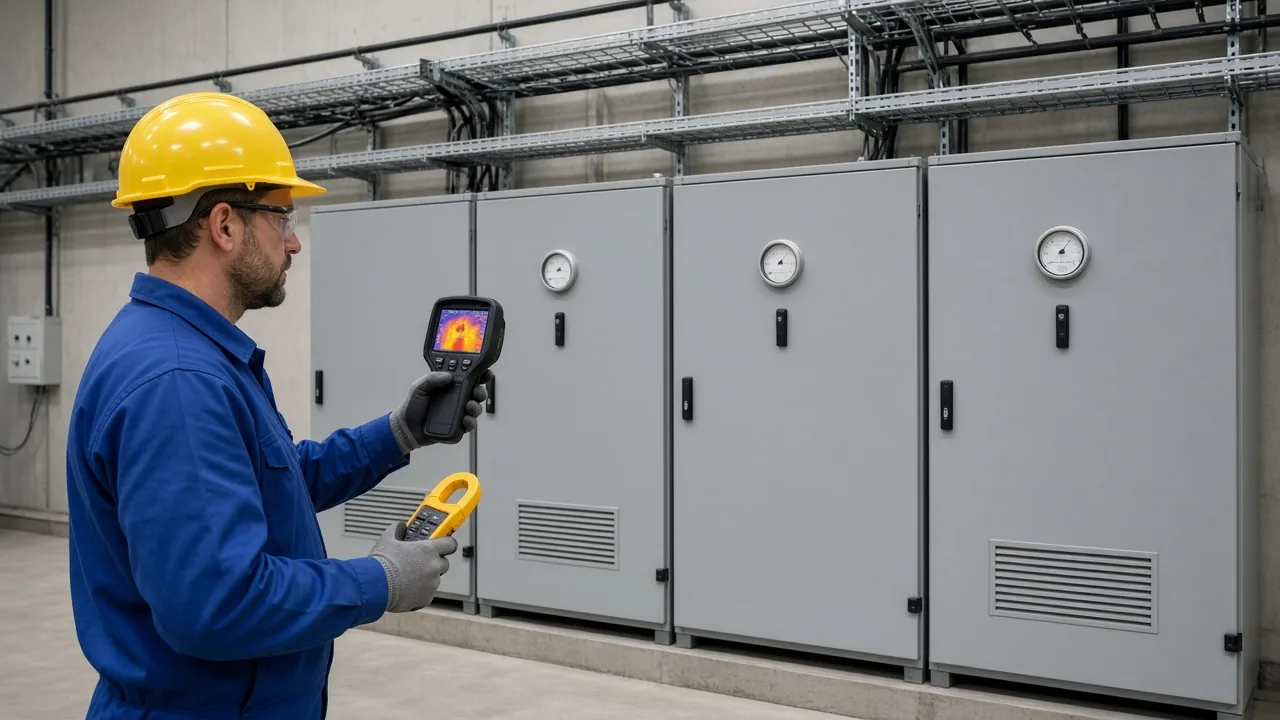
A handheld multimeter still cannot measure live power factor. Power-factor correction performance needs a meter that captures voltage, current, and power together over time.
Build an Accept, Suspect, or Replace Decision for Field Work
Combine the nameplate window, fuse style, insulation caveats, and thermal or current clues into one decision.
Capacitance alone is not a verdict when IR sees a discharge resistor, when parallel paths were never lifted, or when an unbalance protection trip began after another bank was switched onto the same bus. Use the table as a field shorthand, then follow the OEM bulletin for torque, spare policy, and return-to-service checks.
| Field signal | Likely meaning | Decision |
|---|---|---|
| µF inside maker/nameplate band; IR and stage currents normal | Unit looks healthy | Accept; keep the log |
| µF outside band in the fuse-style direction; or OL / near-open | Failed or partially failed can | Replace after isolation proof |
| µF OK but stage cold / hot connection / repeated fuse | Connection, fuse clip, reactor, or control issue | Suspect; fix root cause before swapping cans blindly |
| Unbalance protection trip after capacitance balancing | Possible switching interaction or CT/neutral path issue | Escalate protection/switching review; do not only swap cans |

Write the accept/suspect/replace call on the work order with the meter model, ambient notes, and whether parallel paths were lifted. That record is what makes the next outage faster than the last one.
When an HYTBB Cabinet Fits Packaged-Bank Test Forms
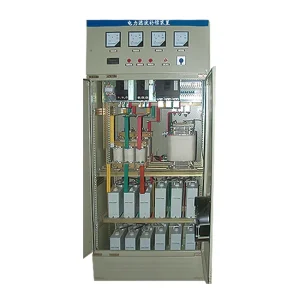
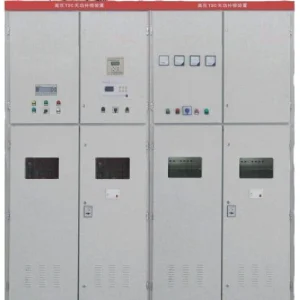
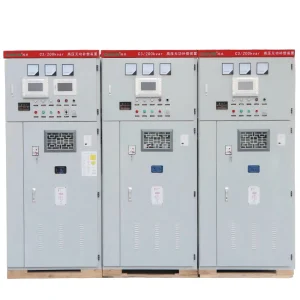
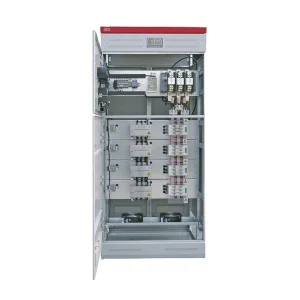
Use the HYTBB compensation cabinet as the packaged-bank context for test forms.
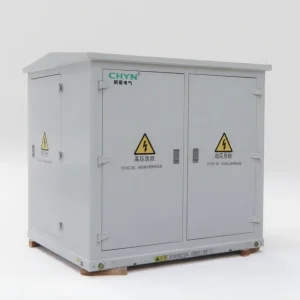
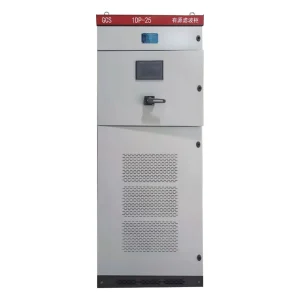
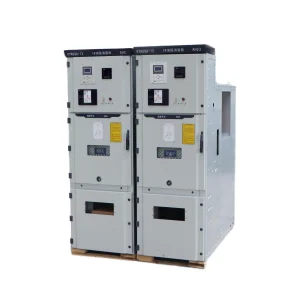
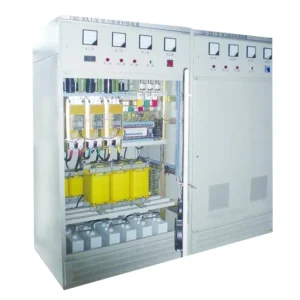
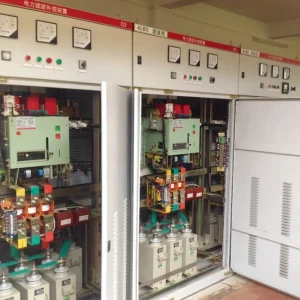
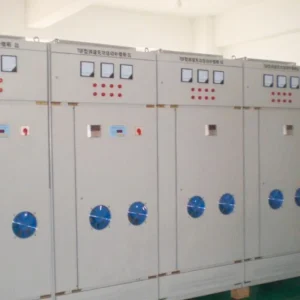
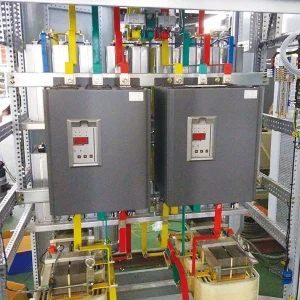
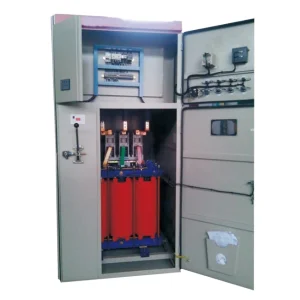
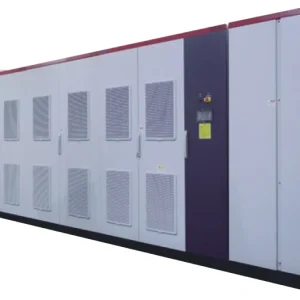
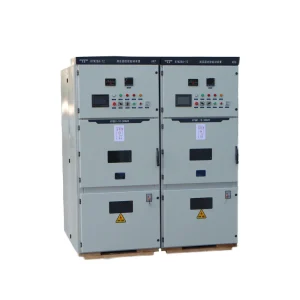
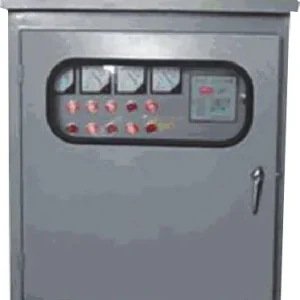
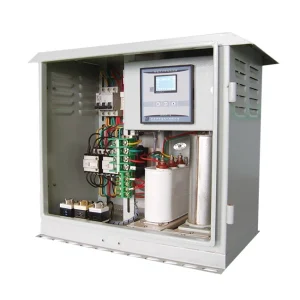
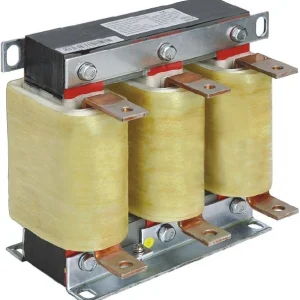
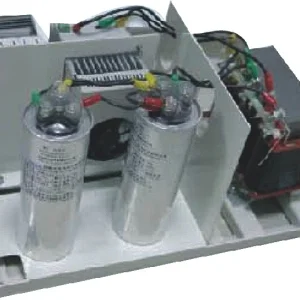
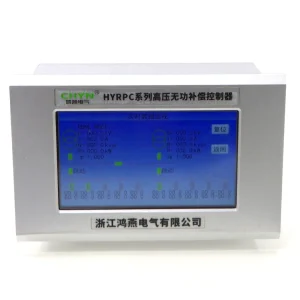
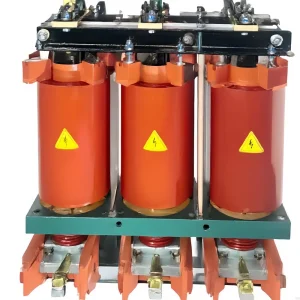
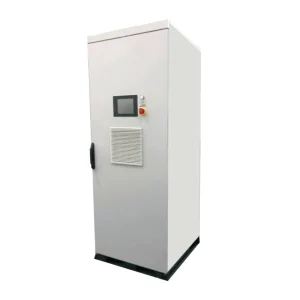
The HYTBB medium and high voltage reactive power compensation cabinet is a shunt capacitor bank for power-frequency systems, with capacitors, reactors, vacuum breakers, current transformers, discharge resistors, and control/protection in one enclosure.
| Parameter | HYTBB published specification |
|---|---|
| Rated voltage | 10(6)–35 kV (overview also states systems from 1 kV to 35 kV) |
| Rated frequency | 50 Hz |
| Rated capacity | 50–20,000 kvar |
| Neutral connection | Isolated neutral or non-effective grounding |
| Discharge residual design | Residual voltage below 50 V within three minutes after disconnection (features); also stated within five minutes in the working-principle notes |
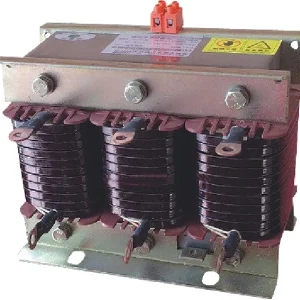
| Series reactors (typical) | 4.5–6% for 6 kV systems; 12–13% for 10 kV systems |
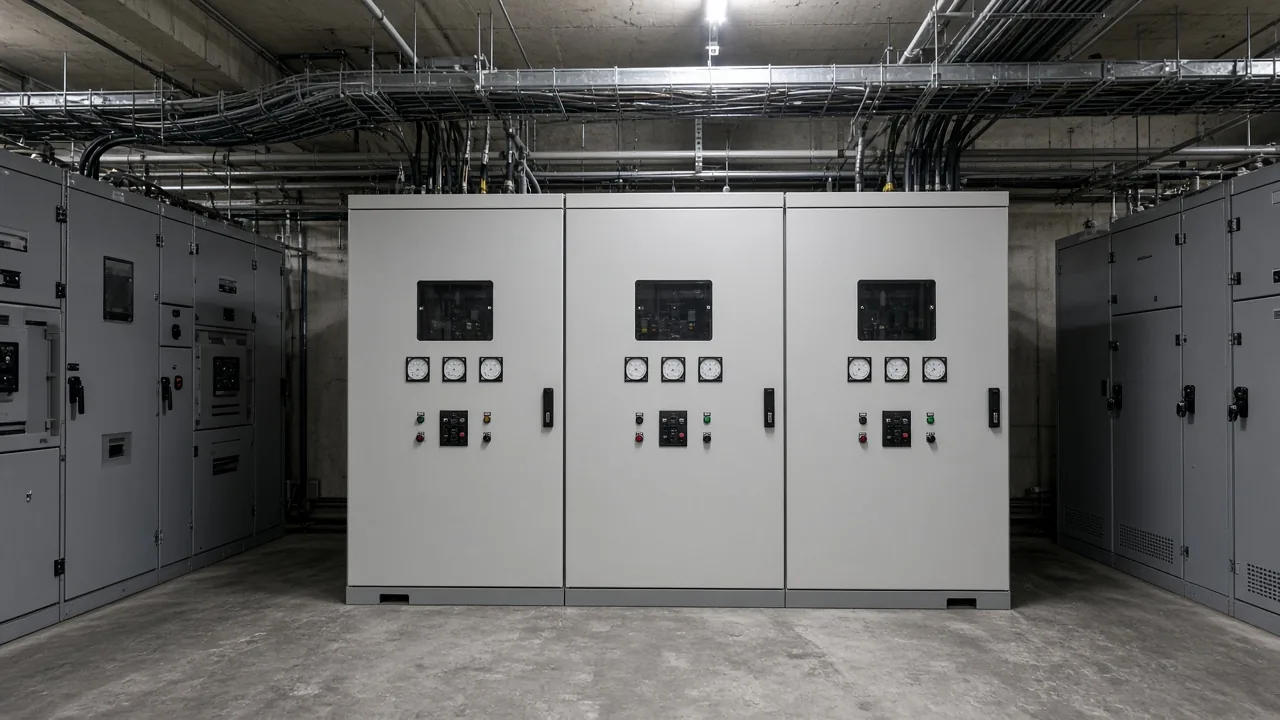
For testers, those figures mean your forms should expect a 50 Hz rating on this cabinet family, a wide kvar range across configurations, and discharge-circuit design targets around a residual below 50 V on the short post-disconnect windows published for the product.
Series-reactor percentages change inrush and harmonic behavior, so stage-current comparisons should respect whether a reactor is in the branch.
The cabinet also states power-factor improvement up to 0.95 or higher and a line-current reduction of 10–20% as performance claims—useful context for why the bank exists, not a substitute for unit capacitance proof.
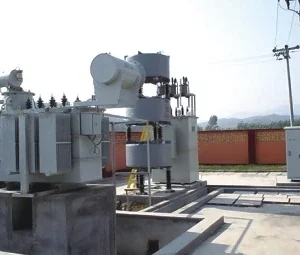
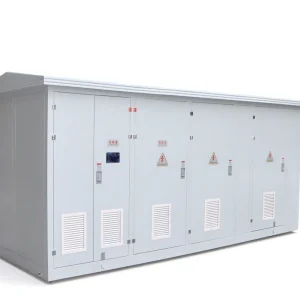
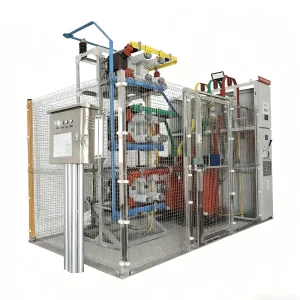
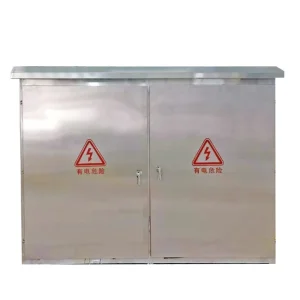
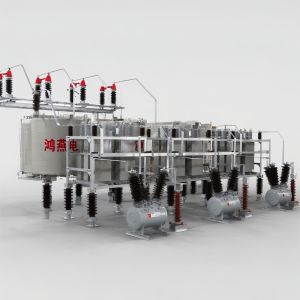
Browse sibling configurations on the high-voltage power factor compensation series when you need outdoor-box, frame, or pole-mounted layouts instead of this cabinet form factor. Do not assume a 60 Hz nameplate on this product line when the published rating is 50 Hz.
FAQ
Can you test a capacitor bank with a multimeter?
Yes for offline capacitance and coarse short screens on isolated, discharged units. A handheld multimeter cannot measure live power factor or replace a power-quality analyzer for system PF.
Do I have to disconnect capacitor units before measuring capacitance?
Usually yes for a trustworthy handheld reading. Parallel cans and bus paths inflate or distort capacitance measurement until the unit under test is isolated.
What capacitance reading means a capacitor has failed?
OL or a stuck short pattern, a collapse toward a near-zero nanofarad floor, or a partial-failure shift outside the nameplate band in the direction expected for the fuse style.
Why does insulation resistance look low between capacitor terminals?
Internal discharge resistors can dominate plate-to-plate insulation resistance. Pair that reading with capacitance and thermal or stage-current clues before condemning the dielectric.
Can a multimeter measure the power factor of a capacitor bank?
No. Power factor needs simultaneous voltage, current, and power over time on a power-quality instrument, not capacitance mode on a DMM.
When should I replace a unit versus keep monitoring?
Replace on clear open/short/partial-failure capacitance patterns after isolation. Monitor only when readings sit inside tolerance and energized current/thermal clues are normal—still log a baseline.
How does testing differ on a packaged HYTBB cabinet?
Match your forms to the published 10(6)–35 kV class, 50 Hz rating, 50–20,000 kvar range, discharge residual targets below 50 V, and typical reactor percentages before you interpret stage currents or return-to-service checks.