
 Zhejiang Hongyan Electric Co., Ltd.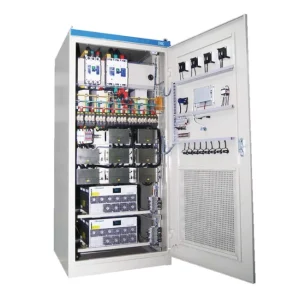
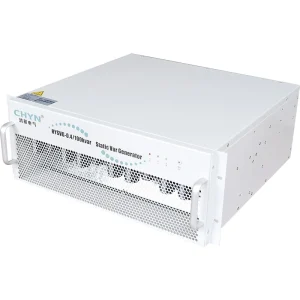
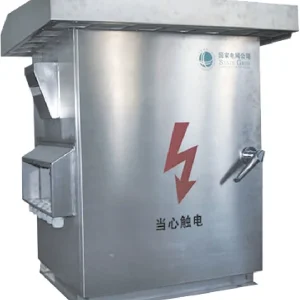
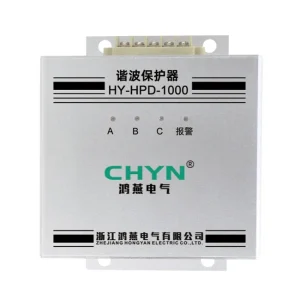
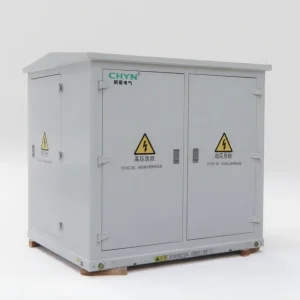
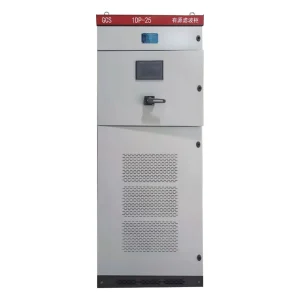
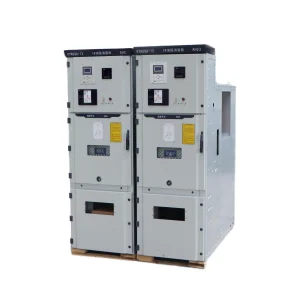
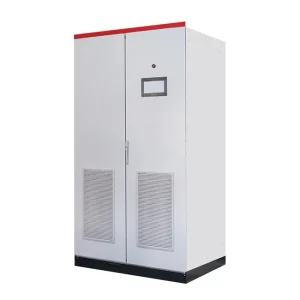
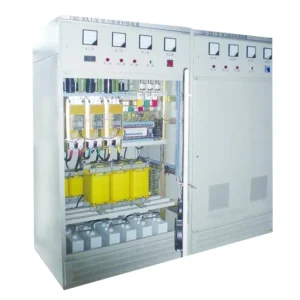
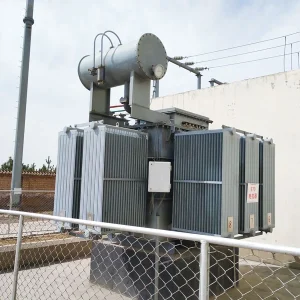
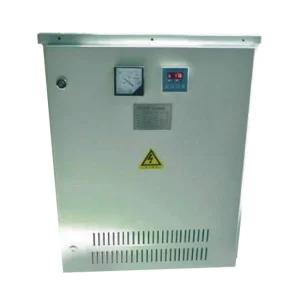
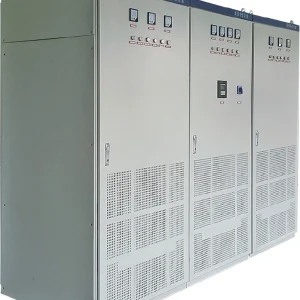
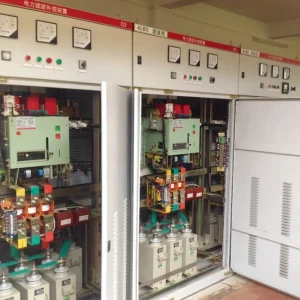
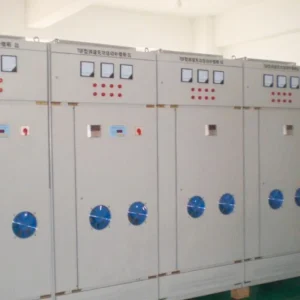
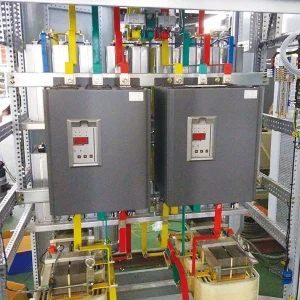
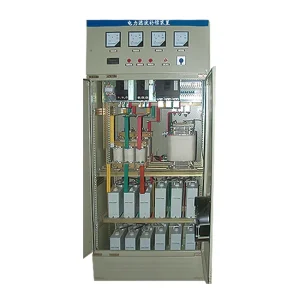
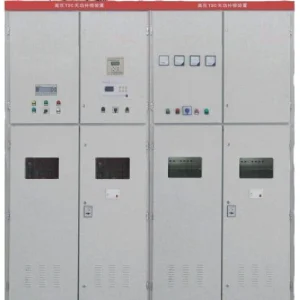
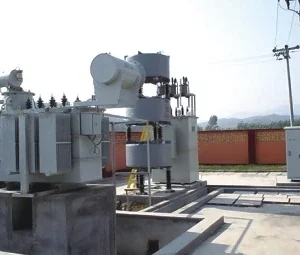
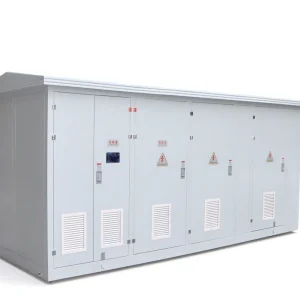
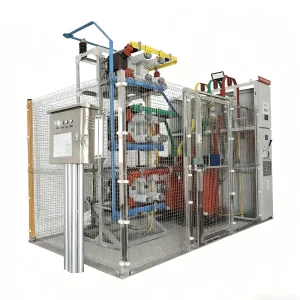
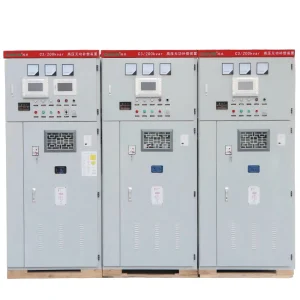
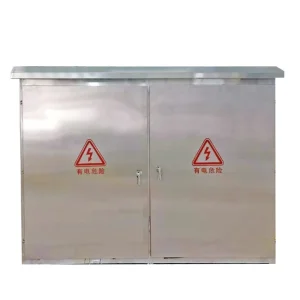
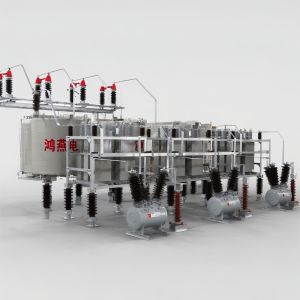
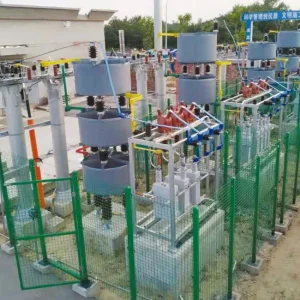
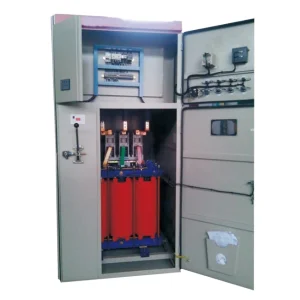
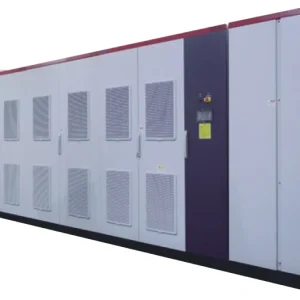
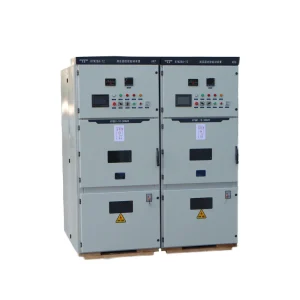
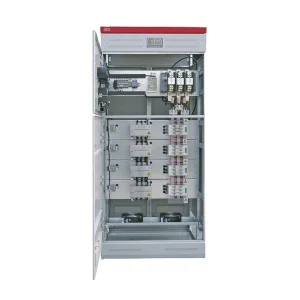
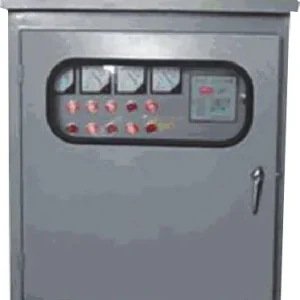
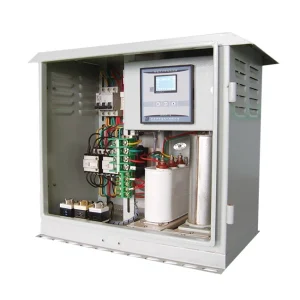
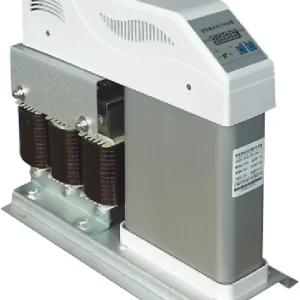
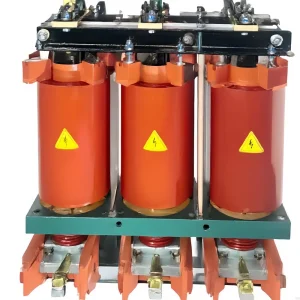
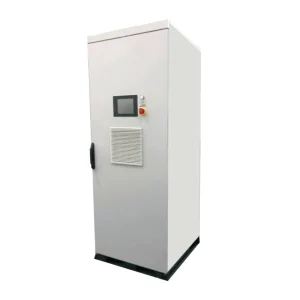
A plant uses a shunt active filter for harmonic current, a static var generator for reactive current, and a series restorer for a voltage sag. Those three jobs are what custom power devices for power quality improvement means on a distribution feeder. A meter still has to separate the three results before a series is named.
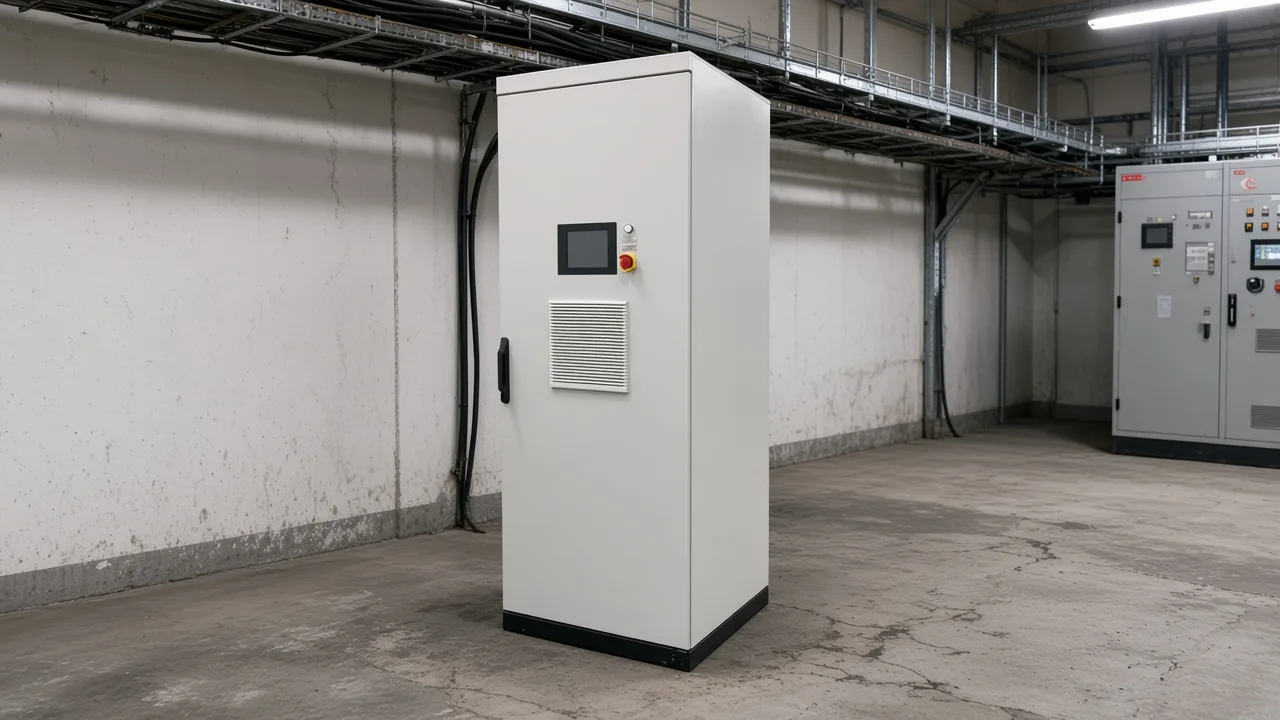
Which disturbance gets a shunt filter, a static var generator, or a series restorer
Harmonic current goes to a shunt filter, reactive current goes to a static var generator, and a voltage sag goes to a series restorer. The connection follows the quantity that is wrong.
A drive or rectifier bends the current waveform. The cabinet that answers that problem sits in parallel and injects a cancelling current.
A motor, welder, or crane that swings between lagging and leading current needs a different shunt unit, one that makes or absorbs reactive current only. A dip in RMS voltage is a third case. The restorer sits in series with the feeder and adds the missing voltage while the dip lasts.
A UPQC puts a series voltage part and a shunt current part in one topology. No UPQC series is published, so the practical match stays three separate series.
| Disturbance | What shows up | Device class | Published series |
|---|---|---|---|
| Harmonic current | Distorted waveform from drives and rectifiers | Shunt active filter | HYAPF |
| Reactive current | Low power factor or swinging vars | Static var generator | HYSVG |
| Voltage sag | Short drop in RMS voltage | Series dynamic voltage restorer | HYDVR |
What custom power means on a distribution feeder
Custom power means a power-electronic controller on the plant distribution feeder, aimed at industrial and commercial loads. It is the feeder-level controller kept close to the loads that actually misbehave.
On a plant, that feeder question is the neighboring account of power quality improvement in distribution system. Nonlinear loads pull current in pulses. Motors pull reactive current.
Literature uses DSTATCOM for a shunt distribution controller that can cover harmonic current, balance, and reactive current. The buying match here still sends harmonic current to HYAPF and reactive current to HYSVG.
Faults and large starts pull the voltage down for a short time. A custom power device is the cabinet chosen for one of those three, rather than a generic panel name.
Network switches, such as a solid-state breaker or a transfer switch, also appear in the custom-power literature. They change the path of the feeder during a fault. No series under those names is published, so they stay outside the buying match below.
Harmonic current from drives, and when the shunt active filter is the device
Distorted current is the case for the shunt active filter. The active harmonic filter measures load current and injects the opposite harmonic current into the low-voltage network.
Someone with three large variable-speed pumps asked whether a capacitor bank in the cabinet would cut the reactive-energy bill. The reply on that thread is the useful split.
A drive may already have taken the motor's lagging current off the line. The line still sees a six-pulse current that is far from a sine wave, and the harmonics are then the remaining problem. Capacitors do not cancel that current.
From the field: Drives on a pump line can already have removed the motor's lagging current, while the line current is still full of harmonics — source: Electronics Stack Exchange answer on variable-speed pumps.
The HYAPF cabinet is rated 400 V or 690 V, with harmonics from the 2nd through the 51st order, a response time under 10 ms, and control accuracy of THD under 5%.
On the HYAPF cabinet, reactive current or imbalance around nonlinear loads is extra duty. That duty does not turn the filter into the sag restorer.
Reactive current, and when the static var generator is the device
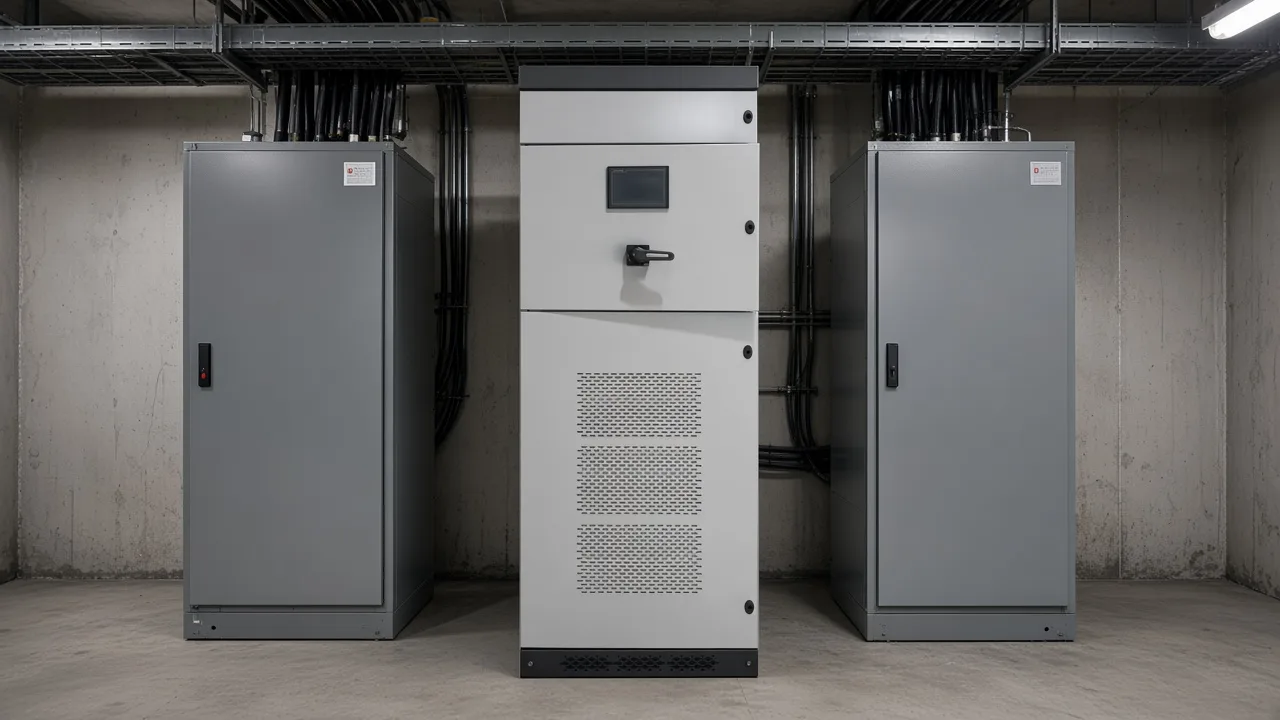
When the feeder needs inductive or capacitive current, use the static var generator. It sits in parallel, like the filter, but its job is vars rather than harmonic cancellation.
Cranes, welders, compressors, and other impact loads move the power factor around during the shift. A stepped capacitor bank switches in discrete steps.
A static var generator makes or absorbs reactive current continuously, without those switching steps. Plants that already run drives may have little lagging motor current left, which is why this cabinet is the wrong guess for a distorted waveform.
The HYSVG cabinet is rated 380 V, with an allowable swing from -40% to +20%, a rated frequency of 50 Hz ±2 Hz, overall efficiency of at least 97%, and a full compensation time of 10 ms. Capacities on the HYSVG cabinet are 50 kvar, 75 kvar, 100 kvar, and 200 kvar.
Voltage sag, and when the series restorer is the device
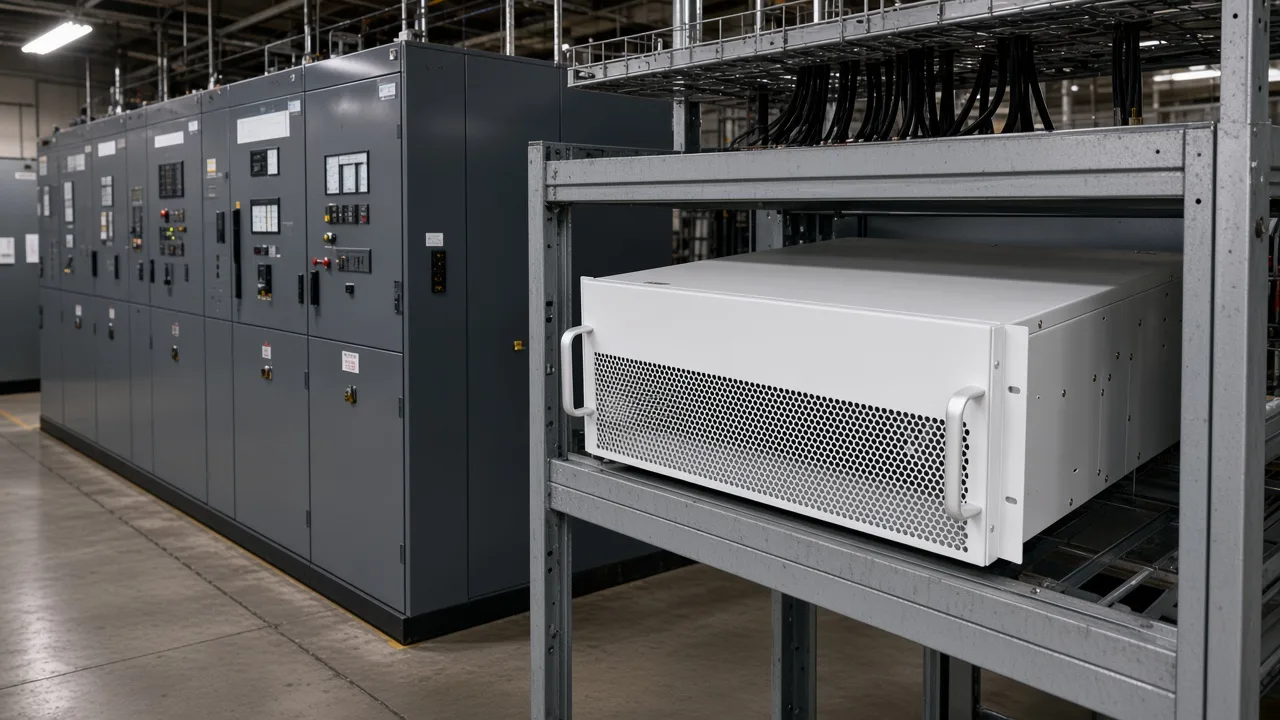
A dip in RMS voltage is the case for the series restorer. A voltage sag is a short drop, not a harmonic and not a power-factor problem.
A voltage sag, in the open distribution chapter, is a short RMS drop lasting from half a cycle to several seconds, with magnitude from 0.1 pu to 0.9 pu. Sensitive lines, automation, and continuous processes drop out on that dip even when the current waveform looks ordinary.
The dynamic voltage restorer is installed in series with the feeder. It detects the disturbance and injects the compensating voltage. How far that injection can go is limited by the energy store and the series transformer, which is why the cabinet capacity and the protected voltage class matter more than a generic promise.
The HYDVR cabinet is rated 400 V ± 5% on the 400 V class, with a rated protection capacity of 30–5000 kVA, and a protection time of 0.4–30 s on the 208 V class.
Injection happens within milliseconds.
What the meter should separate before a cabinet is ordered
Separate harmonic current, reactive current, and sag depth before naming a cabinet. One screen that only shows a monthly power factor will hide the other two.
A second community thread asks whether line reactors are the right harmonic tool on a system that already has power-factor capacitors. The answer allows reactors at a single nonlinear load, and it also names harmonic filters.
It then says a system with obvious harmonic trouble needs a look at the whole feeder, rather than a part swapped from memory.
Ask the meter for three different pictures:
- Current spectrum or THD, if drives and rectifiers are the load.
- Power factor and reactive power through a shift, if the complaint is vars or a utility penalty.
- RMS voltage and the length of each dip, if contactors, drives, or a process line drop out.
A reactor, a capacitor step, and a series restorer answer different pictures. Mixing them because they all sit in an electrical room is how a plant buys the quiet cabinet and keeps the original trip.
Which published series fits the disturbance you measured
HYAPF, HYSVG, and HYDVR are the three published series, one job each. The power quality product series hub is where those paths start.
| Series | Job it is published for | Printed ratings |
|---|---|---|
| HYAPF | Shunt harmonic current | 400 V or 690 V; orders 2 through 51; response under 10 ms; THD under 5% |
| HYSVG | Shunt reactive current | 380 V; 50 Hz ±2 Hz; 50 kvar, 75 kvar, 100 kvar, and 200 kvar; full compensation 10 ms; efficiency at least 97% |
| HYDVR | Series voltage sag | 400 V ± 5% on that class; 30–5000 kVA; protection time 0.4–30 s on the 208 V class |
Open the series that matches the picture you already have:
- Distorted current: HYAPF Series Active Power Filter.
- Inductive or capacitive reactive current: HYSVG Static Var Generator.
- A short RMS sag on a protected feeder: HYDVR series voltage sag mitigation.
Skip a sixty-hertz specification for HYSVG. A plain capacitor bank does not replace a harmonic filter.
The sag restorer is the wrong cabinet when the job is only vars. A UPQC stays a literature class, with no model name published.
FAQ
How to improve power quality in a power system?
Start with the disturbance on the feeder. Harmonic current, reactive current, and a voltage sag are three different repairs, and each one has its own cabinet.
What device can be used to improve power factor?
A static var generator supplies or absorbs reactive current, which is the power-factor job. An active filter is for the shape of the current, and a series restorer is for a voltage dip.
What are some ways to improve power quality?
Match the device to the disturbance: shunt filter for harmonics, static var generator for vars, series restorer for sags.
What is a power quality monitoring device?
It is the meter that separates current distortion, reactive power, and the depth and length of a voltage dip. Without that split, the cabinet choice is a guess.
Does a capacitor bank fix harmonic current from drives?
No. Drives can already have cleaned up the lagging motor current and still leave a non-sinusoidal line current. Harmonic current needs a filter, not another capacitor step.
Can one cabinet correct a voltage sag and harmonic current together?
A combined series-shunt unit, often called a UPQC, is described for that pair of problems. No UPQC series is published, so the two jobs stay on two series.
References
- Power Quality Improvement in Distribution System, Kanchanapalli and Banka, IntechOpen, 2024. Open chapter on custom power, sag, D-STATCOM, and DVR.
- Power Quality Improvement using DSTATCOM, DVR and UPQC, Electrical Technology. Independent explanation of parallel versus series connection.
- Answer: capacitor bank with variable speed motor, Electronics Stack Exchange. Community answer on drives, displacement power factor, and remaining harmonics.
- Answer: correcting harmonics for power factor correction, Electronics Stack Exchange. Community answer on line reactors, harmonic filters, and capacitors.