
 Zhejiang Hongyan Electric Co., Ltd.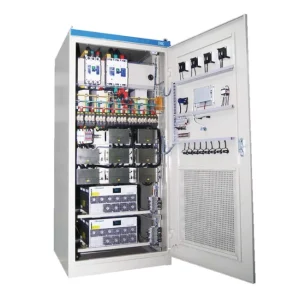

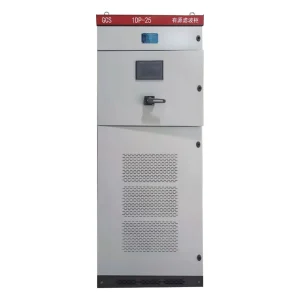
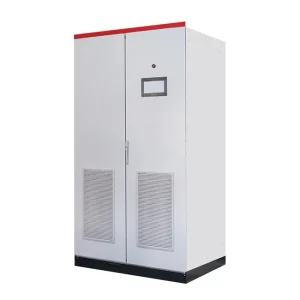
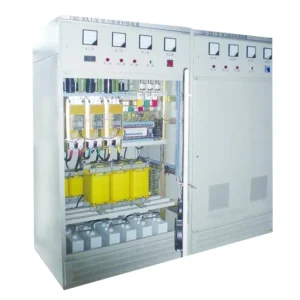
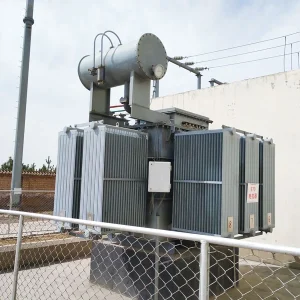
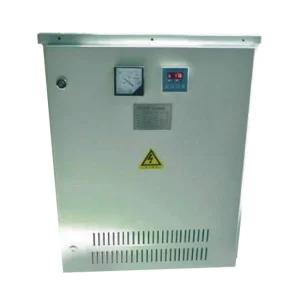
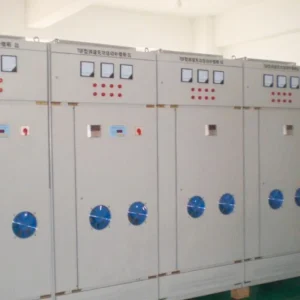
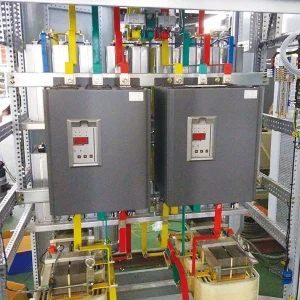
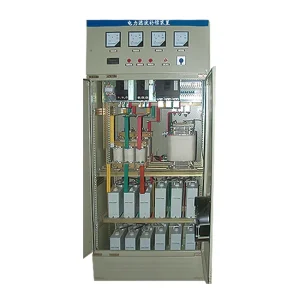
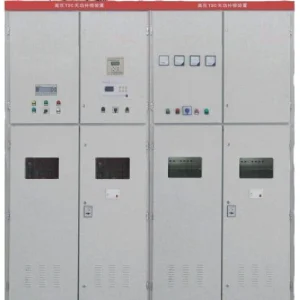
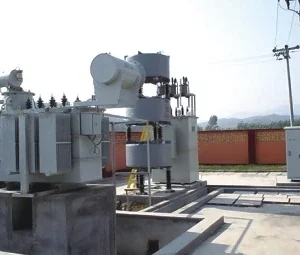
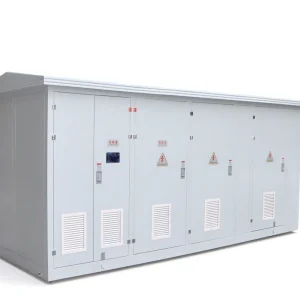
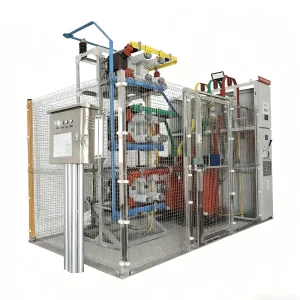
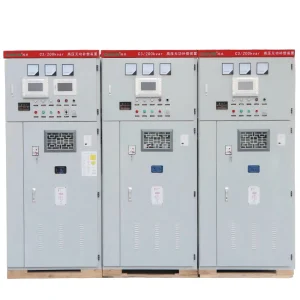
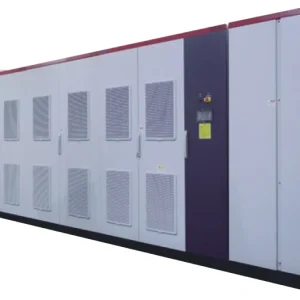
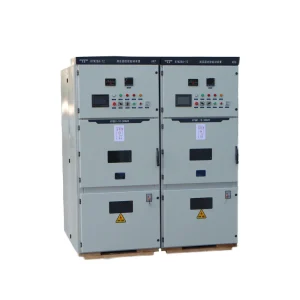
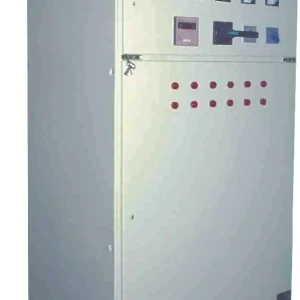
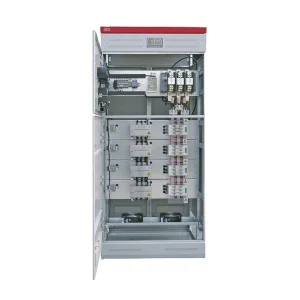
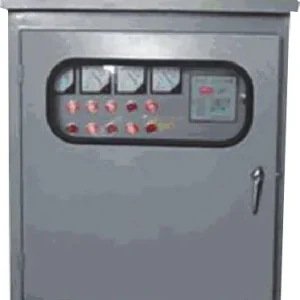
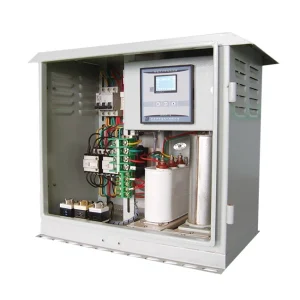
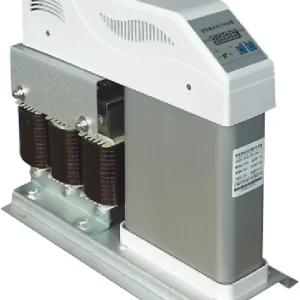
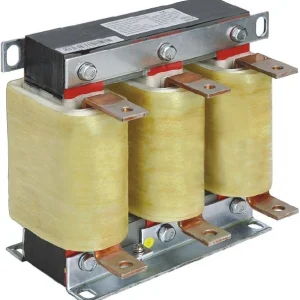
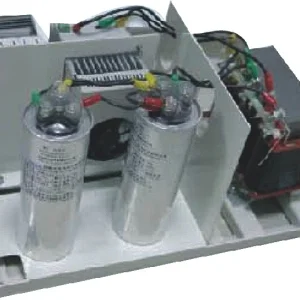

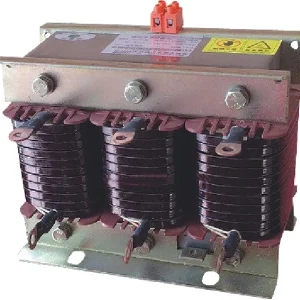
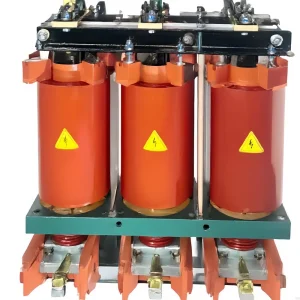
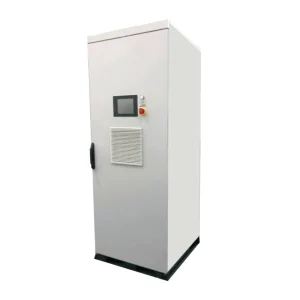
After you isolate the bank from the bus, stored charge can still sit on the cans. how to discharge capacitor bank work is the controlled way to bring that residual voltage down, confirm it with a meter, and only then touch, ground, or reclose.
On industrial shunt banks, isolation alone is not enough. Wait for the bleeder window, verify residual voltage before contact, treat trapped-charge reclose as its own risk, and skip bare-metal shortcuts — then check whether an HYTBB cabinet’s published discharge path matches the job.
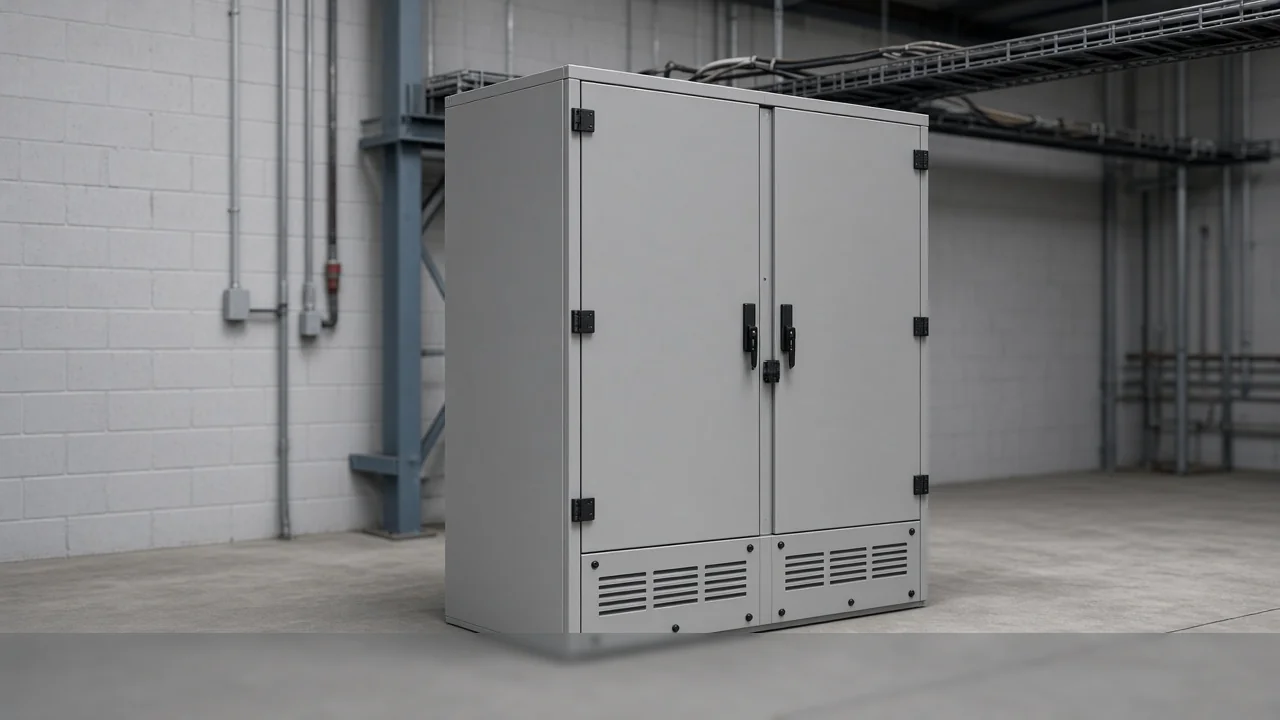
Why a Disconnected Capacitor Bank Can Still Shock You
Isolation opens the AC feed. It does not instantly empty the energy stored in the capacitors.
A capacitor bank holds charge at the voltage present when the switch opens. If that instant was near a voltage peak, the residual voltage can stay high until a discharge path removes it.
People get hurt when they treat “breaker open” as “safe to touch.” Residual voltage is the reason plant procedures still talk about wait time, bleeders, and measurement after the bank is already offline.
In plain terms, the cans can still hold a dangerous charge after the feeder looks dead.
Discharge Methods That Belong on Power Capacitor Banks
Permanent bleed resistors are the common path on power capacitors. Switched resistors or a discharge reactor are used when the bank must be ready again faster than a slow bleed allows.
A discharge resistor / bleeder across the terminals starts draining as soon as the AC source is gone. Designers size that path so residual voltage falls into a known band inside a timed window.
| Method | How it works | When teams reach for it |
|---|---|---|
| Permanent bleed resistor | Always connected; drains after every open | Default on many power capacitor units and banks |
| Switched discharge resistor | Low-ohm path closed only after disconnect | Faster ready-to-reclose duty on fluctuating loads |
| Discharge reactor | High AC impedance, low DC resistance path | Faster drain with lower steady heating than a hard resistor |
The time constant (RC) of a resistive path sets the shape of that decay. Rough teaching numbers say voltage falls to about 37% in one time constant and near zero after about five.
A permanently connected capacitor bank bleeder resistor also dissipates heat while the bank is energized. That loss is the price of a path that is always ready.
Switched resistors and reactors trade heat and duty cycle for speed. They are not a license to skip verification on an industrial bank.
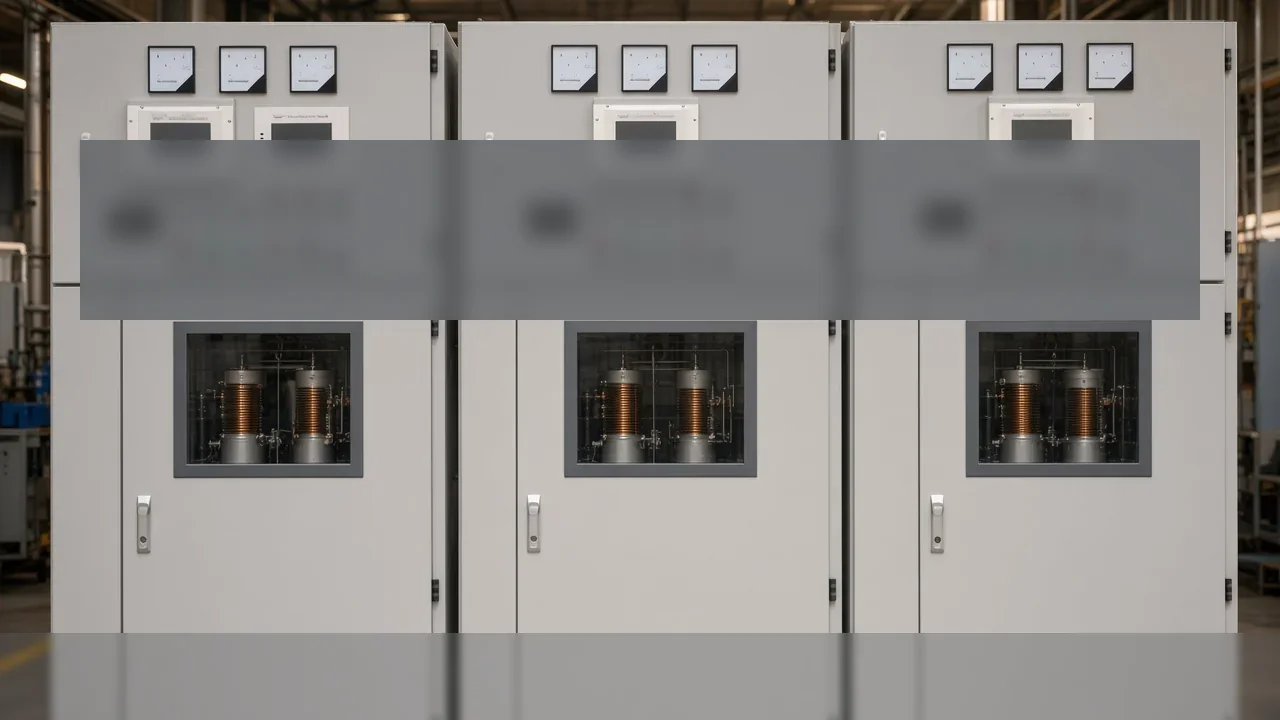
Wait Times, Bleeders, and What Fifty-Volt Targets Mean in Practice
Practice often targets a residual-voltage band that crews treat as the safe threshold inside class-dependent time windows. Work rules may also require a timed wait before anyone applies a short circuit.
Independent power-quality writing summarizing IEEE Std 18 practice describes internal discharge devices that bring residual voltage below 50 V in less than 1 minute for capacitors rated 600 V AC and below, and within 5 minutes for ratings above 600 V rms. The same writing notes an IEC 60831 target of residual voltage under 75 V within 3 minutes.
Many shunt capacitor units are built with a discharge resistor aimed at about 50 V within five minutes. That unit-level target is education language, not a blank check for every cabinet.
Under OSHA’s construction capacitor rules, workers disconnect the bank and wait at least 5 minutes from disconnection before applying a short circuit. That wait is about the work step. It is not proof that every bleeder has already finished on every site.
Residual voltage discharge planning therefore stacks three clocks: the bleeder’s design window, any written wait before shorting or grounding, and the meter reading that closes the argument.
Automatic power-factor banks are often held off until voltage falls under about 10% of rated voltage before a step re-energizes. That reclose gate is another timing rule, not a maintenance touch limit.
Verify Residual Voltage Before You Touch or Ground
After the wait, measure. Do not trust a glance at a grounding switch.
Multimeter verification — or the rated HV instrument your procedure names — is how crews practice Test Before Touch on a bank that still might hold charge. A closed grounding switch can fail, stick, or leave one path open while another looks fine from the aisle.
From the field: On a fifteen-kilovolt arc-furnace capacitor bank lockout debate, practitioners insisted on Test Before Touch even when a grounding switch was visible, and they treated “probably bled down in five minutes” as too thin for the severity of a retained charge (Mike Holt — arc-furnace capacitor bank lockout).
If the reading is still high, keep the controlled discharge path on and re-check. Only then move to the shorting or grounding step your procedure requires.

Reclose Mistakes: Trapped Charge Still on the Bank
Do not reclose until trapped charge has decayed to the level your switching procedure accepts.
Trapped charge reclose against a bank that still holds residual voltage — especially with polarity opposing the returning AC wave — can drive a brutal inrush. That stress hits capacitors, switching devices, and nearby buses.
Utility planning language for shunt banks often keeps switching devices from reclosing until trapped charge has decayed, commonly described as about 5 minutes. Treat that as a reclose discipline, not a substitute for your plant’s written switching order.
Reclose / re-energize mistakes show up when an automatic controller races to put a step back online before the bleed path has done its job. Hold the step until the controller’s residual-voltage or timed interlock agrees.
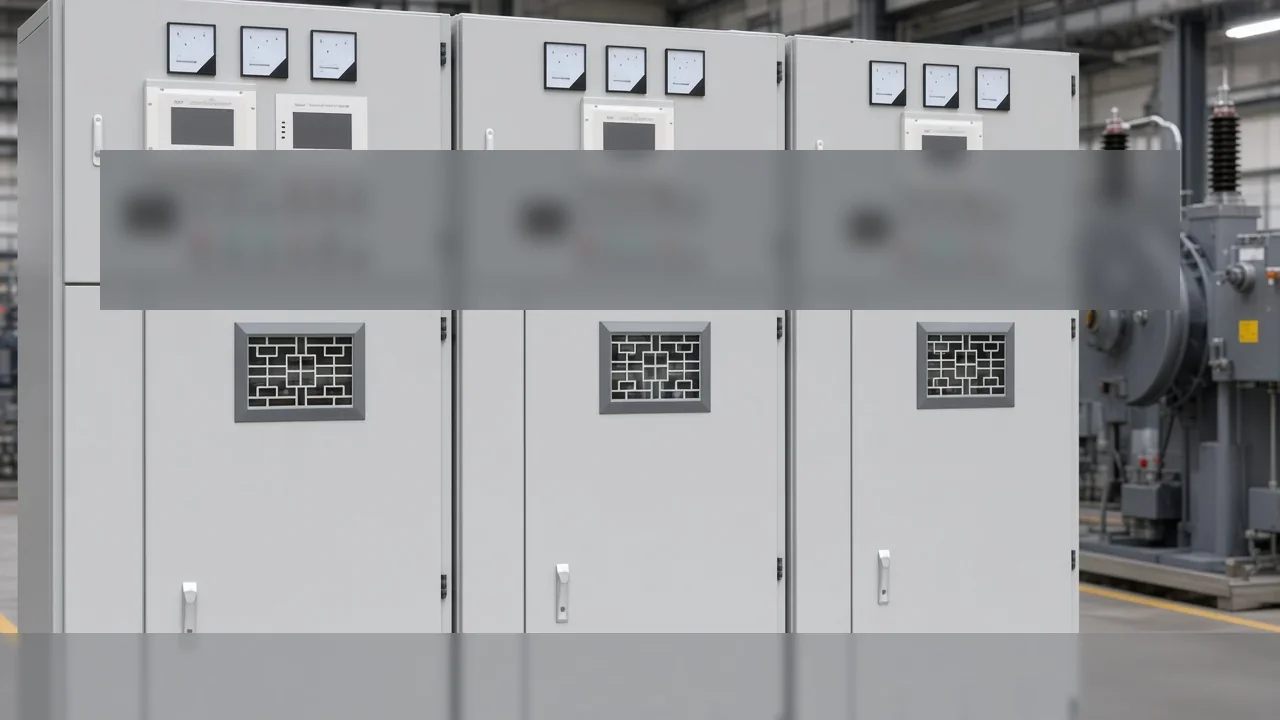
Screwdriver Shorts and Other Discharge Failure Modes
A bare screwdriver short is a poor plan for an energetic bank.
Forum repair threads still argue about screwdriver “zaps.” On power banks the failure modes are worse: arc flash, damaged tools, and voltage forced onto neighboring components when a bleeder path is open or cracked.
Other failure modes look quieter and still hurt:
- Trusting a bleeder after a failed internal path or a removed wiring link
- Skipping the meter because the wait timer expired
- Grounding one point while another series string still holds charge
- Treating a handheld DMM ohms mode as a medium-voltage discharge tool
A capacitor bank bleeder resistor is a design aid. It is not a permission slip to skip the verify step.
When an HYTBB MV/HV Cabinet’s Discharge Path Fits the Job
Use an HYTBB cabinet when you need a packaged shunt compensation lineup that already includes discharge resistors and published residual-voltage timing at medium- and high-voltage ratings.
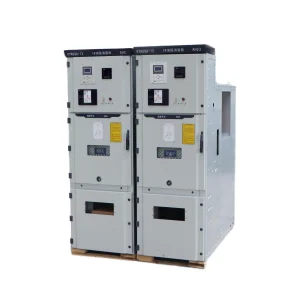
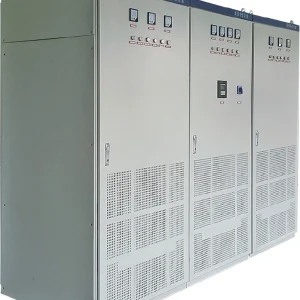
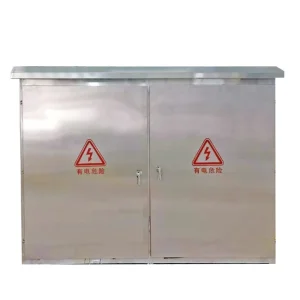
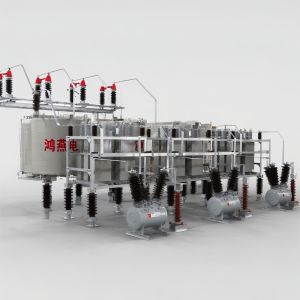
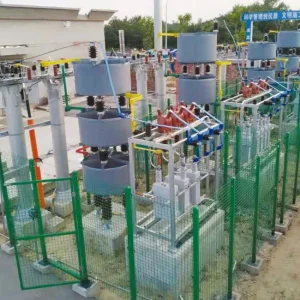
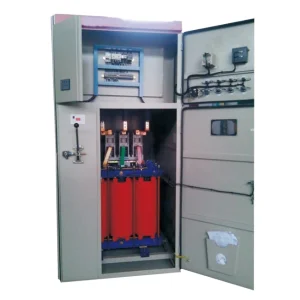
The HYTBB cabinet is the HYTBB Medium and High Voltage Reactive Power Compensation Cabinet. It is built as a shunt capacitor bank for inductive reactive-power compensation on power-frequency systems.
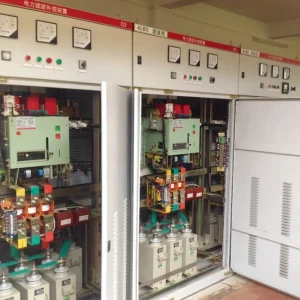
Published ratings include 10(6)–35 kV, 50 Hz, and 50–20,000 kvar, with isolated-neutral or non-effective-grounding options. The lineup packages high-voltage parallel capacitors, reactors, a vacuum circuit breaker, current transformers, discharge resistors, and control or protection units.
A series reactor is used to limit inrush and suppress harmonics.
| HYTBB discharge / rating item | Published value |
|---|---|
| Discharge circuit residual target | Below 50 V within three minutes after disconnection |
| Per-group discharge resistors | Below 50 V within five minutes after disconnection |
| Rated voltage | 10(6)–35 kV |
| Rated frequency | 50 Hz |
| Rated capacity | 50–20,000 kvar |
Keep those two residual-time sentences separate. One describes the discharge circuit. The other describes each capacitor group’s discharge resistors.
Do not collapse them into one residual-time claim.
The cabinet can operate alone or beside KYN28 or KYN61 switchgear, with fixed or grouped switching.
That packaging helps when the reader’s next decision is hardware that already owns a discharge path — not a home can and not a frequency rating the cabinet does not print.
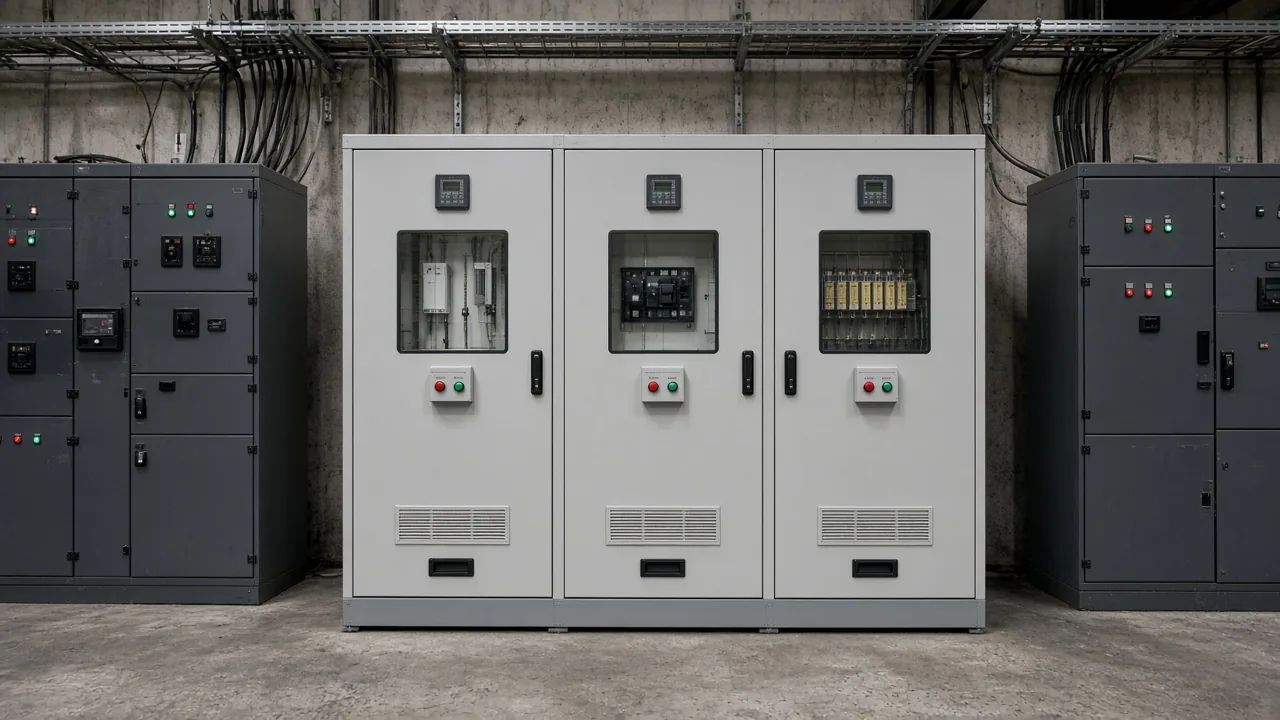
For the product detail set, see the HYTBB medium and high voltage reactive power compensation cabinet. Category context sits under the high-voltage power factor compensation series.
FAQ
What is the best way to discharge a capacitor bank?
Isolate the bank, let the designed bleeder path work through its timed window, verify residual voltage with the correct instrument, then apply any controlled short or ground your procedure requires. Permanent bleed resistors are the usual built-in path; faster duty may use switched resistors or a discharge reactor.
Is it safe to discharge a capacitor bank with a screwdriver?
No for energetic industrial banks. A bare metal short invites arc flash and can stress other parts of the circuit. Use a rated resistive path and then measure.
How long should I wait before working on a disconnected capacitor bank?
Follow the equipment’s discharge timing and your electrical-safety procedure.
Unit-level practice often speaks about 50 V within five minutes.
OSHA construction capacitor rules also require at least 5 minutes after disconnect before applying a short circuit.
Neither line replaces a meter check.
How do I know the bank is actually discharged?
Read residual voltage with the instrument your procedure names. A timer alone is not enough when a bleeder or grounding path can fail.
Can I use a multimeter to discharge the bank?
A meter is first a verification tool. Some low-energy electronics tricks use an ohms range to bleed small capacitors. That is not a substitute for rated discharge hardware on a medium-voltage bank.
Why can’t I reclose immediately after opening the bank?
Trapped charge left on the bank can create a severe inrush if the bank is re-energized too soon. Wait for the decay your switching procedure requires — often discussed as about 5 minutes in utility shunt-bank guidance — and respect any controller interlock that holds steps offline.
What discharge times does the HYTBB cabinet publish?
One sentence states residual voltage below 50 V within three minutes after disconnection for the discharge circuit. Another states that each capacitor group’s discharge resistors bring residual voltage below 50 V within five minutes after disconnection. Keep both as printed.
Do built-in bleeders remove the need to measure?
No. Bleeders are the normal first drain path. Failed paths and incomplete grounds are why crews still measure before touch.
References
- Capacitor bank discharge methods — Voltage Disturbance
- OSHA 1926.967 — Special conditions (capacitors)
- Providing capacitive reactive compensation with shunt capacitor banks — EEP
- Arc-furnace capacitor bank lockout thread — Mike Holt's Forum
- Best Way To Discharge Capacitors When Repairing — EEVblog Forum