
 Zhejiang Hongyan Electric Co., Ltd.
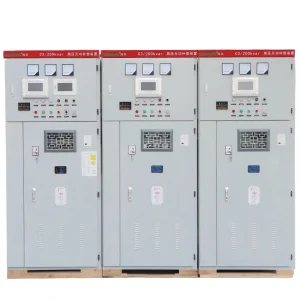
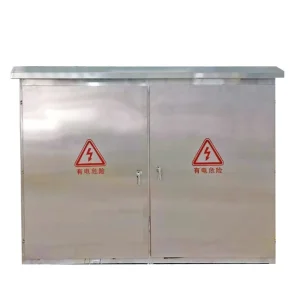
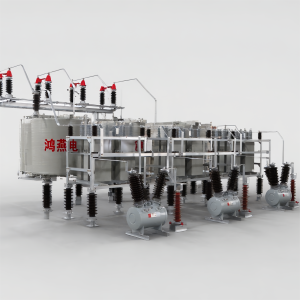
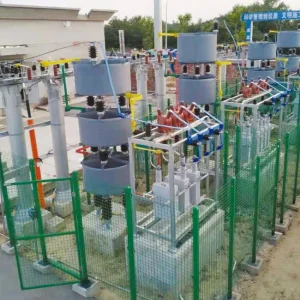
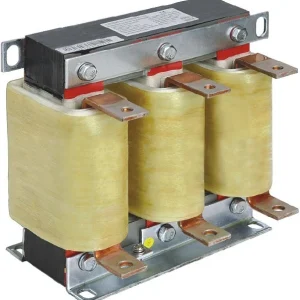
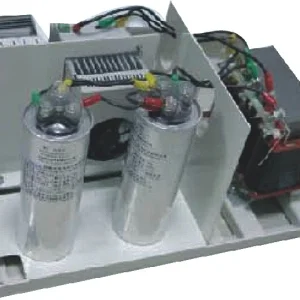

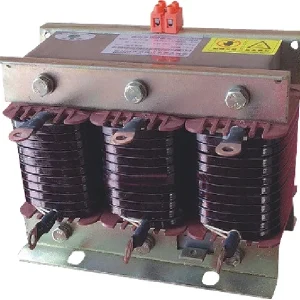
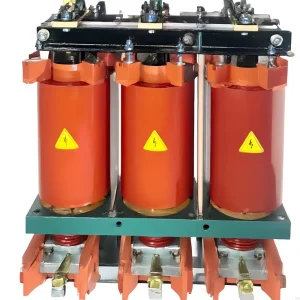
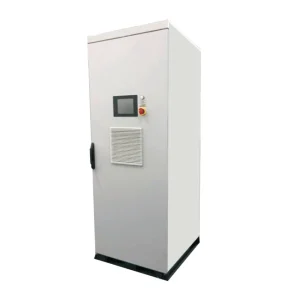
Reactor motor starting limits the initial current of a three-phase induction motor by putting inductive impedance in series with the motor during acceleration. The resulting drop also reduces motor terminal voltage and available torque. A reactor starter is a candidate when the supply cannot accept direct-on-line starting, but the motor still has enough torque to accelerate its actual load at reduced voltage. Check the feeder voltage, motor torque, load torque, acceleration time and transition to normal running together. A satisfactory current reading during the first instant says little about whether the machine will reach speed or withstand repeated starts.
Follow the voltage from the source to the motor
Consider a source, an upstream transformer, a feeder, the starting reactor and the motor as one circuit. At standstill the motor draws a large current. Some voltage is lost upstream of the starter and some across the reactor. The remaining voltage is what the motor can use to develop torque. The source bus, the starter incoming terminals and the motor terminals can therefore show three different values during the same event. Use distinct names for those points in calculations and test records.
As the machine accelerates, the electrical behavior of the motor changes. The current can fall and the voltage across the series reactor can fall with it. The motor voltage can consequently recover before the reactor is bypassed. The exact trajectory depends on the motor, the supply and the load, so a percentage observed at standstill is a screening value, not the voltage throughout acceleration. The NPTEL Electrical Machines II course treats direct-on-line, reactor and autotransformer starting as separate methods and develops the induction-motor characteristics behind them.
The upstream supply question is covered separately in the motor starting voltage drop guide. Bring its source and feeder assumptions into this study. A stronger supply may make a simpler starting arrangement possible, whereas a weaker source may change both the voltage seen by nearby loads and the torque available to this machine.
Estimate the current reduction and the torque cost
For a preliminary standstill comparison at the same frequency, assume a balanced sinusoidal supply and approximately constant locked-rotor impedance. Let k be the motor terminal voltage during reactor starting divided by the terminal voltage used for the full-voltage baseline. Under this approximation, locked-rotor current scales roughly with k and starting torque with k squared. The IEEE IAS and PES motor protection seminar compares reduced-voltage starters on both supply current and starting torque, which is the right pair of quantities to carry into the first screening.
For illustration, suppose a motor would draw 600 A and develop 1,000 N·m at the reference full-voltage standstill condition. If a proposed reactor arrangement results in 80% of that motor terminal voltage, the first estimate is 480 A and 640 N·m. At 70%, it is 420 A and 490 N·m. The additional current reduction between the two choices is 60 A, but the torque difference is 150 N·m. These teaching values are unrelated to any cabinet rating. They assume the quoted ratios are at the motor terminals, and they do not solve for the ratio from a reactor tap marking.
| Question for the study | Evidence to request | Decision affected |
|---|---|---|
| How far can the bus dip? | Starting cases with the weakest normal source and the affected loads | Whether the initial current can be accepted |
| Will the shaft start moving? | Breakaway torque under the worst permitted mechanical start state | Whether the reduced terminal voltage leaves positive torque margin |
| Will the shaft reach transition speed? | Motor and load torque curves, reflected inertia and simulated speed against time | Whether intermediate torque or starting time is limiting |
| Can the equipment repeat the duty? | Hot and cold restart cases, time between attempts and motor and reactor thermal limits | Whether the expected operating sequence fits the offered equipment |
| What happens when the reactor is bypassed? | Transition sequence and expected current, bus voltage and speed at transfer | Whether a second disturbance needs study |
Check the whole acceleration curve
Initial torque must exceed the resisting torque before the shaft can accelerate. Once it moves, the difference between motor torque and load torque determines acceleration for the combined inertia. A load with a favorable breakaway condition can still be difficult to start if its torque rises before the motor has recovered sufficient terminal voltage. A load with modest torque can also take a long time to accelerate when its reflected inertia is high. The motor curve and the load curve must use the same speed reference and include the effects of any gearing.
Ask the mechanical supplier to describe the allowed starting states. A pump may start under different hydraulic conditions after an orderly stop and after a brief power interruption. A conveyor may be empty at commissioning and loaded when production restarts. A fan with dampers in a different position may have a different torque curve. Use the actual permissible cases and document the interlocks or process conditions that keep excluded cases from occurring.
Require the motor supplier to provide its starting current and torque curves and applicable thermal limits. Estimate acceleration time using net accelerating torque across the speed range. If the available torque approaches the load torque, the predicted time becomes sensitive to assumptions. Resolve the uncertainty with better motor or load data before using that result to approve a starter. A generous-looking current limit does not compensate for a small torque margin.
Evaluate the switch to normal running as a separate event
A typical reactor starter bypasses the series element after the machine has accelerated sufficiently. Ask for the offered switching arrangement, what enables the transition, what confirms it succeeded and how the controller handles a failure. A time delay by itself can be a poor indicator of speed when starting conditions vary. Speed, current and sequence feedback should be considered in the context of the specific design and its protection scheme.
Compare the voltage and current immediately before and after transfer in the starting study. Transfer too early can leave the motor well below operating speed when the remaining impedance is removed, producing a second current increase. Transfer too late can keep the reactor in service longer than its allowed duty. Review this behavior alongside the electronic soft starter acceleration time guide, which addresses a different technology and explains why a command or timer does not itself establish shaft acceleration. The guide to medium-voltage soft starter bypass contactors provides related context for separating the starting path from the running path.
Specify a repeatable duty for the cabinet quotation
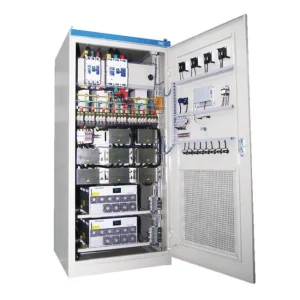
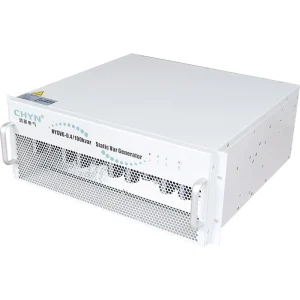
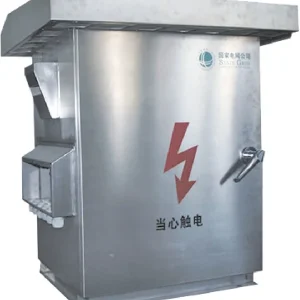
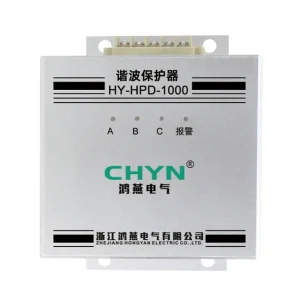
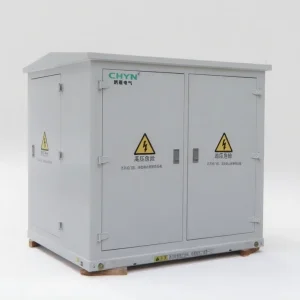
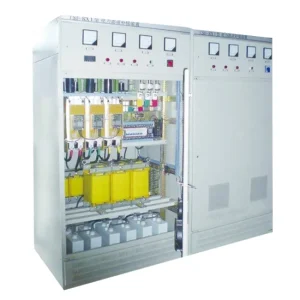
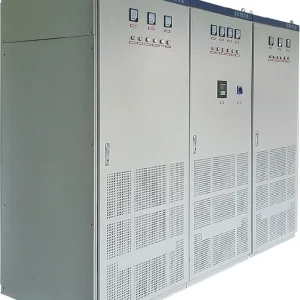
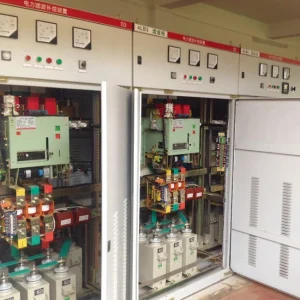
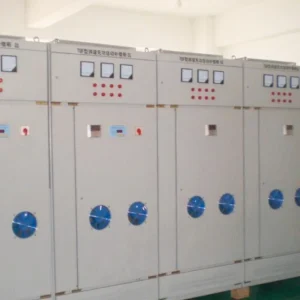
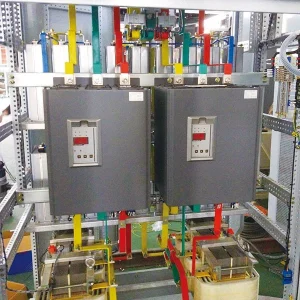
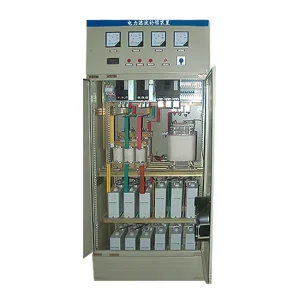
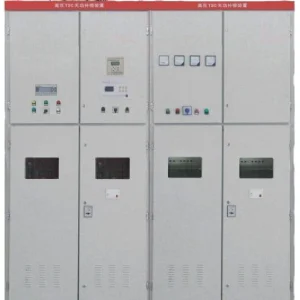
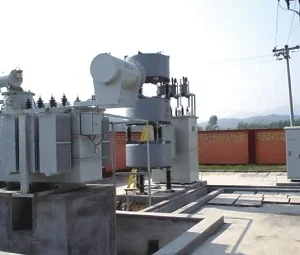
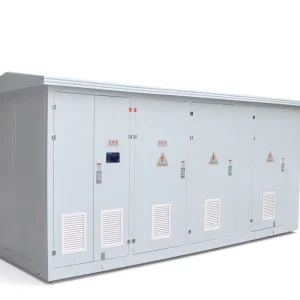
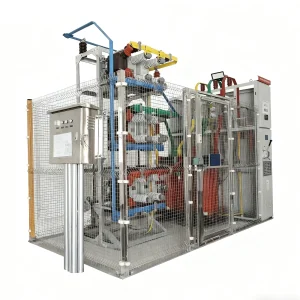
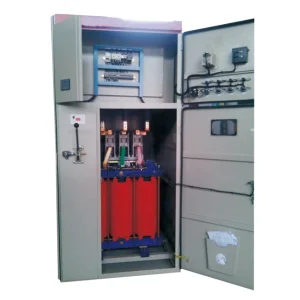
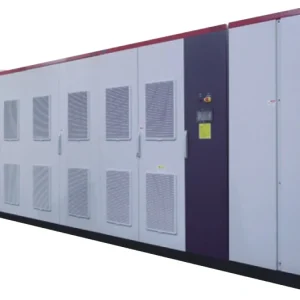
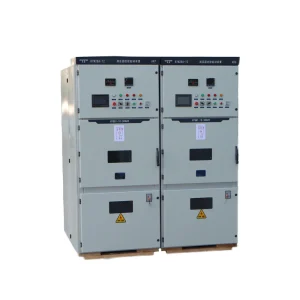
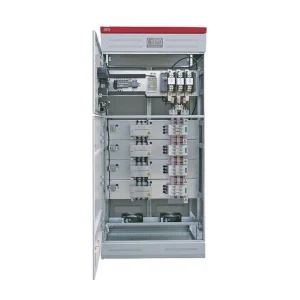
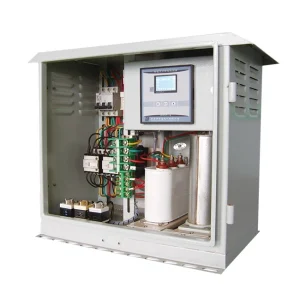
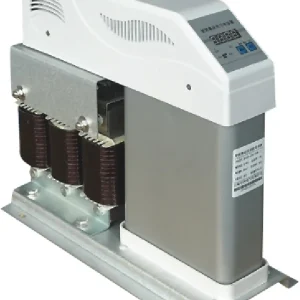
For the CHYN HYLQ high-voltage reactor starter cabinet, send the motor data, source configurations, load curves and expected restart sequence. Ask the supplier to identify the offered configuration and provide its duty limits, protective functions, switching sequence and assumptions. The product image identifies the cabinet family. The nameplate data and equipment drawings supplied for the order are the appropriate basis for confirming dimensions, ratings and connection requirements.
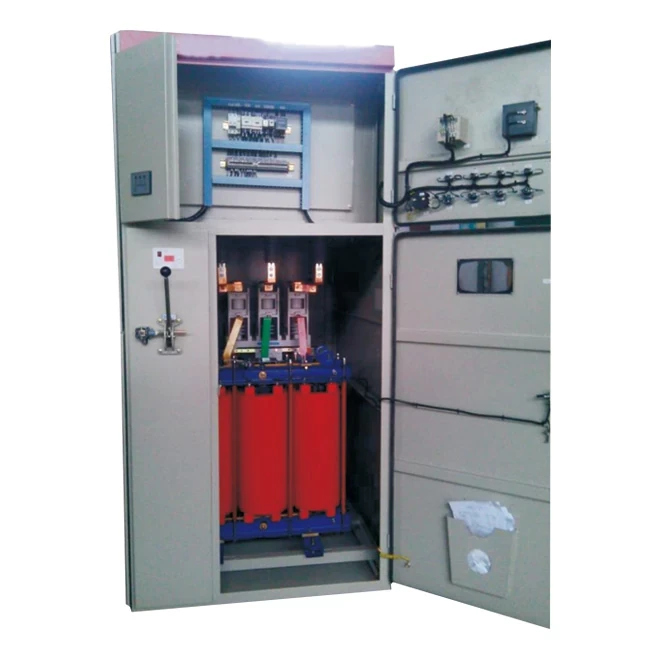
Include the longest credible acceleration time, hot restart after a normal stop, and the expected response to an aborted start. The limit for repeated operation can come from the motor, the reactor or another part of the starting assembly. Request a sequence diagram that shows the conditions for a retry, for a cooling delay and for an operator alarm. Compare these with production expectations before the equipment arrives. A cabinet that completes one supervised cold start may still be unsuitable for the planned restart schedule.
Define commissioning records before energization
Have qualified personnel agree on an approved test plan and measurement points. Time-align bus voltage, motor current, speed or a validated speed indicator, switch states and protection events. Keep the load state, source configuration and start history with each trace. A recording that starts after transfer can miss the main disturbance. Conversely, an initial inrush reading without the later speed and switching evidence cannot show whether acceleration and bypass finished as planned.
Evaluate the results against the approved study and the offered equipment limits. Investigate discrepancies before accepting the operating sequence. For example, a correct initial current with a long acceleration time suggests reviewing actual load torque, voltage and inertia before changing the transition logic. Accept the installation against the applicable project criteria, and retain the study and traces for later changes to the process or supply.
Further learning
NPTEL IIT Kharagpur compares direct-on-line and reactor starting in the following electrical machines lecture. Its simplified equations are useful for screening before the full motor-starting study.
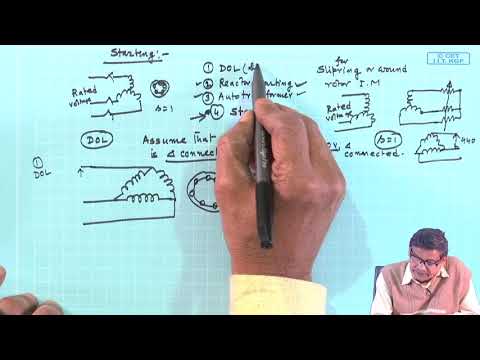
Watch the NPTEL lecture on YouTube.
Frequently asked questions
Does a reactor starter reduce starting torque?
Yes. In an initial constant-frequency estimate, torque changes roughly with the square of the motor terminal voltage ratio. Use motor and load curves for the complete start.
Is a reactor setting the same as motor terminal voltage?
No. The actual voltage depends on current, source impedance and the rest of the circuit. Confirm the meaning of any offered tap or setting before using it in calculations.
Does the reactor stay in series while the motor runs?
In a conventional bypassed starter, the reactor is used for starting and then bypassed. Confirm the sequence and duty of the offered assembly.
Can a high-inertia load use reactor starting?
It depends on available accelerating torque and thermal time limits. A satisfactory current estimate alone cannot establish that the motor will reach speed.