
 Zhejiang Hongyan Electric Co., Ltd.
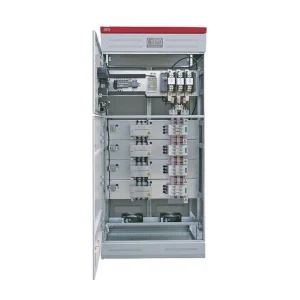
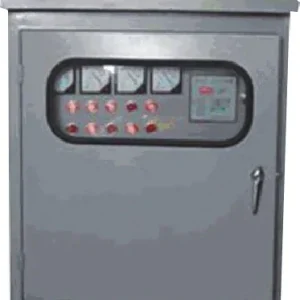
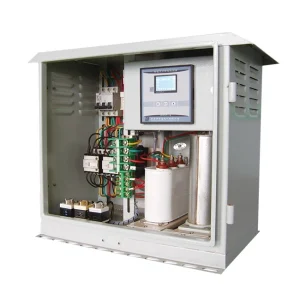
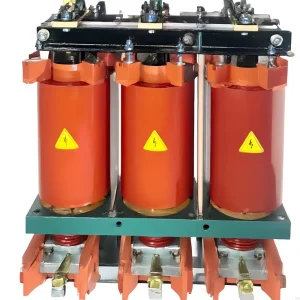
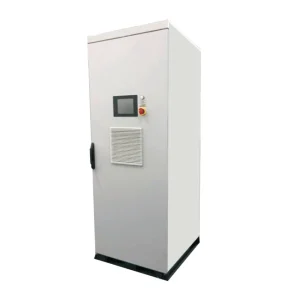
Soft starter acceleration time is the motor's actual run-up time, and it may differ from the programmed voltage ramp. Assess it using the motor and load torque curves, total inertia, starting voltage, current-control behavior and thermal limits. Increasing the timer alone does not prove that a difficult load will accelerate safely. For an industrial medium-voltage project, the useful question is whether the complete motor, starter, supply and driven machine can complete the required start within their documented limits. This guide shows how to prepare that assessment and define the records needed before accepting a proposed setting.
Name the event that each time value describes
A start sequence contains several timestamps: start command, power application, first movement, the chosen running-speed threshold and completion of the start sequence. A controller setting may describe only one part of that sequence. Ask the supplier what begins and ends its ramp timer and what happens when another control function takes priority. Compare that definition with the process requirement. A pump that must establish flow has a different acceptance event from a motor that merely produces a running signal.
Prepare a small timing sheet with a separate field for the programmed setting and the observed result. Identify how speed is measured, which timestamp is the reference and how a run indication is generated. A status contact can be useful for sequencing, but its label alone does not establish measured shaft speed. When comparing two test starts, use the same definitions and recording method so that a change in terminology cannot masquerade as an improvement.
Understand the torque margin behind run-up time
The acceleration problem is governed by the difference between motor torque and load torque, together with the inertia referred to the motor shaft. The TU Darmstadt notes on induction-machine run-up present this mechanical relationship. A simplified expression is t ≈ J × Δω / Tnet,avg, where t is seconds, J is kg·m², angular-speed change is rad/s and average net accelerating torque is N·m. The approximation assumes that a meaningful positive average represents the speed range.
For illustration only, J = 100 kg·m², Δω = 150 rad/s and average net torque = 500 N·m give approximately 30 seconds. This invented teaching example is not a CHYN rating or a setting recommendation. Real torque varies with speed and applied conditions; a small or negative margin at any critical part of the run-up requires closer analysis. Obtain the actual curves and evaluate the complete start rather than selecting a timer from this simple average.
Collect the motor and driven-machine data as one package
Ask for the motor identification, rated data, relevant torque-speed and current-speed information, thermal capability and permitted starting conditions. Obtain the driven-machine torque characteristic and inertia with its reference shaft and units stated. Gear ratios and coupling arrangements belong in the same package. A number copied from a machine brochure is not enough if nobody can say whether it represents the motor shaft, a driven shaft or the combined assembly.
Also describe how the machine starts in practice. A process may permit unloading before a start, require starting against pressure, or impose a particular valve sequence. Ask the mechanical supplier to confirm the permitted sequence and its expected torque characteristic. Record the source and revision of that information. When process conditions remain undecided, ask for a conditional assessment instead of allowing the starter quotation to assume the easiest possible start without disclosure.
Use a coordinated review table rather than a timer checklist
The table below is a project coordination aid. It deliberately avoids universal current multiples, ramp durations or allowable temperature rises. Those values must come from the selected equipment and the approved study. Assign an owner to each row so that missing mechanical or electrical information does not become an unexplained assumption in the final proposal.
| Input or result | What must be identified | Decision it supports |
|---|---|---|
| Motor capability | Actual motor curves and thermal data | Whether the required start is permitted |
| Driven load | Torque characteristic, inertia and initial state | Whether acceleration margin exists |
| Supply | Starting arrangement and voltage at the motor | Whether the assumed electrical conditions are credible |
| Starter operation | Ramp definition, control mode and duty limits | Whether the offered configuration fits the application |
| Recorded run-up | Common timestamps for speed, current and voltage | Whether the observed start matches the assessment |
Check supply conditions before changing the start profile
Record which source and network arrangement are expected during the start. A test performed under a favorable utility condition may not represent an intended standby or maintenance arrangement. Ask the project engineer to identify the relevant supply cases and the information needed to model them. Keep the source assumptions beside the torque and run-up assessment so that the engineer can check the same operating case throughout. The actual project still needs its own motor and supply data.
When comparing measurements, keep motor terminal voltage, current and speed on a common timeline where practical. Note which quantities were measured directly and which came from the controller. If a start takes longer after a supply change, preserve the original records before making adjustments. A controlled comparison can help distinguish an electrical condition from a process change; a sequence of undocumented timer edits makes the same diagnosis much harder.
Treat thermal capability as a separate acceptance question
Completing a start is only one part of acceptance. Ask the motor and starter suppliers to review the proposed current-time profile against the relevant thermal capability, including the initial thermal state. A cold start and a restart after operation should not be assumed equivalent. Keep the approved restart conditions and protection settings with the start assessment. Do not infer a permissible repeated-start duty from the fact that one isolated test completed without a trip.
If a thermal or protection limit is reached, record the fault, the sequence and the available traces before another attempt. The response should follow an approved investigation, not removal of protection to force a successful demonstration. Assign responsibility for evaluating the motor, starter and driven load together. A quotation should clearly identify any conditions needed to achieve the required duty, including process preparation, cooling periods or equipment changes confirmed by the responsible suppliers.
Make commissioning a controlled comparison
Agree the first-start procedure, personnel responsibilities, recording method and stop criteria before energization. Use the approved mechanical preparation and confirm that the tested settings match the reviewed settings. A useful result includes the original trace files, operating conditions, equipment identities and a written disposition. A photograph of the final display can supplement the record but does not show the complete current or speed history during the start.
For subsequent trials, change only what the responsible engineer has authorized and document the reason. Compare the same time intervals and the same process state. If a measurement channel fails or the intended load condition is absent, mark the result as incomplete rather than quietly accepting it. Electrical work should be planned and performed by competent personnel; the HSE electricity guidance is a useful general safety reference, while site procedures and applicable local requirements govern the work.
Send CHYN an enquiry that describes the complete start
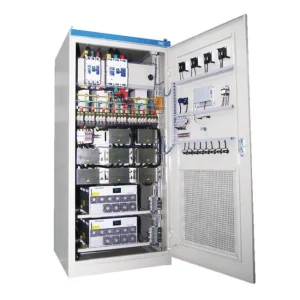
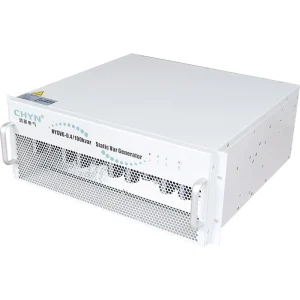
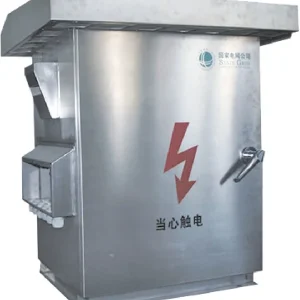
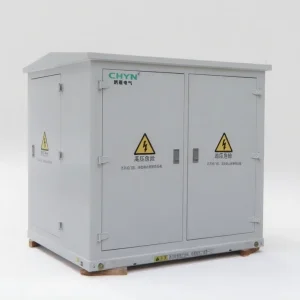
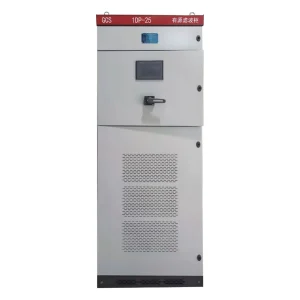
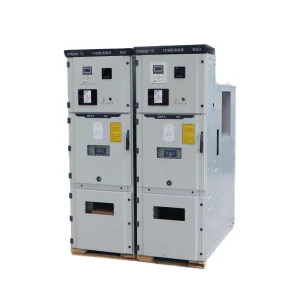
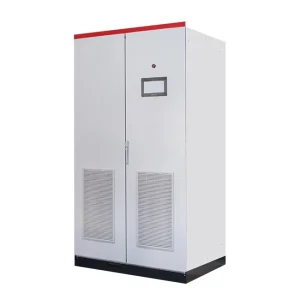
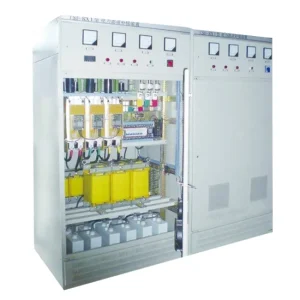
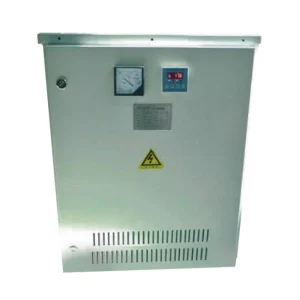
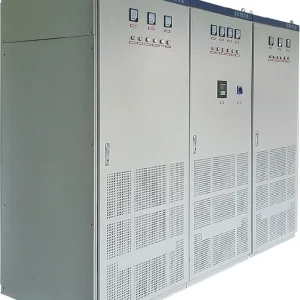
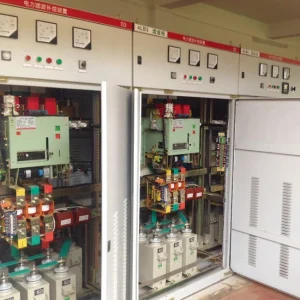
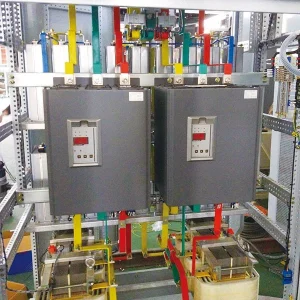
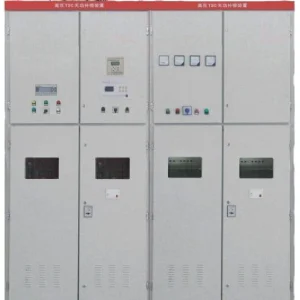
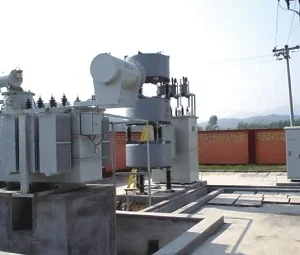
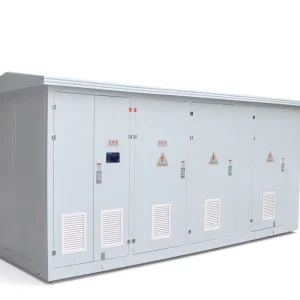
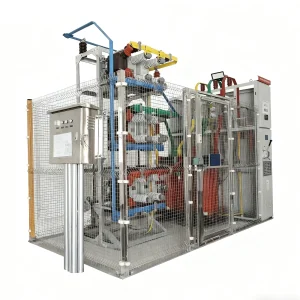
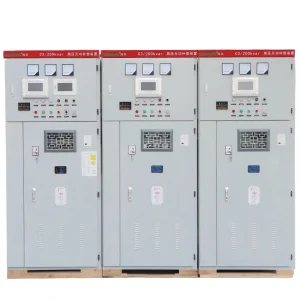
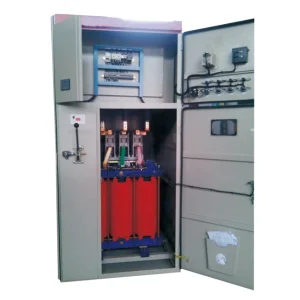
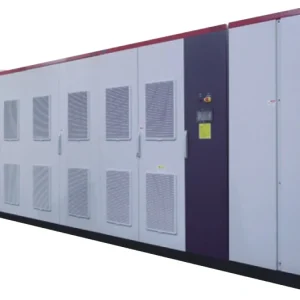
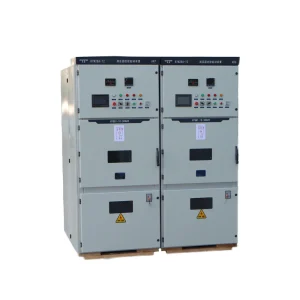
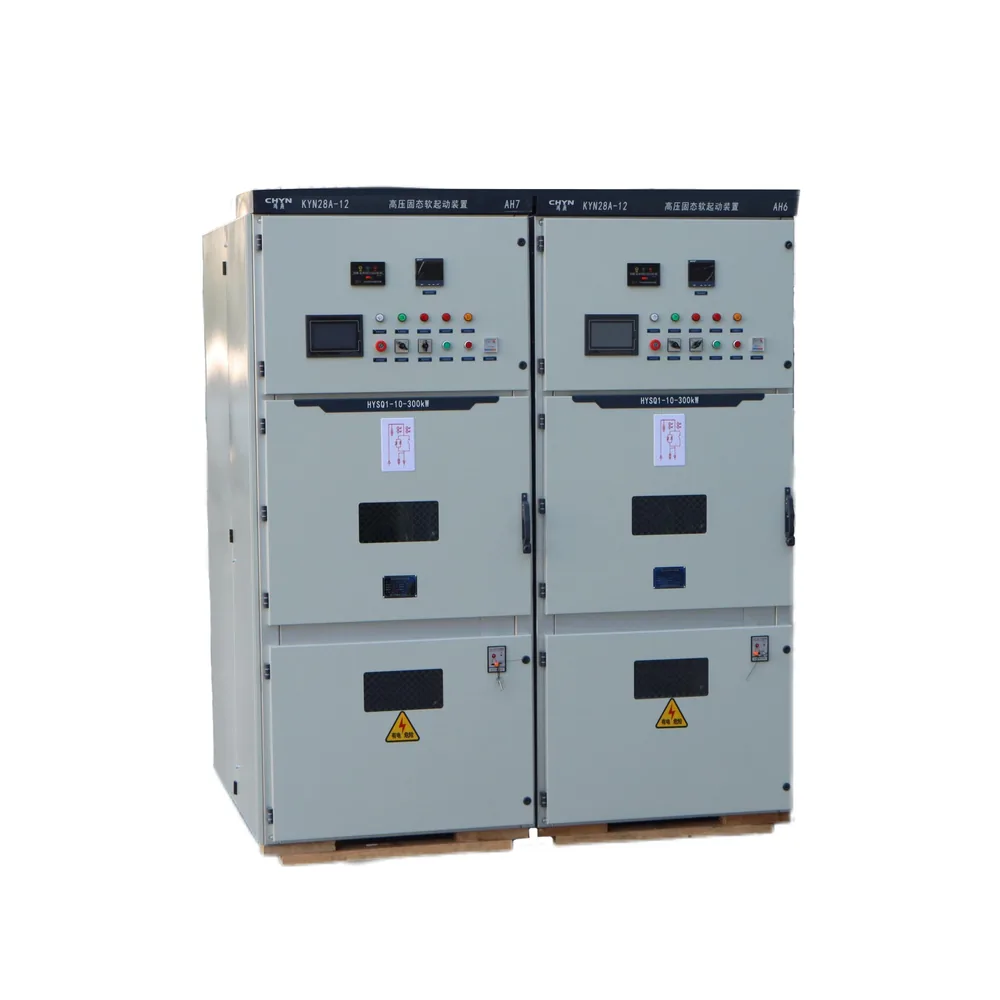
The CHYN HYSQ1 high-voltage solid-state soft starter provides the product context for this review. Include motor and machine data, supply arrangements, the required process start, ambient conditions and the expected operating cycle. Ask CHYN to confirm the exact proposed configuration and its assessment of the documented duty. Do not treat the adjustable timing range on a product page as a guaranteed acceleration time for an unspecified motor and load.
For the wider equipment decision, read medium-voltage soft starter versus VFD. Keep starts-per-hour duty separate from the duration of an individual start, and use the guide to motor-starting voltage drop when discussing the supply study. These linked topics help build the enquiry without collapsing different requirements into one timer setting.
Further learning: induction-motor starting
The following NPTEL IIT Delhi lecture explains starting and speed control of induction motors. It offers background for discussing the motor characteristic with an engineer. It does not demonstrate the proposed CHYN configuration or authorize settings for a particular machine.
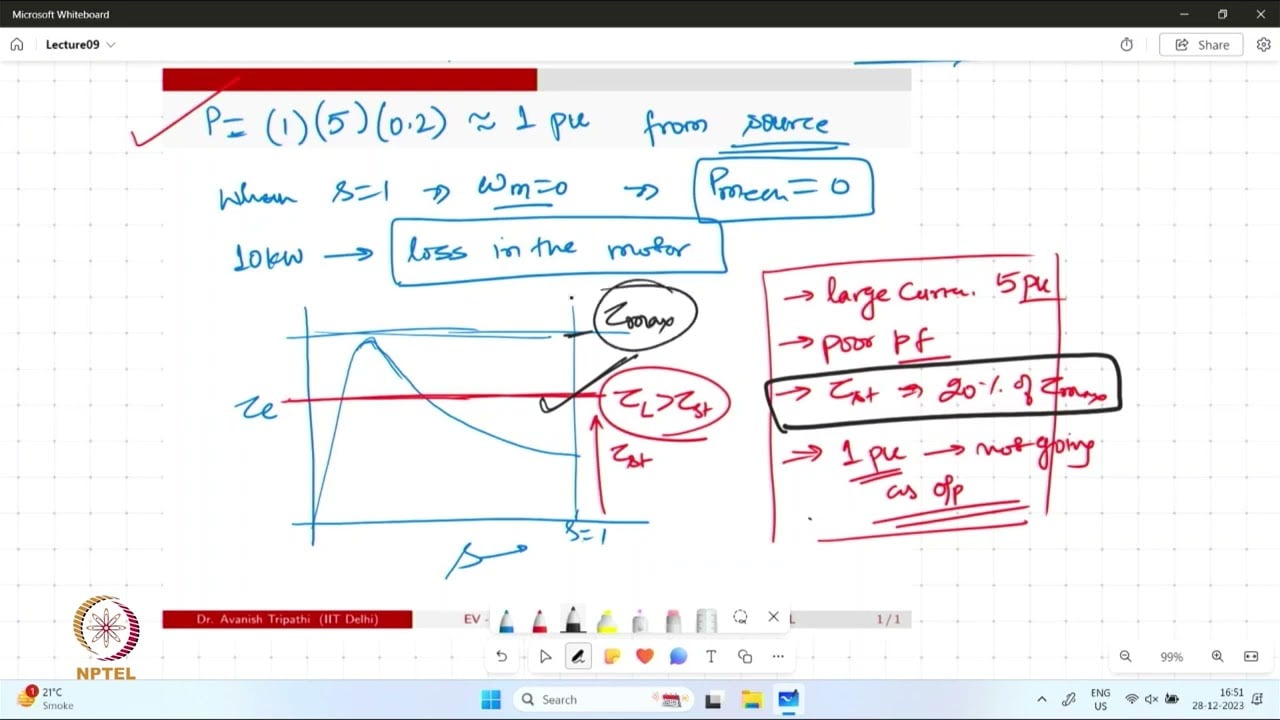
Watch the NPTEL lecture on YouTube.
Frequently asked questions
Is the ramp setting the actual acceleration time?
Not necessarily. Confirm what the timer controls and how other functions affect the sequence. Measure the actual event using defined start and completion timestamps. Record shaft-speed evidence where required, rather than treating a controller status label as independent proof that the motor has reached its intended operating state.
Will increasing the ramp time fix a slow start?
A timer change alone does not establish a solution. Review motor torque, driven-load requirements, inertia, supply conditions and thermal capability with the responsible suppliers. Preserve the original traces and fault records. Make only authorized changes, then compare results using the same process state and measurement definitions.
Can the simple average-torque calculation select the starter?
No. It explains the relationship between inertia, speed change and accelerating torque. Real torque varies during run-up, and a local shortage of torque can be decisive. Selection requires the actual motor and load characteristics, the proposed control behavior, supply assessment and documented limits for the equipment involved.
What evidence should be retained after a successful start?
Keep the approved settings, equipment identities, load preparation, source arrangement and original speed, current and voltage records. State how start and completion were defined and note any missing operating cases. A successful isolated start does not by itself establish the permitted restart cycle or all expected service conditions.