
 Zhejiang Hongyan Electric Co., Ltd.
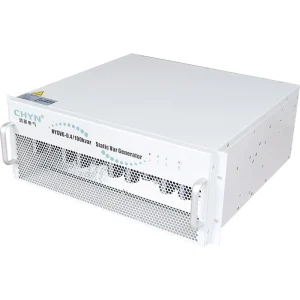
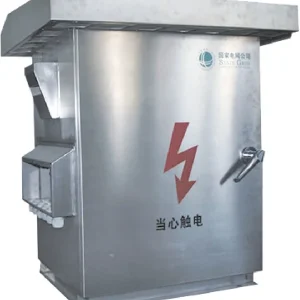
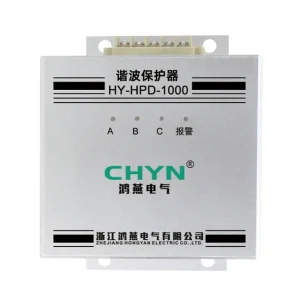
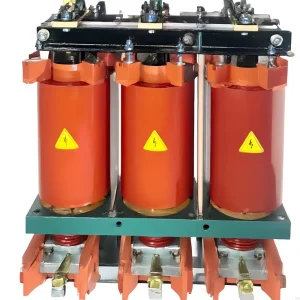
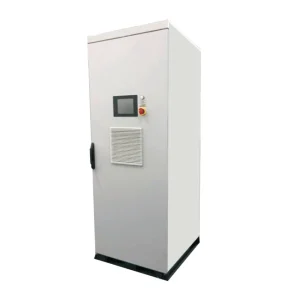
Choosing a medium voltage soft starter vs VFD begins with the operating duty after acceleration. A conventional voltage-controlled soft starter is primarily selected to reduce starting electrical and mechanical stress before the motor runs at supply frequency. A variable frequency drive controls motor voltage and frequency and is selected when speed or torque control is required during operation. Both require a starting and load study. For a large induction motor, the decisive questions are whether sufficient accelerating torque remains available, how the supply responds, and whether ongoing speed control creates a useful process benefit.
Separate a starting problem from an operating-speed problem
A pump may run continuously at essentially one required duty point but create an unacceptable voltage dip each time it starts. Another pump may need widely varying flow for most of the day. These are different requirements even if their motors have the same voltage and power rating. The first inquiry focuses on successful acceleration and supply impact; the second also needs an operating-speed and process assessment.
A soft starter changes the applied motor voltage during a controlled starting sequence. In the conventional fixed-frequency arrangement discussed here, it does not provide independent continuous speed regulation after the motor reaches its normal running condition. A bypass arrangement may then carry the running current, depending on the design.
A VFD changes the electrical supply frequency and voltage delivered to the motor. It can therefore provide a controlled acceleration and ongoing speed adjustment, subject to motor, drive, and process limits. It does not automatically guarantee a successful start, a specified energy saving, or compatibility with every existing medium-voltage motor.
The U.S. Department of Energy motor-driven systems guidebook treats adjustable-speed control as a system-level decision. The comparison should include the driven equipment and the operating profile rather than selecting from the starter or drive name alone.
Soft starter and VFD comparison for a medium-voltage project
| Project requirement | Conventional soft-starter emphasis | VFD emphasis |
|---|---|---|
| Normal operation | Motor ultimately runs at the supply frequency, with speed determined by the motor and load. | Frequency is controlled within the approved operating range to meet process demand. |
| Main starting assessment | Available torque at reduced voltage, starting current, acceleration time, and permitted starts. | Drive current and torque envelope, control method, acceleration profile, and motor suitability. |
| Useful application question | Can the machine start acceptably and then operate at its intended fixed-speed duty? | Does the process benefit from changing speed or controlling torque during operation? |
| Important system interfaces | Bypass, switching sequence, motor protection, supply strength, and restart conditions. | Input supply, output insulation duty, motor cooling, cables, bypass, and operating modes. |
| What a quotation must demonstrate | A successful start inside motor, machine, and supply limits. | A successful start and acceptable operation throughout the required speed/load envelope. |
This table describes functional priorities, not universal superiority or a comparison of two particular CHYN configurations. The required voltage class, insulation level, current, cooling, and enclosure arrangement must be confirmed for the supplied assembly.
Reduced current is not the only starting objective
A motor must produce more torque than the driven machine requires throughout the relevant acceleration range. Reducing the applied voltage can reduce current, but it also changes the available torque. A very low current setting is not a successful result if the machine cannot accelerate or remains in a high-slip condition too long.
For a simplified induction-motor comparison at the same frequency and slip, with the relevant impedances treated as constant, torque is approximately proportional to the square of applied voltage. At 80% voltage, the corresponding idealized torque is about 0.8² = 64% of the full-voltage value. This is a bounded illustration, not an actual starting curve or a permissible setting for a CHYN starter.
The accelerating condition can be expressed as J × dω/dt = Tmotor − Tload, using a consistently referred combined inertia J. If the torque margin is small, acceleration can take longer. The motor's thermal duty and the permitted starts per hour then become important, especially for high-inertia equipment or repeated restarts.
Request the motor torque-current curves, driven-load torque-speed curve, combined inertia, expected starting condition, and thermal limitations. A loaded conveyor, a fan with significant inertia, and a pump with a particular valve condition cannot be represented by the same generic starting assumption.
Use a motor-starting study to assess the supply
The starting current acts on the supply impedance and can reduce bus voltage. That voltage reduction can affect the starting motor and neighboring equipment. Transformer ratings, impedance, feeder length, other connected motors, utility strength, and generator operating modes all influence the result.
The published scope of IEEE 3002.7, motor-starting studies and analysis covers evaluation of starting current and voltage drop and emphasizes the dependence of results on modeling assumptions. A statement that a device limits current does not replace the installation's study.
Compare the proposed alternatives using the same initial conditions and process assumptions. Include the weakest credible supply configuration and the relevant restart scenario. Define acceptable effects on the motor, connected controls, contactors, and other production equipment rather than judging the start from one bus-voltage number alone.
If a supply event is already causing control-system stops, the PLC voltage-sag troubleshooting guide helps establish the failure path. The motor-control selection should then address its demonstrated contribution without assuming that every trip originates in the starting method.
When ongoing speed control can justify a VFD
A VFD is relevant when the required operating duty includes substantial speed changes, controlled torque behavior, or a process improvement achieved by adjusting speed. Fans and pumps are common examples, but the benefit depends on the actual system curve and operating hours. The presence of a throttling valve or damper is a reason to investigate, not proof of a particular payback.
For an idealized centrifugal application under suitable similarity conditions, the familiar affinity relationships indicate that shaft power can vary approximately with the cube of speed. At 80% speed, the corresponding ideal ratio is 0.8³ = 0.512. Static head, efficiency changes, minimum flow, drive losses, and process constraints can make an actual installation depart substantially from that model.
A plant that needs full-speed operation almost all the time may gain little from unused speed-control capability. Conversely, comparing only purchase price can miss a useful process benefit where speed varies significantly. Use measured operating points, equipment performance data, annual hours, and maintenance assumptions to compare the complete alternatives.
Do not assign energy savings to a conventional soft starter merely because its starting current is lower. Starting behavior and sustained operating energy are different quantities. A motor-system review should identify where energy is consumed during normal production and how a proposed operating change affects it.
Motor and cable compatibility need their own review
For a VFD retrofit, check motor insulation suitability, output waveform requirements, cable arrangement, bearing-current concerns where applicable, and cooling over the intended speed range. Reduced shaft speed can change the cooling available from a motor's own fan. The required torque at low speed must be assessed against the motor and drive's actual thermal envelope.
For a soft-starter proposal, check the intended motor type, connection, starting duty, control method, and bypass sequence. The comparison here focuses on induction-motor applications. Other motor technologies can have additional starting and excitation requirements and should not be approved by transferring assumptions from an induction-motor example.
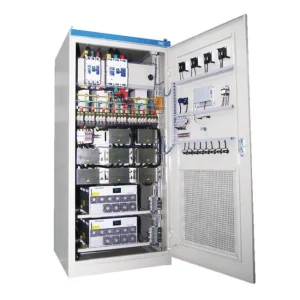
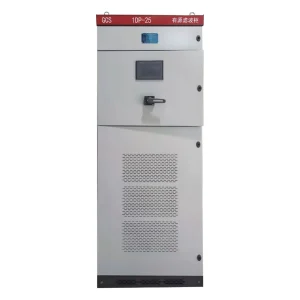
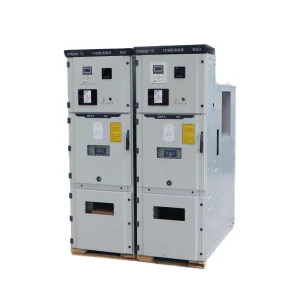
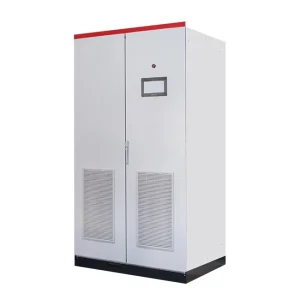
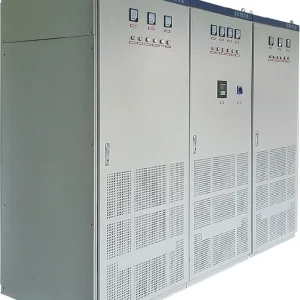
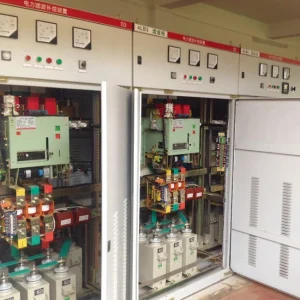
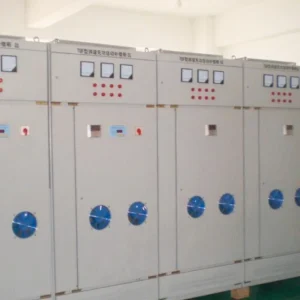
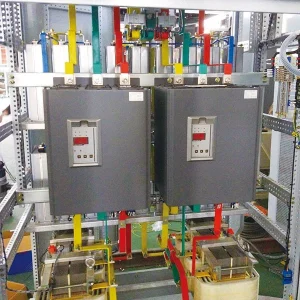
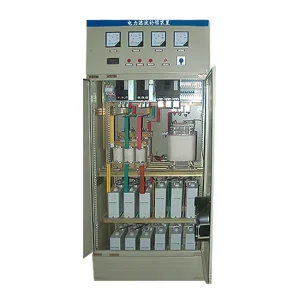
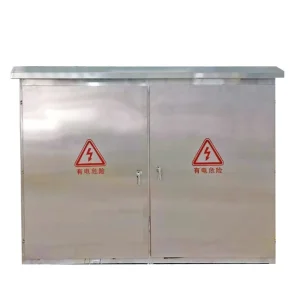
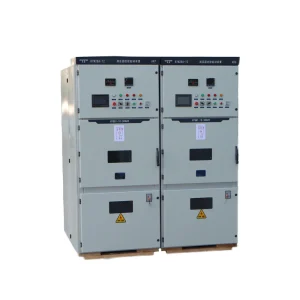
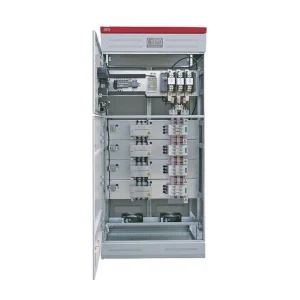
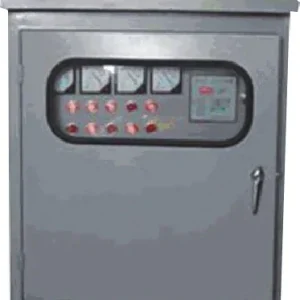
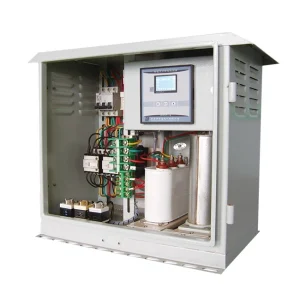
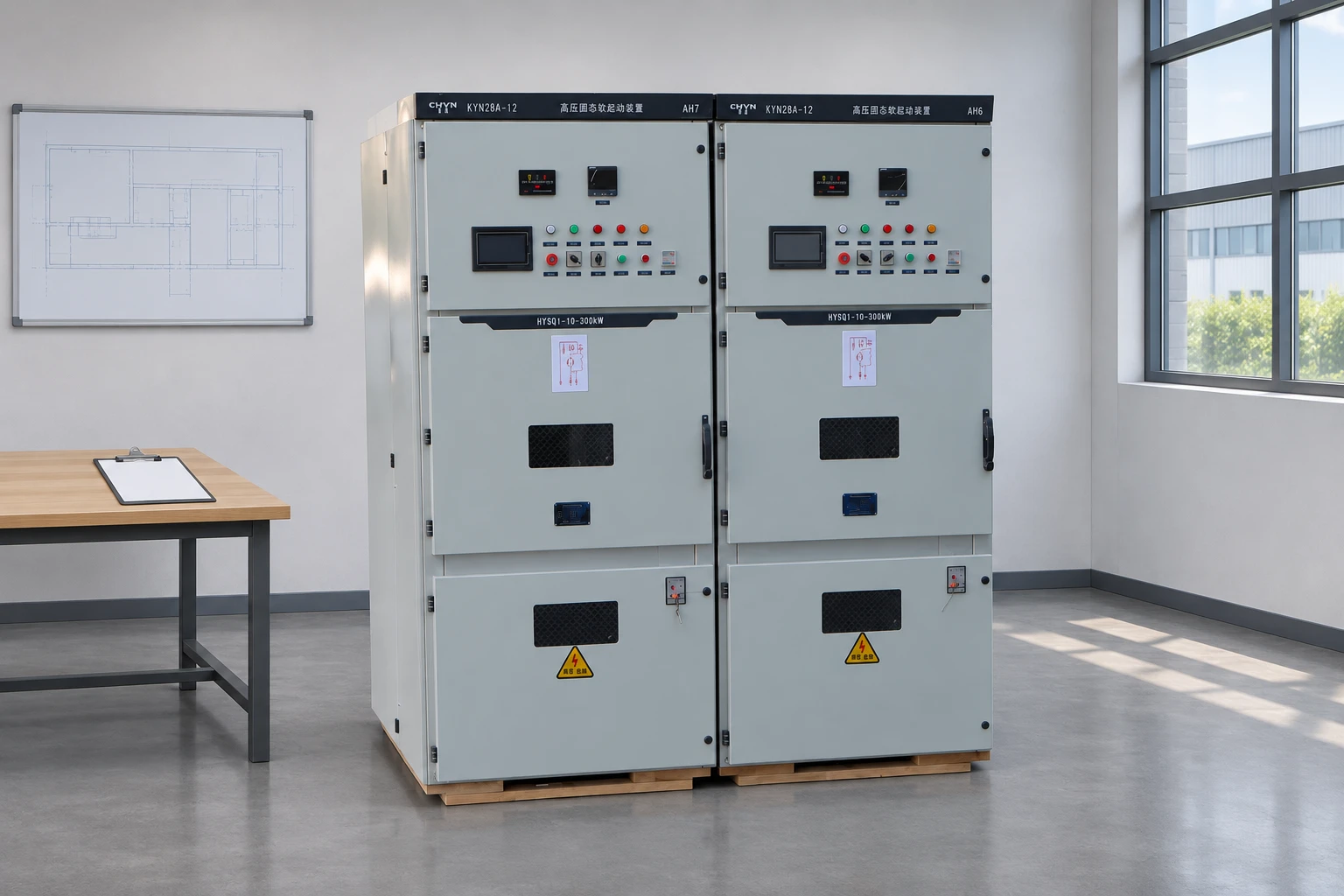
In either case, include the medium-voltage assembly's interlocks, earthing facilities, protection, control supply, and maintenance access. The appearance of a switchgear-style cabinet does not establish its electrical configuration or suitability for a particular motor.
Bypass is an operating mode, not an automatic continuity guarantee
A bypass can have different meanings. A soft-starter bypass may carry current after acceleration. A VFD bypass may connect the motor to a supply-frequency source. Each arrangement needs its own switching sequence, permissives, protection, and definition of the conditions under which operation is allowed.
A process running at reduced speed through a VFD may not tolerate direct connection to line frequency. A bypass transfer also cannot be assumed seamless or safe for every motor state. Ask for the actual sequence, synchronization requirements where relevant, fault response, and operator actions in the approved design.
Document what happens after a failed start, supply loss, motor trip, control failure, and unsuccessful transfer. These conditions should be included in the cause-and-effect review rather than left to a generic claim that bypass ensures continuous production.
Where CHYN product discussions fit
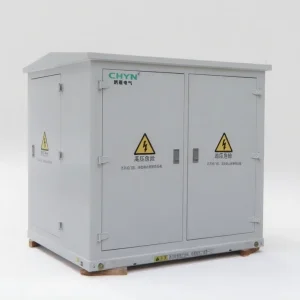
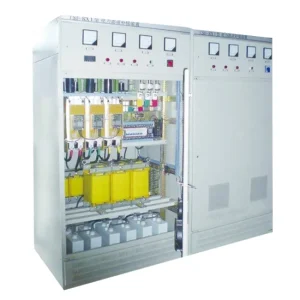
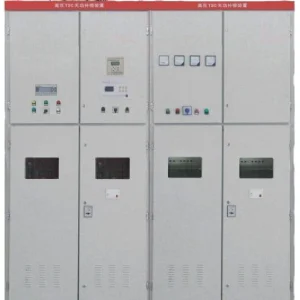
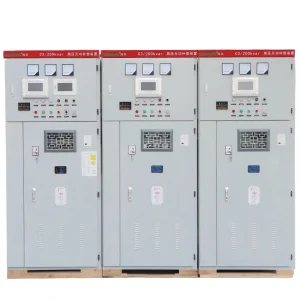
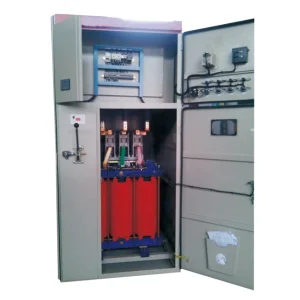
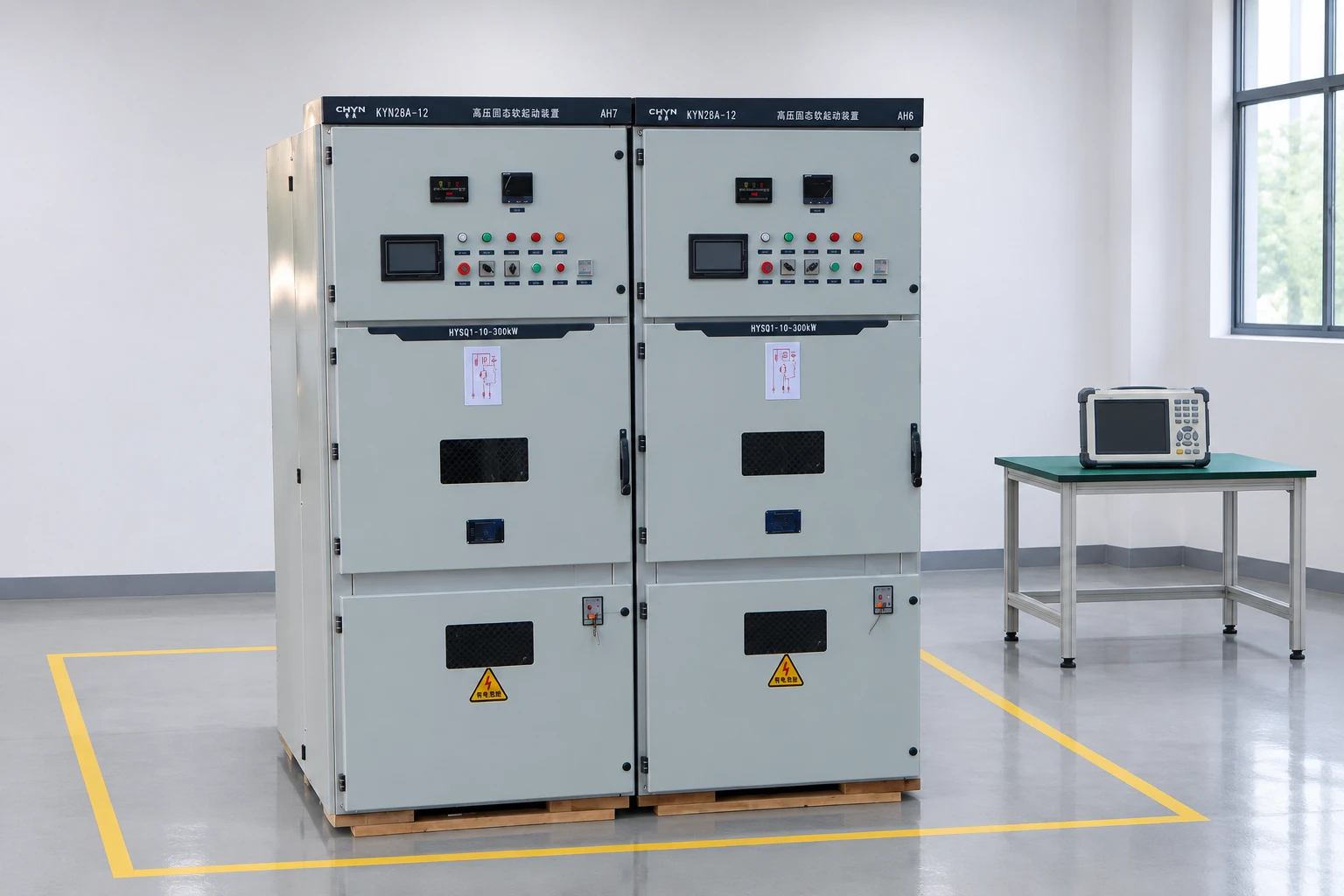
CHYN's HYSQ1 solid-state soft-starter range is a relevant starting point for a controlled-start enquiry. Its cabinet photograph is used here as product context, not as a VFD illustration or a claim about a particular delivered rating.
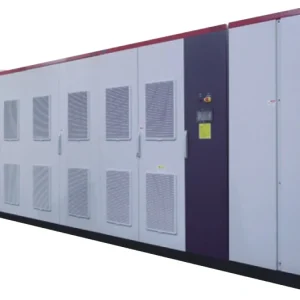
For a project requiring ongoing variable-speed operation, discuss the medium-voltage motor starting and VFD solutions with the motor and process data. Request a clearly identified proposed configuration rather than assuming that a combined product-family page defines one interchangeable device.
The wider industrial drive-system overview provides business context. This article's narrower purpose is to distinguish the required starting and running duties before an RFQ is issued.
RFQ and commissioning checklist
- Supply the motor nameplate, curves, connection, voltage class, insulation information, and permitted thermal/start duty.
- Describe the machine's load curve, inertia, starting condition, operating-speed range, and normal production profile.
- Provide source and transformer data, feeder details, alternative supply modes, and neighboring sensitive equipment.
- Request starting-study results, protection coordination, control and bypass sequences, cooling requirements, and installation drawings.
- Agree acceptance tests for acceleration, current, voltage impact, process operation, restart, alarms, and permitted operating modes.
A useful offer demonstrates the required motor and process behavior under stated conditions. It does not rely on a universal starting-current multiplier, an assumed energy-saving percentage, or cabinet similarity.
Further learning: three-phase motor starting
NPTEL IIT Kharagpur's lecture on starting a three-phase induction motor supplies educational background to the starting problem. It is not a medium-voltage installation procedure or a commercial product endorsement.

Watch Lecture 57: Starting of 3 Phase Induction Motor - Introduction on YouTube.
Frequently asked questions
What is the main difference between a medium-voltage soft starter and a VFD?
A conventional voltage-controlled soft starter manages acceleration before supply-frequency operation. A VFD controls motor voltage and frequency and can provide ongoing speed control within its operating envelope.
Does the lowest starting-current setting give the best start?
Not necessarily. The motor still needs sufficient torque margin to accelerate within its thermal limits. A low current setting can cause a long or unsuccessful start.
Will a VFD always save energy on a large motor?
No. Savings depend on the process, operating hours, speed requirements, machine performance, and drive losses. Compare the actual operating profile rather than assuming a fixed saving.
Does bypass guarantee uninterrupted operation?
No. The actual bypass sequence, motor state, supply conditions, protection, and process requirements determine whether a transfer is permitted and what interruption or change occurs.