
 Zhejiang Hongyan Electric Co., Ltd.
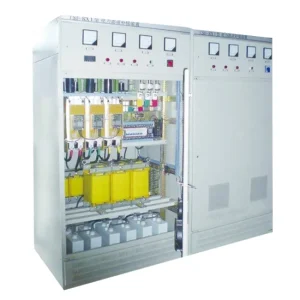
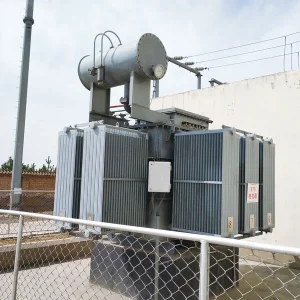
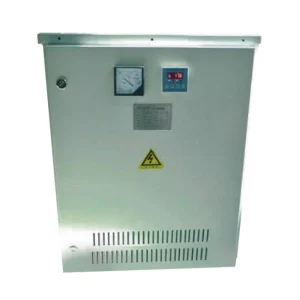
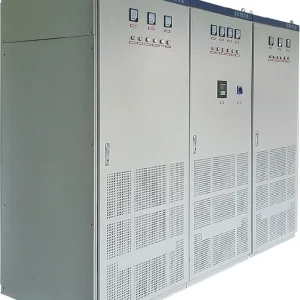
Passive harmonic filter resonance must be assessed with the filter connected to the actual supply network. A branch that offers a useful path for one harmonic can also change the impedance seen by other harmonic currents. Before buying, request a frequency scan, the source arrangements behind it, and component duty calculations for the proposed equipment. A satisfactory result at one bus and one operating point does not establish performance across the plant. This guide explains how to organize that review for an industrial VFD project without treating a cabinet rating or a single distortion percentage as a complete engineering assessment.
Distinguish the intended tuning from an unwanted system response
A tuned branch and a network resonance describe different parts of the same electrical system. The intended branch response helps direct selected harmonic current away from the supply. The combined network may nevertheless contain impedance peaks where injected current produces an unfavorable voltage response. A purchaser therefore needs both the proposed filter characteristics and the response of the connected network. Asking only which harmonic the filter targets leaves an important part of the question unanswered.
The PSCAD passive filter design guidance identifies system configuration, component impedance and harmonic measurements as design inputs. It also discusses checking the frequency range under normal and contingency conditions. Its historical standards references should not be used to select the current contractual edition. Use the guidance to frame the study, then have the project engineer identify the applicable requirements for the installation.
Give every supply arrangement a separate case number
Start with the approved single-line drawing. Mark the connection point, transformers, relevant cable routes, existing capacitor banks, nonlinear loads and any alternative supply. Give each arrangement a short identifier that can be repeated on measurements, study plots and acceptance sheets. A plot labeled only “normal operation” is difficult to audit when the site can operate with different transformers or bus couplers. The question is whether the plotted arrangement corresponds to a real, permitted operating state.
For a practical enquiry, prepare a case register before requesting a quotation. One row might describe the normal utility supply, another a permitted maintenance configuration, and another the intended emergency arrangement. Identify who supplies the source impedance information and who confirms switching permissions. If data is missing, label the case as an assumption rather than quietly treating it as verified. The resulting equipment recommendation should state which cases it covers and which remain outside the proposal.
Ask for a scan that can be interpreted without guesswork
A frequency scan should identify its measurement or calculation bus, frequency axis, impedance units, connected equipment and operating case. Ask the engineer to show the baseline and proposed arrangement using consistent axes. A line moving downward near the target harmonic is useful information, but the rest of the frequency range also matters. Request an explanation of newly introduced peaks and the harmonic sources that could excite them. An unlabeled screenshot cannot support a purchasing decision.
For each significant peak, record a short disposition: acceptable within the documented study conditions, requiring a design change, or awaiting missing information. Do not invent a universal acceptable distance between a peak and a harmonic. The project calculation must consider the actual source, loading, component duties and applicable limits. Preserve the native study files or an agreed reproducible report, rather than relying on a presentation image that cannot be traced back to its input data.
Use a review table to expose missing evidence
The following table is an enquiry framework, not a set of numerical acceptance limits. Its purpose is to make the supplier and project engineer discuss the same physical system. Complete it for the offered configuration and attach the supporting documents to the purchase package. A “yes” response without a case identifier or calculation reference should remain an open item.
| Review item | Evidence to request | Question that closes the item |
|---|---|---|
| Supply arrangements | Approved drawing and case register | Are all permitted source states represented? |
| Frequency response | Baseline and proposed scans at named buses | Which peaks need further investigation? |
| Component variation | Documented tolerance and service cases | Does the conclusion survive the stated variations? |
| Harmonic loading | Measured spectra and branch duty calculations | Are background and local contributions included? |
| Commissioning | Agreed measurement procedure and stop criteria | Who authorizes energization and accepts the records? |
Separate measured facts from assumptions about future loads
Record when the harmonic survey was taken and which drives were operating. A quiet production shift may be a valid observation but a poor description of the expected maximum operating duty. Keep load schedules, switching records and measurement locations with the spectra. When planned equipment has not arrived, identify the source of its assumed harmonic characteristics. A proposal based on a future expansion should make that assumption visible to the person who will approve the order.
Background distortion also deserves a separate entry. Ask how the study distinguishes contributions already present on the supply from those associated with the local loads. Do not convert a measured change into a product guarantee without checking that operating conditions were comparable. The research paper on passive filter placement under resonant conditions illustrates why a system-wide response can matter. Its transmission-system model is supporting context, not validation of a particular low-voltage CHYN installation.
Review variations and operating restrictions before approving hardware
Ask the supplier to identify which component and configuration variations were assessed. The useful answer names the cases, states the assumed ranges and shows the resulting duties. It should also identify combinations that are prohibited. If the recommendation requires a particular bank or branch to be unavailable in one supply state, that restriction belongs in the operating instructions and interlock design. It should not remain a verbal comment made during a sales meeting.
Use a change register during the quotation stage. Record substitutions to capacitors, reactors, switching devices or arrangement, and ask whether each change affects the study. A familiar enclosure can hide a materially different electrical proposal. Approval should follow the offered bill of materials and documented configuration, rather than a product family name. If the final equipment differs from the studied equipment, request an explicit engineering disposition before accepting the earlier conclusions as applicable.
Connect the enquiry to the actual CHYN product
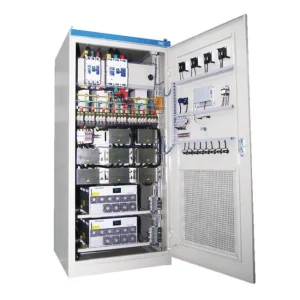
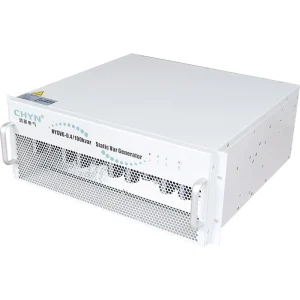
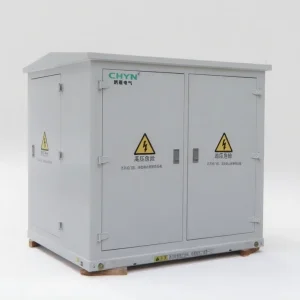
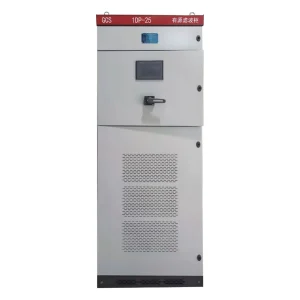
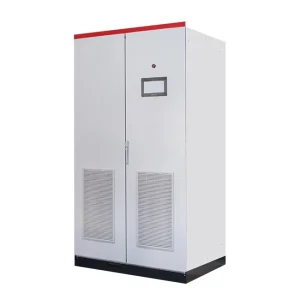
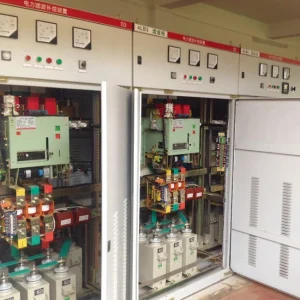
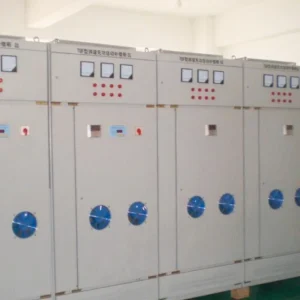
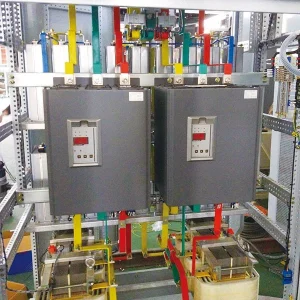
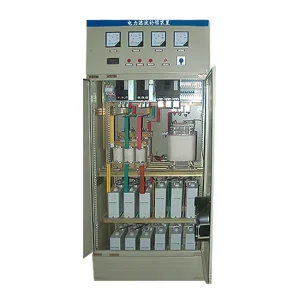
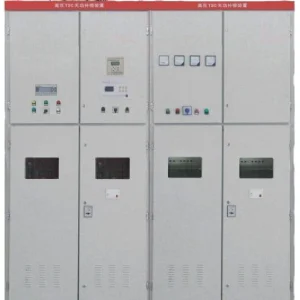
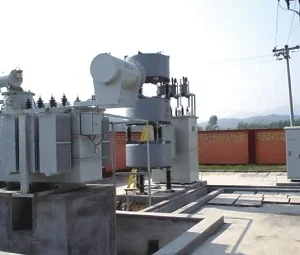
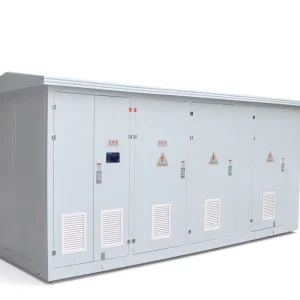
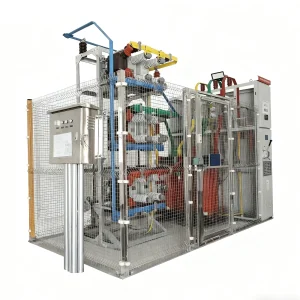
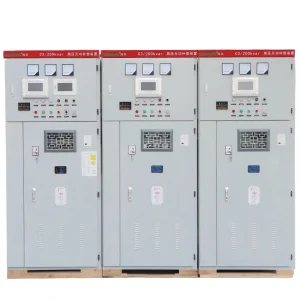
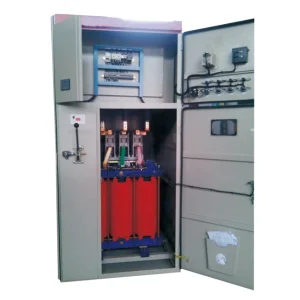
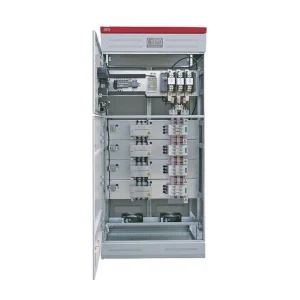
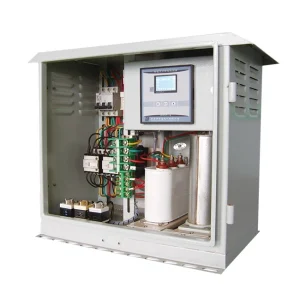
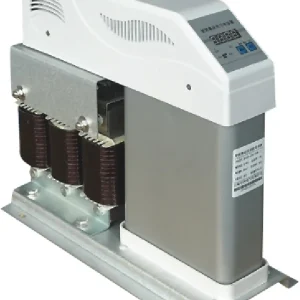
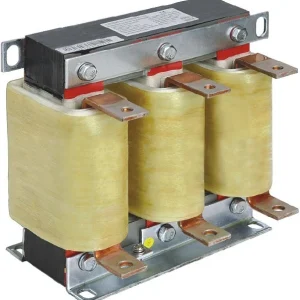
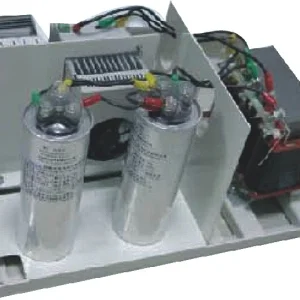
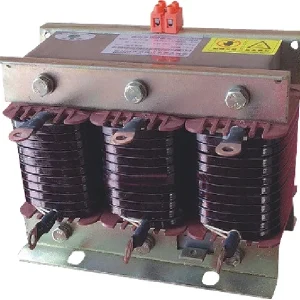
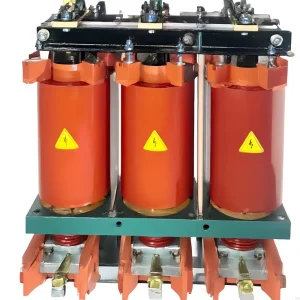
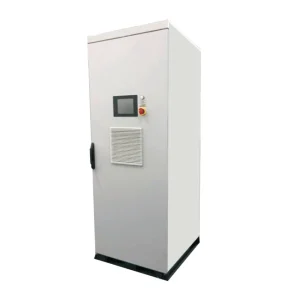
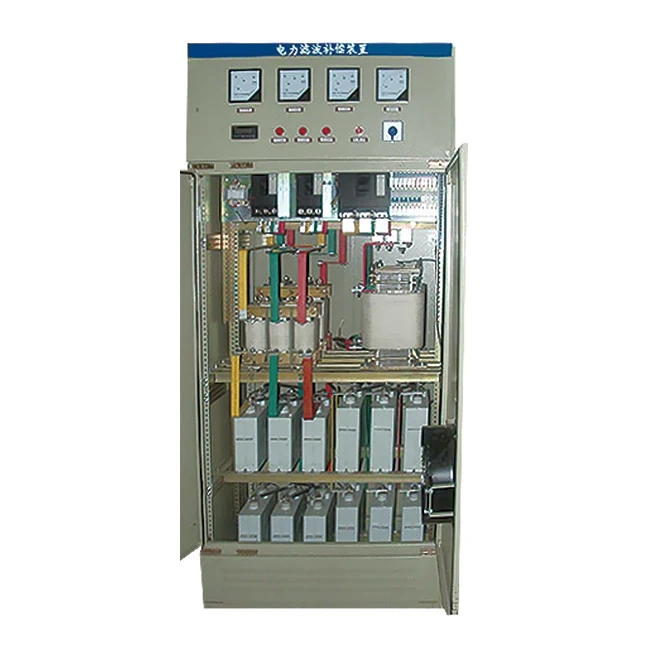
The CHYN HYFC-BP passive harmonic filter for VFD systems is the relevant product starting point for this discussion. Send the VFD inventory, site supply information, harmonic records and installation conditions with the enquiry. Ask CHYN to confirm the exact offered connection, configuration and evidence package. Product-page descriptions identify the product family; they do not replace a study of the customer's bus or prove that every possible supply arrangement is covered.
For the broader technology choice, see active versus passive harmonic filtering. Use the separate guide to why capacitor banks use reactors for the role of the reactor, and the explanation of THD versus TDD when defining reporting quantities. Those topics support this review; none substitutes for the connection-specific resonance assessment requested here.
Write acceptance around evidence that the site can retain
Before delivery, agree who provides the final study, who verifies the installed arrangement, and who conducts commissioning. The acceptance file should connect the drawing revision, equipment identity, settings and operating case to each measurement. State the test boundary and the planned load conditions in advance. If the required load cannot be reproduced during commissioning, record that limitation and agree how the remaining evidence will be supplied. Avoid declaring an untested operating case accepted merely because the cabinet energized successfully.
After commissioning, retain a baseline for future changes. A new transformer, additional VFD line or altered capacitor arrangement should trigger a review of whether the earlier study still applies. Give maintenance staff a clear route for escalating changes, including the responsible engineering contact and required records. This makes the resonance assessment useful throughout the equipment's service life, rather than a report filed once at procurement and forgotten when the network evolves.
Further learning: passive power filters
This NPTEL IIT Delhi lecture explains passive power filtering as an educational topic. Use it to understand the terminology used in a study discussion. It is not a commissioning procedure, a CHYN product demonstration or evidence that a specific installation meets its requirements.
Watch the NPTEL lecture on YouTube.
Frequently asked questions
Can a passive filter introduce a resonance problem?
The connected network can develop an unfavorable frequency response even when the filter branch has an intended tuning purpose. Request the combined-system assessment, not just the branch data. The study should identify the relevant supply cases, significant harmonic sources and resulting equipment duties before the proposed arrangement is accepted.
Is a low THD value enough to accept the proposal?
No. Identify where and under which operating conditions the value was obtained, then review the agreed harmonic quantities and equipment duties. A favorable observation at one location does not demonstrate every permitted supply arrangement. Keep the supporting spectra, configuration records and study assumptions with the acceptance report.
Does an existing reactor make a new study unnecessary?
Do not assume that it does. Confirm which arrangement was assessed and whether the proposed equipment, loading and supply cases match it. A product label or familiar reactor percentage is not evidence that a changed network remains acceptable. Ask the responsible engineer to review changes against the original assessment.
What should accompany a CHYN filter enquiry?
Provide the approved single-line drawing, source information, VFD inventory, harmonic measurements, existing compensation equipment and installation conditions. Identify the permitted operating cases and the intended acceptance boundary. Ask for the exact offered configuration and a clear statement of the evidence, assumptions and restrictions supporting the recommendation.