
 Zhejiang Hongyan Electric Co., Ltd.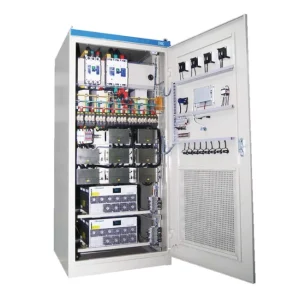
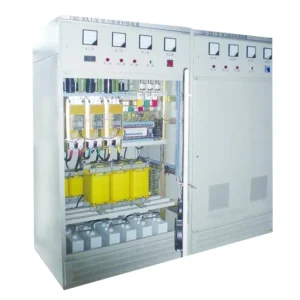
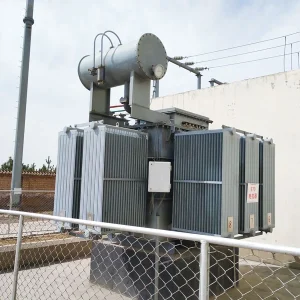
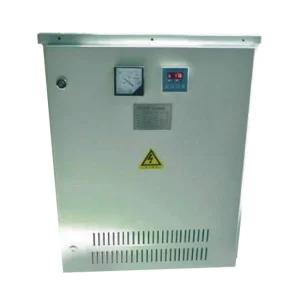
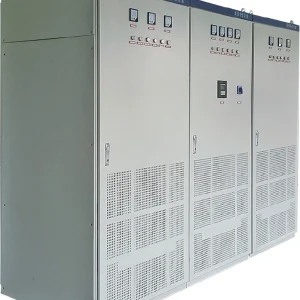
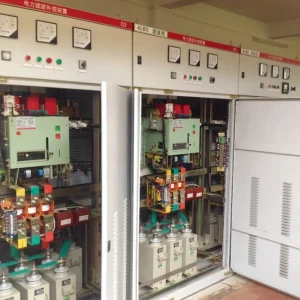
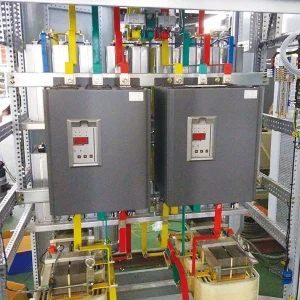
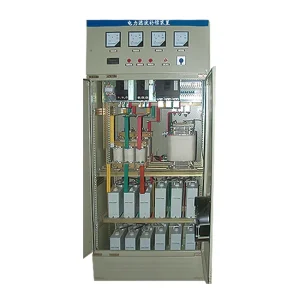
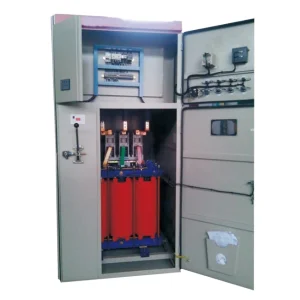
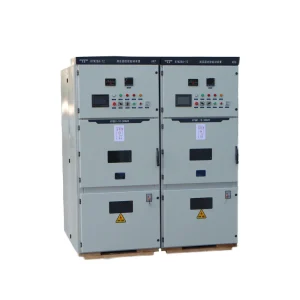
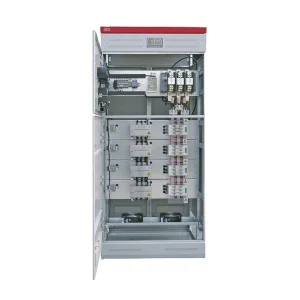
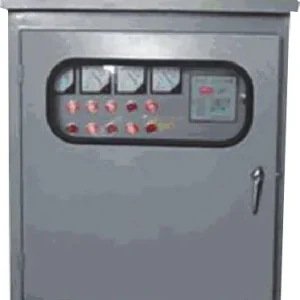
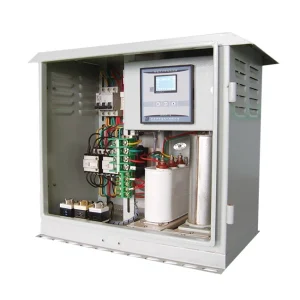
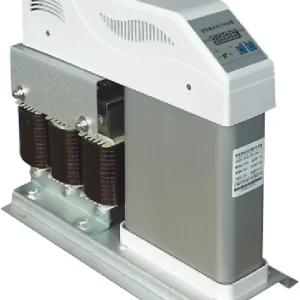
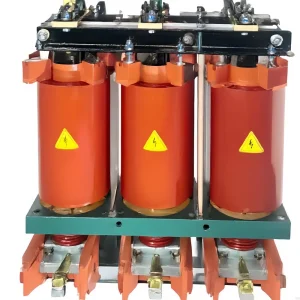
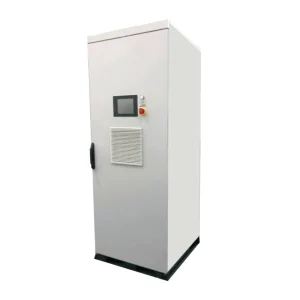
Active harmonic filter vs passive comes down to whether the harmonic spectrum stays still. A fixed trap is enough on a known, steady load. An injector is the better fit when drives start and stop, several nonlinear loads share a bus, or a sharp tune would resonate or go leading at light load.
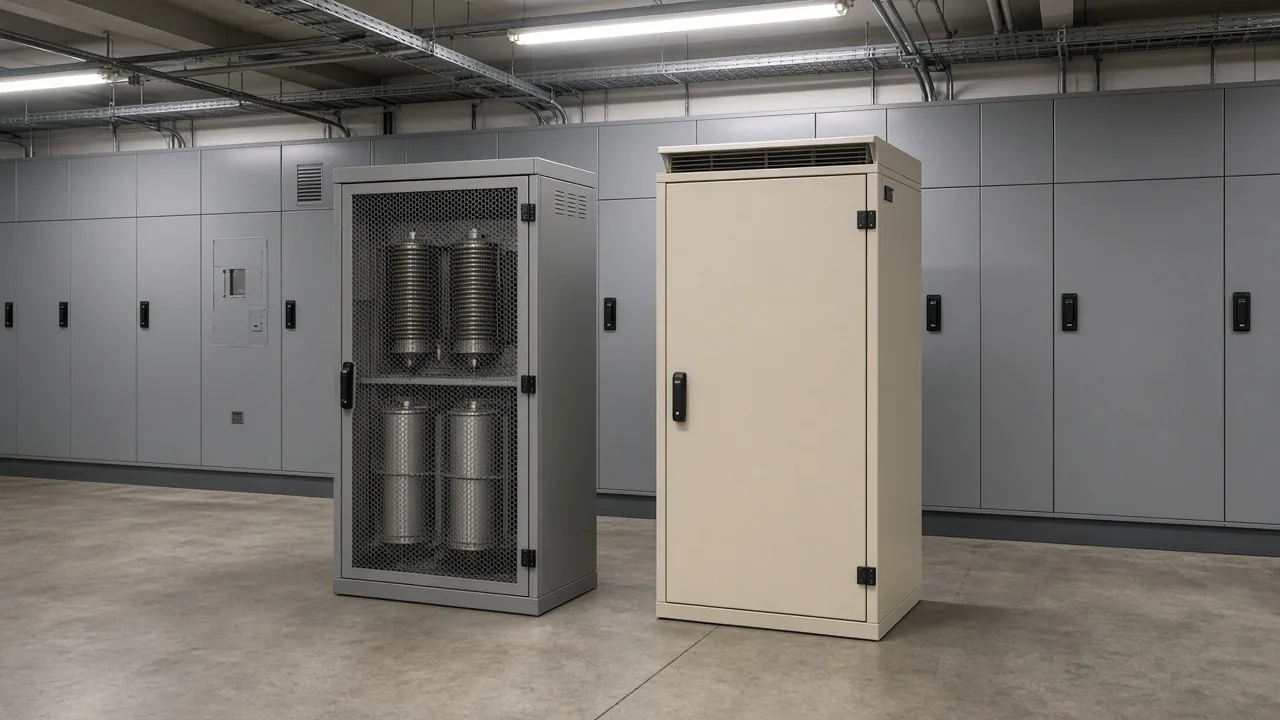
When a fixed tune stops matching the load
A fixed tune wins only while the spectrum stays the one it was built for. The moment the mix of drives changes, that trap is aimed at yesterday's current.
Picture a pump room where two large drives run the whole shift at nearly the same speed. The 5th and 7th dominate, and they barely move. A passive branch built for those orders can sit there for years and do the job it was bought for.
A packing line is the opposite picture. Drives start, stop, and change speed with the product. A variable-frequency drive is the usual source of that swing.
The harmonic orders stay familiar, but the amperes swing. A trap sized for the busy hour is oversized at lunch and still unable to follow the next new machine.
Several small drives on one board push the same way. A drive-input passive package is usually one box per drive. A shunt active unit can sit in parallel and cover the group, which is why a variable lineup often prefers injection over a row of tuned cans.
| Decision point | Passive or detuned branch | Active harmonic filter |
|---|---|---|
| Load pattern | Steady and predictable | Starts, stops, or changes through the day |
| What it targets | One or a few known orders | The harmonic current it measures, within its rating |
| How it connects | Often one unit per drive, or a shunt branch at the board | Parallel, able to cover several loads from one cabinet |
| When the plant grows | A new spectrum can miss the old tune | Modules can be added if the page allows parallel cabinets |
| Light-load behavior | Can run leading when the drives sleep | Does not have to push a fixed capacitor current |
The table is a first split, not a purchase order. A harsh room with almost no maintenance access can still favor the passive side even when the load is mildly uneven, because there is no fan and no controller to nurse.
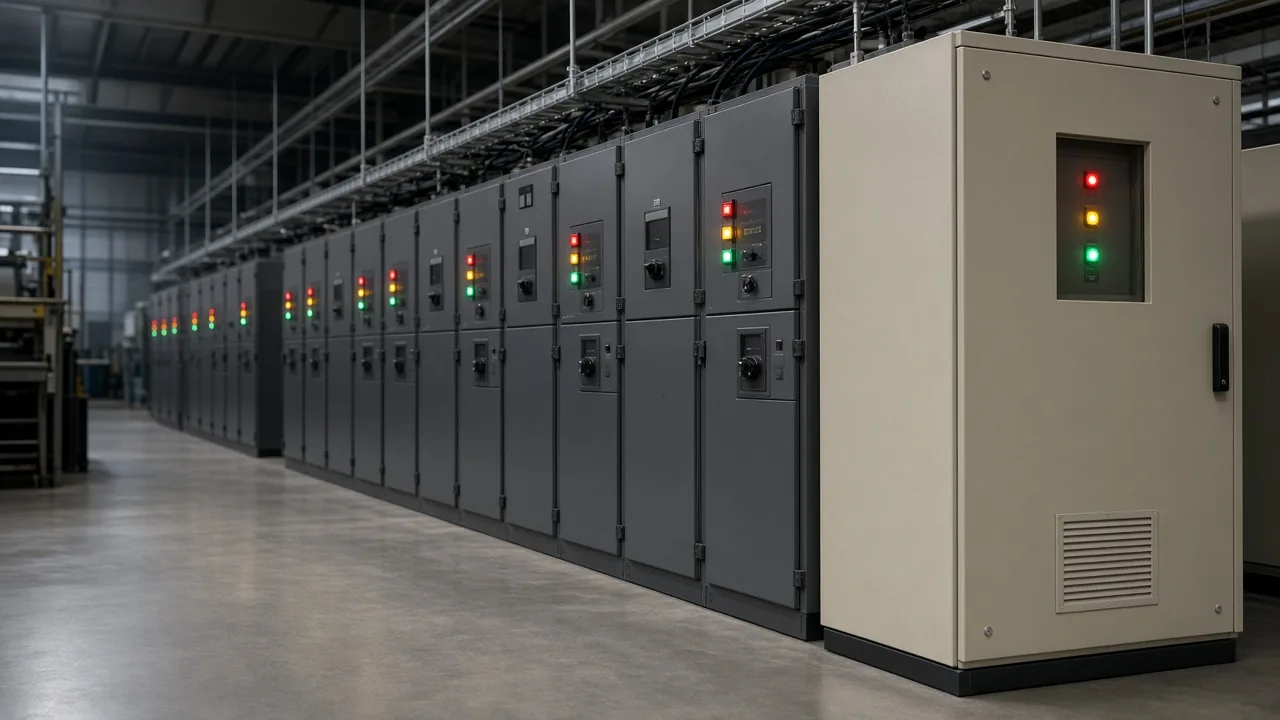
What each method does to the current
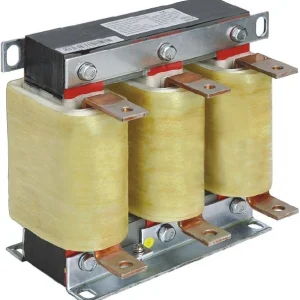
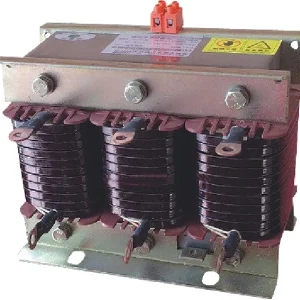
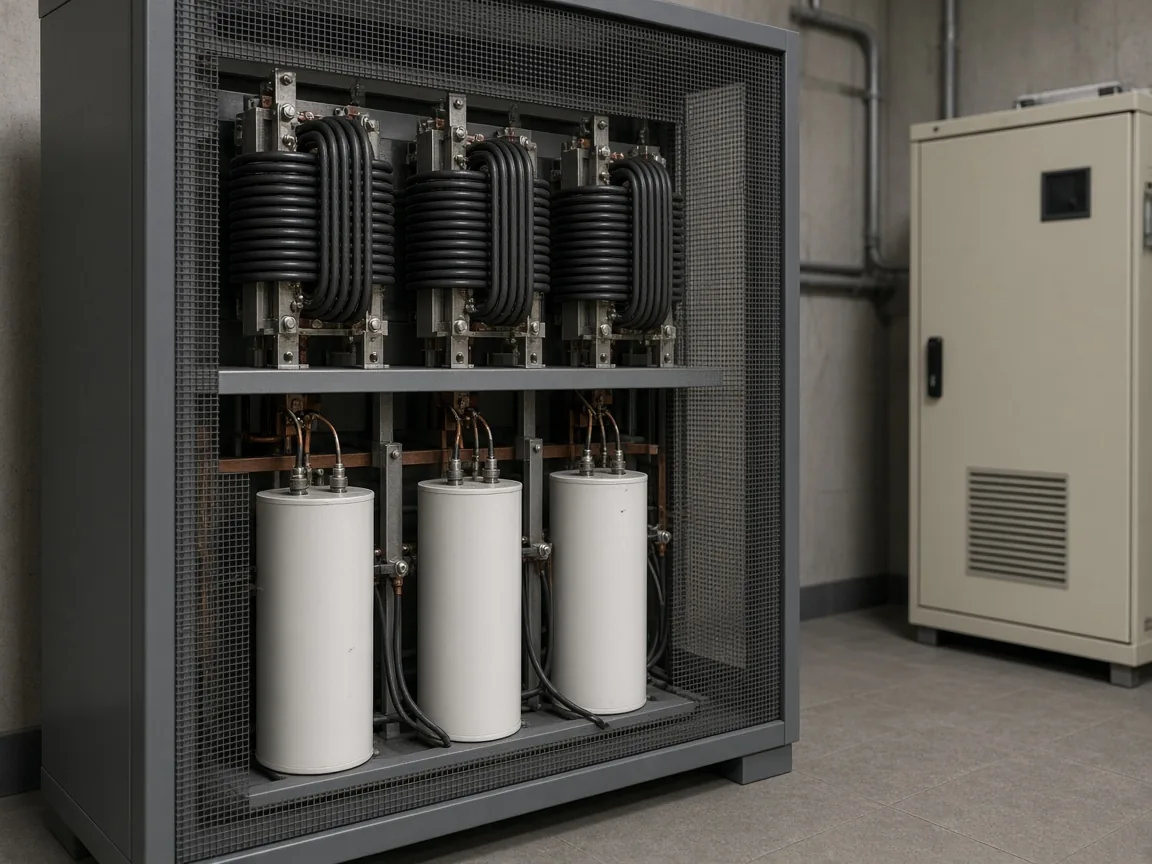
Trap and injection are not two names for the same box. A passive harmonic filter is a reactor and capacitor network, often with a resistor, built so one harmonic order prefers that branch and leaves the supply.
An active harmonic filter measures the distorted current and injects an equal, opposite harmonic current at the connection point. That injection is how active harmonic filter works on a plant bus: watch the waveform, invert the harmonic part, and return it so the source current is what remains.
People mix this up with a line reactor. A reactor adds impedance and softens the waveform a little.
It is not a tuned trap, and it is not an injector. If the only hardware on the drive input is a reactor, the comparison has not started yet.
An active front end is a third object. It is a drive that draws a cleaner current by switching its own rectifier.
A shunt active harmonic filter sits beside ordinary drives and cancels what they already draw. Replacing every drive is a different project from adding one cabinet on the bus.
A series passive package in the feeder and a shunt trap on the board also differ. The series unit sees that one load's current. The shunt branch offers a low-impedance path for selected orders.
Neither box watches the waveform or builds a canceling current, and both stay passive.
Where resonance and a detuned branch change the choice
Line-up of supply inductance and capacitor reactance raises current and voltage at that harmonic instead of calming the bus. Harmonic resonance is the name for that alignment. The rise happens when those two reactances match.
A tuned branch is built close to one order, often the 5th or 7th from six-pulse drives, so that order prefers the branch. It will also accept harmonic current from somewhere else on the network.
A later drive, or a stiffer utility, can push more current into that branch than the capacitors were built to carry. The branch then overheats, trips, or fails.
Important: A tuned branch can overload or trip when a later drive adds harmonic current the original tune never expected — harmonic filter selection notes.
Detuning is the usual answer when the plant already wants power-factor correction and cannot risk that alignment. A detuned harmonic filter is the branch set below the lowest order that matters, so detuning moves that resonance away from the orders the plant actually produces.
Some of the harmonic current stays on the supply. That leftover is the price of not amplifying it.
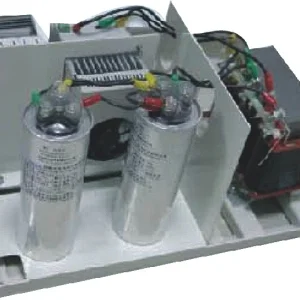
A harmonic filter vs capacitor bank comparison is a different decision. A bare capacitor bank is not a detuned filter. It is a reactive source sitting against transformer leakage inductance, which is exactly the pair field engineers blame when power-factor capacitors fuse or hum at the 5th and 7th.
If the bank is staying, the first move is often a series reactor that turns it into a detuned branch, not an immediate active cabinet. If the leftover distortion after that detune is still too high, or the load will not sit still, the injector is the next object, not a second sharp trap.
How light load, cooling, and bulk change the bill
Light load is where a cheap trap starts to misbehave. A passive branch keeps offering reactive current after the drives have stopped, and the power factor can swing leading.
Utilities sometimes bill or trip on that leading side. Drives that already run near unity do not want a large fixed capacitor current sitting on the board overnight. Switching the branch off at light load is possible, but then the trap is gone precisely when a single remaining nonlinear load might still need it.
An active unit does not have to inject a fixed capacitor current at idle. It injects what it measures, and it can add reactive current only when the control is told to. That is useful on a bus that is busy at noon and almost empty at night.
The room is the other half of the bill. A passive rack of reactors and capacitors is bulky when the current is large, and it has almost no electronics to service. An active cabinet is smaller for the same bus coverage, and it needs a ventilated place.
HYAPF states intelligent forced-air cooling, with redundant fans and speed regulation, plus a temperature alarm that shuts the module down if the threshold is passed. The page does not publish that threshold. A hot, dusty bay with no spare airflow is a poor place for that cabinet, even if the load otherwise wants injection.
Upkeep follows the hardware. The passive side is mostly thermal checks, connections, and capacitor health.
The active side adds fan filters, controller alarms, and a person who can read a harmonic display. Neither interval is a substitute for the other.
When both belong on the same bus
Mixed plants often need both methods, not a brand mash-up. A rolling mill or a furnace line can have a large, known 5th and 7th from a few big drives, plus smaller loads that change with the product.
A detuned branch can take the big, predictable orders and the reactive current the plant actually wants. A published hybrid study notes that a detuned branch does not clear every order. The active unit then cancels the moving remainder, which is a smaller job than asking the injector to swallow the whole bus alone.
That split also limits rating. An active cabinet is bounded by its compensating current.
It will not absorb an unlimited trap current the way a mistuned branch can, and it does not erase harmonics flowing between loads downstream of its connection. Putting the large steady orders on the passive side keeps the injector inside a rating that still covers the swings.
Do not call an active-front-end replacement a hybrid. Hybrid here means a detuned or tuned passive branch and a shunt injector on the same bus. It does not mean swapping every drive for a different rectifier.
The active power filter series includes active and hybrid compensation names beside HYAPF. Those neighboring units are for reactive and imbalance jobs. They are not a substitute for deciding whether the harmonic path should be a trap, an injector, or both.
| Bus you actually have | Method that fits | Why the other side loses |
|---|---|---|
| One or two drives, same speed all shift, known 5th and 7th | Passive or detuned branch | An injector adds electronics the spectrum does not need |
| Power-factor capacitors already on the board | Detune the bank before you add a sharp trap | A bare bank can resonate with transformer inductance |
| Many drives that start and stop, or a lineup that will grow | Shunt active harmonic filter | A one-per-drive trap multiplies bulk and still misses the next machine |
| Large known orders plus a changing remainder | Detuned branch and an active unit together | Either method alone is oversized or incomplete |
| Hot room, no spare airflow, almost no maintenance access | Passive, if the spectrum allows | Forced-air electronics will be the first thing to suffer |
Where HYAPF fits this comparison
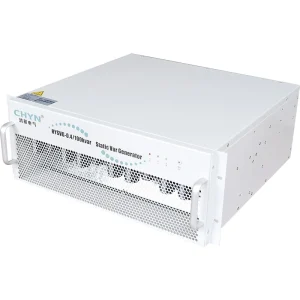
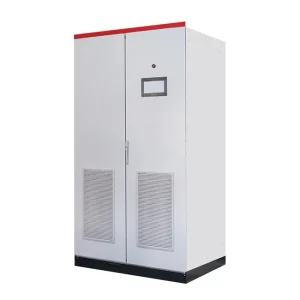
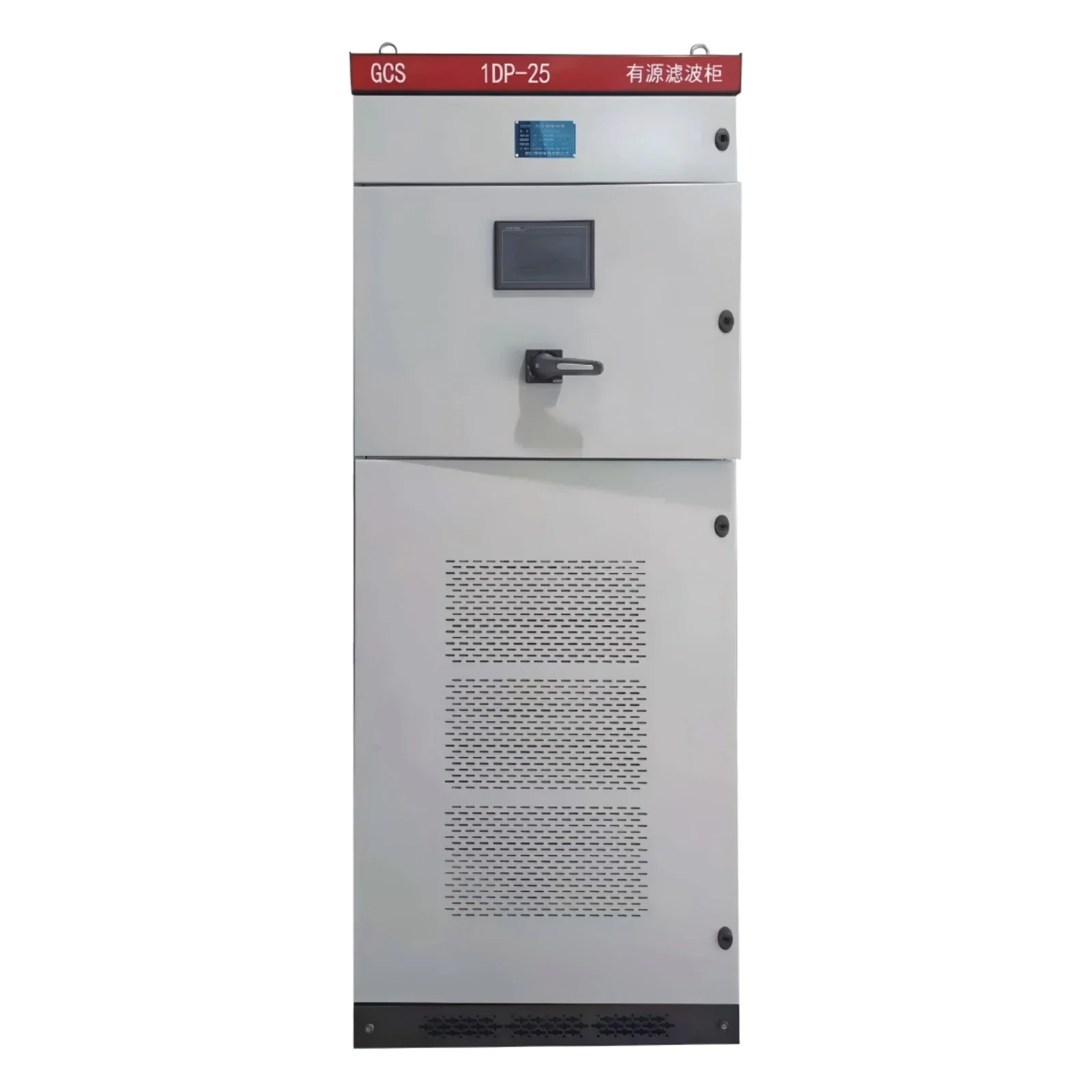
HYAPF is the active cabinet for the bus that already failed the steady-tune test. It is a modular low-voltage filter that measures load current and injects an equal, opposite harmonic current around nonlinear industrial and commercial loads.
The page also states reactive-power and load-imbalance support, and a modular way to build the filtering current the bus needs. Parallel modules, hot-swap, and redundancy switching are on that page. Open the HYAPF Series Active Power Filter when the active side is the one that fits.
The HYAPF page states a response time under 10 ms. Stated control accuracy on that page is THD under 5%.
Rated voltage on the HYAPF page is 400 V or 690 V. The three-level topology line on the page says loss is reduced by 60%.
Harmonic compensation is listed from the 2nd through the 51st order.
Those lines are the product page, not a measured result from a reader's plant, and they are not a grid listing. A steady spectrum that a detuned branch already handles does not become an HYAPF job because the cabinet exists.
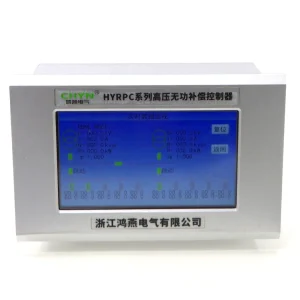
Cooling stays part of the fit. If the switchroom cannot feed the fans, stay with the passive side or move the cabinet. If the spectrum will keep moving, the display of voltage, current, THD, and power factor is the reason the electronic cabinet earns its place.
Sizing from a measured current cycle, and reading a block diagram, are different jobs. The design article covers the current rating. The diagram article covers how to read the blocks.
Plant context for a mixed industrial load sits on the manufacturing plant solution.
If the bus already looks variable and the voltage matches the page, contact CHYN with the drive list and a recent harmonic capture. That is a next conversation, not a form to complete inside this comparison.
FAQ
What are the disadvantages of using an active harmonic filter?
First cost is higher, the cabinet makes heat, and the fans and air path need upkeep. The unit stops at its rated compensating current, does not clean harmonics between loads downstream of its connection, and does not replace a missing voltage cycle.
What is the difference between a passive filter and an active filter?
A passive filter is a tuned reactor-capacitor network that offers a low-impedance path to selected orders. An active filter measures the distortion and injects the opposite harmonic current. In electronics textbooks the same words often mean an op-amp circuit, which is not this equipment.
What are the advantages of active filters over passive filters?
They follow a moving spectrum, cover several drives from one parallel cabinet, and do not have to sit at a leading power factor when the drives are off. Order coverage is wide, but only inside the unit's current rating.
What is the purpose of an active harmonic filter?
It cancels harmonic current the nonlinear load is drawing so the source current is cleaner. It can also support reactive current and imbalance when the control is set that way. It is not a surge arrester and not a backup supply.
What are the two main types of harmonic filters?
The two types in this comparison are a passive or detuned branch, and an active injector. A hybrid is those two working together, not a third mystery box.
What can be done to prevent voltage spikes in an active harmonic filter application?
Do not ask the injector to be the spike device. A filter can clean a distorted cycle.
It does not clamp a lightning transient or replace a missing cycle. Spike protection stays with the surge equipment the plant already specifies.
Can a detuned branch and an active unit share one bus?
Yes, when the large known orders belong on the detuned branch and the changing remainder belongs on the injector. That is the hybrid case above, and it is a load split, not a reason to buy both by default.