
 Zhejiang Hongyan Electric Co., Ltd.
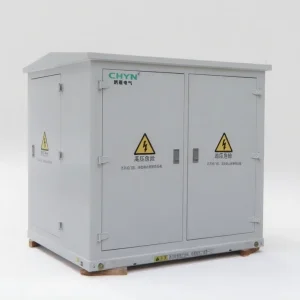
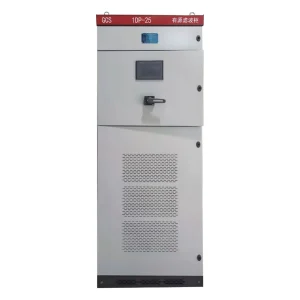
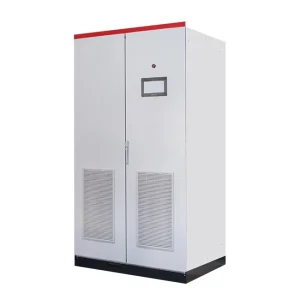
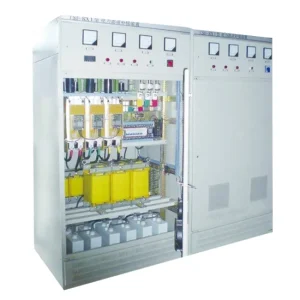
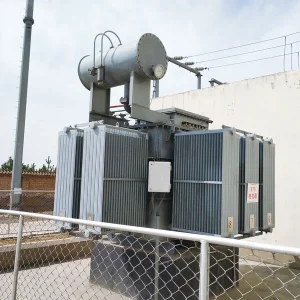
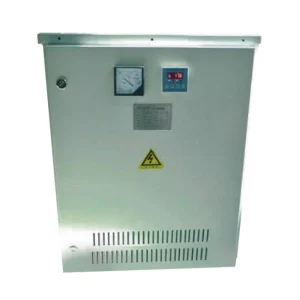
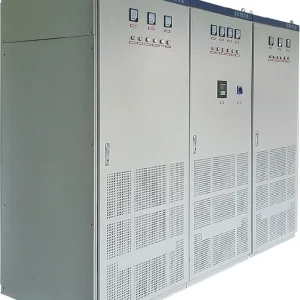
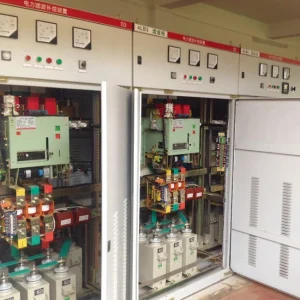
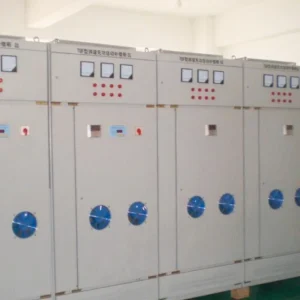
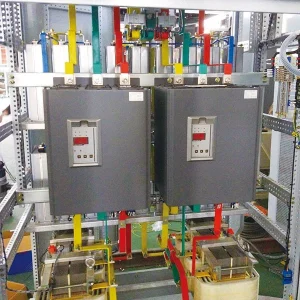
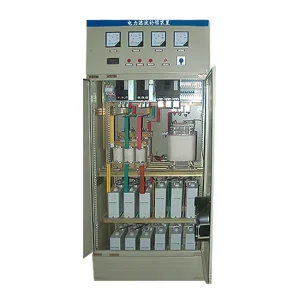
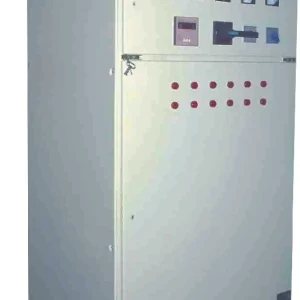
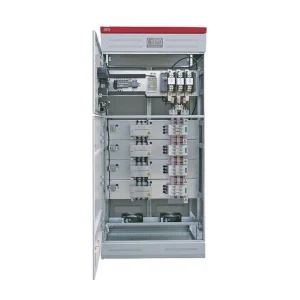
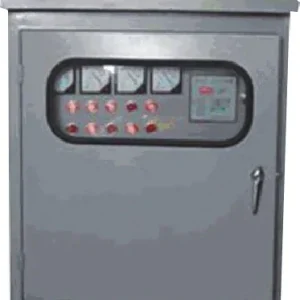
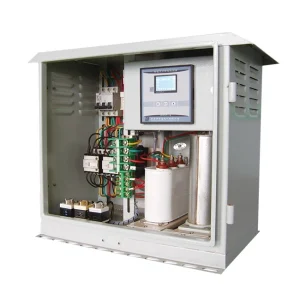
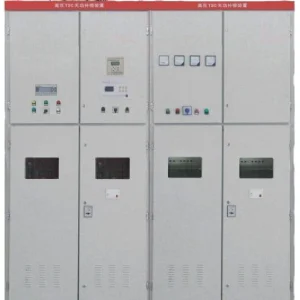
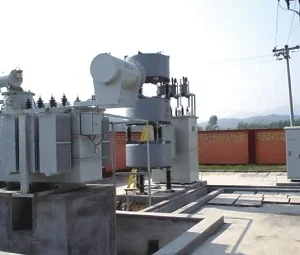
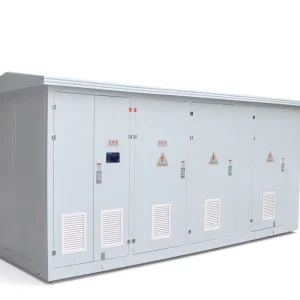
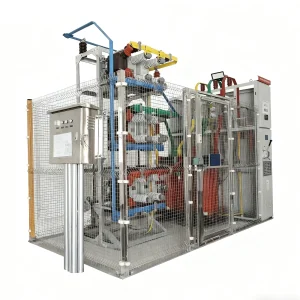
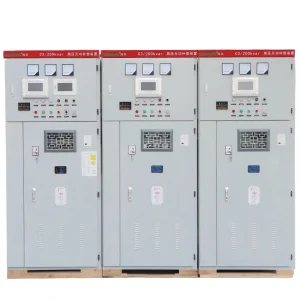
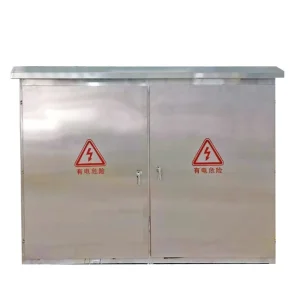
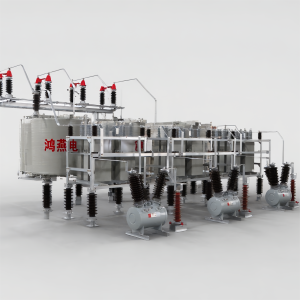
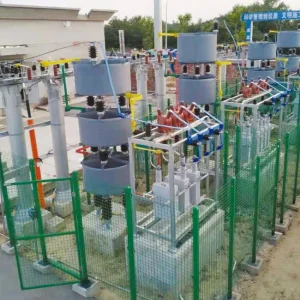
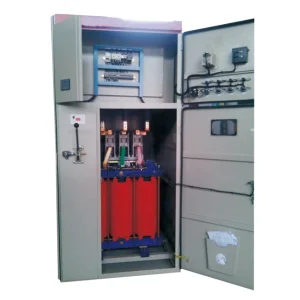
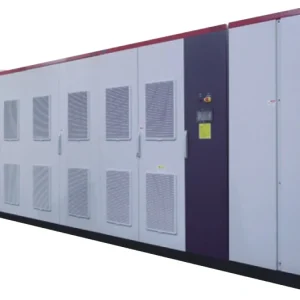
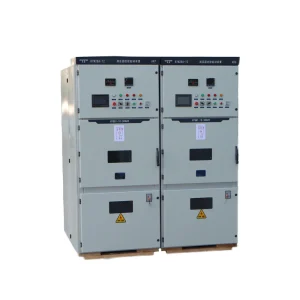
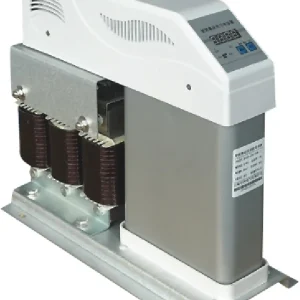
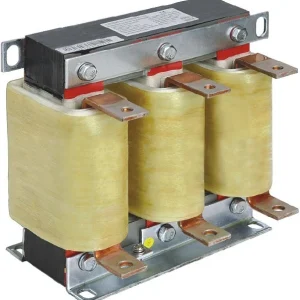
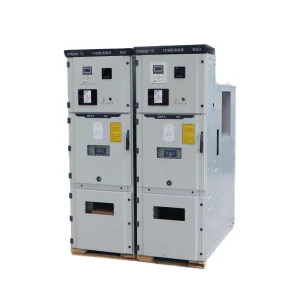
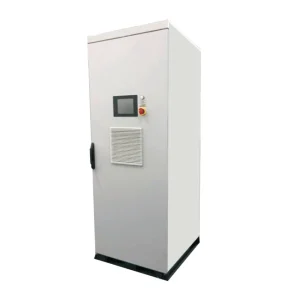
A static var generator high altitude specification needs two separate checks: whether the converter can deliver the required continuous current with the available cooling, and whether its insulation system is suitable for the installation elevation. A single percentage reduction cannot establish both. Give the supplier the actual altitude, cabinet inlet temperature, supply conditions and compensation duty, then request a documented capability statement for that combination. Do not transfer an altitude curve from a different manufacturer, a solar inverter or another CHYN product. The purchasing decision should follow the delivered assembly’s verified limits, including its auxiliary equipment.
Define the installation before comparing kvar ratings
A mountain processing plant may have cool outdoor weather and a warm electrical room. Use the temperature at the equipment air inlet rather than the regional weather average. Include the room ventilation arrangement, nearby heat sources, solar exposure where relevant, dust loading and the maintenance condition expected between service visits. Describe whether cooling air recirculates from the cabinet outlet to the inlet. These details belong in the enquiry because they affect whether the proposed configuration fits the site.
State the highest installation elevation in metres above sea level, not the shipping destination. A distributor’s warehouse and the eventual mine or pumping station may be at very different heights. If the project includes several sites, identify each separately. Ask for the operating envelope to appear on the approved technical schedule, with any restrictions carried through to the purchase order and commissioning documents.
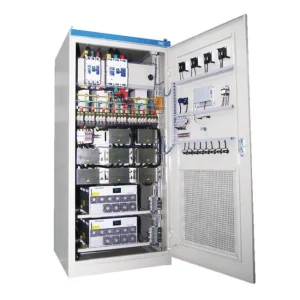
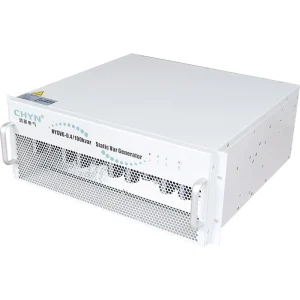
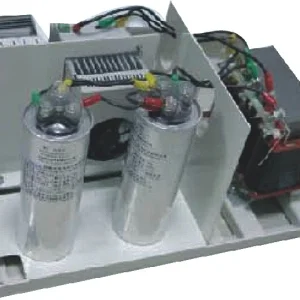
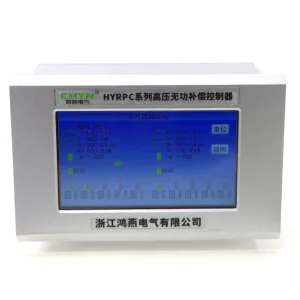
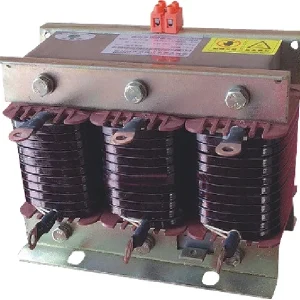
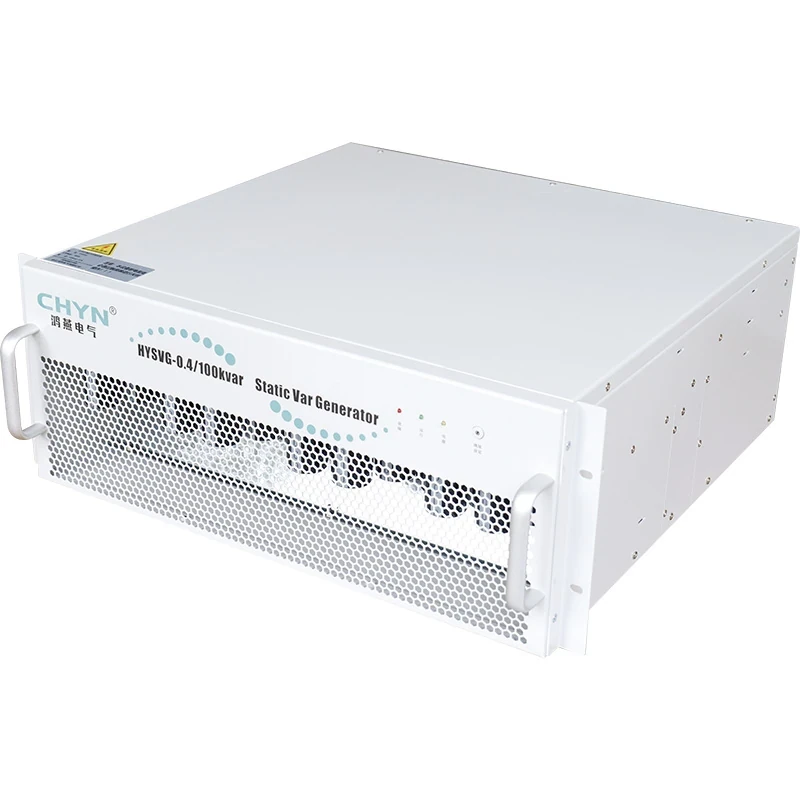
The CHYN HYSVG static var generator is a relevant product starting point. Its photograph and general product description are not evidence of an altitude-qualified configuration. Request confirmation for the actual assembly, voltage class and duty. For the underlying compensation concept, see how a static var generator supplies reactive current.
Understand why cooling and insulation need different evidence
The National Radio Astronomy Observatory’s technical memo on forced-air cooling at high altitude explains that changes in air properties affect heat transfer and fan performance. Its calculations concern particular geometries and conditions; they are not a derating chart for an SVG. The practical implication is to ask for assembly-specific thermal evidence rather than assuming unchanged fan speed guarantees unchanged cooling.
Insulation is a separate review. The official IEC 60664-1:2020 scope description covers insulation coordination for equipment within its low-voltage limits and includes guidance for use above its reference altitude. The catalogue also identifies a consolidated version with a 2025 amendment. The responsible designer must select the applicable edition and product standards. This article does not reproduce standard tables or prescribe a clearance multiplier.
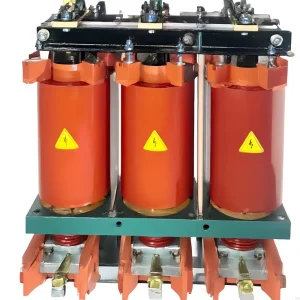
A satisfactory temperature test does not establish dielectric suitability. Likewise, an insulation assessment does not prove continuous output in a warm, restricted enclosure. Keep these approvals as separate items in the submittal so that neither disappears behind a general statement such as “suitable for mountain service.” Medium-voltage equipment and associated transformers require their own applicable assessment; a low-voltage reference cannot establish their acceptance.
Use a review table that separates the decisions
The following checklist organizes the enquiry. It is a procurement framework, not a standard test schedule or a declaration of CHYN performance. Each requested record should identify the assembly and the conditions to which it applies.
| Review item | Information to provide | Evidence to request |
|---|---|---|
| Continuous compensation | Voltage range and reactive current duty | Available continuous current at the declared altitude and inlet temperature |
| Cooling arrangement | Room layout, dust and ventilation restrictions | Approved airflow paths, heat rejection and maintenance requirements |
| Insulation coordination | Elevation, voltage class and installation environment | Applicable standards, edition and assessment of the delivered assembly |
| Auxiliary components | Control supply and fitted accessories | Compatibility of fans, power supplies and switching components with site conditions |
| Commissioning | Expected operating modes and accessible measurements | Agreed acceptance criteria and records without exceeding approved limits |
Convert required kvar into a clearly stated current duty
At a balanced three-phase operating point with approximately sinusoidal voltage and purely reactive fundamental current, Q = √3 × VLL × Iq. Here Q is reactive power in var, VLL is line-to-line RMS voltage in volts, and Iq is reactive current in amperes. This relationship helps express the enquiry consistently; it does not determine the converter’s altitude capability, harmonic duty or protection limits.
For an illustrative 100 kvar requirement at 400 V, Iq = 100,000 ÷ (√3 × 400), or approximately 144.3 A. If the same reactive power were required at 380 V, the corresponding current would be approximately 151.9 A. These are hypothetical system inputs, not CHYN ratings. A quotation should identify which voltage and current point it guarantees, including any simultaneous duties that consume converter capacity.
Do not invent an altitude factor and multiply a nominal kvar label by it. Ask the supplier whether the limitation is stated in current, reactive power, ambient temperature, voltage, or a combination. If several modules are proposed, request the continuous capability of the assembled system under its actual ventilation arrangement. A sum of catalogue module ratings does not resolve the installation question. See SVG sizing inputs for the broader load assessment.
Review the complete cabinet and room heat path
Start with a simple annotated layout showing where cool air enters, where warm air leaves and how the room removes that heat. Include service clearances and obstructions created by cable trays, walls and adjacent panels. Send this drawing with the enquiry rather than waiting until equipment arrives. If filters or protective screens are required, identify them before approval because the final airflow path must include those restrictions.
Ask which thermal conditions were represented in the supplier’s evidence. A test on an open module, a different enclosure or a cabinet with fewer installed sections may need an engineering explanation before it supports the proposed assembly. Request the assumptions explicitly: inlet temperature, load duration, fan operating state and fitted options. Record any differences and the party responsible for resolving them.
For remote sites, service access matters as much as initial performance. Agree how operators will detect a failed fan or blocked filter, where replacement parts will be stored and how compensation will behave while maintenance is pending. Do not assume a thermal alarm is an instruction to keep operating. The manufacturer’s response procedure should specify when the unit limits output, stops or requires inspection.
Coordinate protection without masking a thermal limitation
An output reduction during a hot shift can be mistaken for insufficient demand or a measurement problem. Preserve operating records showing requested compensation, actual current, supply voltage, temperature indications and alarms on a common timeline. Compare similar load states. A single power-factor reading cannot distinguish a control target from an available-current limitation.
Check whether the proposed duty includes low-voltage periods. At a fixed kvar requirement, lower voltage requires more reactive current under the simplified balanced relationship above. This creates a separate capacity question from the altitude assessment. The article on SVG behavior during undervoltage explains the records needed to distinguish a current limit from a trip. Do not increase protection settings to hide an unexplained limitation.
Agree which operating conditions require an alarm and which require withdrawal from service. Record the authorized settings and retain a backup before commissioning. Any later firmware, module or cooling change should trigger a review of whether the original capability statement still applies. An apparently equivalent replacement can change the configuration on which approval depended.
Plan acceptance around a documented envelope
Before delivery, settle what evidence will close each open item. Suitable records may include an engineering declaration, relevant test reports, an approved assembly drawing and a site commissioning procedure. The acceptance package should distinguish laboratory evidence from measurements that can safely be made on site. An ordinary site trial cannot reproduce every environmental or dielectric condition, so identify those limitations explicitly.
During commissioning, use qualified personnel and an approved procedure. Verify the installed configuration, airflow direction, unobstructed paths, indicated temperatures and agreed current duty. Capture enough operating time to assess the defined condition, with duration and stopping criteria agreed by the responsible engineers. Do not deliberately block airflow, disable protection or exceed ratings to simulate altitude. Such improvisation does not produce a valid qualification.
Close the purchase with an accessible operating envelope: permitted altitude, temperature, supply conditions, continuous duty and maintenance obligations. Assign ownership for unresolved assumptions. If evidence is incomplete, keep the affected performance claim open rather than treating successful energization as full acceptance. A clear record makes future troubleshooting and expansion much easier.
Educational background: forced convection
The NPTEL IIT Bombay lecture below explains forced-convection cooling. It provides background for discussing thermal evidence with a supplier; it does not specify an altitude factor, CHYN cabinet construction or a commissioning method.
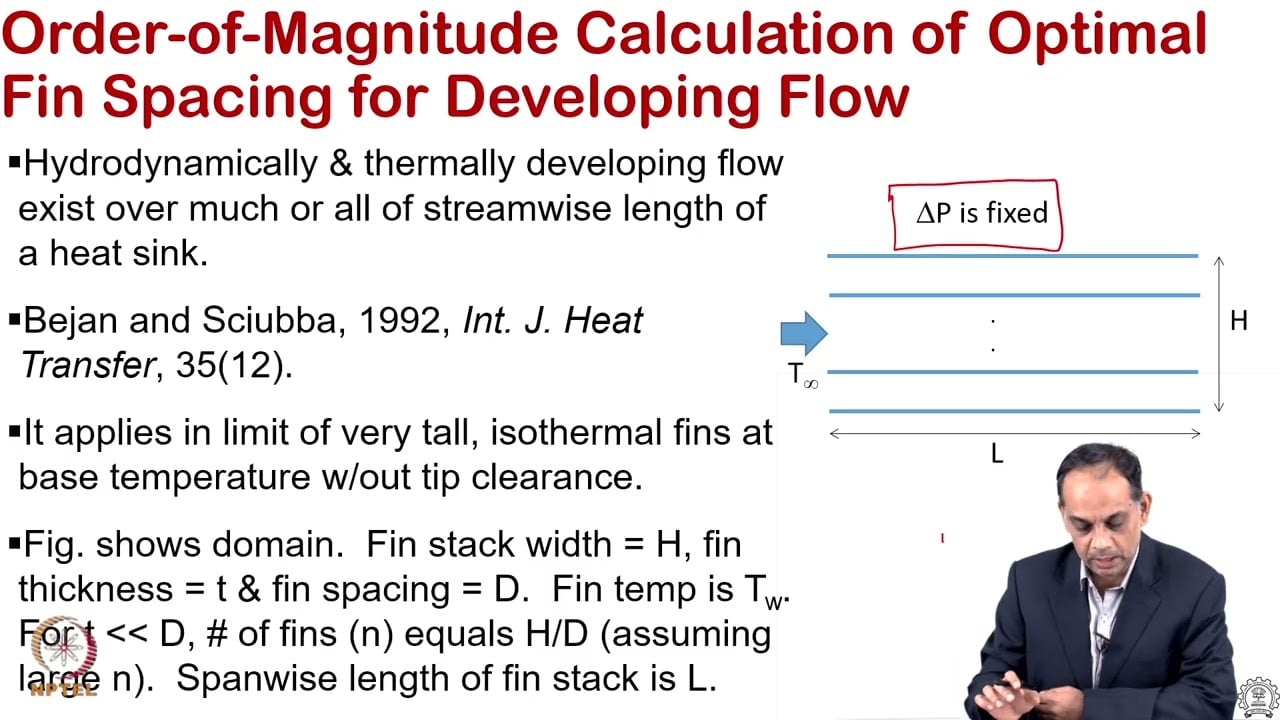
Watch the educational lecture on YouTube.
Frequently asked questions
Is there one altitude derating percentage for every SVG?
No. Obtain a capability statement for the exact assembly, elevation, inlet temperature, voltage and duty. A percentage taken from another converter cannot establish its performance or insulation suitability.
Does cold mountain weather eliminate the cooling review?
No. State the actual cabinet inlet conditions and room ventilation. Outdoor weather does not establish the temperature or airflow available inside the electrical installation.
Can a larger nominal kvar rating solve every altitude issue?
No. Additional nominal capacity may help only within an approved operating envelope. It does not independently establish insulation coordination, component suitability or adequate cabinet heat rejection.
What should accompany a high-altitude SVG enquiry?
Provide site elevation, inlet temperature range, voltage and frequency, reactive current duty, enclosure requirements and room layout. Request separate thermal and insulation evidence plus defined commissioning acceptance criteria.