
 Zhejiang Hongyan Electric Co., Ltd.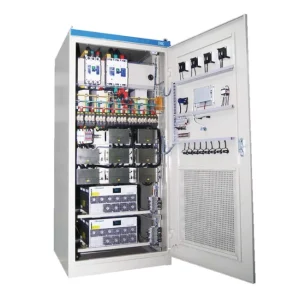

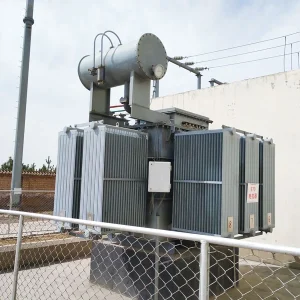
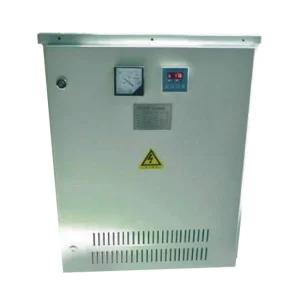
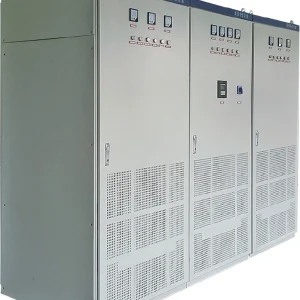
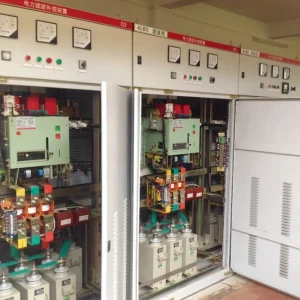
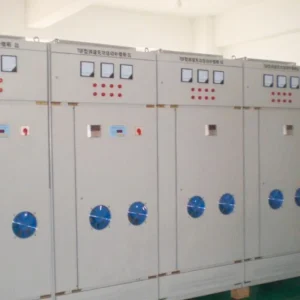
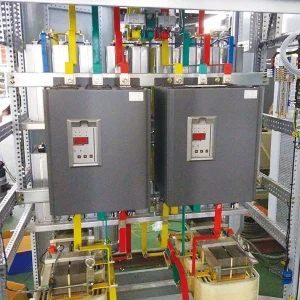
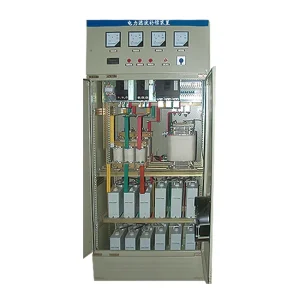
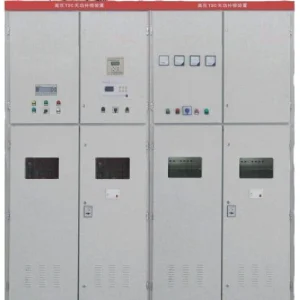
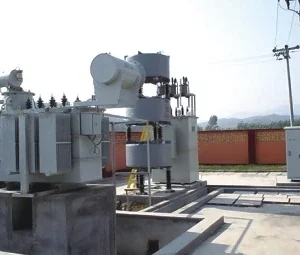
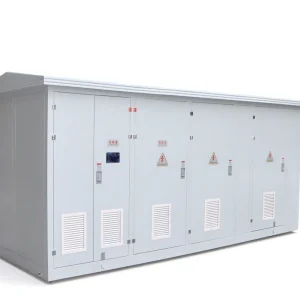
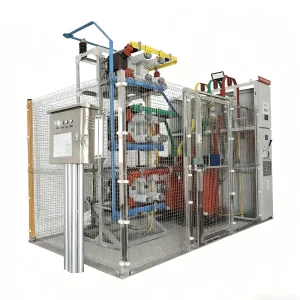
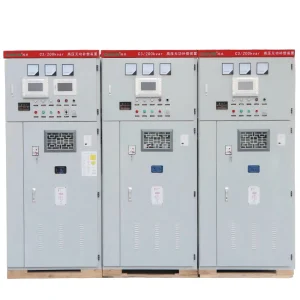
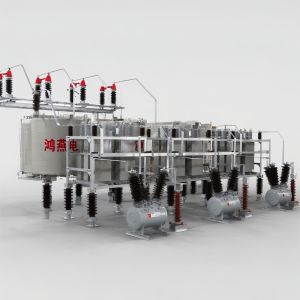
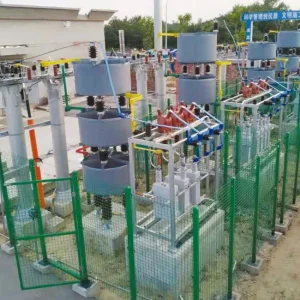
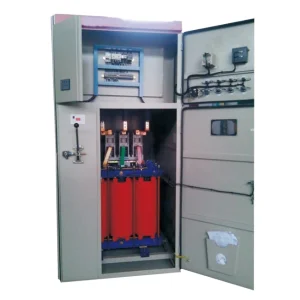

Capacitor bank maintenance, while the bank is already in service, is a look at visual and alarm cues, a decision to isolate a step or the whole bank when a finding is unsafe, and a written record the next outage can check.
Walk the live bank for a bulge, a leak, heat at a joint, and any alarm before a door comes open. Switched steps add contactor wear, and a clogged filter sits in the same cabinet. The bank is there so power factor holds while inductive load swings.
Putting the bank on the bus the first time is a different sequence from this walk.
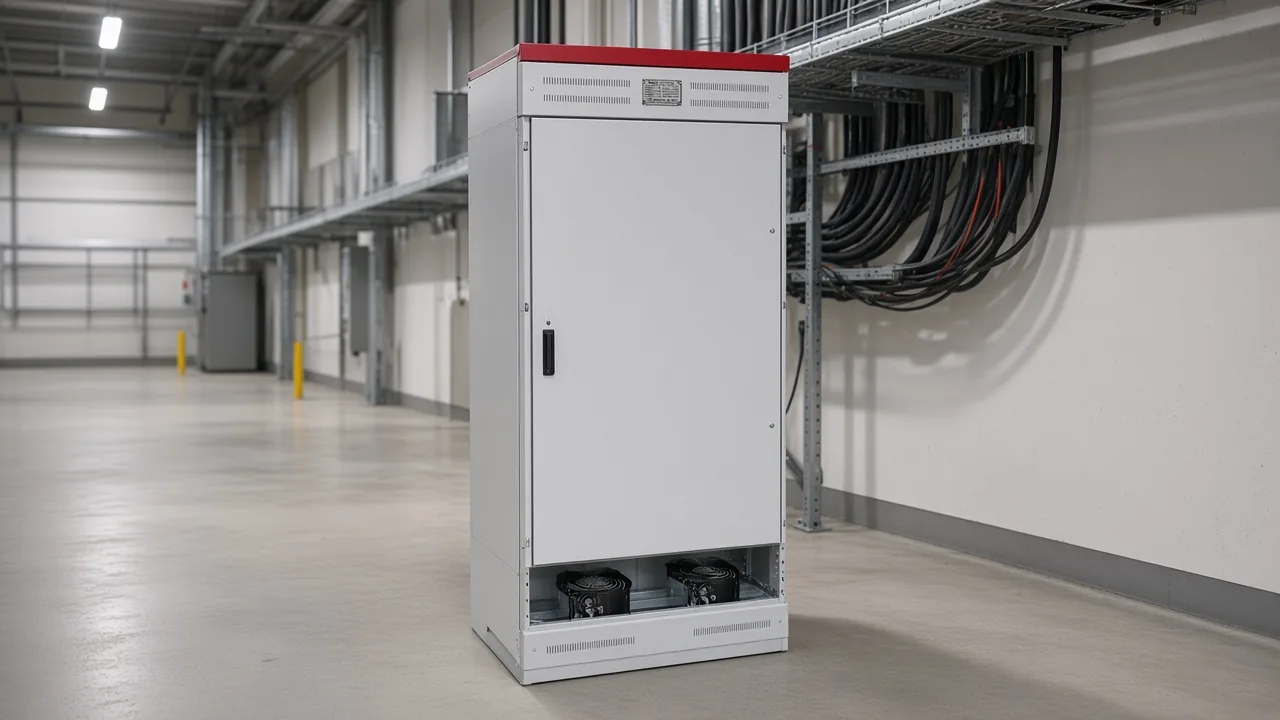
What You Can Check While the Bank Stays Energized
While the bank stays energized, look for bulge, leak, discoloration, a hot connection, a blown-fuse or unbalance alarm, and a clogged filter.
Many manufacturer bulletins group a preventive visit about twice a year. Dirty, hot, or heavily switched sites need shorter visual checks. Keep that grouping as a bulletin habit for the room you have, and keep it apart from any interval printed for one cabinet.
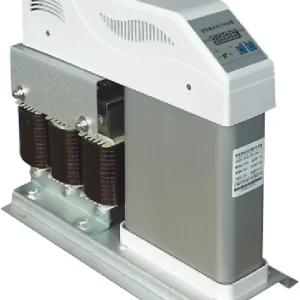
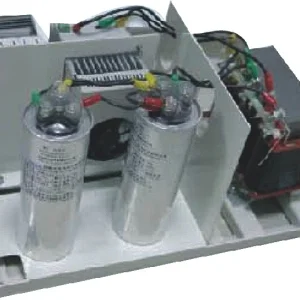
A shunt capacitor bank gives you most of this list from the aisle. Cans, joints, indicator lamps, and the filter are the objects. You are not opening a meter case on this pass.
After the bank has been on for at least 1 hour, with the steps that should be on actually on, treat a connection more than 20 degrees above the room, or hotter than the other phases, as a defect to clear before the bank stays in service.
Upper metal runs warmer because heat rises, so judge a joint against the other phases. Use an infrared scan while the bank is loaded. A thermal inspection is the same look under the camera's other name.
Read a blown-fuse lamp on the walk, and read an unbalance alarm beside it. An unbalance alarm means leave that step out until the can is known. A blown fuse with an unknown cause takes the whole bank out, not only the lamped step.
Clogged cooling paths show up as heat between electrical tests. An enclosure filter, including a cooling-fan filter, packed with dust will cook the cabinet even when the cans still look intact.
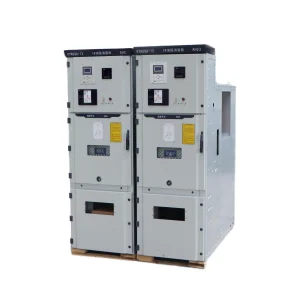
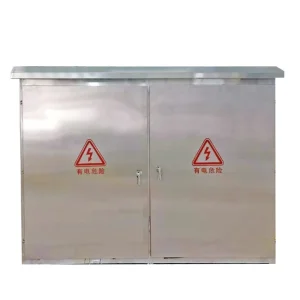
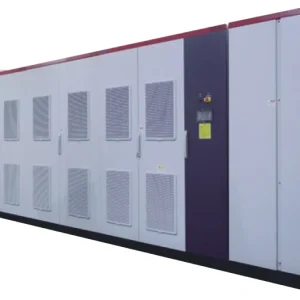
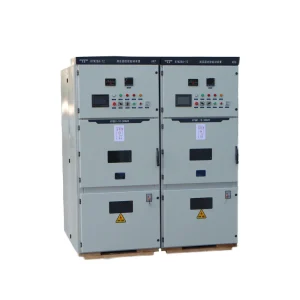
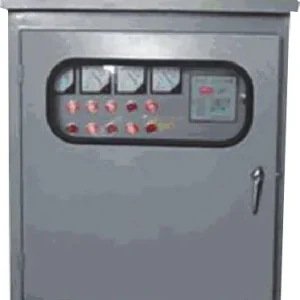
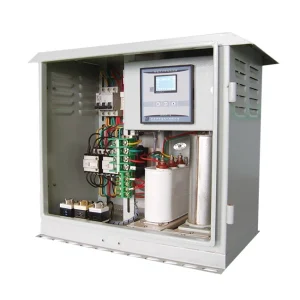
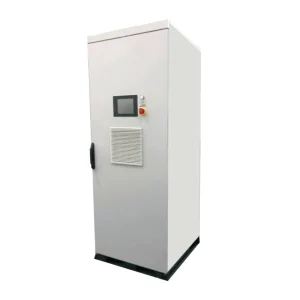
Those same walk-by cues still apply when the equipment is a high-voltage capacitor bank already on the bus. The cabinet matched at the end of this walk is a low-voltage unit.
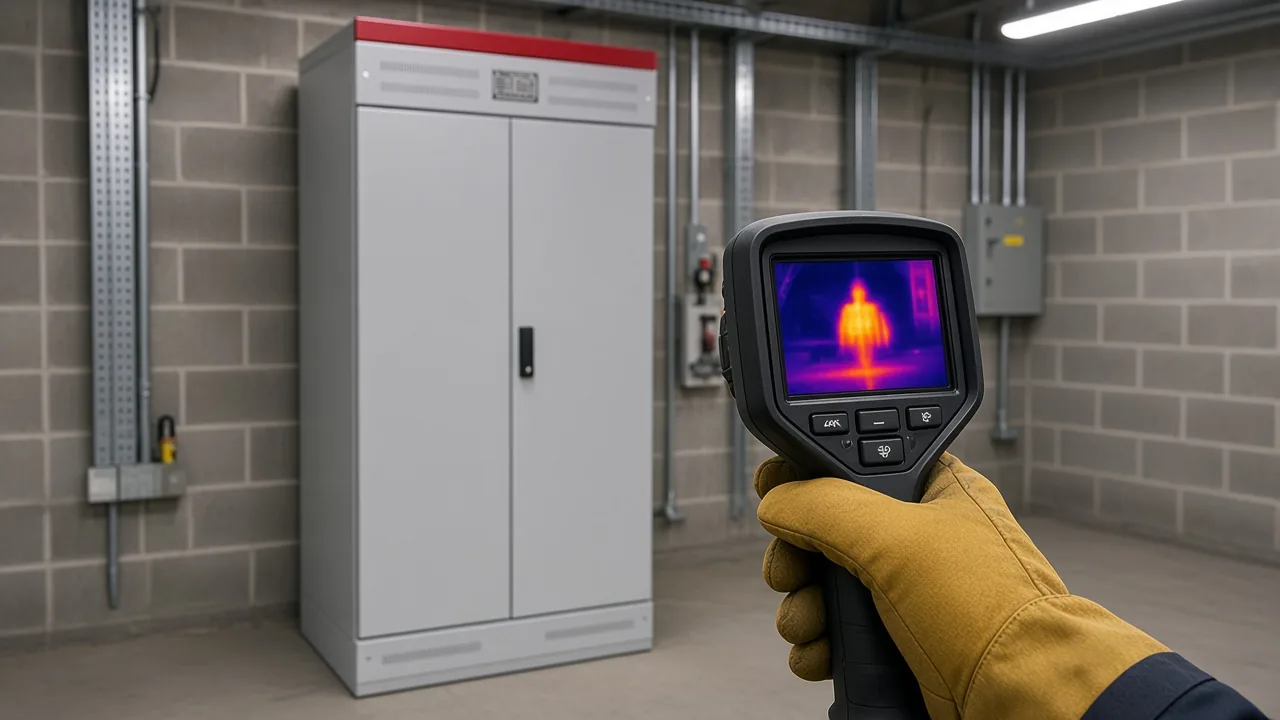
Findings That Take a Step or the Bank Offline
Isolate the failed unit for a bulge, a leak, a rupture, or spilled fluid. Take the whole bank out when a fuse has opened and the cause is unknown. Keep hands off the bank when the discharge path cannot be shown safe before anyone touches a terminal.
Spot a bulged capacitor unit by the case pushed out from internal pressure. In plain terms that is a swollen can. Leave it out, and treat spilled fluid as a hazard that keeps the unit out of service.
Lock the supply off before the cabinet becomes a workplace. That lockout keeps the open door from being a live workplace.
Important: A discharge circuit can fail, and a shock hazard can remain for a long time. — Fluke note on correction capacitors.
On units built with an internal discharge device, designers aim for residual voltage under 50 V inside 5 minutes. A discharge resistor is that device: it should bleed the can down after the supply opens, and it can fail open. Prove the voltage is gone before a hand goes on a terminal.
An already-open supply still leaves the reach-in risk if that path has failed. The person who treats a dark lamp as a dead can is the person the warning is for.
| Finding | Action | What limits the action |
|---|---|---|
| Bulge, leak, rupture, or spilled fluid | Take that unit out | Handle it as a pressure and fluid hazard |
| Joint hotter than the room or the other phases | Clear the joint before the bank stays in | Bank on for at least 1 hour, and the steps that should be on are on |
| Blown fuse, cause unknown | Take the whole bank out | Find why the fuse opened before any return |
| Unbalance alarm | Take that step out | Step stays out until the can and the fuse cause are known |
| Discharge path cannot be shown safe | Keep hands off the bank | An open supply still leaves stored energy if the path failed |
Swollen cans stay a unit-out decision. An unknown fuse opening stays a bank-out decision. Mixing those two sends a bad can back on the bus with a fresh fuse.
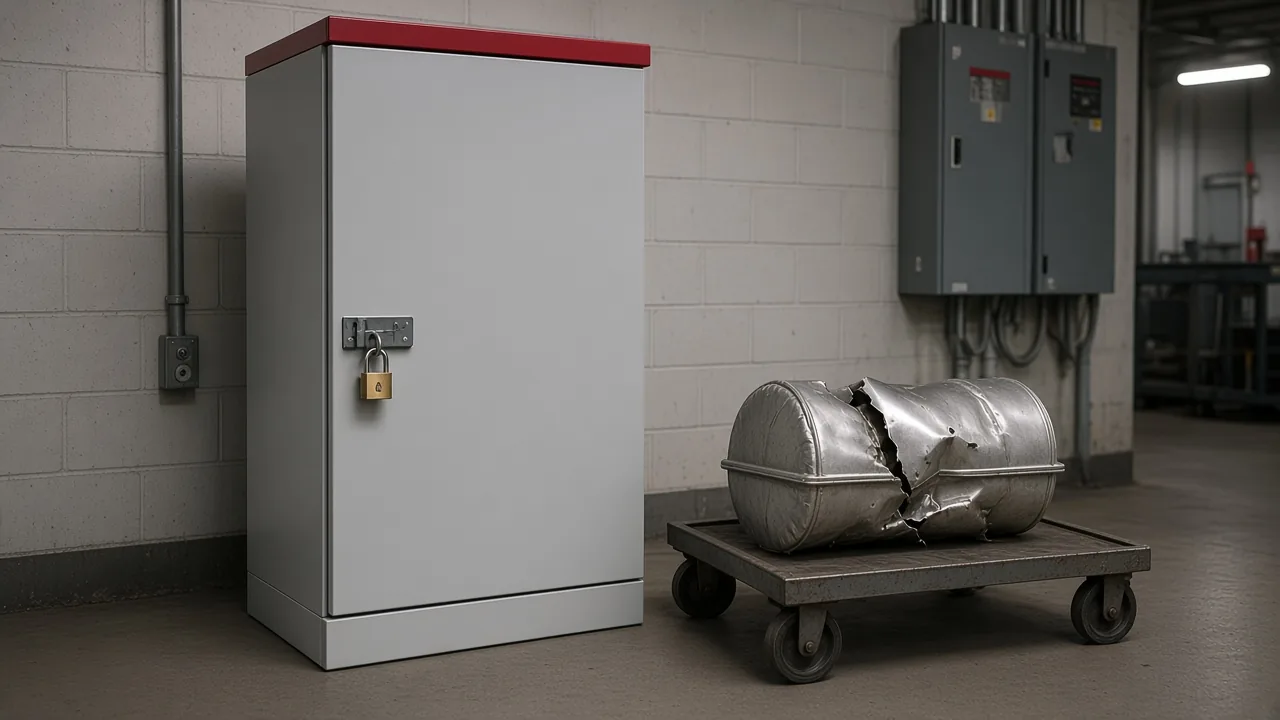
Fuses, Alarms, and a Discharge Path That Can Fail
An unbalance alarm means that step is no longer the bank you think it is. Leave that step out until the can is known. A blown fuse whose cause is unknown takes the whole bank out until the opening is explained.
Read a capacitor fuse as the device that opens a failed unit. Dropping in a new fuse and walking away hides the cause. The step that was balanced yesterday is a different step once one can is gone.
Read an unbalance alarm as the protection that shows a step is no longer balanced. Neutral unbalance is the same warning where the bank watches the neutral. Leave the controller's wiring alone on this walk; the alarm itself is the maintenance fact.
Treat an open discharge path as a shock hazard that remains after the supply is off. Apply that bleed-down aim only where the unit actually has the resistor. Confirm the terminals before contact.
A fuse that stayed closed does not clear the can. Heat can ruin a unit while the fuse still looks healthy, so the visual and the alarm still lead.
Contactor and Switch Wear on a Switched Bank
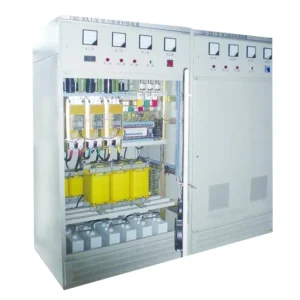
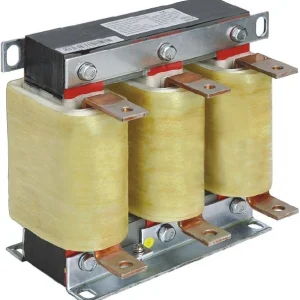
Inspect the contactor or the switch for pitting and welding, and look for a burnt damping resistor. Those parts wear because the bank switches, and they are a different problem from the cans.
Find the damping resistor across the capacitor-switching contactor. If it burns, the contacts wear faster. Shop talk also calls it a dampening resistor.
From the field: Capacitor switching is hard on contactors, and a dampening resistor across them means the contacts wear faster if that resistor burns. — Mike Holt thread on PFC capacitor upkeep.
Look at the contact faces during the outage that already has the bank proven dead. Pitting and a welded face are replace-the-device findings.
Skip any year count for these contacts. The controller that calls the steps may be named, and its terminal layout stays with the wiring job, not this walk.
Dirt, Vermin, and the Cabinet Enclosure
Clean a proven-dead cabinet with a vacuum. Never blow it out with compressed air.
Check the enclosure filter, the rodent guards, and the cabinet skin. Dirt and vermin overheat a cabinet between electrical tests. A cooling-fan filter packed solid does the same harm as a blocked vent.
Keep panels clean and connections tight. Shop floors that have already smelled smoke in the electrical room still come back to that pair, because a bank can come apart overnight with no earlier alarm.
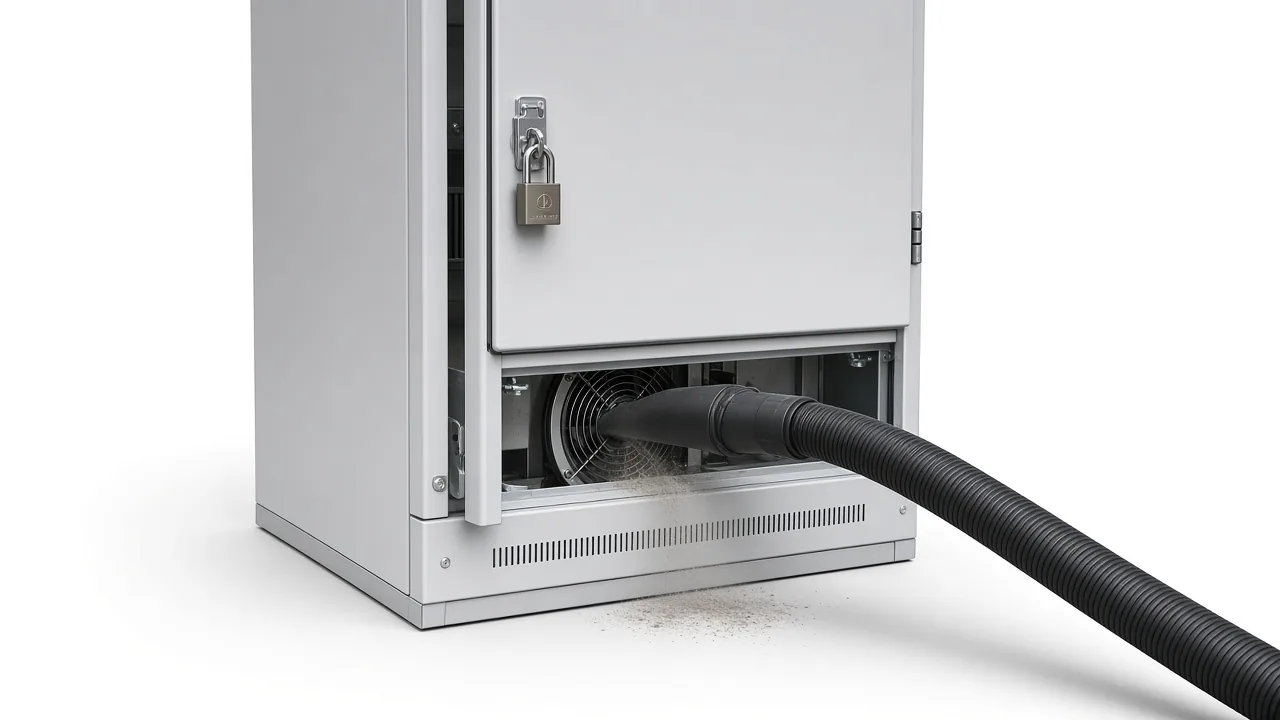
The Record That Makes the Next Outage Checkable
Write the date, the step, the visual result, any fuse or alarm, the discharge check, the capacitance reading against the nameplate or the last reading, and whether the step was returned.
Compare capacitance with the nameplate, or with the earlier reading, only after the bank is proven dead. Name the capacitance measurement, and leave the meter steps for a different job. Call the same check a nameplate microfarad comparison when the nameplate is what you have.
Note whether the phase currents still match, and file any thermal notes with the step that ran hot. The next planned outage is blind if nobody wrote which step stayed out.
| Record field | Why the next outage needs it |
|---|---|
| Date and step | Shows which group was touched |
| Visual result | Bulge, leak, discoloration, or a can that still looks sound |
| Fuse or alarm | Stops a replaced fuse from hiding the cause |
| Discharge check | Shows the path was proven before contact |
| Capacitance versus nameplate or last reading | Gives a trend for the next visit |
| Current balance and thermal notes | Shows whether one phase ran away from the others |
| Returned or left isolated | The next crew knows what was left out |
Where a Dynamic Low-Voltage Cabinet Fits This Job
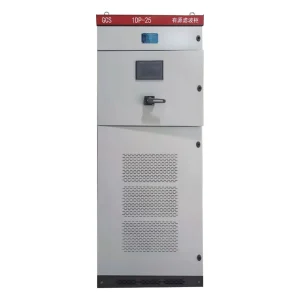
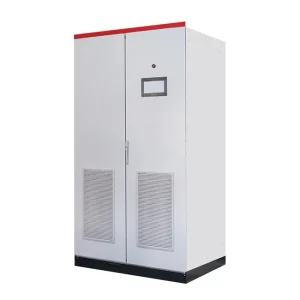
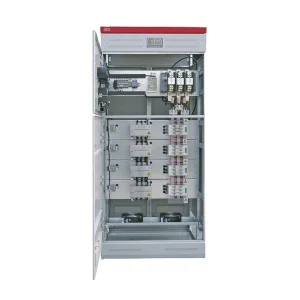
HYTBBD fits this inspection list because it is a switched low-voltage cabinet: the controller changes capacitor groups with dynamic switching devices as inductive load moves, the protections you already watch are named, and ventilation channels sit in the modular cabinet.
Protections published for this cabinet cover over-current, over-voltage, under-voltage, short circuit, harmonic overload, and capacitor fault. It is aimed at sites with large swings in inductive load.
Open the HYTBBD dynamic compensation cabinet when the room already holds a switched low-voltage group cabinet and you want those published protections beside this inspection list.
Rated voltage runs from AC 380 V to AC 1140 V, and the sheet allows a ±15% band on that rating.
The sheet lists 50 Hz or 60 Hz, each with a ±4% band.
Ambient spans −10°C to +45°C, relative humidity stays at or below 95% without condensation, and altitude stays at or below 4000 m with derating above 2000 m.
Per-group rating on the sheet: 15 to 60 kvar.
Floor-standing construction, an IP30 marking, and continuous operation are on the same sheet.
Look for a published reactive target of 0.95 or higher, and skip any sizing worksheet here.
Skip this cabinet if you came for a discharge time, a contactor model, a fuse rating, or an inspection interval. Those figures are absent from this series, so the walk above stays the decision list. No running log from a named site is attached to it.
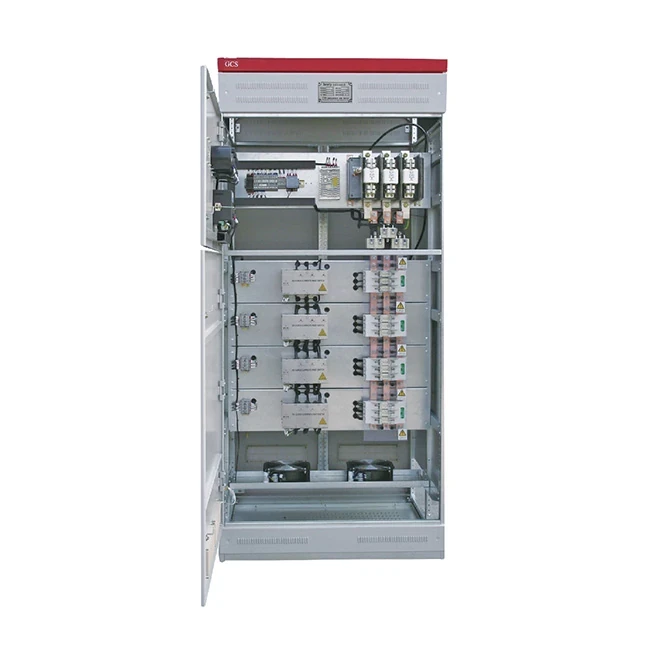
Match the published voltage, the ambient limits, and the protection names to the cabinet already in the room. That reading step is the next move.
FAQ
How to maintain a capacitor bank?
Walk the energized bank for bulge, leak, heat, alarms, and filters, then isolate anything unsafe. Write the step, the discharge check, and the last capacitance so the next outage can be checked. Timing follows dirt, heat, and how often the controller switches.
What are the common causes of capacitor banks failing?
Heat at loose joints, cans that bulge or leak, harmonic overload on a step, and worn contactors on a bank that switches often. A fuse that never opened still leaves a bad can in the circuit.
How do you test a capacitor bank?
After the bank is proven dead, compare capacitance with the nameplate or the last reading, and note current balance plus the discharge check. Instrument steps belong in a different job.
What is the typical lifespan of a capacitor bank?
No year figure is published here. Life moves with heat, harmonics, switching duty, and whether the discharge path and the connections stay intact.
When should a capacitor bank step be taken out of service?
- Take that unit out for a bulge, a leak, a rupture, or spilled fluid.
- Take that step out for an unbalance alarm.
- Clear a hot joint before the bank stays in.
- Take the whole bank out when a fuse has opened and the cause is unknown.
- Keep hands off the bank when the discharge path cannot be shown safe.
What should a capacitor bank maintenance record include?
Date, step, visual result, fuse or alarm, discharge check, capacitance against the nameplate or the last reading, and whether the step went back in.
How often should a capacitor bank be inspected?
Bulletin summaries often place a preventive visit near twice a year. Dirty, hot, or heavily switched rooms need the eyes-on checks sooner. This series prints no interval of its own.