
 Zhejiang Hongyan Electric Co., Ltd.
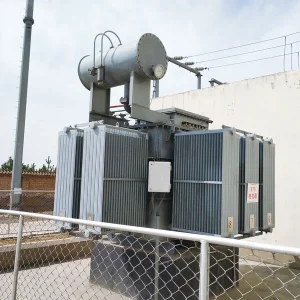
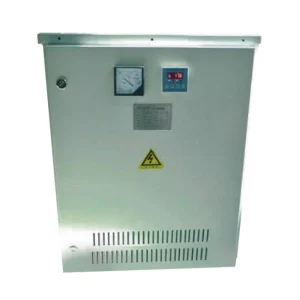
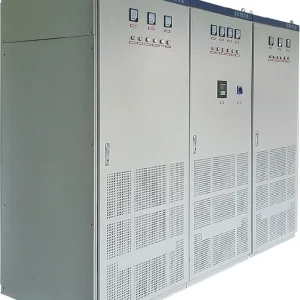
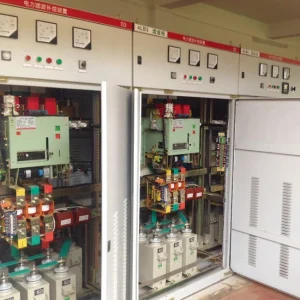
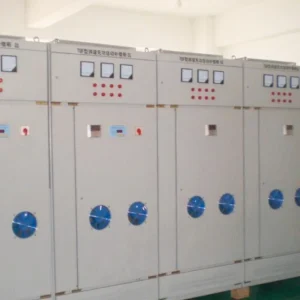
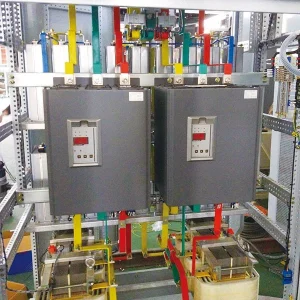
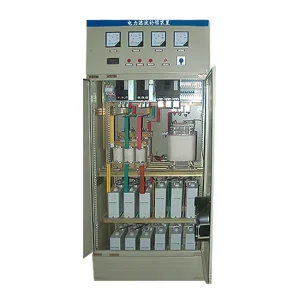
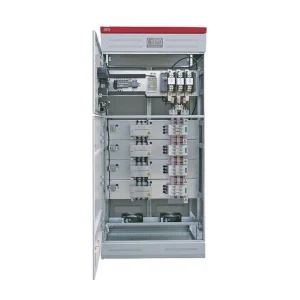
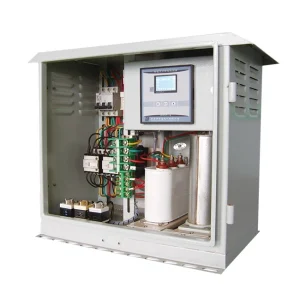
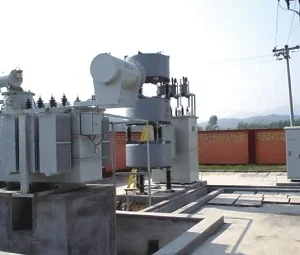
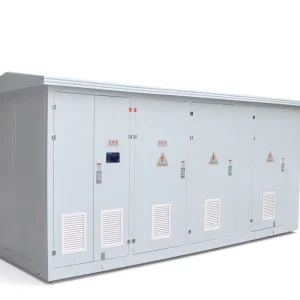
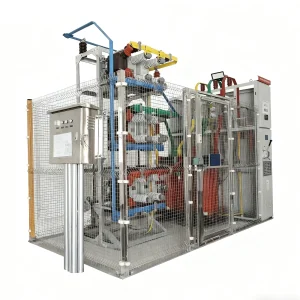
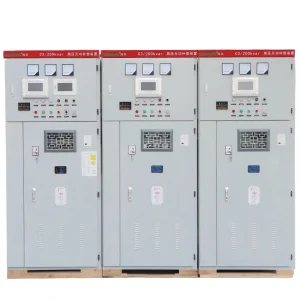
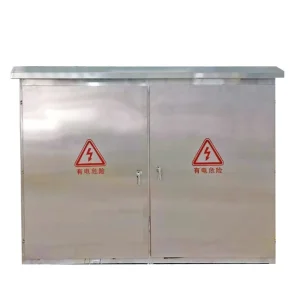
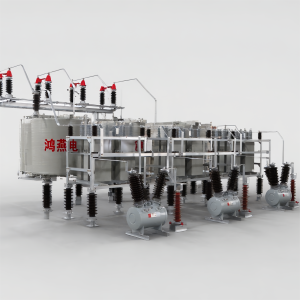
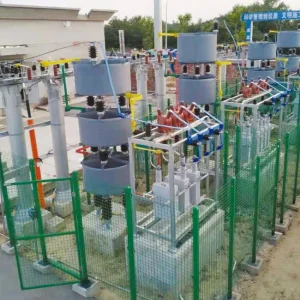
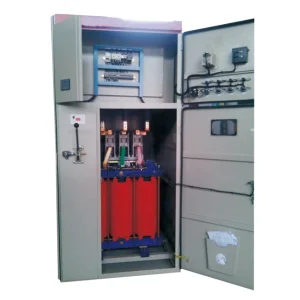
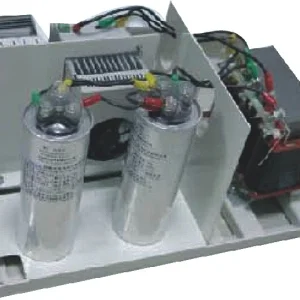
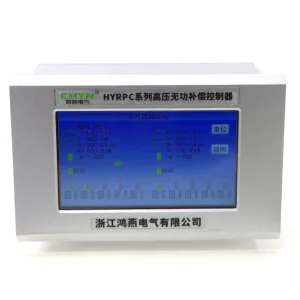
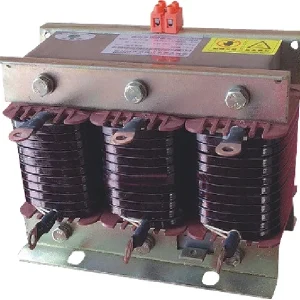
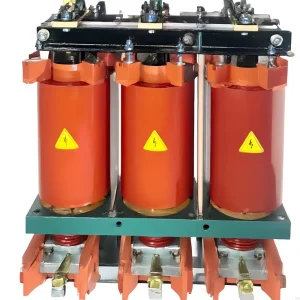
A capacitor bank spare parts specification should identify the installed assembly and the exact component being replaced, then document electrical, protection, mechanical and environmental compatibility. A bank's total kvar and bus voltage are not enough to approve an individual capacitor unit, fuse, reactor or switching device. Build an approved replacement register from the as-built drawings, original parts list and manufacturer confirmation before an outage. Keep unapproved alternatives separate from usable stock so a physically similar part cannot be installed simply because it is available.
This guide focuses on procurement records and incoming inspection for industrial power-factor compensation equipment. It does not authorize component substitution or provide an installation procedure. Qualified engineers and the assembly manufacturer should resolve compatibility, protection and safe replacement requirements for the specific bank.
Start with the assembly identity and current revision
Give each bank a stable site equipment number. Connect that number to the manufacturer's model, serial number, commissioning date, single-line diagram, detailed connection drawings and bill of materials. Include the revisions that describe the installation as it currently exists. A procurement file based on the original order can be wrong after an approved modification or replacement campaign.
Record the bank's arrangement as well as its rating. Series and parallel groups, star-point connections, switching stages, reactors and protection schemes determine how an individual component operates. If a drawing is missing, resolve the configuration before approving a replacement. Do not infer internal connections from a cabinet photograph, external terminal count or a shortened model description.
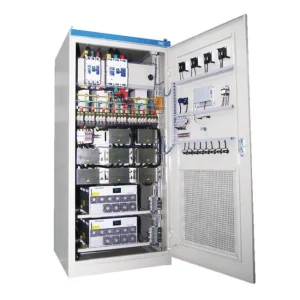
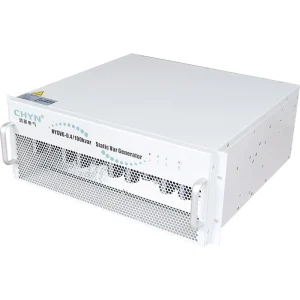
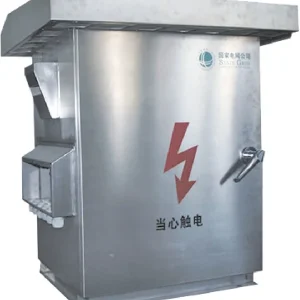
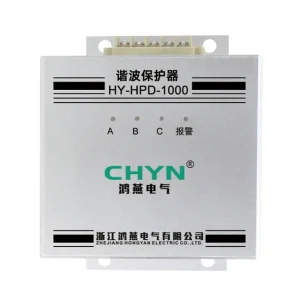
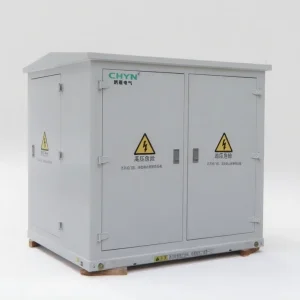
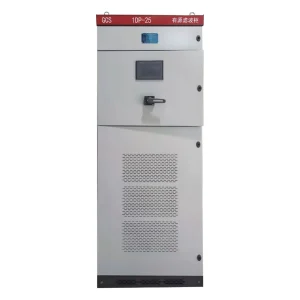
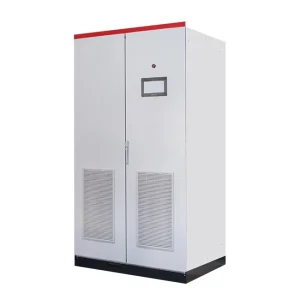
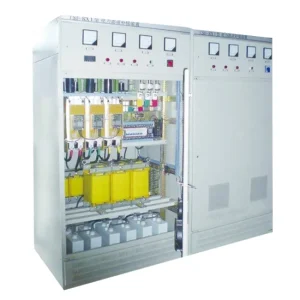
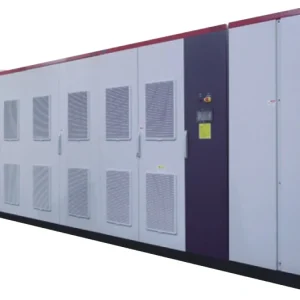
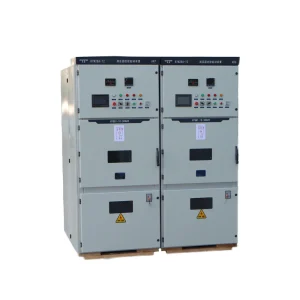
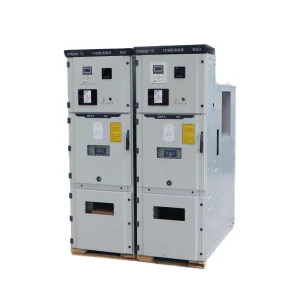
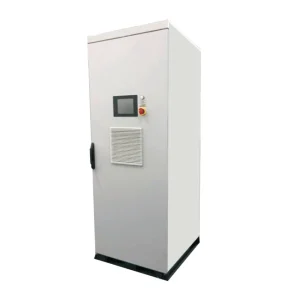
The CHYN HYTBB medium- and high-voltage compensation equipment provides a relevant assembly example. Its public ordering information asks for the wiring diagram, system voltage, device capacity and individual unit information. Use the approved project records to take that distinction down to part level; public catalogue information is not an approved spare-parts list for a particular installation.
Separate capacitor-unit data from bank data
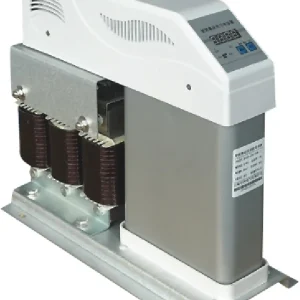
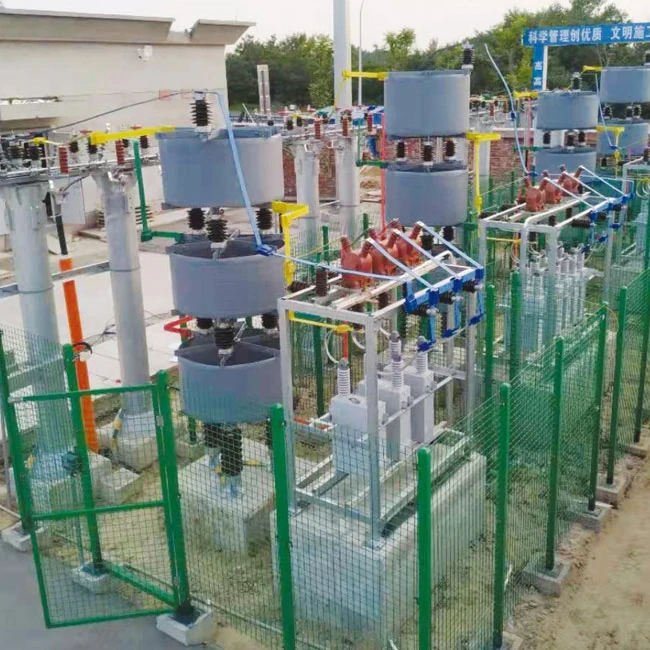
A complete bank can contain several capacitor units arranged to achieve its intended voltage and reactive output. The bus voltage is therefore not automatically the required voltage rating of each unit. Similarly, total bank kvar does not identify the reactive rating of one replacement can. Copy the unit nameplate and verify it against the drawing position and original part number.
Include the unit's rated voltage, frequency, reactive rating, capacitance information, terminal arrangement and protection construction where applicable. Confirm whether the installed design uses internally fused, externally fused or fuseless units. A change in construction can affect the protection assumptions even if two nameplates show the same kvar. Obtain written engineering approval rather than treating a nominal rating match as interchangeability.
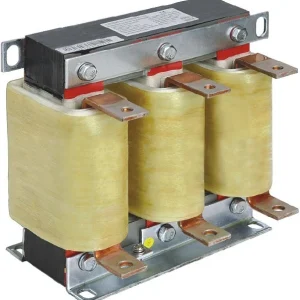
Where series reactors are included, identify the capacitor and reactor as parts of the designed branch. An individual capacitor's applied conditions can differ from the bus conditions. This register is not a new sizing calculation; the purpose is to preserve the approved arrangement. The related reactor and capacitor mismatch guide explains why a branch review is necessary when component values change.
Create a register that supports an actual purchasing decision
| Part group | Minimum identity and compatibility record | Approval evidence to retain |
|---|---|---|
| Capacitor units | Part number, unit ratings, connection position, protection construction, dimensions and terminals | Original data sheet plus approved replacement or equivalence statement |
| Fuses and holders | Exact fuse type, electrical ratings, holder arrangement and coordination reference | Bank-specific protection review and supplier part identification |
| Reactors | Branch identity, approved electrical data, thermal duty, mounting and connection details | Assembly drawing and written confirmation of capacitor/reactor compatibility |
| Switching devices | Device model, capacitor-switching duty, control supply, auxiliaries and interface details | Approved device data and updated control/protection drawings |
| Control and auxiliary parts | Function, exact version, supply, wiring interface and configuration requirements | Approved parts list, settings backup and commissioning requirement |
This is a proposed procurement checklist. Each field needs project evidence; it is not permission to choose a part from general catalogue ratings. Mark unknown entries explicitly. An empty cell is too easily mistaken for a characteristic that does not matter.
Preserve the protection scheme when sourcing alternatives
For a fuse, matching physical length or nominal current is insufficient. The fuse forms part of a coordinated protection arrangement and must be checked against the relevant capacitor construction, available fault duty and the bank design. Ask for the exact approved type and the engineering basis for any substitute. Keep the fuse holder and mounting details with the record.
For switching equipment, include its intended capacitor duty and control interfaces, rather than selecting only by general current rating. Auxiliary contacts, coil supply and operating feedback can be important to the sequence. A replacement that fits the compartment can still fail to provide the required control behavior. Identify these interfaces before the purchasing team requests alternatives.
For unbalance protection, preserve the installed unit arrangement and the associated settings records. A replacement that changes the branch characteristics may require engineering review and re-establishment of reference measurements. The capacitor bank unbalance protection testing guide addresses verification of that separate protection function. Do not use successful energization alone as evidence of correct coordination.
Check mechanical and environmental compatibility explicitly
Keep a dimensioned drawing showing mounting points, terminal positions, clearances and handling requirements. Record the installed orientation and whether the part is located indoors or outdoors. A nominally equivalent electrical component may require a different bracket or connection arrangement. Such changes belong in an approved design revision, not an improvised outage repair.
Include the site's environmental requirements and the specified component service conditions. Ask the supplier to confirm compatibility with the installation rather than transferring a whole-bank enclosure rating to an exposed internal component. Keep terminal hardware and approved connection requirements attached to the specific part entry so the warehouse does not issue an incomplete replacement kit.
Use photographs to support identification, but keep them distinct from engineering evidence. A clear nameplate image, overall view and terminal detail can prevent ordering mistakes. They do not prove insulation coordination, internal fuse construction, capacitance matching or switching suitability. Any unreadable rating should be resolved from the original records or the manufacturer, not reconstructed by guesswork.
Control receiving inspection and storage status
At delivery, reconcile the purchase order, approved part entry, packing list and actual nameplate. Check quantity, serial numbers, revision and supplied documents. Inspect packaging and accessible surfaces for transport damage under the supplier's instructions. Keep a suspect item quarantined until its condition is resolved; an urgent outage does not make an unapproved part acceptable.
The US Bureau of Reclamation commissioning guide illustrates the discipline of checking equipment identity against final drawings and documenting inspection and tests. It concerns hydroelectric facilities, not a universal CHYN receiving specification. Use the approved supplier instructions to define the checks and test requirements for the particular spare.
Store components under their specified conditions and retain protective packaging as directed. Record the storage location, inspection status and any manufacturer-required checks before installation. Distinguish approved usable stock, items awaiting inspection and failed or removed parts. A warehouse count is not a readiness count when approval and condition are unknown.
Set stocking quantities from service risk and lead time
There is no universal spare percentage that suits every capacitor bank. Consider the number of identical installed parts, supplier lead time, operational consequence of a failed stage, transport exposure and the availability of an approved alternative. Ask whether one component type serves several banks or whether similar-looking units belong to different designs.
Create a simple scenario for the next outage: which failed part would prevent restoration, how long an approved replacement would take to arrive and what condition checks stored stock would need. Use that discussion to set a stocking decision with a named owner. Avoid publishing a generic quantity as if it were a manufacturer requirement.
Review obsolescence with the supplier. If a controller or switching device is discontinued, request an approved migration plan covering hardware, wiring, settings and testing. Buying the last available item without checking revision compatibility can defer the problem while creating a second one. Keep commercial lead-time estimates dated because they can change.
Plan safe replacement and update the register afterward
Spare-parts readiness does not make a bank safe to access. The published US electrical work-practice requirements address isolation and stored electrical energy. A control switch is not isolation, and capacitor energy needs appropriate control. Use the applicable local rules, manufacturer instructions and site procedure, with qualified personnel responsible for verification.
Keep the replacement work order linked to the approved part entry. Record the removed and installed serial numbers, reason for replacement, tests performed, protection review and as-left configuration. Update drawings and settings references if an approved change was made. Leave obsolete part numbers visible as history while clearly marking which revision is currently approved for use.
Before the next purchasing cycle, compare actual usage with the stocking decision. Investigate repeated replacement of the same component rather than repeatedly replenishing stock without a cause review. Link the register to the bank maintenance program so purchasing evidence and condition evidence stay connected. This closes the gap between having a part on a shelf and being ready to restore the correct assembly.
The university lecture below explains basic reactive compensation. It helps purchasing and maintenance teams understand what the bank does; it does not establish part interchangeability or provide replacement instructions.

Watch the educational lecture on YouTube.
Frequently asked questions
Can I order a spare capacitor using only bank kvar and voltage?
No. Identify the individual unit and its position in the series/parallel arrangement. Obtain the unit ratings, construction, terminals and approved part number. Bank-level ratings alone do not define an interchangeable unit.
Is a capacitor with the same kvar automatically interchangeable?
No. Rated voltage, frequency, capacitance, protection construction, physical interfaces and assembly compatibility also matter. Have the manufacturer or responsible engineer approve the substitute against the specific bank design.
How many spare parts should a plant keep?
Base the decision on installed quantities, failure consequences, lead times, approved alternatives and storage requirements. There is no universal spare percentage for every bank. Record the assumptions and review them when equipment or supplier support changes.
What documents should arrive with a proposed replacement?
Request a complete data sheet, exact part and revision identification, relevant drawings, required test documents and written compatibility confirmation. Keep the approval with the asset register so future orders can use the same verified basis.