
 Zhejiang Hongyan Electric Co., Ltd.
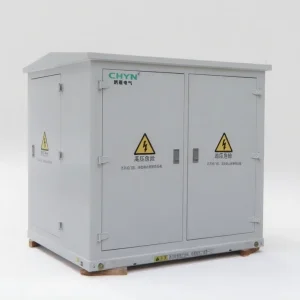
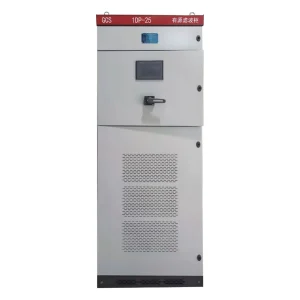
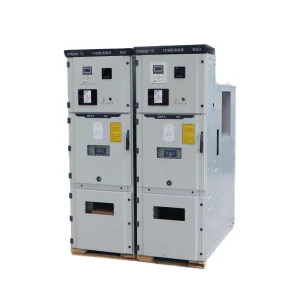
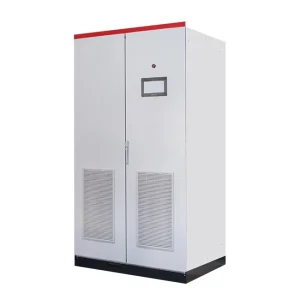
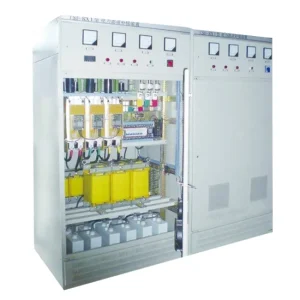
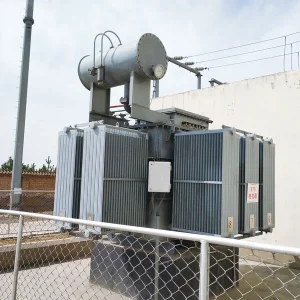
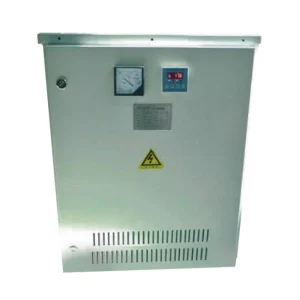
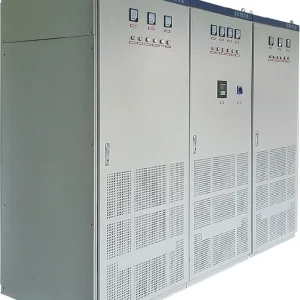
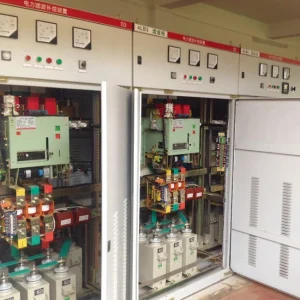
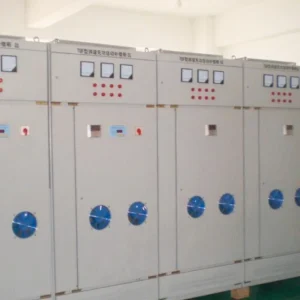
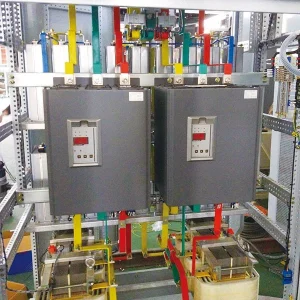
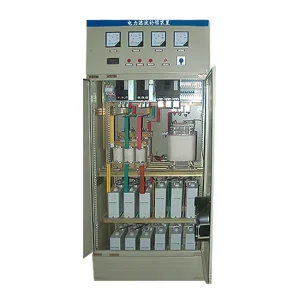
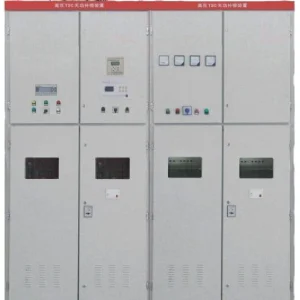
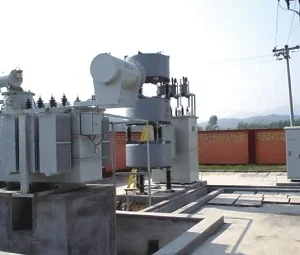
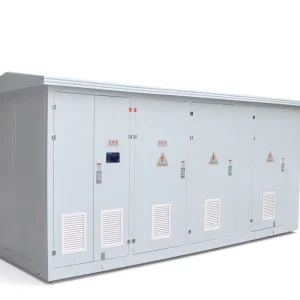
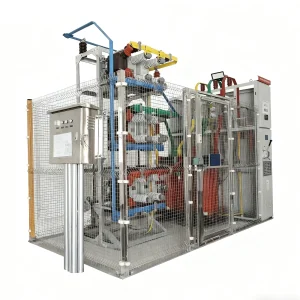
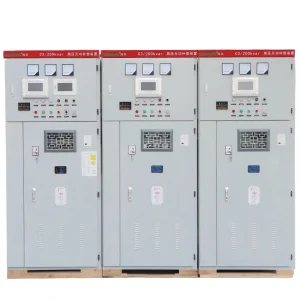
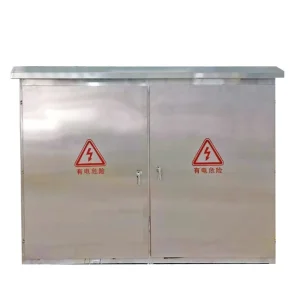
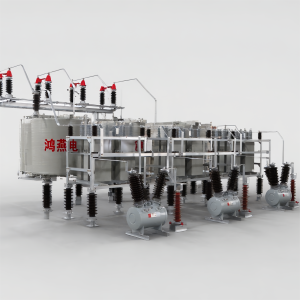
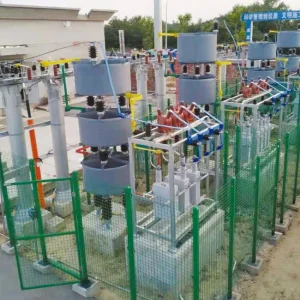
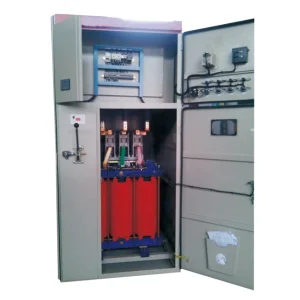
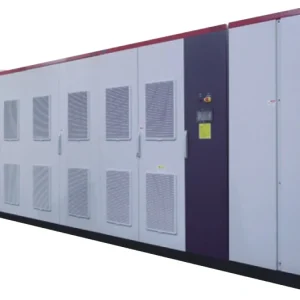
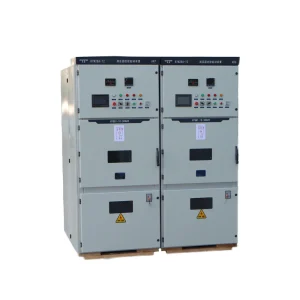
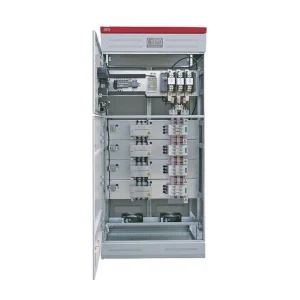
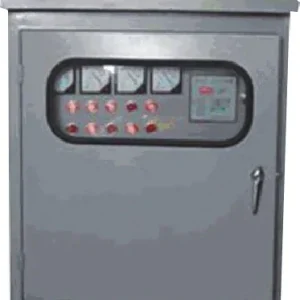
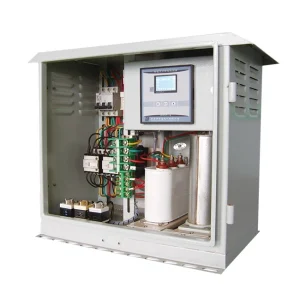
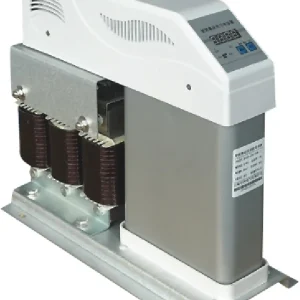
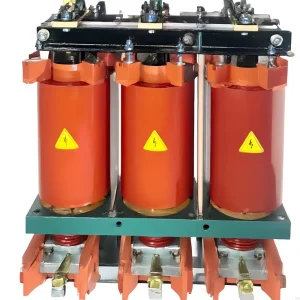
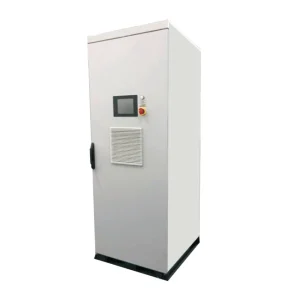
Dynamic voltage restorer maintenance should preserve the system's readiness between voltage events, not merely confirm that the cabinet has power. Build the maintenance plan around the installed design, event records, cooling condition, stored-energy provisions and documented return-to-service checks. The manufacturer's instructions determine inspection intervals, component limits and authorized service methods. A healthy status light cannot demonstrate performance through the next sag. Keep routine observation, work requiring isolation and controlled functional verification as distinct activities, each with an assigned owner and a record of what was actually checked.
Start with the installed configuration and baseline
Identify the exact DVR model, serial number, software version and approved single-line drawing. Record the load being protected and the permitted operating arrangement. Determine which energy-storage and cooling arrangements are actually installed. Do not copy a maintenance list for a battery-based or water-cooled system into the plan for a different design simply because both are called dynamic voltage restorers.
Collect the commissioning baseline before the first maintenance review: normal input and load-side voltage records, current duty, alarm settings, bypass indications and a configuration backup. Keep the accepted test conditions with those files. If the original commissioning evidence is missing, list that gap explicitly and agree how the responsible engineer will establish a usable baseline.
The EPRI assessment of a series voltage restorer illustrates how a particular design combines a converter, energy buffer and bypass or isolation provisions. Its product-specific cooling details and performance figures are historical examples, not CHYN specifications. Use the report to understand the functions that need identifying in your own installation.
Review event evidence before scheduling an outage
Export alarm and event records before clearing them or changing software. Confirm time settings and compare the DVR clock with the plant's power-quality monitor and process historian. A small clock discrepancy can make separate events appear related or hide the sequence between an input sag, a bypass transition and a machine stop.
For each significant event, record the source-side disturbance, load-side response, DVR state and affected production equipment. Identify whether the event was inside the contracted protection envelope. An interruption outside the installed design capability should not automatically be recorded as a maintenance failure. Equally, the absence of a process complaint does not demonstrate that the DVR responded correctly.
Look for repeated changes rather than only the latest alarm. Recurring temperature warnings, unexpected bypass states or loss of remote status may justify an earlier service review. Describe the observation and its timing without guessing the failed component. A useful work order states what evidence changed and what further verification is required.
Assign each maintenance activity to the right condition
The following worksheet separates observations that may be available during normal operation from activities requiring an approved safe work condition. It does not prescribe an energized inspection or replace a site risk assessment. The owner should add model-specific instructions, acceptance criteria and responsible personnel before issuing a work order.
| Activity | Evidence to retain | Condition to establish first |
|---|---|---|
| Review state and event history | Timestamped export, operating mode and production context | Authorized access without disturbing protection |
| Observe cooling and room conditions | Sensor trend, external air-path condition and room changes | Safe observation points and model instructions |
| Inspect internal components | Component identity, condition and service findings | Approved isolation and stored-energy control |
| Verify bypass and status functions | Approved test record, local indication and remote indication | Operations agreement and design-specific procedure |
| Return equipment to service | Restoration checklist, configuration backup and readiness evidence | Work completion and authorized release |
Manage cooling and environmental changes
Check the installed cooling arrangement against the manual. Record any changes to room ventilation, nearby heat sources, dust production or access clearance since commissioning. A cabinet can remain untouched while its operating environment changes substantially. Keep temperature trends associated with load duty so that an environmental problem is not confused with a process increase.
If the system includes serviceable fans, filters or a cooling circuit, use the specified inspection and replacement method. Do not invent a universal replacement interval. Confirm the correct spare part and whether the work needs an outage. A substitute fan with a similar size is not automatically equivalent in airflow, monitoring or electrical requirements.
Keep cleaning methods within the equipment instructions. Avoid introducing moisture, debris or cleaning products into electrical assemblies. Record what was cleaned and any unresolved condition, rather than signing off the entire system as serviced after an external wipe. Any internal inspection must follow the approved electrical work controls.
Plan isolation and stored-energy control
The DVR may contain more than one energy source or retain energy after an incoming supply is disconnected. Use the actual drawing and manual to identify those sources and the required verification method. Do not infer a safe waiting time from another product or assume that an extinguished display proves the internal circuit is safe.
The US electrical work-practice requirements in 29 CFR 1910.333 address isolation, stored electrical energy and verification for applicable work. They provide a safety reference for US workplaces; local legal requirements and the approved site procedure govern the actual job. This article does not provide a switching or discharge sequence.
Coordinate the outage with the protected process owner. A maintenance bypass can leave production supplied while removing the intended voltage-sag protection, depending on the design. Make that operating condition visible to the people responsible for production. For the separate design and interlock questions, consult DVR bypass protection.
Inspect components against documented criteria
During authorized service, record component identification and condition according to the manual. Look for changes from earlier records, such as visible deterioration or evidence requiring specialist examination. Do not assign remaining life from appearance alone. If the manufacturer specifies an electrical or diagnostic test, retain its actual result and the conditions under which it was obtained.
Energy-storage arrangements require particular care because designs differ. Verify the installed technology and applicable maintenance instructions before assessing capacity or replacement needs. Do not apply a battery service procedure to a capacitor buffer, or claim that a displayed DC voltage establishes usable energy throughout an event. A component replacement can also require configuration or functional checks.
Preserve the before-and-after configuration whenever settings or firmware change. Document why the change was approved and which acceptance checks must be repeated. Keep a recoverable backup using the manufacturer's supported method. A successful restart alone does not show that protection settings, event recording and remote indications remain correct.
Prove readiness when returning to service
Use a restoration checklist tied to the work performed. Confirm that temporary test arrangements have been removed, covers and connections restored, and the approved operating configuration re-established. Verify the local operating state and any remote status relied on by operations. Close the work order only after the responsible person accepts the evidence.
If functional testing is required, agree the test arrangement, load exposure and stopping conditions before execution. Do not create uncontrolled sags on a live production feeder. The extent of testing depends on the maintenance performed and the original specification. The DVR acceptance-test guide discusses how to organize performance evidence separately from routine inspection.
Record the limits of the release. A routine inspection may establish that specified service tasks were completed, while a controlled performance test establishes response only under its documented conditions. Keep these conclusions distinct. If an unresolved alarm or missing test prevents a readiness claim, state the remaining action and operational restriction in the handover.
Build a maintenance request that can be acted on
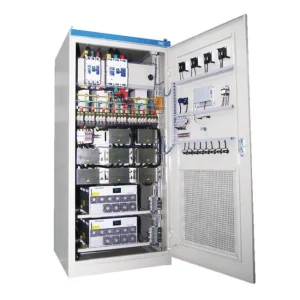
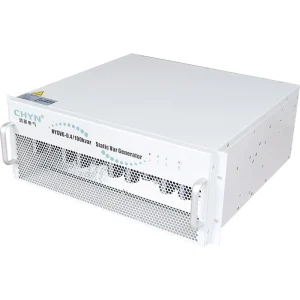
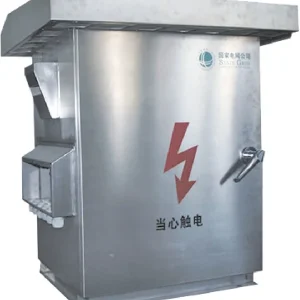
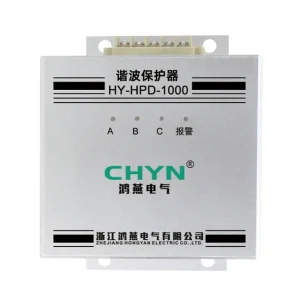
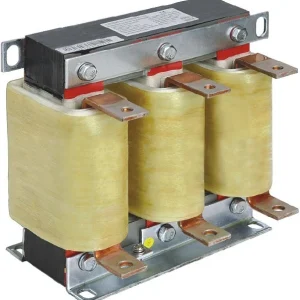
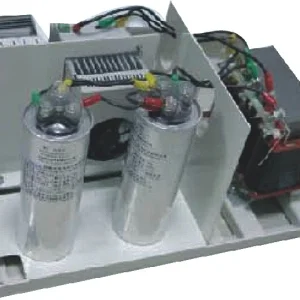
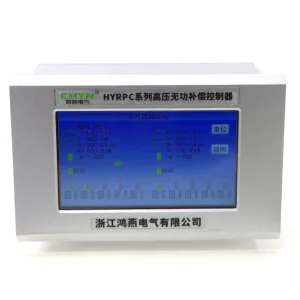
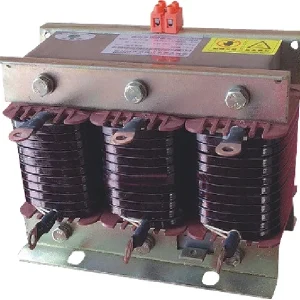
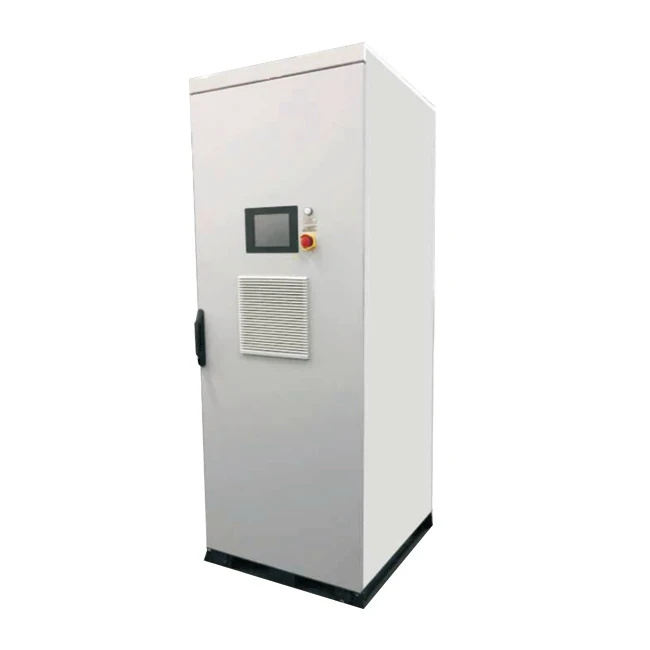
For the CHYN HYDVR voltage-sag mitigation system, provide the equipment identity, current configuration, load profile, event exports and requested service scope. Include photographs for identification, without treating the enclosure as proof of internal options. Ask the manufacturer to confirm parts, approved methods and any repeat testing required by the proposed work.
Keep the maintenance plan connected to the plant's overall voltage-sag ride-through specification. If production equipment changes, reassess whether the protected boundary and original performance assumptions still apply. A carefully maintained DVR cannot establish suitability for a new process duty that has never been evaluated.
Educational background: voltage-sag mitigation
This university lecture explains mitigation of sags and interruptions. It provides context for why load-side evidence matters when evaluating readiness. It is not a service demonstration for CHYN equipment and does not authorize switching, isolation or energized testing.
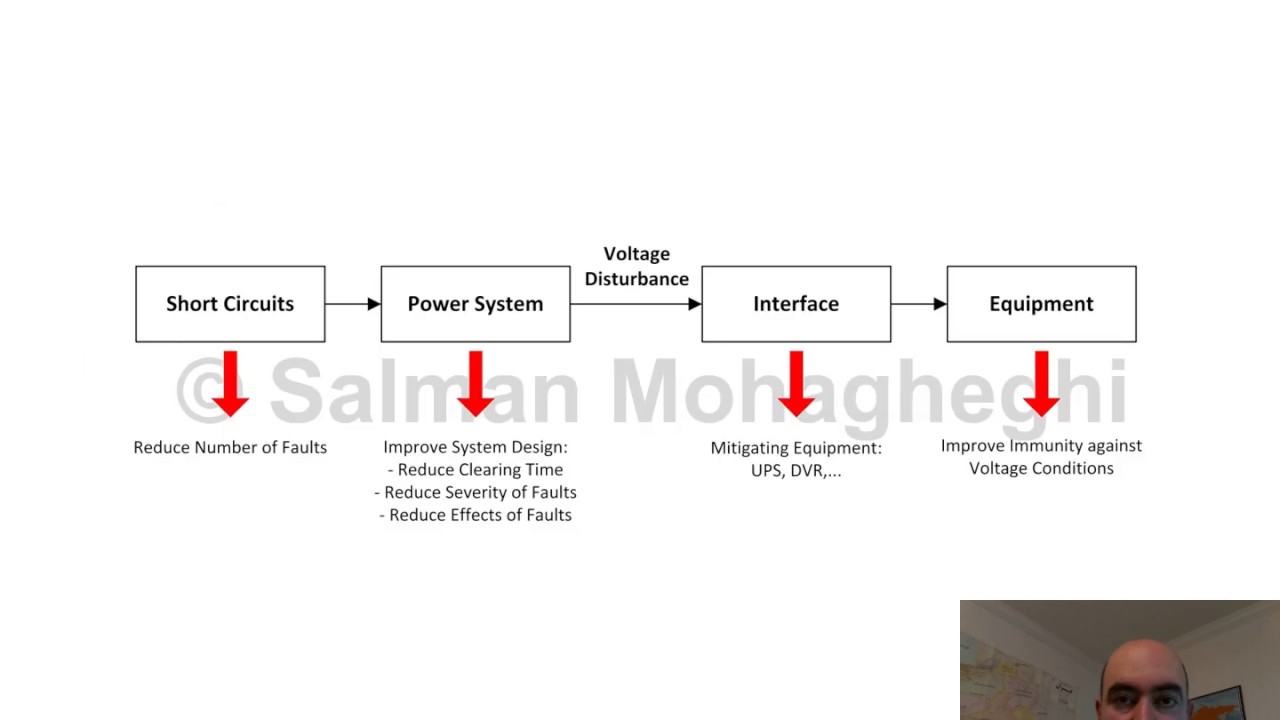
Watch the educational lecture on YouTube.
Frequently asked questions
Does an illuminated normal-status light prove readiness?
It confirms only the meaning assigned to that indication by the installed controller. Review alarms, operating state and the required functional evidence. The light alone cannot establish performance over every disturbance in the contracted protection envelope.
How often should a DVR be serviced?
Use the installed model's instructions and the site's duty and environment. Review the plan after significant events, environmental changes or equipment modifications. This article does not assign a universal interval or component replacement age.
Can the plant remain supplied during maintenance?
That depends on the approved bypass and isolation design. Continued supply may remove sag protection from the load. Operations personnel must understand that condition, and qualified personnel must follow the equipment-specific procedure rather than a generic switching sequence.
What should remain in the maintenance file?
Keep equipment identity, event exports, configuration backups, inspection findings, parts replaced, actual test results and the authorized release. State unresolved issues and the limits of any readiness conclusion so that the next service team can continue from reliable evidence.