
 Zhejiang Hongyan Electric Co., Ltd.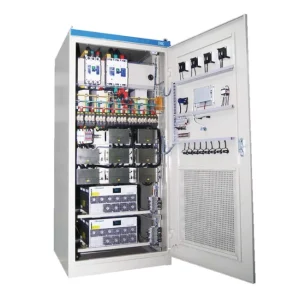
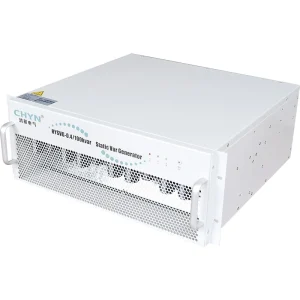
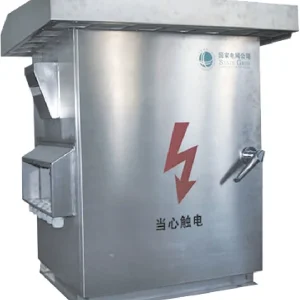
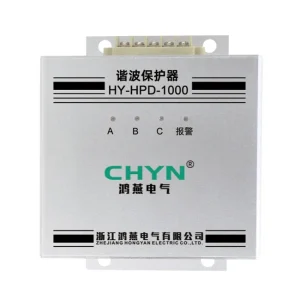
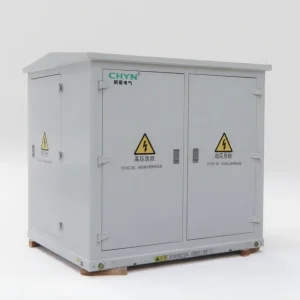
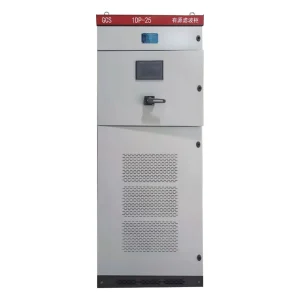
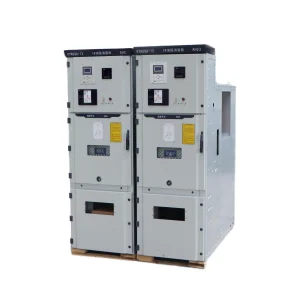
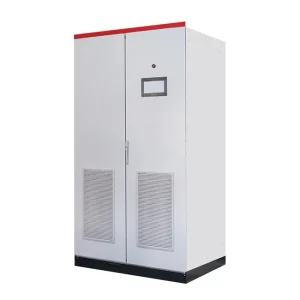
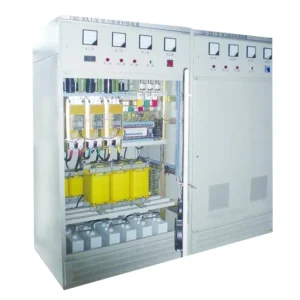
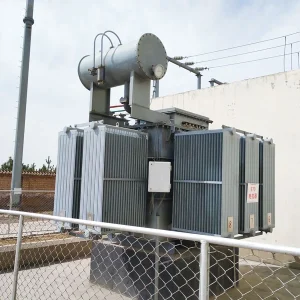
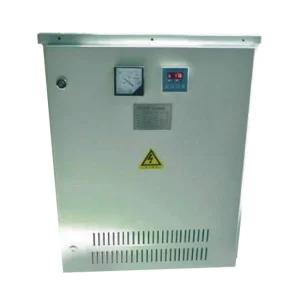
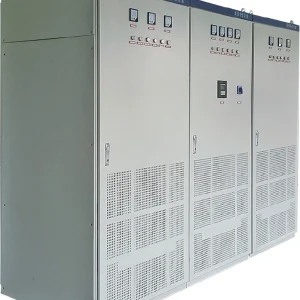
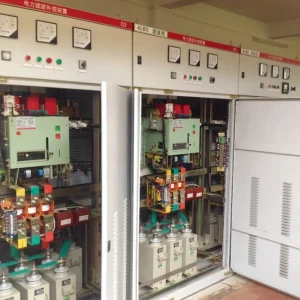
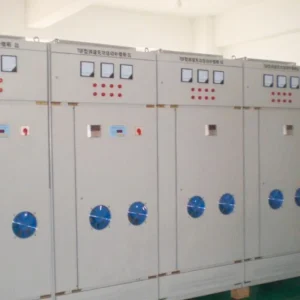
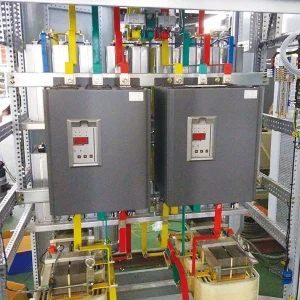
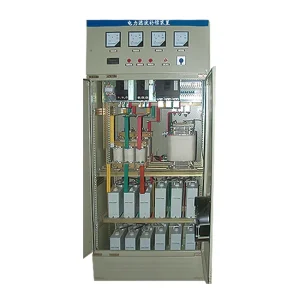
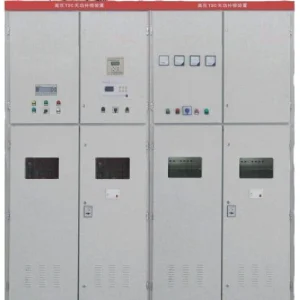
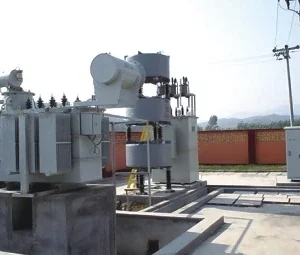
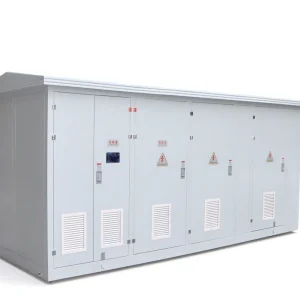
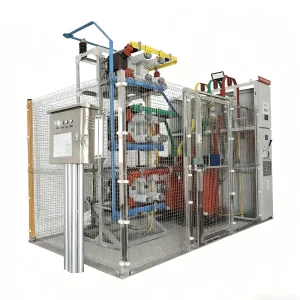
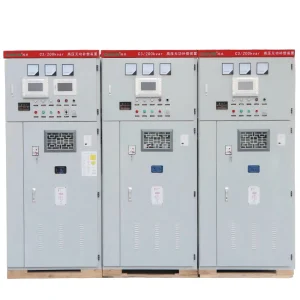
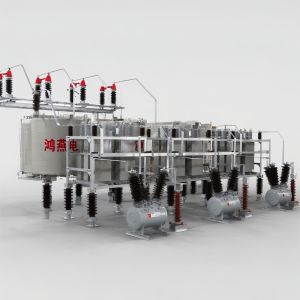
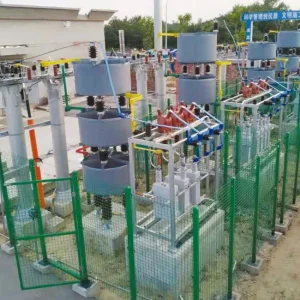
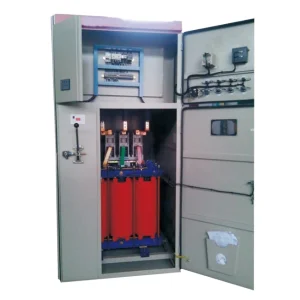
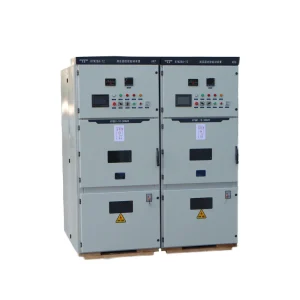
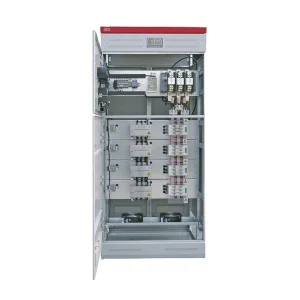
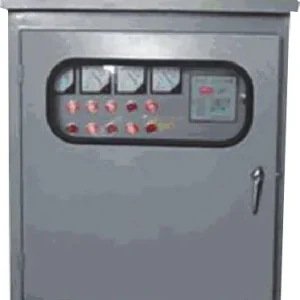
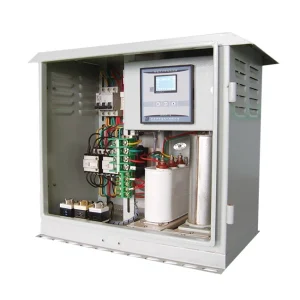
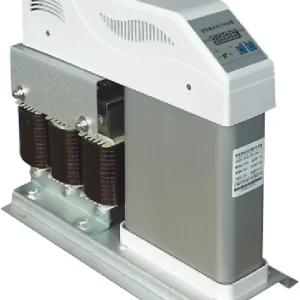
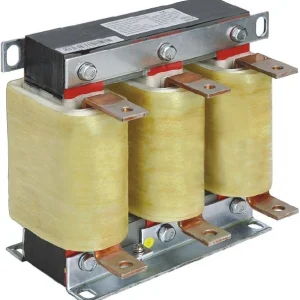
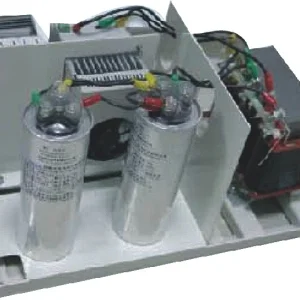
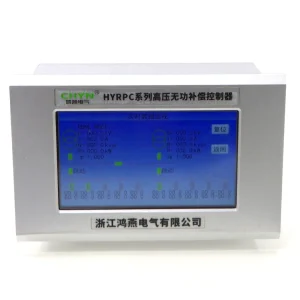
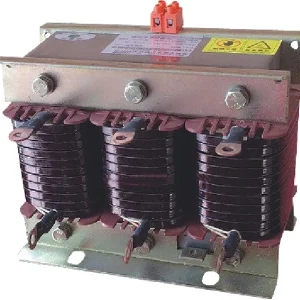
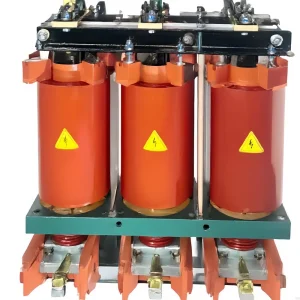
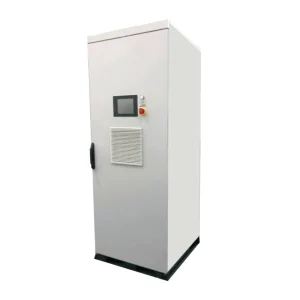
The short answer to what is power conditioning equipment is this: it is the industrial umbrella for devices that reshape supply characteristics so a load can keep working inside quality limits. The jobs under that umbrella include voltage sag and swell correction, harmonic mitigation, power-factor support, imbalance correction, surge clamping, and outage ride-through when stored energy is required. The label on a quote often means only one of those jobs—so the useful next step is a job map, then a naming check against UPS, TVSS, and home “power conditioner” boxes, then a Fit/Select path when sag mitigation is the real need.
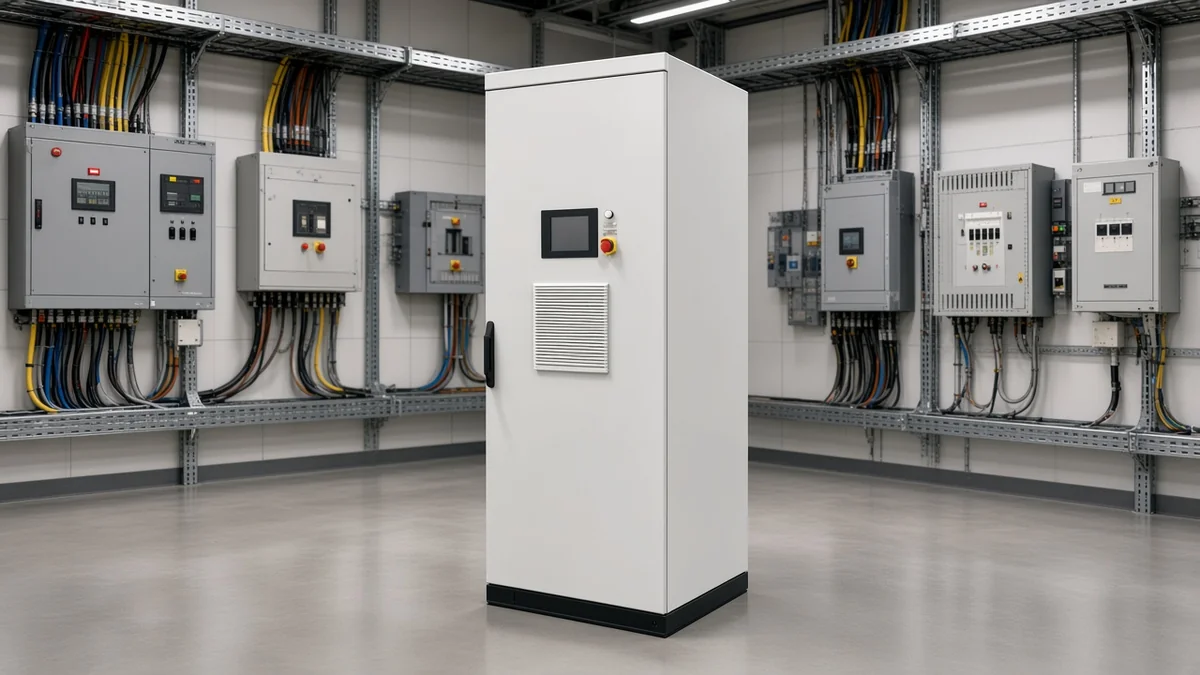
What industrial power conditioning equipment actually means
Industrial power conditioning equipment is a collective class, not one SKU. Authority overviews treat “power conditioning” as techniques and equipment that modify a supply so it suits a specific load or meets a quality limit.
Raw plant power often carries voltage sag / swell events, harmonic distortion, transient spikes, and power-factor deviation. Different device families attack different parts of that list. A rack strip sold for audio noise is not the same purchasing decision as a feeder-mounted dynamic voltage restorer (DVR) or an active power filter (APF/AHF).
For export-oriented B2B buyers, the practical definition is job-first: name the disturbance you measured, then pick the class that owns that job. Product names stay secondary until the job is clear.
The job map: sag, harmonics, power factor, imbalance, surge, and outage energy
Each disturbance has a different device class. Buying one “conditioner” box for every symptom is how plants end up with the wrong hardware still online after the next event.
Utility education pages split many of these options into power enhancers—surge suppressors, voltage regulators, isolation transformers—and power synthesizers that can supply auxiliary energy during outages, such as motor-generators and UPS systems. Enhancers improve the live supply. They do not replace stored-energy ride-through when the feeder goes dark.
| Plant job | Typical conditioning class | What it mainly does | What it usually does not do |
|---|---|---|---|
| Short voltage sag or swell on a sensitive feeder | Dynamic voltage restorer / active voltage conditioner | Injects corrective voltage in series for short events | Long blackout backup like a UPS |
| Harmonic current from drives and rectifiers | Active power filter (APF/AHF) and related filter packages | Injects opposing harmonic current | Rebuild a deep voltage sag by itself |
| Steady or stepped reactive demand / power factor correction | Capacitor bank, SVG, or hybrid PF packages | Supplies or absorbs reactive power | Protect continuous process from millisecond sags |
| Three-phase imbalance | Imbalance-capable SVG / hybrid packages | Corrects unbalanced current draw | Replace surge or sag hardware |
| High-energy spikes and transients | TVSS / surge suppressor | Clamps spike energy | Rebuild missing RMS voltage during a sag |
| Minutes of outage energy | UPS (often with generator for long events) | Supplies the load from stored energy | Always the cheapest answer when sags dominate and outages are rare |
Use the table as a shortlist, not a wiring diagram. Harmonic and PF packages live under CHYN’s other hubs; this page keeps those rows short so the definition stays a map.
Power conditioner vs UPS, TVSS, and home audio units
The same words cover spike clamps, backup systems, and series voltage correctors. Field threads show buyers asking whether a “power conditioner” is just clean power without backup, while answers remind them that UPS and conditioner have no single universal definition—you must specify the job.
| Label on a quote | What buyers often assume | What to verify before purchase |
|---|---|---|
| Power conditioner / line conditioner | One device that “cleans everything” | Which jobs are actually rated: sag, noise, surge, regulation, or none |
| UPS | Always clean power plus backup | Topology (standby, line-interactive, double-conversion) and required runtime |
| TVSS / surge suppressor | Full power conditioning | Spike clamping only; no outage energy and little sag rebuild |
| Home / AV power conditioner | Industrial plant protection | Usually outlet-level surge and EMI for electronics, not feeder DVR duty |
| Isolation transformer / CVT (constant-voltage / ferroresonant conditioner) | Universal sag cure | Useful for some control loads; check capacity, losses, and whether the feeder itself is undersized |
A UPS can be a conditioning device when it regenerates or regulates power, and some models add surge or voltage regulation. That still does not make every UPS the right buy for sag-dominant plants where full outages are rare. A TVSS at the service entrance remains useful spike insurance, but it is not a substitute for series sag correction on a sensitive process feeder.
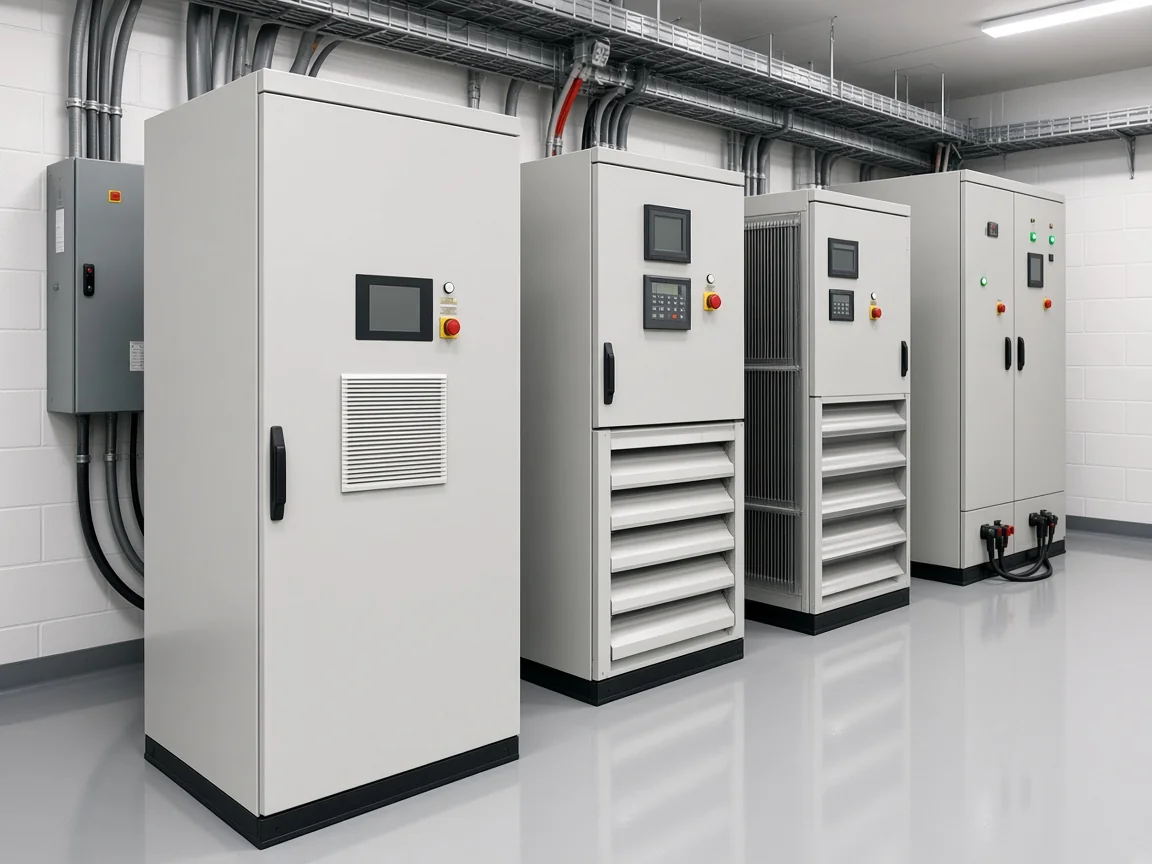
How to choose a power conditioning class from symptoms and measurements
Measure the event, name the job, then shortlist the class. Utility guidance says the hardest purchase decision is matching equipment to the disturbance that actually hits your gear.
- Capture voltage and current during the failure window with a recorder that can see short sags, not only a panel voltmeter.
- Separate spike damage, RMS sag/swell, harmonic heating, poor power factor, and true outages—each points to a different row in the job map.
- Decide whether the protected object is a control circuit, a single machine, a feeder, or a whole plant bus.
- Only then compare published ratings: kVA, voltage class, protection or runtime, and what the datasheet explicitly excludes.
From the field: techs often order a “constant voltage power conditioner” after control coils chatter on a large motor start, yet the root cause can be feeder or transformer capacity rather than a missing boutique conditioner — source: plant control-power dip cases discussed in engineering forums (research U-02 language; no bot-blocked forum URL in body).
If the recorder shows short sags with rare blackouts, keep reading the sag-class section. If the recorder shows continuous harmonic distortion or a tariff power-factor problem, stop here and use the harmonic or PF hubs instead of forcing a DVR into the wrong job.
Voltage sag mitigation as one power conditioning class
Series DVR and active-voltage-conditioner gear targets short sags and swells. It is not long-outage UPS duty.
These units monitor incoming voltage and inject a corrective voltage in series with the protected feeder. Vendor explainers contrast that behavior with UPS systems that hold battery energy for outages. Some technical papers also note that plants can see frequent sags while complete outages stay rare—so battery-heavy UPS capacity may sit idle if sag correction was the real need.
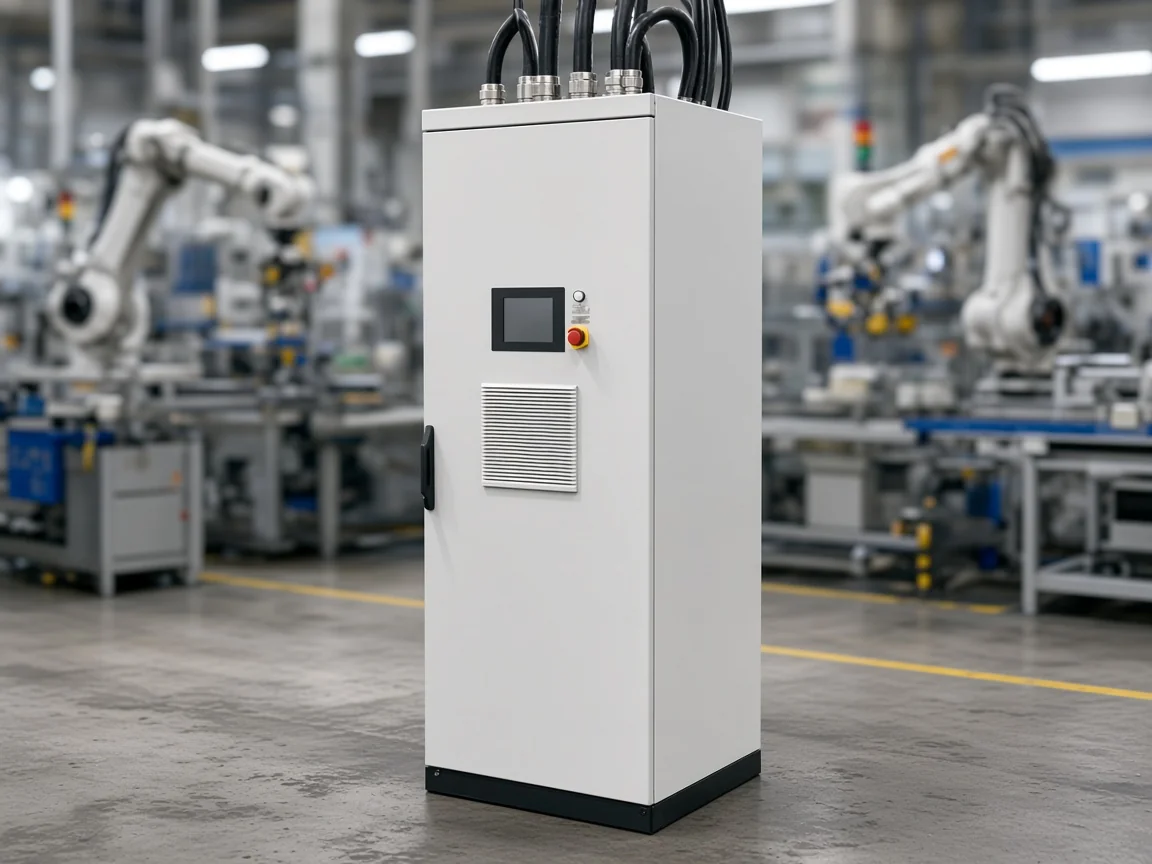
For industrial buyers, voltage sag mitigation is therefore one row inside power conditioning equipment—not a synonym for the whole umbrella. When the sensitive load is continuous-process equipment, automation, or precision manufacturing, a series restorer becomes the shortlist item. When the requirement is minutes of blackout runtime, the shortlist returns to UPS and generation.
How to select HYDVR when voltage sag mitigation is the job
Choose the HYDVR series Voltage Sag Mitigation Solution for Sensitive Industries when a sensitive industrial load needs series sag and short-interruption protection within the published ratings—not when the dominant problem is harmonics or steady power factor.
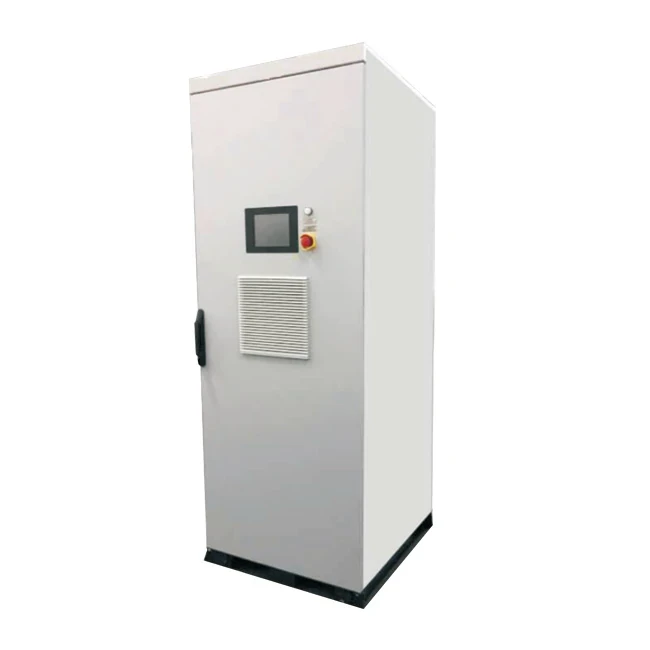
HYDVR is a dynamic voltage restorer installed in series with the protected feeder. The live product page states that it detects an incoming disturbance and injects compensating voltage within milliseconds so continuous-process equipment, automation systems, and precision manufacturing can remain in operation through short-duration voltage sags and interruptions.
The published series tables list rated protection capacity from 30–5000 kVA.
Protection time is adjustable from 0.4–30 s, with model coding examples such as 040 for 0.4 s.
Voltage classes on the same page cover 208 V, 400 V, 600 V, 6 kV, and 10 kV.
Energy-storage options are coded as supercapacitor or electrolytic capacitor, and enclosure options are listed as IP21 or IP23 with ambient and altitude derating notes on those tables.
Fit HYDVR when your study shows sag or short interruption as the trip cause and the load sits inside those published ranges. Do not treat HYDVR as an active harmonic filter, a capacitor-bank substitute, or a long-runtime UPS. For category browsing, start from the voltage sag compensation solutions hub and the site products index.
Boundaries with harmonic filters, capacitor banks, and other CHYN hubs
Harmonics, steady PF, and other cluster essays belong on other live hubs—not this definition page.
- Harmonic mitigation and active filter families: Active Power Filter Series
- Products navigation across PF, harmonic, sag, and drive packages: products hub
- Sag-class hardware only: voltage sag compensation solutions
A same-batch capacitor-bank definition page and a later grid-connected power-conditioning essay are separate intents. This article stops at the industrial definition, the job map, and the sag-class Fit/Select example.
FAQ
What is power conditioning equipment in an industrial plant?
It is the collective class of equipment that modifies supply characteristics for a load or quality limit—covering sag/swell correction, harmonics, power factor, imbalance, surge clamping, and outage energy when storage is required.
How is a power conditioner different from a UPS?
A power conditioner label often means quality correction without claiming backup minutes. A UPS is chosen when the load needs stored-energy ride-through during outages; some UPS topologies also condition power, but the outage job is what makes UPS unique.
Is a surge protector the same as power conditioning equipment?
No. A TVSS or surge suppressor is one enhancer class inside the broader map. It clamps spikes; it does not rebuild a deep RMS sag or supply outage energy.
Which power conditioning class handles voltage sags?
Series dynamic voltage restorers and active voltage conditioners are the sag/swell class. UPS may cover some sags via stored energy, but it is the wrong default when the plant mainly needs short sag correction without long backup.
Does HYDVR fix harmonics and power factor too?
No. HYDVR’s published job is short-duration sag and interruption protection for sensitive industrial loads. Harmonic and PF jobs need other CHYN product families.
What ratings matter when selecting a DVR-type conditioner?
Start with protected load kVA, voltage class, required protection time, storage type, and enclosure/environment limits. HYDVR’s published series tables list 30–5000 kVA, 0.4–30 s protection time, and 208 V through 10 kV classes.
Why do home “power conditioner” pages look different from industrial guides?
Consumer pages usually sell outlet-level surge and EMI filtering for audio or IT gear. Industrial guides map feeder-level sag, harmonics, PF, and imbalance classes with plant ratings.
How should a buyer start choosing a class?
Record the disturbance, name the job from the map, then shortlist only the class that owns that job. Match published ratings last—after the job is correct.