
 Zhejiang Hongyan Electric Co., Ltd.
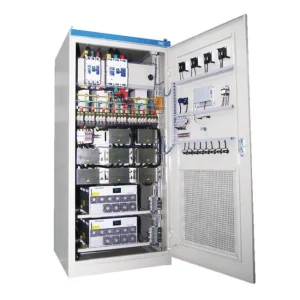
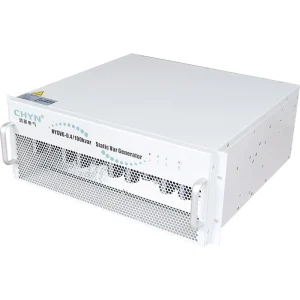
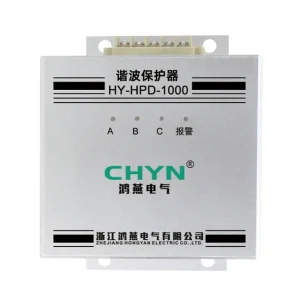
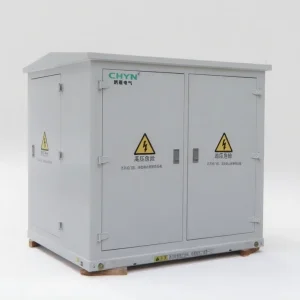
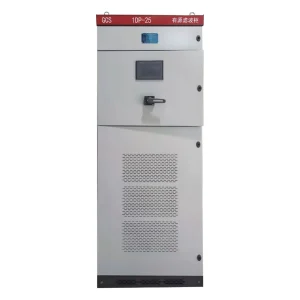
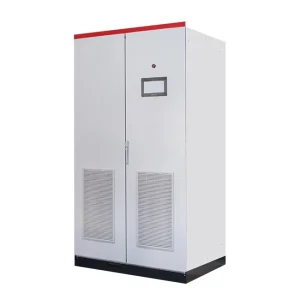
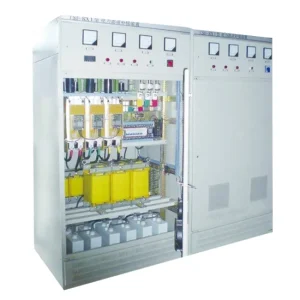
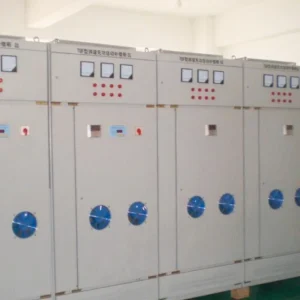
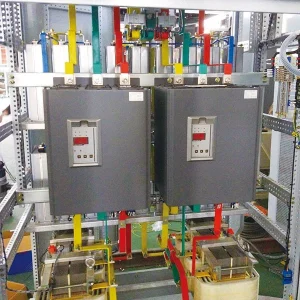
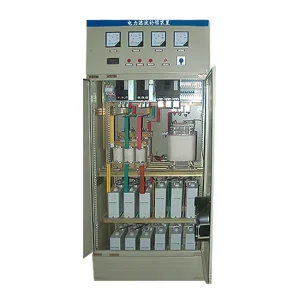
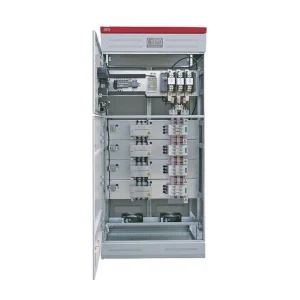
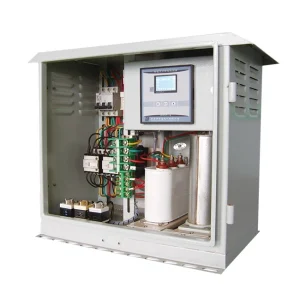
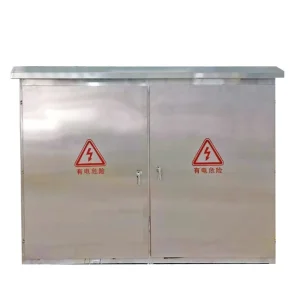
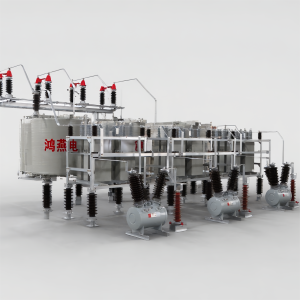
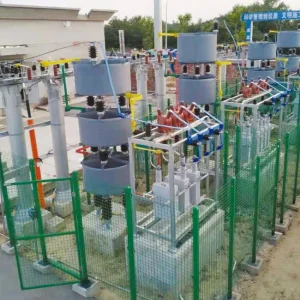
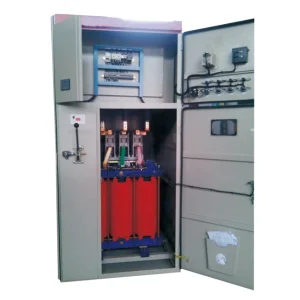
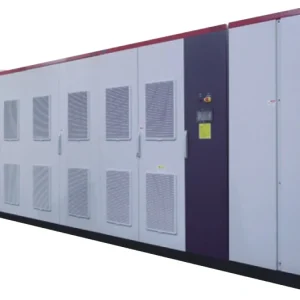
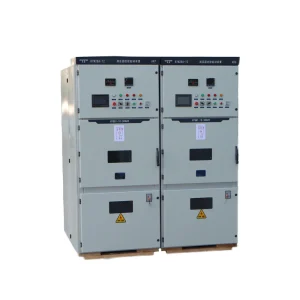
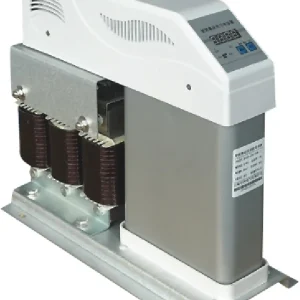
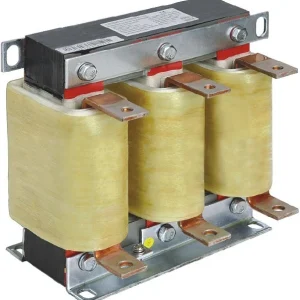
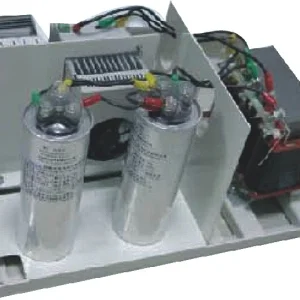
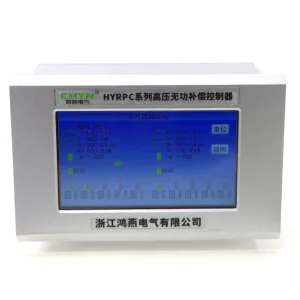
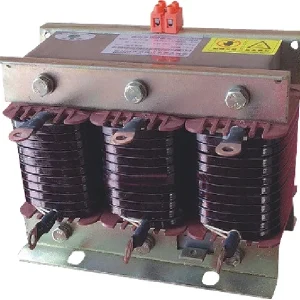
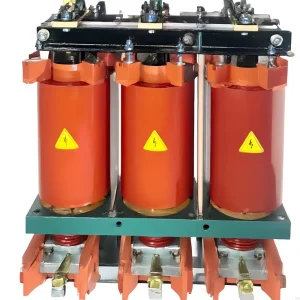
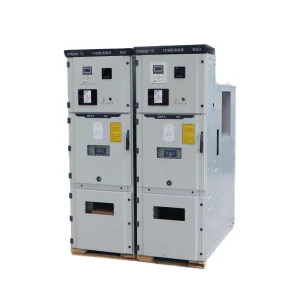
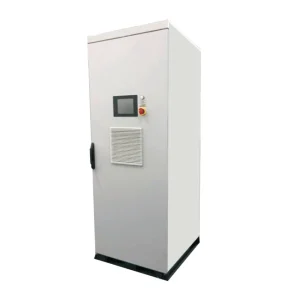
A filter reactor specified for 50 Hz should not be assumed suitable for a 60 Hz installation, even when the voltage, cabinet size and nominal compensation rating look familiar. Review the complete reactor-capacitor step, its connection, operating current and harmonic environment. The same physical inductance and capacitance retain approximately the same ideal series-resonant frequency, while their relationship to the supply frequency changes. This guide explains the compatibility review and required records. It is not an instruction to convert a reactor by changing taps or replacing capacitors without manufacturer approval.
Identify what the frequency marking actually describes
Start with the reactor nameplate, its approved drawing and the original capacitor schedule. A marking such as “7%” is incomplete without the reference frequency and the capacitor pairing. Likewise, a kvar value may describe a capacitor, an assembled LC step or another rating convention. Ask the supplier to state the convention explicitly before comparing quotations.
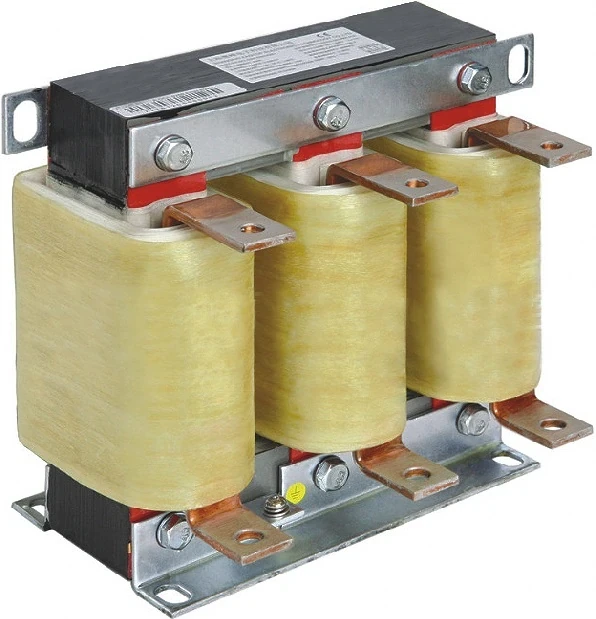
The equipment description should identify whether this is a detuned compensation step, a tuned harmonic branch or a reactor serving another purpose. Similar-looking coils do not establish equivalent electrical behavior. A spare reactor with the correct mechanical envelope may still have the wrong inductance, current capability, insulation system or thermal arrangement for the existing bank.
For the wider purpose of adding inductance to a compensation step, see why reactors are used in capacitor banks. Here the narrower question is whether an already specified pairing can operate at a different fundamental frequency. That decision requires the actual component records, not a general description of reactor benefits.
Distinguish resonant frequency in hertz from harmonic order
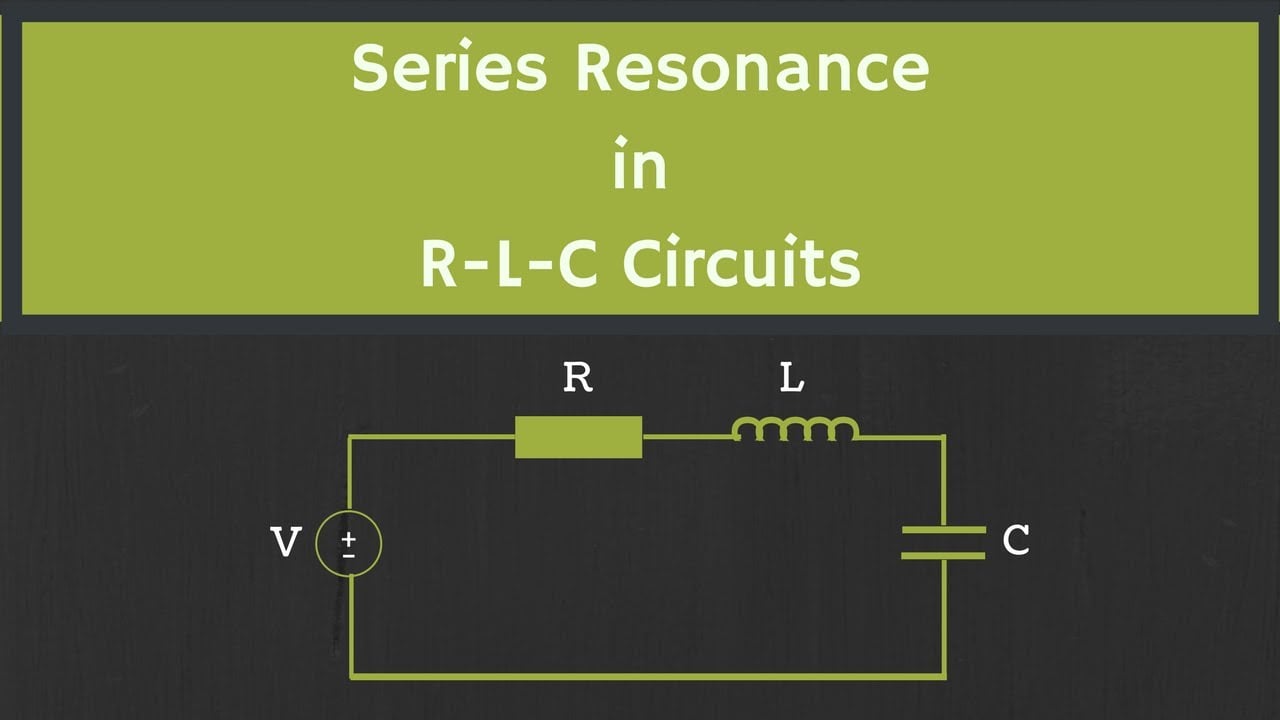
The ideal series-LC relation is fr = 1 / (2π√LC), with L in henries, C in farads and fr in hertz. OpenStax's university physics chapter on AC resonance explains the underlying balance of inductive and capacitive reactance. Applied to fixed ideal components, changing the supply frequency does not itself retune their series resonance. This is a circuit-model result, not proof of a real reactor's suitability or thermal rating.
A deliberately simplified example makes the distinction visible. Take L = 0.002 H and C = 0.0004 F for one equivalent series branch. The calculated resonance is approximately 177.94 Hz. Relative to a 50 Hz supply, that is harmonic order 3.56; relative to a 60 Hz supply, it is order 2.97. The frequency in hertz stays the same while its position relative to the supply harmonics moves.
These example values are invented inputs for arithmetic, not CHYN product specifications or a recommended design. They show why a frequency change can alter the review of harmonic interaction. A bank study must use the real branch connection, effective capacitance, reactor behavior and network conditions. A simplified isolated-branch resonance is not the complete network's set of resonant modes.
Compare records before approving any reuse
| Review item | What to compare | Decision evidence |
|---|---|---|
| Reference frequency | Original design and proposed supply | Approved nameplates and project specification |
| LC pairing | Inductance, capacitance and connection | Component schedule and circuit calculation |
| Harmonic relationship | Resonance in hertz and harmonic order | Updated frequency scan or engineering study |
| Electrical duty | Fundamental and harmonic current, capacitor voltage | Manufacturer's verified operating envelope |
| Thermal and protection duty | Losses, cooling, sensors and switching arrangement | Written application approval and test plan |
The table lists review tasks rather than acceptance limits. A missing calculation or unreadable nameplate should remain an unresolved item. Do not replace missing evidence with a “50/60 Hz” description copied from a different component in the same cabinet.
Review real component behavior and tolerances
The original experimental paper Analysis of the Factors Having an Influence on the LC Passive Harmonic Filter Work Efficiency investigates how filter parameters and their variation affect LC filter behavior. Its laboratory components and tolerances belong to that study; they are not a tolerance specification for CHYN equipment. The useful purchasing question is which measured or guaranteed parameters describe your actual assembled step.
Ask for inductance at the specified measurement conditions, capacitance by phase and connection, and the allowed parameter ranges. Identify whether a record describes a new component, an isolated field measurement or a design nominal. Those distinctions matter when an older capacitor bank contains replacements installed at different times.
Do not simply average three unlike measurements and treat the result as a balanced bank. Keep phase identification and the series-parallel arrangement in the record. If inductance testing is necessary, use an approved method and the separate guidance on interpreting filter reactor inductance measurements. Field measurements should support the engineering review rather than become an improvised energization permission.
Treat voltage and heating as separate approval questions
A resonance calculation is only one part of the reuse decision. The supplier must also confirm the intended fundamental current, harmonic current spectrum, winding duty, cooling conditions and insulation requirements at the proposed supply frequency. A mathematical match of one parameter does not establish acceptable losses, temperature or dielectric stress.
Review the capacitor's actual terminal duty within the LC step, rather than comparing only the bus voltage with the capacitor label. Include the specified switching conditions and the operating combinations of other steps. Ask the responsible designer which combinations require evaluation and retain the resulting case list with the approved equipment schedule.
If the proposed application changes both voltage and frequency, separate the changes in the calculation record. Otherwise, a favorable result may be attributed to the wrong assumption. State which quantities are held fixed and which are recalculated. Obtain a clear approval for the complete new duty rather than collecting unrelated statements that individual components “can operate” at the frequency.
Do not treat taps or capacitor changes as universal fixes
A reactor may have documented taps, but their presence alone does not establish that they are available for a frequency conversion. Different terminals can have specified functions, current ratings and connection restrictions. Use only the connection explicitly approved for the supplied serial number and application. An internet diagram for another reactor is insufficient.
Changing capacitance can move resonance, but it also changes the step's electrical behavior and may affect current, voltage duty and protection coordination. A replacement proposal therefore needs a revised component schedule, calculations and drawings. Preserve the original records so the field installation can be checked against the approved revision.
For a complete component change, use the process in planning a filter reactor replacement. The objective is to control the whole replacement decision, including compatibility and documentation, rather than to select a coil from a single percentage or photograph.
Specify a useful enquiry for a new frequency application
When contacting CHYN about filter reactors, provide the actual network voltage and frequency, installation country, bank connection and existing capacitor details. Include the measured harmonic spectrum and the intended compensation step output. If an existing part must be reused, attach its nameplate and drawing and identify exactly which records are missing.
Request a response that names the proposed inductance, pairing and reference conditions, explains the supplied rating convention and states the required verification. Ask whether approval applies to a replacement component only or the assembled bank. Do not interpret a general product-page description as a project-specific confirmation of dual-frequency compatibility.
For acceptance, agree which measurements will be taken before service and under controlled operation. Examples of useful records include component identity, phase assignments, approved connection checks, operating currents, controller behavior and temperatures at the documented conditions. Test methods, limits and permissions must come from the responsible engineering authority and equipment instructions.
Keep the release decision traceable
Create a short disposition sheet with the original duty, proposed duty, reviewed documents and remaining conditions. A useful approval says which exact assembly may be used, under which operating conditions, and which tests or changes remain necessary. A broad email saying the reactor is “suitable” is harder to apply safely when several capacitor combinations exist.
After any authorized modification, update the nameplate schedule, maintenance information and spare-parts list. Otherwise, a future technician may reinstall the old capacitor value or connect a replacement to the original terminal arrangement. The electrical study and the physical labels need to describe the same final assembly.
If the manufacturer cannot approve the old pairing, obtain a purpose-specified replacement rather than trying to force the available hardware into a new duty. The cost comparison should include engineering, downtime and future maintenance clarity, as well as the component price.
Educational video: series resonance
This ALL ABOUT ELECTRONICS lesson explains series resonance using circuit theory. It is a non-competitive electronics education resource, not a CHYN conversion demonstration, installation instruction or validation of the example component values above.
Watch the educational lecture on YouTube.
Frequently asked questions
Does a 50/60 Hz label on the capacitor approve the reactor too?
No. Confirm the complete LC pairing and assembly duty. A frequency marking on one component does not establish that the reactor, protection and switching arrangement are suitable.
Does the same LC pair have a new resonant frequency at 60 Hz?
Not in the fixed ideal-component model. The resonance in hertz remains determined by L and C, while its harmonic order relative to the supply changes.
Can I preserve a detuning percentage by changing a capacitor?
A calculation may identify a candidate pairing, but a field change requires manufacturer and engineering approval of the full duty. The percentage alone does not verify current, voltage, heating or protection.
What should be documented before energizing a reused step?
Retain the approved component identities and connections, revised frequency review, electrical and thermal duty approval, applicable protection settings and the authorized commissioning procedure.