
 Zhejiang Hongyan Electric Co., Ltd.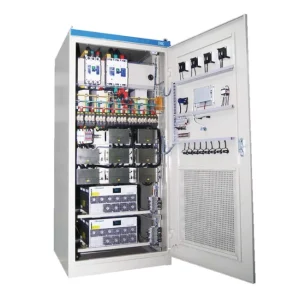
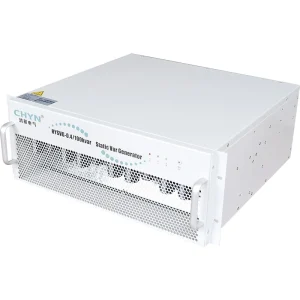
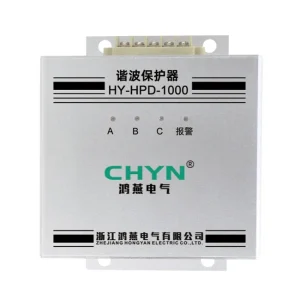
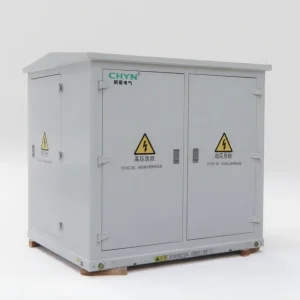
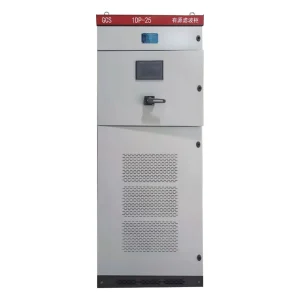
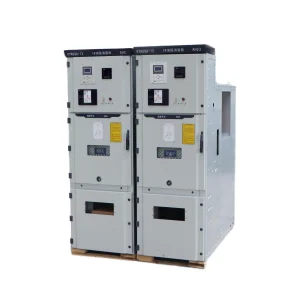
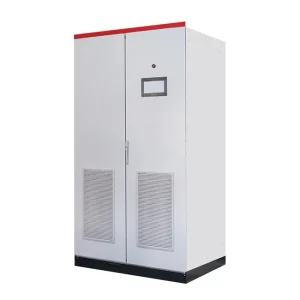
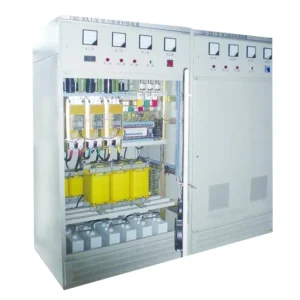
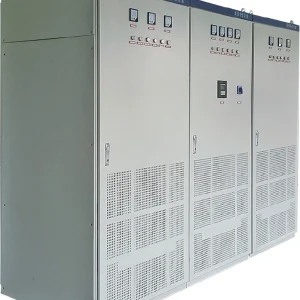
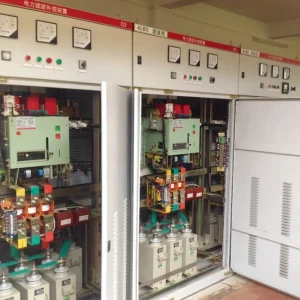
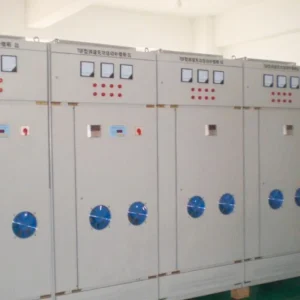
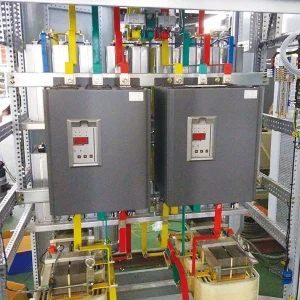
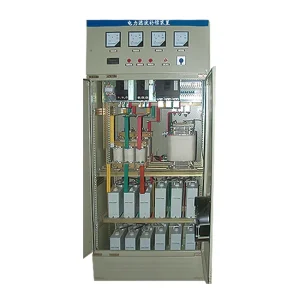
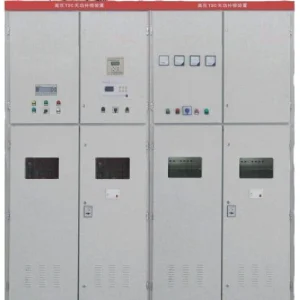
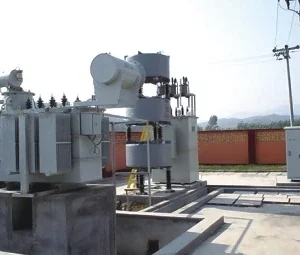
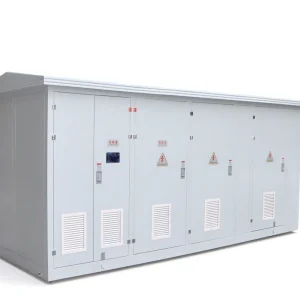
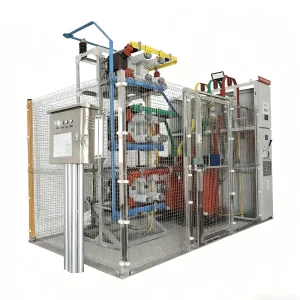
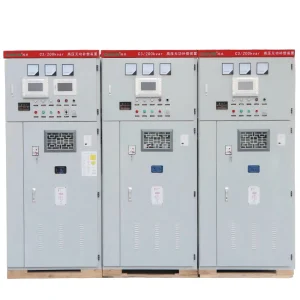
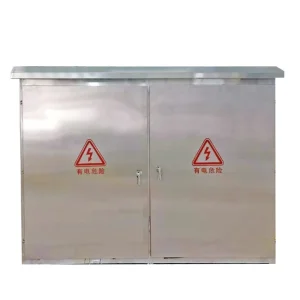
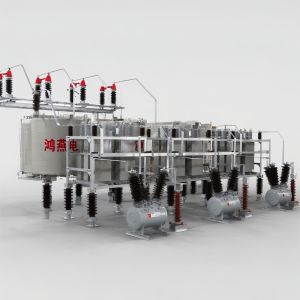
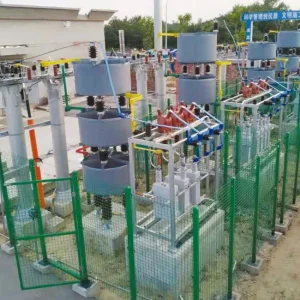
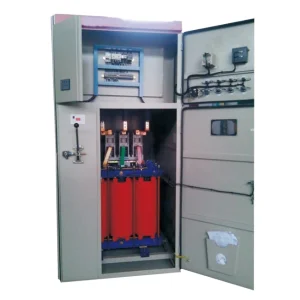
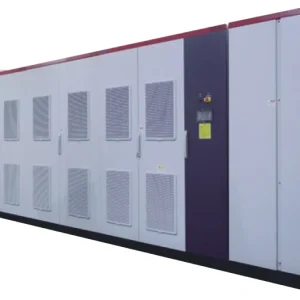
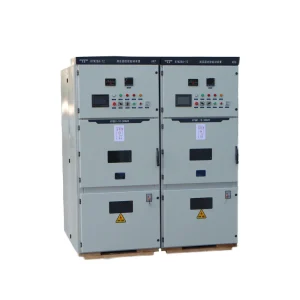
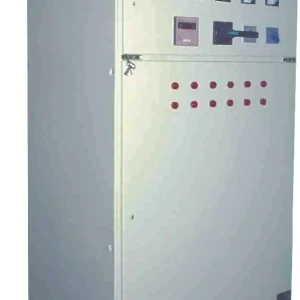
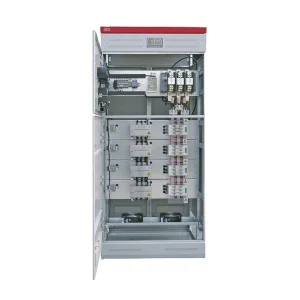
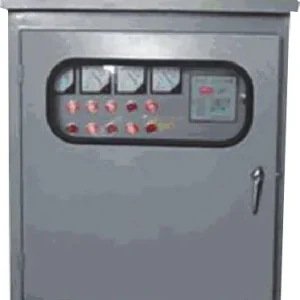
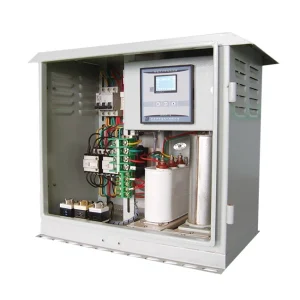
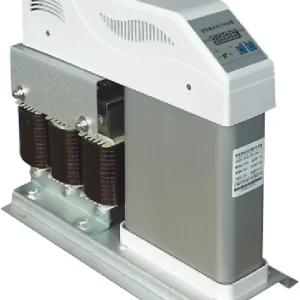
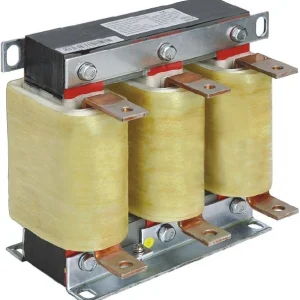
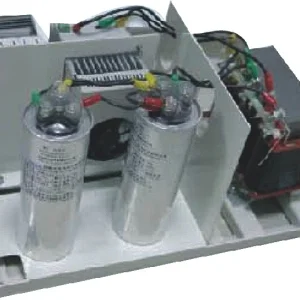
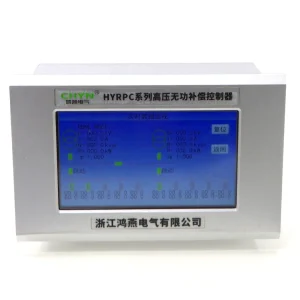
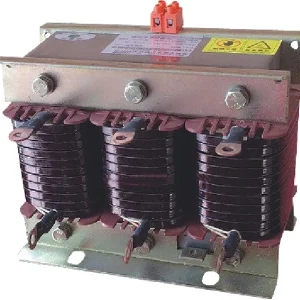
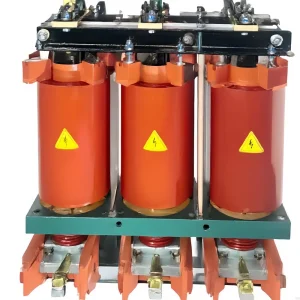
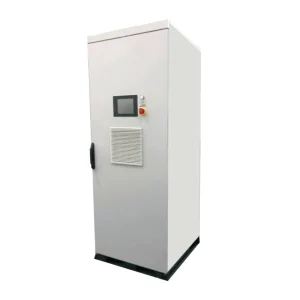
The best power quality solutions for large buildings data centers hospitals are different shortlists matched to each facility’s duty—then APFC, an active harmonic filter, a static var generator, HYLX, or HYDVR is chosen from the measured job. Large commercial building loads mix HVAC VFDs, elevators, and IT closets; a data center stacks UPS rectifiers with chiller drives; a hospital adds medical imaging sag sensitivity. Outdoor campus three-phase imbalance points to a pole-mounted HYSVG, not a single indoor cabinet for every RFQ.
A power quality solution here means a correction class on the bus or feeder, not a UPS SKU list and not a monitoring dashboard. The products hub holds the catalog; this page owns the facility contrast. A large-building device-class walk that recommends HYLX already lives on best power quality improvement devices for large buildings.
How Large Buildings, Data Centers, and Hospitals Differ in Power Quality Duty
Each facility stresses a different duty mix, so one universal cabinet is the wrong first buy.
| Facility | Dominant duty mix | What usually shows up first |
|---|---|---|
| Large commercial building | HVAC VFD / elevator / LED / IT-closet mix | Mixed PF, harmonics, and riser neutral heat |
| Data center | UPS rectifiers + cooling VFD + IT PSUs | Aggregated harmonic current on shared LV |
| Hospital | Imaging loads plus clinical continuity | Short voltage sag / dip events on imaging feeders |
In a large commercial building, chillers, fans, elevators, LED drivers, and floor IT share feeders. Displacement power factor, harmonic current, and neutral heating can all appear on the same campus without one class winning every complaint.
A data center concentrates UPS rectifiers, server power supplies, and cooling VFDs on the same low-voltage sections. Harmonic studies treat that aggregation at a defined point of common coupling, and generator mode often makes voltage distortion worse.
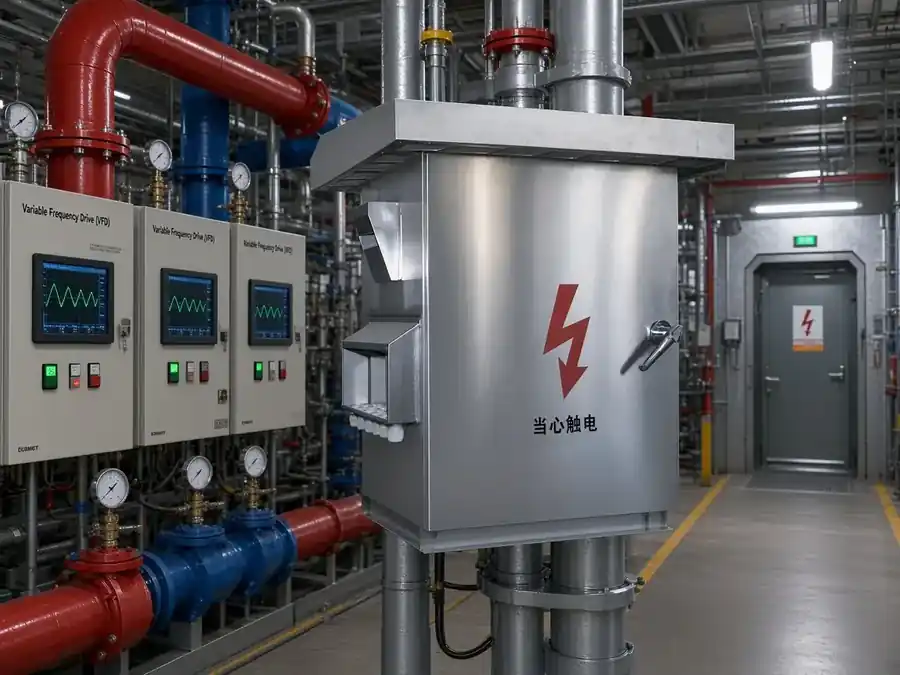
Hospital campuses add medical imaging and life-safety continuity expectations. Field cases show cooler inrush and generator transfer events as short three-phase dips that shut imaging systems down even when electronics look fine on paper.
The data center and telecom power quality solution pairs AHF with SVG language for UPS-intensive halls; it is adjacent context, not a three-facility shortlist.
Device Classes on the Shortlist: APFC, AHF, SVG, HYLX, and HYDVR
Five classes belong on this facility shortlist, and each owns a different measured job.
| Class | What it corrects | First-look facility cue |
|---|---|---|
| APFC / capacitor bank | Stepped capacitive vars for fairly stable inductive loads | Steady motor plant with modest harmonics |
| Active harmonic filter (AHF / APF) | Opposite-phase harmonic current at the bus | UPS, VFD, and IT harmonic spectra |
| Static var generator (SVG / HYSVG) | Continuous bidirectional reactive current; can correct imbalance | Fast reactive swing or feeder imbalance |
| HYLX zero-sequence absorber | Triplen / zero-sequence current on the neutral | Shared-riser IT / LED neutral heating |
| HYDVR (dynamic voltage restorer) | Series voltage injection during short sags | Imaging or IT sag continuity |
APFC suits fairly stable inductive power-factor work. It is weak when the spectrum is fast or harmonic-rich.
A shunt active harmonic filter injects compensating current equal in magnitude and opposite in phase to the harmonic current, so upstream feeders see a cleaner waveform. CHYN’s indoor example is the HYAPF Series Active Power Filter.
A static var generator supplies continuous bidirectional reactive current and can correct three-phase imbalance without waiting for capacitor steps. Outdoor feeder work uses the pole-mounted HYSVG path below.
A zero-sequence absorber targets triplen harmonics that add on the neutral. Text-link the HYLX Zero-Sequence Current Absorber when that is the measured job; the large-building HYLX recommendation story stays on the sibling device shortlist.
A dynamic voltage restorer injects series voltage during short sags and swells. CHYN’s series example is the HYDVR series voltage sag mitigation solution.
Selection Cues from UPS Harmonics, Chillers, Imaging Sags, and Outdoor Feeders
Match the symptom to a class after measurement, not after a brand list or a single SERP page that sells one cabinet for every facility.
| Measured symptom | First class to shortlist | Facility tip |
|---|---|---|
| Changing harmonic current from UPS / VFD / IT | Active harmonic filter | Common in data halls and VFD-heavy towers |
| Steady lagging PF, modest THD | APFC | Still valid on quiet inductive plants |
| Fast reactive swing or phase imbalance | SVG / HYSVG | Outdoor campus feeders often land here |
| Hot shared neutral / triplen-rich IT floors | HYLX | Indoor riser problem, not outdoor pole job |
| Brief imaging or IT voltage sag | HYDVR | Hospital imaging and sensitive IT buses |
Chiller and AHU VFDs are a frequent data-center harmonic source because cooling drives sit on the same LV as UPS and IT. Catalogue drive THDi is an equipment input, not proof of IEEE 519 compliance at the facility PCC.
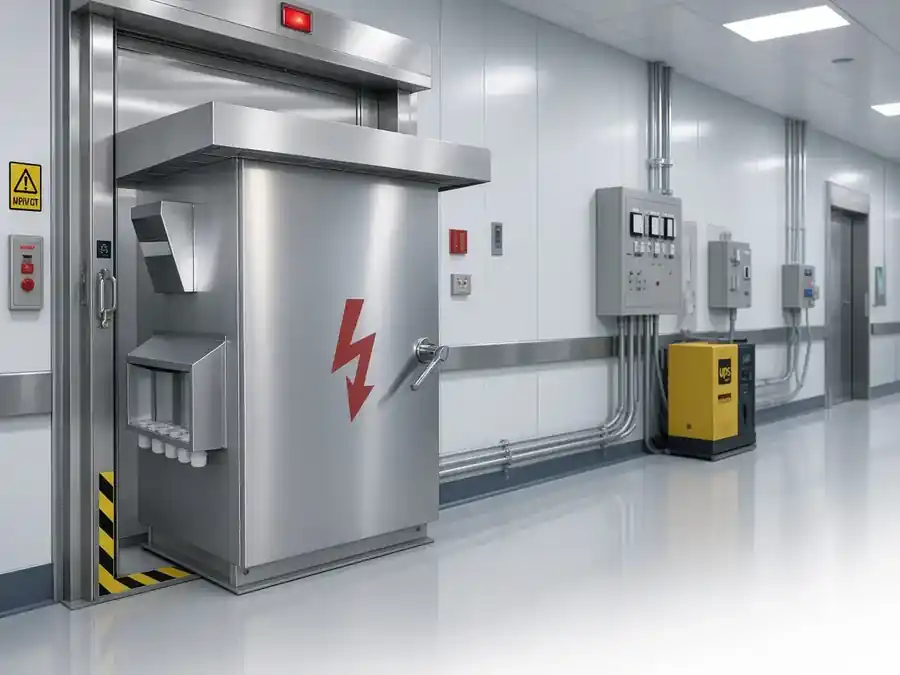
From the field: Hospital imaging suites can trip when cooler inrush pulls a three-phase dip on the same feeder; measure the voltage event before blaming the scanner electronics. Fluke hospital power quality case
Log phase current, true versus displacement power factor, imbalance, voltage events, and neutral RMS during cooling peaks, UPS load steps, and imaging sessions before you freeze the shortlist.
How Indoor Harmonics, Imaging Sags, and Neutral Triplens Map Beside Outdoor Feeders
Indoor harmonics, short sag support, and neutral triplens are separate jobs from outdoor feeder imbalance—even on the same campus RFQ.
When the dominant log is broadband UPS or VFD harmonic current inside a white-space room or mechanical switchboard, shortlist HYAPF first. That is a shunt injector job, not a pole-mounted reactive cabinet.
When medical imaging or sensitive IT needs series support through a brief voltage sag, shortlist HYDVR. Published protection capacity spans 30–5000 kVA with adjustable protection time from 0.4–30 seconds; it is not a UPS and not an outdoor imbalance fixer.
When shared-riser triplen current heats the neutral without outdoor three-phase imbalance, text-link HYLX. Third-harmonic currents are in phase, so they add on the neutral instead of cancelling.
Outdoor end-of-line voltage problems and measured feeder imbalance stay on the SVG pole-mounted path in the next section. Keep HYAPF, HYDVR, and HYLX as text links here; their dedicated product photos belong to other articles.
When to Recommend HYSVG Pole-Mounted for Outdoor Campus Feeders
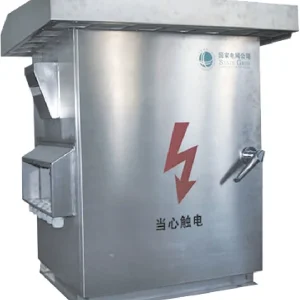
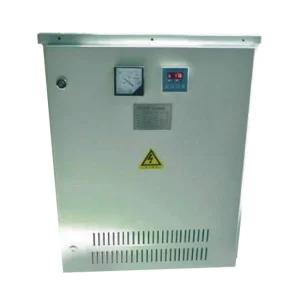
Recommend the HYSVG Pole-Mounted Outdoor Three-Phase Imbalance Correction Device when the measured job is outdoor or campus feeder three-phase imbalance plus dynamic reactive correction.
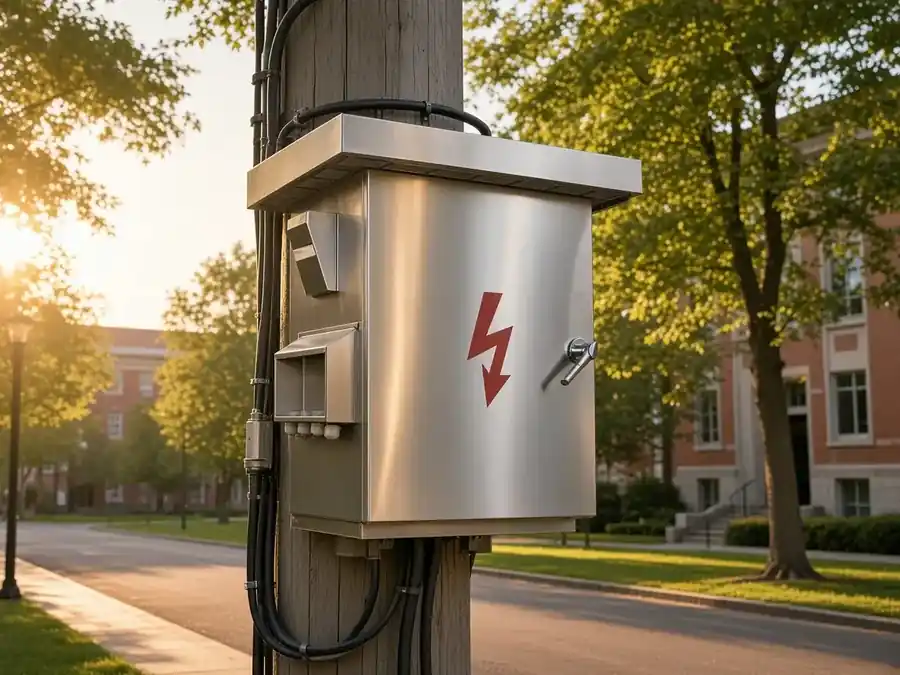
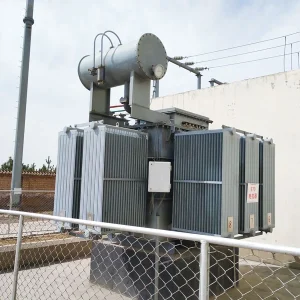
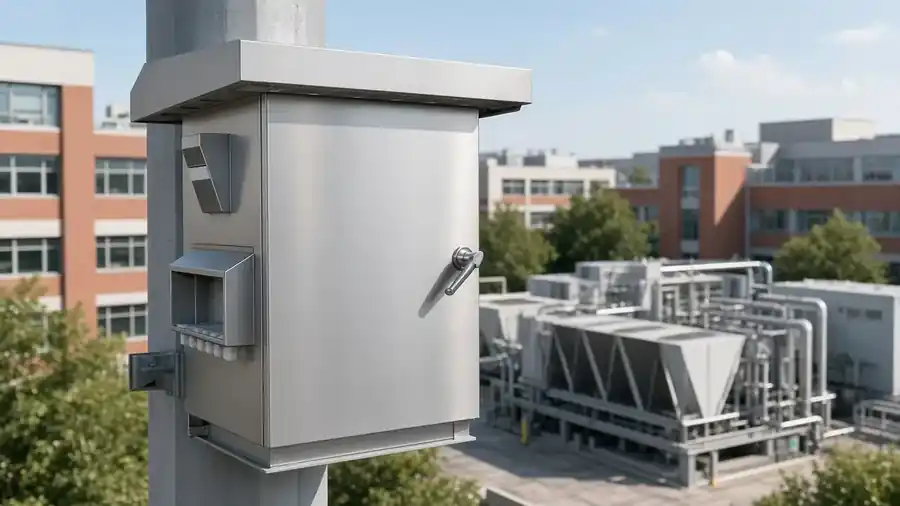
The outdoor feeder scene above is the campus context. The product photo below is the live pole-mounted cabinet for that job.
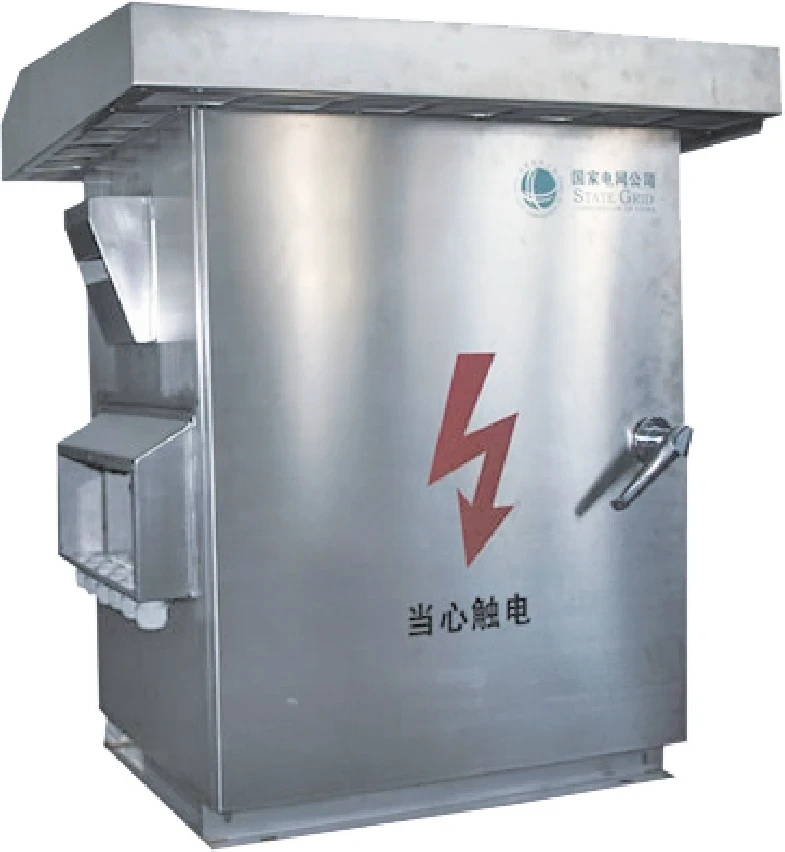
HYSVG Pole-Mounted is an outdoor weatherproof static var generator class device for LV feeder three-phase imbalance and dynamic reactive correction. Published reactive capacities are 30/50/100/150 kvar at 380 V, with harmonic support from the 2nd to the 13th order, response of 100 μs / 10 ms, IP54 enclosure rating, and efficiency ≥97%.
It targets outdoor pole-mount networks, end-of-line voltage problems, reverse reactive current, and limited harmonic pollution on those feeders. Confirm measured outdoor or campus feeder imbalance and reactive swings before you open the product page.
Skip it as the first pick when the dominant job is indoor IT/UPS/VFD harmonics (use HYAPF), short imaging or IT sags needing series injection (use HYDVR), or shared-riser triplens without outdoor imbalance (use HYLX). Continuity-only UPS needs stay outside this correction shortlist.
What UPS and Monitoring Pages Leave Off This Shortlist
UPS and monitoring pages answer continuity and visibility questions; they are not the correction shortlist for buildings, data centers, and hospitals.
A UPS keeps critical loads alive through outages. It does not replace an active harmonic filter, a static var generator, or a dynamic voltage restorer when the measured job is harmonics, reactive imbalance, or series sag injection.
Monitoring software and meters log voltage sag events, harmonics, and flicker so you can pick a class. They do not inject compensating current or vars. Software product reviews belong on a different brief.
SERP pages that sell one AHF for every facility, or modular UPS alone, skip outdoor feeder imbalance and hospital imaging sag→DVR mapping. Use those pages as adjacency, then return to the facility table and class matrix above.
FAQ
What is the difference between power quality needs in large buildings, data centers, and hospitals?
Large buildings mix HVAC VFD, elevator, LED, and IT-closet duties. Data centers concentrate UPS plus cooling VFD harmonics. Hospitals add medical imaging sag sensitivity and clinical continuity expectations on top of ordinary plant loads.
When should I choose an active harmonic filter instead of a capacitor bank?
Choose an active harmonic filter when the log shows changing harmonic current from UPS, VFDs, or IT. Keep APFC when displacement power factor is the gap, harmonics are modest, and the inductive load is fairly steady.
When is an SVG or pole-mounted HYSVG the right shortlist pick?
Use SVG-class gear for fast reactive swings or measured three-phase imbalance. Choose pole-mounted HYSVG when that job sits on an outdoor or campus LV feeder rather than an indoor white-space board.
Does a UPS replace AHF, SVG, or DVR equipment?
No. A UPS is a continuity device. AHF, SVG, and DVR classes correct harmonics, reactive/imbalance, or short sags on the bus; batteries do not substitute for those jobs.
How do hospitals handle imaging equipment voltage dips?
Measure the dip first. Cooler inrush and generator transfer events are common field causes. When series support through a short voltage sag is the measured need, shortlist a dynamic voltage restorer such as HYDVR rather than only buying a larger UPS.
Why do data-center cooling systems create harmonics?
Chiller, AHU, and pump VFDs are nonlinear loads. Together with UPS rectifiers and IT power supplies, they aggregate harmonic current on shared LV sections.
When is a zero-sequence / HYLX absorber relevant?
When triplen harmonics add on a shared neutral—often IT or LED floors on a four-wire riser—without outdoor feeder imbalance as the dominant outdoor job. Keep HYLX as a text-link class here; the deep HYLX shortlist is the large-building sibling article.
Does a low drive THDi number prove IEEE 519 compliance?
No. Equipment THDi is an input to a system study. IEEE 519 is evaluated at a defined PCC for the facility, not by reading one drive catalogue line.