
 Zhejiang Hongyan Electric Co., Ltd.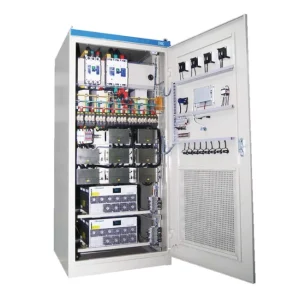
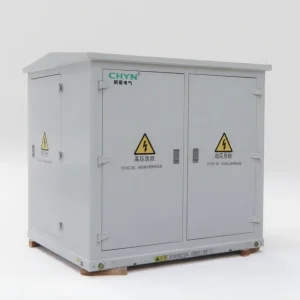
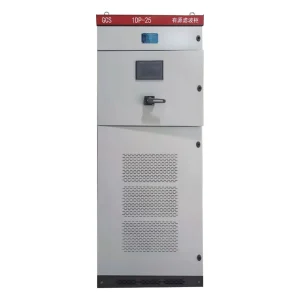
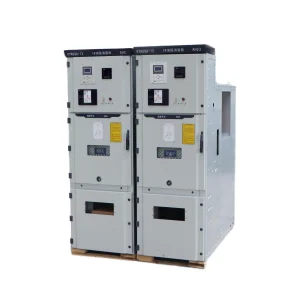
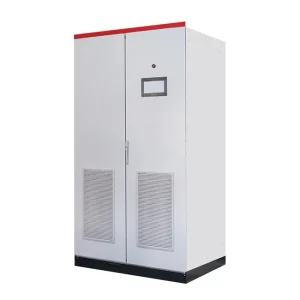
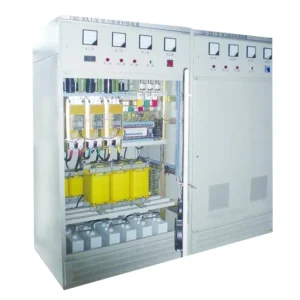
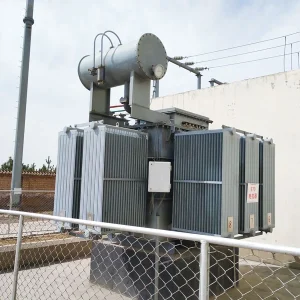
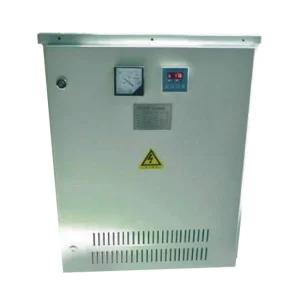
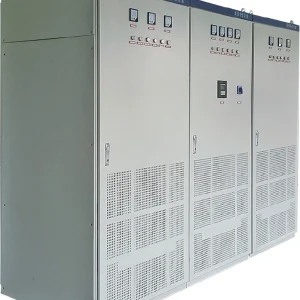
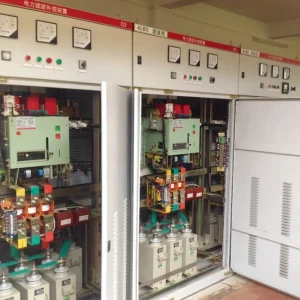
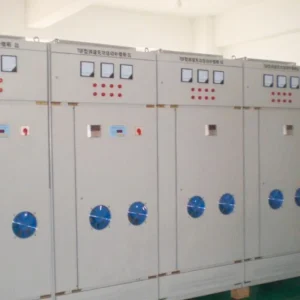
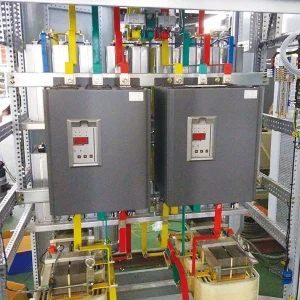
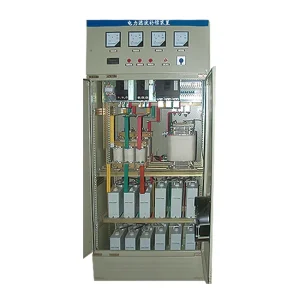
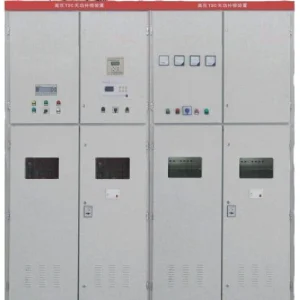
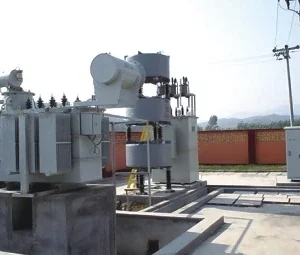
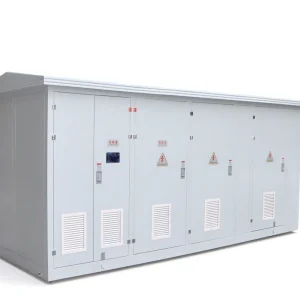
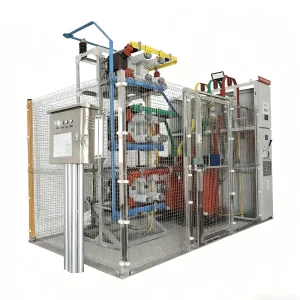
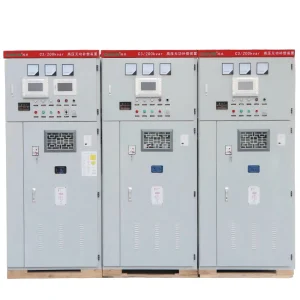
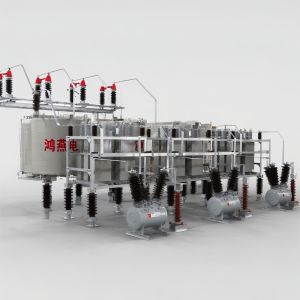
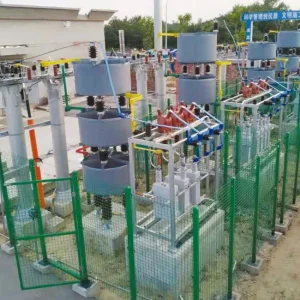
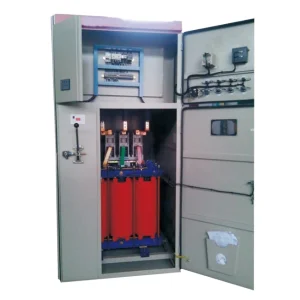
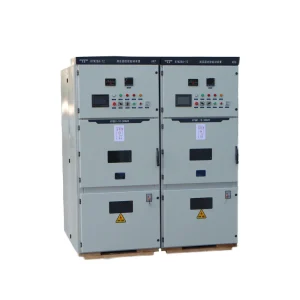
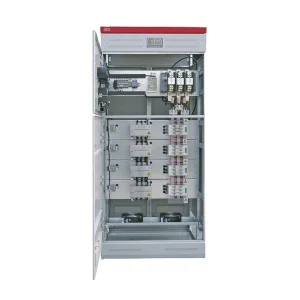
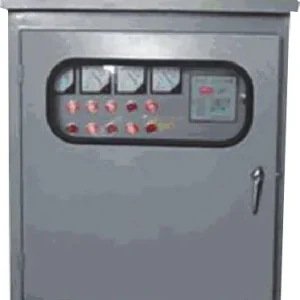
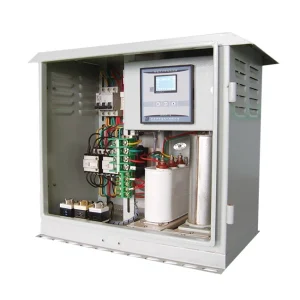
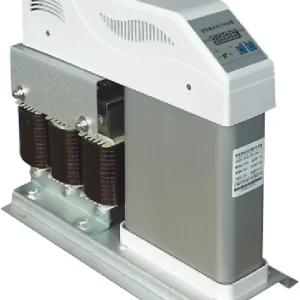
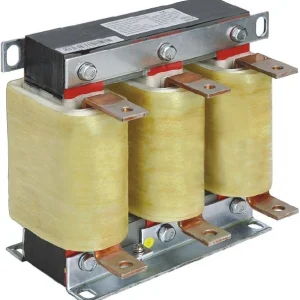
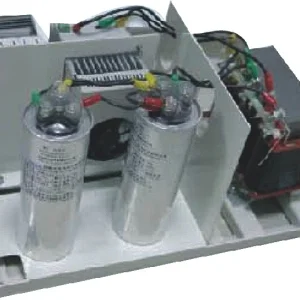
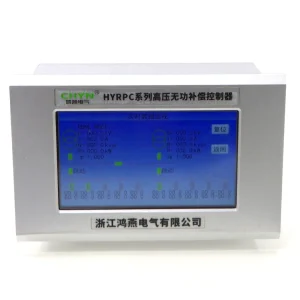
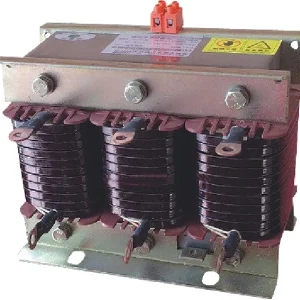
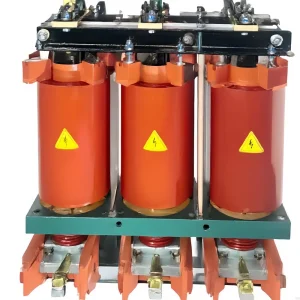
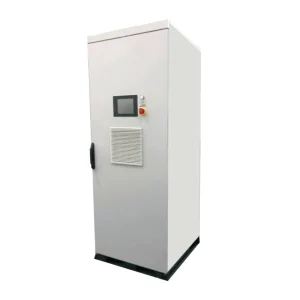
The best power quality solutions for large buildings harmonics voltage stability are architectures matched to a paired problem: spectrum distortion and voltage swing that travel together on a campus or tower feeder. That power quality solution (paired) shortlist covers combined filter-compensation when both jobs are co-dominant, an active harmonic filter when the spectrum keeps changing, SVG when fast vars dominate, and a detuned APFC bank when steady power-factor correction needs resonance protection. Measure first; a UPS or a meter log is not the same purchase as bus correction.
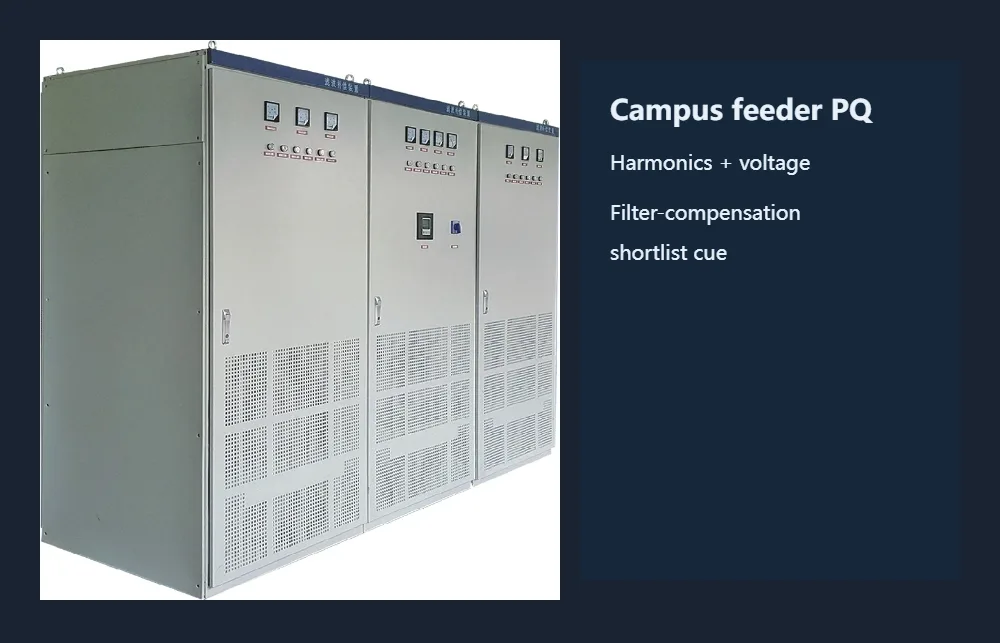
A general large-building device shortlist by load pattern already lives on best power quality improvement devices for large buildings. This page owns the paired harmonics-plus-voltage decision, not that class map.
Why harmonics and voltage swing travel together on building feeders
Distorted current and reactive or RMS voltage instability often share the same campus bus because the same nonlinear and cyclic loads create both waveform dirt and rapid var demand. Voltage stability / flicker issues and harmonic distortion therefore need a joint shortlist on a large building / campus feeder.
HVAC VFDs, elevator drives, UPS inputs, LED drivers, and plant-adjacent process feeders inject harmonic current into transformer impedance. VFD / elevator / chiller cues are the usual building-side starters for that mix. That current can raise THDv, heat windings, and upset sensitive controls.
The same feeders also pull lagging reactive current that changes when chillers, lifts, or process steps cycle. RMS voltage then dips, lights flicker, and a stepped PF relay chatters.
Power quality is compatibility between the voltage the bus delivers and what the loads need. Harmonic distortion is a waveform problem; voltage flicker and swing are magnitude problems. On a shared building or campus feeder those two complaints often arrive in the same week.
| Paired symptom on the feeder | Architecture to shortlist first |
|---|---|
| Changing harmonic spectrum; vars already acceptable | Active harmonic filter |
| Fast reactive swing / flicker; THD modest | SVG / STATCOM-class dynamic vars |
| Steady lagging PF; modest harmonics | Detuned APFC bank |
| Heavy harmonic current and reactive / voltage support need | Combined filter-compensation |
| Continuity during outages or spikes only | UPS / SPD — different purchase |
Keep UPS / SPD gear as a one-line boundary: surge protection and UPS cover spikes and ride-through. They do not cancel drive harmonics or refill missing vars on the bus. The live products hub holds the correction families below.
Measurement cues before you shortlist a solution
Log THD by order, kvar variability, dip or flicker timing, and any existing capacitor banks before you name a cabinet.
A power quality analyzer at the main switchboard and at the worst feeder tells you whether the complaint is current distortion, voltage distortion, reactive swing, or a mix. Capture HVAC peak and elevator rush in the same week. Note whether a switched bank is already online — its resonant order can sit near a drive harmonic and make the bus look worse after every step.
| Measurement cue | What it usually means | First architecture look |
|---|---|---|
| High THDi with changing 5th/7th content; PF already near target | Harmonic-dominant job | Active harmonic filter |
| RMS dips / light flicker timed to lifts or chillers; THD modest | Var / voltage-swing job | SVG |
| Low displacement PF; modest THD; stable load schedule | Steady PF job | Detuned APFC |
| High THD plus poor or swinging vars / voltage support need | Co-dominant jobs | Combined filter-compensation |
| Bank fuses or hot capacitors after VFD growth | Resonance risk | Stop adding plain steps; restudy detuned or filter path |
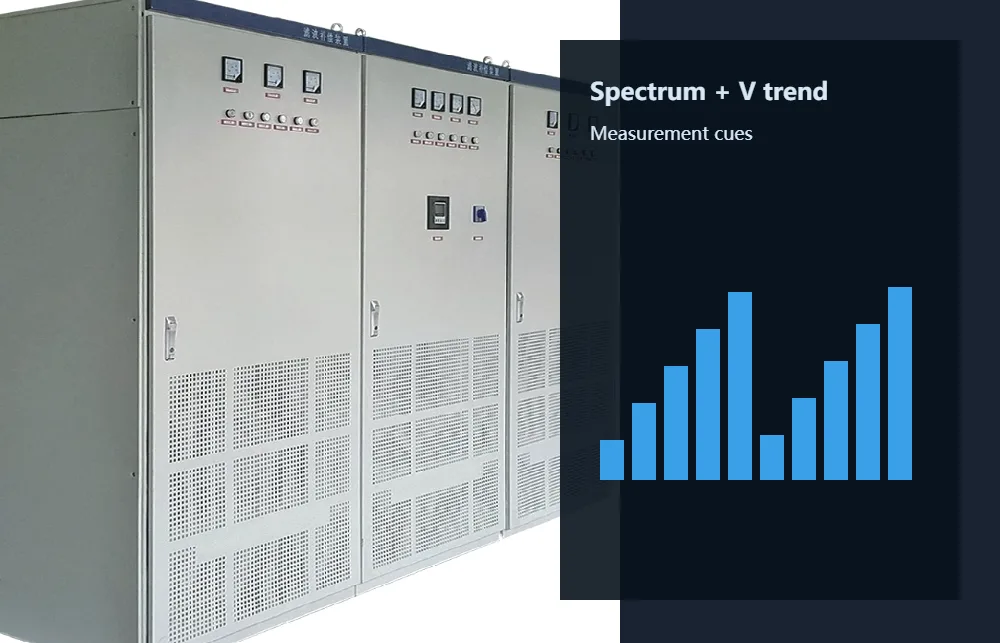
Do not freeze an RFQ from a single snapshot. Community troubleshooting threads show facilities with high third-harmonic current and switched banks near a ninth-order resonance — voltage can look “stiff” while current distortion and bank behavior still matter.
When an active harmonic filter is enough
An active harmonic filter is enough when the dominant job is changing harmonic current and reactive or voltage support is already acceptable.
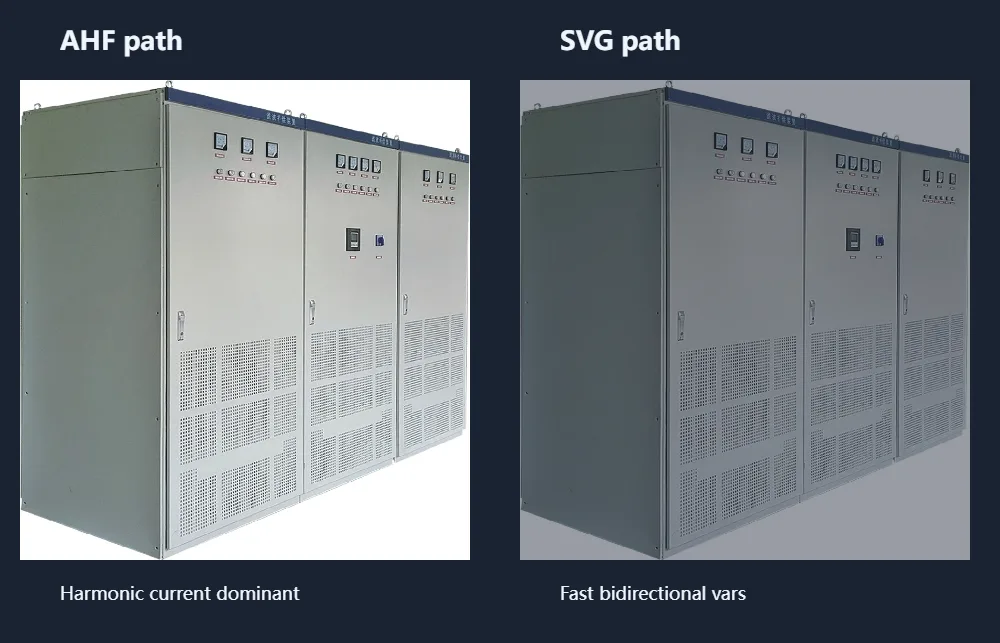
A shunt active filter measures load current and injects equal-and-opposite harmonic current so the upstream feeder sees a cleaner waveform. That fits HVAC VFD stacks, UPS inputs, and mixed electronics whose spectrum shifts through the day. It is the wrong first purchase when the complaint is mainly PF relay chatter or elevator voltage dip with modest THD.
For a pure changing 5th/7th-dominant spectrum, use the live HYAPF Series Active Power Filter as the CHYN text-link example. Design math for AHF control loops belongs on the active-filter review and design siblings, not here. A deeper product overview also lives on a review of active filters for power quality improvement.
If kvar demand is still large and steady beside the harmonic job, coordinate a detuned bank with the filter rather than assuming the injector replaces every capacitor step.
When SVG owns the voltage-swing job
SVG owns the voltage-swing job when fast bidirectional reactive current is the main gap and harmonic content is secondary.
A static var generator synthesizes inductive or capacitive current continuously instead of waiting for capacitor contactors. That helps elevator and chiller swings that hunt a PF relay, and it helps flicker-prone cyclic loads on a weak campus feeder. It is not a substitute for broadband harmonic cancellation when THDi is the headline complaint.
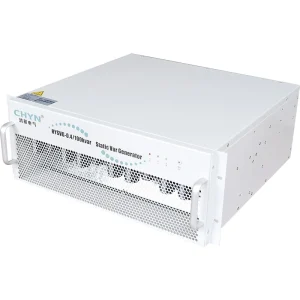
Use the live HYSVG Static Var Generator as the text-link example when vars and voltage swing dominate. Definition-level SVG explanation stays on what is a static var generator.
If both fast vars and heavy harmonics show up in the same log, you are leaving the single-job fork and entering the combined-architecture decision below.
When a detuned APFC bank is enough — and when a plain bank is not
A detuned APFC bank is enough when the load is fairly inductive and steady, harmonic voltage is modest, and the job is displacement power-factor correction with resonance protection.
Stepped capacitors raise displacement power factor on campuses of across-the-line motors or mixed-use blocks whose chillers are not VFD-heavy. With nonlinear loads present, a plain bank can resonate near the fifth to thirteenth harmonic and amplify voltage distortion instead of fixing the penalty. A detuned capacitor bank adds series reactors commonly tuned below the fifth so the branch looks inductive at those drive harmonics while still supplying fundamental vars.
From the field: Facility engineers on harmonic-rich systems warn against applying a straight capacitor bank alone when the goal mixes power-factor improvement, harmonic attenuation, and voltage stability — model the frequency response before adding stepped capacitance (Physics Forums discussion on odd harmonics).
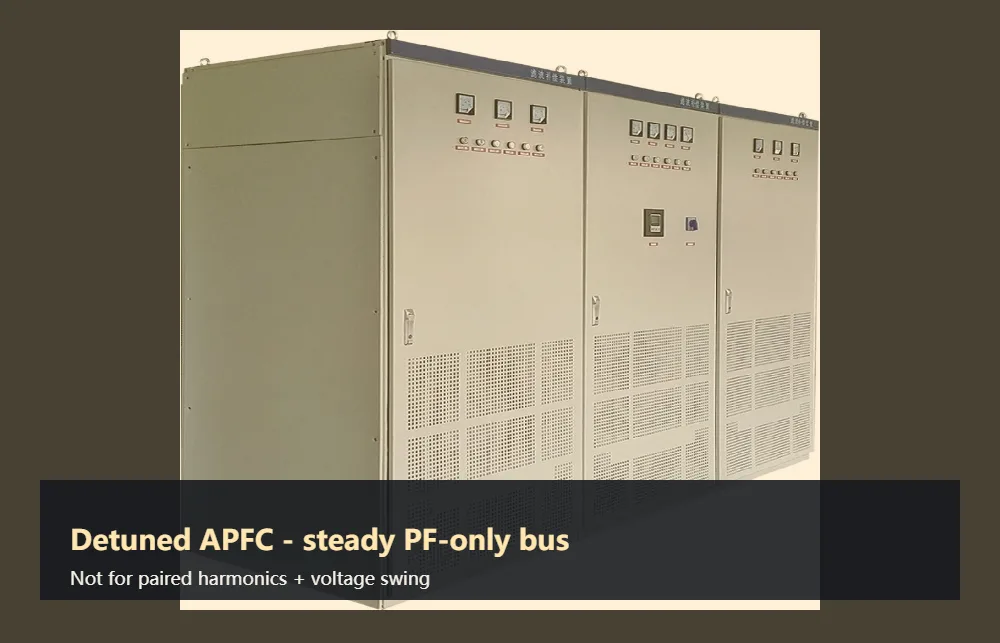
For steady PF-only duty with modest harmonics, text-link the HYTBBJ low-voltage static reactive power compensation system. Passive filter versus capacitor-bank trade-offs as a standalone comparison live on harmonic filter vs capacitor bank.
When combined filter-compensation fits — and how to recommend HYFCKRL
Combined filter-compensation fits when the building or campus bus shows heavy harmonic current plus reactive or voltage-support need that a single-job AHF, SVG, or PF bank does not cover.
That pattern shows up on plant-adjacent campuses and industrial buildings where process or furnace-like nonlinear loads share a feeder with commercial HVAC and lighting — not as a claim that every office tower needs a metallurgy cabinet. The live architecture that publishes multi-branch harmonic filtering together with dynamic reactive compensation and flicker-mitigation wording is the HYFCKRL Series Ferroalloy Submerged Arc Furnace Harmonic Filtering & Reactive Compensation System.
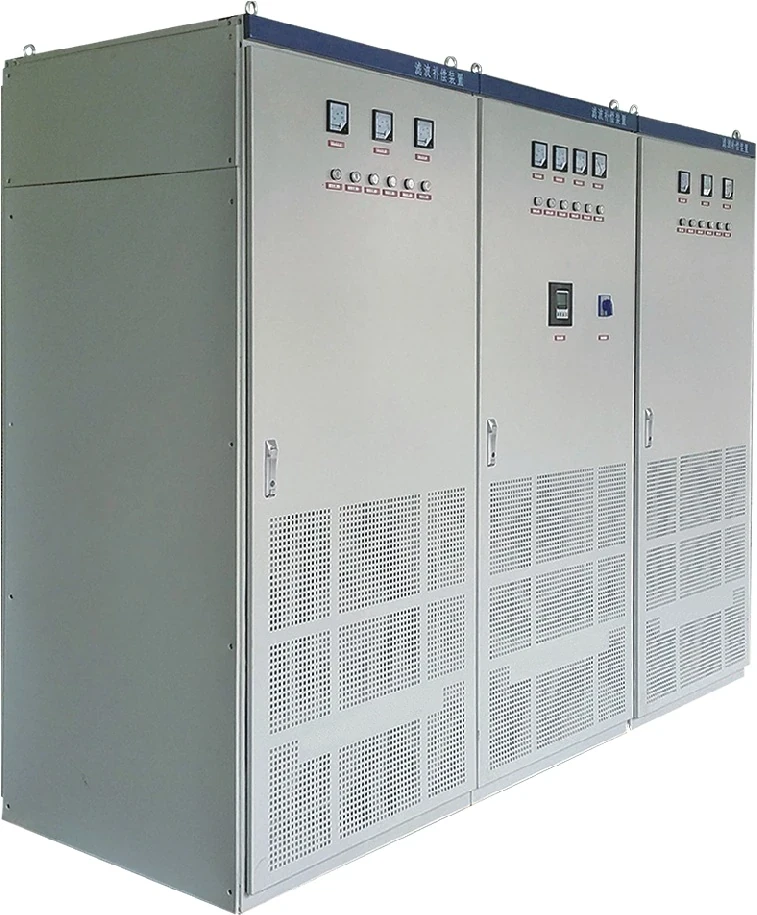
HYFCKRL’s product page describes tuned or wide-band filter branches for characteristic orders typically including the 2nd, 3rd, 5th, 7th, 11th, and 13th, reactive compensation for fluctuating demand, and automatic branch switching under monitored voltage, current, harmonics, and reactive power. Use those published capabilities as the combined-architecture example. Do not invent ferroalloy output or smelting-time case numbers for a building RFQ.
Map single-job leftovers with text links only — HYAPF / HYSVG / HYTBBJ — for changing 5th/7th-dominant spectra, fast bidirectional vars, and steady PF-only respectively: HYAPF, HYSVG, and HYTBBJ. Adjacent solution context without project metrics: manufacturing plant power quality or steel and metallurgy power quality.
FAQ
What are the best power quality solutions when a large building has both harmonics and voltage instability?
Shortlist architectures, not one universal cabinet: combined filter-compensation when both jobs are co-dominant, an active harmonic filter when the spectrum dominates, SVG when fast vars dominate, and a detuned APFC bank when steady PF needs resonance protection.
Which measurements should I log before shortlisting a filter, SVG, or detuned bank?
Log THD by order, true versus displacement power factor, kvar variability, RMS dip or flicker timing during HVAC and elevator peaks, and whether any switched capacitor bank is already online.
When should I choose an active harmonic filter instead of combined filter-compensation?
Choose an active filter when changing harmonic current is the headline and reactive or voltage support is already acceptable. If both jobs are co-dominant on the same bus, move to combined filter-compensation.
When is SVG the better first pick for voltage swing?
Choose SVG when elevator or chiller swings, PF relay chatter, or flicker dominate and harmonic content is secondary. Definition detail stays on the SVG explainer sibling.
When is a detuned APFC bank enough?
When the load is fairly inductive and steady, harmonic voltage is modest, and you need displacement PF correction without inviting resonance from a plain bank.
Why is a plain capacitor bank risky on a VFD-rich campus feeder?
Nonlinear loads often inject fifth- and seventh-order current. A plain bank can resonate near those orders and amplify distortion. Detuned reactors or a different architecture are safer after a study.
Does an active filter automatically fix power factor and voltage stability?
Not automatically. Some active filters can support reactive current, but their primary job is harmonic cancellation. Do not treat them as a drop-in replacement for a PF or SVG decision without measurements.
Is a UPS the right fix for elevator light flicker on a shared feeder?
Usually not for the bus. A UPS hides the dip for the protected load; it does not correct feeder vars or harmonics. Measure the shared feeder before buying continuity gear as the “PQ solution.”
Where does HYFCKRL fit for a plant-adjacent campus bus?
Recommend HYFCKRL when heavy harmonic current and reactive or voltage-support need travel together and a combined filter-compensation architecture matches the measured bus — using an industrial-building analogy, not invented furnace KPIs.
References
- Electric power quality — Wikipedia — voltage magnitude, flicker, and harmonic waveform facets used in the paired-problem framing.
- Active power filter — Wikipedia — shunt injection mechanism for the active-filter architecture fork.
- Odd harmonics in power system reduction — Physics Forums — field caution against bare capacitor banks when harmonics, PF, and voltage stability interact.