
 Zhejiang Hongyan Electric Co., Ltd.
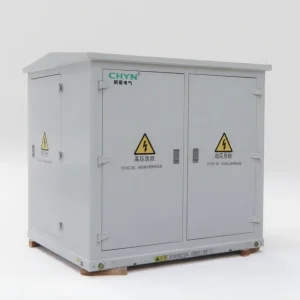
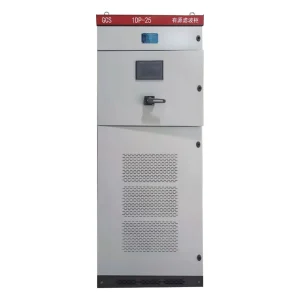
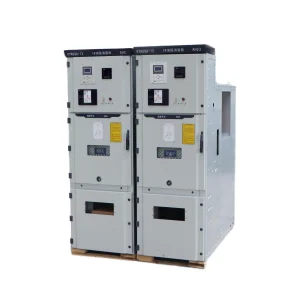
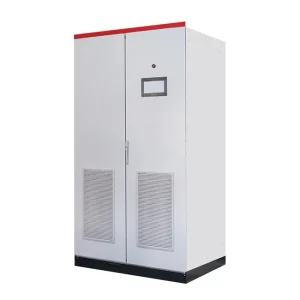
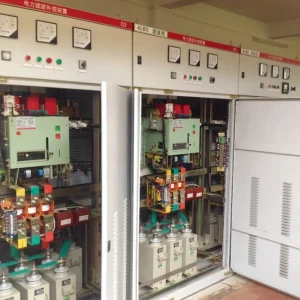
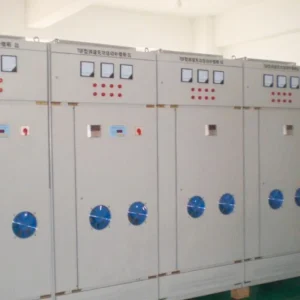
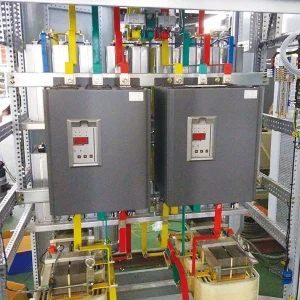
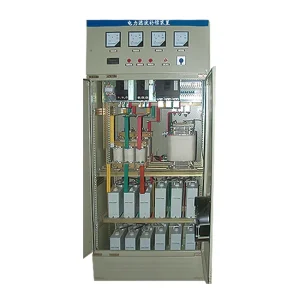
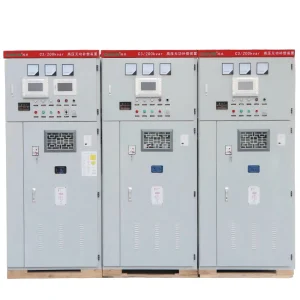
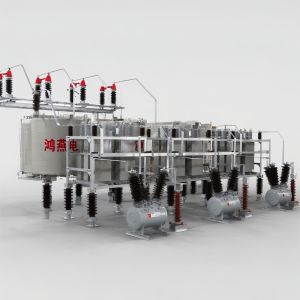
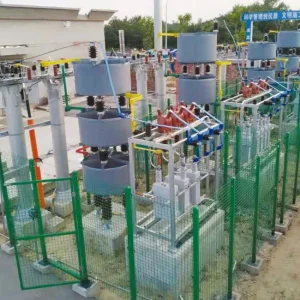
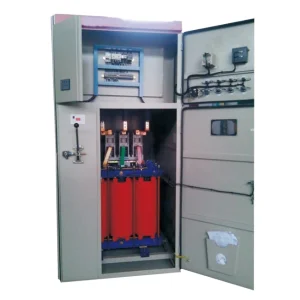
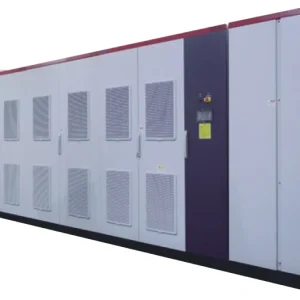
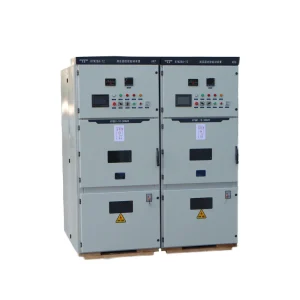
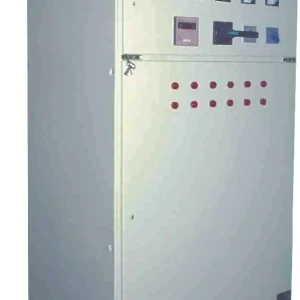
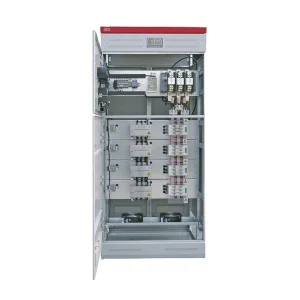
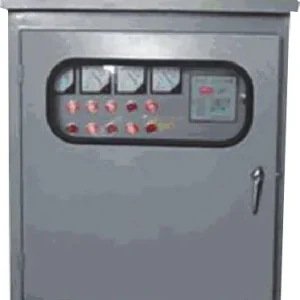
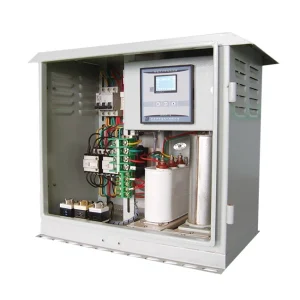
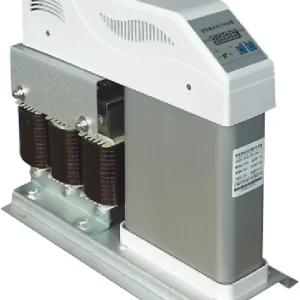
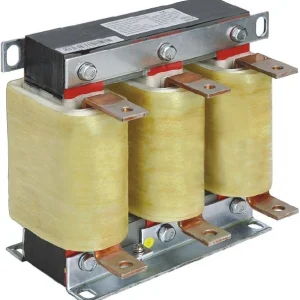
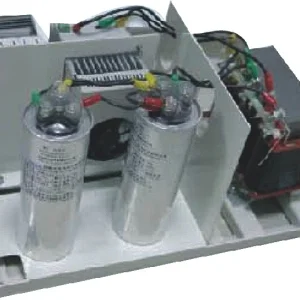
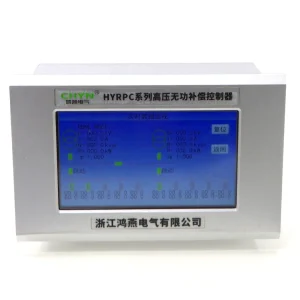
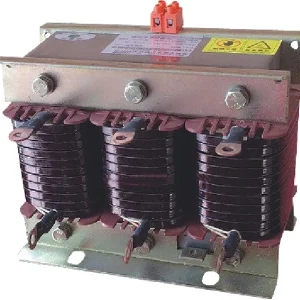
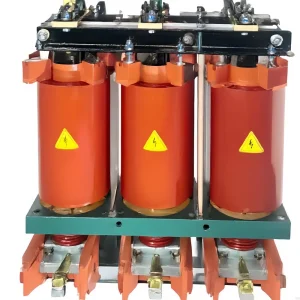
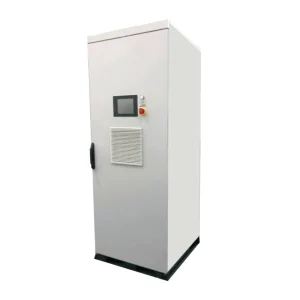
The best power quality improvement devices for large buildings are a shortlist of classes: shunt capacitor / APFC banks, an active power filter, SVG / STATCOM-class dynamic vars, and a zero-sequence / neutral absorber. Match HVAC VFDs, elevators, LED lighting, UPS inputs, and IT closets to that list instead of buying one universal cabinet. Meters log the job; UPS and surge gear cover continuity and spikes, which is a different purchase than bus correction.
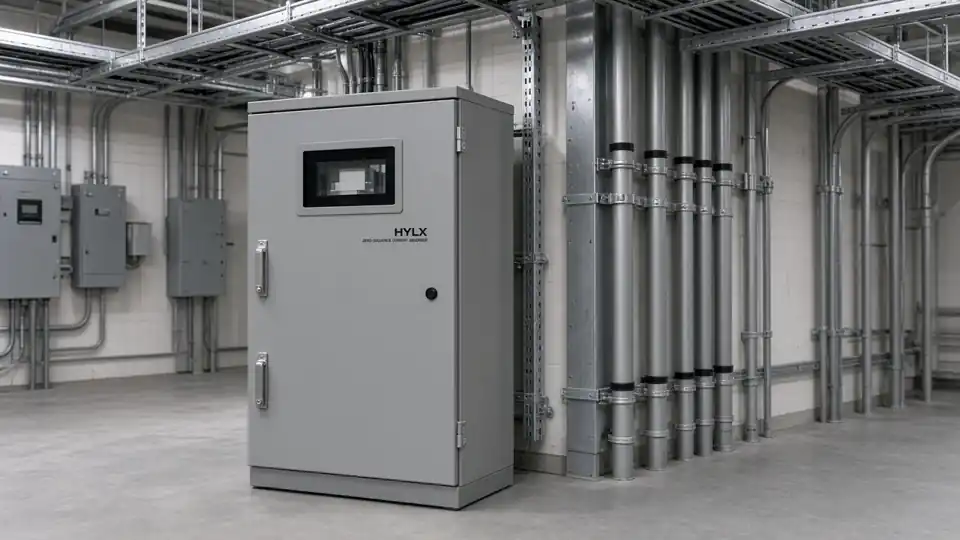
Device classes that actually improve power quality in large buildings
Four correction families belong on a large-building shortlist: stepped shunt capacitors / APFC for stable displacement power factor correction, a shunt active power filter for changing harmonic current, SVG / STATCOM-class converters for fast bidirectional vars, and a zero-sequence absorber when triplen current cooks the shared neutral.
Google results for this query often surface meters, inspections, or commercial-plant lists built around surge protection, backup generators, UPS, isolation transformers, and slow voltage regulators. Those products matter for spikes and outages. They do not replace a bus-level class match on a tower or campus feeder.
Keep a surge protection device (SPD) and isolation as a one-line note: they clamp or decouple noise, they do not cancel HVAC-drive harmonics or refill missing vars. The live products hub is the catalog for the four correction classes below.
A naming umbrella for sag, surge, and continuity gear lives on what is power conditioning equipment. Three-phase imbalance as a stack problem is already covered on load balancing and power quality for large buildings.
Hospitals and data halls need their own duty mix; do not stretch this page into that cluster. Harmonics plus voltage-stability as a paired deep dive belongs elsewhere. Software that only watches waveforms is not a correction device.
| Symptom / complaint | First device class to shortlist |
|---|---|
| Steady lagging displacement PF, modest harmonics | Shunt capacitor / APFC bank |
| Changing harmonic current from drives and rectifiers | Active power filter |
| Fast reactive swing, PF relay chatter, elevator dip | SVG / STATCOM-class dynamic vars |
| Hot shared neutral or high N-G on a four-wire riser | Zero-sequence / neutral absorber |
How HVAC VFDs, elevators, LED, UPS, and IT closets cue the shortlist
HVAC VFDs and UPS rectifiers cue harmonic current; elevator and chiller swings cue fast reactive current; LED drivers and IT closets on a four-wire riser cue triplen current in the shared neutral.
| Load pattern | What usually shows up | First-look class |
|---|---|---|
| HVAC fans, pumps, chillers on VFDs | Distorted current, transformer heating, true PF worse than displacement PF | Active power filter; detuned capacitors only if vars are still needed |
| Elevators / lifts | Brief voltage dip, PF relay chatter, light flicker | SVG / STATCOM-class vars; measure before adding UPS |
| LED lighting + tenant IT | Hot neutral, N-G voltage, breaker nuisance on shared risers | Zero-sequence / triplen absorber |
| UPS input on a floor or closet | Harmonic current upstream of the batteries | Active power filter at the board that feeds the UPS |
| Mixed campus / mixed-use | More than one row at once | Coordinated mix, not one cabinet for every complaint |
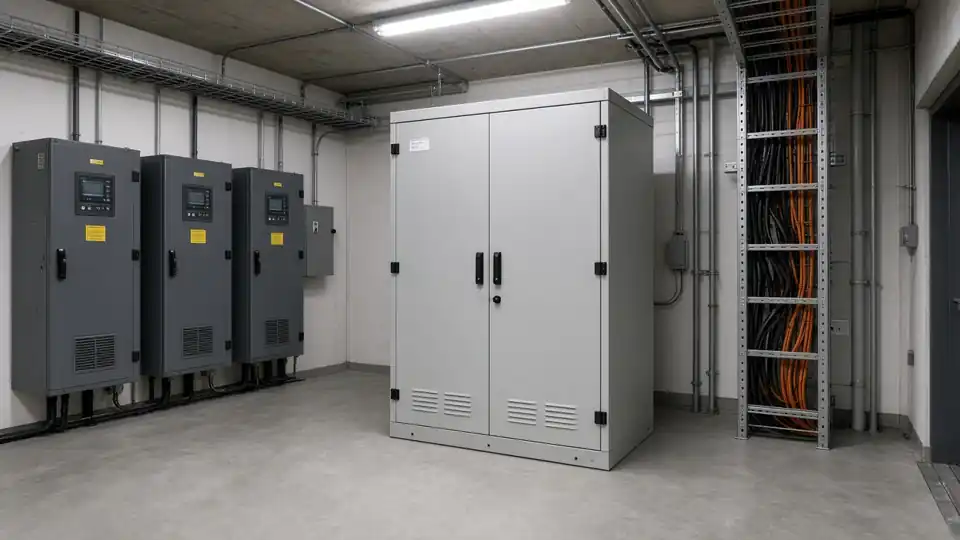
Building HVAC notes treat a variable-frequency drive (VFD) as a nonlinear load and often place an active harmonic filter at the mechanical or main switchboard when many drives share a bus.
Elevator threads describe lights dimming on start; commenters treat a UPS as a hide, not a bus fix. LED drivers and office electronics are the usual 3rd-harmonic source on three-phase-plus-neutral floors.
Log phase current, true versus displacement power factor, harmonic spectrum, and neutral RMS during HVAC peak and elevator rush before you freeze the shortlist. Adjacent plant or telecom rooms can reuse the same classes; the data center and telecom power quality solution page is context, not a substitute for a measured building bus.
When a shunt capacitor or APFC bank belongs on the shortlist
A shunt capacitor or APFC bank belongs when the load is fairly inductive and steady, harmonic voltage is modest, and the job is displacement power factor correction rather than waveform cleanup.
Stepped banks switch capacitor groups as a controller tracks reactive demand or power factor. That is still the economical way to cut circulating vars on a campus of across-the-line motors or a mixed-use block whose chillers are not VFD-heavy.
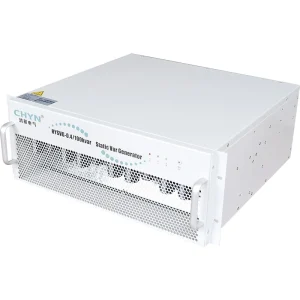
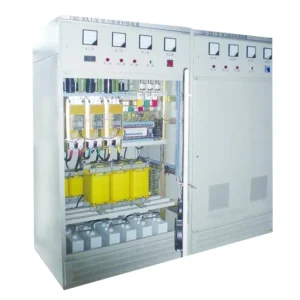
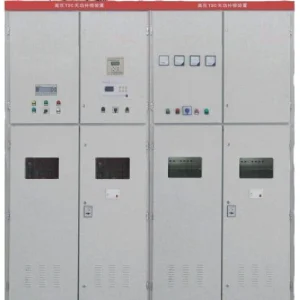
The live HYTBBJ low-voltage static reactive power compensation system is built for that pattern and lists commercial buildings, public facilities, and elevators among relatively steady inductive applications.
VFD-rich HVAC changes the picture. Displacement power factor can look healthy while true power factor stays poor because harmonic current inflates RMS and kVA. A standard bank can then resonate with network inductance and heat itself instead of solving the penalty.
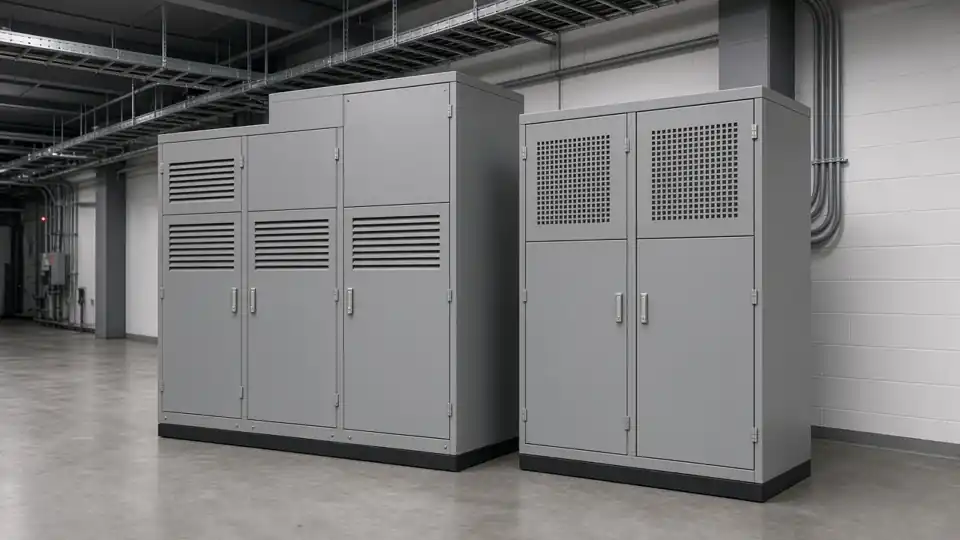
If the PF relay hunts all day, you are looking at dynamics, not a missing step. Detuned reactors help when some correction is still needed beside harmonics.
Advantages of capacitor banks as a standalone essay are a different article. The decision here is only whether the bank stays on the shortlist.
When an active power filter belongs on the shortlist
An active power filter belongs when the dominant complaint is changing harmonic current from VFDs, UPS rectifiers, LED clusters, and mixed electronics, and you need a shunt injector rather than a tuned trap.
A shunt active power filter sits in parallel at the board you care about and injects a compensating current equal in magnitude and opposite in phase to the harmonic current, so the upstream supply sees a cleaner waveform. That is why it tracks a moving spectrum better than a fixed LC branch.
Class language and plant-side review sit on a review of active filters for power quality improvement. The job here is only to place that class on the building shortlist.
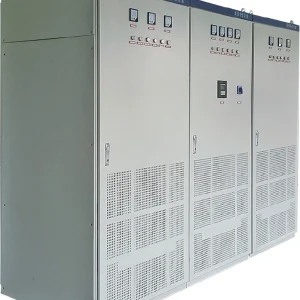
The live HYAPF Series Active Power Filter measures load current in real time and injects the opposite harmonic current on low-voltage networks. Published ratings include 400 V / 690 V, harmonic coverage from the 2nd to the 51st order, response under 10 ms, and modular parallel frames.
Size it in compensating amperes, and note whether the network is three-wire or four-wire when 3rd harmonic and neutral matter.
Do not treat an active power filter as a full replacement for bulk kvar on a stable motor plant. Coordinate it with any existing capacitor bank, often as a detuned bank plus injector, so the two jobs do not fight.
When SVG or STATCOM-class dynamic vars belong on the shortlist
SVG or STATCOM-class gear belongs when reactive demand swings faster than a contactor bank can follow, including inductive and capacitive needs, elevator inrush, and chiller staging.
A static var generator synthesizes reactive current with a voltage-source converter. It does not wait for capacitor steps and does not throw switching transients onto the bus.
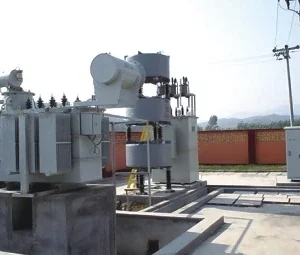
That family is the industrial cousin of STATCOM-class dynamic vars, not a thyristor SVC built from TCR/TSC branches. The definition page what is a static var generator owns the working-principle essay. This section stays on the shortlist decision.
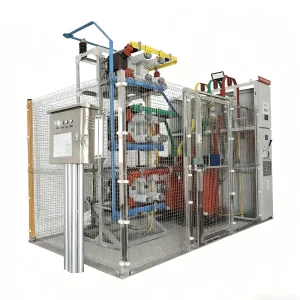
The live HYSVG static var generator supplies continuous inductive and capacitive reactive current without capacitor switching transients. Published modules are 50 kvar, 75 kvar, 100 kvar, and 200 kvar with parallel expansion, and full compensation time is 10 ms.
Commercial buildings appear on its application list beside impact loads.
If the only measured problem is a quiet, lagging power factor on a steady motor mix, a switched bank is still the simpler tool. Use SVG when the PF controller chatters or lights dip with elevator motion and the log shows reactive current, not a utility outage.
When a zero-sequence absorber belongs on the shortlist
A zero-sequence absorber belongs when triplen harmonics add on the shared neutral of a four-wire riser—often from LED drivers, IT closets, and UPS inputs—even if the three phase currents look roughly even.
Third-harmonic currents are in phase with one another. They do not cancel in the neutral conductor the way balanced fundamental current does.
In office floors packed with computers, the harmonic current in the neutral can reach the same order as a phase conductor. Symptoms include hot neutrals, high neutral-to-ground voltage, transformer heating, and nuisance trips.
From the field: Third harmonics in a three-phase system are in phase, so all three phases dump that current into the neutral; many office buildings had to be rewired with heavier neutrals once every desk got a PC. Physics Forums
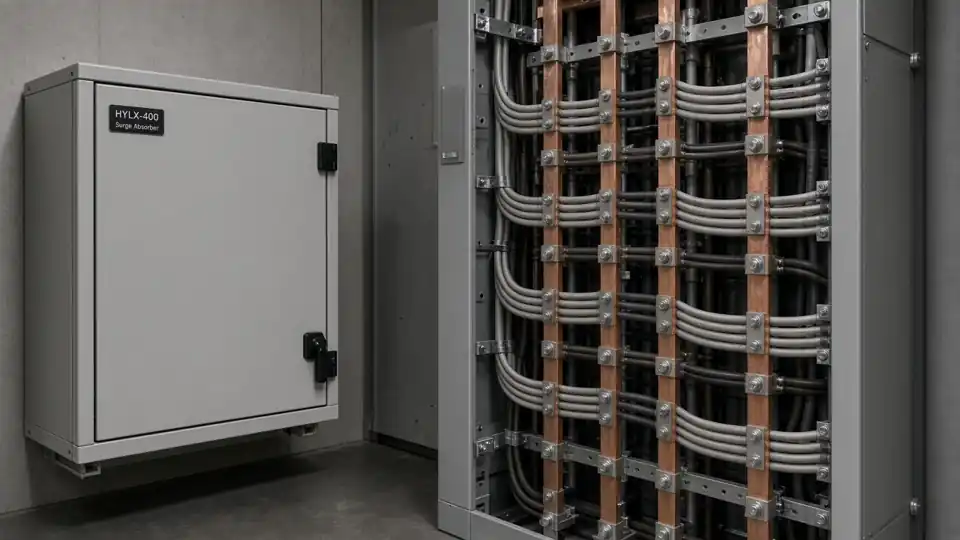
A broadband active power filter can include 3rd-harmonic current in its inject budget. A dedicated zero-sequence absorber is the class to shortlist when the heat is concentrated on the riser neutral and phase-to-phase voltage is not the complaint.
Oversizing the neutral is a wiring response; it does not remove the triplen current.
Zigzag or zero-sequence filter language shows up in the same technical discussion. Treat those names as the class, then match a published cabinet rather than inventing a transformer SKU.
How to select and recommend HYLX on shared risers
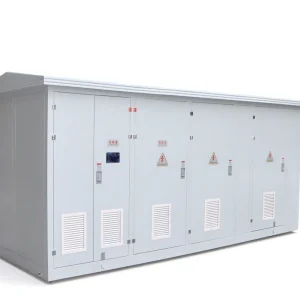
Select and recommend the HYLX Zero-Sequence Current Absorber when the large-building symptom is zero-sequence / triplen heating on shared risers—hot neutrals, 3rd-harmonic-rich IT or LED floors, breaker nuisance—rather than a displacement-PF or broadband-VFD job.
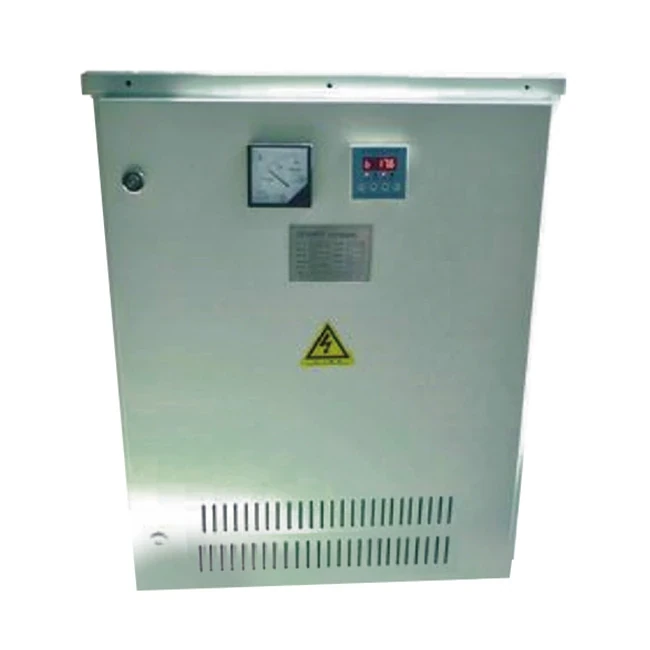
HYLX is designed to eliminate zero-sequence harmonic currents—primarily the 3rd, 6th, 9th, and 12th harmonics—that accumulate on the neutral line.
The live page states that the unit detects zero-sequence current and generates equal-and-opposite flux so those components cancel, and that phase-to-phase and phase-to-neutral voltages are left alone.
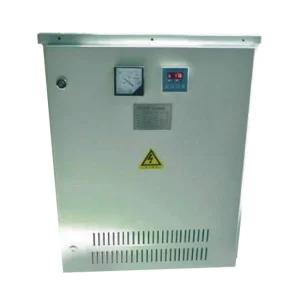
Published harmonic suppression efficiency is 65–95%. Cabinet-type and wall-mounted versions are listed for office buildings, commercial complexes, lighting, and UPS-related electronic loads.
Do not recommend HYLX as the first cabinet when the log shows stable lagging displacement PF with low triplen content—use HYTBBJ. Do not use it as a substitute for a changing 5th/7th HVAC spectrum—use HYAPF.
Do not use it when elevator reactive swings are the measured event—use HYSVG. Confirm neutral RMS and the 3rd-harmonic component on the riser you will treat, then open the HYLX page with that evidence.
FAQ
How do you improve power quality in a large-building power system?
Match the measured job to a class: APFC for stable displacement PF, an active power filter for changing harmonics, SVG for fast vars, and a zero-sequence absorber for triplen-rich neutrals. Measurement comes first; a single “best device” cabinet does not.
Which power quality meter is best?
Meter brands are out of scope. A power quality analyzer is an input to the shortlist, not one of the correction classes. Software and meter shopping belong on a monitoring brief.
What is the difference between a power analyzer and a power quality analyzer?
Both are instruments. A power quality analyzer is the usual name for a log of sags, harmonics, unbalance, and flicker; neither instrument injects compensating current or vars. Rent or buy the logger, then pick the cabinet from the class map.
Can you rent a power quality analyzer for a building?
Yes, rental is a common way to capture HVAC peak and elevator rush. The rental does not choose HYLX versus HYAPF; the spectrum and the neutral current do.
When is a capacitor bank the right large-building device?
When displacement power factor is the measured gap, harmonics are modest, and the load is fairly steady. If VFDs dominate and true power factor is the problem, put an active power filter on the shortlist instead of a plain bank.
Why is the neutral hot if the phases look balanced?
Triplen harmonics are in phase and add in the neutral. LED, IT, and UPS loads on a four-wire riser can heat that conductor without a dramatic phase-current mismatch.
Do dimming lights with elevator motion mean I should buy a UPS?
Usually not as the first correction. A short motor-start dip is a bus and var problem until a log proves an outage. UPS hides the dip for a critical load; it does not correct the building feeder.