
 Zhejiang Hongyan Electric Co., Ltd.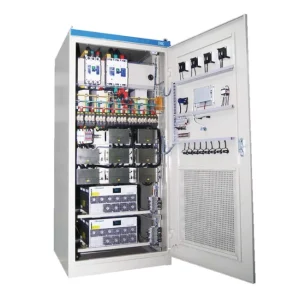
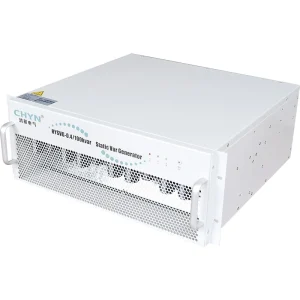
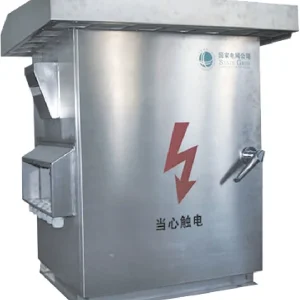
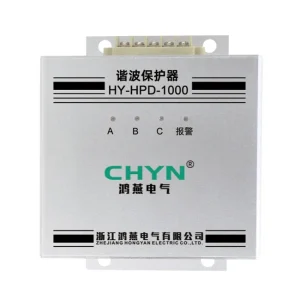
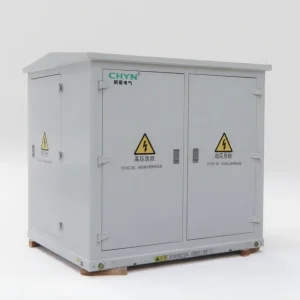
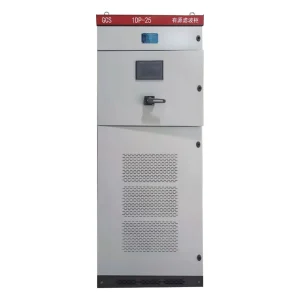
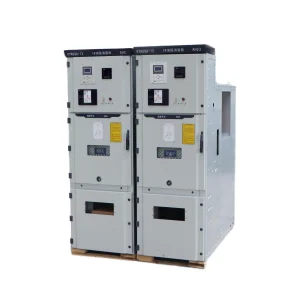
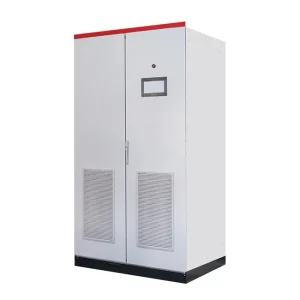
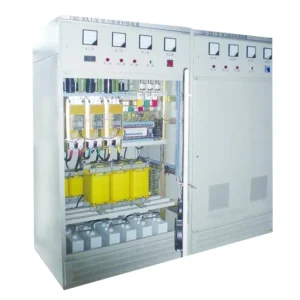
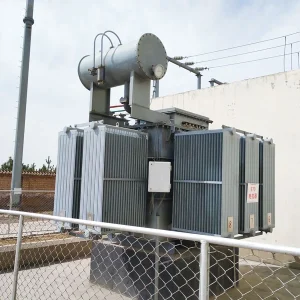
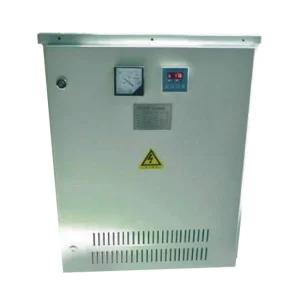
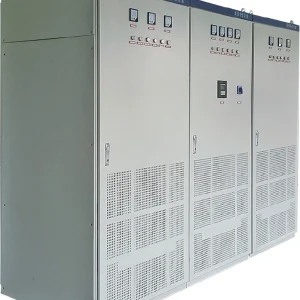
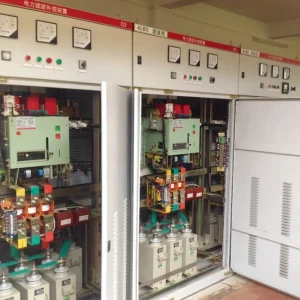
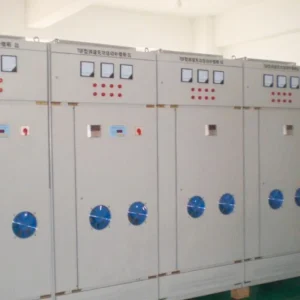
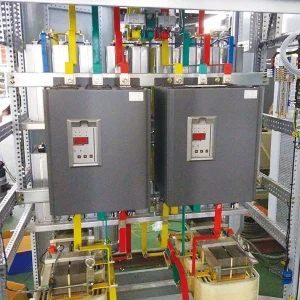
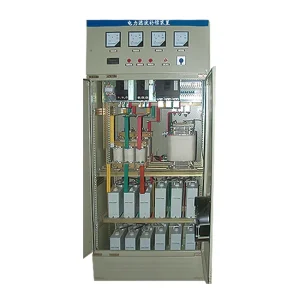
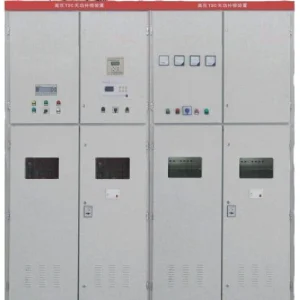
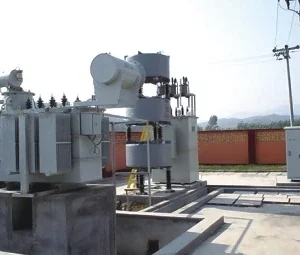
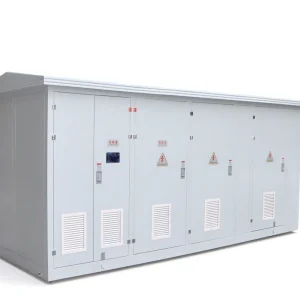
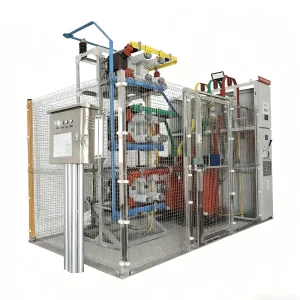
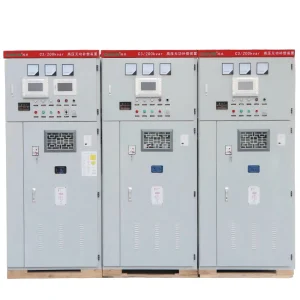
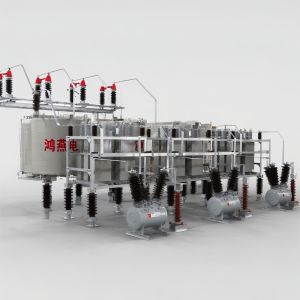
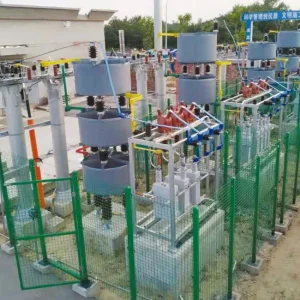
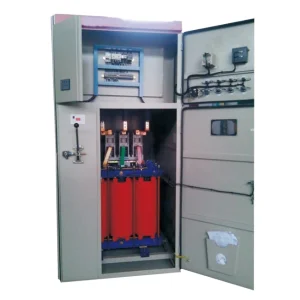
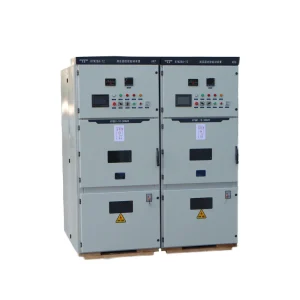
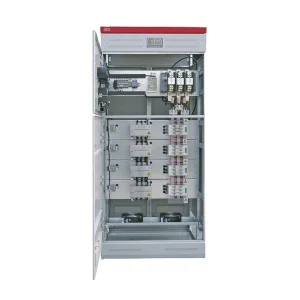
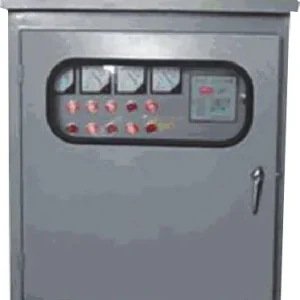
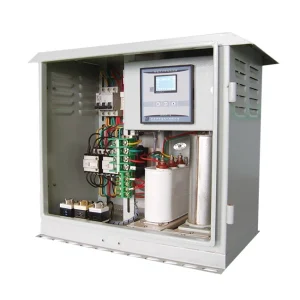
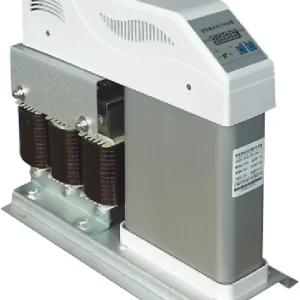
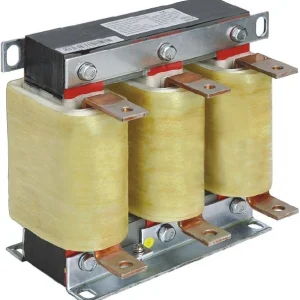
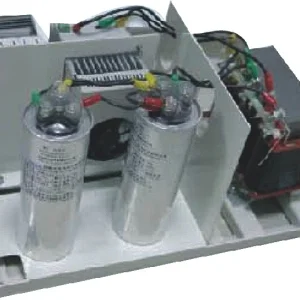
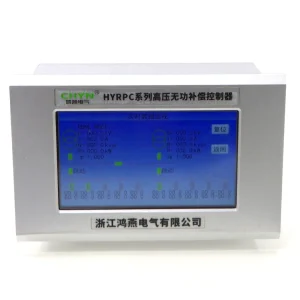
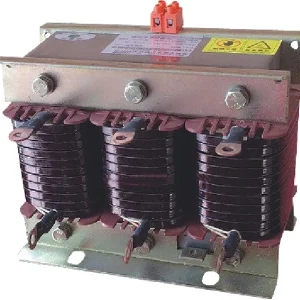
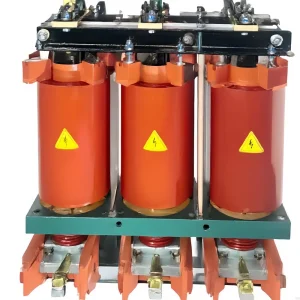
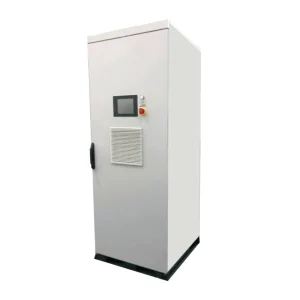
A shunt capacitor bank and a battery are not interchangeable substitutes—banks supply leading reactive power for power-factor and voltage support, while batteries store and deliver real energy over time through a power conversion system (PCS). Buyers asking about capacitor bank vs battery usually face a false either/or: match the asset to the plant job, then decide whether one path, or both, share the plant bus. What follows splits vars from real energy, maps symptoms to asset class, clears the “both store charge” confusions, and shows when an energy-storage converter enquiry fits.
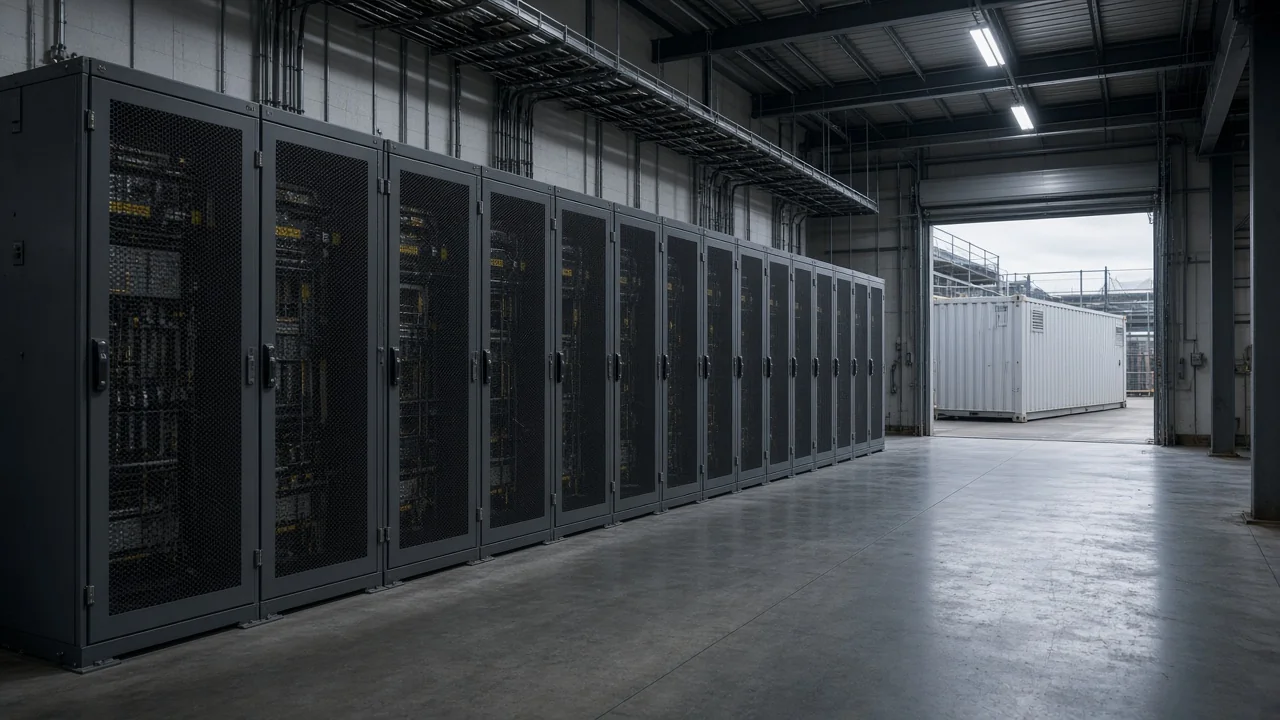
Capacitor Bank vs Battery: The Job Split (Vars vs Real Energy)
Banks supply leading reactive power for PF and voltage support; batteries store and deliver real energy over time through a PCS.
At the application bus, a shunt capacitor bank injects leading vars that offset a share of lagging inductive demand and lift displacement power factor.
In AC power systems, that assembly primarily affects reactive power rather than supplying continuous real power to the load. The same reactive-versus-real framing appears in power-system capacitor education notes.
A battery energy storage system (BESS) stores real electrical energy chemically and couples to the AC bus through inverters.
Grid encyclopedia definitions put the same idea plainly: a battery energy storage system is the real-energy asset class in this comparison, sized for minutes-to-hours of active power rather than for bulk kvar.
Reactive power (kVAR) is the support current motors and transformers need so voltage and current stay in a usable phase relationship. Active / real power (kW) is the energy that does work over time—the share a battery discharges as kWh.
| Dimension | Shunt capacitor bank | Battery / BESS path |
|---|---|---|
| What it mainly “stores” or supplies | Leading reactive power (vars / kVAR) | Real electrical energy (kWh) via PCS |
| Typical plant job | Power factor correction; local voltage support | Peak shift, backup, scheduled charge/discharge |
| Energy form | Electric field in capacitors | Chemical energy converted later to electric energy |
| What it does not replace | Sustained real-energy reserve over minutes to hours | Cheap bulk kvar for steady inductive PF |
Everyday language says both “store charge.” The jobs still diverge: a bank is not a substitute for storing usable real energy over minutes to hours, and a battery is not a kvar tank for steady displacement correction.
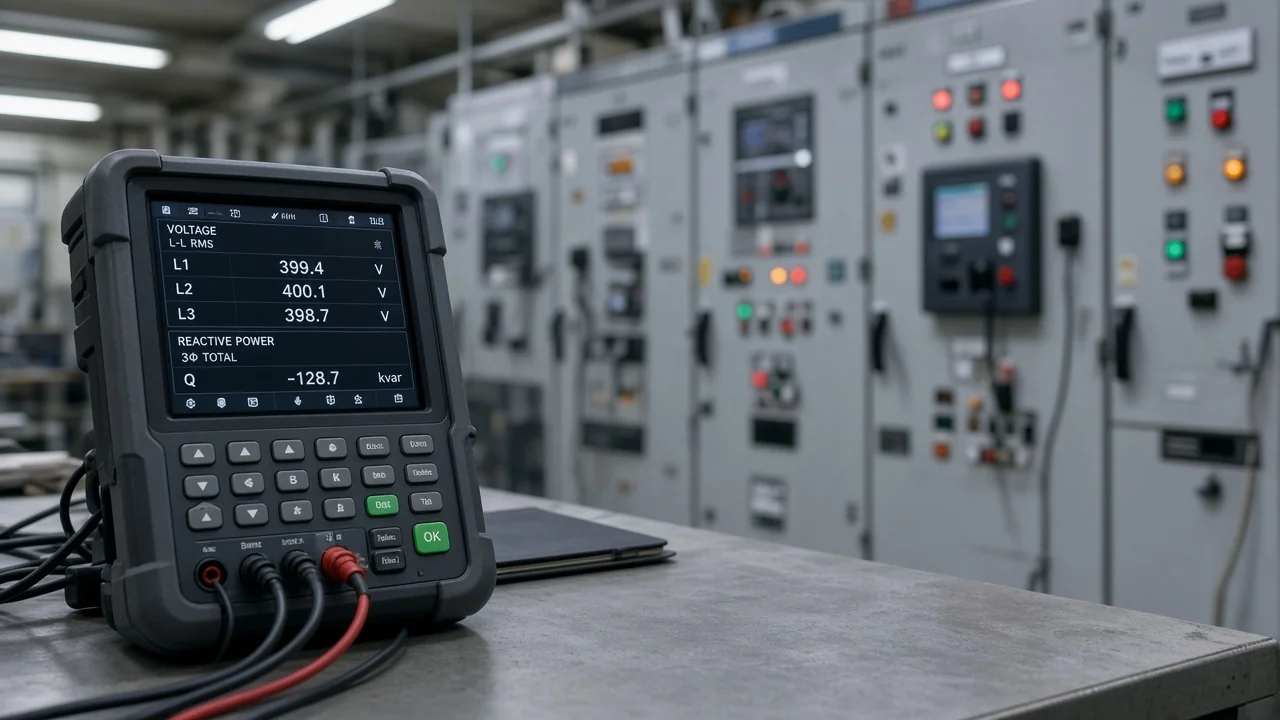
Which Plant Problem Maps to a Bank, a Battery, or Both
Match lagging steady PF to a bank; match real-energy, schedule, or backup needs to ESS; stack both when those jobs coexist.
If the only problem is lagging displacement PF on a stable inductive plant, start with a capacitor bank—not a battery.
Independent engineering analysis of PFC alternatives still treats a switched bank as the usual low-CAPEX default for steady, predominantly linear inductive loads (alternatives to PFC capacitors).
When the plant needs peak shaving, ride-through, or scheduled charge and discharge, the battery energy storage path owns the job. A shunt bank cannot replace sustained real energy on that timeline.
Traditional reactive compensation still uses capacitor banks. A BESS with a capable PCS can also supply or absorb reactive power dynamically, so the title comparison is often a false single-winner contest.
| Plant symptom | Start with | Why |
|---|---|---|
| Stable lagging displacement PF; inductive motors dominate; no energy-shift need | Shunt capacitor bank / HV compensation package | Lowest-cost continuous kvar for that class of load |
| Peak demand, backup, or scheduled active-power delivery | Battery energy storage + PCS | Real-energy storage and discharge |
| Bulk steady vars plus dynamic P/Q or energy services | Hybrid bank + BESS | Complementary jobs on one site |
| Buyer wants “one box that does everything” | Re-open the problem statement | Vars and kWh are different purchase drivers |
MV and HV shunt assemblies often lean on IEEE 1036 as application guidance for ratings of 2400 Vac and higher.
Live definition and PFC sizing essays already sit on CHYN’s capacitor posts. Here the only job is the bank-versus-battery split.
Common Confusions That Make Cap Bank vs Battery a False Choice
Shared everyday language about “storing charge” does not make a shunt bank a kWh reservoir or a battery a kvar tank.
Both assets can sit on the same bus and both can move voltage readings. That proximity tempts procurement to treat them as substitutes.
RatedPower’s education contrast is useful here: capacitors store energy in an electric field; batteries store chemical energy that later becomes electric energy (capacitor bank glossary). A battery holds usable energy for far longer than a same-size capacitor; treat any education ratio as a teaching aid, not a CHYN datasheet figure.
A second confusion is “inverters can supply vars, so banks are obsolete.” A storage converter can inject or absorb reactive power when the controller is built for it. That capability uses inverter apparent-power headroom; it does not turn the cells into a kvar reservoir.
Tip: Excess capacitance that leaves the plant leading can create heavy inrush when banks switch and can lift local voltage — Physics Forums thread on PFC capacitor banks. Switching transients for capacitor banks are covered in a separate industrial topic; the bank-versus-battery split stops there.
Ask whether the PCS is specified for four-quadrant or PF control—not whether the cells “store vars.”
Community answers on battery inverters and reactive power make the same point: reactive support is a converter design question, not a claim that the cells store vars.
When a Site Needs Both a Capacitor Bank and Battery Storage
Many sites use banks for bulk steady vars and ESS/PCS for real-energy plus dynamic support—coordinated, not mutually exclusive.
Hybrid bank + BESS deployments are common when continuous reactive support and bidirectional active power both matter. Banks remain the cost-effective tool for steady kvar.
Storage adds energy shifting, peak support, and faster P/Q control that a stepped bank does not provide alone.
Reserve inverter capacity if you need simultaneous peak active delivery and large var support. When the PCS is already pushing full active power, less margin remains for reactive regulation inside the same kVA rating.
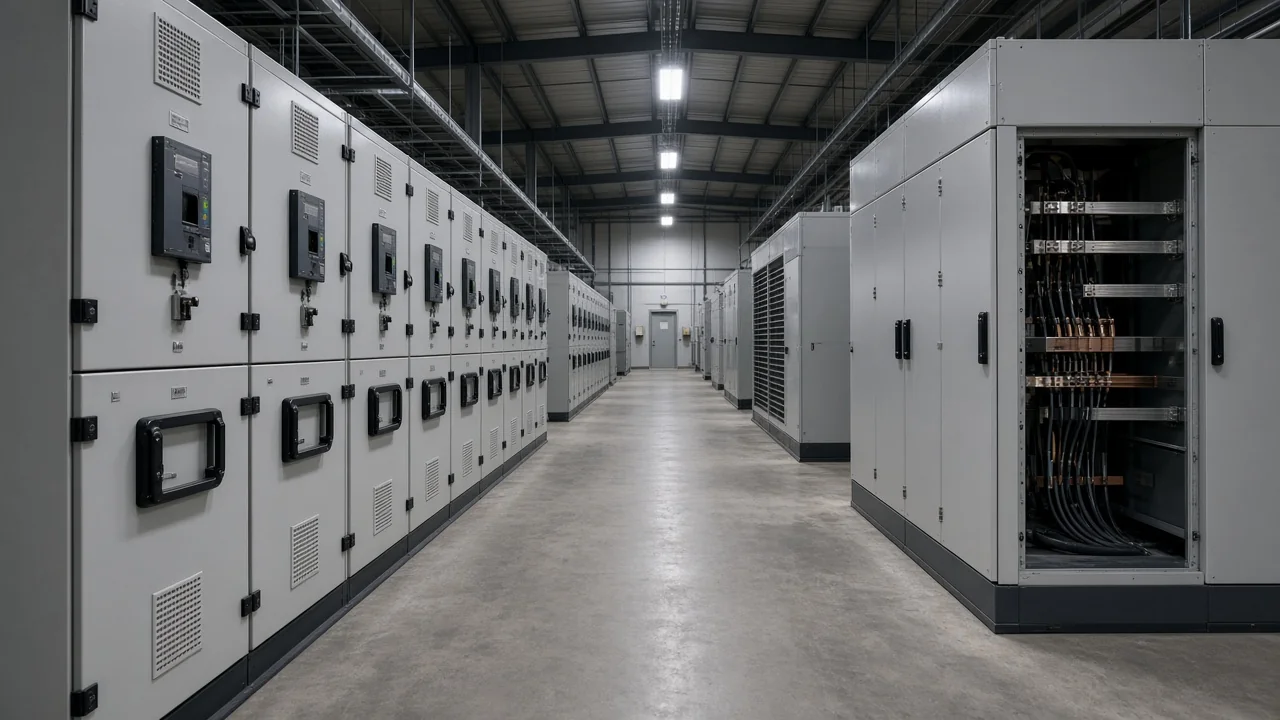
Coordination is an engineering task: bank switching steps, PCS setpoints, and protection must not fight each other. The procurement takeaway is simpler—budget two asset classes when the plant has two jobs.
When reactive compensation is the only plant problem, stay on the HV compensation hub. If real energy is in scope, keep reading into the PCS decision below.
BESS and PCS Reactive Capability Versus Shunt Capacitor Banks
For steady inductive PF, continuous bulk kvar and cost still favor banks even when a capable PCS can also supply or absorb vars.
Modern BESS PCS units inject or absorb reactive power dynamically. Reactive support can occur with the battery effectively idle because Q primarily uses inverter capacity, subject to the converter’s apparent-power limit.
That does not erase the bank’s role. Sites still install a shunt capacitor bank when they want simple, continuous bulk kvar without spending PCS headroom that may be needed for active power.
Inverters can supply vars; they do not automatically make banks the wrong buy for steady inductive PF.
Do not size battery energy from reactive demand alone.
With a suitable inverter, the battery supplies real power while reactive power circulates in the inverter output stage.
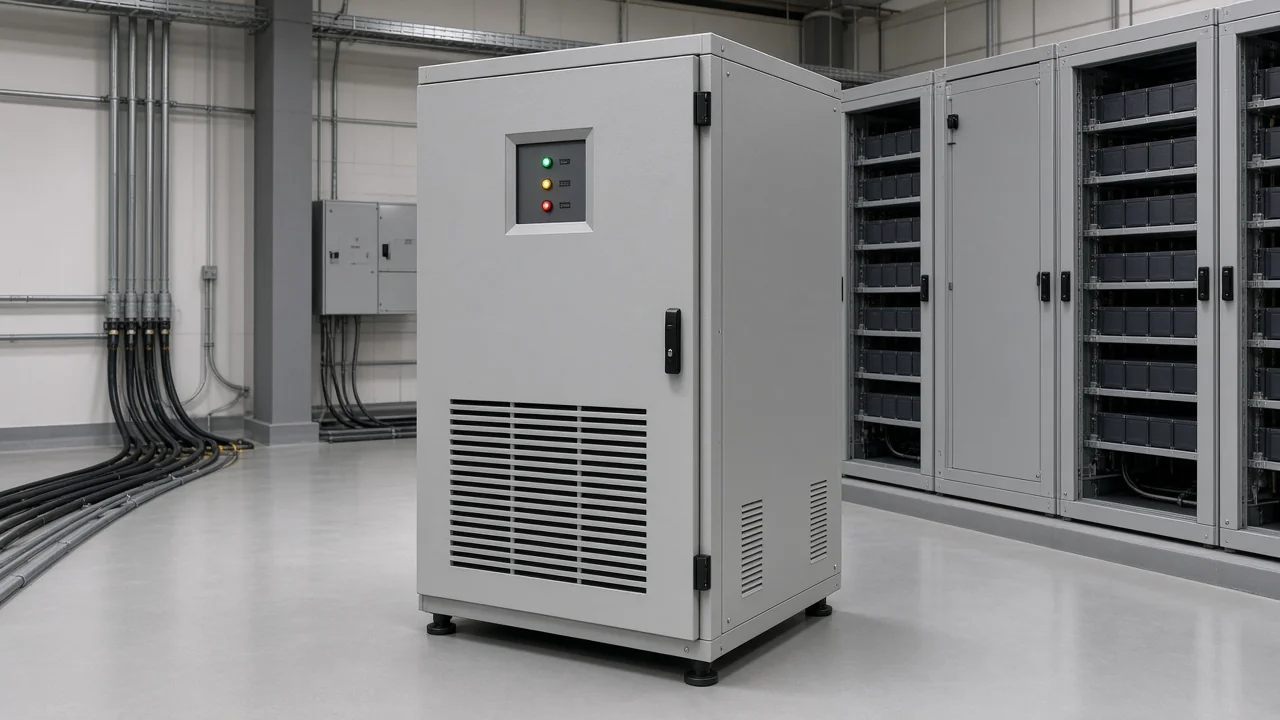
Power conversion system (PCS) here means the bidirectional converter between battery DC and AC—the energy storage converter that can nudge both P and Q inside its rating. Treat PCS reactive capability as an optional service on the energy path, not as a drop-in replacement for a compensation package.
When to Choose HYPCS for Battery-Side Energy Conversion
Choose HYPCS when the enquiry is bidirectional energy conversion or storage interface with stated reactive support—not as a shunt capacitor bank substitute.
The HYPCS energy storage converter provides bidirectional conversion between battery energy storage and AC. HYPCS supports scheduled charging and discharging, reactive-power support, and optional harmonic compensation.
Nameplate rows list rated output power of 50 / 100 / 250 / 500 kW. Power factor is -1 to +1 adjustable.
Grid connection is rated 400 VAC (340–460 VAC) at 50/60 Hz, with DC ranges 200–600 VDC or 500–900 VDC as tabled.
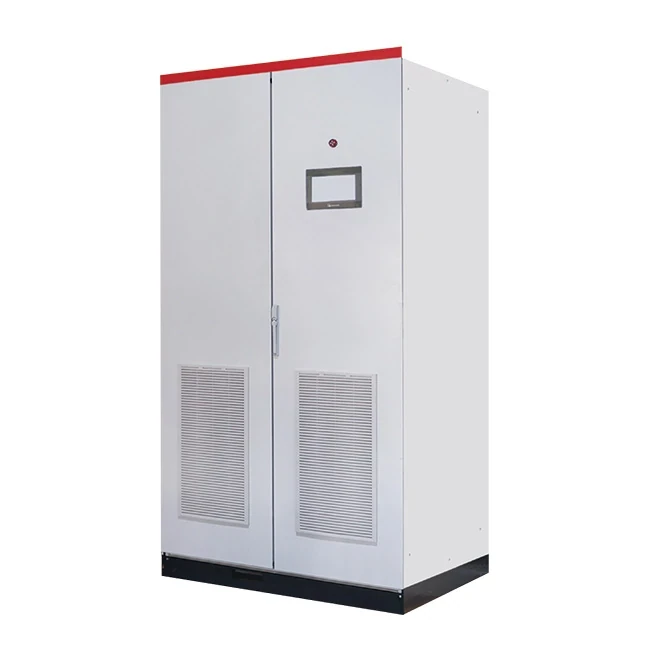
At rated output, THDi stays under 3%. Maximum efficiency figures are listed by rating row for each HYPCS size.
Enquiry sizing here uses those converter ratings. Battery kWh, chemistry, and cycle life stay out of this recommendation.
CHYN’s Energy Storage Systems hub describes bidirectional power conversion equipment for three-phase energy-storage systems.
Open that hub or the HYPCS page when the battery-side converter is the right next step. When the only problem is lagging displacement PF with no real-energy need, enquire through the HV compensation series instead.
FAQ
What is the difference between a capacitor bank and a battery?
A shunt capacitor bank injects leading reactive power to support displacement PF and local voltage. A battery energy storage system stores real energy and delivers active power over time through a PCS. Shared “charge storage” language does not make the jobs the same.
Can a capacitor bank replace a battery for backup or peak-energy needs?
No for sustained real-energy needs.
- A bank does not hold usable kWh for minutes-to-hours of active power the way a BESS does.
- Use a battery/ESS path when backup, peak shift, or scheduled discharge is the plant job.
Can a battery energy storage system replace a capacitor bank for power factor correction?
Sometimes a PCS can supply dynamic vars, but a shunt bank often remains the cheaper tool for steady inductive displacement PF.
- Confirm the PCS has spare kVA for that reactive duty.
- Replace the bank only when cost and headroom still favor the converter path.
Can a BESS provide reactive power without discharging the battery?
Yes, when the PCS is designed for reactive control. Reactive support primarily uses inverter capacity; it is not the same as draining battery Ah to “store vars.”
When should a plant install both a capacitor bank and a battery system?
Install both when bulk steady kvar and real-energy or dynamic P/Q services coexist.
- Banks cover continuous reactive support.
- ESS/PCS covers energy and faster controllable support.
Does reactive power from a PCS consume battery energy?
Primarily no as a sizing basis. With a suitable inverter, reactive power circulates in the output stage; size battery energy from real-power duty, not from kvar demand alone.
Why do sites still use shunt capacitor banks if inverters can supply vars?
Cost, simplicity, and continuous bulk kvar still favor banks for steady inductive loads. PCS reactive capability competes for the same apparent-power rating needed for active delivery.
How do I choose between a compensation package and an energy-storage converter enquiry?
Classify the job first.
- Lagging PF / reactive compensation → HV power-factor compensation pathway.
- Real-energy conversion, schedule, or backup → energy storage converter such as HYPCS.
- Need both jobs → budget both asset classes.