
 Zhejiang Hongyan Electric Co., Ltd.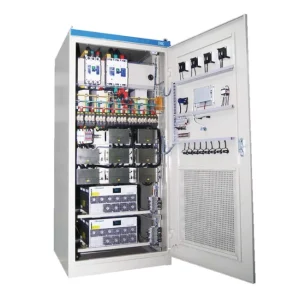
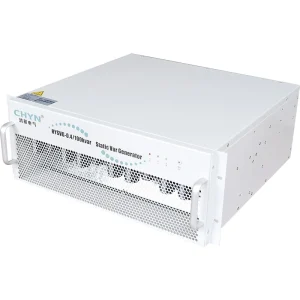
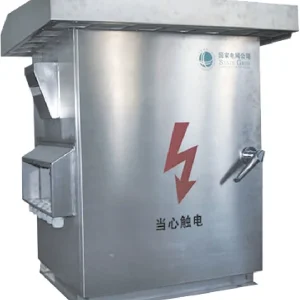
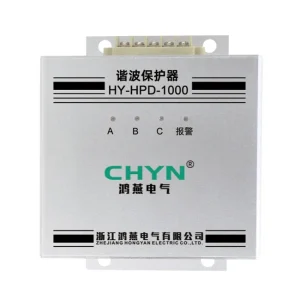
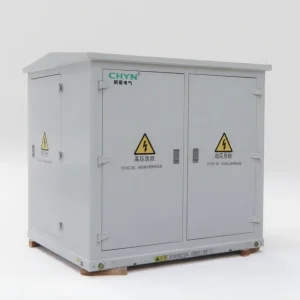
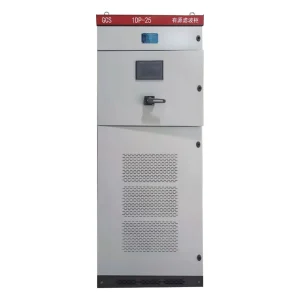
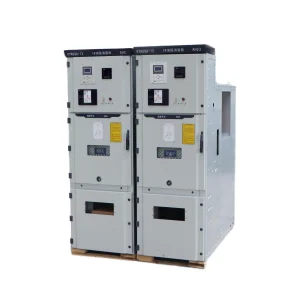
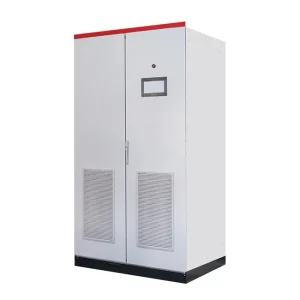
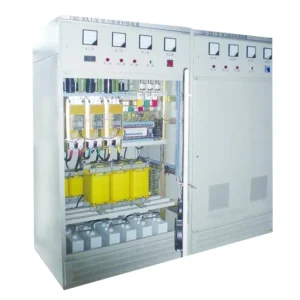
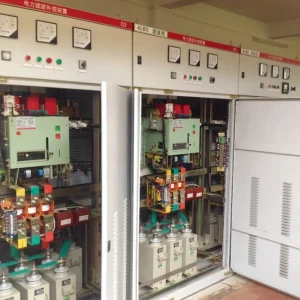
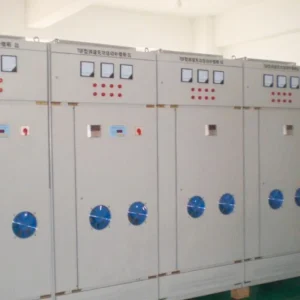
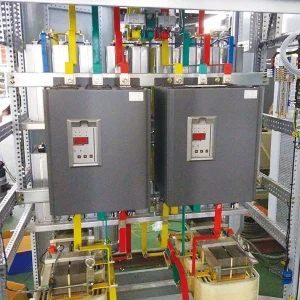
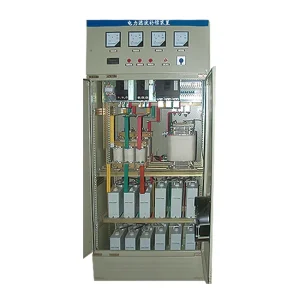
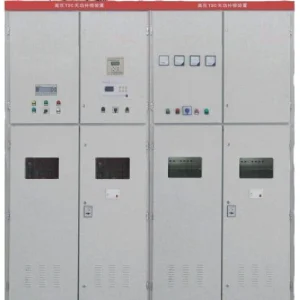
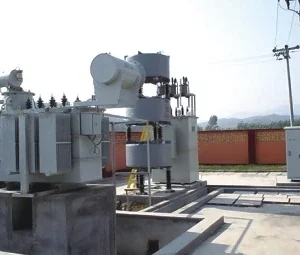
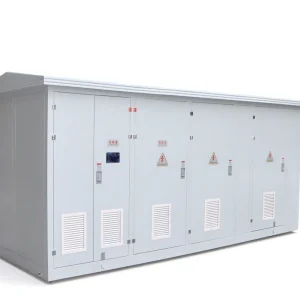
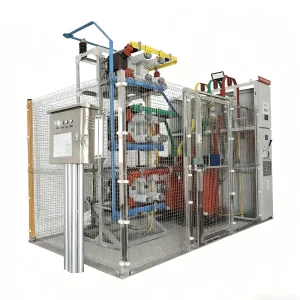
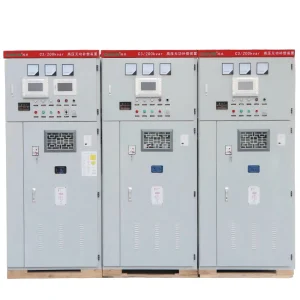
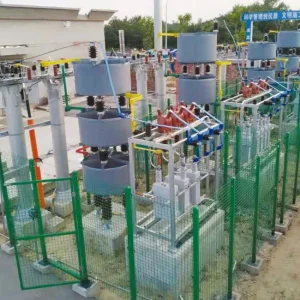
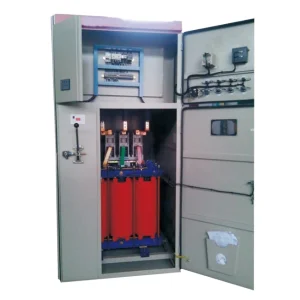
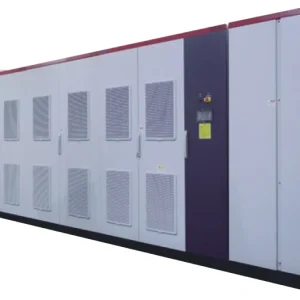
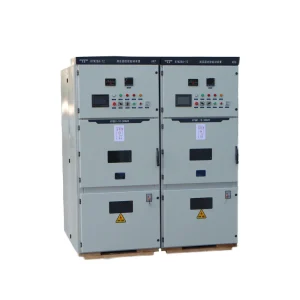
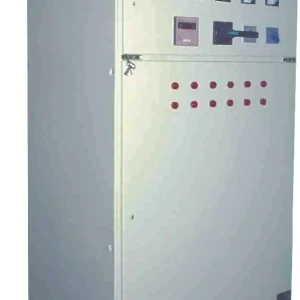
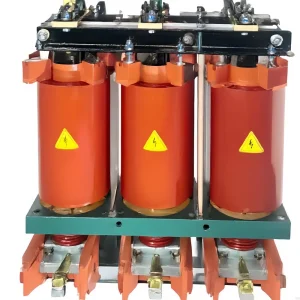
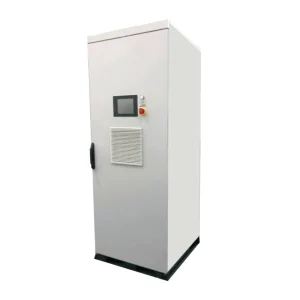
A tuned passive branch plus an active cabinet improves power quality when the branch holds the steady harmonic orders and the cabinet covers residual harmonics, load swings, and resonance, which is what hybrid filters for power quality improvement means on a plant bus.
On a line of six-pulse drives the 5th and 7th often sit still, while a crane, a welder, or a second drive comes and goes.
Papers on the hybrid active power filter describe that same split: a tuned passive filter for the orders that stay, and a smaller active unit for what the trap cannot hold.
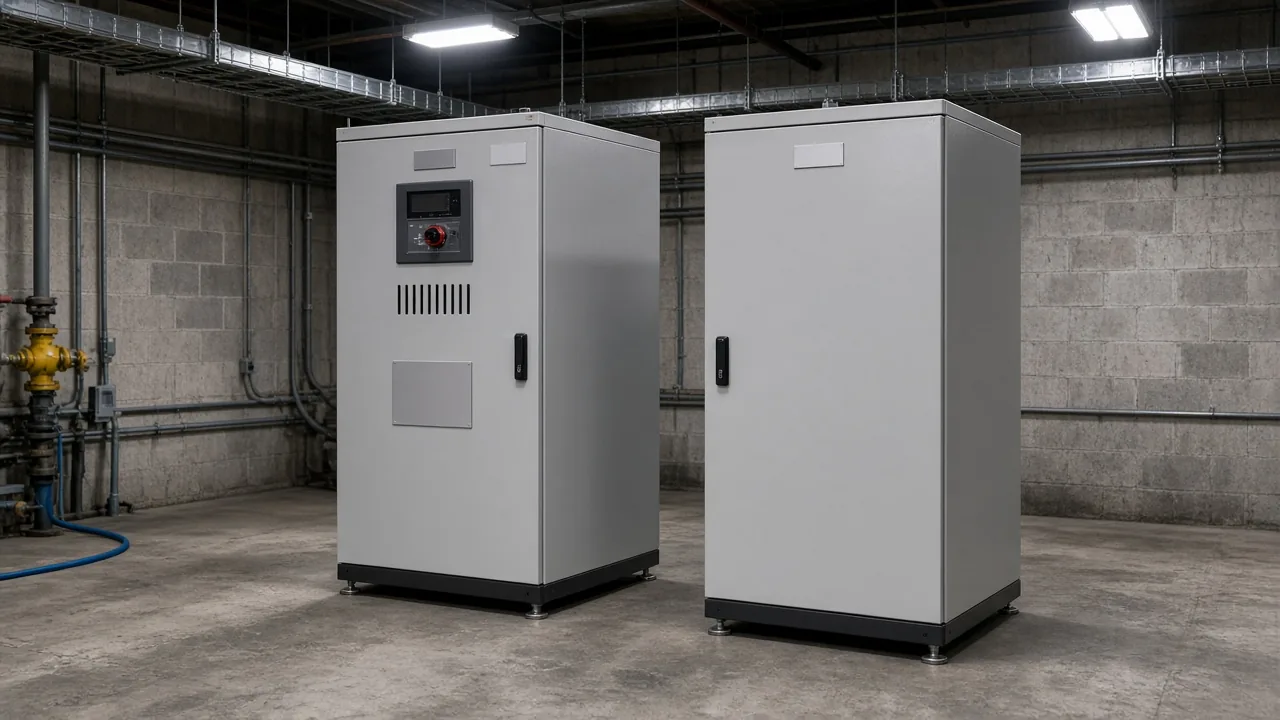
When a hybrid arrangement improves power quality
The split helps when a stable harmonic pattern and a moving one share the same bus, and a trap by itself would leave one of those patterns untouched.
Rectifier banks and many drive fronts produce a handful of characteristic orders.
A passive harmonic filter built as a tuned LC branch can sink those orders and, on the same branches, supply reactive current.
Once the spectrum moves through the shift, a fixed trap keeps hunting the orders it was cut for.
Laboratory write-ups of a seventh-tuned passive filter and an active filter in series make the trade plain: the passive half carries harmonic current and reactive power, and the active half is there because a tuned branch can resonate with line inductance.
That fit shows up on buses that actually carry both patterns.
| Situation | Trap alone | Active cabinet alone | Tuned branch plus active cabinet |
|---|---|---|---|
| Steady 5th and 7th on a stiff utility source | Often enough | Works, with a larger active rating | Optional |
| Moving drive mix plus a few dominant orders | Misses the moving part | Covers a wide set of orders | Branch holds the steady orders |
| Trap already ringing with the supply | The ringing stays in the branch | Can take the harmonic job over | Active half is added to damp the ring |
| Large var swings and only mild harmonics | Wrong job for a harmonic trap | Possible, and often oversized | Keep the var device on its own job |
What the tuned branch and the active branch each carry
The tuned branch holds a few known orders and some reactive current, while the active cabinet measures the load and fills in the orders that remain.
At the tuned point the branch reactances match, so that order sees a low-impedance path and the current prefers the trap over the rest of the feeder.
Orders called out for this kind of branch include the 5th, the 7th, and the 11th, plus others when the spectrum on site asks for them.
A laboratory hybrid used a small-rated active filter with a 5th-tuned passive filter on a 20 kW model.
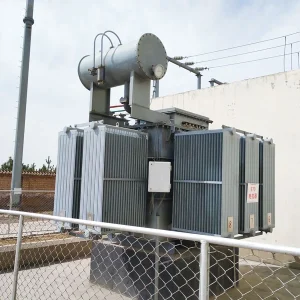
In that setup the two parts sit in series with each other and the pair is placed in shunt near the transformer secondary, so the active unit can act against resonance instead of trying to carry every ampere of the steady order.
The same idea shows up with a seventh-tuned passive filter and an active filter in series: published work says the active unit’s dc voltage and kVA fall compared with a pure shunt active filter, because the tuned branch already took the bulk.
Engineers call that interaction harmonic resonance when the branch and the feeder peak together.
Where resonance appears if the tuned branch stands alone
A tuned branch can ring with the supply even when the tuning arithmetic is right, because the supply’s inductance is part of the circuit.
Engineers who have built traps for drive harmonics describe the same surprise: the filter looks fine on a stiff test source, then a higher source inductance moves the peak.
That peak is set by the trap together with the source, and it need not land on the harmonic the trap was built to catch.
Capacitor banks make the same trouble in ordinary language.
A capacitor plus the inductance of the feeder can form a parallel resonance that stands in the way of harmonic current trying to leave the plant, and the current in the capacitors climbs.
Detuning a reactor is aimed at keeping the network off that peak, not at decorating a one-line.
Open work on industrial hybrids treats this as the reason a small active unit sits with the tuned branch: it damps the resonance and keeps an excessive harmonic current from pouring into the passive part.
How source impedance and load swings change the fit
Source impedance and load swing move a trap off the point it was built for, even when the nameplate order never changed.
Utility impedance and generator impedance are different circuits wearing the same cables.
From the field: On a pump station, a tuned passive filter came online after the drives were already running, and generator voltage swung until other drives tripped — the trap had been built around utility impedance, and generator source impedance moved the trap.
The report also mentions hum in the filter and a drop in drive input voltage while the trap was engaged.
The generator ran quietly with the trap held off.
Replies on that thread point at capacitors and reactors cut for the 5th and 7th against the utility, then meeting a much higher impedance on the generator.
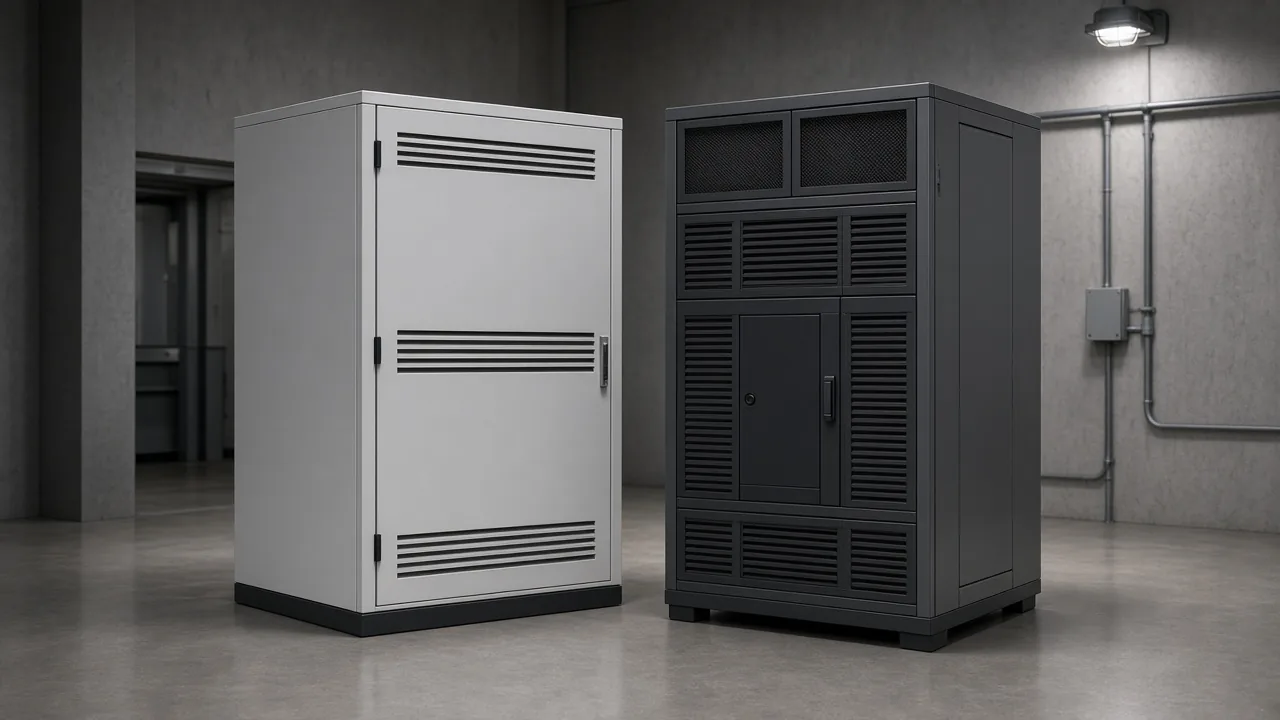
A shifting mix of drives does the other half of the damage.
The trap still sinks the order it was tuned for, and the active cabinet is what follows the orders that appear and fade as machines start and stop.
If the line is stiff, the spectrum is stable, and one or two orders dominate, the tuned branch can stand without the active cabinet.
If the source changes, or the spectrum will not sit still, the pair is the arrangement that matches the trouble.
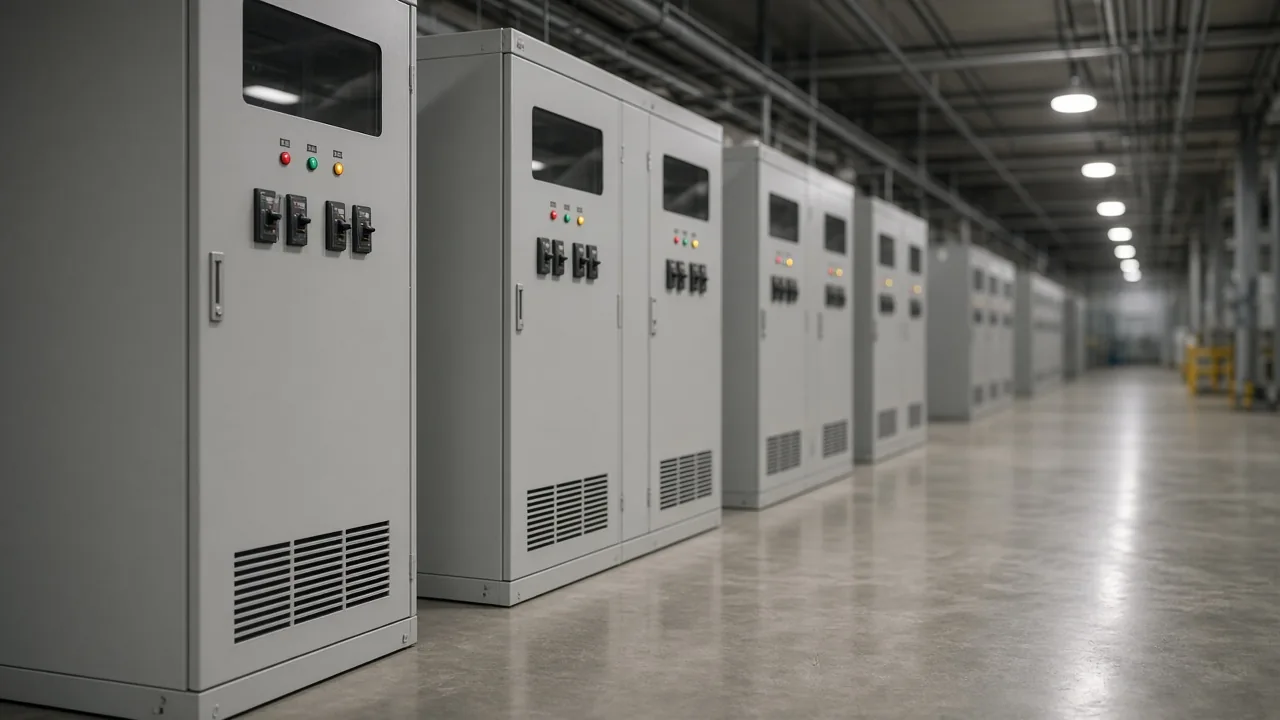
Where the hybrid var device sits beside the harmonic split
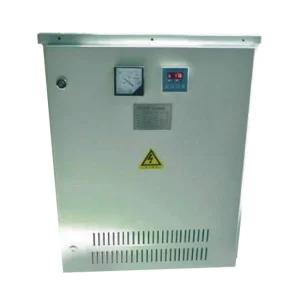
HYSVGC is the neighboring hybrid static var compensator, and its SVG module also suppresses harmonics, which is a different job from the tuned harmonic branch.
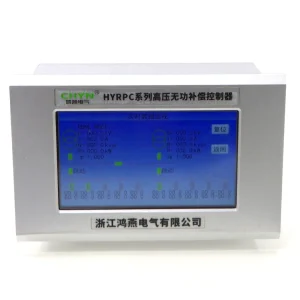
The device pairs an SVG module for fast reactive current with LC branches for bulk compensation, under a controller that coordinates the two.
Its SVG module is described as suppressing harmonics from the 2nd through the 13th order, with harmonic response under 10 ms.
Printed frequency for the hybrid var device is 50 Hz.
The LC portion is described as reactive compensation and as keeping harmonic current from stressing those LC parts.
That is not the same description as a harmonic trap tuned to the 5th, 7th, or 11th.
Calling the var device a harmonic hybrid would hide the cabinet that actually is the tuned branch.
Use it where voltage, power factor, and fast var swings dominate, and where the harmonic note on the SVG module is a companion to that var job.
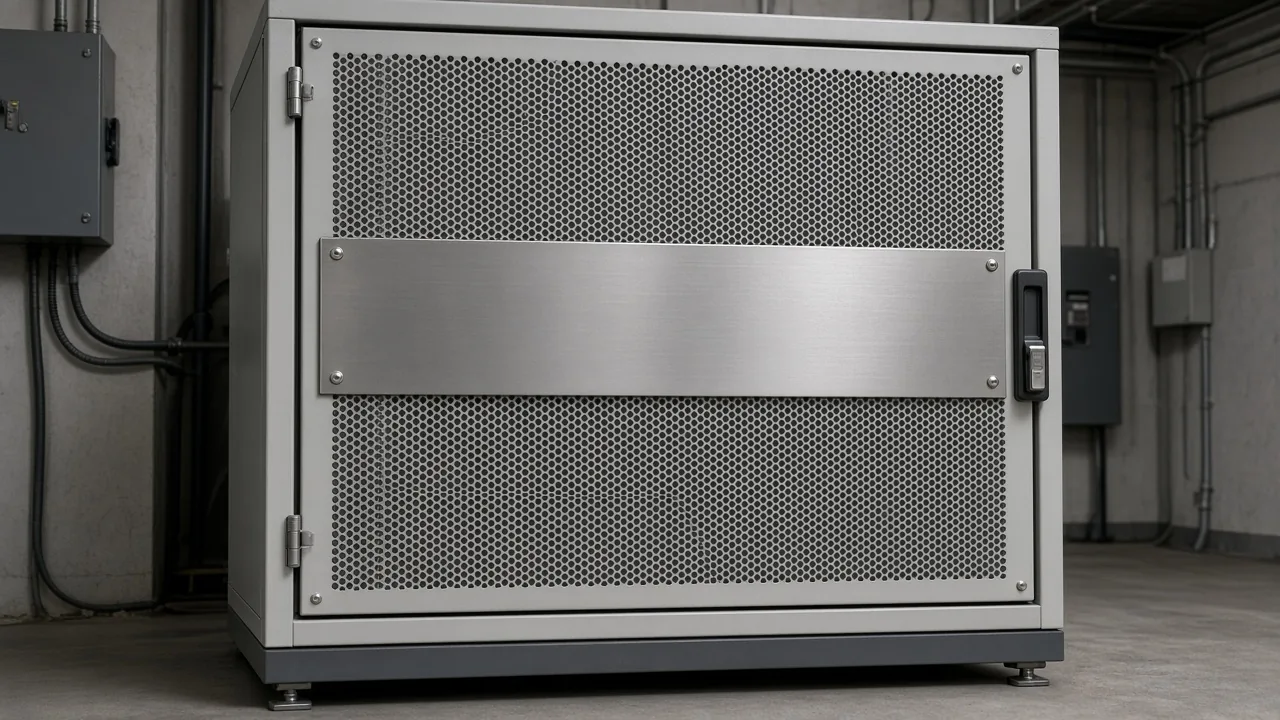
Choose a filter solution that fits the plant load
Choose the HYFC tuned branch plus the HYAPF active cabinet when the bus has both steady characteristic orders and a spectrum that moves, and keep the hybrid var device on the reactive job.
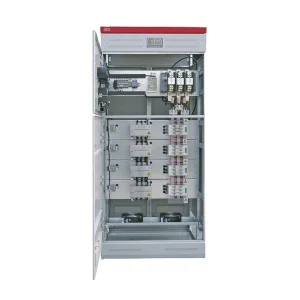
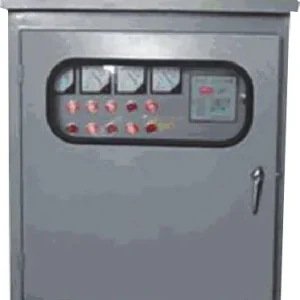
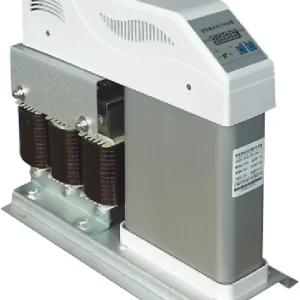
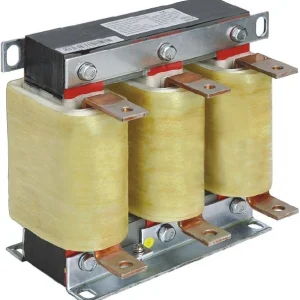
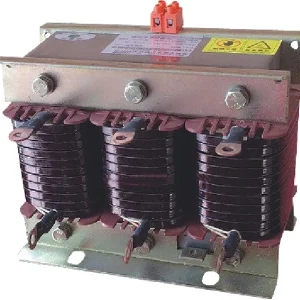
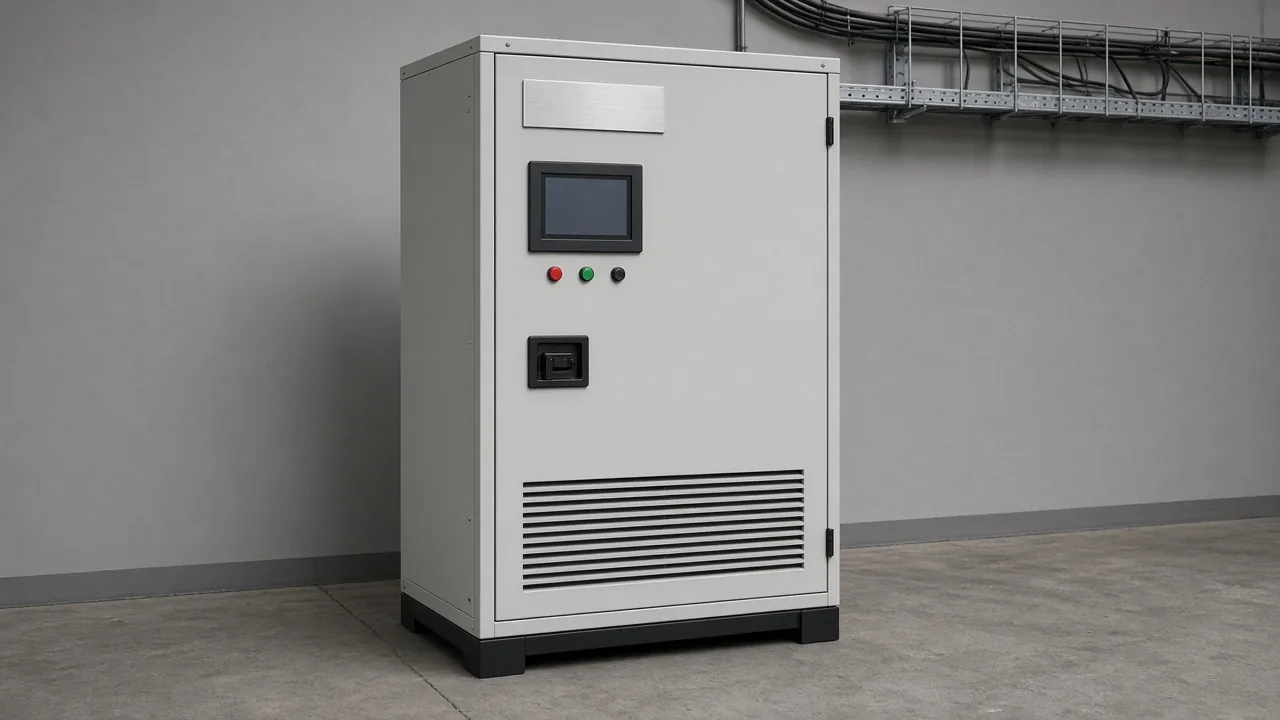
The tuned half is the HYFC series low-voltage static passive harmonic filter, built as tuned LC branches from reactors, capacitors, and resistors.
The passive cabinet is listed from 220 V to 1000 V.
Printed frequency for the passive cabinet is 50 Hz.
A plant that runs at sixty hertz cannot read that figure as its own line frequency.
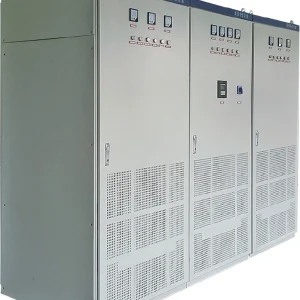
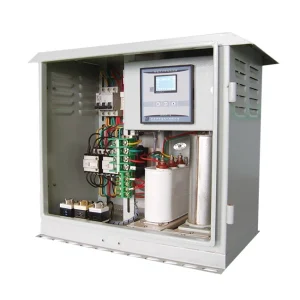
The active half is the HYAPF series active power filter, which measures load current and injects an opposing harmonic current on a low-voltage network.
The low-voltage active cabinet is listed at 400 V or 690 V.
The same cabinet lists compensation from the 2nd through the 51st order.
Published response time on that cabinet is under 10 ms.
Published control accuracy is THD under 5%.
Switching frequency is listed up to 20 kHz.
Next door sits the HYSVGC series hybrid static var dynamic compensation device.
Both series, and the var device, are grouped from the power quality equipment range.
Passive cabinets in the same family are listed with harmonic mitigation solutions.
| Cabinet | Job printed for it | Span worth noticing before a choice |
|---|---|---|
| HYFC | Tuned LC harmonic branch and reactive current | Voltage span and 50 Hz frequency |
| HYAPF | Opposing harmonic current on a low-voltage network | 400 V or 690 V, 2nd through 51st order |
| HYSVGC | SVG plus LC for reactive current; SVG module also suppresses harmonics | 2nd through 13th order on the SVG module |
Process lines that mix mills, drives, and plant distribution are discussed with the manufacturing plant power quality solution.
How the active cabinet builds the opposing current is set out in how an active harmonic filter works.
What to bring to the desk before the two cabinets are paired
Bring the order list, the voltage, and the printed frequency before anyone pairs the two cabinets.
A spectrum that shows which orders actually dominate tells the tuned branch what to sink.
Voltage has to sit inside the span printed for that cabinet.
A bus at sixty hertz cannot treat the printed passive frequency as its own line frequency.
Source type belongs on the same sheet: utility only, or utility plus generator.
If a generator will ever carry the drives, the pump-station story is the warning that a trap cut for the utility can swing voltage once the generator is the source.
Load swing belongs there too.
A line that stays on the same two orders can stop at the tuned branch.
A line whose orders move needs the active cabinet in the pair.
FAQ
Does every nonlinear load need both a tuned branch and an active cabinet?
No. A stable 5th and 7th on a stiff utility source can stay with the tuned branch.
Both cabinets earn their place when those steady orders share the bus with a spectrum that moves, or when the trap is already ringing with the supply.
Why can the active cabinet be smaller when a tuned branch is already there?
The tuned branch carries the heavy, predictable orders and a share of the reactive current.
Published series hybrids then show a lower active-unit rating than a pure shunt active filter that had to carry the whole job.
The active cabinet still has to be large enough for the residual and for damping.
What happens to a tuned passive filter when the source becomes a generator?
A trap cut for utility impedance can swing generator voltage, hum, and pull drive input voltage around.
In the pump-station account the generator was fine while the trap stayed off.
That is a source-impedance problem, not proof that every generator needs the trap removed.
Is a hybrid static var compensator the same device as a harmonic hybrid filter?
No. The harmonic split here is a tuned LC branch plus an active cabinet.
The hybrid static var compensator pairs an SVG module with LC compensation for reactive current, and the SVG module also suppresses a band of harmonics.
Those are neighboring jobs.
Which harmonic orders can the low-voltage active cabinet address?
The HYAPF series lists compensation from the 2nd through the 51st order.
That range is the series rating on the product page, not a promise that every installation will show the same residual.
What site facts belong on the desk before a tuned branch is specified?
The dominant orders, the voltage, the printed line frequency, and whether a generator will carry the load.
HYFC branches are described for orders such as the 5th, 7th, and 11th, with others when the spectrum requires them.
Can this split correct voltage sag on its own?
Harmonic current and voltage sag are different troubles.
The split above is about orders, resonance, and reactive current on the tuned branch.
A sag problem needs its own look, not a renamed harmonic cabinet.