
 Zhejiang Hongyan Electric Co., Ltd.
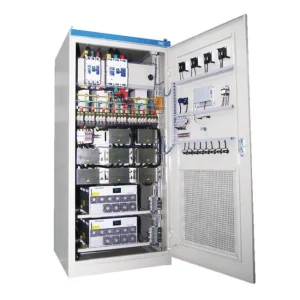
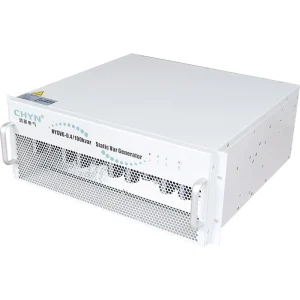
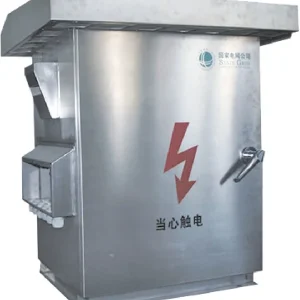
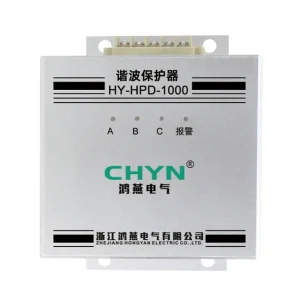
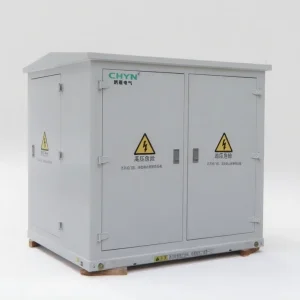
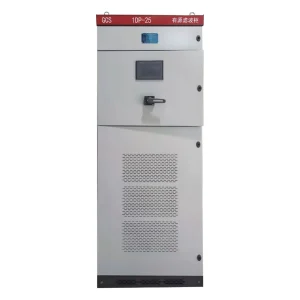
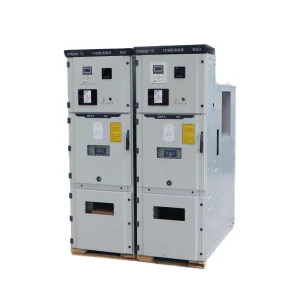
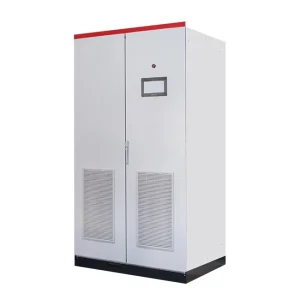
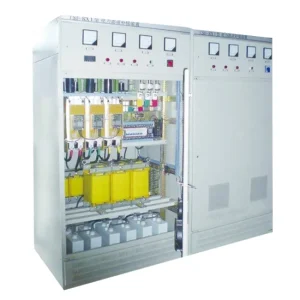
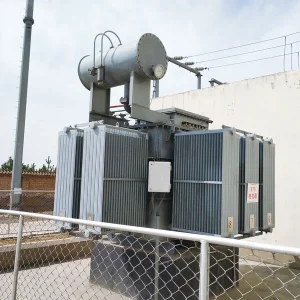
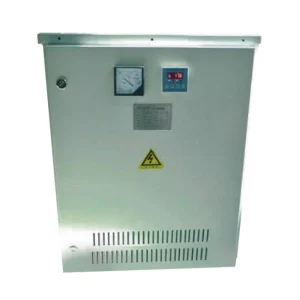
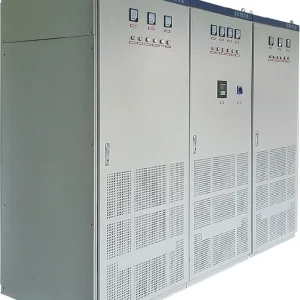
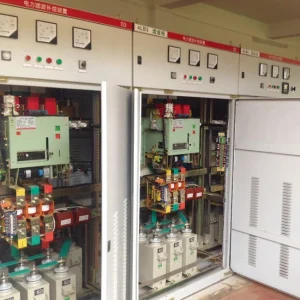
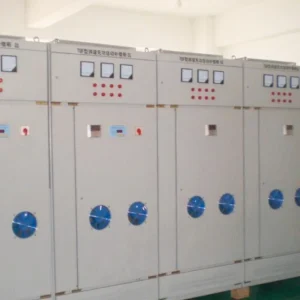
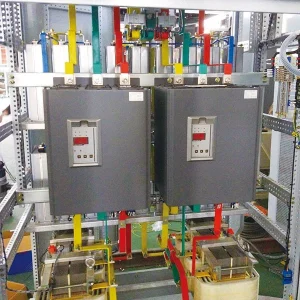
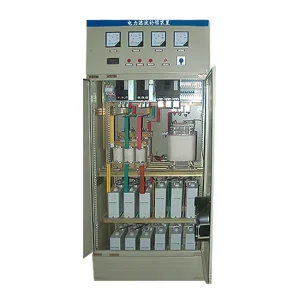
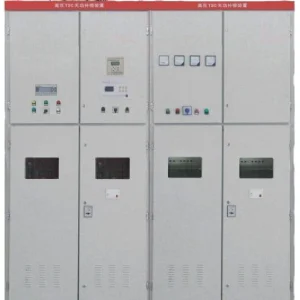
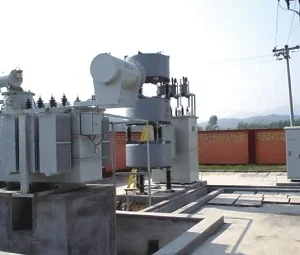
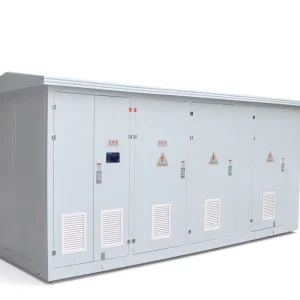
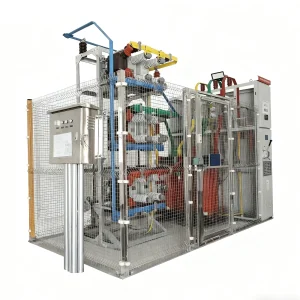
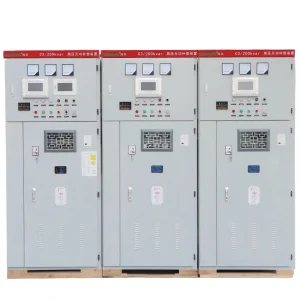
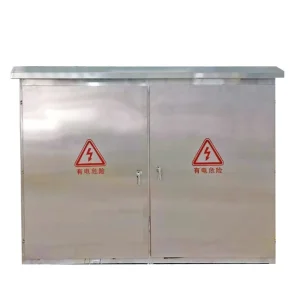
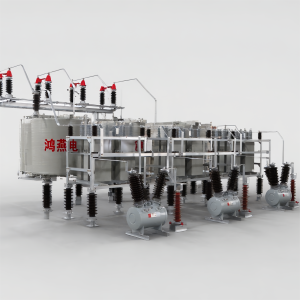
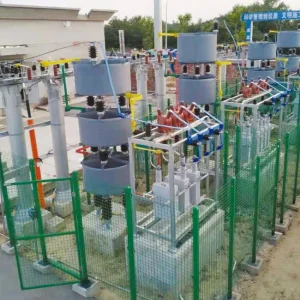
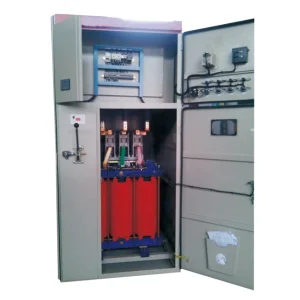
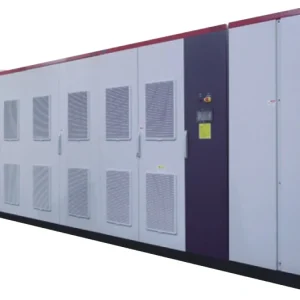
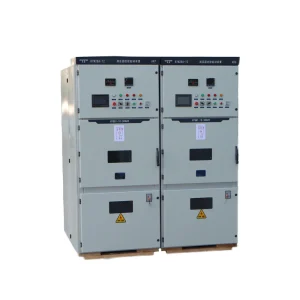
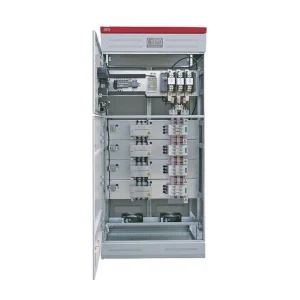
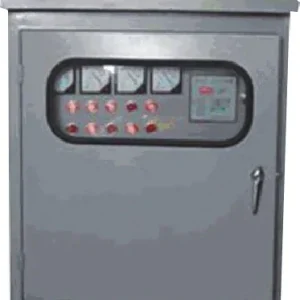
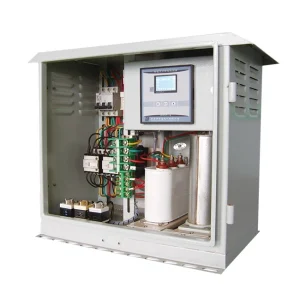
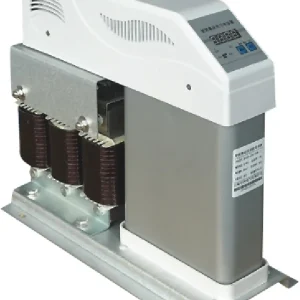
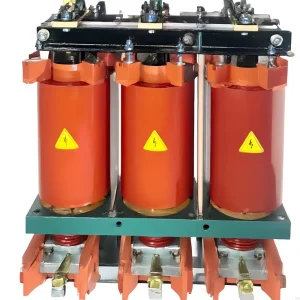
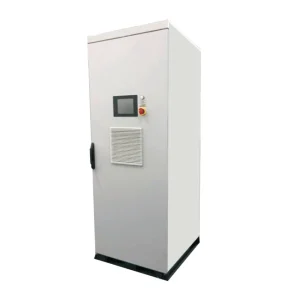
Outdoor capacitor bank condensation occurs when moisture in the cabinet air condenses on a surface cold enough to reach the local dew point. Keeping rain outside does not automatically prevent this internal water formation. A useful specification therefore considers humidity, surface temperatures, daily cooling, shutdown periods and the availability of moisture-control power. Start by identifying how water enters or forms, then select measures that preserve electrical clearances, cooling and enclosure integrity. Do not select a heater from cabinet size alone or assume an outdoor product photograph proves that condensation protection is included.
Separate condensation from rain leakage
Water inside a cabinet can come from several routes. Failed seals, damaged glands, incorrect cable entries or cleaning practices may admit liquid water. Condensation can form without a visible leak when humid air contacts a cold panel or component. Water may also migrate through connected conduits. These mechanisms can coexist, so finding one wet gasket does not explain every damp surface.
Record where moisture appears and when it occurs. Droplets distributed across a cool roof or door suggest a different investigation from a localized trail below a cable entry. Note recent rainfall, washdown, door opening, temperature changes and equipment shutdown. Use these observations to guide inspection rather than treating the appearance of water as a complete diagnosis.
The National Weather Service explanation of dew point and humidity gives the physical basis: dew point describes the temperature at which air becomes saturated when cooled under the stated conditions. Relative humidity alone does not show how close an actual cabinet surface is to condensation. Measure the environment at the equipment instead of relying only on a distant weather report.
The Royal Meteorological Society dew-point experiment illustrates condensation on a cooled surface. That physical demonstration helps explain why the temperature of a particular panel matters. It does not prescribe an electrical cabinet control setting or validate an enclosure design.
Understand the outdoor compensation application
Outdoor reactive-power equipment may have substantial internal losses while operating and much less heat while switched off. Its moisture exposure can change between daytime service and an overnight shutdown. Internal temperature monitoring is useful, but a warm central air sensor may not represent a cold door, roof corner or cable-entry zone. The location and timing of measurements matter.
The CHYN HYTBB outdoor low-voltage compensation cabinet is intended for outdoor distribution applications. Its published product information establishes that business context. It does not establish that a particular order includes a heater, humidity sensor, drainage arrangement or a specified condensation test. Those options and their operating conditions should be confirmed in the project documents.
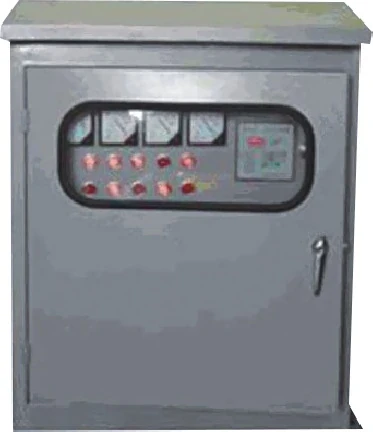
For broader system selection, see the outdoor capacitor bank overview. The present discussion focuses on moisture control inside an enclosure. It does not replace the electrical design, capacitor discharge procedure or inspection instructions for the supplied equipment.
Log the conditions that a short visit can miss
Plan measurements across representative weather and operating cycles. Record ambient temperature, internal temperature, humidity and selected surface temperatures. Include the period after shutdown and the coldest expected part of the night. A dry inspection on a warm afternoon cannot establish that the cabinet remains non-condensing through a cooling cycle.
Place sensors where they answer a defined question. An internal humidity sensor can characterize cabinet air; a surface measurement can identify whether a particular panel approaches its dew point. Avoid locating every sensor beside a heat-producing component. Record positions with photographs or a simple location sketch so later measurements can be compared meaningfully.
As an illustrative screening case, suppose the measured local dew point is 19°C and a cabinet surface falls to 17°C. That surface is below the measured dew point and condensation is a concern. If another surface remains at 23°C, it does not remove the risk at the colder location. These values are examples, not control setpoints or limits for a CHYN product.
Allow for sensor accuracy, placement and response time when choosing engineering margins. A calculated temperature difference very close to zero does not establish robust protection. Ask the responsible designer to select the margin and monitoring method for the site. Avoid turning a single relative-humidity percentage into a universal heater command.
Choose measures as a coordinated cabinet design
First correct confirmed liquid-water entry using approved parts and installation methods. Check door closure, seals, glands and conduit arrangements against the equipment instructions. Adding heat to a leaking cabinet does not repair the entry route. Unapproved holes or improvised drain openings can create a new problem and invalidate the intended enclosure performance.
Heating can help keep relevant surfaces above the dew point, but its placement, power and control need engineering review. Consider the coldest locations, allowable component temperatures, clearances and heat distribution. A heater that warms one sensor while leaving a distant panel cold may give a misleading control indication. Confirm its condition during inspection rather than assuming a power indicator means adequate protection.
Pressure-equalization devices, approved drains and moisture-absorbing materials address different aspects of the problem. Their suitability depends on enclosure construction, environmental exposure and maintenance access. Desiccant has finite capacity and requires a defined replacement or regeneration process. A drain removes collected liquid; it does not by itself guarantee that energized components remain dry.
Ventilation needs particular care in humid environments. Bringing in outside air can import moisture, while restricting airflow can worsen component heating. Evaluate moisture control alongside the capacitor bank ventilation requirements. Do not close vents or add a continuously operating heater without checking the electrical and thermal consequences.
Use an inspection and decision table
This table is a proposed investigation checklist. It contains no universal temperature, heater-power or humidity limits; final actions require the supplied cabinet instructions and an approved engineering decision.
| Observed condition | Evidence to collect | Next decision |
|---|---|---|
| Water trail near an entry | Seal condition, cable route and relation to rainfall | Repair the verified entry path with approved components |
| Droplets after overnight cooling | Humidity, local dew point and cold-surface temperature | Review thermal and moisture control through the complete cycle |
| Wet cabinet after a long shutdown | Auxiliary supply availability and control-state history | Define protection during storage and deenergized operation |
| Condensation persists with a heater | Heater operation, location, cold spots and water ingress | Reassess the cause and heat distribution before increasing power |
| Corrosion or surface tracking is visible | Qualified inspection of contamination and insulation condition | Keep affected equipment out of service until disposition is approved |
Specify shutdown power and maintenance responsibility
A cabinet can be electrically isolated from its main supply while still needing an auxiliary moisture-control supply. The design must state which circuits remain energized, how they are labeled and how maintenance personnel isolate them safely. Do not create an undocumented second supply as an informal field modification.
Confirm what happens during an extended outage. If the moisture-control arrangement depends on electricity, loss of that supply changes the protection strategy. The project may need storage precautions, inspection before return to service or a different approved arrangement. Record the responsible team and the evidence required before reenergization.
Include moisture-control devices in the capacitor bank maintenance plan. Inspection should cover functioning sensors, heater controls, seals, drains and replaceable materials as applicable. Set intervals from the site conditions and manufacturer instructions, then revise them using actual findings. A written task without an assigned owner is unlikely to protect the equipment through changing seasons.
Prepare a useful supplier enquiry and seasonal check
Provide the supplier with the installation location, temperature and humidity envelope, exposure to salt or dust, rainfall and washdown conditions, expected shutdowns and available auxiliary power. Include photographs or drawings of cable entries and maintenance access. Ask for the proposed moisture-control arrangement, component locations, controls and documented operating boundaries.
Request confirmation of how the arrangement affects enclosure integrity, internal temperature and safe access. Ask which items are standard and which are optional. A general statement that the cabinet is suitable outdoors should be expanded into the actual conditions under which the supplied configuration is intended to operate.
After installation, verify performance through a representative humid cooling period. Retain trends, inspection findings and any alarms. If no condensation is observed during a mild week, record that limited observation accurately. Seasonal verification should examine the conditions most likely to challenge the design, especially low internal heat and long shutdowns.
Educational background: condensation on cooled surfaces
The NPTEL heat-transfer lecture below introduces boiling and condensation physics. It supports understanding of phase change at surfaces; it is not an enclosure design tutorial. Apply the cabinet-specific measurements and engineering checks above when turning that physical principle into a moisture-control arrangement.
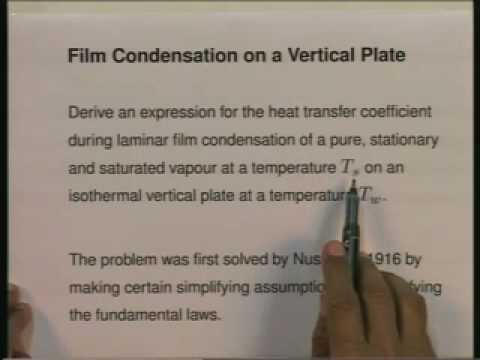
Watch the educational lecture on YouTube.
Frequently asked questions
Does an outdoor enclosure rating prevent condensation?
It addresses defined external exposure conditions, not every internal moisture mechanism. Humid air and cold surfaces can still create condensation inside an otherwise weather-resistant enclosure.
Can I specify one heater wattage for every capacitor cabinet?
No. Heater selection depends on the enclosure, cold surfaces, environment, internal heat, controls and allowable temperatures. Obtain a reviewed arrangement for the actual equipment.
Is relative humidity alone enough to assess risk?
No. Compare local dew point with relevant surface temperatures and include cooling and shutdown periods. Sensor position and measurement uncertainty also matter.
Can a damp capacitor bank be energized after wiping it dry?
A surface wipe does not establish insulation condition or remove the cause. Qualified personnel should follow the approved isolation, discharge, inspection and return-to-service procedure.