
 Zhejiang Hongyan Electric Co., Ltd.
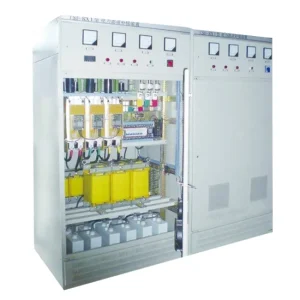
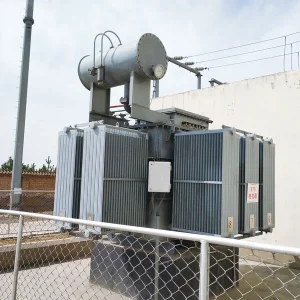
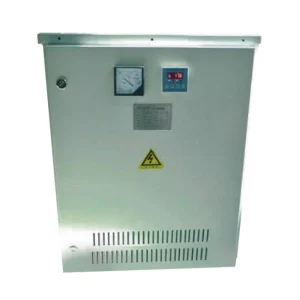
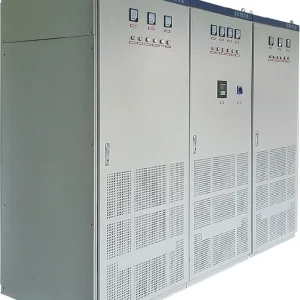
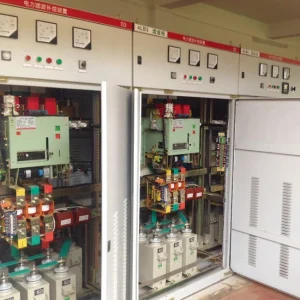
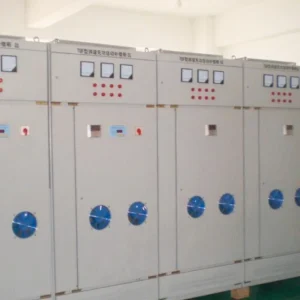
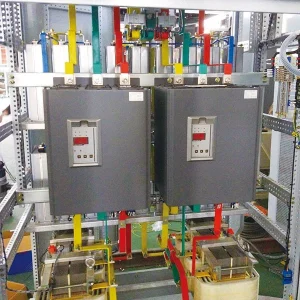
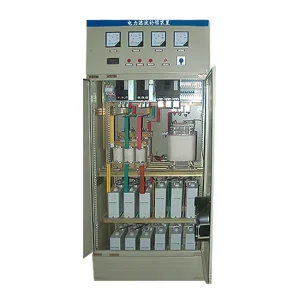
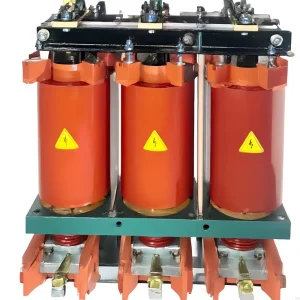
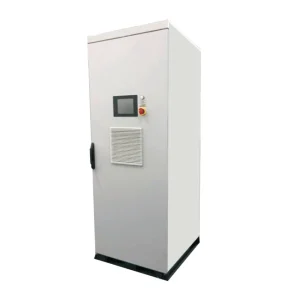
Capacitor bank ventilation must keep the complete assembly within its declared thermal limits under the actual site conditions. Start with the surrounding air temperature, component losses, enclosure arrangement and available airflow. Then request calculations or test evidence for the proposed cabinet. Fan size, nominal kvar and the capacitor unit’s temperature category cannot independently prove that a finished panel is suitable. The requirement must cover normal operation, the agreed maintenance condition and the defined response to cooling failure.
This guide is for buyers and engineers reviewing an enclosed compensation bank. It explains what evidence to request rather than prescribing universal fan settings or clearance dimensions. A bank containing reactors, switching devices and controls needs an assessment of the actual assembly, not a copied ventilation detail from a different design.
Define the air temperature at the equipment location
Provide the expected temperature profile at the proposed cabinet location, not only the regional weather maximum. Identify whether the bank is indoors, outdoors or inside another enclosure. Include nearby heat sources, direct solar exposure where relevant, room ventilation arrangements and periods when building cooling is reduced. State which conditions are measured and which are design assumptions.
Distinguish the surrounding room or outdoor air, the air entering the cabinet and the air near sensitive components. These are different measurement locations. Ask the supplier which location each declared limit refers to. A room sensor across the aisle should not automatically be treated as evidence for the air reaching the capacitor compartment.
The IEC 60831-1 publication description identifies its scope for self-healing capacitor units and banks up to and including 1,000 V, including installation and operation. It does not publish a universal cabinet fan selection on that page. Request the applicable edition and declared component conditions in the technical submission rather than claiming that a reference to the standard proves the whole thermal design.
Build the loss schedule for the proposed assembly
Ask for a component-by-component loss schedule at the operating cases used for the design. Separate capacitor units, reactors if present, switching devices, conductors, controls and auxiliaries. The supplier should identify the source of each loss figure and the loading assumptions. A calculation for a plain bank should not be carried over unchanged when reactors or a different switching arrangement are added.
Keep rated reactive output separate from heat dissipation. Kvar describes a compensation duty; watts of loss describe heat added to the assembly. There is no defensible universal conversion that can replace the actual component data. If a quotation gives only a fan quantity, ask what total losses, inlet temperature and permitted component temperatures support that choice.
Review the operating combinations that matter. The highest nominal number of connected stages may be an important case, but the responsible designer should identify all limiting conditions. Ask whether controls, partitions or stage arrangement create a local concern that an enclosure-average value would miss. Record the chosen cases so the factory and site reviews examine the same design basis.
Follow the airflow path through the finished enclosure
Natural and forced convection are different heat-transfer mechanisms. NPTEL’s introduction to convection explains buoyancy-driven flow and flow assisted by mechanical means. A fan is therefore part of an airflow system, not independent proof that air reaches every heat source. The cabinet layout and its installed surroundings remain part of the review.
Request an arrangement drawing that identifies the intended inlet, outlet, internal flow path and any filters, baffles or partitions. Check the final installation against that drawing. Storage boxes, adjacent equipment, cable routing or an added decorative screen can obstruct a path that was available in the original design. Clearances must come from the approved installation instructions.
Ask whether the stated airflow is a free-air fan figure or an operating value for the assembled arrangement. Leave the detailed pressure and airflow calculation to the responsible designer, but require the answer to account for the actual enclosure and filter condition. A larger catalog number should not be accepted as a substitute for explaining the design.
Use a review table that separates evidence from assumptions
The table below is a project review checklist. It contains no universal temperature or fan-sizing limits; those belong to the selected components and complete assembly. Use it to make missing information visible before approving the order.
| Review item | Information to supply or request | Acceptance question |
|---|---|---|
| Location and surrounding air | Site temperature profile, enclosure location and nearby heat sources | Does the submitted thermal basis match the actual installation? |
| Component losses | Loss schedule and loading cases for the offered configuration | Are reactors, switching equipment and auxiliaries included where present? |
| Airflow route | Inlet and outlet arrangement, partitions, filters and required clearances | Can the installed cabinet maintain the approved path? |
| Temperature limits | Declared limits and reference locations for relevant components | Are local conditions assessed as well as any enclosure average? |
| Cooling supervision | Sensor locations, alarm logic and response to loss of cooling | Is the required protective behavior documented and testable? |
| Maintenance condition | Filter service criteria, inspection access and approved replacement parts | Can the owner preserve the thermal assumptions during operation? |
Record the responsible party and document revision for each answer. If an item remains open, identify what evidence will close it. This prevents a general statement such as “adequate ventilation included” from becoming the only thermal acceptance criterion.
Agree how temperature and cooling will be checked
Ask the supplier to propose the calculation or test method used to verify the design and explain its limits. A test record should identify the configuration, loading, surrounding conditions, measurement points and stabilization basis. A photo of a handheld temperature display without that context cannot show whether the bank met the agreed requirement.
For site commissioning, define which installation checks can be completed safely and which factory evidence will be relied upon. Confirm that approved clearances and ventilation openings are present, and that cooling controls correspond to the submitted design. Do not improvise an energized inspection merely because a measurement would be convenient. The test plan must define safe access and qualified responsibilities.
Consider how the design responds when a fan, sensor or control supply fails. Ask for the intended indication, any reduction in permitted operation and the protective action. Do not choose a generic alarm temperature or delay from an unrelated bank. The selected response should be supported by the actual equipment documentation and the project protection philosophy.
Plan maintenance without changing the enclosure design
The thermal basis should remain usable after handover. Request filter identification, service criteria, inspection access, spare-part details and the approved cleaning method. Ask how the owner will recognize a blocked airflow path or failed cooling component. The relevant inspection frequency depends on the site environment and manufacturer instructions, rather than a universal calendar interval.
Do not treat an open cabinet door as a permanent cooling remedy. It changes the enclosure condition and can introduce electrical and environmental hazards. Similarly, adding fans or cutting vents is a design change requiring review, not a routine response to an unexplained alarm. Preserve the original records and investigate the cause before accepting a modification.
HSE’s electrical safety guidance emphasizes secure isolation, release of stored energy and appropriate verification before work. Capacitor-bank maintenance must follow the selected equipment’s discharge and access instructions. Cooling concerns do not justify bypassing that process. For related upkeep, use the capacitor-bank maintenance guide.
Keep harmonic heating and altitude in the application review
Ask whether the loss schedule reflects the specified voltage, frequency and harmonic conditions. When the survey changes, send the updated data for review rather than assuming that the original thermal result still applies. If a bank has reactors, coordinate this review with the detuned-reactor overheating investigation; airflow questions and electrical loading questions should not be confused.
Altitude is another separate input. Refer to the high-altitude capacitor-bank review when applicable, and ask for an assessment of the combined conditions. An approval at one temperature and location cannot automatically be extended to a different environment. List assumptions explicitly so later relocation or expansion can be evaluated.
Prepare the CHYN enquiry and handover record
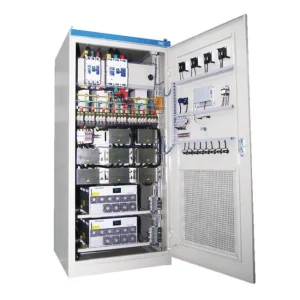
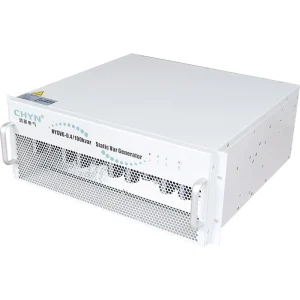
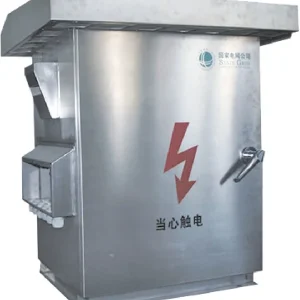
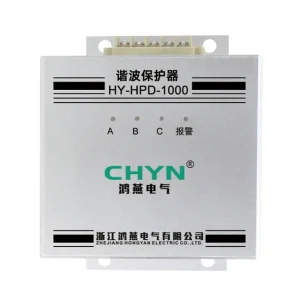
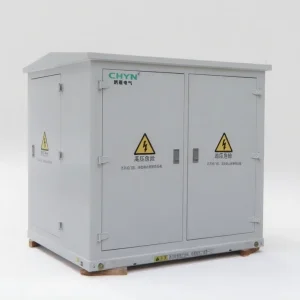
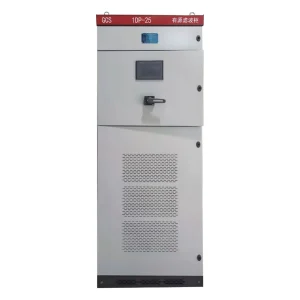
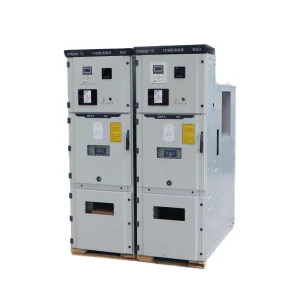
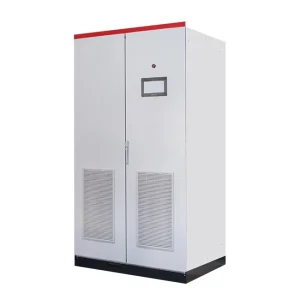
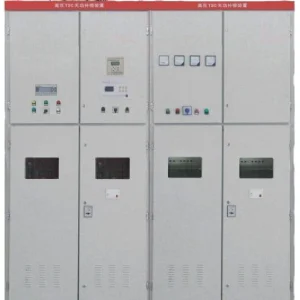
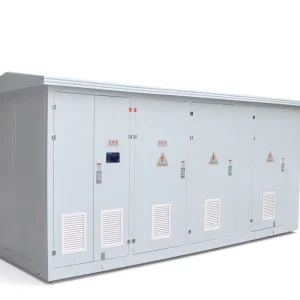
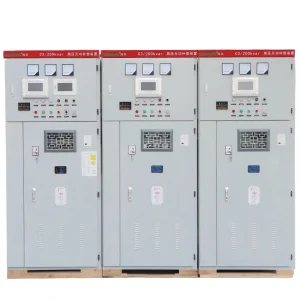
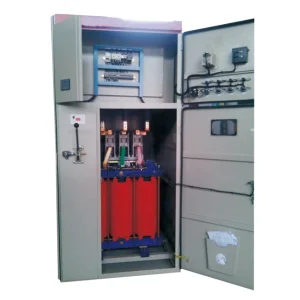
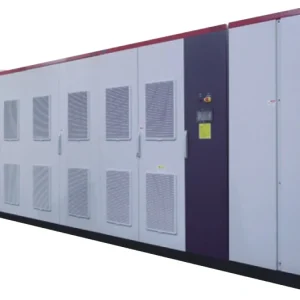
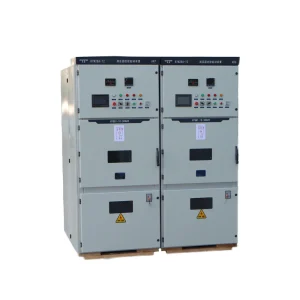
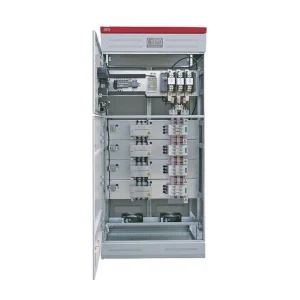
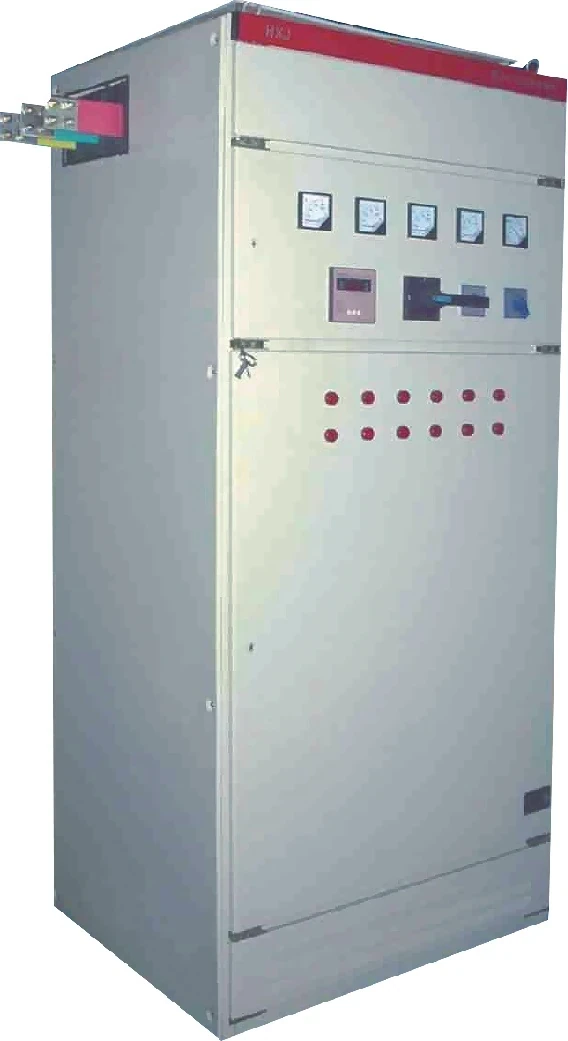
Use the CHYN HYTBBJ low-voltage compensation cabinet as the relevant product reference. Send the site conditions, required reactive duty, electrical survey and proposed installation arrangement. Request the offered assembly’s loss schedule, thermal verification, cooling supervision and maintenance requirements. The exterior photograph does not identify the internal fan arrangement.
At handover, retain the accepted drawing, component schedule, settings and test evidence together. Record any difference between the tested arrangement and the delivered installation, with the supplier’s disposition. A complete thermal record gives the owner a practical basis for investigating alarms and reviewing future modifications.
Further learning: natural convection
This NPTEL lecture from IIT Madras explains natural convection heat transfer. It supports understanding of the physical mechanism; it does not provide a fan rating or acceptance limit for the illustrated CHYN cabinet.
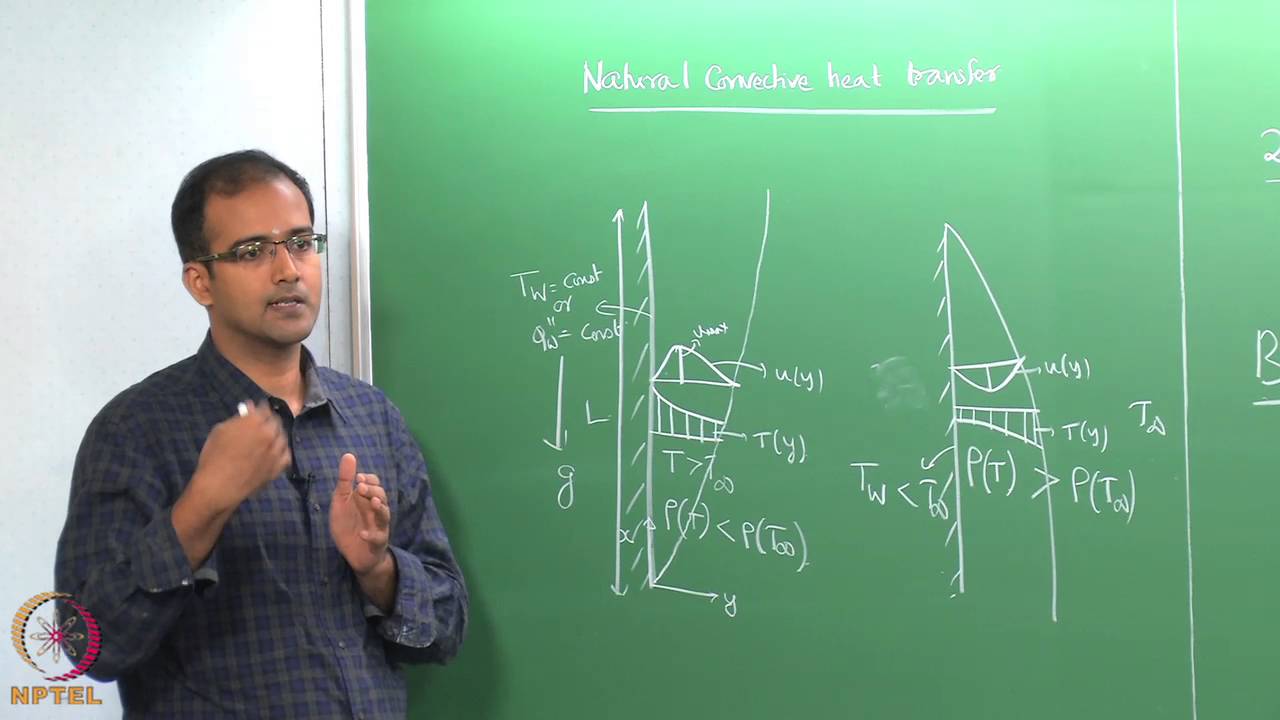
Watch Mod-01 Lec-35 Introduction to Natural Convection Heat Transfer on YouTube.
Frequently asked questions
Can capacitor-bank fans be selected from kvar alone?
No. Obtain the loss schedule, site conditions, enclosure arrangement and declared component limits for the complete assembly. Kvar identifies compensation duty rather than heat dissipation. The supplier should explain how its thermal calculation or test supports the proposed ventilation under the agreed operating conditions.
Does a capacitor temperature category approve the complete cabinet?
No. A component declaration does not establish the temperature experienced by every device in the assembled enclosure. Ask for the reference location of each relevant limit and evidence for the actual layout. Controls, switching devices and any reactors must be included in the complete application review.
Can an open door solve an overheating alarm?
Do not use an open door as a permanent cooling modification. It changes the approved enclosure condition and can introduce hazards. Follow the equipment instructions, investigate the cause and obtain a design review for any change. Maintenance must use the required isolation and stored-energy procedures.
What should the handover thermal record contain?
Retain the accepted site conditions, component schedule, loss assumptions, arrangement drawings, cooling settings and verification evidence. Include maintenance requirements and the approved response to cooling failure. Record differences between the tested configuration and the installed cabinet so future changes can be reviewed against a known basis.