
 Zhejiang Hongyan Electric Co., Ltd.
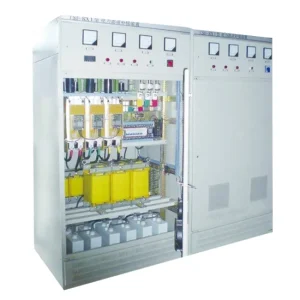
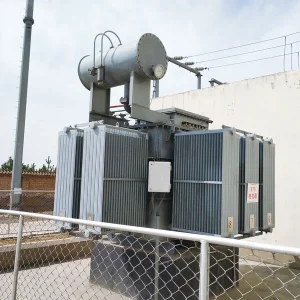
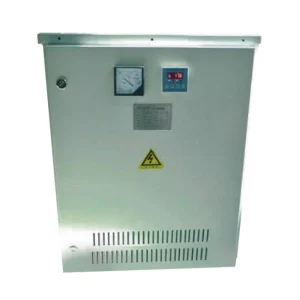
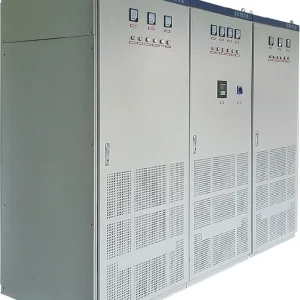
Active harmonic filter 3 wire vs 4 wire selection starts with the current that must be compensated. A three-wire unit addresses the three phase conductors; neutral-current compensation requires a suitable four-wire arrangement with an approved neutral connection and rating. Do not select by the building’s supply label alone. Identify the actual load boundary, measure phase and neutral currents, and ask the supplier to confirm the required duties together. A four-wire supply does not make every downstream load a four-wire filtering application.
This guide helps engineers turn a power-quality survey into a purchase specification. It focuses on connection choice and acceptance evidence rather than a universal circuit diagram. For the basic operating principle, start with how an active harmonic filter works. Installation and protection remain specific to the selected equipment and project.
Separate the supply arrangement from the compensation boundary
Mark the proposed filter connection and the loads included in its measurement on the single-line drawing. A facility can contain three-phase drives, single-phase electronic loads and separate distribution transformers. The neutral on one feeder may not serve another feeder. Ask which conductors carry the disturbance being addressed and where the performance result will be evaluated.
A useful survey record includes the source configuration, normal switching states and representative production periods. Record whether the intended boundary changes when a bus tie opens or a standby source connects. A selection made for one feeder should not silently become a claim about the whole plant. If drawings and site identification disagree, resolve that discrepancy before releasing the filter specification.
EPRI’s active harmonic filter application assessment distinguishes three-wire phase-current filtering from four-wire filtering that also addresses the neutral. This is a functional distinction, not proof that any particular cabinet supports every compensation mode. Ask for the exact model, supported connection and declared operating restrictions in the offer.
Ask what the neutral measurement actually contains
Do not use a single neutral RMS reading as the entire sizing input. Ask the survey team to distinguish the fundamental-frequency contribution from harmonic components and to retain the operating conditions associated with each record. The purpose is to identify the duty, not to assume that all neutral current has one cause. Review phase currents and voltage references alongside the neutral channel.
University research on neutral-current suppression in three-phase four-wire systems treats neutral harmonics as a specific compensation problem. Its studied topology is not a CHYN product specification. Use that distinction when reviewing proposals: a general promise to reduce phase harmonics should not substitute for an explicit neutral-current capability statement.
For background on the disturbance, see third-harmonic neutral current. For this selection exercise, the important output is a measurement set that can be linked to the requested correction. Avoid ordering a neutral function solely because a neutral conductor exists, or omitting it solely because the three phase RMS readings look similar.
Compare the options with a duty-based decision table
The following table is a procurement framework derived from the functional distinction above. It supplies questions rather than generic current multipliers. A supplier’s written application assessment must resolve the actual connection, limits and protection requirements.
| Observed application | Selection question | Evidence to request |
|---|---|---|
| Three-phase loads without a load neutral at the chosen boundary | Does the proposed three-wire arrangement address the measured phase-current spectrum? | Supported connection drawing and phase compensation assessment for the recorded load states |
| Phase-to-neutral nonlinear loads with a neutral-current objective | Does the proposed four-wire arrangement include the required neutral duty? | Separate phase and neutral ratings, allowable simultaneous operation and neutral connection requirements |
| Mixed feeders with changing bus-tie states | Does one measurement boundary remain valid in every required configuration? | Configuration matrix, CT boundary drawings and control behavior for each state |
| Harmonic, reactive and imbalance correction requested together | How is available current allocated between functions? | Priority settings, combined-duty limits and expected behavior at saturation |
| Planned expansion or parallel modules | How will later modules share the documented duties? | Approved expansion arrangement, coordination requirements and repeat-test scope |
Make unresolved items visible in the comparison sheet. If one quotation omits neutral duty while another includes it, the headline phase-current figures are not directly comparable. Ask both suppliers to respond to the same operating cases before comparing price or cabinet footprint.
Keep phase and neutral ratings separate
Request the basis of every current figure: conductor, RMS or peak quantity, operating temperature, duration and simultaneous function. Do not assume that a stated neutral rating is automatically three times the phase rating. A rating from another supplier’s brochure cannot establish the capability of the proposed module. The appropriate value belongs in the selected product’s documentation.
Ask what happens when the requested compensation exceeds available capacity. Which duties retain priority, what limitation is reported, and does the agreed acceptance objective remain achievable? Write these answers into the offer. A commissioning team should not have to discover the priority scheme after the equipment is installed.
Separate present duty from growth allowance. List expected new loads and the operating periods when they coincide with existing loads. Ask the supplier to show how that assumption affects the selection. An unexplained percentage margin can conceal missing survey coverage and makes later performance disputes harder to resolve.
Verify the measurement chain before judging performance
Require a drawing that identifies CT locations, ratios, phase association and the relevant voltage references for the approved connection. Do not copy the number or position of sensors from an unrelated product. Record the actual settings with the accepted drawing revision. The configuration name on the controller should agree with the power connection and documented compensation boundary.
A practical review asks whether the controller is seeing the same loads that the acceptance instrument is evaluating. If the instruments measure different boundaries, apparently conflicting results may both be correct. Establish those locations before the test and retain them with the results. For broader site preparation, use the industrial active-filter installation guide.
Qualified personnel must perform the electrical investigation under the approved project procedures. This article does not authorize live sensor changes or modification of neutral and protective conductors. Any discrepancy affecting the approved connection should be resolved with the responsible engineer and equipment supplier before automatic compensation is enabled.
Build a before-and-after test that answers the purchase question
Define the load states and measurement locations before collecting baseline records. Specify the quantities to retain, such as phase currents, neutral current, relevant harmonic spectra, supply voltage quality and operating status. The acceptance criteria must use an agreed measurement method and application boundary. A single improved percentage on a controller screen is not a complete test report.
Where practicable within the approved commissioning plan, compare equivalent operating conditions with compensation inactive and active. Record differences in load and source state rather than hiding them. If production conditions cannot be repeated, state that limitation and agree how the evidence will be interpreted. Do not manufacture a pass by comparing a heavily loaded baseline with a lightly loaded final run.
Include a review of limiting behavior and any required alternate source or bus configuration. An acceptable result should demonstrate the requested duty under the documented conditions, together with stable operation and an explainable event record. Preserve settings, instrument details and the tested configuration so later changes can be assessed against a known baseline.
Send a complete enquiry for the actual CHYN arrangement
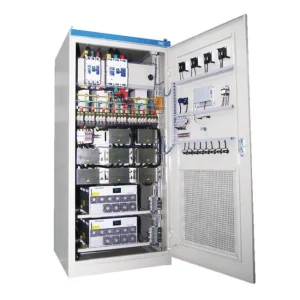
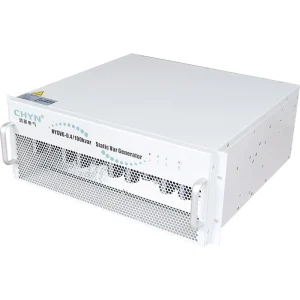
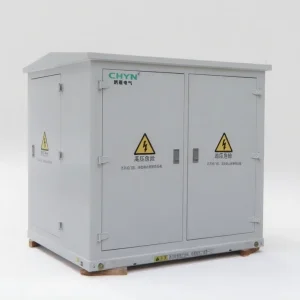
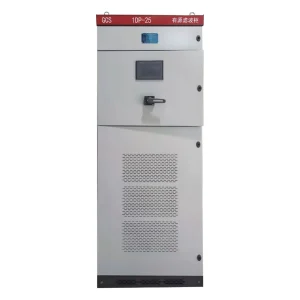
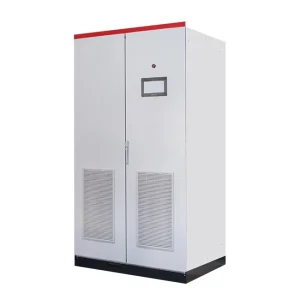
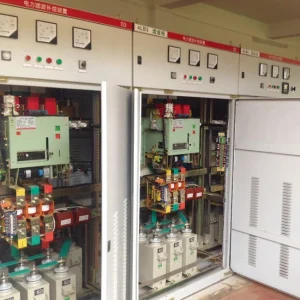
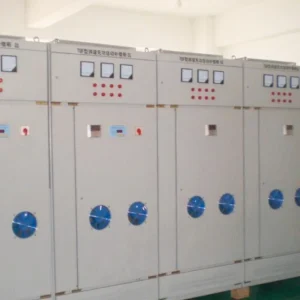
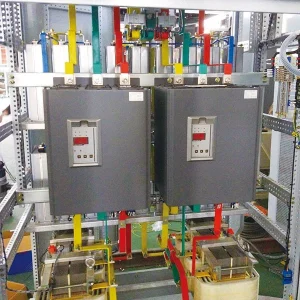
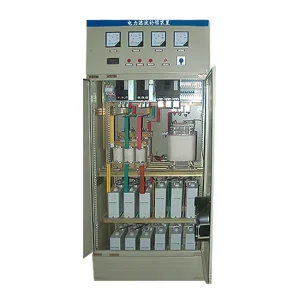
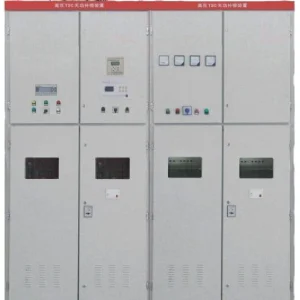
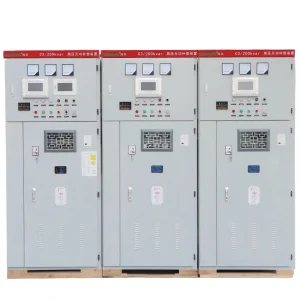
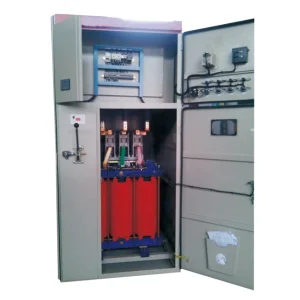
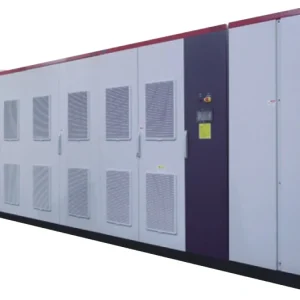
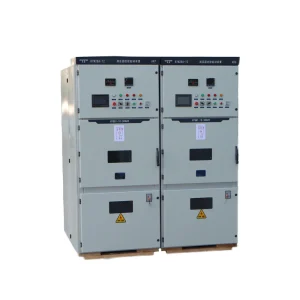
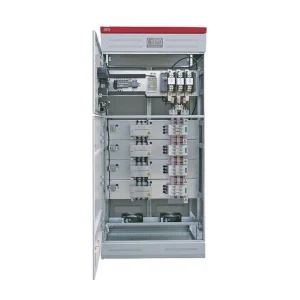
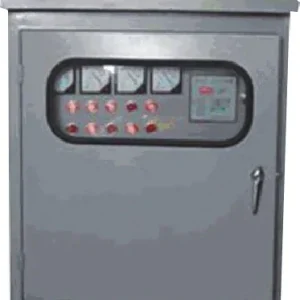
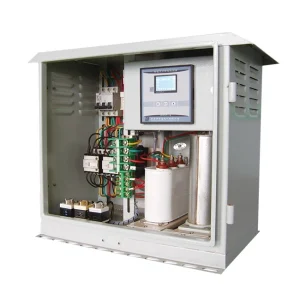
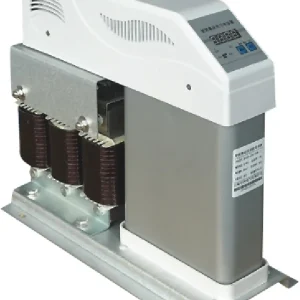
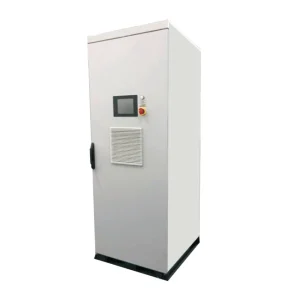
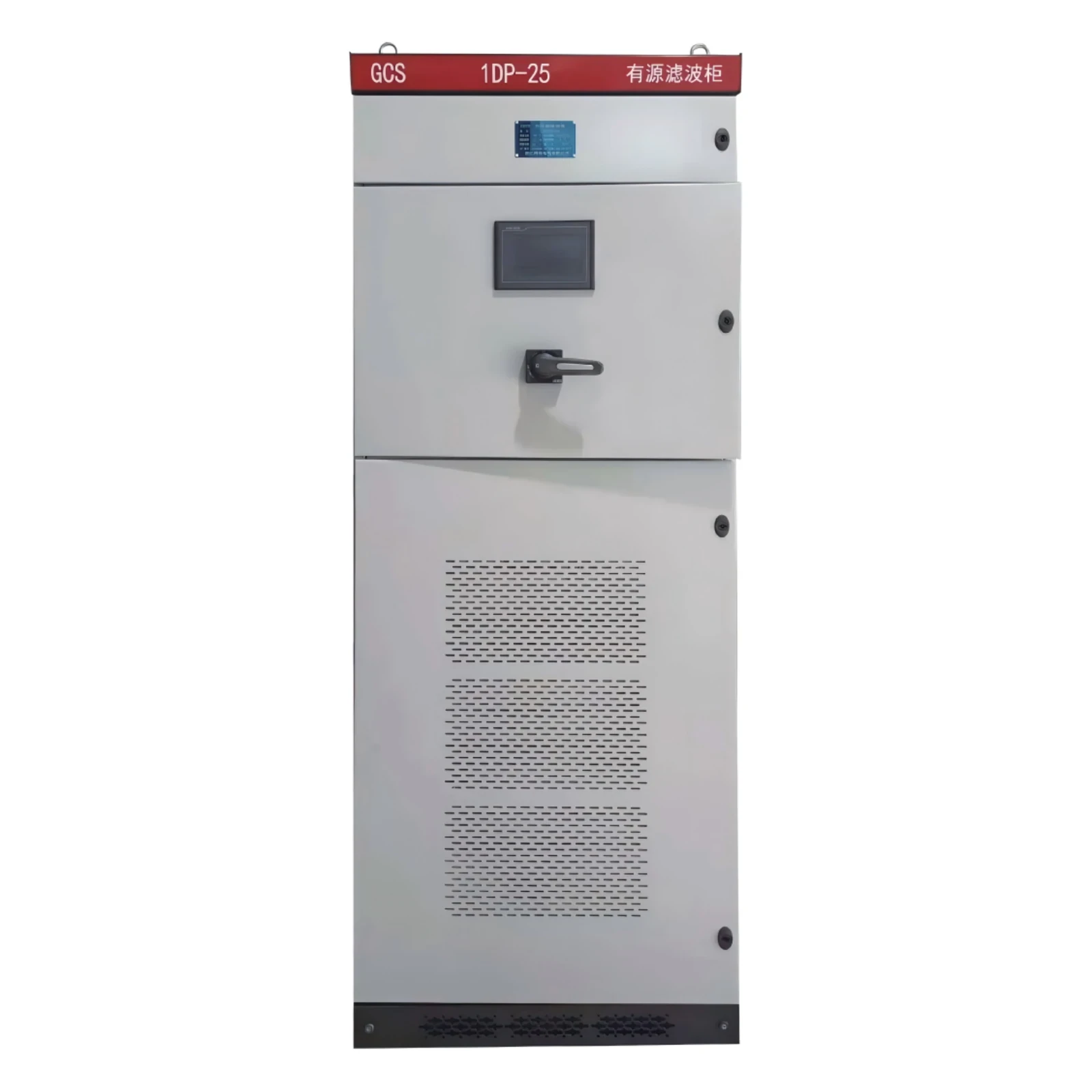
The CHYN HYAPF active power filter is the relevant product family for this enquiry. Its website photograph identifies the product appearance; it does not establish a neutral rating or a supported site connection. Send the survey, single-line drawing, voltage and frequency, operating-state matrix and acceptance objective, then request configuration-specific confirmation.
Ask the quotation to identify exclusions as clearly as included functions. Name the documents required before shipment, the responsibilities for site measurement and the conditions that would trigger reselection. This makes a three-wire versus four-wire decision reviewable and keeps the final order tied to the disturbance the project actually needs to address.
Further learning: shunt active filtering
This NPTEL IIT Delhi lecture introduces shunt active power filters. It provides neutral educational background for understanding compensation; it is not a connection instruction or a performance demonstration for the cabinet illustrated here.
Watch Shunt Active Power Filters on YouTube.
Frequently asked questions
Does a four-wire supply always require a four-wire active filter?
No. Select the arrangement for the loads and compensation boundary being addressed. A three-phase feeder without a load neutral may have a different requirement from a feeder serving phase-to-neutral nonlinear loads. Confirm the requested phase and neutral duties using representative measurements and the selected equipment documentation.
Can a three-wire filter correct neutral current?
Do not assume that it can. The conventional three-wire arrangement addresses the phase conductors and does not provide the neutral compensation path discussed here. If neutral-current correction is an objective, request a specifically approved arrangement with its neutral rating, supported connection and simultaneous operating limits stated in writing.
Is the neutral rating always three times the phase rating?
No universal multiplier should be used for procurement. Ratings and the quantities they describe depend on the selected design. Ask whether figures are RMS or peak values and what temperature, duration and combined duties apply. A number taken from another product cannot establish the capability of the offered unit.
What proves that the chosen arrangement meets the requirement?
Use an agreed before-and-after assessment at the documented measurement boundary and representative operating states. Retain phase and neutral records, relevant spectra, settings and equipment status. Explain differences in load conditions and verify the actual requested duties rather than accepting only an improved headline distortion percentage.