
 Zhejiang Hongyan Electric Co., Ltd.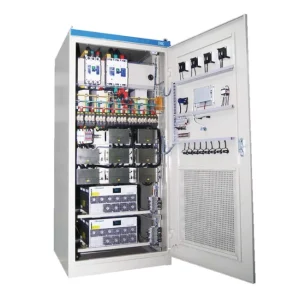
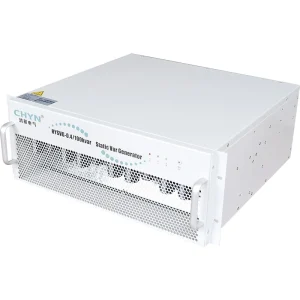
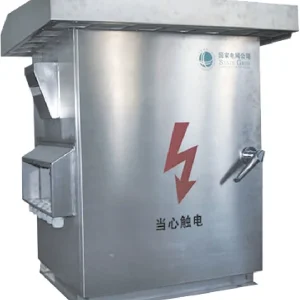
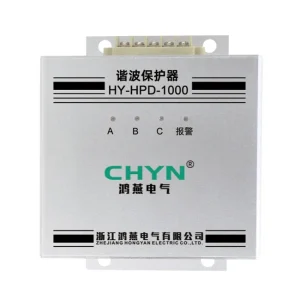
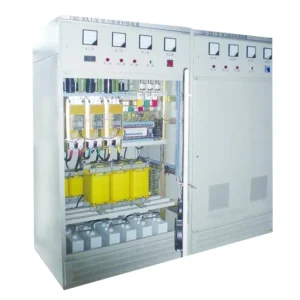
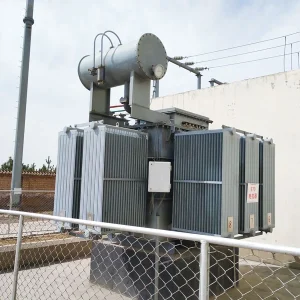
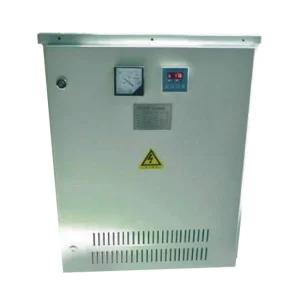
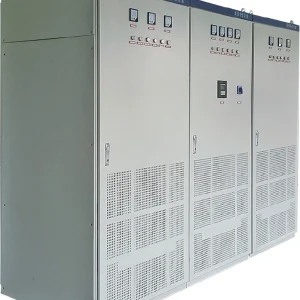
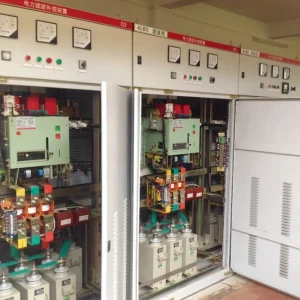
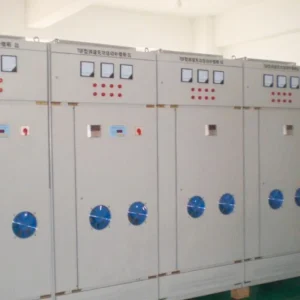
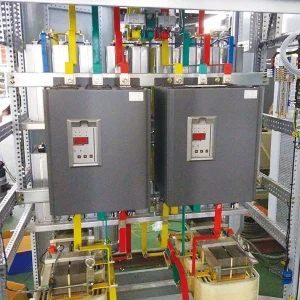
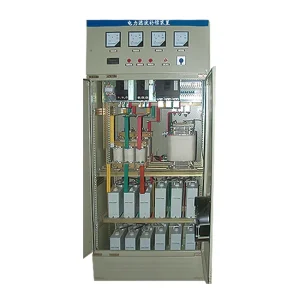
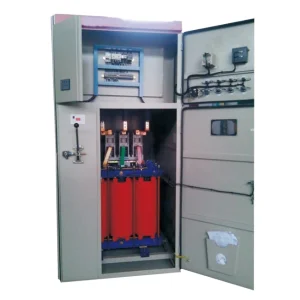
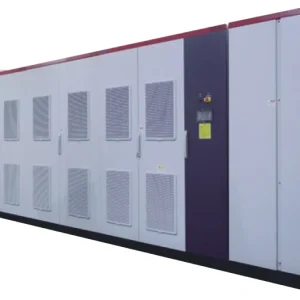
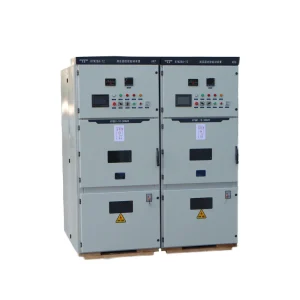
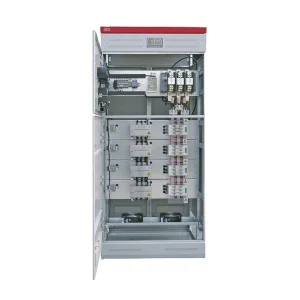
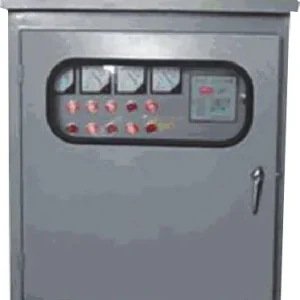
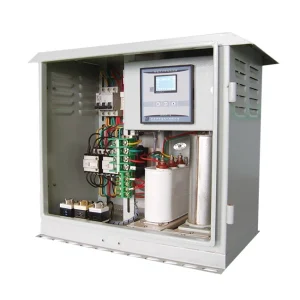
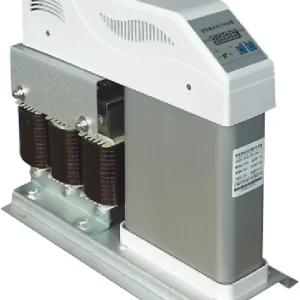
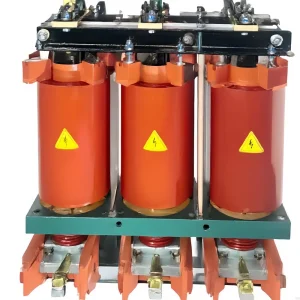
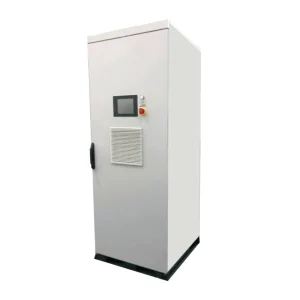
Capacitor bank design freezes measured system inputs first, then locks order-time configuration, and only then treats kvar as an orderable figure backed by a checkable design package.
Freezing kvar from nameplates alone is how plants end up leading overnight, singing with drive harmonics, or holding a quote that cannot be checked.
Next come design inputs, fixed versus automatic steps, reactor and protection choices, enclosure form, and the package fields a supplier must fill—before any kvar arithmetic is treated as final. Worked sizing math lives on the calculation and power factor correction side of this topic cluster, not here.
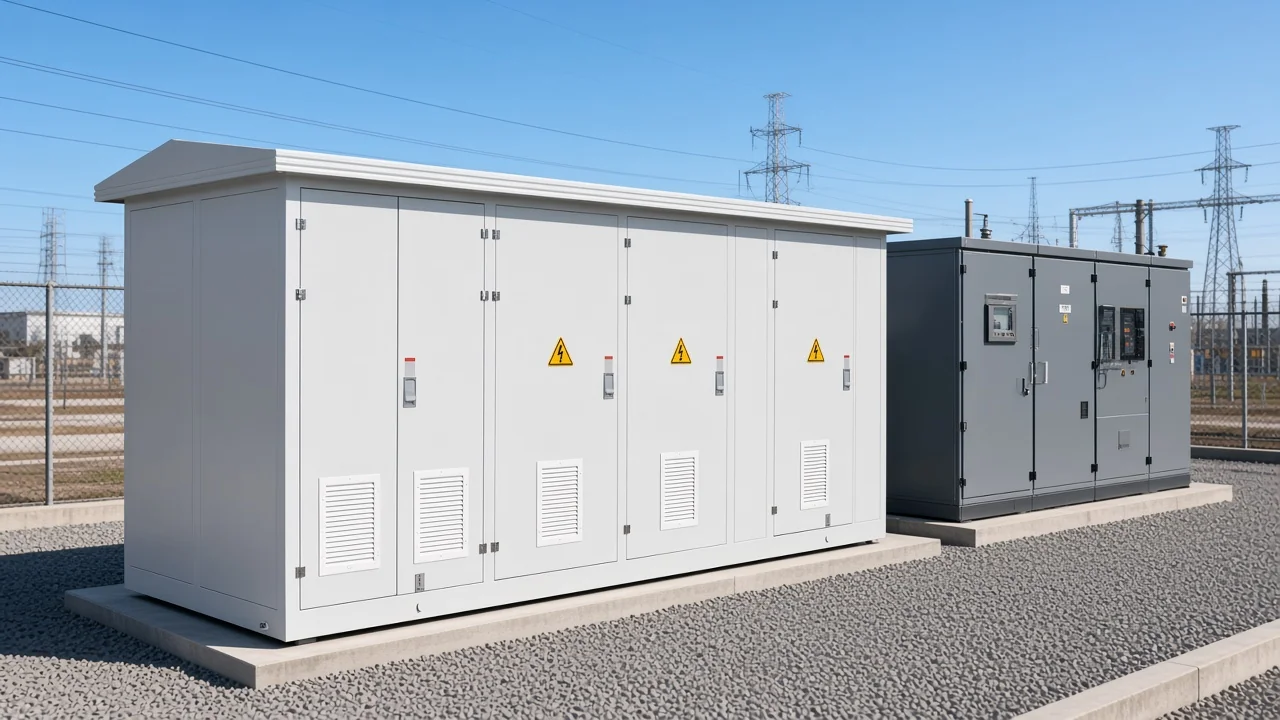
Design Inputs You Must Freeze Before Any kvar Figure
Freeze measured load and power-factor profile, system voltage, short-circuit strength, harmonic spectrum, ambient and altitude envelope, and switching duty before locking kvar.
Design inputs are the plant facts that decide whether a bank will fit the bus. A present power-factor and reactive demand profile across the duty cycle beats a motor-nameplate guess: night and weekend troughs matter as much as the production peak.
System voltage and frequency set the unit voltage class. Short-circuit strength or source impedance shapes inrush and protection coordination. Harmonic spectrum—or at least the nonlinear-load share—tells you whether a plain bank is even safe to order.
Ambient temperature and altitude bound thermal and dielectric margins. Switching duty records how often steps will energize and whether back-to-back or other heavy switching cases exist nearby. A 33/11 kV substation placement case is a site-layout question for a sibling article; here it only reminds you that bus voltage and switching duty still freeze first.
| Design input | Why it freezes kvar | What the buyer records |
|---|---|---|
| Load / PF profile across the duty cycle | Prevents overcorrection at light load and undersizing at peak | Logger or trend notes for peak, average, and idle periods |
| System voltage and frequency | Sets capacitor voltage class and reactor rating basis | Nominal bus kV and 50/60 Hz |
| Short-circuit strength / source impedance | Shapes inrush and protection coordination | Available fault level or source description |
| Harmonic spectrum / nonlinear-load share | Decides plain bank vs detuned branch | Drive/rectifier share or measured spectrum |
| Ambient and altitude envelope | Bounds thermal and dielectric design | Site °C range and altitude |
| Switching duty | Sets step count, switchgear interface, and duty notes | Expected switching rate and adjacent bank presence |
IEC 60831-2 thermal limits summarized in engineering tutorials (for example max 55 °C and 24 h average 45 °C) are one ambient cue among others—not a product listing claim.
Low power factor forces distribution equipment to carry extra amperes for unchanged kilowatts, and utilities may charge industrial customers more. That is why power factor correction motivates the bank; it still does not replace the input checklist above.
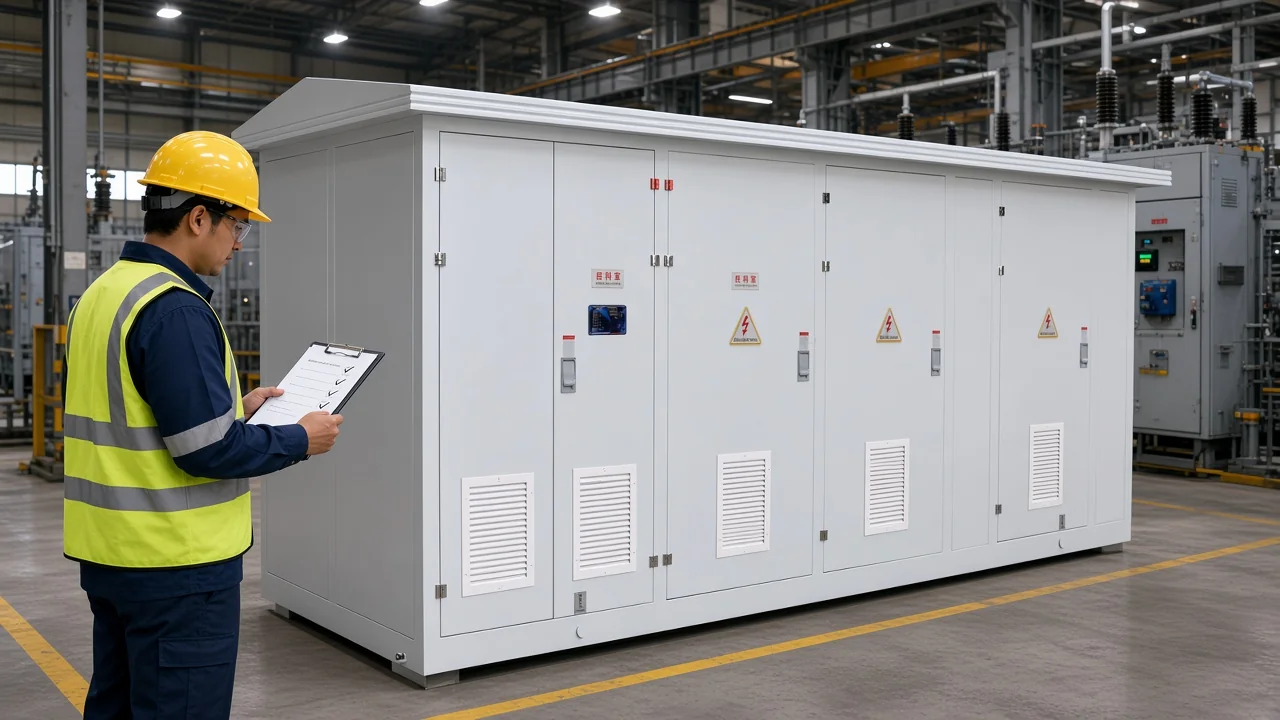
Fixed Versus Automatic Multi-Stage Switching Choices
Choose fixed for stable kvar demand; choose automatic steps when load swings would leave you leading at light load.
A fixed capacitor bank remains on the bus for as long as that feeder is live. It fits continuous processes whose reactive demand barely moves. The trade-off is simple: when motors idle and the steps never drop out, the same bus can drift into a leading reading.
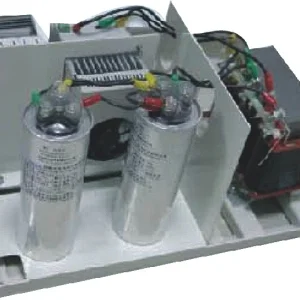
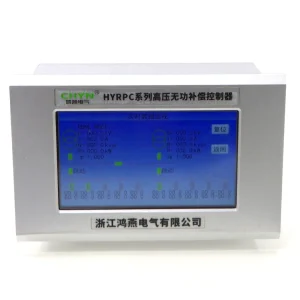
An automatic / multi-stage bank uses a controller to add and drop switched steps with load. Automated switched shunt banks switch in at heavy load and out at light load so light-load leading power factor is less likely. That is the usual fixed vs automatic capacitor bank decision for mixed plant floors.
From the field: A fixed bank left fully online at night when motors idle can push the bus leading—switch some capacitors off when too much reactive power is produced. — Physics Forums discussion on overnight leading power factor
Step count and kvar per stage belong on the order form once the load profile is known. Granularity that is too coarse still overshoots at light load even on an automatic controller.
When a Detuned Reactor Belongs in the Design
Decide plain bank versus detuned branch from the harmonic spectrum or nonlinear-load share—not after the quote.
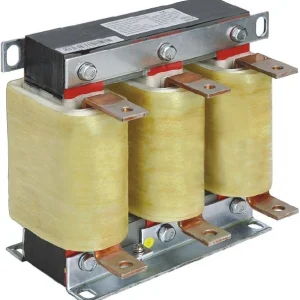
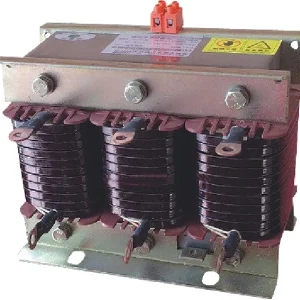
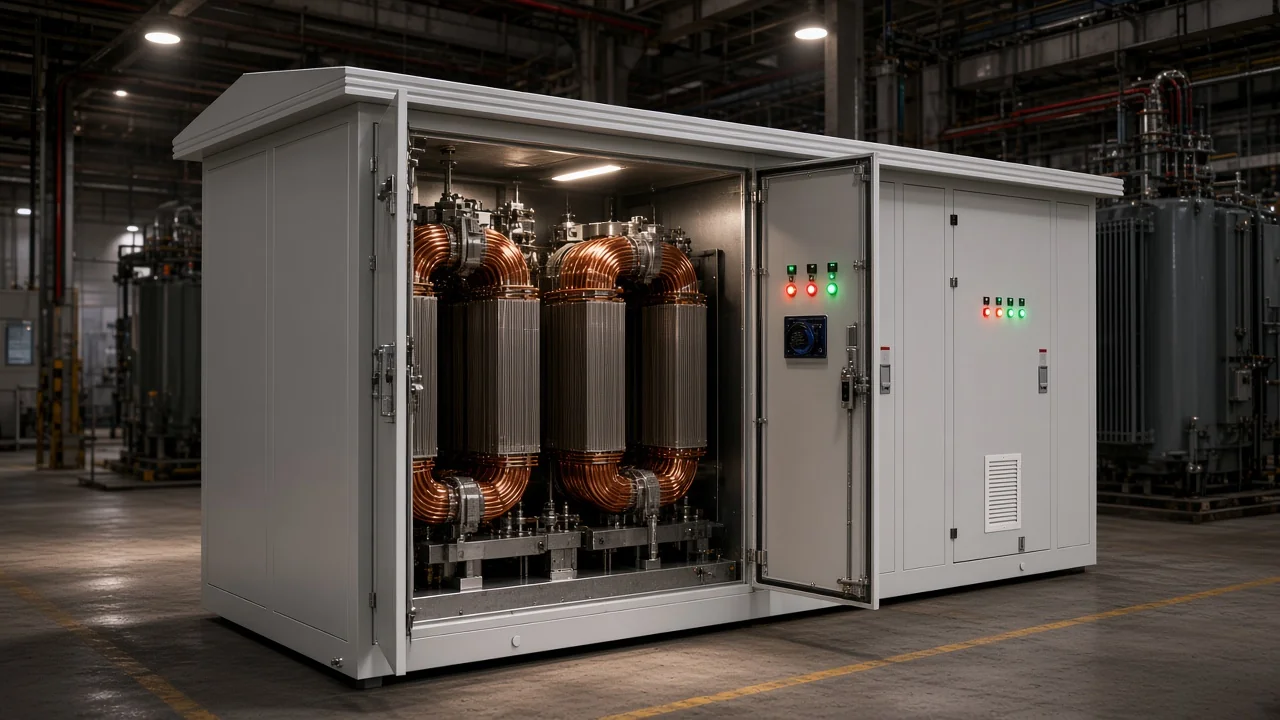
A series reactor / detuned bank puts an inductor with the capacitors to limit energization inrush and/or shift resonance away from line-frequency harmonics. Community language calls these detuning reactors: they soften the blow and keep resonance off harmonic orders.
Bare capacitors paralleled with converters can overheat when higher-frequency harmonics shunt through the cans. That is a practitioner warning for converter-heavy plants, not a factory test result for any one brand.
From the field: Caps paralleled with a four-quadrant converter can burn one after another when harmonics are shunted through the bank. — Reddit Electrical Engineering thread on converter-side capacitor overheating
A common engineering screen treats roughly 15–20% nonlinear load share as a cue to study a detuned reactor capacitor bank rather than a plain string. The screen is a decision trigger, not a substitute for a measured spectrum.
HYTBB outdoor-box detune ratios published on the product page (0.1%–1%, 5%–6%, 9%–13%) show how order codes capture that choice once the spectrum is known.
Tip: Name the inputs a kvar calculation needs—measured kW, present power factor, voltage—but do not treat a target-power-factor formula or a worked Qc arithmetic block as finished design. Those belong with calculation-focused siblings.
Fusing and Unbalance Protection in the Design Package
Order-time protection must name fuse style and unbalance detection so the bank stays stable after a unit failure.
Fusing scheme choices—externally fused, internally fused, or fuseless—decide how a failed can is cleared and how the remaining units share voltage. Unbalance protection watches neutral voltage or current so a lopsided bank after a unit failure is caught before the rest of the string is overstressed.
Manufacturer education on bank stability after one fuse operation commonly keeps remaining units within about 110% of rated voltage. Write that stability expectation next to the fuse style on the design package, even when the exact relay model is still open.
Neutral unbalance protection is also how live HYTBB outdoor-box packages describe failed-unit detection. Pair the fuse style with the unbalance method on the same order line.
Enclosure Form: Outdoor Box, Frame, or Indoor Options
Site, environment, and customization needs drive outdoor box versus outdoor or indoor frame—not kvar alone.
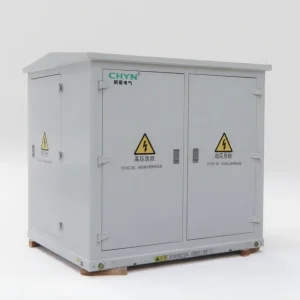
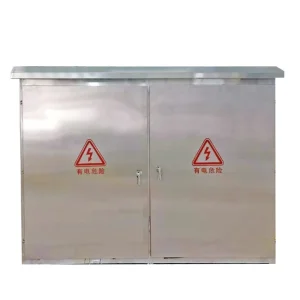
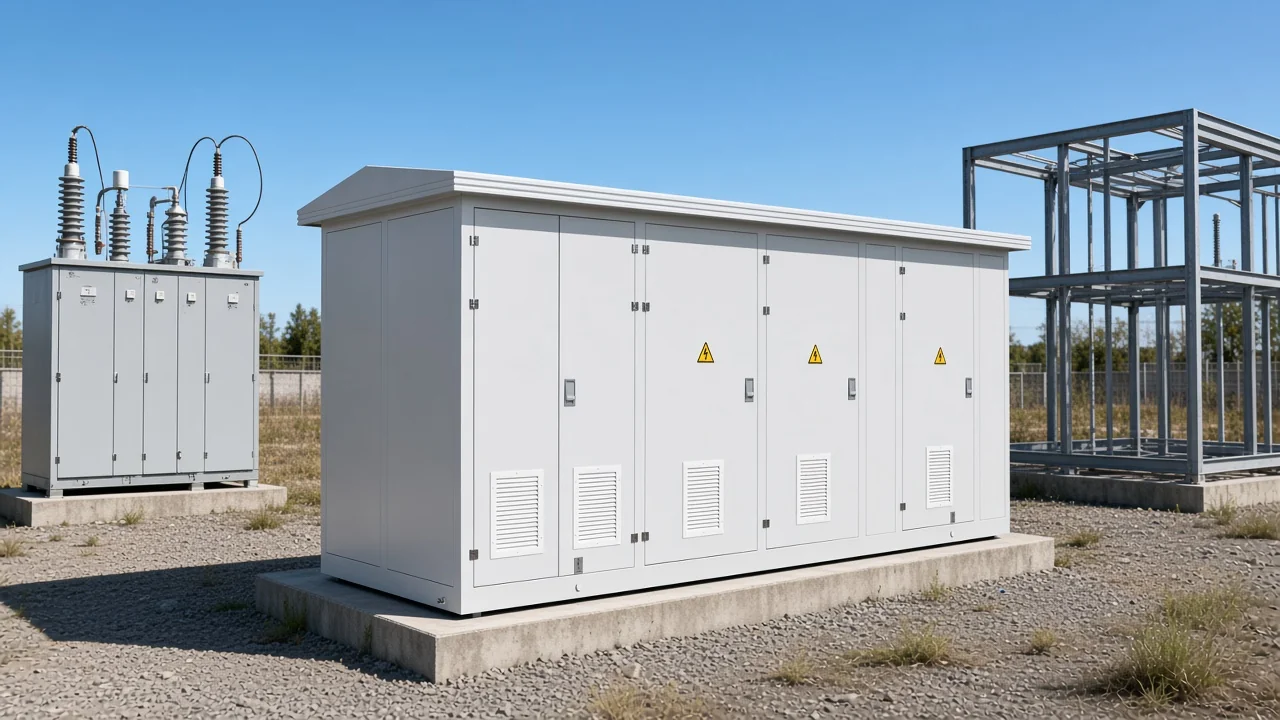
Enclosure form is an order-time choice. An outdoor box suits yard-mounted metal-enclosed packages.
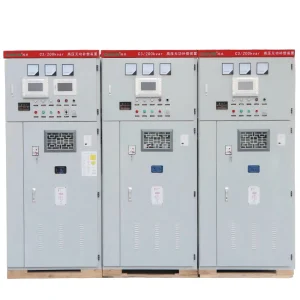
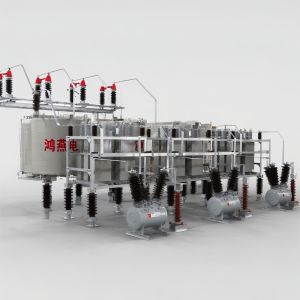
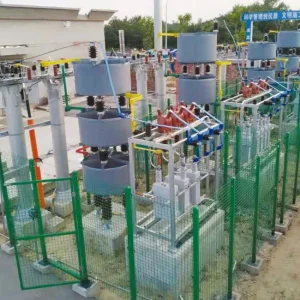
An outdoor frame or indoor frame fits sites that need open-rack visibility or indoor switchroom mounting. Competitor catalogs often contrast open-rack versus metal-enclosed language; the CHYN hub lists outdoor box, outdoor frame, and indoor frame as parallel form answers under the HV reactive compensation product family.
Cable entry, clearance, and ambient limits follow the form you pick. Do not freeze the enclosure from kvar size alone while the site envelope is still blank.
What a Checkable Capacitor Bank Design Package Must Contain
A quote is checkable only when voltage and frequency, stages and kvar per stage, harmonic condition, cable entry, switchgear interface, environment, and OLTC coordination are filled.
A capacitor bank design package / RFQ checklist is the order-information list a buyer can audit against the plant inputs above. Without those fields, kvar on a quotation is a number without a configuration.
| Order-time choice | Decision cue | What to write on the order |
|---|---|---|
| Fixed vs automatic steps | Stable vs swinging reactive demand | Fixed (X) or Automatic (Z), stage count, kvar/stage |
| Plain vs detuned reactor | Harmonic spectrum / nonlinear share | Harmonic condition; Filtered (L) and detune ratio if needed |
| Fuse + unbalance pair | Failed-unit stability | Fuse style and unbalance detection method |
| Enclosure form | Yard vs indoor, customization | Outdoor box, outdoor frame, or indoor frame |
| Interface and environment | Switchgear, cables, climate, transformer taps | Cable entry, switchgear interface, ambient/altitude, OLTC flag |
For MV/HV shunt banks rated 2400 Vac and above, IEEE 1036 often appears as the application framing document.
Important: IEEE 1036 is application framing for shunt banks in that voltage class — not a CHYN product certification or listing claim.
Which HYTBB Outdoor Box Configuration Fits These Design Choices
The live HYTBB outdoor-box family exposes fixed, automatic, and filtered codes, detune ratios, and protection fields that match these order-time switches.
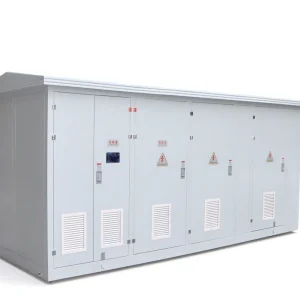
The HYTBB outdoor-box reactive compensation package is a configurable shunt compensation package for MV busbars. The product page states system voltage 6–10 kV, up to 5 stages, total 100–10000 kvar, and a maximum single bank of 2000 kvar.
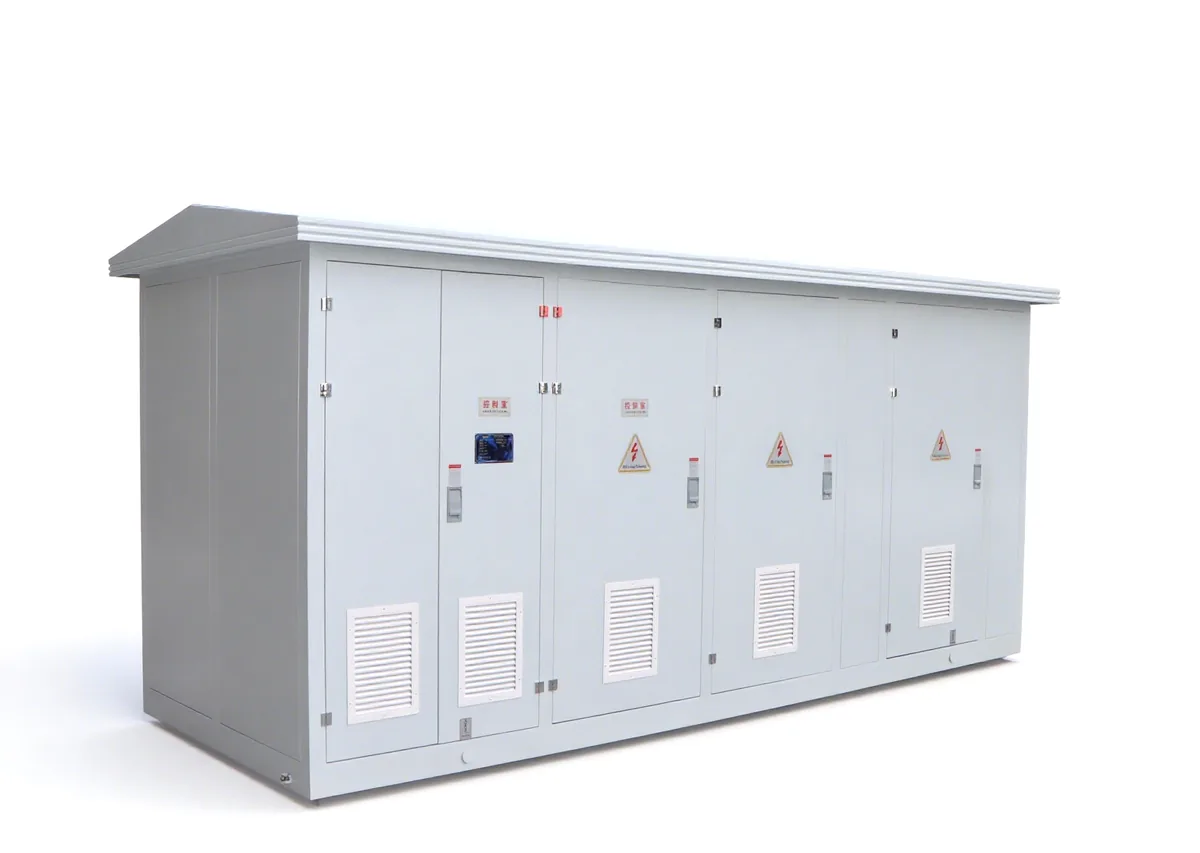
Compensation-type codes Fixed (X), Automatic (Z), and Filtered (L) map to the fixed versus automatic and plain versus detuned decisions above. Published detuned tuning ratios are 0.1%–1%, 5%–6%, and 9%–13%.
Ambient is listed as −40 °C to +45 °C with altitude ≤2000 m unless a high-altitude design is requested. Protections listed include overvoltage and undervoltage, overcurrent or differential, and neutral unbalance.
Use those page-stated ranges as order boundaries, not as a guarantee for an unmeasured plant. If the bus sits outside the published MV range, or if the job is pole-mounted feeder hardware, pick a different hub form. Send voltage and frequency, stages and kvar per stage, harmonic condition, cable entry, switchgear interface, environment, and OLTC coordination when you open the product page—one soft hand-off, not a separate enquiry workflow.
For a plain definition of the hardware, see what are capacitor banks and what do capacitor banks do. Cost trade-offs and series/parallel wiring each have their own live pages if that is the next question.
FAQ
What inputs must be known before capacitor bank design is frozen?
Measured load and power-factor profile, system voltage and frequency, short-circuit strength, harmonic spectrum or nonlinear-load share, ambient and altitude envelope, and switching duty. Freeze those before locking kvar.
Fixed vs automatic capacitor bank — which design choice?
Fixed fits stable reactive demand. Automatic multi-stage switching fits swinging loads that would otherwise leave a fixed bank leading at light load.
When do I need a detuned reactor in the design?
When the harmonic spectrum or nonlinear-load share shows resonance or converter-driven overheating risk for a plain bank. Decide the detuned branch before the quote, not after.
What protection and unbalance scheme belongs in the design package?
Name the fusing scheme—externally fused, internally fused, or fuseless—and the unbalance protection method so a failed unit does not leave the rest of the bank overvoltaged.
What must a supplier quote / design package include to be checkable?
Voltage and frequency, stage count and kvar per stage, harmonic condition, cable entry, switchgear interface, environment, and OLTC coordination when taps matter. Those fields make the capacitor bank design package auditable.
How does this differ from capacitor bank design calculation?
Here the focus is the decision sequence from inputs to order-time configuration to a checkable package. Worked kvar arithmetic and target-power-factor formulas belong in calculation-focused pages.
What is a capacitor bank?
A shunt capacitor bank is a grouped set of capacitors that supplies leading reactive power on a bus. For a fuller definition, see the linked definition articles above.
Outdoor box vs indoor/outdoor frame — how to choose?
Match enclosure form to site and environment: outdoor box for yard metal-enclosed packages, outdoor or indoor frame when open-rack or switchroom mounting fits better. The HYTBB outdoor box is one live configurable answer when that form is correct.
References
- IEEE 1036 — Guide for Application of Shunt Power Capacitors
- IEEE TechNav — Shunt Power Capacitors
- Wikipedia — Power factor correction
- Physics Forums — Leading power factor from overcorrected capacitor banks
- Reddit — Power factor correction / detuning reactors
- Reddit — Capacitors overheating beside converters