
 Zhejiang Hongyan Electric Co., Ltd.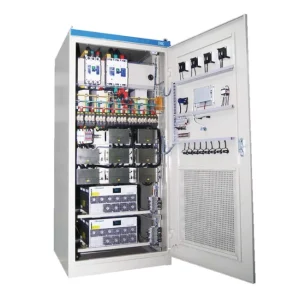
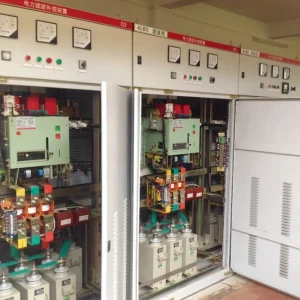
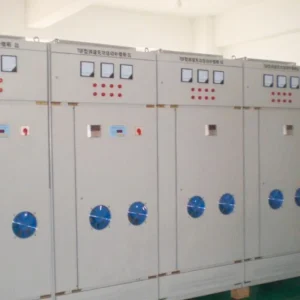
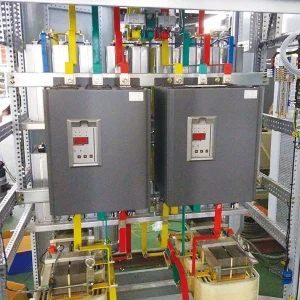
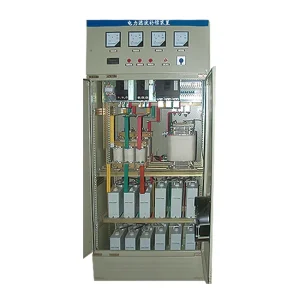
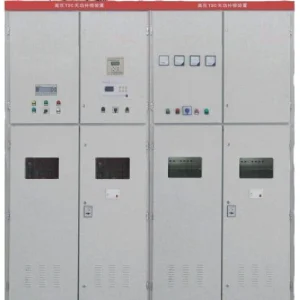
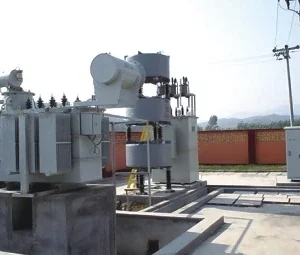
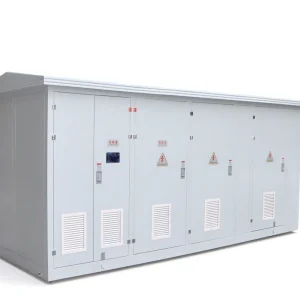
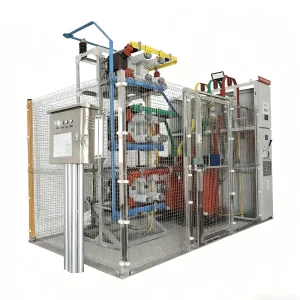
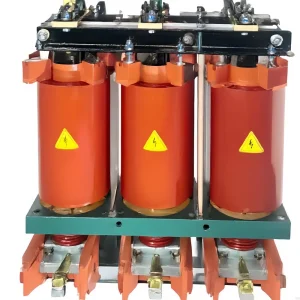
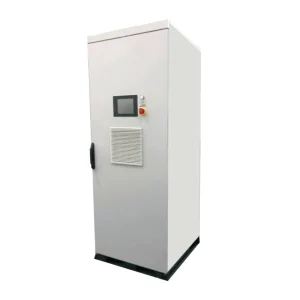
power quality management in smart grid work on a feeder is measurement, voltage and var control, and harmonic correction done together. A dashboard that only logs the waveform has stopped at the first of those three.
The sections below separate what a smart meter can show, what volt/var management changes, why harmonic voltage can belong to the shared system, and which hardware fits after the log is stored.
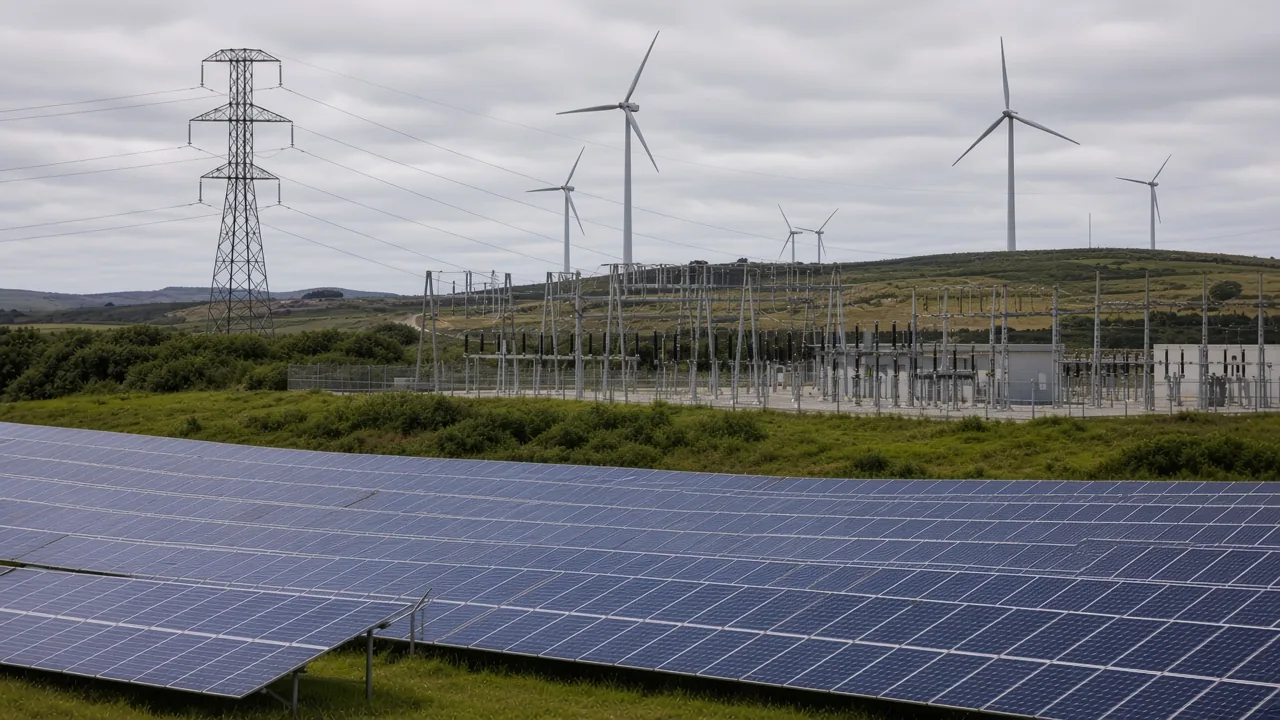
What a smart-grid feeder has to hold steady
The feeder has to hold voltage, balance, and waveform shape while load and generation move. Those are the events operations people mean when they talk about power quality on a distribution circuit.
A sag or a swell is a voltage that leaves the band for a short time. Unbalance is unequal phase voltage or current. Harmonics are extra frequencies that ride on the fundamental wave and show up as heating, misoperation, or a noisy trace.
Solar, wind, and charger loads add those events more often, because their converters do not draw a smooth current. The feeder still has to serve the older loads on the same line.
Frequency can drift on a small islanded section even when the main grid looks quiet. That is a different problem from harmonic ripple, and it is handled with generation balance rather than with a filter.
Measurement that shows where the disturbance starts
Power quality monitoring equipment shows where an event happened, and it does not push the voltage back by itself. A smart meter with a unique identifier can timestamp sags, interruptions, and harmonics so the utility can see which part of the feeder was involved.
That timestamp is the start of the job. It tells a planner whether the event is local to one lateral or common to the bus.
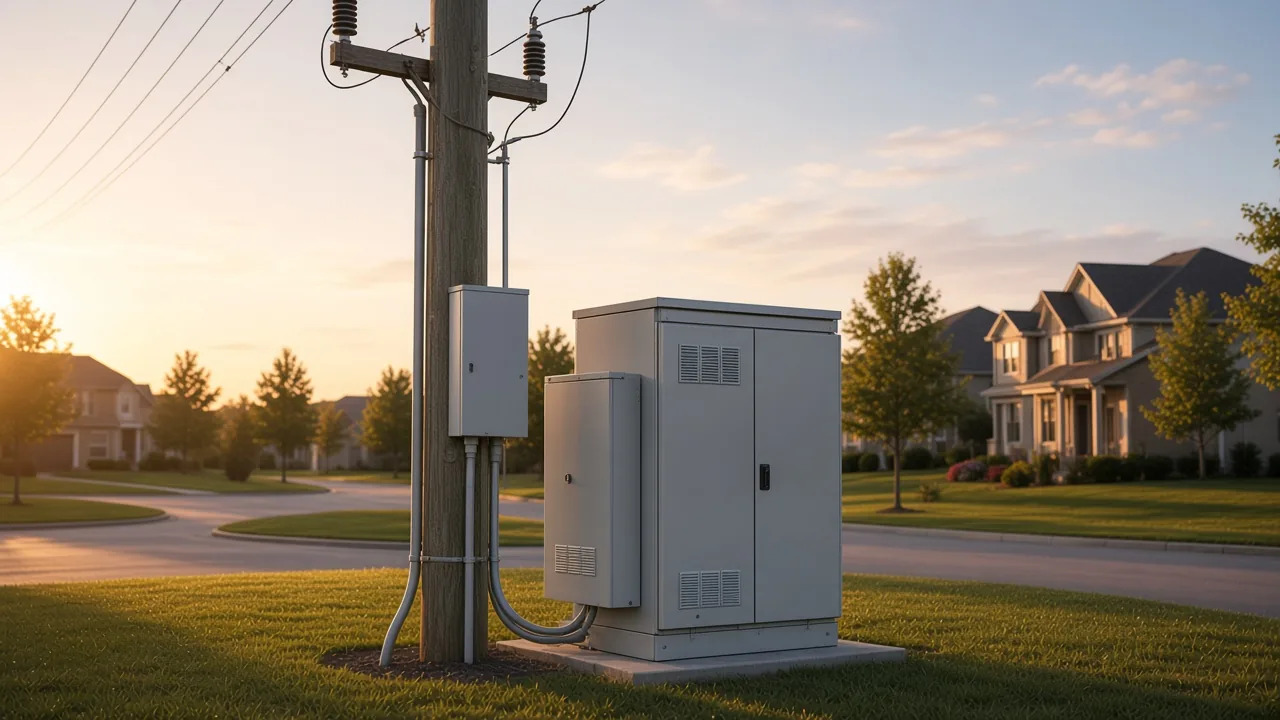
SCADA adds the substation view: breaker state, tap position, and alarms. It supervises devices. It does not inject current.
A useful measurement set for this decision is simple.
- Voltage level and whether it sagged or swelled
- Phase balance
- Harmonic content on voltage and on current, kept as two traces
- Reactive flow at the feeder head
If only the voltage log is stored, the current that caused the voltage drop is still unknown. The next section is about changing that voltage and reactive flow on purpose.
Voltage and var control on the feeder
Volt/var management changes device settings so the feeder profile and reactive flow stay in band. The usual devices are a load-tap changer, a line regulator, and a capacitor bank.
Utilities that run this as an application keep a feeder model and use field data to switch capacitors. The point of the application is a new setpoint, not a longer archive of the old one.
Along a feeder, volt/var settings along the feeder have to respect the last customer as well as the substation bus. Flattening the profile with capacitors can cut reactive flow. It can also raise voltage at light load if the step is left closed.
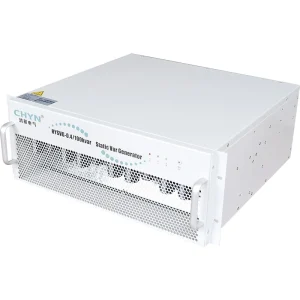
A static var generator does the reactive-current job continuously, without the step change of a switched capacitor. That difference matters on a feeder where solar output moves faster than a capacitor controller was built to follow.
| Event the log can store | What the log alone changes | What actually moves the feeder |
|---|---|---|
| Voltage sag or swell | Nothing on the wire | Tap, regulator, or reactive current |
| High reactive flow | Nothing on the wire | Capacitor step or static var generator |
| Harmonic trace | Nothing on the wire | Active filter or a detuned filter step |

Harmonics that ride the shared voltage
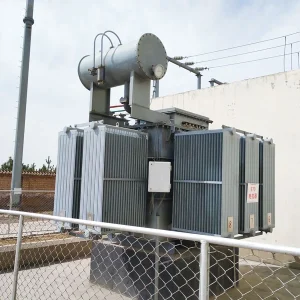
Harmonic voltage can come from the shared system even when this feeder’s current at that order is quiet. Current measured on one feeder is that feeder’s load. Voltage at the same point includes every load tied to the same bus and transformer.
From the field: On a multi-grounded distribution feeder, harmonic voltage can stay high while the current at the same order on that feeder stays quiet — the voltage is the shared system, and the current is only the measured feeder. Source: a distribution-feeder field thread.
That split changes the next purchase. If the current is on this feeder, treat the nonlinear loads here. If the voltage is high and the current is not, look at neighboring circuits and at resonance with capacitors before buying a larger filter for a load that is already small.
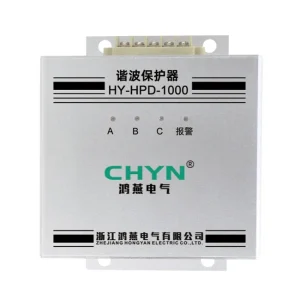
An active power filter measures load current and injects the opposite harmonic current. It belongs near the distorting load, or at a bus that truly carries that current, not on a feeder that only shows the voltage consequence.
Where a logging dashboard stops
Storage ends the logging job. Correction starts when a device changes current or a setpoint.
Network-level power quality limits are an operating problem across the circuit, not a chart in a single cabinet. Active management maps those limits and coordinates the devices that can move them. A screen that cannot send a setpoint or a current command is still a log.
Beside this work, energy management and outage tools answer different questions: how much energy moved, and who is out of service. They do not cancel a harmonic or hold var.
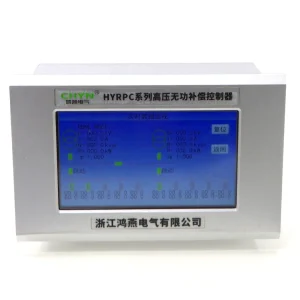
CHYN does not sell a software product under this topic. The hardware decision is the utilities solution, a static var generator, or an active filter, depending on which trace is actually wrong.
What to check before capacitors are switched
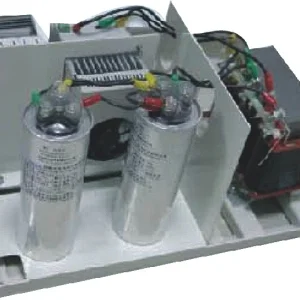
A capacitor bank can support reactive power and can also resonate with the source inductance. Capacitor banks and source inductance form a parallel path that can raise harmonic voltage even when the capacitor was added only for power factor.
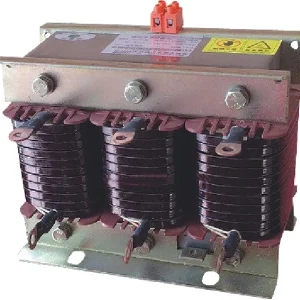
Compare the harmonic current orders already on the feeder with the frequency where that capacitor and the upstream inductance would ring, and do that before the new step is closed. If those line up, the step is the wrong tool, or it needs a detuning reactor.
Ask three practical questions in the field.
- Is the reactive flow the problem, or is the waveform?
- Are the large nonlinear loads on this feeder or on a neighbor?
- Will the capacitor stay on during light load, when voltage is already high?
If the waveform is the problem and the current is local, an active filter is the closer match. If the voltage moves faster than a step can follow, continuous reactive current is the closer match.
Which utilities solution fits feeder correction
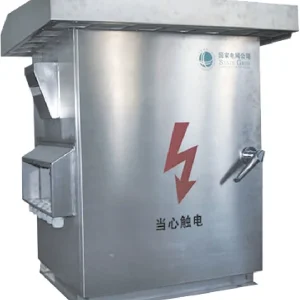
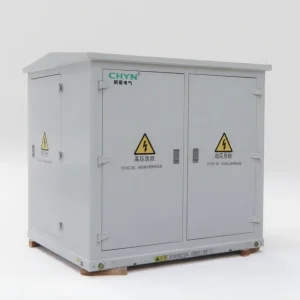
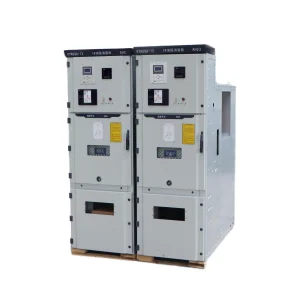
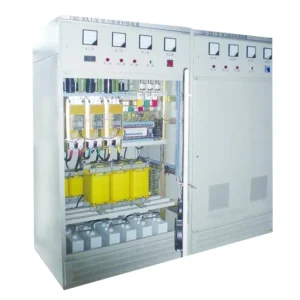
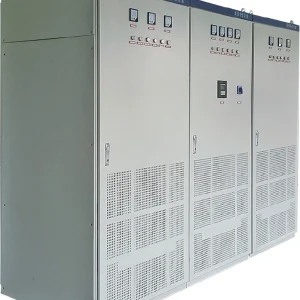
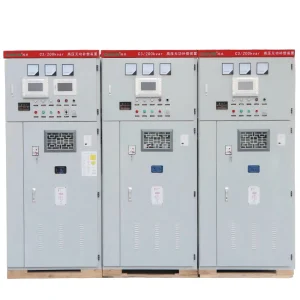
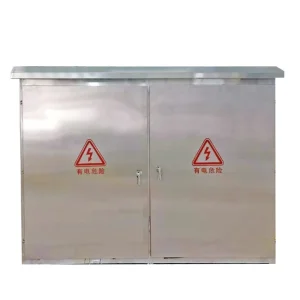
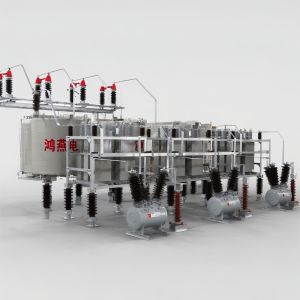
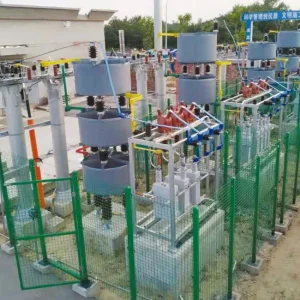
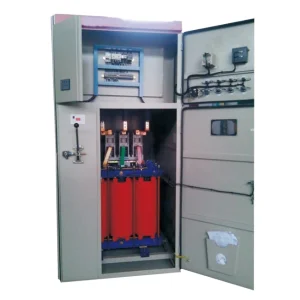
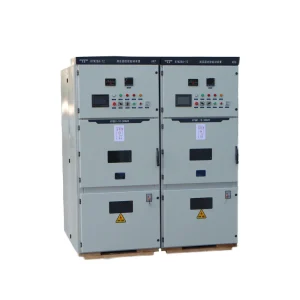
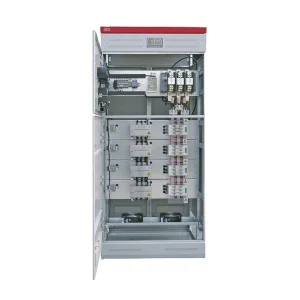
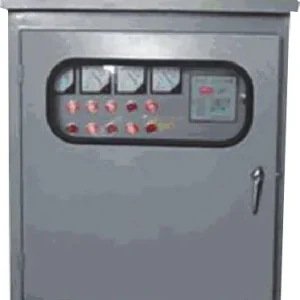
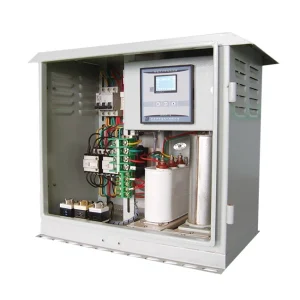
The utilities solution fits when the feeder needs voltage support, reactive current, and harmonic correction together. Utilities and new energy grid support is the CHYN scope for substations, utility networks, and renewable connections that need that combination.

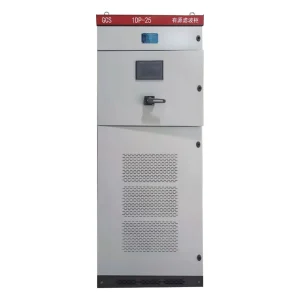
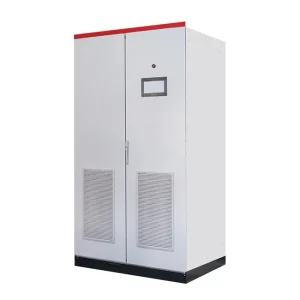
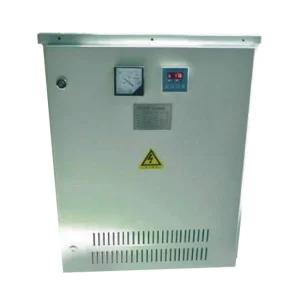
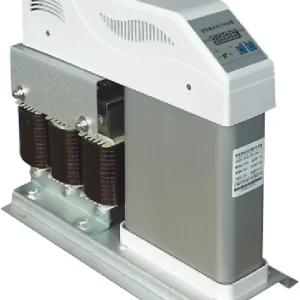
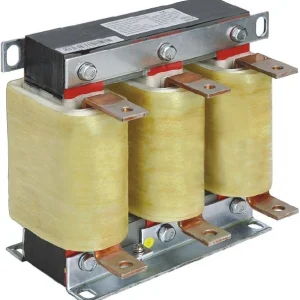
Inside that scope, two hardware links cover the usual split. HYSVG is the low-voltage static var generator for continuous inductive or capacitive current, without a capacitor switching step. HYAPF is the active power filter that measures load current and injects the opposing harmonic current.
| Job on the feeder | Closer hardware | Why it fits |
|---|---|---|
| Voltage and reactive flow that move often | Static var generator | Continuous current, no capacitor step |
| Harmonic current from local nonlinear loads | Active power filter | Opposing current at the distorting load |
| Steady reactive support, waveform already calm | Capacitor bank | Simple var, after a resonance check |
| All three at a substation or renewable connection | Utilities solution | Voltage support, reactive power, and harmonic hardware in one scope |
Use a single product page when only one of those jobs is real. Use the utilities solution when the feeder study shows more than one. Bring the bus voltage, the feeder and transformer data, the load range, and the harmonic report.
Those inputs size the hardware. A software name will not.
FAQ
What is the energy management system in a smart grid?
An energy management system tracks how much power is produced, stored, and used, and it may schedule that power. It is not the device that cancels harmonics or holds feeder voltage, so a clean energy screen can still sit on a distorted feeder.
What is SCADA in smart grid?
SCADA supervises substations and field devices and shows their state to operators. It can carry a volt/var command to a controller, and it still is not the current injector.
What is the role of a smart grid in a power system?
The smart-grid layer adds measurement and remote control to the existing delivery system. Power quality improves only when that control changes voltage, var, or harmonic current, not when the same events are stored again.
How to improve power quality in a power system?
Measure the event, hold voltage and var with the right device, and correct harmonics where the distorting current actually flows. Skipping the measurement leads to a filter on the wrong feeder. Skipping the hardware leaves the log unchanged on the wire.
Why can voltage harmonics stay high when the feeder current looks quiet?
The voltage at a feeder point includes other loads on the same transformer and neighboring circuits. The current clamp on this feeder only sees this feeder, so a quiet current trace does not prove the bus is clean.
Do capacitor banks on a feeder create a harmonic risk?
They can, when their capacitance and the source inductance resonate near an order that nonlinear loads already produce. Check that pairing before treating a capacitor step as a harmless power-factor upgrade.