
 Zhejiang Hongyan Electric Co., Ltd.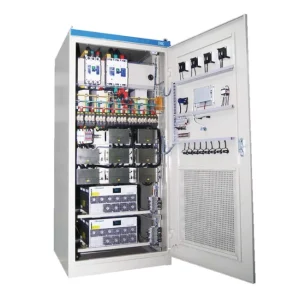
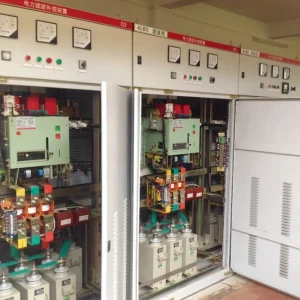
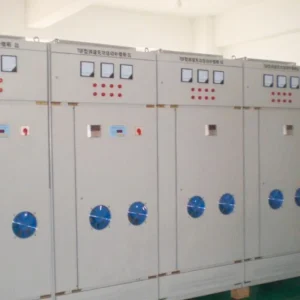
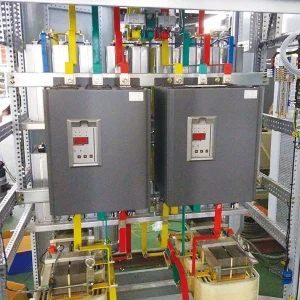
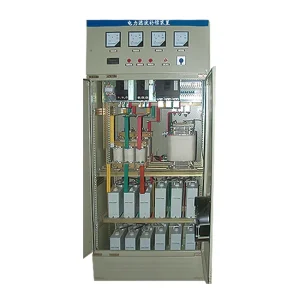
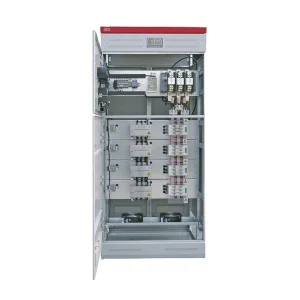
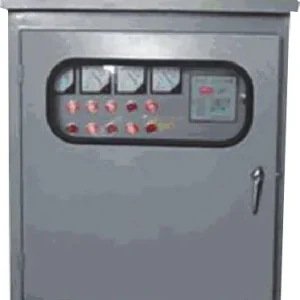
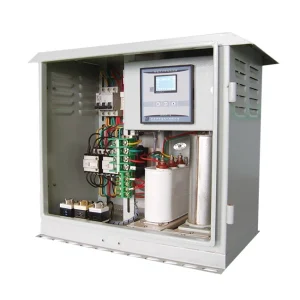
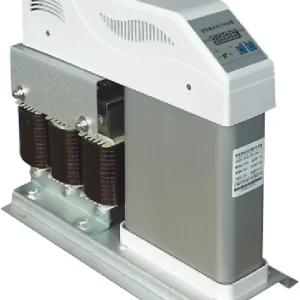
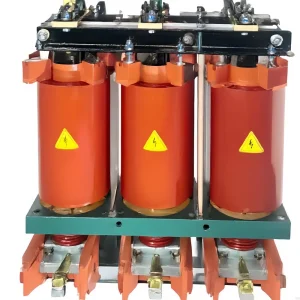
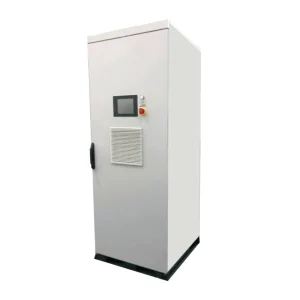
No — does capacitor bank reduce power consumption in the sense of erasing a load’s real kilowatt-hours? It does not. A bank supplies reactive power so feeder current and some demand or penalty charges can fall, while the motors and process loads keep doing the same real work.
What follows separates real energy from reactive current, shows which bill lines can move, and points to a shunt MV/HV compensation cabinet when the tariff and bus actually call for one.
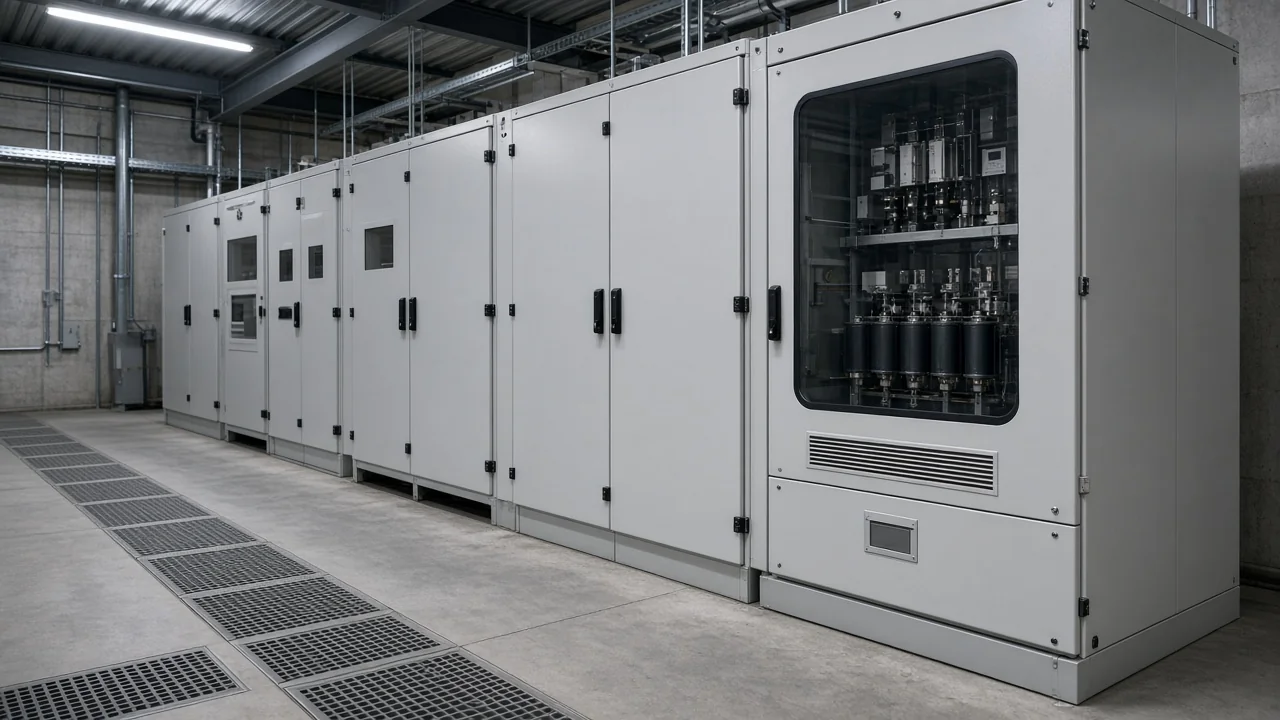
The Short Answer on Capacitor Banks and Kilowatt-Hours
No — the bank does not make the load’s real kilowatt-hours disappear.
Real power is the average energy that turns shafts, heats process, and lights work areas. Utilities accumulate that energy as kilowatt-hours on the meter. A shunt capacitor bank is not a smaller motor or a cooler process; it does not rewrite how much real work the plant asked for.
Procurement teams still see “energy” language on capacitor datasheets because lower current can ease feeder heating and because many industrial tariffs price reactive power or apparent demand. Those effects matter. They are not the same claim as “our kWh vanished.”
If a production line still runs the same tons per hour after commissioning, expect the process kilowatt-hour column to look familiar. The useful question is which other bill lines and feeder currents changed at the same time.
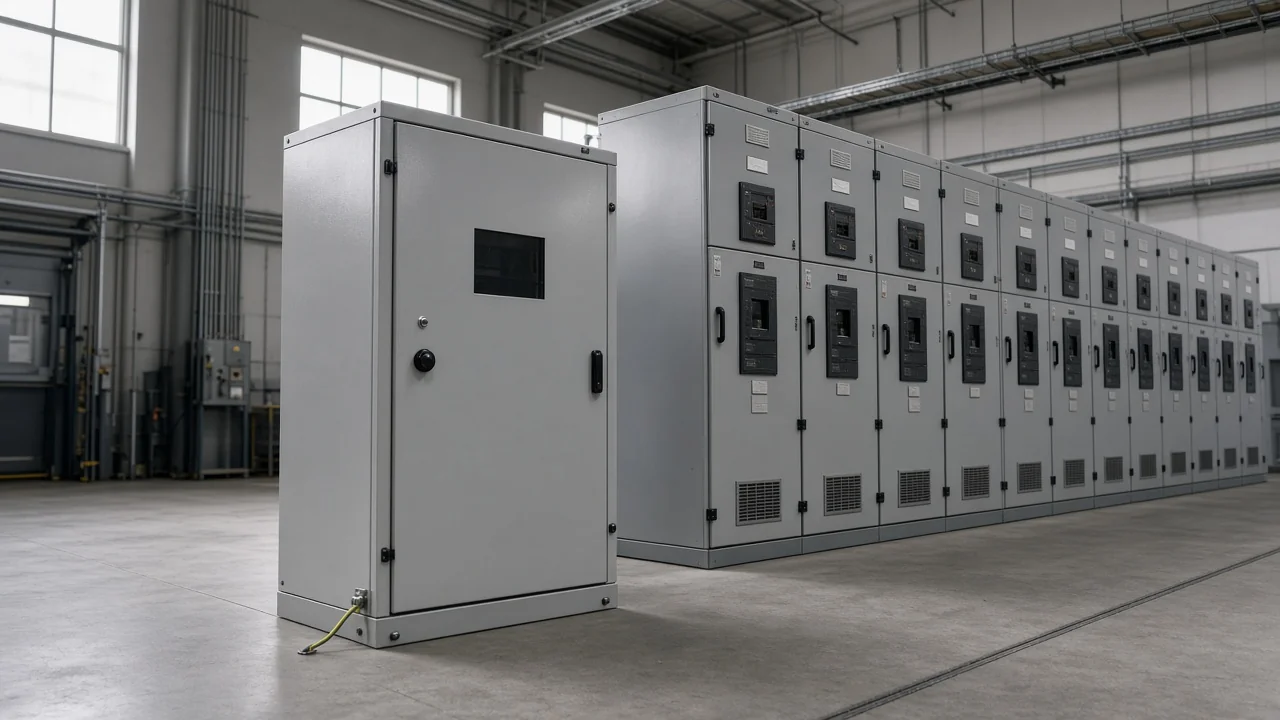
Real Power, Reactive Power, and Line Current
The bank supplies reactive power locally so feeder current for the same real work can fall.
Inductive equipment — motors, transformers, many welding and furnace loads — needs reactive power to sustain magnetic fields. That exchange is measured in kilovars, not kilowatt-hours of useful work. Power factor is the ratio of real power to apparent power; when power factor sags, the same real kilowatts ride with a larger volt-ampere burden on cables and transformers.
| Quantity | Unit | What it represents | What a shunt bank mainly changes |
|---|---|---|---|
| Real power / energy | kW / kWh | Useful work accumulated on the energy meter | Little to none for the process load itself |
| Reactive power | kVAR / kVArh | Magnetizing exchange with inductive gear | Supplies leading vars near the load |
| Apparent power | kVA | Combined burden the feeder must carry | Often falls as reactive current drops |
Power factor correction with capacitors is the common industrial way to cut that reactive leg. Apparent current on the utility side of the bank can decline even while the compressor hall’s kilowatt-hours stay on the same production schedule.
Think of two meters in your head: one that cares about work done, and one that cares about how hard the feeder is working to deliver that work plus magnetizing current. The capacitor bank mainly helps the second picture.
Which Bill Lines a Bank Can Move
Savings show up on PF penalties, kVArh, or kVA demand when the tariff cares — not as vanished process kWh.
Read the rate schedule before promising an “energy” win. Many industrial and larger commercial accounts price at least one of these:
- a power-factor threshold with a multiplier or surcharge
- reactive energy (kVArh) as a separate line
- demand based on peak kVA rather than kW alone
When those structures apply, bringing reactive current down can shrink the billed demand or remove a penalty even if the kilowatt-hour column barely moves. Residential-style meters that bill only kilowatt-hours do not give the same lever — which is why plug-in “savers” fail most home bills and why plant buyers should not borrow that myth.
From the field: On Physics Forums, a practitioner who expected a better power factor to cut kilowatt-hours later wrote that the correction “just reduces kVArh” — treat that as the buyer’s mistake to avoid, not as a reason to dismiss real tariff value.
Ask the utility account rep which determinant moved on sample bills after a past correction project. Bring twelve months of interval data if you have it. A clean before/after story beats a catalog claim every time.
Upstream Heating Losses Versus Process Energy
Only resistive heating on the path the bank unloads can ease slightly; that is not deleting process energy.
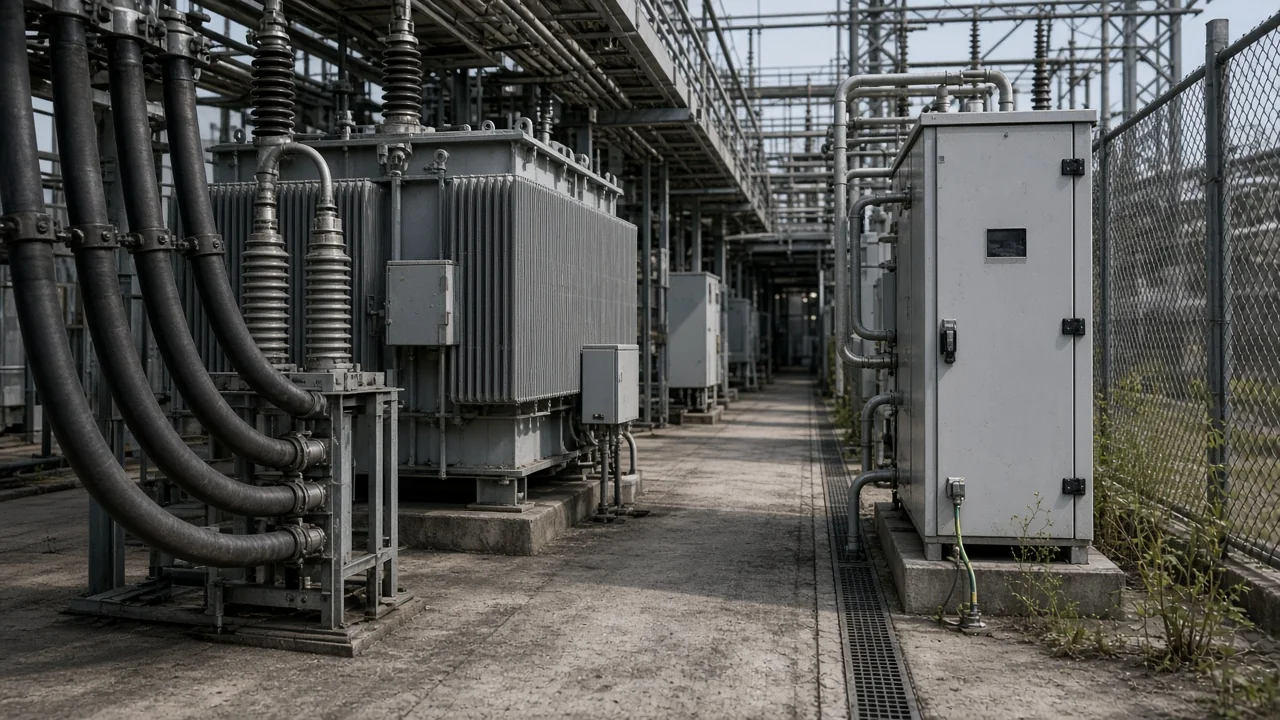
Extra current heats cables, busway, and transformer windings as I²R loss. If the bank sits so that those conductors no longer carry the full reactive share, that heating component can fall. Plant forums treat the effect as real but secondary beside penalty and demand lines — and they warn against treating every amp drop as a large kilowatt-hour victory.
Keep the two ledgers separate in the business case:
- Process energy: still set by how hard and how long the loads run.
- Distribution heating: can ease when current falls on the unloaded path.
- Tariff exposure: often the largest cash line when PF or kVA is priced.
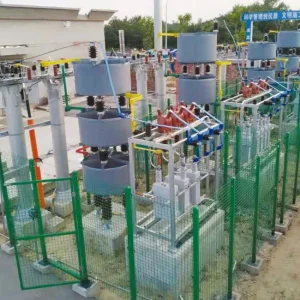
Location still matters. A bank near the inductive load unloads more of the plant feeder than a bank that only corrects at the service entrance after long cable runs have already heated.
When a Capacitor Bank Is the Wrong Energy Tool
Skip home plug-in “savers,” and do not leave excess capacitance on at light load.
A wall-outlet capacitor gadget is not an industrial shunt bank. Typical residential energy meters register real kilowatt-hours and ignore the reactive games those gadgets advertise. For a factory, the opposite error is oversizing a fixed bank and leaving it online after motors idle: power factor can swing leading, voltage can rise, and some tariffs still treat leading reactive energy as a problem.
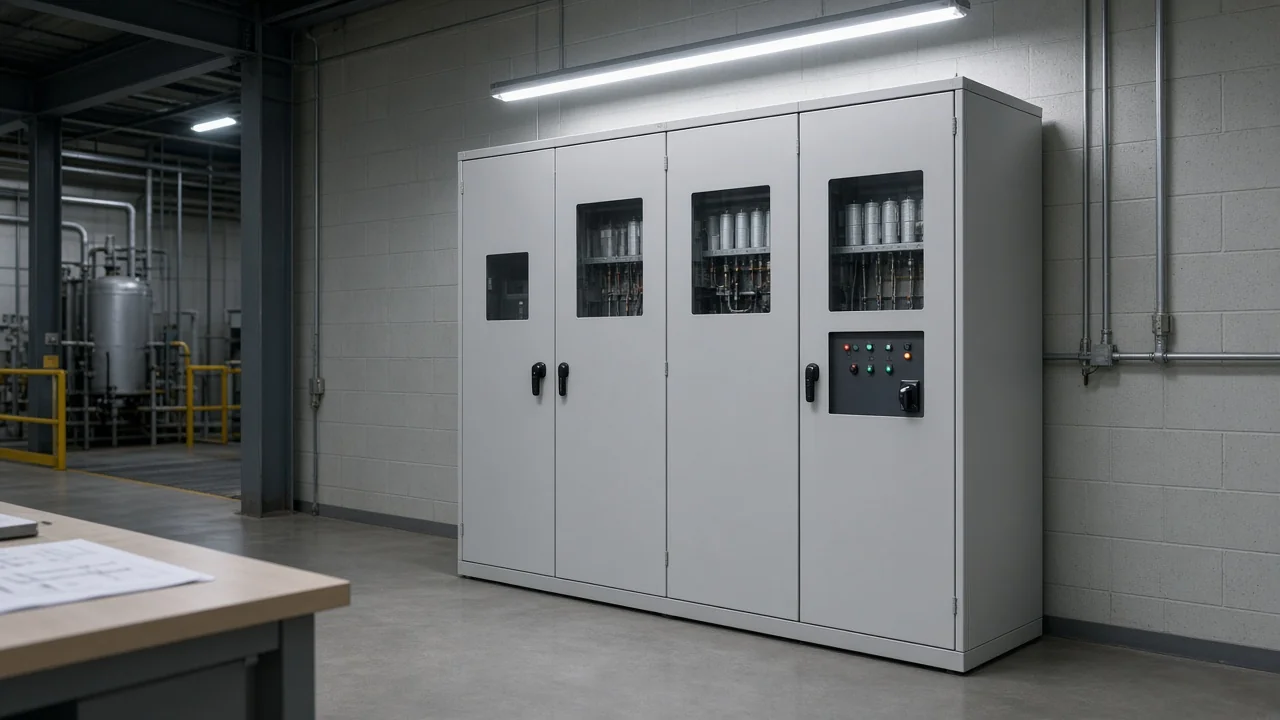
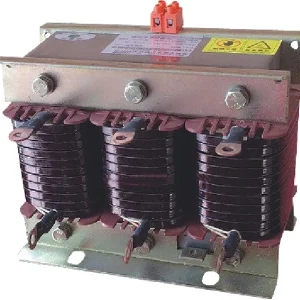
Use stepped or automatic switching when load varies. Pair banks with harmonic review when drives and rectifiers dominate the bus — detuned reactors exist for that reason on many MV cabinets. And if the bill is pure energy with no PF or kVA exposure and feeders already run cool, chase process kilowatts first instead of buying capacitance for a myth.
The wrong tool also includes treating a capacitor bank as a substitute for leaky compressed air, idling conveyors, or oversized pumps. Those waste real power. Capacitance will not apologize for them on the kilowatt-hour meter.
Which Capacitor Bank Product Fits Reactive Plant Loads
Choose a shunt MV/HV compensation cabinet matched to the printed bus ratings when reactive charges or feeder loading drive the case.
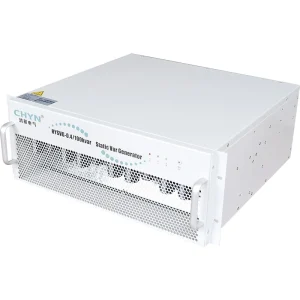
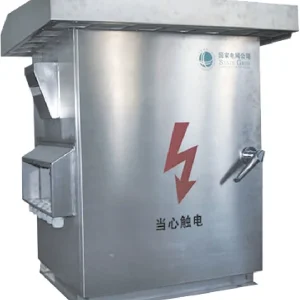
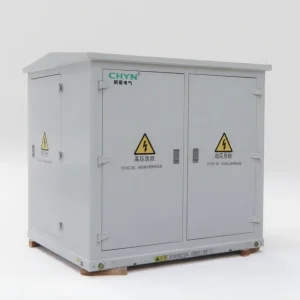
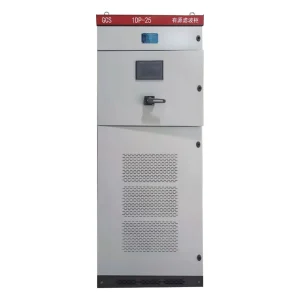
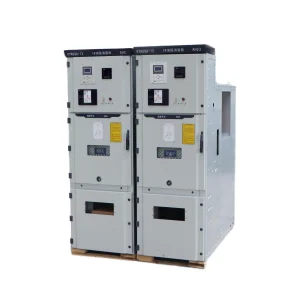
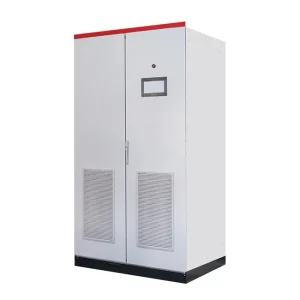
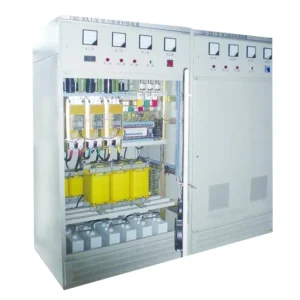
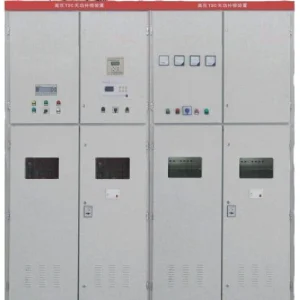
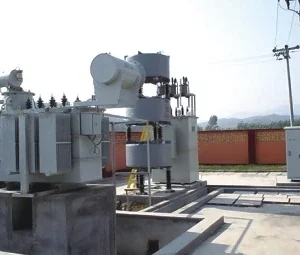
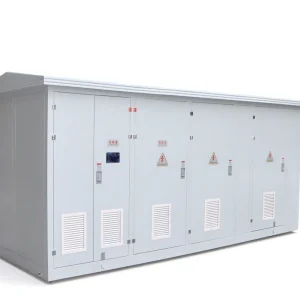
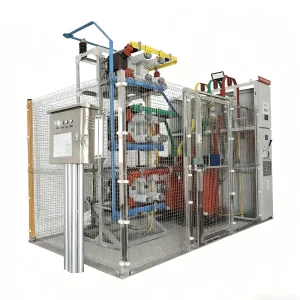
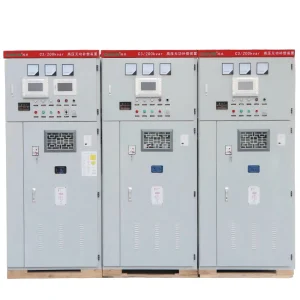
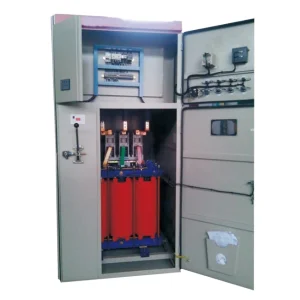
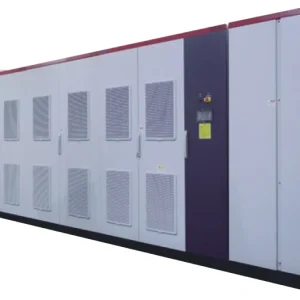
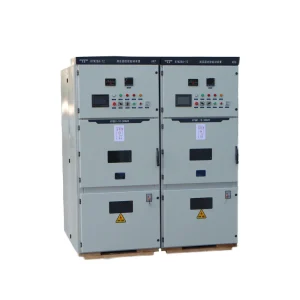
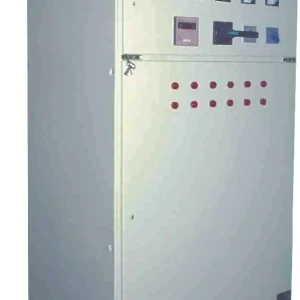
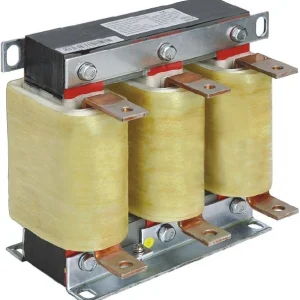
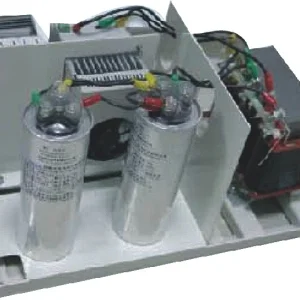
For medium- and high-voltage inductive buses, the HYTBB Medium and High Voltage Reactive Power Compensation Cabinet is built as a shunt capacitor bank cabinet for power-frequency reactive compensation. The HYTBB compensation cabinet is rated 10(6)–35 kV, 50 Hz, and 50–20,000 kvar, with fixed or group switching and optional series reactors.
| Printed item | HYTBB compensation cabinet |
|---|---|
| Role | Shunt reactive power compensation cabinet |
| Rated voltage | 10(6)–35 kV |
| Rated frequency | 50 Hz |
| Rated capacity | 50–20,000 kvar |
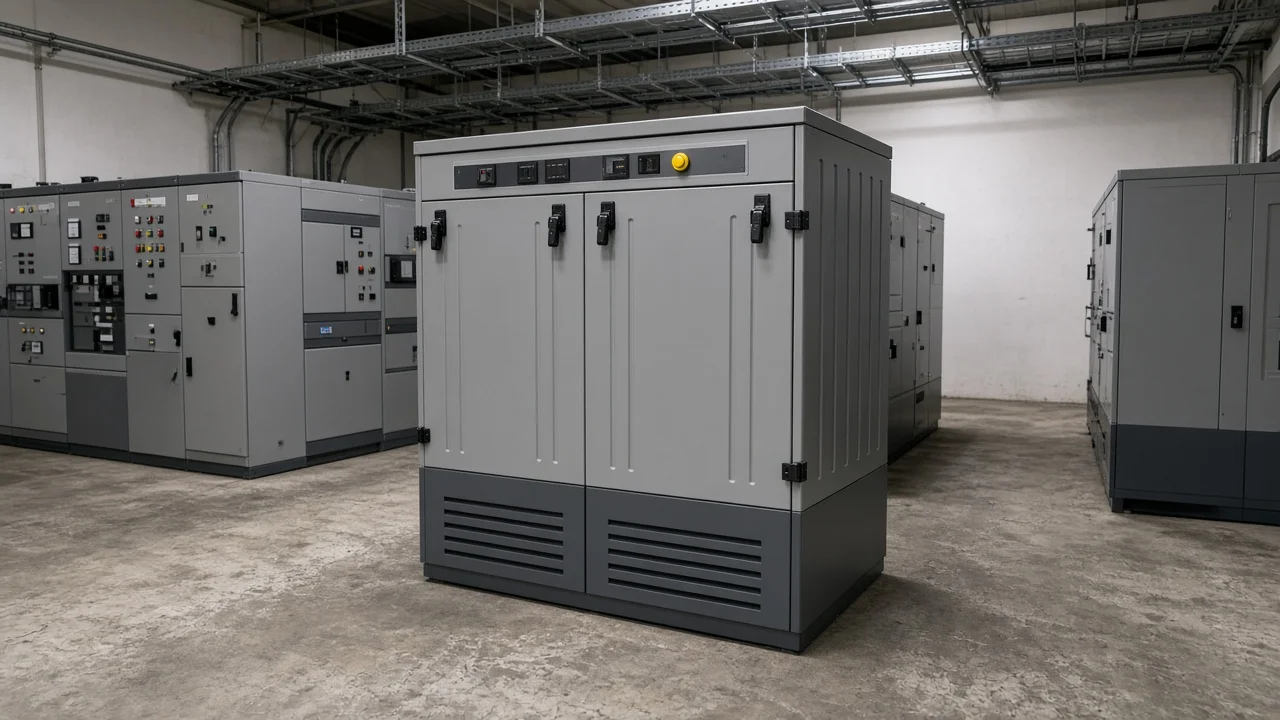
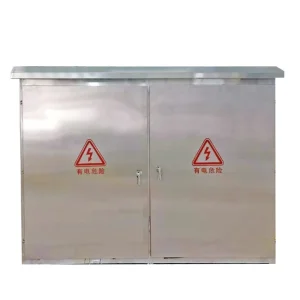
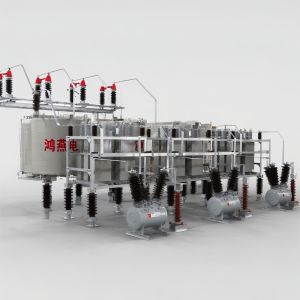
Select this product when the study shows lagging reactive demand on a matching MV/HV bus and the tariff or feeder loading justifies local capacitive vars. It is not a household saver, and it is not a promise that production kilowatt-hours will fall by a marketing percent. Browse the High Voltage Power Factor Compensation Series for related outdoor, frame, and dynamic options, or compare use-cases in What Is a Capacitor Bank Used For when the application still needs framing.
Confirm switching mode against the load profile before purchase. A steady lagging bus may suit fixed groups; a swingy melting or rolling schedule usually needs automatic steps. Keep the printed 50 Hz rating aligned with the system frequency on the nameplate study — do not assume another frequency without printed evidence.
FAQ
Does a capacitor bank reduce kWh on a typical residential meter?
Usually no. Residential meters typically bill real energy in kilowatt-hours and do not charge for reactive power the way many industrial tariffs do.
If my kWh barely moves, why did my industrial bill still drop?
Because the tariff may price power factor, reactive energy, or kVA demand. Lower reactive current can shrink those lines without erasing process kilowatt-hours.
Does lower line current mean the motor uses less real power?
No. Lower feeder current after correction means less reactive current on that path. The motor’s real power still follows the mechanical load.
When should a plant use a capacitor bank for bill control?
When measured lagging reactive demand is high and the rate schedule penalizes low power factor or bills kVA/kVArh — and after a study sizes switching and any harmonic constraints.
Can a fixed bank left on at night create leading power-factor trouble?
Yes. Excess capacitance on a light bus can drive a leading power factor and voltage rise. Stepped or automatic switching is the usual control.
Do plug-in power savers work like an industrial capacitor bank?
No. Outlet gadgets are not engineered shunt banks for plant buses, and they do not rewrite kWh-only residential metering.
What printed ratings matter on the HYTBB compensation cabinet?
Match the listed 10(6)–35 kV voltage class, 50 Hz frequency, and 50–20,000 kvar capacity range to the bus study before selecting switching mode and any series reactors.