
 Zhejiang Hongyan Electric Co., Ltd.
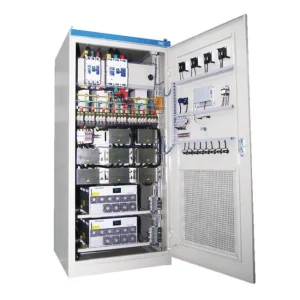
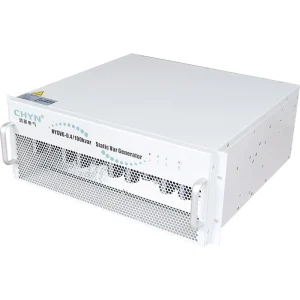
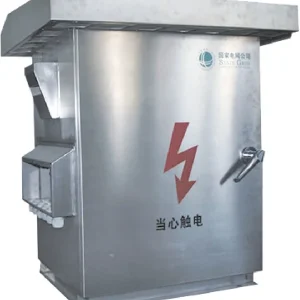
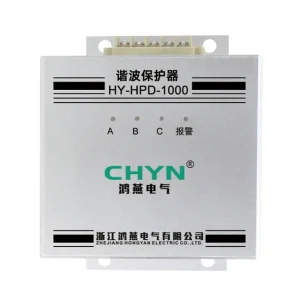
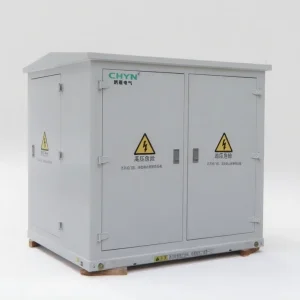
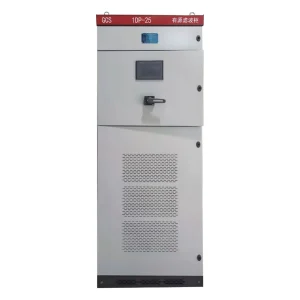
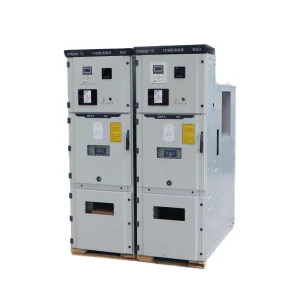
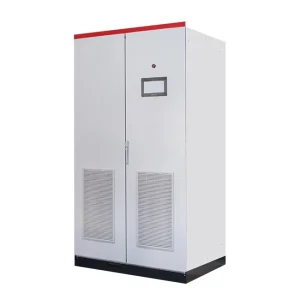
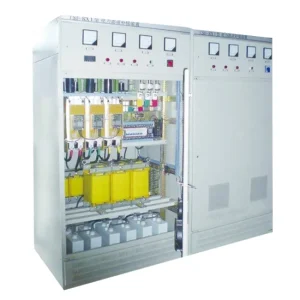
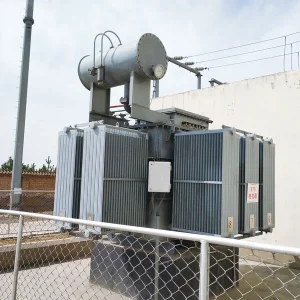
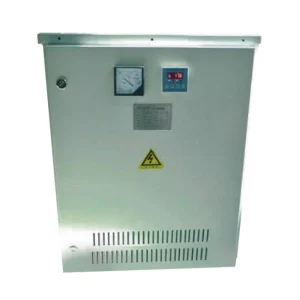
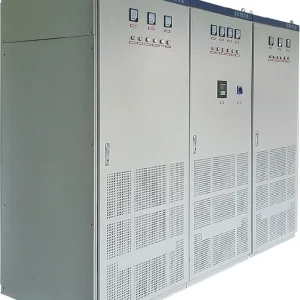
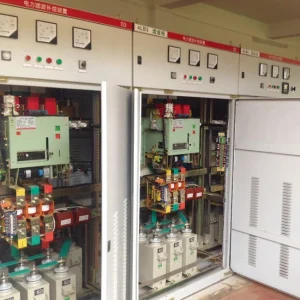
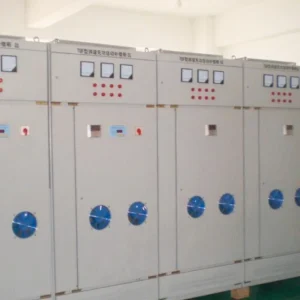
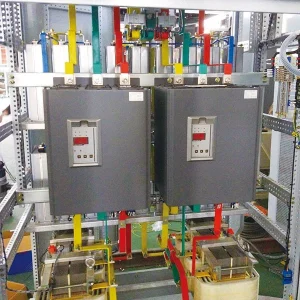
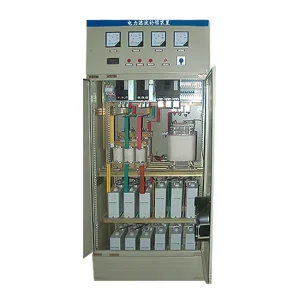
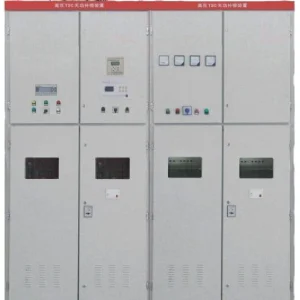
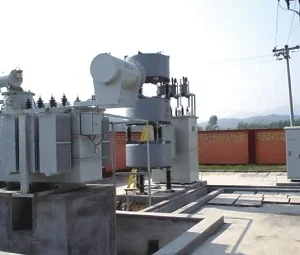
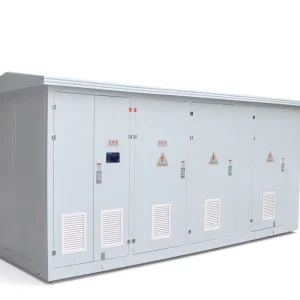
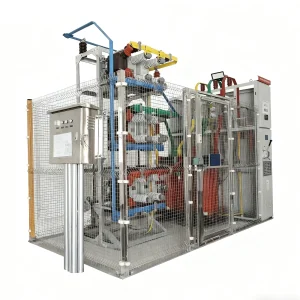
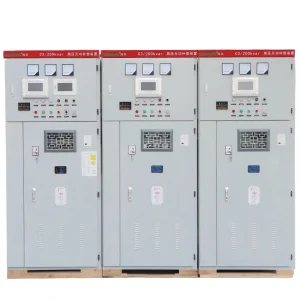
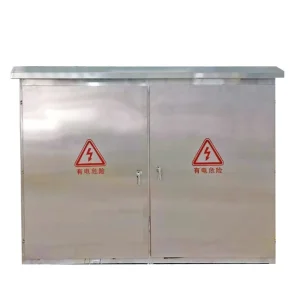
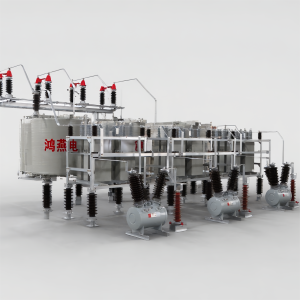
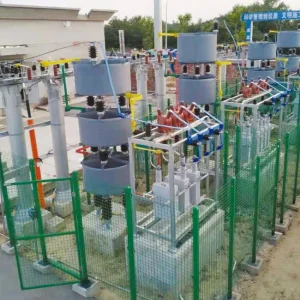
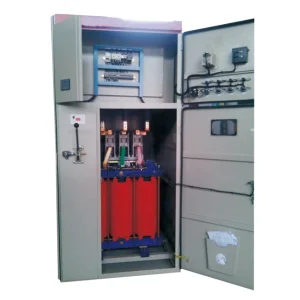
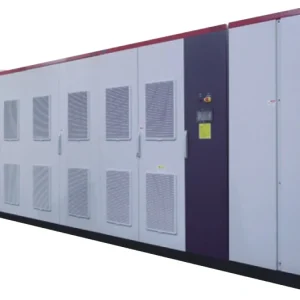
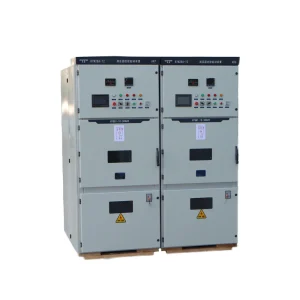
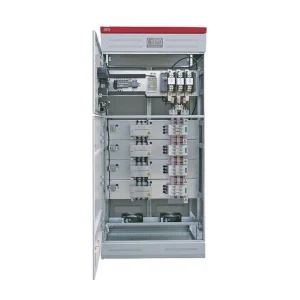
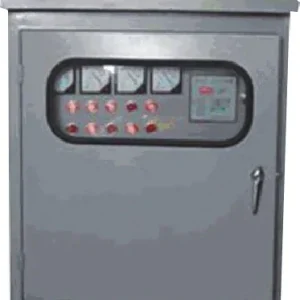
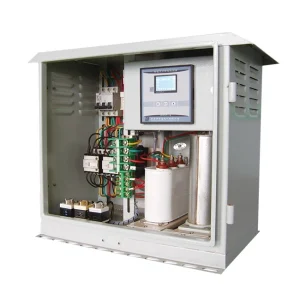
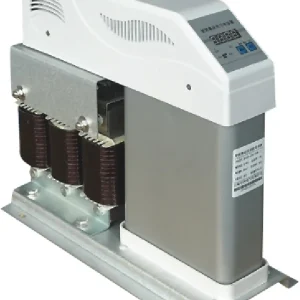
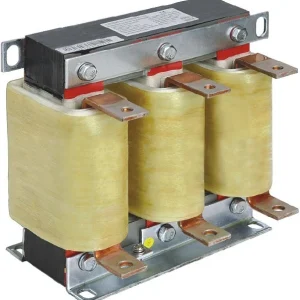
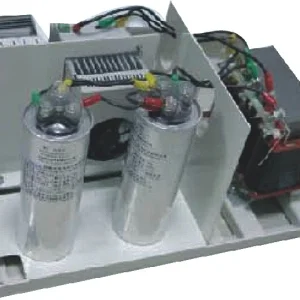
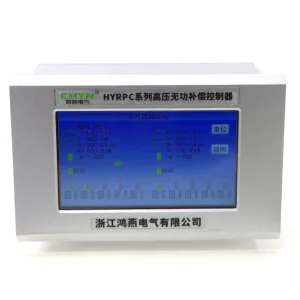
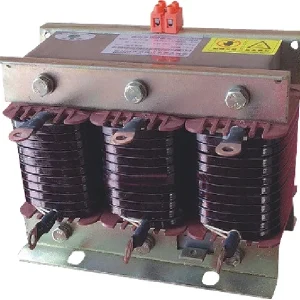
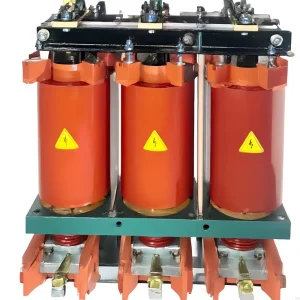
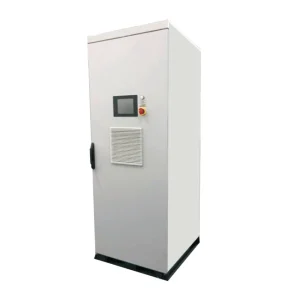
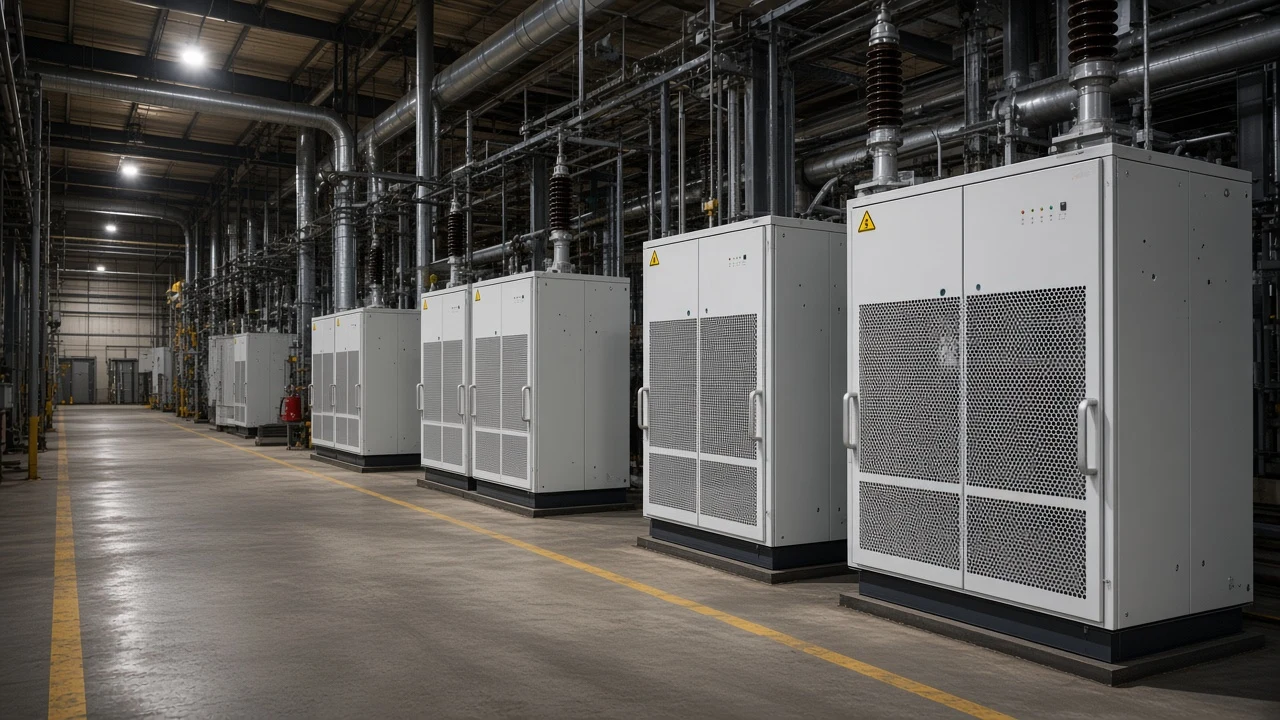
Power quality products for the power generation industry are the equipment families that correct harmonics, reactive or voltage problems, and short sags on plant and interconnection buses — not one universal “power quality box.”
Station-service variable frequency drive (VFD) auxiliaries, lagging loads, and sensitive control feeders create different buying problems. The shortlist only works when the bus evidence matches the product class.
This page maps those problem classes to filters, SVG/STATCOM-class VAR gear, capacitor or detuned banks, and dynamic voltage restorers, then points to printed CHYN pathways under the products hub. Soft pointers only — it is not a retell of monitoring advantages or a reactive-power formula guide.
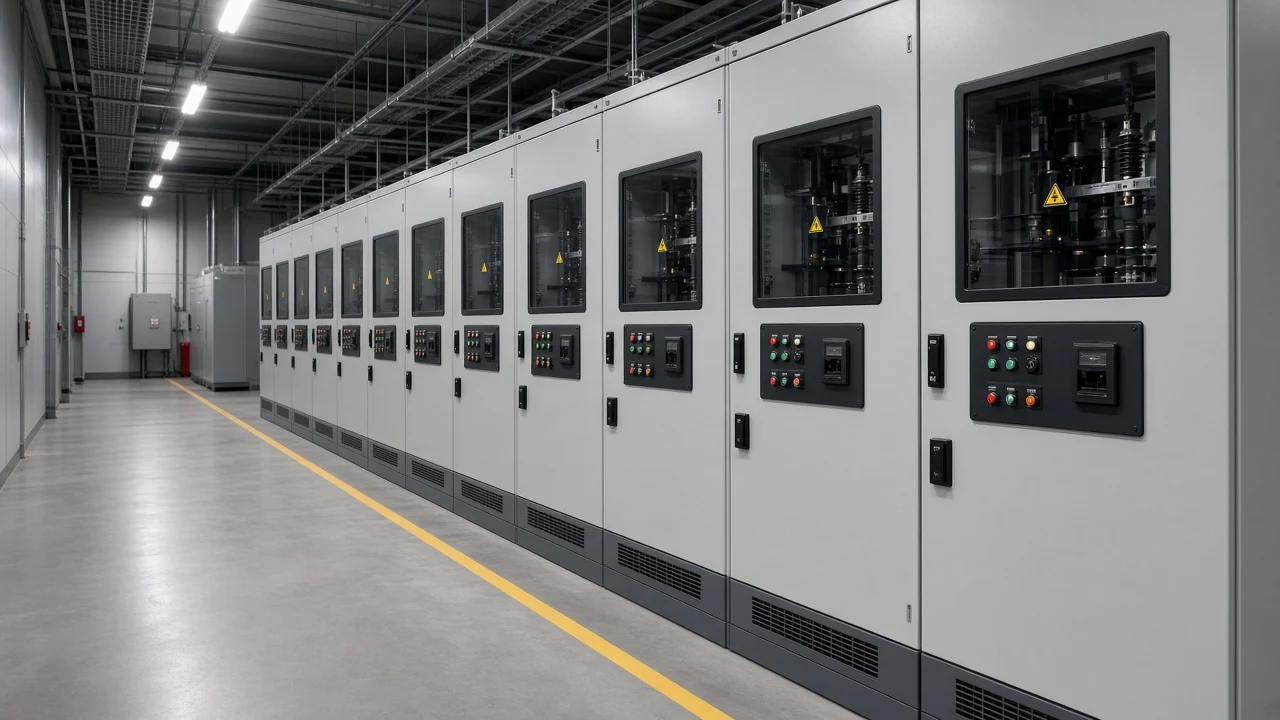
Which Power Quality Problems Show Up on Generation Buses
Generation buses usually need help with three different problems — harmonic current from auxiliaries, reactive or voltage support, and short-duration sags — and each problem points to a different product family.
Power quality is the compatibility between what the supply delivers and what the connected load can tolerate. On a generation site that means station-service boards, auxiliary motors and drives, medium-voltage plant buses, and the interconnection point with the grid.
A hot transformer next to a bank of VFDs is usually a harmonic or imbalance problem. A bus that dips every time a large fan starts is often a reactive or voltage-support problem. A DCS feeder that drops during a remote fault is often a short sag — not chronic THD.
| Problem class | Typical generation clue | Product family to shortlist |
|---|---|---|
| Harmonic distortion | VFD auxiliaries, rectifier loads, neutral heating | Active harmonic filter (AHF) or passive harmonic filter |
| Reactive / voltage support | Lagging PF, slow voltage recovery, flicker on starts | Capacitor bank / APFC, SVG / STATCOM, or SVC |
| Short voltage sag | Contactors drop, PLC trips on a nearby fault | Dynamic voltage restorer (DVR) / series sag support |
| Evidence gap | Symptoms without a timestamped event class | Power quality monitoring before the cabinet buy |
Measurement still comes first. Campaign or continuous recording tells you which row of that table you are actually in before you buy steel.
Harmonic Mitigation Products for Auxiliaries and Nonlinear Loads
When VFDs and rectifiers distort the auxiliary bus, the shortlist is active harmonic filters for changing multi-order spectra and passive or detuned filters when the spectrum is stable enough to tune.
Nonlinear loads draw non-sinusoidal current. That current injects harmonic orders that heat transformers, overload neutrals, and can resonate with plain capacitor banks on the same bus.
IEEE 519 sets harmonic goals at the point of common coupling (PCC) for facilities with nonlinear loads. Published table notes treat power generation facilities under the tightest current-distortion row, which is why generation projects treat harmonic studies as project inputs rather than optional extras.
An active harmonic filter for plant auxiliaries injects an equal, opposite harmonic current so the upstream bus sees a cleaner waveform. That path fits when the drive mix changes, several orders matter at once, or a fixed tuned branch would be too brittle.
A passive or detuned filter uses reactor-capacitor branches aimed at selected orders and can also supply reactive power. Field practice still warns against dropping untuned capacitors onto a rectifier-heavy bus: harmonics seek the low-impedance path and can raise capacitor voltage or blow fuses.
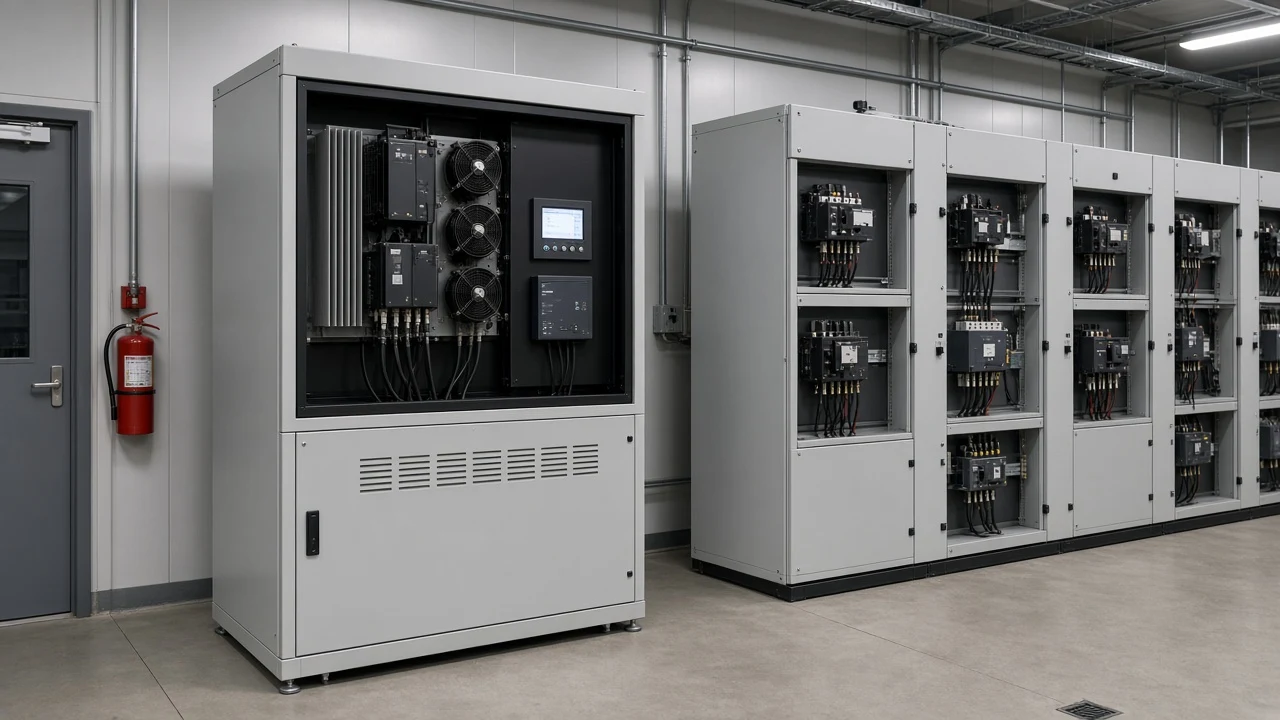
Reactive Power and Voltage-Support Products for Plant and Utility Buses
Switched capacitor banks handle steady lagging VAR economically; SVG/STATCOM-class and SVC gear handle fast voltage and reactive swings — and generator buses need an extra check against leading power factor.
A capacitor bank or automatic power-factor correction system switches shunt capacitance to offset inductive demand. It is still the economical answer when the lagging load is steady and the harmonic background is low enough for a detuned or plain step design.
A static var generator for voltage support — the industrial SVG relative of utility STATCOM technology — injects or absorbs reactive current continuously without capacitor switching transients. STATCOM-class devices are valued for cycle-scale response, voltage support, and, in many designs, flicker and harmonic assistance on weak or fluctuating buses.
SVC equipment remains a common medium- and high-voltage option where thyristor-controlled reactors and capacitor branches are already part of the plant standard. Choose it when the study calls for staged dynamic compensation rather than a pure VSC package.
Tip: Capacitor banks on generator-fed or heavily nonlinear buses can push the power-factor controller into a leading region or create resonance with rectifier harmonics. Plant engineers often lower the on-generator PF target and prefer detuned or filtered steps — see the Eng-Tips thread on harmonics and power factor correction issues.
Do not treat “add more capacitors” as the default generation answer. Match the speed of the disturbance: steady lagging load can use switched steps; fast voltage swing needs SVG/STATCOM-class or SVC response.
Voltage-Sag Products for Sensitive Station and Control Loads
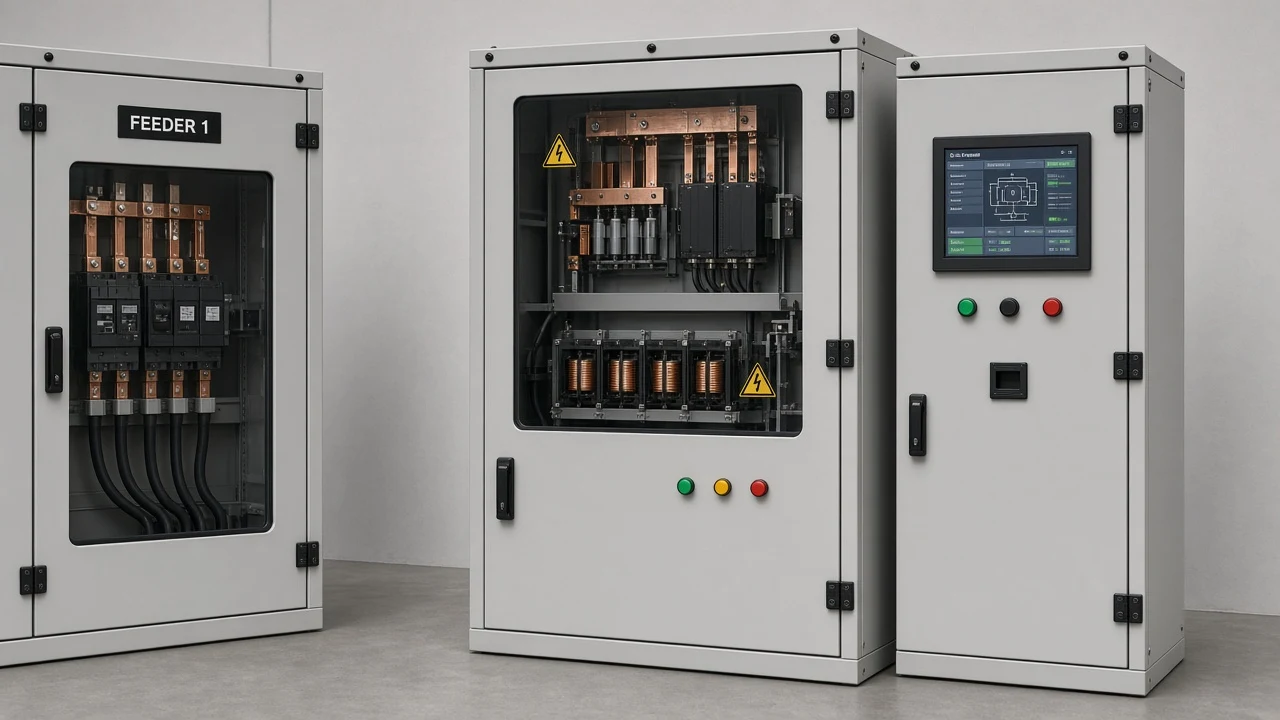
Short sags and interruptions on sensitive feeders are a series-compensation problem, not a harmonic-filter problem, which is why dynamic voltage restorers sit in their own product class.
A voltage sag is commonly described as RMS voltage 10 to 90 percent below nominal for half a cycle to one minute. A swell is the opposite rise, commonly 10 to 80 percent above nominal for the same window.
Those events drop contactors, upset PLCs, and stop continuous-process auxiliaries even when the monthly energy bill looks fine. Buying an active filter for a sag log wastes the next purchase.
A dynamic voltage restorer sits in series with the protected feeder. It detects the incoming disturbance and injects the compensating voltage within milliseconds so the sensitive load stays online through a short event.
Surge arresters and UPS blocks still matter for lightning and control-power continuity, but they are not substitutes for a series sag restorer when the recorded event is a multi-cycle dip on a process feeder.
How Utilities and Renewable Interconnection Sites Use the Same Shortlist
Utility substations and renewable points of connection reuse the same families — dynamic VAR, HV capacitors, and tuned or active filtering — sized from measured spectra and interconnection targets.
Power quality products for the utilities industry show up at substation buses and renewable grid connections for the same engineering reasons generation plants care about: fluctuating reactive demand, converter harmonics, and voltage support at the point of connection.
Dynamic reactive gear (SVG / STATCOM / SVC class), high-voltage capacitor banks for base VAR, and tuned or active filtering from a measured spectrum are the usual shortlist. Project inputs still include the single-line diagram, transformer and feeder data, power-factor and harmonic measurements, and the interconnection targets the owner must meet.
Renewable plants add a twist: inverter-based resources can both suffer from and contribute to background distortion. The equipment class does not change, but the study must cover the operating envelope, not a single rated point.
CHYN’s Utilities & New Energy Grid Support and Renewable Energy Grid Connection pages print that same family map for project scoping.
How to Shortlist CHYN Power Quality Products for a Generation Project
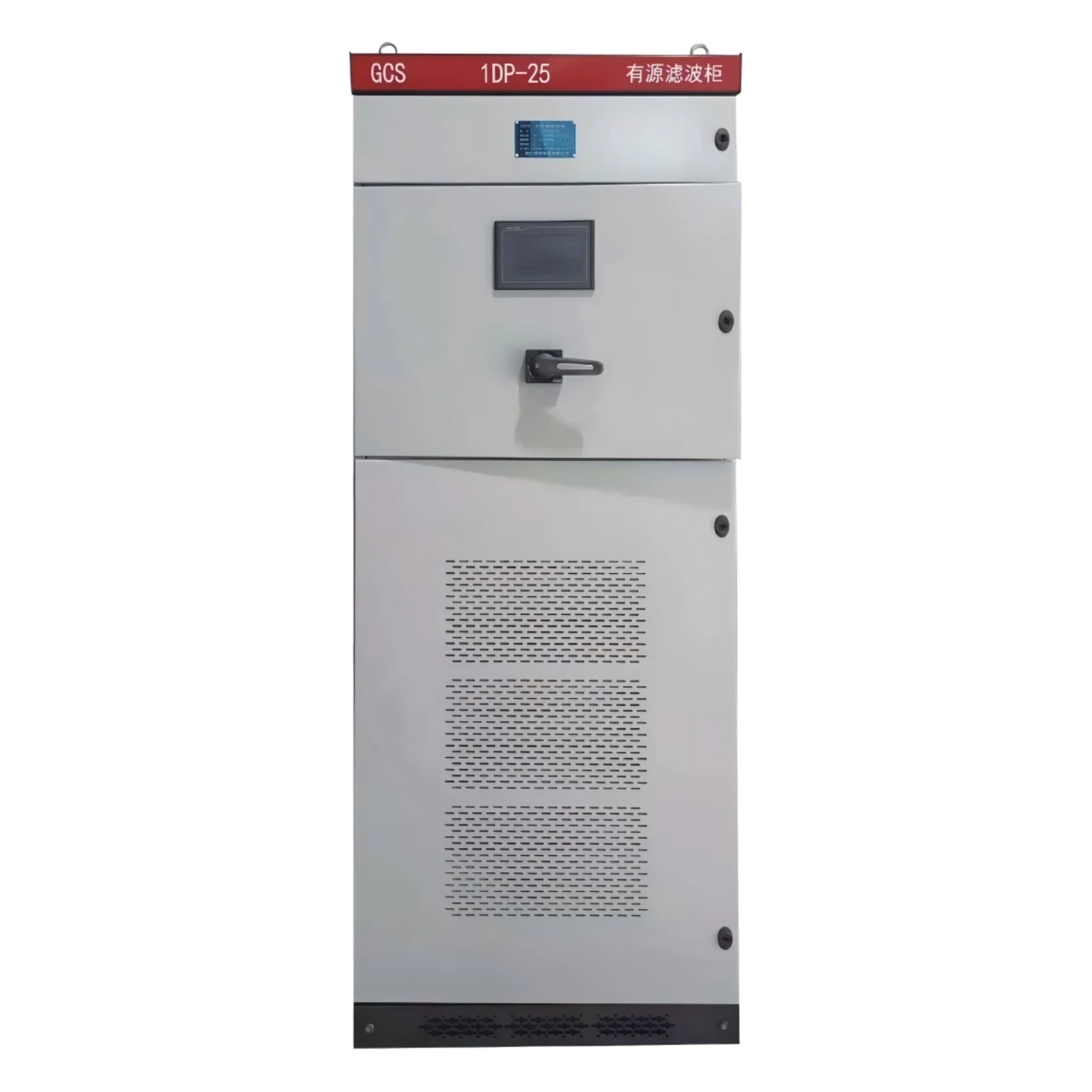
Measured changing harmonic current maps to HYAPF / HYSVG / HYDVR pathways as printed: HYAPF for harmonics, HYSVG (LV or HV) or HYTBB*/HYSVC families for continuous or fast reactive need, and HYDVR for short-duration sags; the products hub is the family map.
Start from the products hub. Then match the printed job to the bus evidence you already have — or collect that evidence before you lock a cabinet size.
| Measured condition | CHYN pathway | Printed job (as published) |
|---|---|---|
| Changing LV harmonic current from nonlinear loads | HYAPF Series Active Power Filter | Injects equal, opposite harmonic current; 400 V / 690 V; 2nd–51st; response under 10 ms; control accuracy THD under 5% |
| Continuous LV inductive/capacitive reactive need without switching transients | HYSVG Static Var Generator | Continuous reactive-current compensation; 380 V; printed capacities 50–200 kvar; full compensation time 10 ms |
| Fast MV/HV reactive or voltage support beyond switched capacitors | HYSVG Series High Voltage Dynamic Reactive Power Compensation Device | 6 kV to 35 kV; ±1 to ±100 Mvar; response under 5 ms; renewable and substation applications as printed |
| Steady or stepped reactive demand on LV/MV/HV buses | HYTBBJ / HYTBBD and related HYTBB* / HYSVC families on the hub | Switched or dynamic reactive compensation and filtering per printed series cards |
| Short-duration sag or interruption on a sensitive feeder | HYDVR series | Series injection within milliseconds; printed capacity 30–5000 kVA; protection time 0.4–30 s adjustable |
Do not buy HYAPF for a pure sag file, or HYDVR for a pure harmonic file. Send bus voltage, the single-line diagram, power-factor and harmonic measurements, and operating modes when you request a project review — without assuming a certification listing that the package does not print.
FAQ
What power quality products does a power generation plant typically need?
Most plants shortlist harmonic mitigation for VFD auxiliaries, reactive or voltage-support gear for lagging or fluctuating buses, and sag support for sensitive control or process feeders. Monitoring decides which of those families you actually need.
How do you improve power quality in a power system at a plant bus?
Name the problem class first, then match the product family: filters for harmonics, capacitors or SVG/SVC for reactive and voltage support, and a DVR for short sags. Guessing from a single trip usually buys the wrong cabinet.
How do you measure power supply quality before buying equipment?
Use a campaign survey or a continuous recorder to capture RMS events, harmonics, imbalance, and power factor at the boards that matter. The measurement file is what turns a symptom into a shortlist.
Do capacitor banks cause problems with generators or VFDs?
They can. Untuned capacitors on a nonlinear bus may resonate or overload, and generator-fed buses can drift into a leading power-factor region that stresses the alternator. Detuned or filtered designs and a lower on-generator PF target are common field responses.
What is the difference between an SVG/STATCOM and a capacitor bank?
A capacitor bank switches shunt capacitance in steps. An SVG or STATCOM-class device uses a voltage-source converter to inject or absorb reactive current continuously and can follow faster voltage swings.
When should a plant choose an active harmonic filter instead of a passive filter?
Choose an active filter when the harmonic spectrum changes with load mix or several orders must be mitigated together. Choose a passive or detuned filter when the spectrum is stable enough to tune and the study supports a fixed branch.
What does a dynamic voltage restorer do for station loads?
It sits in series with the protected feeder and injects compensating voltage during a short sag or interruption so sensitive loads stay online. It is not a substitute for a harmonic filter.
Does IEEE 519 apply to power generation facilities?
IEEE 519 sets harmonic goals at the point of common coupling for facilities with nonlinear loads. Published notes call out power generation facilities under the tightest current-distortion row, so generation projects treat those limits as design inputs at the PCC — not as a product listing claim.
References
- Electric power quality — Wikipedia
- Static Synchronous Compensator (STATCOM) — ENTSO-E Technopedia
- IEEE 519-2022 — IEEE SA
- Harmonics and Power Factor Correction issues — Eng-Tips
Humanizer self-audit: PASS — problem→family movement; Tip callout retained; no invented setpoints, UL/NEC, payback, or claim IDs in reader prose. Owner: CHYN-DFT-PQPG-20261024-01. Meta description length aligned with brief SEO check.