
 Zhejiang Hongyan Electric Co., Ltd.
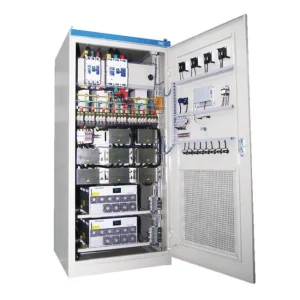
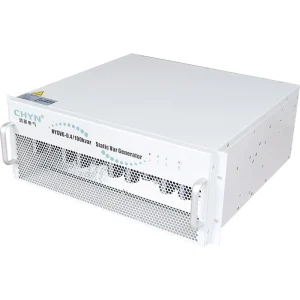
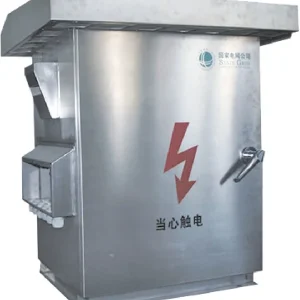
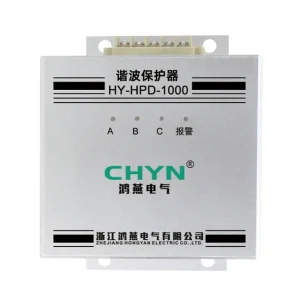
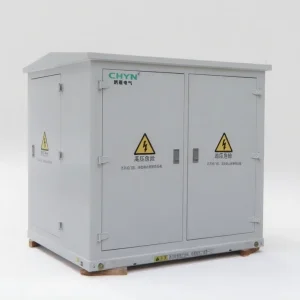
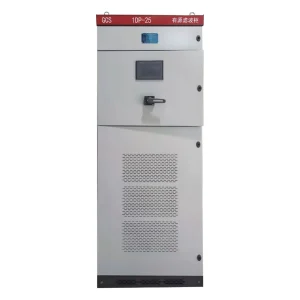
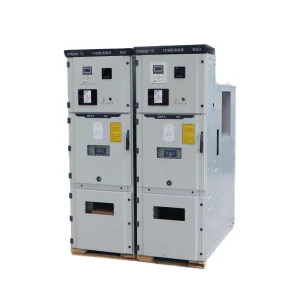
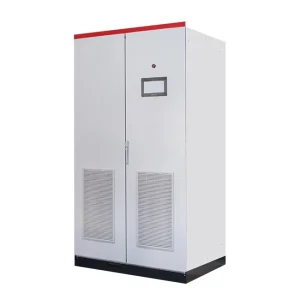
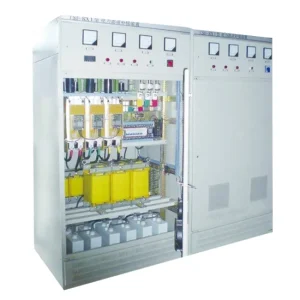
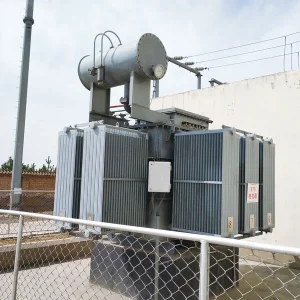
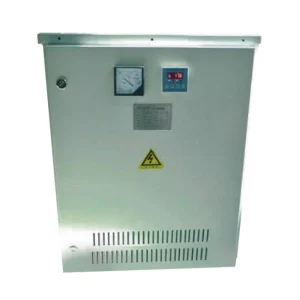
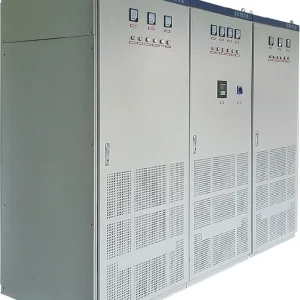
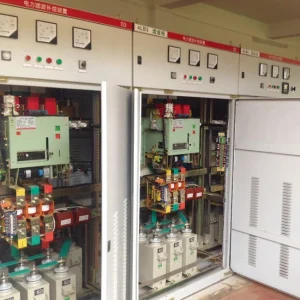
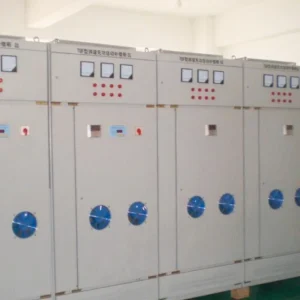
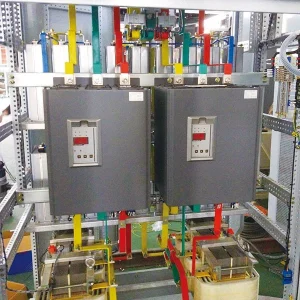
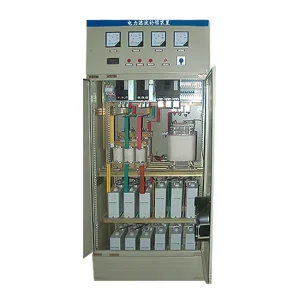
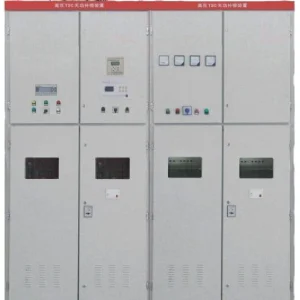
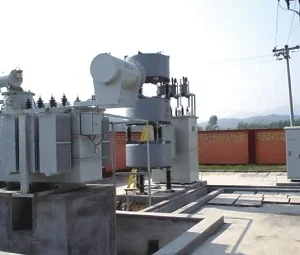
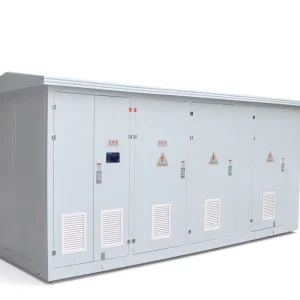
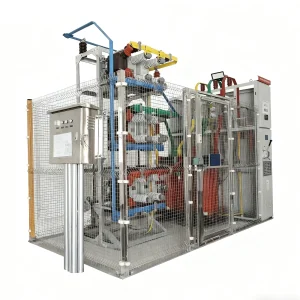
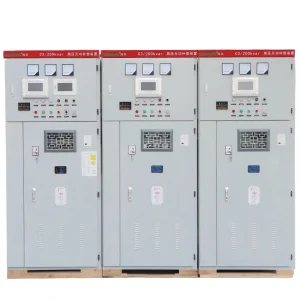
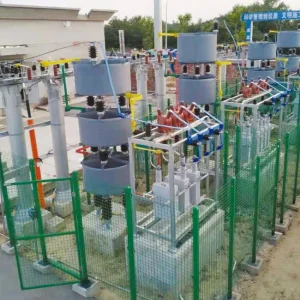
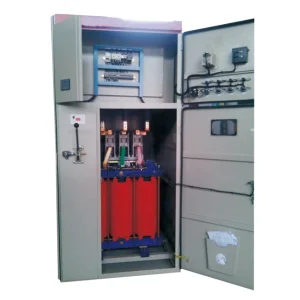
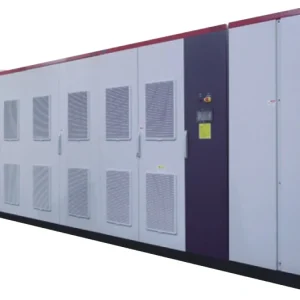
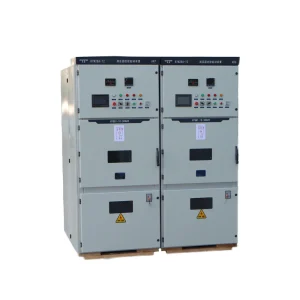
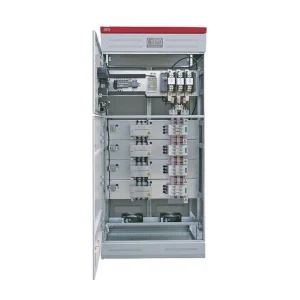
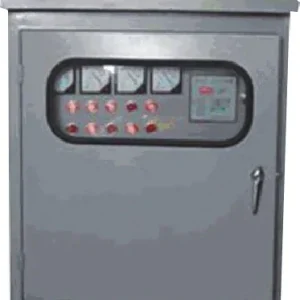
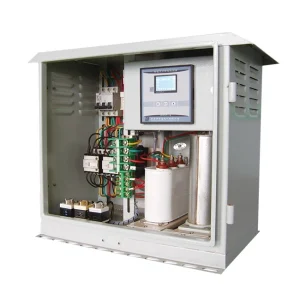
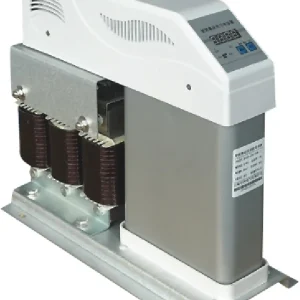
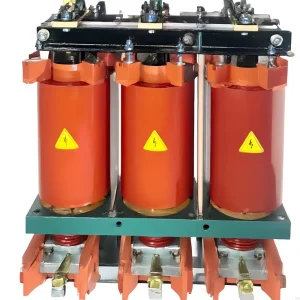
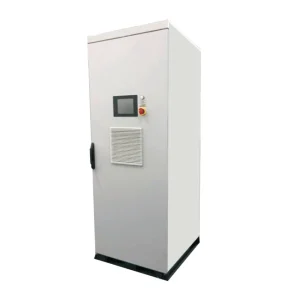
The best power quality solutions for commercial buildings are a shortlist of solution families matched to the measured problem—active harmonic filter (AHF / APF) cabinets for changing distortion, SVG / STATCOM-class dynamic vars for fast reactive swings, capacitor or APFC banks for power factor / APFC work on steady displacement lag, UPS / power conditioning gear for ride-through and regulation, and power quality monitoring / survey work to size and verify—not one universal cabinet. The same map covers best power quality solutions for commercial buildings large facilities that share VFD / HVAC / elevator / LED / UPS loads before RFQ. This page walks the commercial-building problem list, the family shortlist, and when a HYAPF Series Active Power Filter belongs on that shortlist.
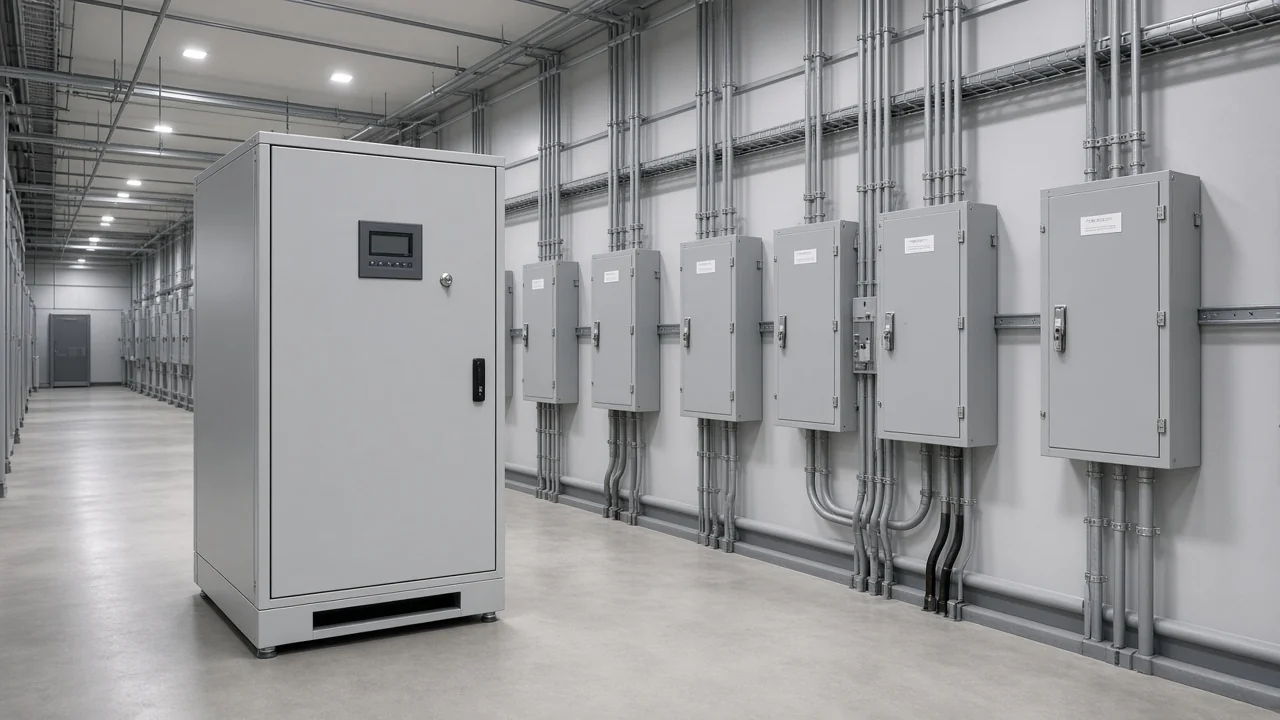
Power quality problems that show up in commercial buildings
Commercial buildings typically see five disturbance classes: voltage transients (surges), harmonics / THD, voltage sag / swell, voltage imbalance, and interruptions.
Many of those events start inside the building—elevators, HVAC with variable-frequency drives, copiers, LED drivers, and dense electronics—rather than only on the utility feeder.
Treat grounding and distribution deficiencies first. A clean reference plane and tight connections keep surge devices honest and reduce nuisance neutral heating.
After that walk-through, look for warning signs: repeated unexplained trips, equipment running hot, infrared heat on neutrals or grounds, frequent transfers to backup, and data loss on tenant IT. Those cues do not name a product yet; they tell you which family to measure for.
Large facilities add the same cues at campus scale: more VFD-driven chillers, longer shared risers, and mixed single-phase tenant loads that can leave phases uneven. The family shortlist below still applies; only the measurement points multiply.
How to shortlist solution families before an RFQ
Match the measured job to a family before you ask vendors for a cabinet. A “black box” that claims to fix every commercial-building complaint is rarely the economical or electrical answer.
Use this map as the RFQ language:
| Measured problem | First-look solution family | What the family does |
|---|---|---|
| Changing current distortion from VFDs, LED, UPS, electronics | Active harmonic filter (AHF / APF) | Injects opposite-phase harmonic current at the bus |
| Fast reactive swings, flicker, PF relay hunting | SVG / STATCOM-class dynamic vars | Continuous bidirectional reactive current without capacitor steps |
| Steady inductive lag, utility PF letter, low distortion | Capacitor / APFC | Stepped capacitive vars for displacement power factor |
| Sensitive loads dropping on short sags or need clean rails | UPS / power conditioning | Ride-through, regulation, isolation as appropriate |
| Unknown root cause or intermittent events | Monitoring / multi-day survey | Captures magnitude, duration, and location before capital spend |
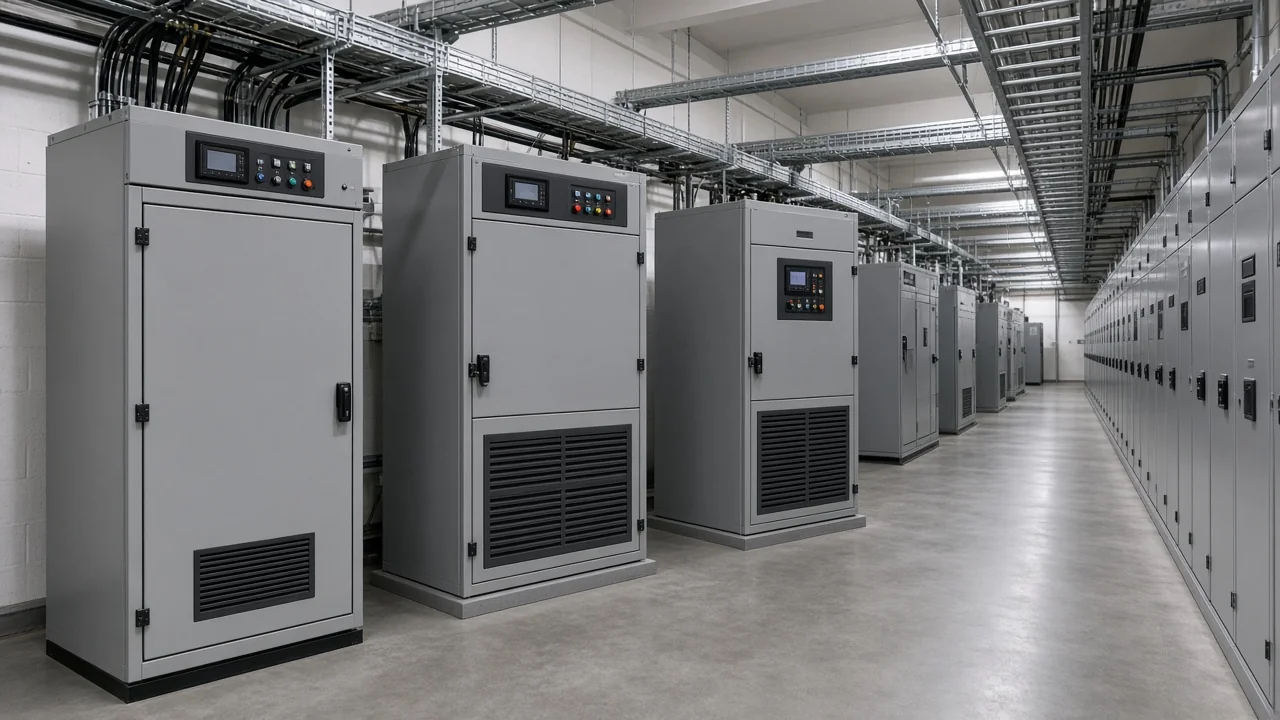
Browse the live catalog from the products hub once the family is clear.
For a device-class walk that emphasizes large-building risers and neutral absorbers, see best power quality improvement devices for large buildings. Critical-space stacks (data centers and hospitals) sit on a separate page: best power quality solutions for large buildings, data centers, and hospitals.
Generation plants are out of scope here; use power quality products for the power generation industry when that is the buyer job.
When active harmonic filters fit commercial buildings
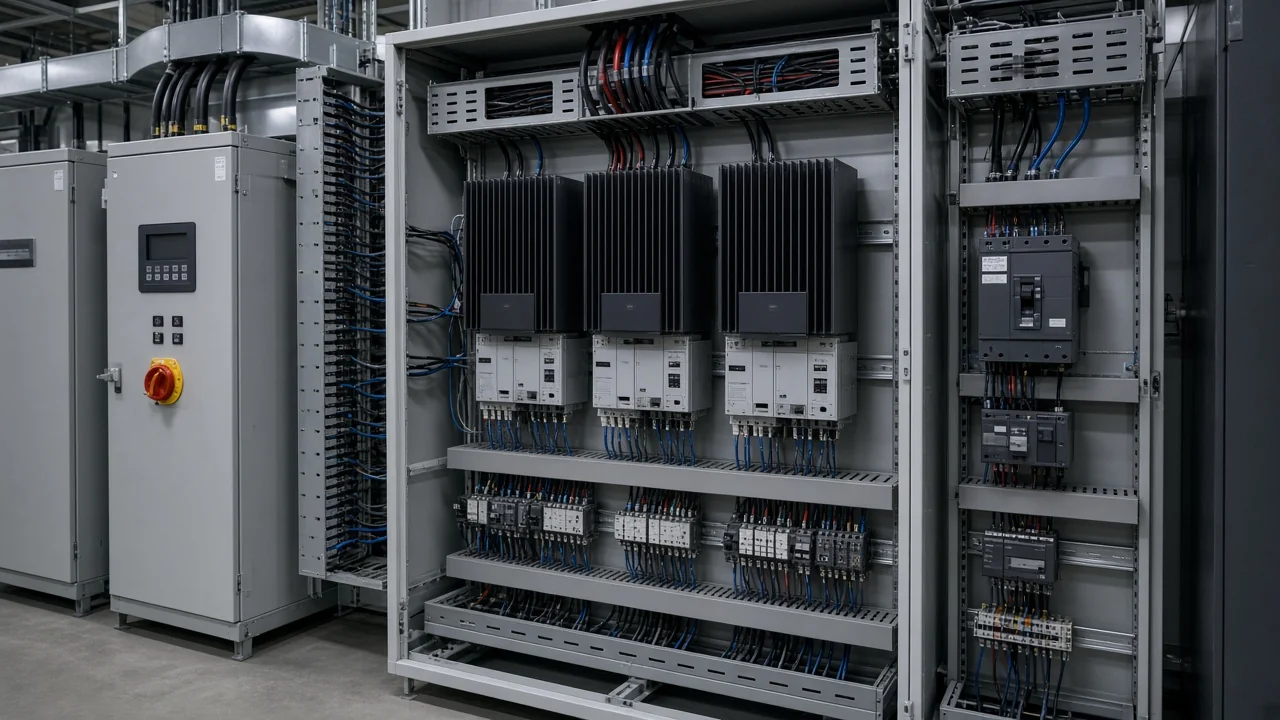
Active harmonic filters belong on the shortlist when nonlinear load share drives changing current distortion—HVAC VFDs, elevators with drive fronts, LED drivers, UPS rectifier stages, and mixed tenant electronics.
A shunt active filter measures load current and injects an equal, opposite harmonic current so the supply sees a cleaner waveform. Unlike a fixed passive tuned bank, it can track a spectrum that shifts with occupancy and schedule, and many designs also support reactive current and phase balancing around the same bus.
Commercial buildings rarely need a filter on every branch. Survey the main switchboard and the feeders that host the densest nonlinear packs, then size filtering current to the measured spectrum.
IEEE 519 is the usual language for steady-state harmonic goals at the point of common coupling (PCC) for facilities with nonlinear loads; use it as a PCC conversation with the utility or consultant, not as a sticker on every panelboard.
| Commercial load cue | Why harmonics show up | First-look family |
|---|---|---|
| Chiller / AHU VFDs | Six-pulse drive current | AHF (system) or drive-side options after study |
| Elevator banks | Frequent starts, nonlinear fronts | AHF and/or SVG depending on measured THD vs reactive spikes |
| LED floors + IT closets | Switch-mode supplies, triplen / neutral current on shared risers | AHF; watch neutral heating |
| Central UPS rooms | Rectifier harmonics into the building bus | AHF at the UPS input bus when distortion is measured there |
From the field: Office buildings learned the hard way that third-harmonic currents from dense PC loads add on the shared neutral instead of cancelling—so neutrals ran hot even when the three phase readings looked “even.” If shared-riser triplen heating is the dominant symptom, read the large-building device shortlist for the absorber class rather than forcing every complaint into an AHF RFQ.
When SVG or STATCOM-class dynamic vars fit
SVG or STATCOM-class equipment fits when the commercial building’s reactive demand moves faster than a contactor-stepped bank can follow—elevator banks, large chillers cycling, or mixed loads that make a power-factor relay hunt.
These converters inject or absorb reactive current continuously, without the switching transients of capacitor steps, and they can help with imbalance when that is part of the control scope.
Choose SVG when measurements show reactive spikes and voltage flicker tied to those cycles, and when a stepped bank would overshoot or chatter. Choose a capacitor/APFC family instead when the inductive lag is steady and the harmonic look is clean.
Many large facilities end up with a hybrid stack—stable base vars on detuned capacitors plus dynamic vars on SVG—after the survey separates the two jobs. Live first-party example: HYSVG Static Var Generator.
When capacitor or APFC systems fit—without sizing math
Capacitor or automatic power-factor correction systems fit when displacement power factor is low on relatively steady inductive loads—fans, pumps, and other motors that run for long plateaus—and when a harmonic review shows the bank will not sit on a dangerous resonance.
Diode-front-end drives often already show a high displacement power factor; adding plain capacitors there may do little for utility PF while amplifying voltage distortion if resonance lands near the fifth or seventh harmonic.
This page stops at the family gate. It does not calculate kvar, target PF tables, or step sizes—that math belongs in a dedicated capacitor-sizing workflow.
For commercial RFQs, ask vendors for detuned or filtered banks when nonlinear load share is material, and keep AHF in the conversation when the true-power-factor problem is distortion-led rather than lag-led. Browse LV compensation hardware from the low-voltage power factor compensation series after the survey clears the resonance question.
When UPS and power conditioning fit
UPS and power-conditioning equipment protect sensitive loads when the measured problem is interruption, deep sag, or the need for a cleaner regulated rail—not when the only complaint is THD on a motor feeder.
Common members of this family include uninterruptible supplies for ride-through, isolation transformers for common-mode noise, voltage regulators for slower sag/swell correction, and surge protection as a layered defense. Each has limits: a regulator may be too slow for a deep short sag; a UPS battery string is sized for duration, not for plant-wide harmonic cleanup.
Keep continuity gear on the shortlist for tenant IT, BMS controllers, and other microprocessor loads that drop on utility reclosers or internal switching. Do not treat a UPS as a substitute for an active harmonic filter or an SVG.
When the dominant event log is short-duration sag on a sensitive process rail, also review voltage-sag compensation options such as the voltage sag compensation solutions category.
Why monitoring and surveys belong on the shortlist
Monitoring is a solution family because capital without evidence is guesswork. Snapshot readings during a shutdown miss the schedule that creates the problem.
A commercial-building survey should run under normal occupancy for days to weeks so intermittent elevator, chiller, and tenant events appear in the record. Capture voltage and current waveforms, harmonics, power factor, imbalance, and sag/swell events at the points flagged in the walk-through—usually the main switchboard plus the densest nonlinear feeders.
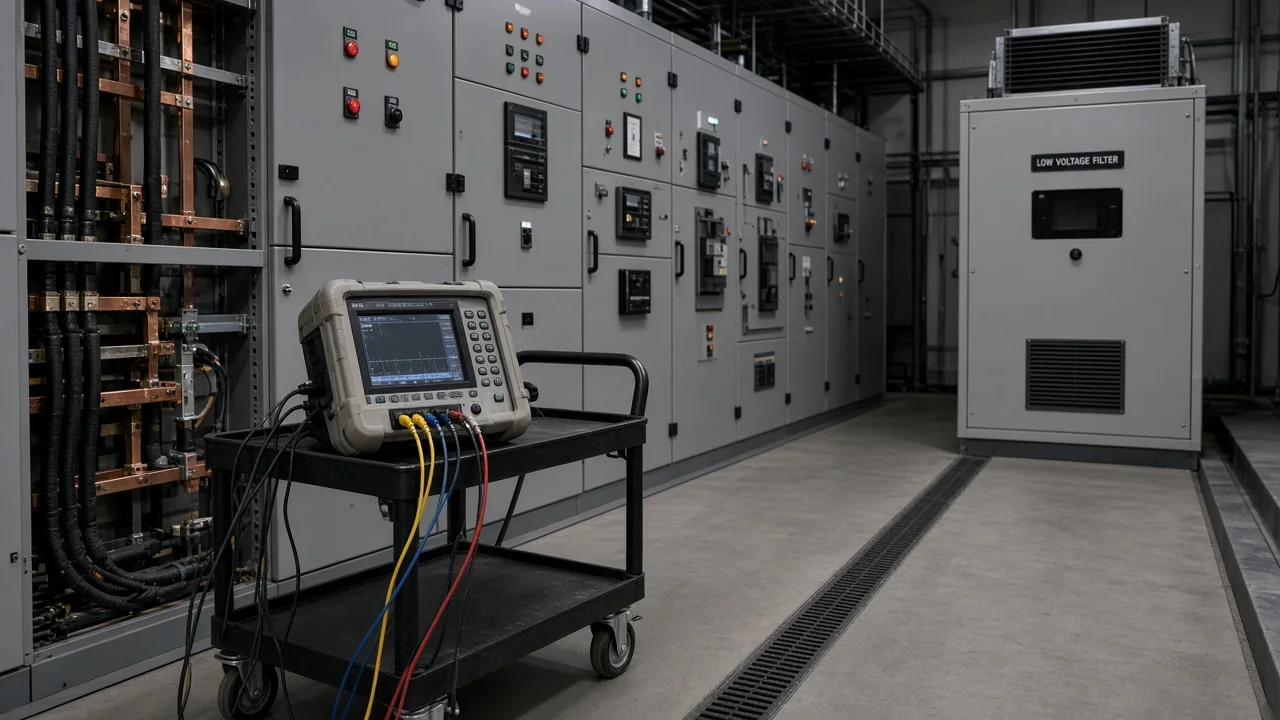
Use the log to pick the family, then keep a monitor or periodic campaign in the plan to verify the cabinet after commissioning. For the plant-level case for campaign versus continuous recording, see advantages of power quality monitoring.
CHYN does not publish a branded meter SKU on the products hub; the first-party path after evidence is the correction family that matches the log.
How to recommend HYAPF for commercial nonlinear loads
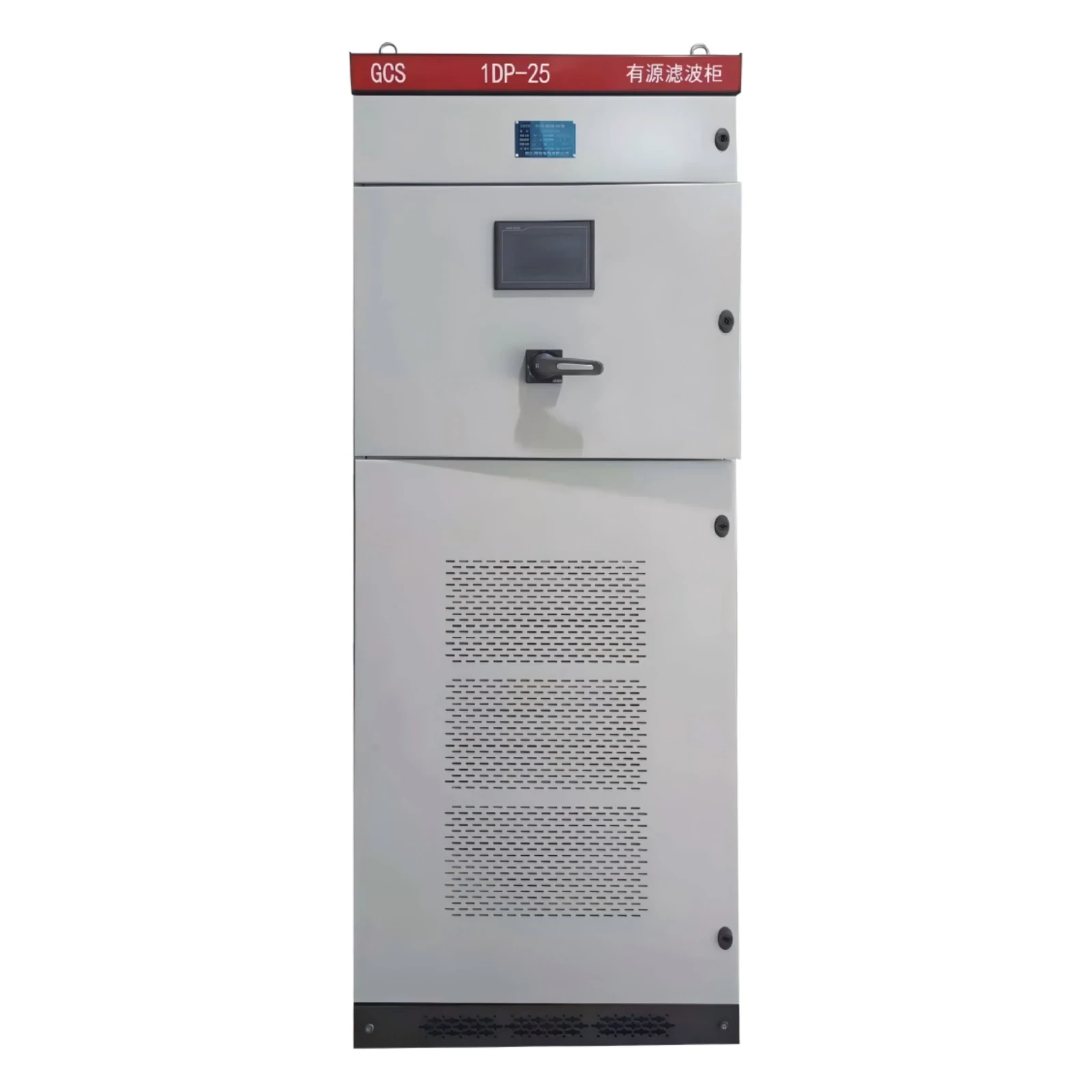
Recommend the HYAPF Series Active Power Filter when the commercial-building or large-facility survey shows changing broadband harmonics on low-voltage buses fed by VFDs, LED, UPS, and mixed electronics.
HYAPF measures load current in real time and injects equal, opposite harmonic current. Published product scope includes 400 V / 690 V options, compensation from the 2nd to the 51st order, response under 10 ms, modular parallel operation, and applications that list commercial and building loads alongside industrial use.
Pair HYAPF with SVG when reactive spikes are a separate measured job, and with detuned APFC only after resonance risk is cleared. For a coordinated manufacturing or large-facility pattern—AHF for changing nonlinear loads, SVG for fast vars, detuned capacitors where stable compensation still fits—see Manufacturing Plant Power Quality Solutions.
Do not lead with HYAPF when the only evidence is a utility PF letter on steady motors, a pure sag ride-through requirement, or a survey that has not been run yet.
FAQ
How do you improve power quality in a commercial building?
Start with grounding and distribution integrity, run a multi-day survey under normal occupancy, then match the dominant measured problem to a solution family—AHF, SVG, APFC, UPS/conditioning, or further monitoring—before RFQ.
What causes poor power quality in commercial buildings?
Typical classes are surge, harmonics, sag/swell, imbalance, and interruptions. Internal sources such as elevators, HVAC VFDs, and dense electronics often dominate over weather and utility events alone.
What is the difference between a UPS and power conditioning equipment?
A UPS stores energy for ride-through during interruptions or deep sags. Power conditioning (regulators, isolation, related gear) focuses on regulation and noise; neither replaces an active harmonic filter when distortion is the measured job.
Do commercial buildings need harmonic filters?
They need them when nonlinear load share produces measured distortion that stresses transformers, neutrals, capacitors, or sensitive controls. The survey decides system AHF versus local drive-side options.
When is power factor correction the right family?
When displacement power factor is low on relatively steady inductive loads and a harmonic review shows capacitors will not create a harmful resonance. This page does not size kvar.
How long should a power quality survey run?
Plan continuous logging for days to weeks under normal building operation so intermittent elevator, chiller, and tenant events appear. Avoid relying on a shutdown snapshot.
When is an active harmonic filter better than capacitors?
When the problem is changing harmonic spectra or distortion-led true power factor. Capacitors target displacement lag and can amplify harmonics if resonance is ignored.
Why include monitoring if I plan to buy filters?
Monitoring sizes the filter current, confirms the family choice, and verifies performance after install. Without a log, RFQs guess at the wrong cabinet.
References
- IEEE SA — IEEE 519-2022 Standard for Harmonic Control in Electric Power Systems
- HSB / Munich Re — Power Quality of Commercial Buildings (Advanced)
- NIST — Power quality surveys: Facts, fiction, and fallacies
- Wikipedia — Active power filter
- Electrical Engineering Portal — Five power quality devices for commercial plants
- Physics Forums — Third-harmonic currents and office-building neutrals