
 Zhejiang Hongyan Electric Co., Ltd.
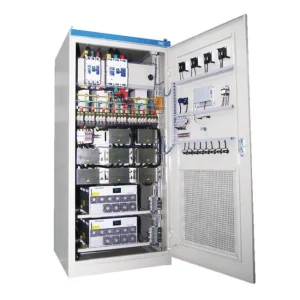
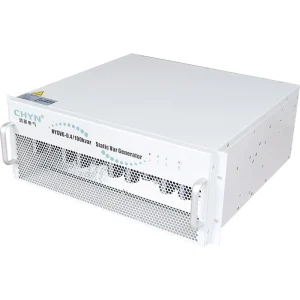
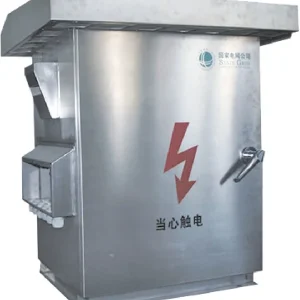
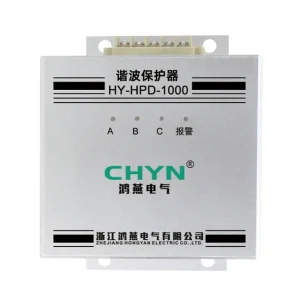
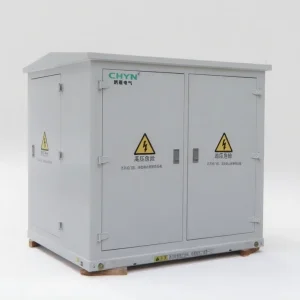
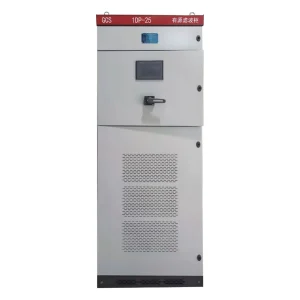
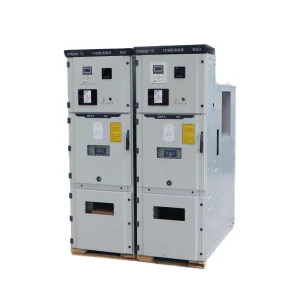
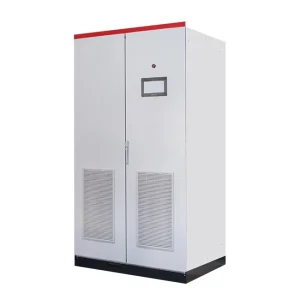
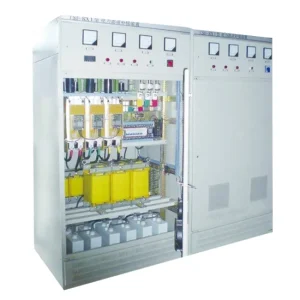
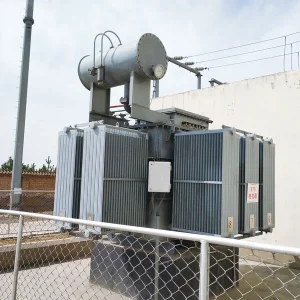
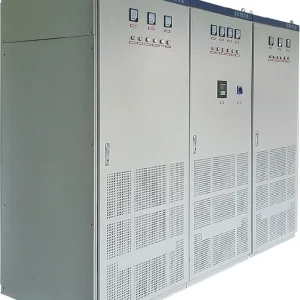
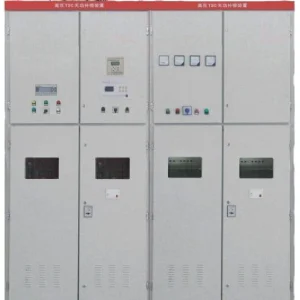
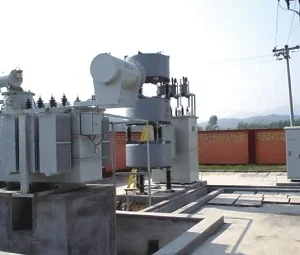
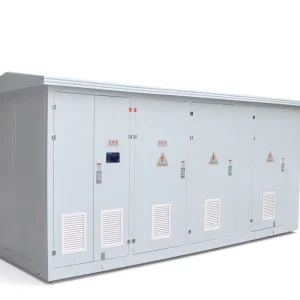
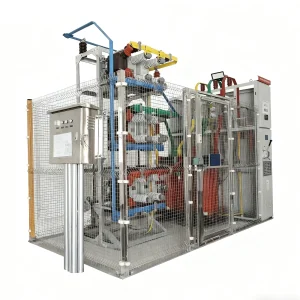
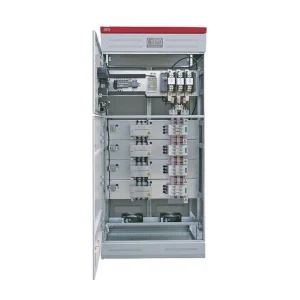
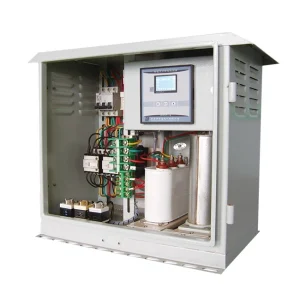
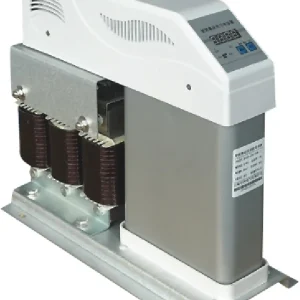
A voltage sag ride-through specification should describe the disturbance and the required process outcome together. State the remaining voltage, duration, affected phases, measurement reference and load operating condition. Then define what must continue working and how success will be observed. This information allows a supplier to assess a mitigation solution against an explicit test envelope. A request to “protect against voltage sags” leaves important questions unanswered, including whether control power, contactors, drives and auxiliary systems are inside the protected boundary.
This guide helps industrial buyers convert event records into a practical inquiry and acceptance plan. The examples describe a method; they do not state HYDVR ratings or a universal immunity requirement.
Describe remaining voltage without ambiguity
“A 30 percent sag” can mean a reduction of 30 percent or a remaining voltage of 30 percent. Avoid that ambiguity by specifying residual voltage as a percentage or per-unit fraction of a named reference. Include the actual voltage where helpful and identify whether it is line-to-line or line-to-neutral. A three-phase report should retain the individual phase values rather than reporting only one average.
For example, an illustrative line-to-line reference of 400 V and a measured residual of 280 V correspond to 280/400 = 0.70 pu, or 70 percent remaining voltage. The reduction is 30 percent. This arithmetic describes the event at the stated measurement location. It does not establish whether a particular machine will ride through it.
Use the instrument’s event definition and configuration consistently. Record the threshold, time resolution and reference-voltage method used to produce the event log. If reports from different instruments are combined, resolve differences before using their event counts to justify a purchase.
Duration is only one part of the event
Store the voltage-versus-time record and, where available, the waveform. A short event with severe residual voltage may challenge a load differently from a longer, shallower event. Also record which phases were involved and whether recovery occurred in several steps. A single magnitude-duration point is useful for screening, but it can conceal behavior relevant to the equipment.
The public scope of IEEE 1668-2017 covers ride-through testing for end-use equipment below 1000 V and includes balanced and unbalanced disturbances. Use the edition and test provisions required by the project. A public scope description cannot supply all test settings or prove that an assembly meets them.
Define the protected process boundary
Start from the process that must remain available. List the main power circuit, control supply, PLC, safety system, communications, cooling equipment, lubrication and other essential auxiliaries. A mitigation device on the main feeder may leave a separate control transformer or auxiliary branch exposed. Trace these supplies on the single-line diagram and the machine drawings.
Then define acceptable behavior. For one process, success might require continuous production without a rejected batch. Another may permit a controlled pause while retaining machine position and configuration. A simple “no trip” statement is insufficient if a process loses quality or needs manual recovery despite remaining electrically energized.
Discuss the boundary with the process owner before choosing equipment. Electrical acceptance and production acceptance should be connected by observable signals: contactor status, drive state, controller logs, process alarms and the quality measure relevant to the operation.
Build an event-to-test matrix
The following table is an original planning checklist, not a reproduction of a standard test schedule. Enter the values supported by the site survey and approved engineering review. Leave unknown fields visible so they can be resolved before final selection.
| Specification field | What to provide | Acceptance evidence |
|---|---|---|
| Voltage reference | Nominal value and line-to-line or line-to-neutral basis | Instrument setup and recorded channel names |
| Disturbance envelope | Residual voltage, duration and phase combination | Input and protected-output event records |
| Load state | Production mode, demand and essential auxiliaries | Time-aligned load and process logs |
| Required outcome | Allowed interruption, recovery and process-quality conditions | Observed machine behavior and agreed quality checks |
| Repeated events | Expected spacing and recovery assumptions | Documented recovery and repeat-test results |
| Exceptions | Conditions outside the proposed protection envelope | Signed limitations and outstanding tests |
Use a separate row for each required operating case. If a machine has several recipes or production speeds, identify the states that create distinct electrical or process demands. A test at idle cannot automatically represent full production.
Separate site history from the contractual requirement
A monitoring campaign shows what occurred during its recording period. It does not prove that more severe events cannot occur. Report the observation dates, recording coverage, missing intervals and network configuration. If a utility disturbance record or a customer requirement is used to extend the test envelope, identify it as a separate input.
PG&E’s bulletin on voltage sag immunity standards illustrates how immunity curves express voltage and duration requirements for particular applications. Such a curve must be selected for its intended equipment and contractual context. Do not transfer a semiconductor-equipment requirement to every industrial load without review.
Keep mandatory tests, optional robustness tests and observed site events in separate columns. This helps suppliers quote the required scope and makes exclusions visible. It also prevents a recommendation or historical example from being presented as an applicable standard requirement.
Ask the mitigation supplier the right questions
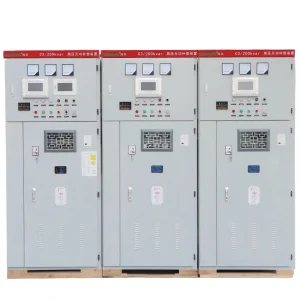
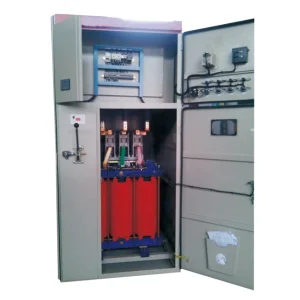
Provide the disturbance matrix, protected load characteristics and installation conditions when discussing CHYN’s HYDVR voltage sag mitigation solution. Request the supported operating envelope for the proposed configuration, including load assumptions, response behavior and conditions under which protection is limited or unavailable.
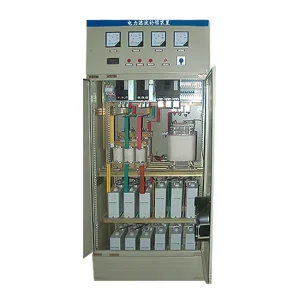
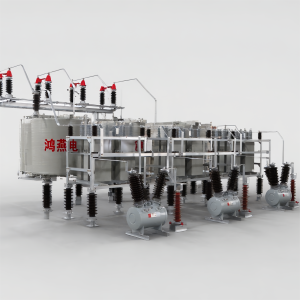
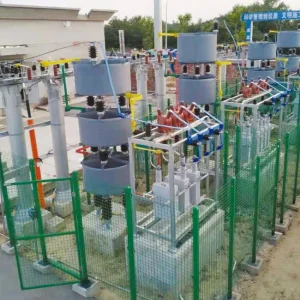
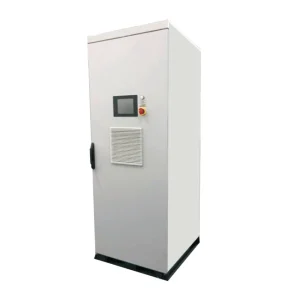
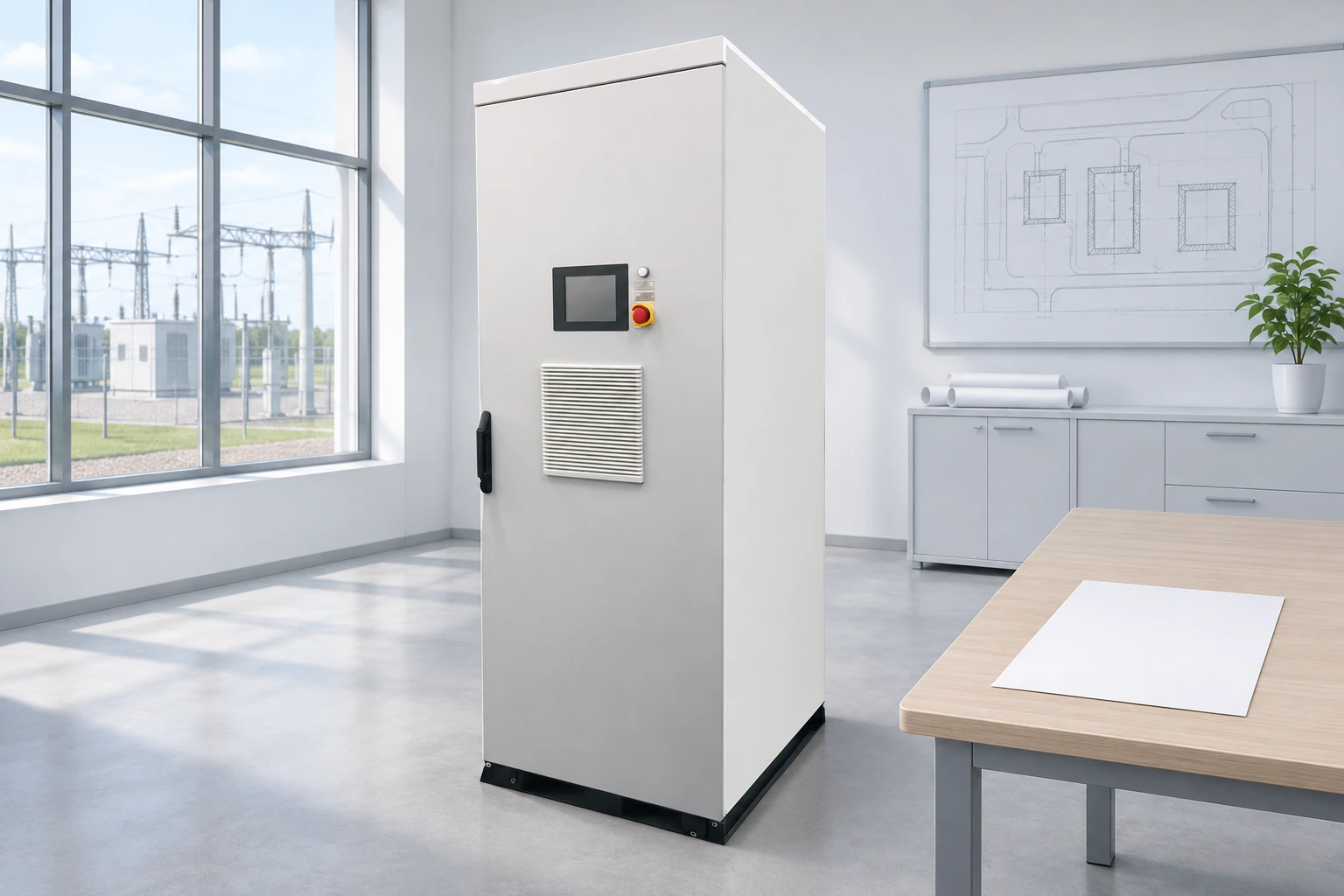
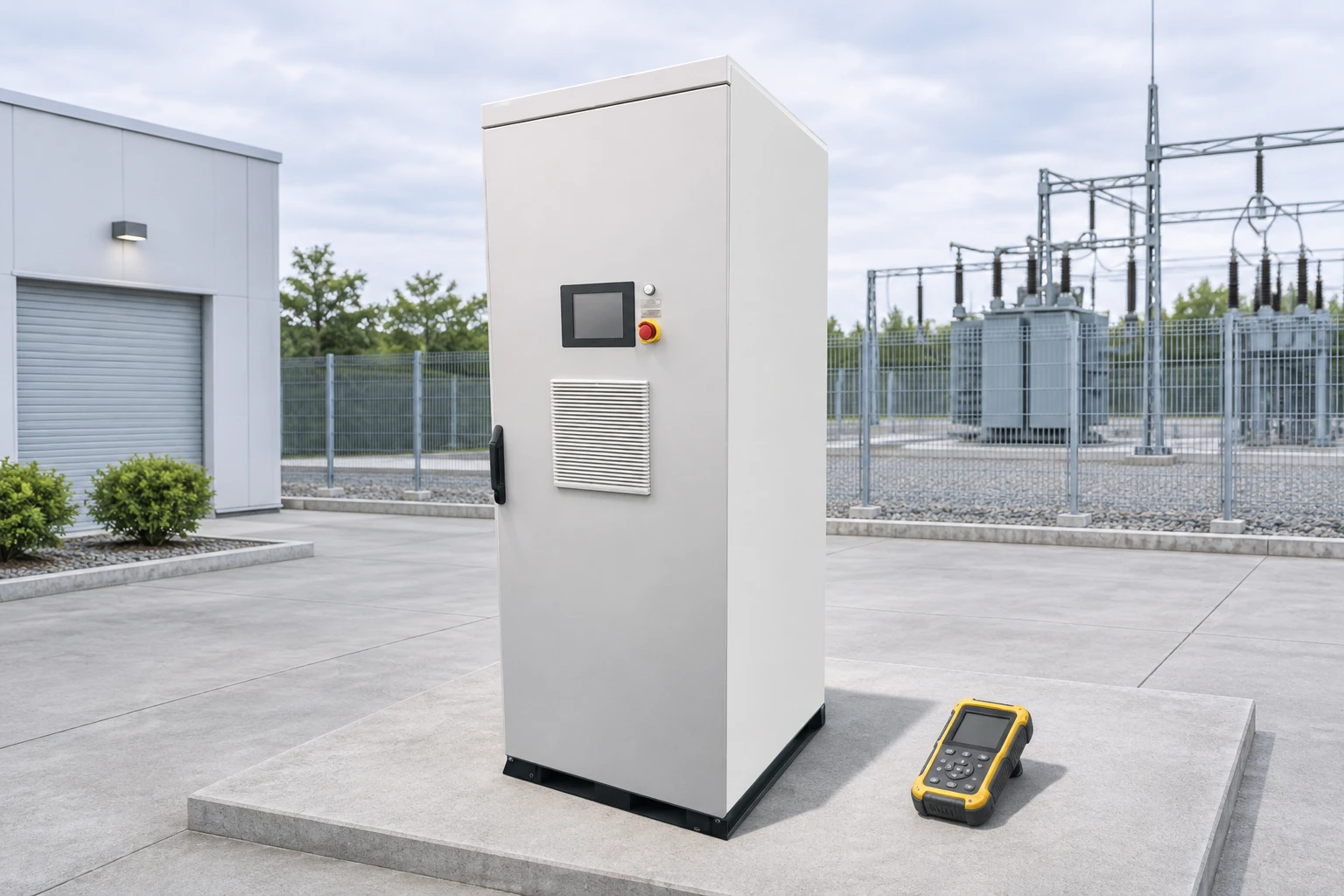
Ask how the proposal handles unbalanced disturbances, recovery, repeated events and abnormal load conditions. Obtain the bypass and maintenance arrangement, protection interfaces and required upstream coordination. These details should come from the selected design; a generic product photograph cannot verify them.
Also distinguish a voltage sag from a complete interruption. The energy and topology requirements can differ. If interruption support is part of the inquiry, state its duration and load explicitly and obtain a separate confirmation. Avoid assuming that a solution described as sag mitigation provides an unspecified backup-power duration.
Prepare a safe factory and site acceptance plan
Agree which verification occurs at the factory and which requires the real process. The factory test should identify the tested configuration, load assumptions, applied disturbance and measurement points. Site acceptance should confirm installation, interfaces and behavior under the approved commissioning procedure. Deliberately creating disturbances requires a competent test team and an approved plan.
Synchronize electrical records with the process logs. If the electrical output remains inside its agreed envelope but the machine still stops, the combined record can reveal an unprotected auxiliary, a control interaction or another process dependency. If output performance is inadequate, the input record helps establish whether the event was inside the specified envelope.
Document deviations while the team is present. Record a test that could not be performed as outstanding, including the reason, responsible party and completion condition. An incomplete test is not a pass. Changes to the protected load or control configuration after acceptance should trigger a review of the original assumptions.
Keep a useful handover file
The handover should contain the final diagram, accepted matrix, equipment configuration, test records, operating instructions and maintenance responsibilities. Include how alarms are interpreted and how event files are retrieved. A retained baseline makes later troubleshooting much faster than starting again from a sales specification.
For related background, read CHYN’s overview of power quality problems, the PLC voltage sag troubleshooting guide and the DVR and UPS comparison. These pages address diagnosis and technology boundaries that complement the specification process.
Educational video: mitigating sags and interruptions
Salman Mohagheghi’s lecture “L19 Mitigating Sags and Interruptions” provides educational background on mitigation approaches. The lecturer’s academic affiliation is documented by Colorado School of Mines. The lecture supports understanding; the written project envelope remains the basis for equipment acceptance.
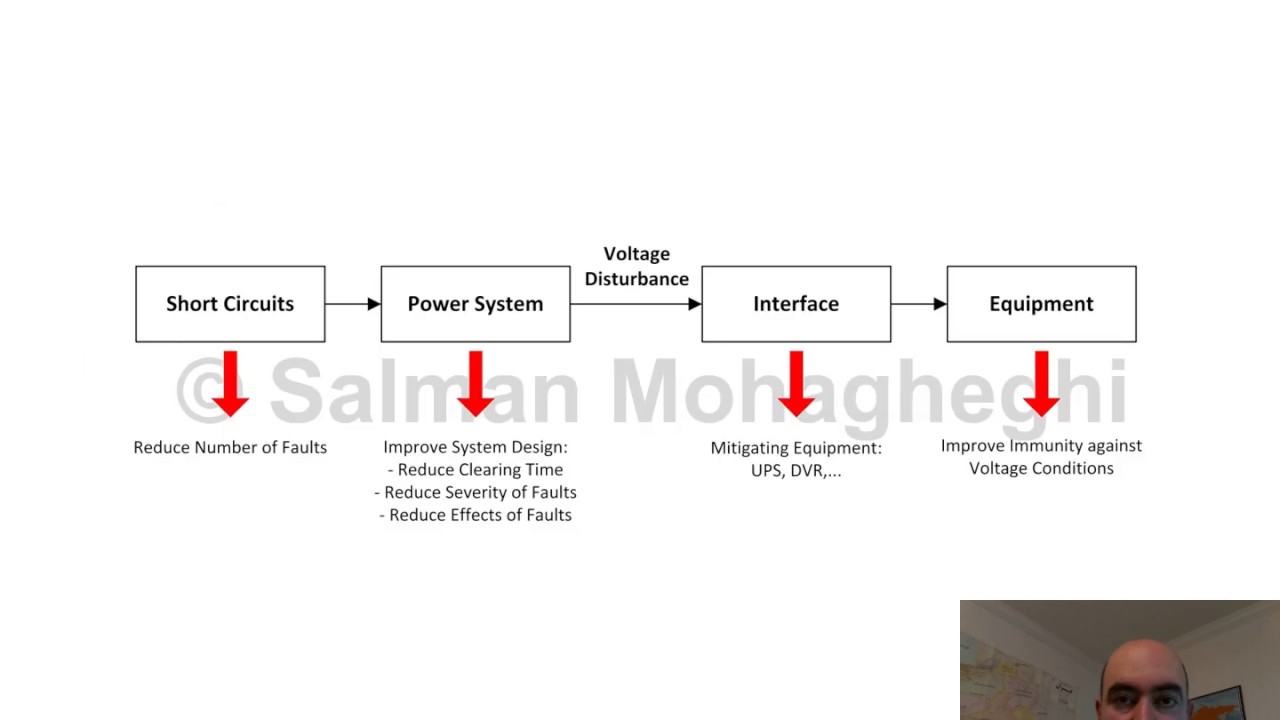
Watch L19 Mitigating Sags and Interruptions on YouTube.
Include recovery behavior in the requirement
Specify what happens after the voltage returns. A process can survive the low-voltage interval yet stop during recovery because of its control sequence or an auxiliary dependency. Include the expected recovery state, whether operator action is permitted and how retained process settings will be checked. Record the relevant machine signals through the whole event.
If repeated events are important, state the assumed spacing and operating duty. The supplier should confirm the relevant recovery conditions for the proposed configuration. Avoid translating a successful single-event demonstration into an unlimited repeated-event claim. Put unverified recovery cases on the outstanding-test list with a named completion condition.
Frequently asked questions
What does 70 percent residual voltage mean?
It means that the remaining measured voltage is 70 percent of the stated reference voltage. Specify whether the value is line-to-line or line-to-neutral and which phases are involved. This avoids confusing remaining voltage with the percentage reduction.
Does successful electrical ride-through prove the process continued?
Not by itself. The process may still lose a control supply, auxiliary function or product quality condition. Define the required process outcome and record it alongside the electrical measurements so the acceptance test covers the complete protected boundary.
Can a monitoring campaign define every future event?
No. It records events during its observation period and configuration. Identify any additional contractual or engineering requirement separately, and document missing recording intervals and untested conditions. Historical observations should not be treated as a guarantee of future disturbance severity.
Should a complete interruption be included in the same requirement?
Include it explicitly when it is required, with duration, load and acceptable behavior. Obtain configuration-specific confirmation of support. A general sag-mitigation description does not establish an unspecified backup-power duration or prove support for every interruption condition.