
 Zhejiang Hongyan Electric Co., Ltd.
Soft starter starts per hour is a duty limit tied to starting current, acceleration time, cooling conditions and the equipment’s thermal state. There is no universal number that applies to every medium-voltage motor and starter. Specify the complete operating cycle, including failed starts and hot restarts, then obtain approval for the motor, starter, bypass arrangement and driven load. A successful cold start does not establish permission for repeated starts.
This guide helps plant engineers prepare a repeat-start requirement for pumps, fans, compressors and other industrial drives. It concentrates on duty definition and acceptance evidence, rather than supplying a setting to copy into an unknown controller.
Why the hourly count is only one part of the rating
Two applications can each demand three starts in an hour while creating very different thermal conditions. One may have brief accelerations separated by long running periods; another may attempt several prolonged starts within a few minutes. The sequence and preceding thermal state matter alongside the total count.
The IEEE overview of soft starters describes their semiconductor voltage-control principle and the possibility of bypass after acceleration. Those operating stages explain why a duty description needs both starting and running information. An ampere rating without its stated duty conditions is incomplete procurement information.
For medium-voltage equipment, request the applicable rating basis for the actual assembly. Do not take a duty code or starts-per-hour table from a low-voltage product and treat it as proof for a different voltage class, cooling arrangement or semiconductor stack.
Write down the real process cycle
Start with operating history or a clearly identified design requirement. Record the normal run period, stopped period, acceleration time and expected restart sequence. Ask operations staff about cleaning cycles, process interruptions and recovery after a supply event. These can create a more demanding duty than the normal production cycle.
Include the driven load’s condition. A pump starting against an established pressure, a loaded conveyor and a fan after a long stop may have different acceleration requirements. Identify permissible process conditions for each start and any unloading or mechanical preparation required by the equipment designer.
Separate planned operation from exceptional recovery. If several motors may restart after a common outage, record their proposed order and spacing. The starter’s thermal permission and the supply’s ability to support the sequence are different checks, and both need an approved basis.
Use a duty schedule that suppliers can evaluate
| Duty item | Information to provide | Confirmation to request |
|---|---|---|
| Normal start | Motor current, load condition and acceleration record | Approved current/time envelope for the selected equipment |
| Repeated operation | Start timestamps, run periods and off periods | Permitted sequence at the stated ambient conditions |
| Hot restart | Previous load history and required restart delay | Motor and starter thermal permission |
| Failed acceleration | Trip condition and expected retry policy | How the event affects the thermal model and lockout |
| Bypass operation | Bypass circuit, transfer sequence and run duration | Duty of starter and switching devices in each mode |
| Supply recovery | Other motors restarting and source arrangement | Agreed coordinated restart sequence |
The table is a project input checklist, not a manufacturer rating. Its purpose is to prevent an hourly count from concealing a difficult sequence. The supplier’s written response must identify the assumptions and the actual equipment to which approval applies.
Evaluate acceleration time together with current
Reducing the current setting may reduce electrical demand during a start, but the motor still needs enough accelerating torque for its load. If the selected setting produces a long or unsuccessful acceleration, the result can conflict with the intended thermal duty. A current setting should therefore be checked against the load’s torque and inertia requirements.
Use recorded phase-current and speed or process evidence to identify the actual start duration. Do not assume that the programmed ramp time always equals the completed acceleration time. Distinguish a completed start from a controller that simply reached the end of a timer.
For the network side of the decision, see CHYN’s motor-starting voltage-drop guide. It addresses the supply response. A satisfactory bus-voltage result does not independently establish the motor’s hot-start capability or the starter’s repeat-start thermal rating.
Use current-squared time only as a defined screening quantity
A simple normalized comparison can help describe why start duration matters. Define a screening index J = ∫(I/Ir)²dt, where I is the observed current, Ir is the chosen reference current and time is measured in seconds. The resulting index has units of seconds. State the reference and the measurement interval whenever reporting it.
In a simplified constant-current example, 3 times the reference current for 10 seconds gives J = 90 seconds. The same multiple for 20 seconds gives J = 180 seconds. This arithmetic illustrates the effect of time; it does not calculate an allowable number of starts, winding temperature or semiconductor junction temperature.
A real start has a changing waveform, and the motor and starter have different heating and cooling behavior. Their protection models may use additional inputs and manufacturer-specific methods. Do not convert this screening index into an approval threshold or use it to replace the selected equipment’s thermal model.
Count aborted starts and inspect thermal memory
A start attempt that ends in a trip can still impose thermal stress. The operating log should retain the attempt, its current/time history and the reason it stopped. Counting only successful starts can understate the duty that the equipment actually experienced.
Ask the motor and starter suppliers how thermal state is retained through a stop, control-power interruption or reset. Define who may authorize another attempt and which information must be reviewed first. The desired process recovery time does not itself justify erasing protection history.
If repeated attempts occur during commissioning, preserve the sequence in the acceptance record. A final successful start should not hide earlier trips or cooling waits. Those events help distinguish an approved operating sequence from a one-off result obtained after conditions changed.
Check motor limitations independently of the starter
The motor’s permitted cold and hot starts, acceleration limits and load requirements need their own documentation. A larger starter does not automatically increase the motor’s allowable restart duty. Request confirmation for the actual motor design and driven equipment, including any relevant temperature sensing and protection settings.
Supply quality also belongs in this review. The US Department of Energy’s motor-system guidance on voltage unbalance explains its connection to unbalanced current and heating. That source supports checking the motor-terminal supply; it does not provide a repeat-start rating for the proposed assembly.
Where a start takes longer than expected, examine the supply, mechanical condition and control assumptions together. Repeatedly extending the acceleration timeout can conceal the actual problem. Any revised envelope requires a coordinated engineering review rather than a timer-only adjustment.
Include bypass and cooling in the approved configuration
A bypass arrangement changes which components carry current after the start. It does not remove the starting duty already imposed on the semiconductor devices or the motor. Confirm the transition, switching-device duty and protection behavior for the actual circuit.
Record the enclosure and installation conditions used for selection. Ambient temperature, ventilation arrangement and any declared derating need to match the proposal. A catalogue duty based on one cooling condition cannot be assumed unchanged inside another enclosure.
If the project also requires operating-speed control, revisit the technology choice. The medium-voltage soft starter versus VFD comparison separates starting duty from continuous speed-control needs. More frequent starts do not by themselves prove that either technology is the correct overall solution.
Prepare a configuration-specific CHYN enquiry
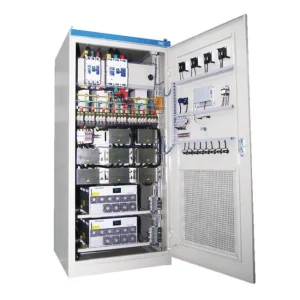
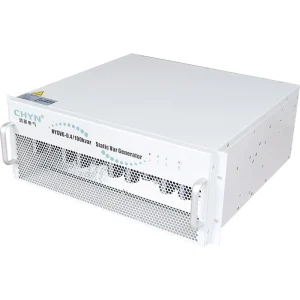
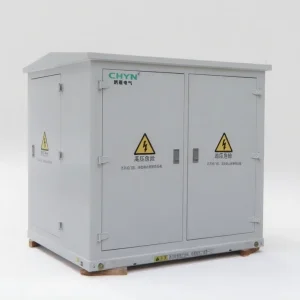
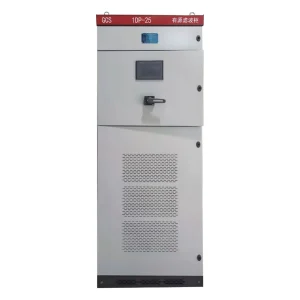
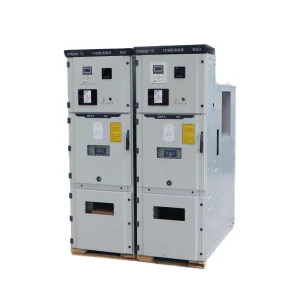
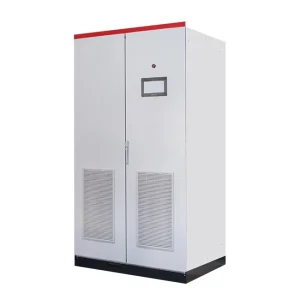
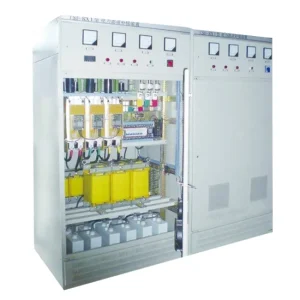
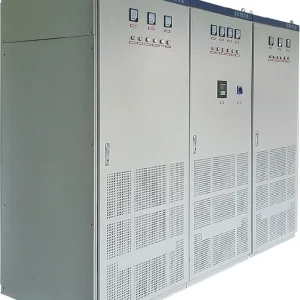
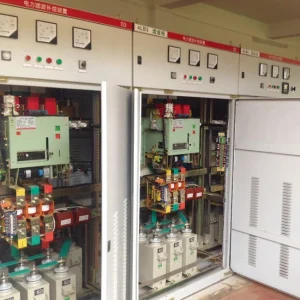
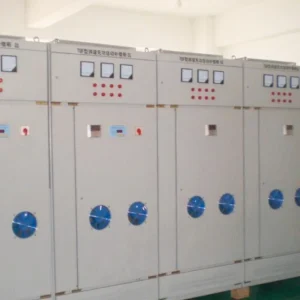
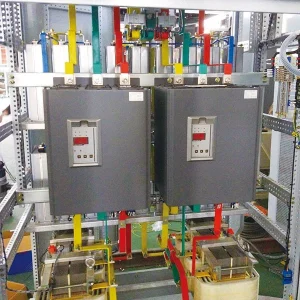
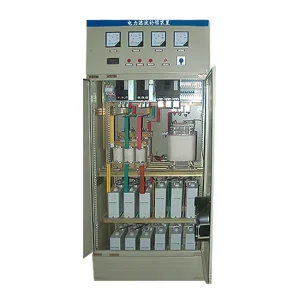
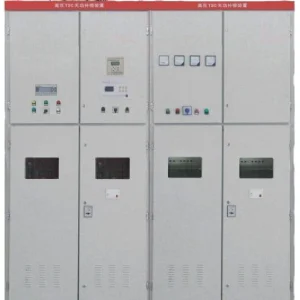
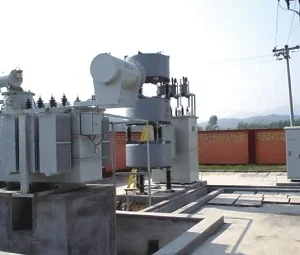
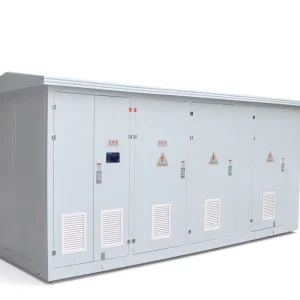
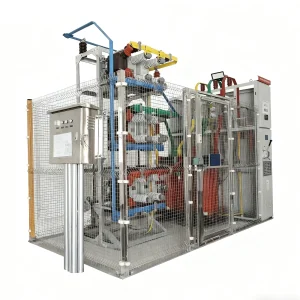
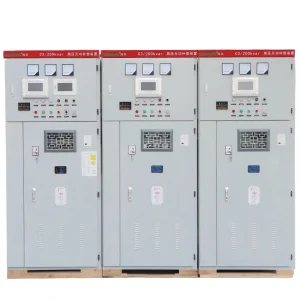
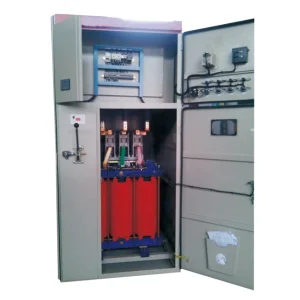
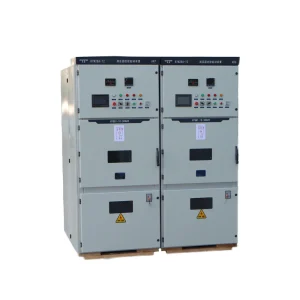
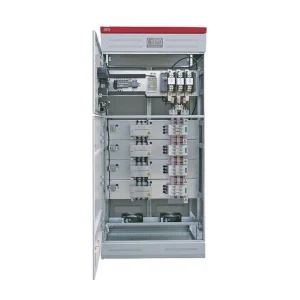
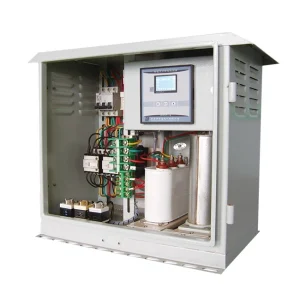
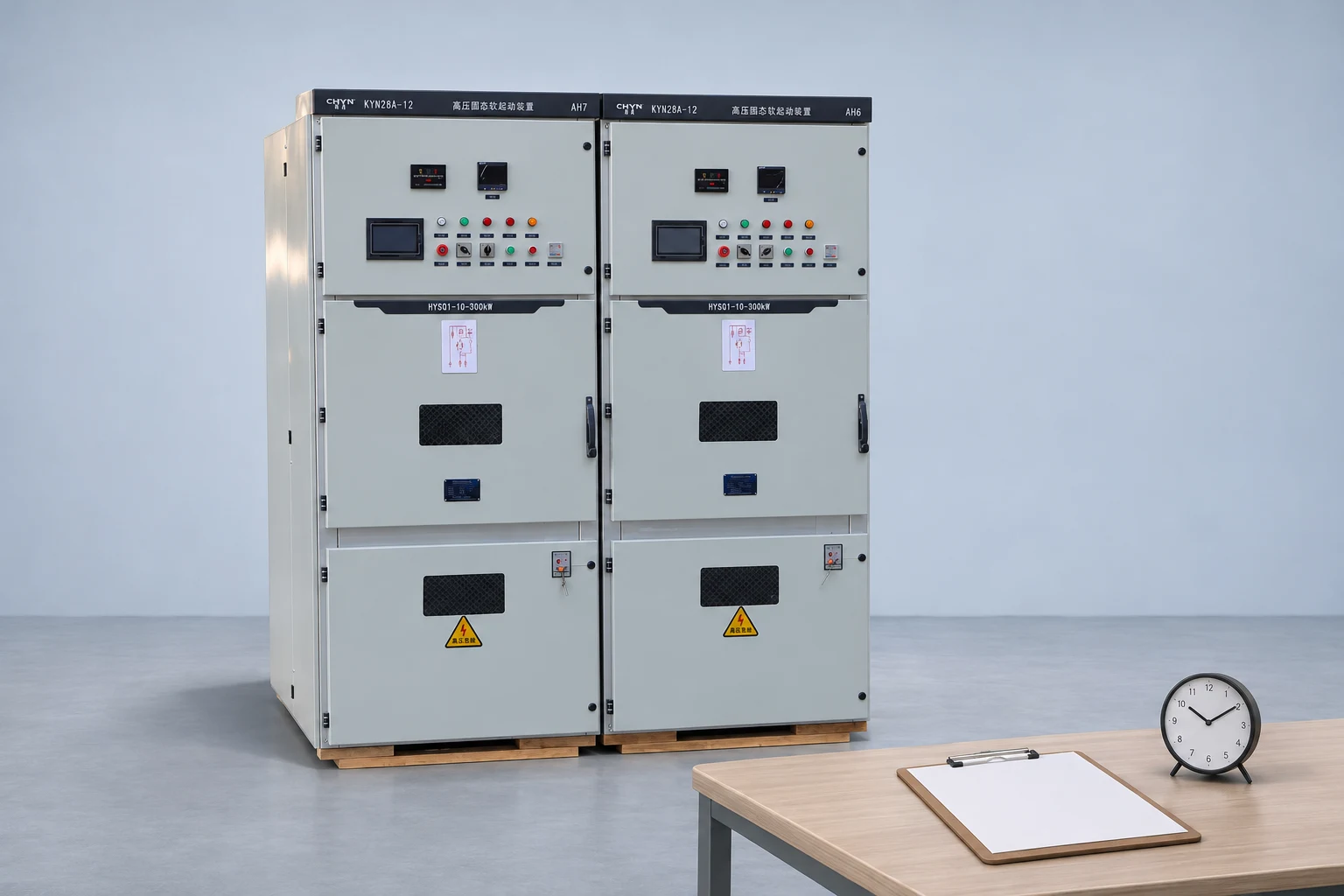
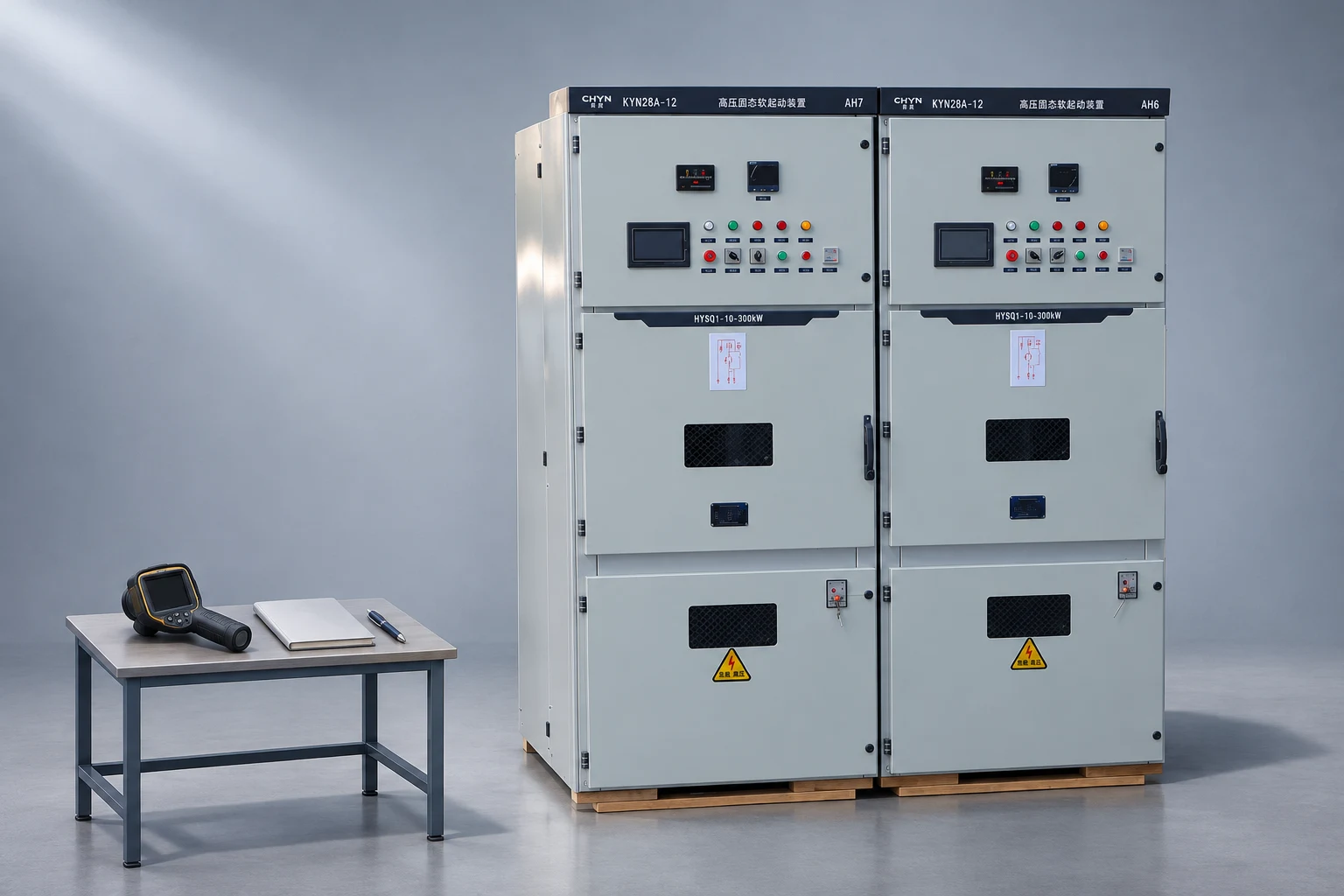
The CHYN HYSQ1 high-voltage solid-state soft starter page provides a relevant product enquiry route. Ask for a written duty assessment using your motor data, load description and required sequence. Do not infer a starts-per-hour guarantee from the product photograph or a general application list.
The package should include motor nameplate data, available torque/speed and load information, source details, current and acceleration records, enclosure conditions and restart objectives. Mark unmeasured inputs as assumptions. Ask the proposal to identify allowed operation, required cooling intervals, protection settings and conditions requiring a fresh assessment.
At commissioning, test the approved sequence without exceeding its limits. Retain start timestamps, current traces, thermal indications, trips, settings and actual load conditions. Keep untested exceptional sequences listed as unverified. Review the duty again if the process cycle, motor, load inertia, cooling arrangement or supply changes.
For the broader supply and drive context, see power quality for industrial drive systems. The repeat-start schedule should be assessed alongside the site’s other major electrical loads and its process-recovery requirements.
Further learning: induction-motor starting
The NPTEL IIT Delhi lecture explains induction-motor starting and speed-control principles. It supports the torque and acceleration discussion, while the actual repeat-start permission must come from the selected motor and starter documentation.
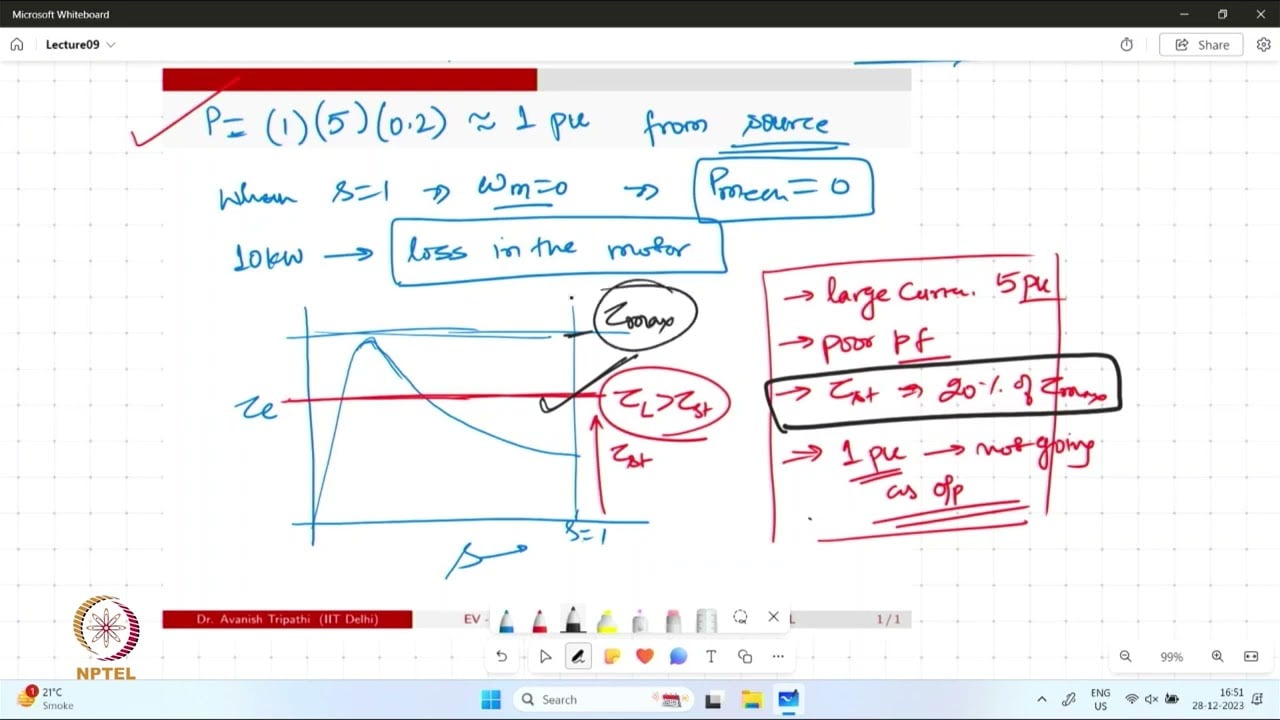
Watch Starting and Speed Control of Induction Motor on YouTube.
Frequently asked questions
Is there a universal number of soft starter starts per hour?
No. The allowable sequence depends on starting current, acceleration time, cooling, prior thermal state and the selected motor and starter. Request a written rating for the complete duty cycle. An hourly count without its associated conditions cannot establish permission for repeated starts on another installation.
Do failed start attempts count toward thermal duty?
They can impose significant thermal stress even when the motor does not reach speed. Retain the current/time record and trip cause for each attempt. Ask how the motor and starter protection models account for that event and obtain the approved retry procedure before authorizing another attempt.
Does a bypass contactor allow unlimited restarting?
No. Bypass affects the running-current path after a successful start; it does not remove the preceding motor and semiconductor heating. The bypass device and transition also have their own duty. Confirm the complete sequence and cooling requirements for the actual equipment rather than assuming bypass eliminates restart restrictions.
Can the current-squared-time example determine a safe setting?
No. It is a simplified comparison of current and duration, not a temperature calculation or a manufacturer protection model. Actual equipment has different thermal behavior, cooling and prior loading. Use the documented motor and starter limits and the approved application assessment to determine permissible operation.