
 Zhejiang Hongyan Electric Co., Ltd.
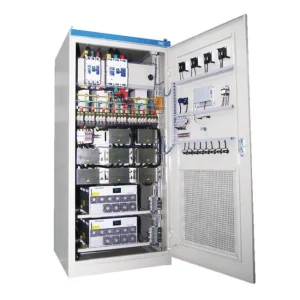
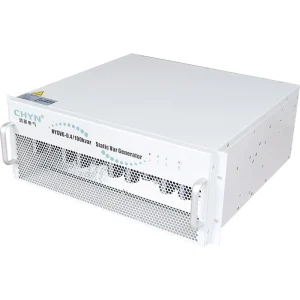
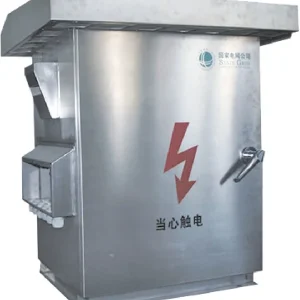
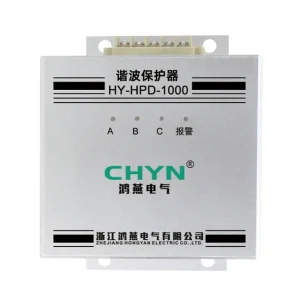
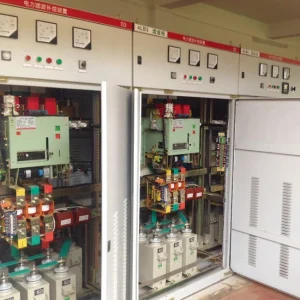
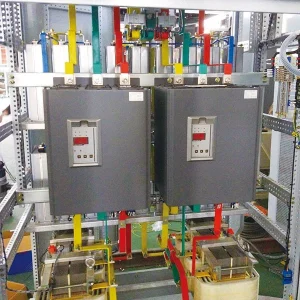
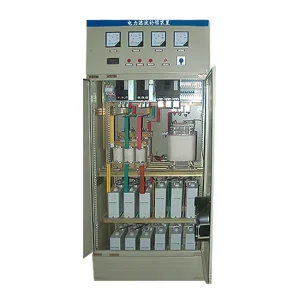
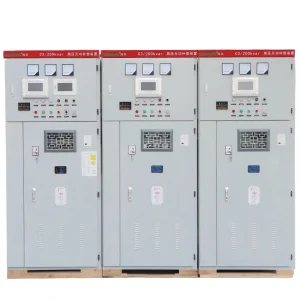
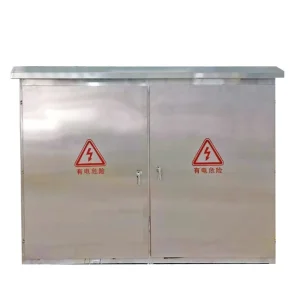
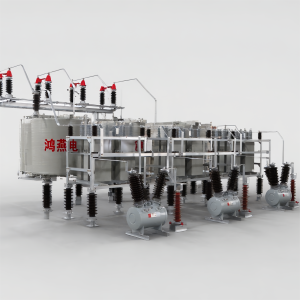
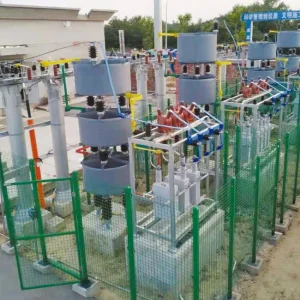
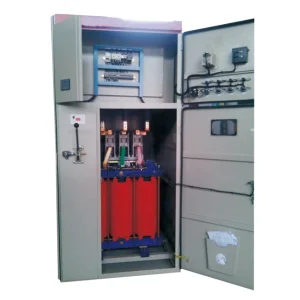
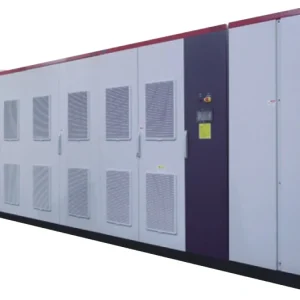
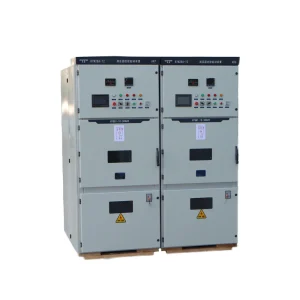
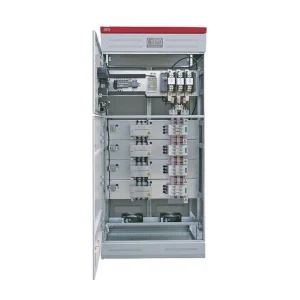
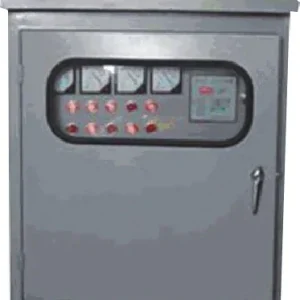
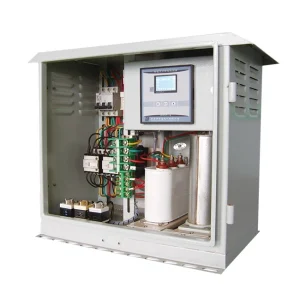
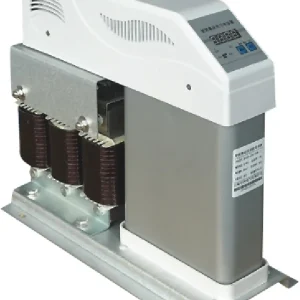
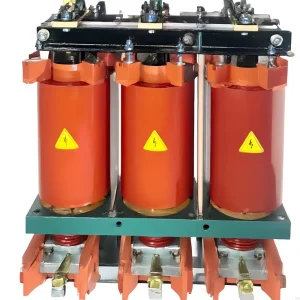
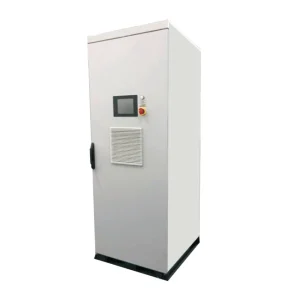
A soft starter on generator supply must be selected as part of the generator, motor and driven-load system. Lower starting current can help, but successful acceleration also depends on available torque, generator voltage and frequency recovery, existing loads and control-power stability. Do not size the generator from motor running kilowatts alone or assume that a low current limit guarantees an easy start. This guide explains the information and acceptance evidence needed for an industrial application, including medium-voltage projects that require a configuration-specific engineering review.
Define the operating case before comparing ratings
Identify whether the generator is the normal source, an emergency source or a temporary supply. Mark transformers, cables, switching devices and other loads between the generator and motor. Establish which motors may start together, which loads are already running and what the process requires after an unsuccessful start. These conditions determine the actual duty more directly than a motor nameplate by itself.
Distinguish starting from running. The generator must support the transient acceleration event and the sustained load afterward. The starter must carry its declared starting duty and operate within its thermal limits across the permitted number of attempts. Check both requirements against site conditions such as ambient temperature and altitude using the selected manufacturers' documentation.
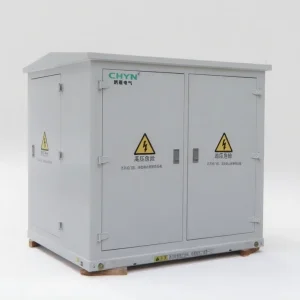
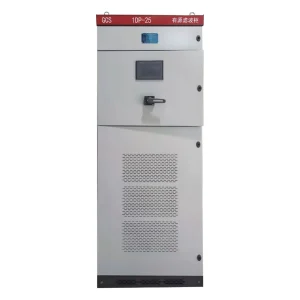
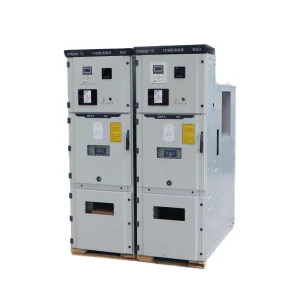
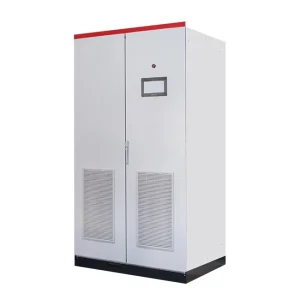
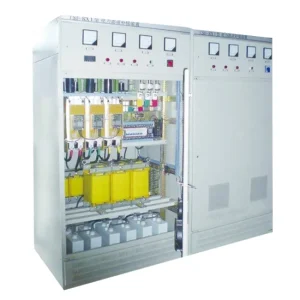
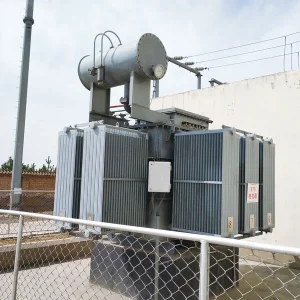
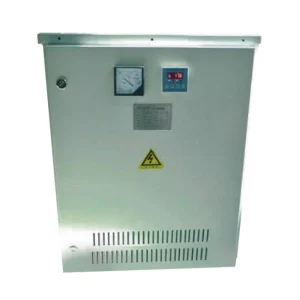
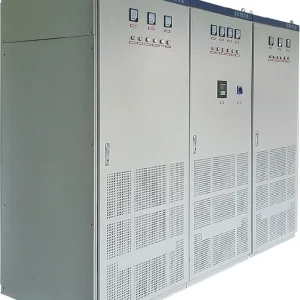
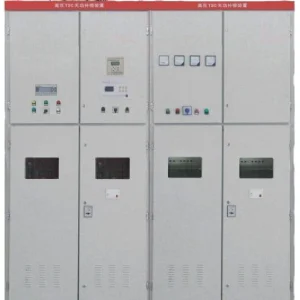
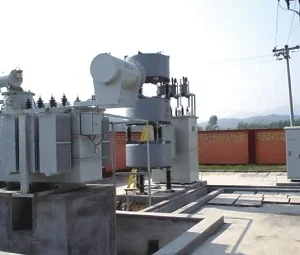
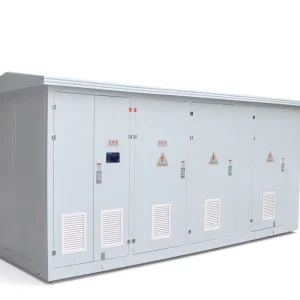
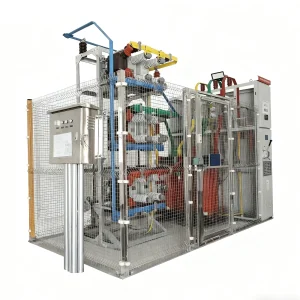
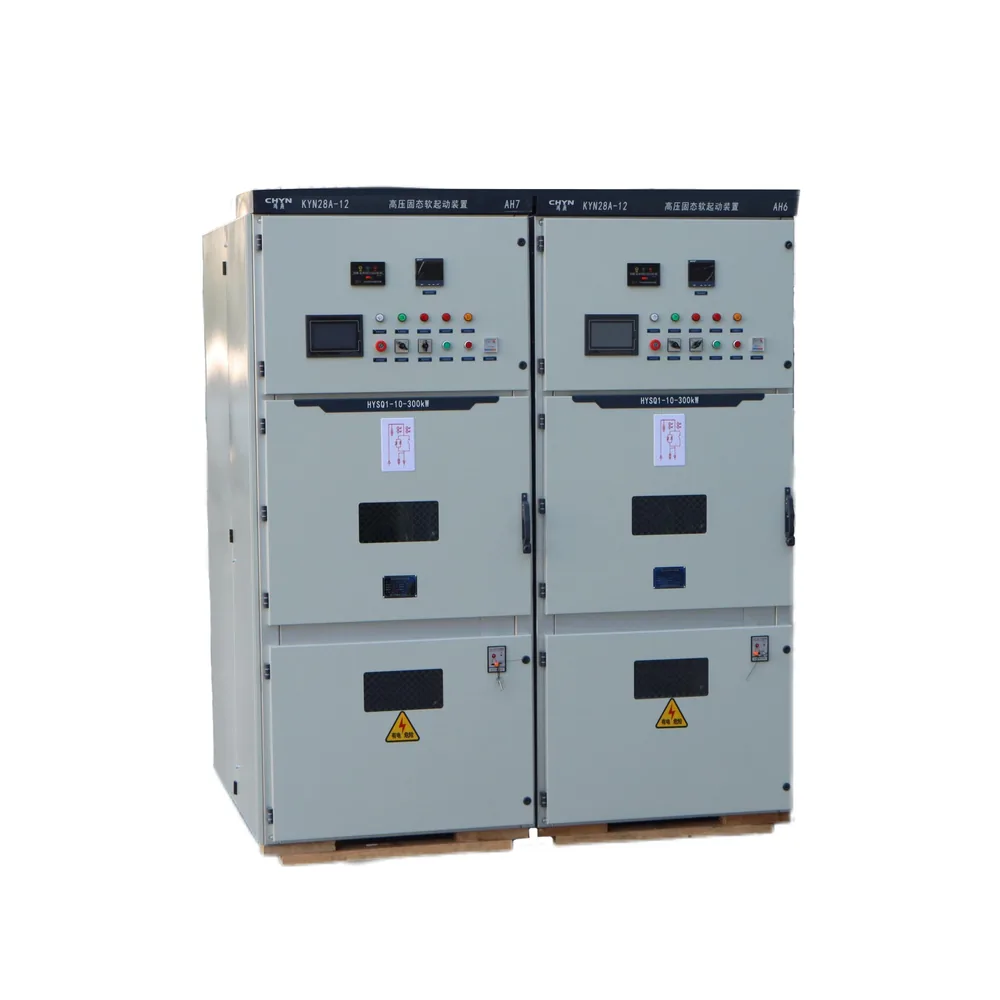
The CHYN HYSQ1 high-voltage solid-state soft starter family provides a relevant product category for an enquiry. Its published features do not constitute approval for an arbitrary generator. Request written confirmation for the actual source, motor, voltage, load and starting sequence.
Obtain motor and load information that explains acceleration
Collect motor rated current, voltage, frequency, speed and available starting characteristics. Ask for load torque versus speed and the combined rotating inertia. Identify whether the motor begins unloaded, against static pressure, with material on a conveyor or with another substantial breakaway requirement. A single running-power measurement cannot describe these starting conditions.
For a given motor and frequency, reducing applied voltage generally reduces available induction-motor torque substantially. The exact torque-speed relationship depends on the motor and operating point. A lower current setting may therefore prolong acceleration or prevent it, rather than simply making the same start gentler. Use the motor and driven-equipment data to check accelerating margin across the complete speed range.
Separate the programmed ramp from measured run-up time. Review soft starter acceleration time for that distinction. On generator supply, the source voltage itself may change during the ramp, so a parameter that worked on the utility cannot be assumed to produce the same acceleration.
Ask the generator supplier for a dynamic assessment
Give the generator supplier the proposed starter control method, current limit, initial-voltage behavior and expected acceleration profile. Include all loads that remain connected. Request a calculation or simulation for acceptable voltage dip, frequency dip and recovery under the specified sequence. State the sensitive loads' permitted disturbances rather than accepting a generic statement that the set can start the motor.
Generator engine power and alternator capability address different parts of the event. The excitation system and voltage regulator affect electrical response; engine and governor behavior affect speed and frequency recovery. The project assessment needs the selected set's actual data. Another generator with the same advertised running kVA may respond differently.
The Electrical Generating Systems Association generator-sizing learner guide discusses motor-starting loads and reduced-voltage starting in generator selection. Its educational examples show why the load application matters; they are not universal generator-to-motor sizing ratios.
Check starting current without mistaking kVA for kW
For a balanced three-phase screening calculation, apparent power is S = √3 × VLL × I / 1000, with line voltage in volts, current in amperes and S in kVA. This describes apparent electrical loading at the chosen operating point. It is not motor shaft power, and it does not by itself predict generator transient response.
As an illustrative example, 400 V and 300 A give approximately 208 kVA. Using the same calculation at 360 V gives approximately 187 kVA. The smaller calculated value during a voltage dip does not mean the motor is accelerating successfully: available torque and connected-load tolerance still need checking. These numbers are arithmetic examples, not a recommended current limit or generator size.
Starter phase control can produce a distorted waveform during acceleration, so clarify how current and power are measured and modeled. Ask which current value appears in the proposal and whether the generator assessment includes the relevant nonlinear behavior. Do not convert a single meter reading into a guaranteed starting capability.
Use a coordinated operating-case checklist
The table below defines evidence to request. Numerical limits must come from the owner, process requirements, protection study and selected equipment suppliers. Agree the limits before commissioning so the team can distinguish a successful start from a merely completed sequence.
| Operating case | Required record | Question answered |
|---|---|---|
| First motor start | Voltage, frequency, current and measured speed over time | Does the motor accelerate with acceptable source disturbance? |
| Start with other loads running | Existing load inventory and disturbance at sensitive feeders | Do connected loads remain within their limits? |
| Unsuccessful start | Trip reason, elapsed time and restart restrictions | Is another attempt permitted safely? |
| Bypass transition | Motor state, contactor feedback and electrical traces | Does transition occur under the intended conditions? |
| Source transfer | Interlock sequence and residual motor condition | Is restart or reconnection handled correctly? |
Include control power and auxiliaries
The main motor may tolerate a disturbance that drops out a control supply, relay or contactor. List starter electronics, cooling fans, control transformers, PLC inputs and permissive circuits. Check their supply arrangement and declared ride-through behavior against the predicted voltage and frequency event. A control reset can interrupt starting even when the generator has adequate continuous power.
Trace any external start command and process interlock through a failed-start scenario. Decide what the operator sees, which alarms latch and how restart permission is restored. Avoid automatic repeated attempts without a confirmed motor, starter and generator thermal basis. An emergency pumping duty may need a different approved sequence from an ordinary production fan.
Existing power-factor correction also deserves attention. Confirm whether capacitor banks or other compensators remain connected during generator operation and starting. Their behavior must be included in the supply study. Do not add compensation merely to improve a displayed power factor during an unresolved starting problem.
Coordinate protection and bypass behavior
Check motor overload, stall or excessive-start-time protection together with the generator's own protective functions. The selected settings must protect equipment while allowing the intended acceleration envelope. If protection operates, establish the actual initiating condition before changing a setting. Increasing a delay without checking thermal limits can conceal a failed acceleration problem.
Clarify that a running bypass contactor and an emergency across-line starting path are different functions. The presence of bypass equipment does not prove the generator can support direct starting. For that distinction, see medium-voltage soft starter bypass contactors.
Use the soft starter versus VFD comparison if the process also needs sustained speed control. Generator compatibility still requires checking with either technology; selecting a different starting category does not remove the source study.
Test the agreed sequence with synchronized measurements
Prepare a commissioning plan that identifies test conditions, measurement locations and stop criteria. Record the generator's initial loading and the driven equipment's state. Capture all relevant signals on a common time base so a frequency dip, control dropout or slow acceleration can be placed in the correct sequence.
Compare the observed start with the suppliers' assessment. If the motor does not accelerate as expected, inspect voltage, current and speed together. High current can reflect inadequate torque margin or a mechanical problem; low current can accompany a stalled motor under an overly restrictive setting. Neither current alone nor an operator's impression is sufficient diagnosis.
NPTEL's electrical-machines course provides academic background on machine behavior. The related educational lecture below covers induction-motor starting and speed control; use the actual equipment documents and approved project study for settings.
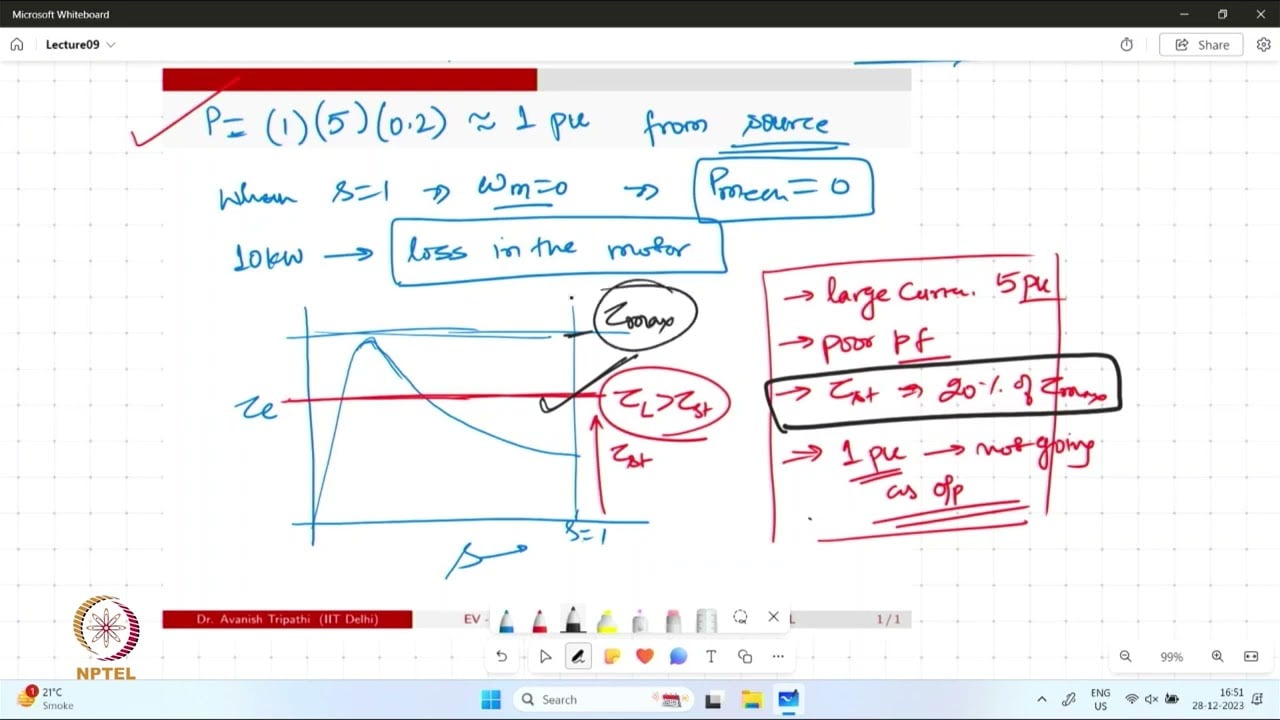
Watch the educational lecture on YouTube.
Specify what the final supplier response must include
Send the complete motor data, load curve, inertia, single-line diagram, generator model, source impedance information and connected-load schedule. State the maximum acceptable disturbance at the actual measurement points. Ask both suppliers to identify assumptions and unresolved data, including whether current-control behavior has been represented in the generator assessment.
Request the permitted start duration, attempts and recovery intervals for the chosen starter and motor, together with the generator's accepted load sequence. Keep the commissioning traces and final settings with the equipment file. When production loads or the generator change later, these records provide a clear basis for reviewing compatibility again.
Frequently asked questions
Does a soft starter always allow a smaller generator?
It can reduce starting demand in a suitable application, but torque, acceleration, source recovery and existing loads must still be verified. There is no universal reduction factor.
Can the current limit simply be reduced until trips stop?
No. A lower limit may remove the accelerating torque needed by the load. Diagnose the trip and verify motor speed, source behavior and thermal limits together.
Does a bypass contactor allow direct starting on generator supply?
Not automatically. A running bypass function does not establish that the source can support across-line starting or that the circuit is approved for it.
What records are most useful after a failed start?
Keep synchronized voltage, frequency, current, speed and control-state traces, the initial connected loads, trip indications and settings used for that attempt.