
 Zhejiang Hongyan Electric Co., Ltd.
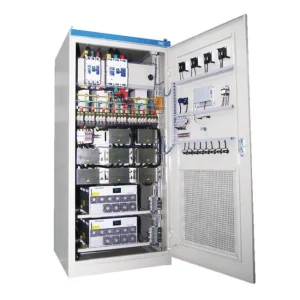
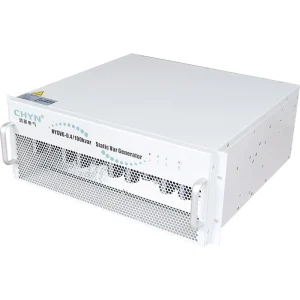
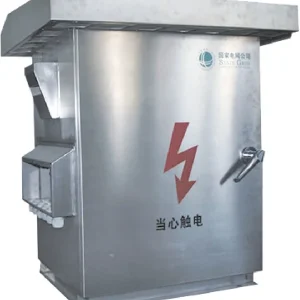
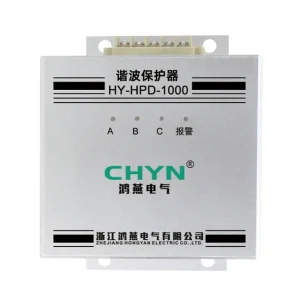
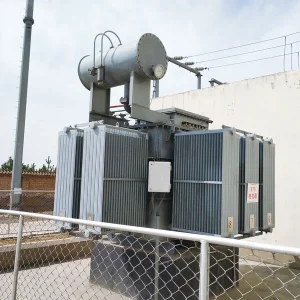
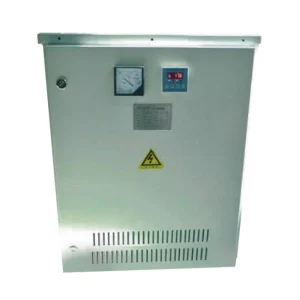
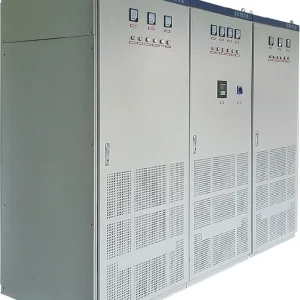
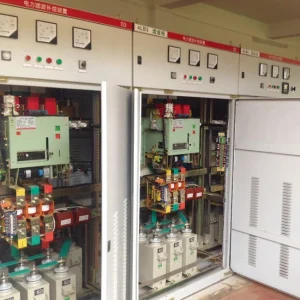
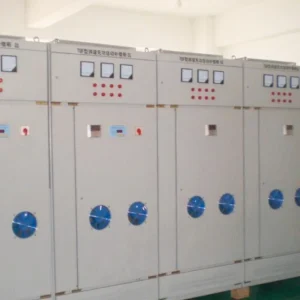
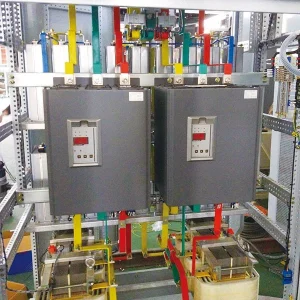
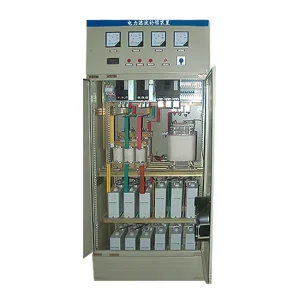
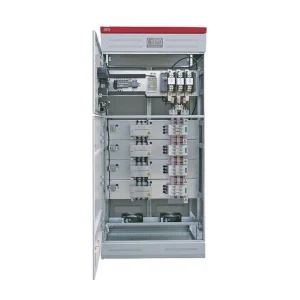
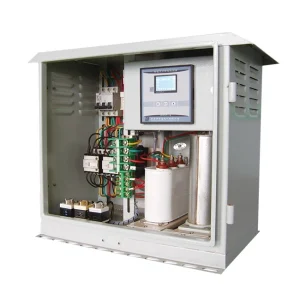
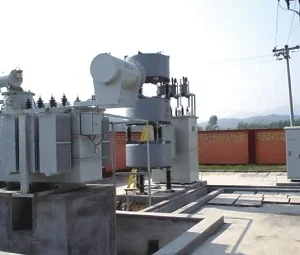
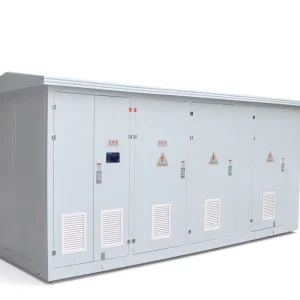
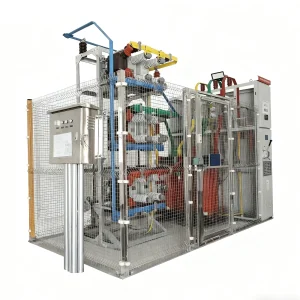
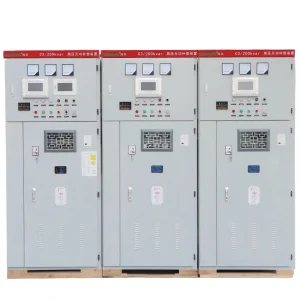
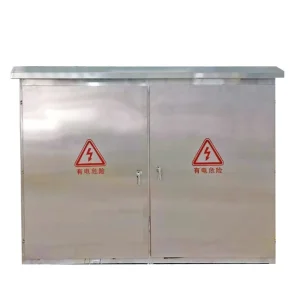
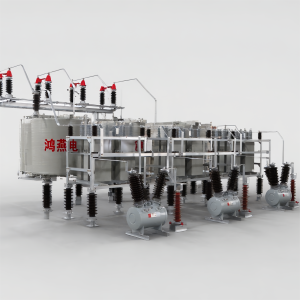
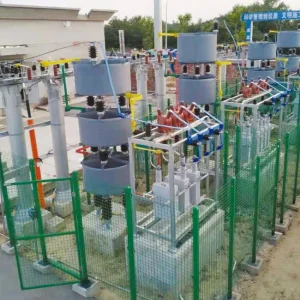
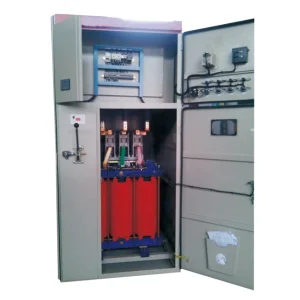
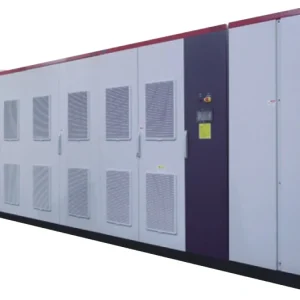
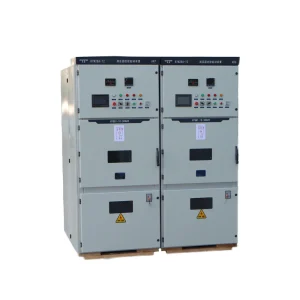
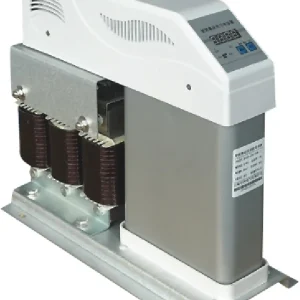
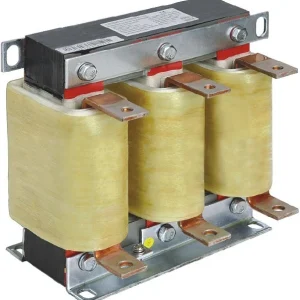
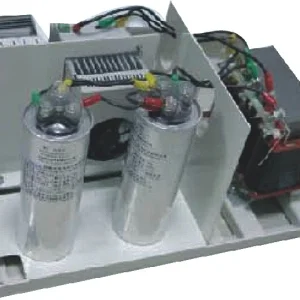
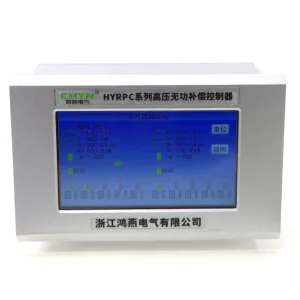
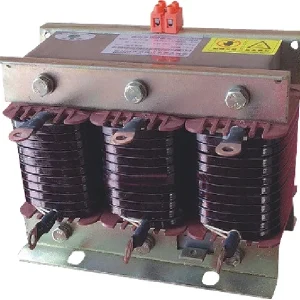
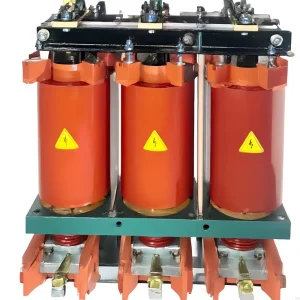
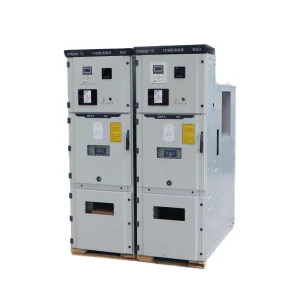
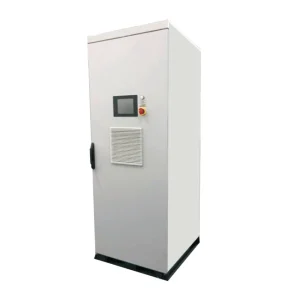
A dynamic voltage restorer facing repeated voltage sags must be specified for the complete event sequence, including the recovery intervals. A successful single-sag demonstration does not prove that the next sag can be corrected from a partially recovered condition. Record the retained voltage, duration, affected phases, protected load and time between events, then request a documented assessment of energy recovery, converter duty and readiness for each subsequent disturbance.
This guide addresses clustered events and recovery evidence. It does not assign a generic recharge time to CHYN equipment or assume that every DVR uses the same energy-storage arrangement.
Describe the sequence rather than an annual count
Two sites can experience the same number of annual sags and need very different equipment. Events separated by weeks allow a different recovery opportunity from several events within seconds. An annual count loses the spacing information that determines the starting condition for the second and third events.
Export timestamps and waveform records from the site's power-quality monitoring. Identify whether the recorder splits one disturbance into several events or groups several dips into one envelope. Preserve the original event files and explain the grouping rule. An apparent cluster may be a single changing disturbance; conversely, a summary chart can hide distinct recovery gaps.
For each sequence, record source voltage on every phase, load current and any phase displacement relevant to the process. Distinguish retained voltage from voltage reduction: “70% voltage remaining” is different from “70% reduction.” Add the required load-side voltage and duration rather than assuming the equipment must restore every quantity to its pre-event value.
Confirm where the compensation energy comes from
Series compensation adds the required voltage between the source and protected load. Depending on the design, compensation energy may come from storage, from the remaining supply, or from a combination of paths. Ask for the actual proposed arrangement before discussing battery capacity or recharge time.
A University of Bologna thesis on power-quality behavior describes series voltage restoration and the possible use of stored energy for short-duration support. This explains the general distinction; it does not establish the energy source, duration or recovery performance of a CHYN configuration.
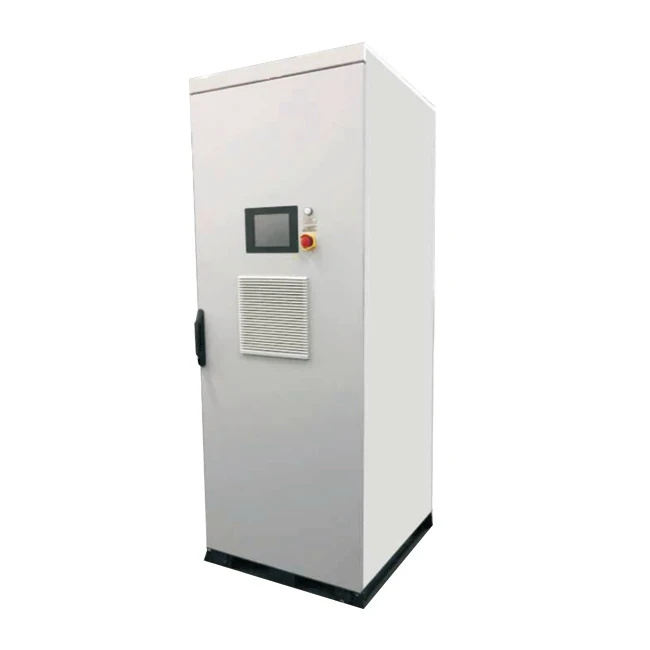
If the offered design draws energy from the remaining supply, obtain the source-current requirement during compensation and confirm that the residual voltage and network can support it. If storage is involved, ask for usable energy at the specified operating state and the limitations of its charger. Do not treat the cabinet's physical appearance as evidence of either arrangement.
The DVR energy-storage sizing guide covers individual-event energy requirements. Repeated duty adds the question of what remains available at the start of every later event.
Make an energy balance for each event
For an illustrative energy-backed arrangement, let Ebefore be usable stored energy immediately before an event. A simple bookkeeping model is Eafter = Ebefore − Eevent. During the following gap, add the net recovered energy, capped at the usable storage limit. Repeat this calculation through the sequence rather than resetting the energy to full before each sag.
Here, Eevent must represent withdrawal from the chosen storage boundary, including the losses assigned to that boundary. Recovery is net energy actually restored, after auxiliaries and conversion losses, rather than charger nameplate power multiplied by elapsed time without qualification. If net recovery varies with voltage, temperature or storage state, integrate the documented recovery profile.
For a simplified balanced example with unchanged phase angle and in-phase voltage injection, suppose the protected load consumes 100 kW while the source retains 70% of nominal voltage. Ideal injected active power is 30 kW. Over 0.20 seconds, ideal load-side injection energy is 6 kJ. At an assumed 90% storage-to-injection efficiency, storage withdrawal is approximately 6.67 kJ.
These are calculation inputs chosen to illustrate the balance, not measured product efficiency or performance. Phase jumps, changing load current, unequal phases and a different compensation method require a suitable per-phase power calculation. Converter voltage and current limits remain separate constraints even when the energy balance appears adequate.
Check what a short recovery gap actually restores
Continue the example with an assumed 20 kJ usable energy limit and 2 kW net recovery during each healthy interval. Start fully ready. The first event leaves approximately 13.33 kJ. A one-second gap restores 2 kJ, so the second starts with 15.33 kJ and leaves approximately 8.67 kJ. Another one-second gap brings the third starting condition to 10.67 kJ; the third event leaves approximately 4.00 kJ.
Under those assumptions, three equal events fit the energy bookkeeping model, but another event after only a one-second gap would start with 6.00 kJ, less than the assumed 6.67 kJ withdrawal. The calculation identifies a potential sequence limitation. It does not prove that even the first three events meet waveform, current, thermal or control requirements.
Replacing one event's 6.67 kJ at a constant 2 kW net recovery would take approximately 3.33 seconds in this simplified model. Real recovery may not be constant, and “ready” may include other conditions. The supplier must define which readiness indication corresponds to the required next-event capability.
| Sequence input | What to specify | What to verify |
|---|---|---|
| Initial condition | Usable energy state and operating temperature | The test starts from the agreed condition |
| Individual disturbance | Retained voltage, duration, phases and load | Source and load recordings match the test case |
| Recovery interval | Gap duration and supply voltage during the gap | Net recovery and readiness are documented |
| Event cluster | Order and number of events without resets | Later events meet the same stated load criteria |
| End of sequence | Required recovery and alarm behavior | Return to the defined available condition |
This planning table sets out evidence requirements, not default product ratings. The example values above should not be copied into an enquiry unless they describe the actual project.
Keep thermal and control readiness in the assessment
Energy is only one state variable. Ask how repeated compensation affects the converter, injection transformer and charger within their approved duty. A storage system may have sufficient remaining energy while another component reaches a limit. Conversely, a fully cooled converter may still be unable to support the next event because usable energy has not recovered.
Request the documented response when a second event begins during recovery. Does the controller provide reduced support, block compensation, issue an alarm or follow another approved mode? Define what the protected process experiences, rather than accepting an unexplained status word on a screen. Include any control reset or acknowledgement that changes availability.
PNNL's energy-storage duty-cycle report illustrates why applications should be described by an explicit sequence and starting conditions. Its microgrid assumptions and event schedule are not a DVR specification; use the principle of defined duty rather than importing its numerical test profile.
Request a sequence test that preserves the recovery history
Build the agreed event cluster into the acceptance procedure. Measure source voltage, protected-load voltage, load current and the available energy or DC variables supported by the equipment. Record compensation state, alarms and readiness indications on a synchronized timeline. Keep recordings through the gaps so the recovery history remains visible.
Do not reset the equipment, substitute a fully charged storage unit or extend the gap between events unless the procedure explicitly calls for that condition. If the test source cannot reproduce the required sequence, record the limitation and agree what additional evidence is necessary. Separate a simulation, a laboratory test and a site observation in the final report.
The DVR acceptance-test guide provides a broader documentation framework. Add the repeated-event cases rather than treating three isolated demonstrations as one continuous sequence. Perform testing under a qualified, approved method; deliberately disturbing a production supply is not an informal troubleshooting step.
Connect the enquiry to the actual protected process
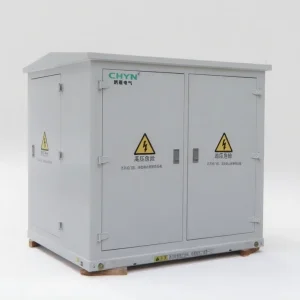
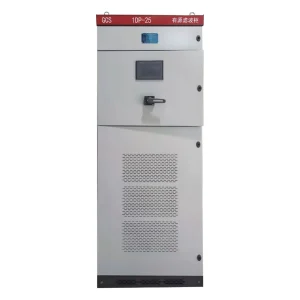
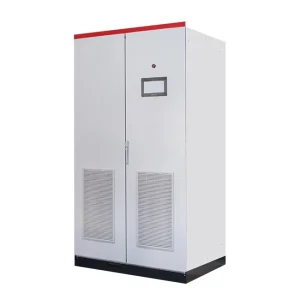
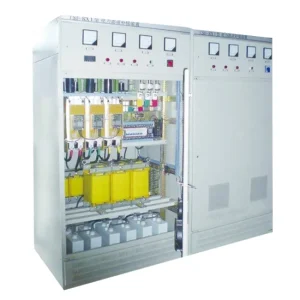
For the CHYN HYDVR voltage-sag mitigation family, submit the event files, single-line diagram, process tolerance and protected-load schedule. Ask for written confirmation of the proposed energy path, recovery conditions, repeated-event envelope and protective behavior. A single support-duration figure without its starting state is incomplete.
Include the load behavior during recovery. A process may restart several drives or charge internal DC links after a sag, changing the current seen by the DVR. Distinguish those load effects from the original supply disturbance. Where the process is also phase-sensitive, the phase-angle-jump assessment explains an additional condition that energy arithmetic alone cannot resolve.
Educational explanation
The following NPTEL IIT Guwahati lecture introduces distribution-system power-quality disturbances. It supports interpretation of event records, rather than providing a recharge rating or repeated-sag guarantee for the offered equipment.
Watch the educational lecture on YouTube.
Frequently asked questions
Does passing one sag test prove repeated-sag capability?
No. Later events can begin from different energy, thermal and control conditions. Verify the complete event sequence with the specified recovery gaps and initial state.
Can annual sag counts determine recovery requirements?
Not alone. Timestamps, spacing and event severity are needed to identify clusters and determine the starting condition before each subsequent disturbance.
Is recharge time identical for every DVR?
No. Energy paths and recovery controls differ. Obtain the conditions and readiness definition for the proposed configuration instead of applying a generic recharge time.
What belongs in a repeated-event quotation request?
Include phase-resolved event records, load duty, required load voltage, event spacing, initial condition, recovery supply conditions and the sequence-test evidence needed for acceptance.