
 Zhejiang Hongyan Electric Co., Ltd.
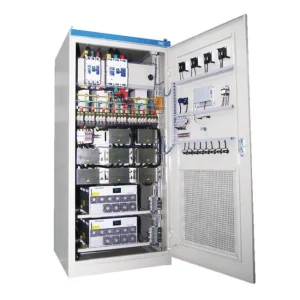
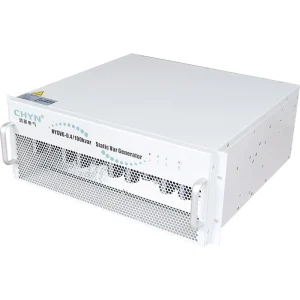
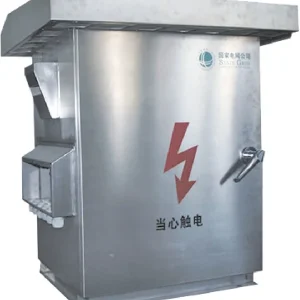
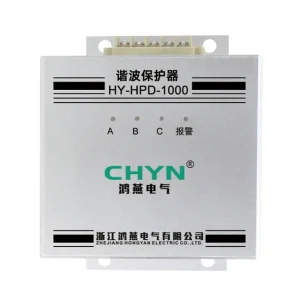
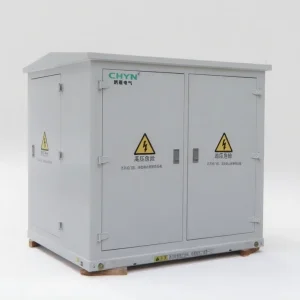
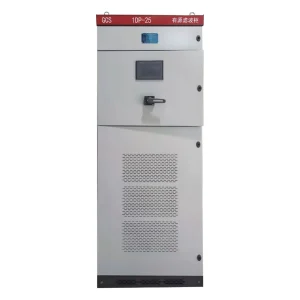
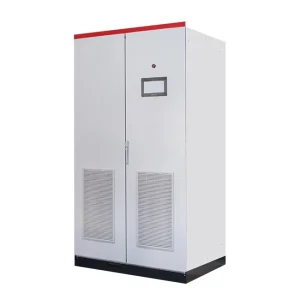
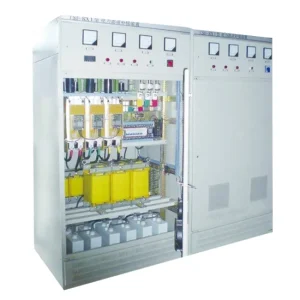
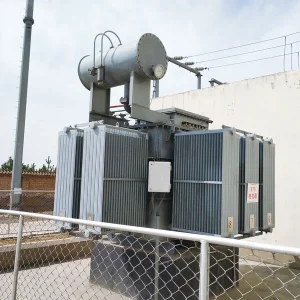
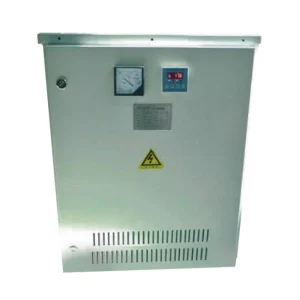
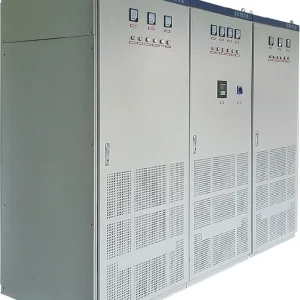
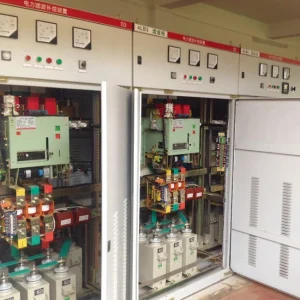
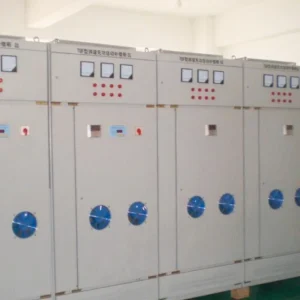
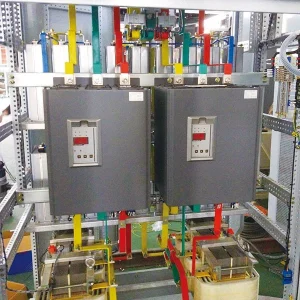
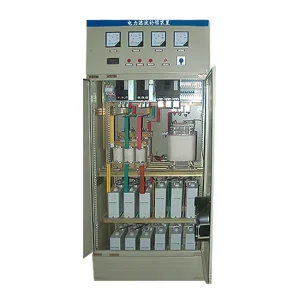
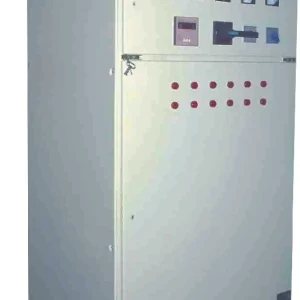
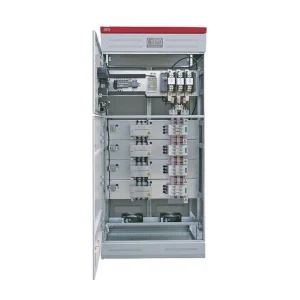
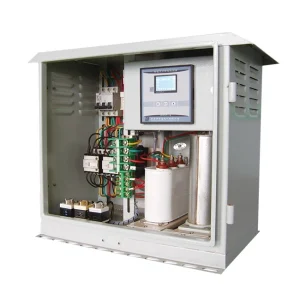
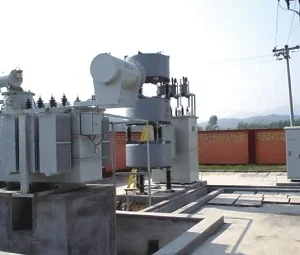
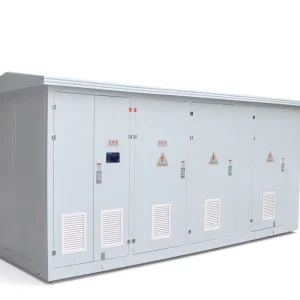
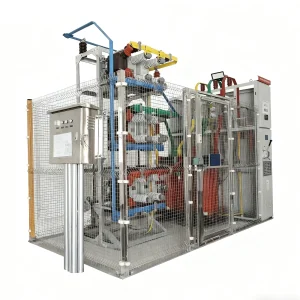
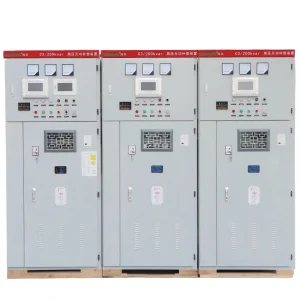
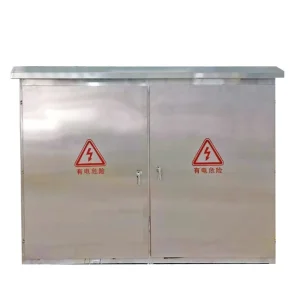
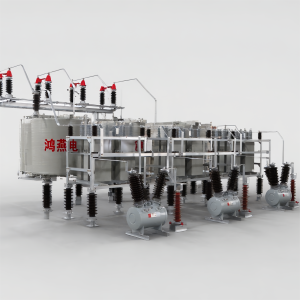
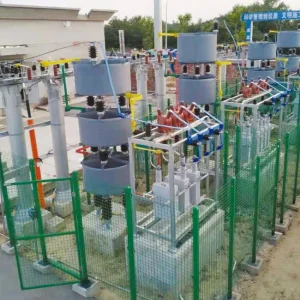
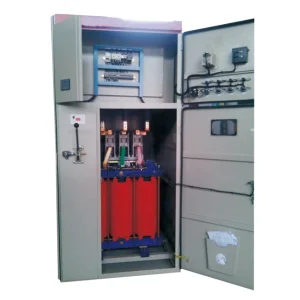
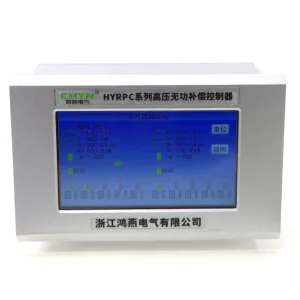
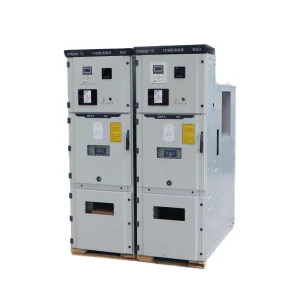
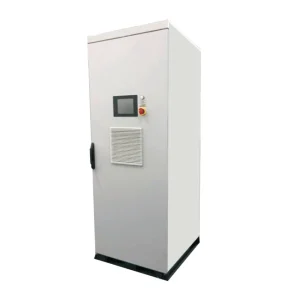
Active harmonic filter commissioning should demonstrate that the installed filter measures the intended circuit, injects compensation in the correct operating mode, and produces a repeatable result at an agreed measurement boundary. Save a baseline, record the load state, enable compensation under an approved procedure, and repeat the measurement without changing the comparison conditions. A green status indicator or a lower percentage on the cabinet display is useful operating information, but it cannot by itself establish site acceptance. The commissioning deliverable is a traceable record connecting wiring, settings, measured performance and the limits of the test.
Define what the project is accepting
Begin with a short acceptance statement agreed by the owner, installer and supplier. Identify the circuit, the compensation functions to be enabled, the operating cases to be witnessed and the location where results will be judged. A filter installed on one process feeder cannot demonstrate the performance of every feeder elsewhere in the plant. Mark excluded loads directly on the single-line diagram so that later reviewers understand the boundary.
The official IEEE 519 publication scope places its harmonic control goals at the point of common coupling and addresses steady-state conditions. A cabinet terminal measurement should therefore not automatically be described as whole-site IEEE compliance. Use the applicable project agreement and authorized standard text when defining numerical limits, statistical evaluation and observation periods. This article does not substitute a universal pass percentage for that assessment.
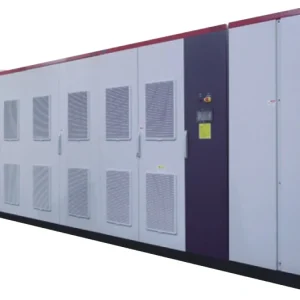
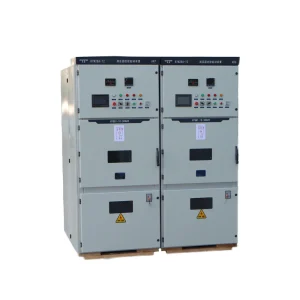
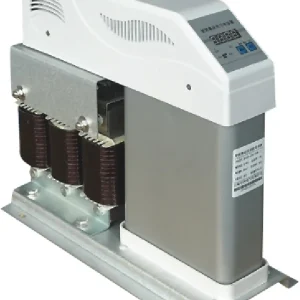
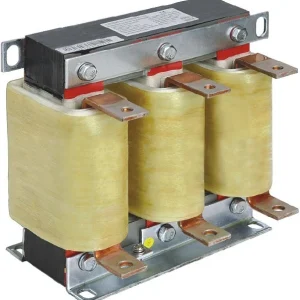
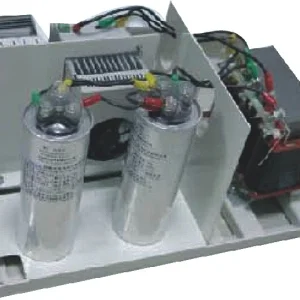
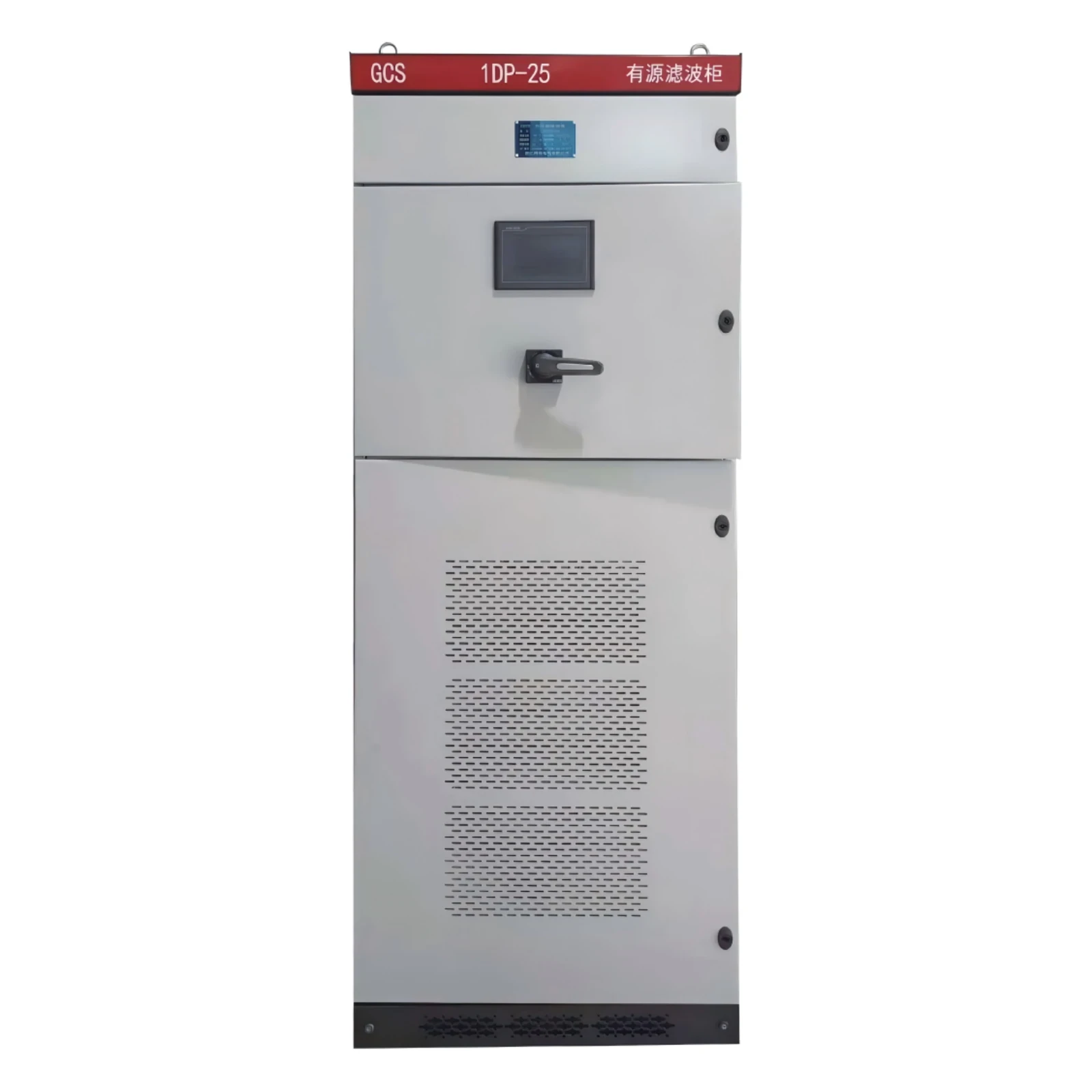
For a CHYN installation, the HYAPF active power filter product page identifies the relevant equipment family. Confirm the ordered configuration, actual nameplate and approved drawings before selecting commissioning settings. Do not infer available current, functions or communications from the exterior photograph.
Freeze the measurement arrangement before testing
Prepare a measurement sheet containing instrument identification, calibration status, voltage connection method, current sensor type, ratios, channel labels, polarity conventions and the physical location of each sensor. Photograph or draw the installed arrangement where permitted. Keep the instrument configuration with the data export; a graph with no saved channel definition is difficult to reproduce.
The IEC 61000-4-30 publication description covers methods for measuring and interpreting power quality parameters, including harmonic voltages and currents. It describes measurement classes and repeatability rather than providing a filter's site guarantee. Specify the required measurement method in the contract and verify that the complete instrument and sensor arrangement is suitable for the intended assessment.
Agree how fundamental current, harmonic amperes, THDi, THDv and any demand-based metric will be reported. The overview of how active harmonic filters work explains the compensation context. Distinguish THDi from demand-based metrics when load varies. Keep the denominator, aggregation settings and selected harmonic orders visible in the report. A smaller percentage accompanied by a different denominator may answer a different question.
Complete installation checks before compensation
Only qualified personnel should perform electrical inspection and testing under the site's isolation and access procedures. Review protective devices, supply connections, protective earthing, ventilation, clearances and current sensing against the approved installation documents. Record deviations and resolve items that affect safe operation before energization. This is an engineering checklist, not permission to open an energized compartment.
Confirm that the filter's sensing location corresponds to its selected control arrangement. Check phase association, sensor orientation and configured ratio using the supplier's approved method. Label each verified item in the commissioning sheet rather than copying settings from a neighboring installation. A plausible display value can still originate from the wrong circuit or an incorrectly assigned phase.
Preserve the original parameter file before making changes. Then create a controlled commissioning version with a date, equipment identity and responsible reviewer. If a setting is changed during testing, record both the old and new values and identify the dataset collected under each version. This prevents a successful result from becoming detached from the configuration that produced it.
Use an operating-case matrix
Choose representative operating states with the production team. A low-load period may reveal measurement or control behavior that a high-load run hides, while coincident operation of several nonlinear loads may expose a capacity constraint. The following matrix is a proposed record structure, not a numerical acceptance standard. Adapt the rows to the plant and the agreed test scope.
| Operating case | Record before enabling | Record after enabling | Decision supported |
|---|---|---|---|
| Stable representative production | Load identity, current spectrum, voltage spectrum and settings version | Same quantities at the same boundary and matched production state | Whether the selected compensation improves the agreed measurement |
| Reduced production | Fundamental amperes and instrument range | Residual harmonic amperes and percentage metrics | Whether a percentage change reflects low current rather than excessive harmonic amperes |
| Coincident nonlinear loads | Running equipment and demand pattern | Filter output current, priority mode, alarms and residual spectrum | Whether the installed unit reaches a documented operating constraint |
| Approved load transition | Initial state and event marker | Trend, alarm sequence and return to a stable state | Whether operation remains acceptable during the observed transition |
If the plant cannot reproduce a case, label it untested. A test at partial production can still provide valuable evidence, but its report must describe that condition. Schedule a later witness point where the omitted case matters to contractual acceptance. Do not fill the missing row with a simulated result unless simulation was explicitly agreed and clearly identified.
Collect the baseline and compensated datasets
Under the approved switching procedure, obtain the baseline with compensation disabled and the relevant load state documented. Avoid moving sensors, changing ranges or changing aggregation settings between the paired observations. Record any unavoidable change so that the comparison can be qualified. Save raw exports as well as the concise graphs used in the report.
Enable the planned functions in the supplier-approved sequence and observe the equipment status. Do not repeatedly toggle compensation simply to produce a dramatic screenshot. Allow the operating state to settle as required by the test procedure and capture the paired dataset. Record the time, settings version, load state and any alarm alongside the result.
Review individual harmonic orders and absolute currents in addition to aggregate percentages. For example, a report can state that the measured fifth-harmonic current decreased at the defined boundary under the witnessed operating case. It should not extend that observation to all load combinations or all future supply conditions. Describe the measurement and its scope in the same sentence.
Investigate a weak result without hiding it
First check whether the before-and-after cases are comparable. Production changes, capacitor switching and a different source configuration can change the observed spectrum. Then verify channel association and parameter versions. Repeat a doubtful measurement under controlled conditions before deciding that equipment is undersized or defective.
If the filter approaches an output limit, document the selected priorities and residual spectrum. The separate guide to active filter current limiting examines that operating constraint. Commissioning should record whether such a limit occurred during the witnessed case and whether it conflicts with the agreed acceptance requirement.
Keep voltage performance distinct from current compensation. The companion article on background voltage distortion addresses why these results need separate interpretation. An improved feeder current waveform does not prove that an upstream voltage problem has disappeared. Escalate unexplained results with the raw measurements rather than adjusting the report to make them appear acceptable.
Prepare a handover package that can be used later
Include the final drawing, verified sensor arrangement, final parameter file, instrument configuration, paired raw datasets, test matrix and unresolved observations. Give every file a stable equipment identifier and test date. A future maintenance technician should be able to identify the relevant test without relying on the commissioning engineer's personal memory.
Write the acceptance decision against each agreed requirement. Separate passed cases, failed cases and cases not witnessed. State who approved any qualification and what action will close it. Where a result fails, preserve the safe operating state and document the required correction, responsible party and repeat-test condition rather than silently changing the target.
For additional conceptual background, the IIT Roorkee lecture below discusses harmonic effects and mitigation. It supports understanding of the problem addressed by filtering; it is not a wiring guide or evidence that a particular CHYN installation has passed commissioning.

Watch the educational lecture on YouTube.
Frequently asked questions
Can the filter display replace an independent commissioning record?
The display supports operating checks, but acceptance needs a defined boundary, verified sensing and retained measurements under documented conditions. An independent or suitably controlled measurement arrangement helps establish that the reported improvement belongs to the intended circuit.
Must commissioning wait until maximum production?
Installation and initial functional checks can proceed under suitable approved conditions. If maximum or coincident production is part of acceptance, record it as a separate witness case. Do not claim that an unwitnessed load state passed.
What should be saved when a setting changes during the test?
Save the previous and revised parameter files, the reason for the change, the responsible reviewer and the datasets associated with each version. Repeat affected comparisons so the final result is traceable to the final configuration.
Does a single favorable THDi reading prove site compliance?
No. The result depends on the measurement location, operating condition, denominator, time treatment and applicable acceptance criteria. Use the agreed assessment method and preserve supporting data before describing the installation as compliant.