
 Zhejiang Hongyan Electric Co., Ltd.
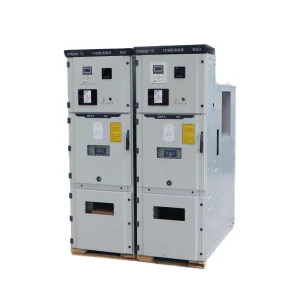
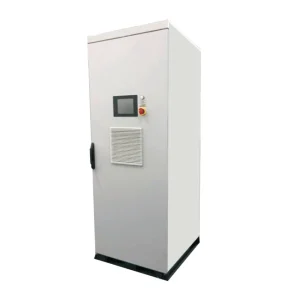
Active harmonic filter cooling maintenance should verify the whole heat-removal path: available intake air, unobstructed outlets, the correct fan operating state, clean heat-transfer surfaces and reliable temperature feedback. A spinning fan alone does not prove adequate cooling. Compare thermal alarms and operating current under similar room conditions, and investigate changes before repeatedly resetting the equipment. Intrusive cleaning or fan replacement belongs in a planned outage with the exact model's isolation procedure. The practical objective is to restore documented thermal performance without changing protection settings or introducing contamination into the power electronics.
This guide is for engineering and maintenance planning around an installed air-cooled AHF. It does not prescribe a CHYN fan life, cleaning interval, airflow rating or temperature limit. Establish those values from the approved manual and project drawings. For the product context, review the CHYN HYAPF active power filter, then request the maintenance information for the supplied configuration.
Start with the cooling arrangement actually installed
Identify whether the cabinet contains separate modules, a common ventilation system, replaceable intake filters or dedicated fan assemblies. Record the direction of airflow shown in the documentation. Do not assume that every visible grille is an inlet or that every module shares the same temperature sensor. A cabinet can contain several cooling paths whose performance changes independently.
Check the surrounding installation against the approved clearance requirements. Nearby cable trays, stored cartons, added partitions or another cabinet's discharge can change the available air even when the AHF itself has not changed. Record the air temperature at the documented intake location rather than relying only on a room thermostat mounted elsewhere.
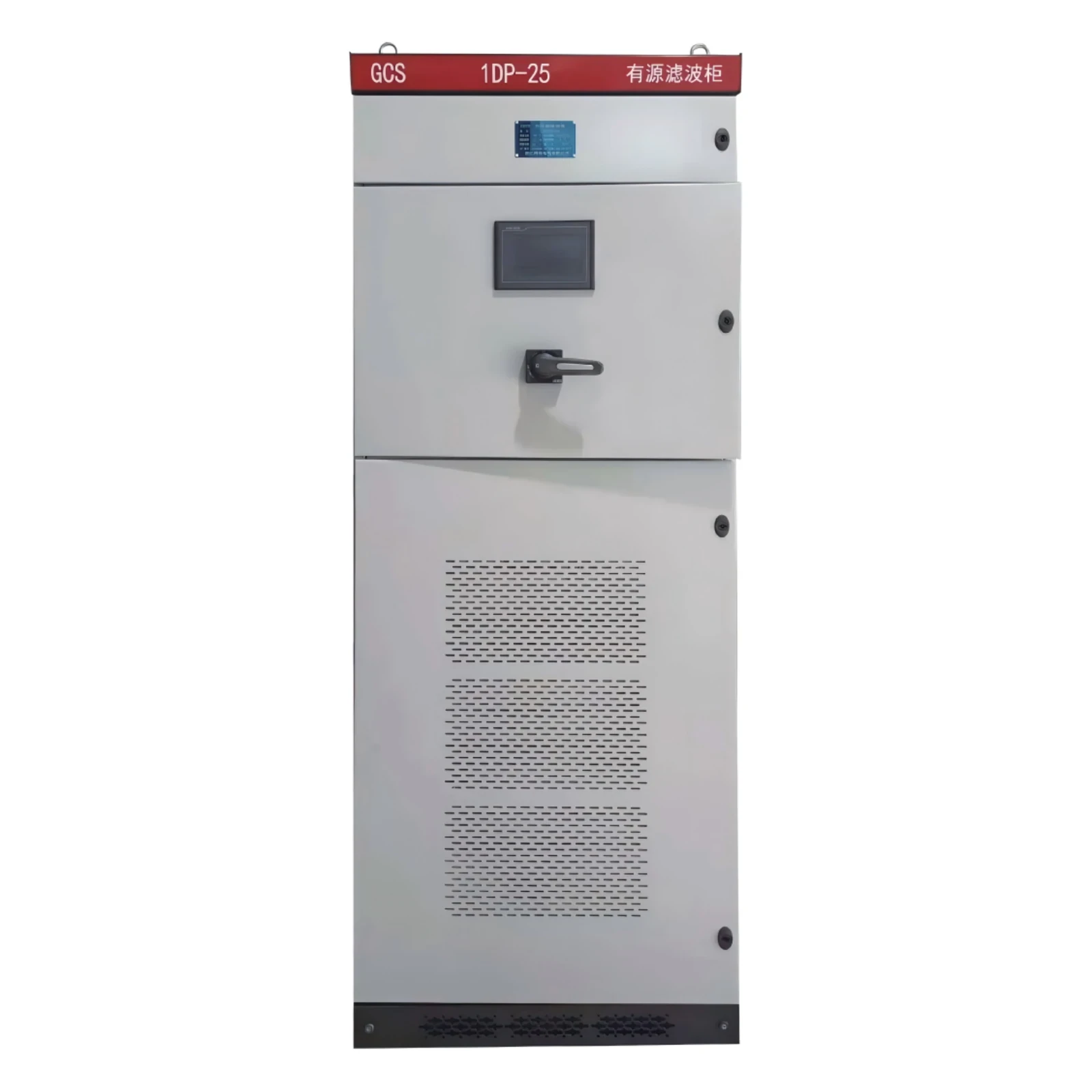
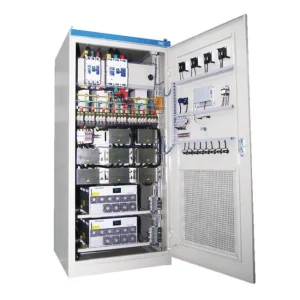
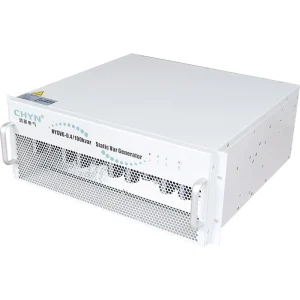
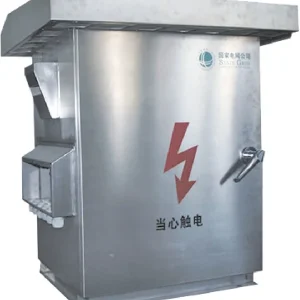
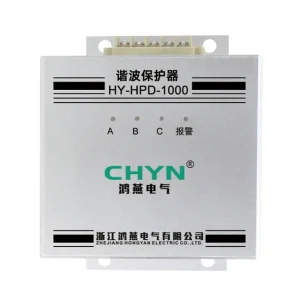
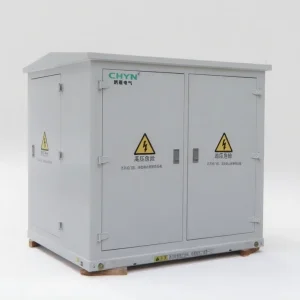
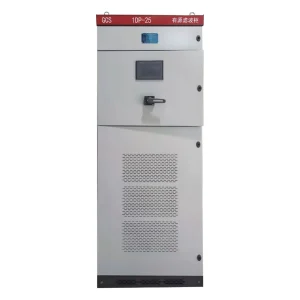
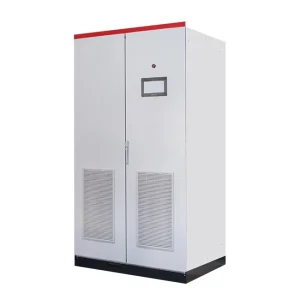
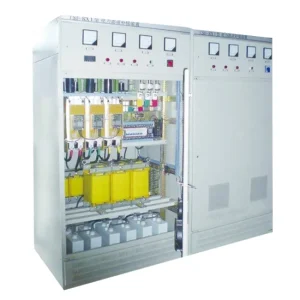
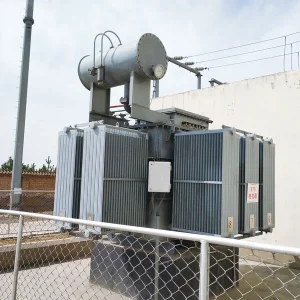
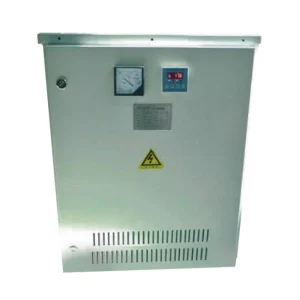
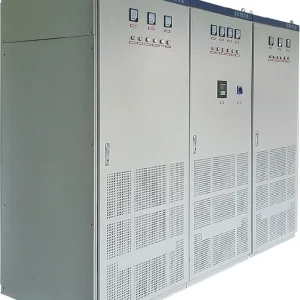
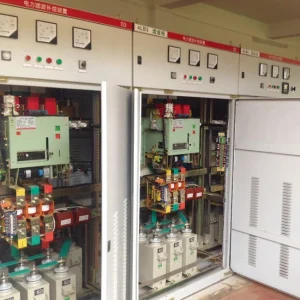
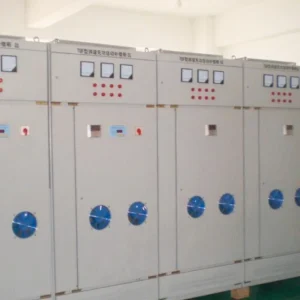
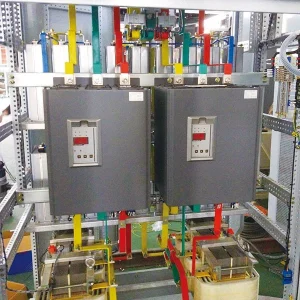
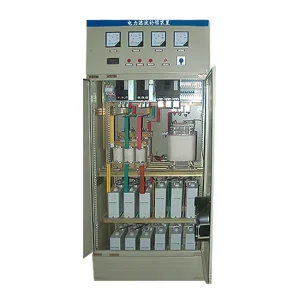
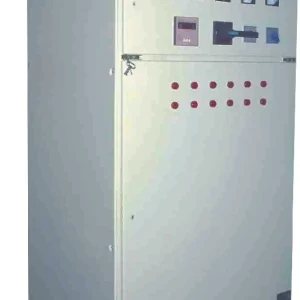
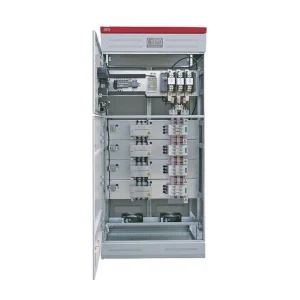
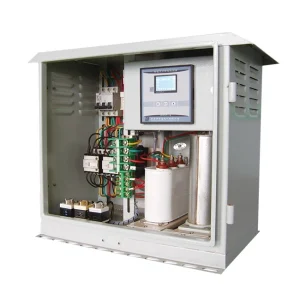
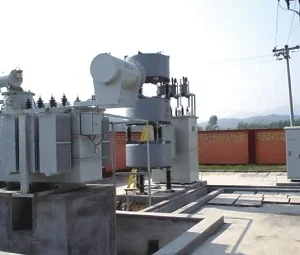
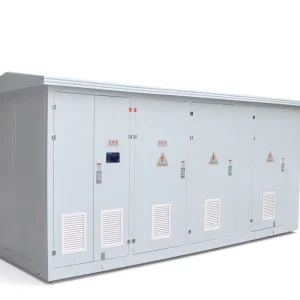
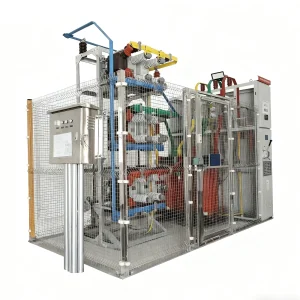
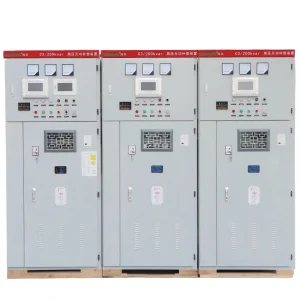
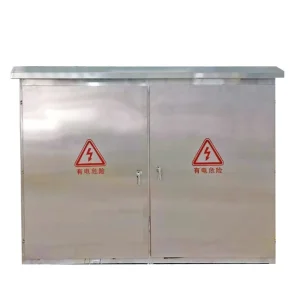
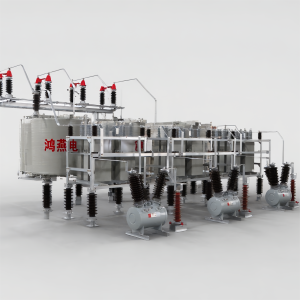
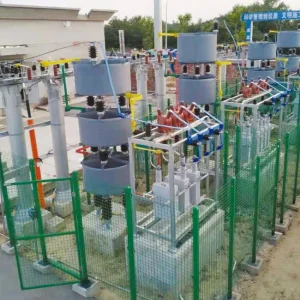
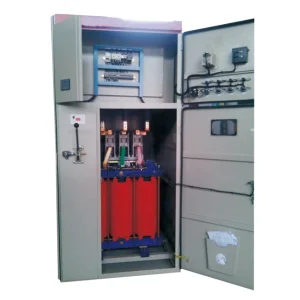
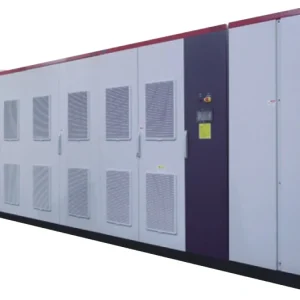
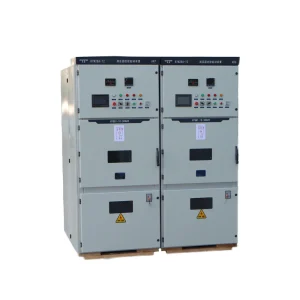
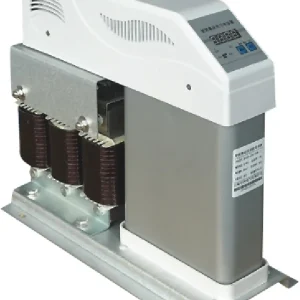
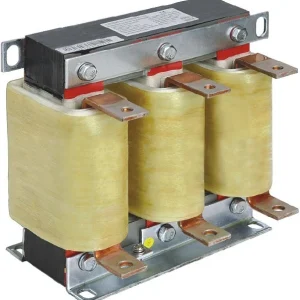
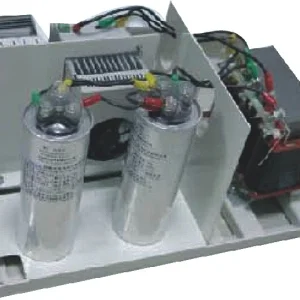
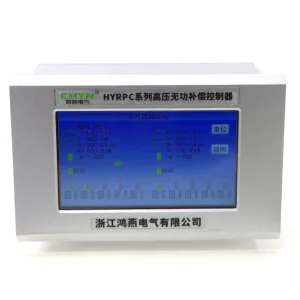
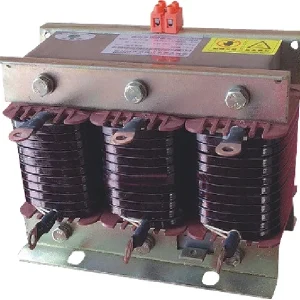
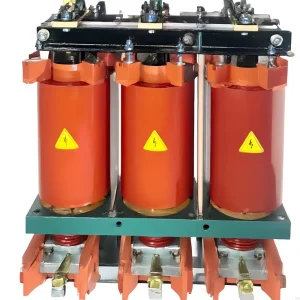
The original photograph identifies the equipment family. It cannot establish the internal fan arrangement or whether the supplied unit has a washable filter. Use the serial number, assembly revision and service documentation when ordering parts or approving cleaning methods.
Build a baseline before opening the cabinet
Collect the current alarm history, displayed temperatures, commanded compensation current and operating mode through the normal operator interface. Record the time and plant production state. An alarm occurring during a hot afternoon at sustained output should not be compared directly with a reading taken during a cool, lightly loaded shift.
Save the original records before clearing an alarm. Useful information includes which module reported the event, whether a fan warning appeared first and whether output was reduced before the trip. A photograph of the operator screen can supplement an exported log, but it should not replace timestamps or the relevant configuration revision.
For a reliable electrical comparison, use the same monitoring boundary and comparable loads described in AHF commissioning records. A lower filter current after maintenance may simply reflect a different production load. Confirm what the filter was asked to compensate before interpreting the temperature trend.
Separate observations from the action they justify
| Observation | Question to resolve | Appropriate next action |
|---|---|---|
| Dust on an external grille | Is the intake or discharge area obstructed? | Inspect the documented air path and plan approved cleaning. |
| Fan stationary at low load | Does the controller intentionally stop or slow the fan? | Check the operating mode and fan command before replacing parts. |
| Temperature rising at similar output | Have intake conditions, air restriction or cooling performance changed? | Compare matched operating records and investigate the affected cooling path. |
| Repeated thermal alarm in one module | Is the issue local to that module or its sensor? | Retain logs and request model-specific diagnosis. |
| Unusual vibration or fan noise | Is there a mechanical defect or loose component? | Arrange an isolated inspection; avoid touching a moving assembly. |
| Thermal trip returns after reset | Was the underlying cause actually removed? | Stop repeated resets and follow the approved fault response. |
This is a qualitative planning table, not a set of alarm thresholds. Heat transfer, forced cooling, fans and ventilation are covered as course topics in the IISc/NPTEL electronics enclosure thermal course syllabus. Apply the actual equipment limits when interpreting each observation.
Plan an outage around electrical and mechanical hazards
Opening a cabinet exposes hazards that are absent during external observation. The work plan must identify all supplies, stored-energy components and any circuits fed from elsewhere. Stopping compensation through the screen is not proof that the assembly is electrically isolated. Separate auxiliary circuits and upstream terminals may remain energized.
The U.S. 29 CFR 1910.333 work-practice provisions address deenergization, stored energy and verification. Their applicability depends on jurisdiction and work scope; use the site's approved procedure and qualified personnel. A generic waiting time cannot substitute for the manufacturer's discharge instructions and the required verification of safe conditions.
Include fan motion, sharp edges and electrostatic-sensitive electronics in the plan. Confirm which parts may be accessed by the maintenance team and which require the supplier's service personnel. If the manual is unavailable, resolve that documentation gap before dismantling an assembly merely to discover how it was built.
Clean without moving contamination into the electronics
The cleaning method must suit the actual filter medium, coatings and electronic assemblies. Do not assume that a removable intake element is washable. A replacement element should match the specified material and air resistance as well as its physical dimensions. A denser substitute can restrict cooling even though it appears to offer better dust protection.
Use only the documented cleaning tools and consumables. Uncontrolled compressed air can distribute dirt to other parts of the cabinet or move a fan in an unintended way. Solvent, water and abrasive brushing can damage materials. Obtain explicit service instructions for the affected assembly rather than choosing a method based on appearance alone.
Inspect the complete path while access is authorized. An apparently clean intake does not rule out a blocked internal passage or discharge opening. Keep removed screws and tools accounted for, and protect exposed assemblies from debris. Record any damaged cable, connector, mounting or gasket separately so that cleaning does not conceal an unresolved defect.
Verify fan controls and replacement compatibility
Some cooling systems regulate fan speed or stop fans under particular conditions. Establish the expected command for the present mode before diagnosing a stationary fan as failed. Conversely, audible rotation does not confirm the required direction, speed or effective airflow. Use the manufacturer's diagnostic method and avoid ad hoc energized access.
Replacement approval should cover supply characteristics, connector arrangement, control input, feedback signal, airflow direction and mechanical fit. A physically interchangeable fan may report an incompatible feedback signal or operate incorrectly with the controller. Keep the approved part reference and any service bulletin with the work order.
Do not defeat a temperature input or increase an alarm threshold to keep the AHF available. Protective action can be the correct response to an unresolved condition. If available compensation current has changed, review AHF current limiting alongside the thermal record before attributing all reduced output to cooling.
Return to service with a comparable operating record
Complete the restoration checklist before energization. Confirm that covers, filters, barriers and connectors have been returned to their approved positions and that tools are removed. An open door can change the intended airflow, so a satisfactory temperature observed during a service condition does not necessarily represent normal closed-cabinet operation.
During the approved restart, observe the commanded operating state, fan feedback and temperature indications. Compare the new trend with the earlier record only after accounting for intake temperature and compensation duty. Check for recurrent alarms over the agreed observation period. The acceptance criterion should be written before the work begins, with a named person responsible for release.
Then confirm that harmonic compensation still performs at the required measurement point. Cooling work can coincide with disconnected sensors or altered settings, even when those changes were unintended. The broader operating explanation in how an active harmonic filter works helps distinguish the compensation task from its supporting cooling system.
Choose inspection frequency from evidence
Use the manufacturer's maintenance schedule as the starting point and adjust the site's inspection plan through an approved process. Dust loading, seasonal temperatures and previous alarms can justify closer observation. Do not copy a service interval from a different brand or treat a supplier's nominal fan life as a guaranteed replacement date.
Close the work order with the parts used, cleaning method, settings checked, abnormal findings and restart evidence. Record the next review trigger, such as another thermal alarm or a change in the room ventilation. This gives the next technician a useful baseline instead of a short note saying that the fan was cleaned.
Educational video: thermal modelling
The NPTEL IIT Guwahati lecture below explains thermal modelling for power electronic converters. It provides background for separating device losses from the cooling path; it is not a maintenance procedure or a source of HYAPF temperature limits.
Watch the educational lecture on YouTube.
References
- IISc / NPTEL — Electronics Enclosures Thermal Issues, Course Syllabus
- GovInfo — 29 CFR 1910.333, Selection and Use of Work Practices
Frequently asked questions
Does a running fan prove that an AHF is cooling correctly?
No. A blocked intake, restricted outlet, recirculated warm air or local heat-transfer problem can remain while the fan runs. Compare the documented air path, operating command and temperature trend under similar conditions.
Can an AHF filter element always be washed?
No. Use the supplied element's service instructions. Replace non-washable media with the approved part, and do not substitute a denser material without confirmation of its effect on the cooling system.
Should a thermal alarm be cleared repeatedly to maintain production?
No. Preserve the alarm record and follow the approved fault response. Repeated resets do not establish that the cause has been removed or that continued operation is acceptable.
What evidence should accompany the completed maintenance work?
Keep the isolation and restoration records, approved parts, cleaning method, findings and comparable restart trends. Include the load condition, intake temperature and any remaining restriction or follow-up action.