
 Zhejiang Hongyan Electric Co., Ltd.

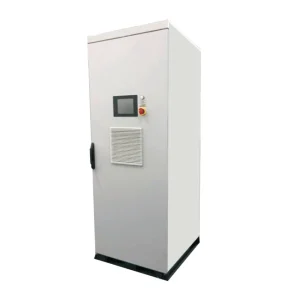
Filter reactor storage should preserve the unit's mechanical condition, identification and dry insulation until installation. Use the manufacturer's storage instructions, protect the reactor from water and contamination, record environmental changes and define a release inspection before energization. A sealed shipping package is not evidence that the winding remained dry for the entire storage period. If packaging is damaged, condensation is suspected or storage history is missing, place the unit on hold until the supplier approves the assessment and any recovery work. Do not improvise a drying temperature or test voltage.
This guide concerns dry-type filter reactors held before installation or kept as spares. It does not cover oil-filled shunt reactors or prescribe a universal preservation period. The CHYN filter reactor range provides the product context; confirm the exact winding construction, environmental restrictions and preservation requirements for the supplied unit.
Define responsibility from delivery to installation
Storage often falls between the purchasing, warehouse and commissioning teams. Assign a named custodian and an installation release owner before delivery. The warehouse needs clear instructions on the approved location, how to inspect without causing damage, what records to keep and which findings require escalation. A packing list alone cannot answer those questions.
Request the storage instructions alongside the approved drawing and factory documents. Confirm whether the shipped arrangement includes temporary restraints, protected terminals, a cabinet or separate accessories. Identify any requirement for periodic supplier review during an extended delay. An anticipated installation date helps determine which preservation measures need to be maintained and who will inspect them.
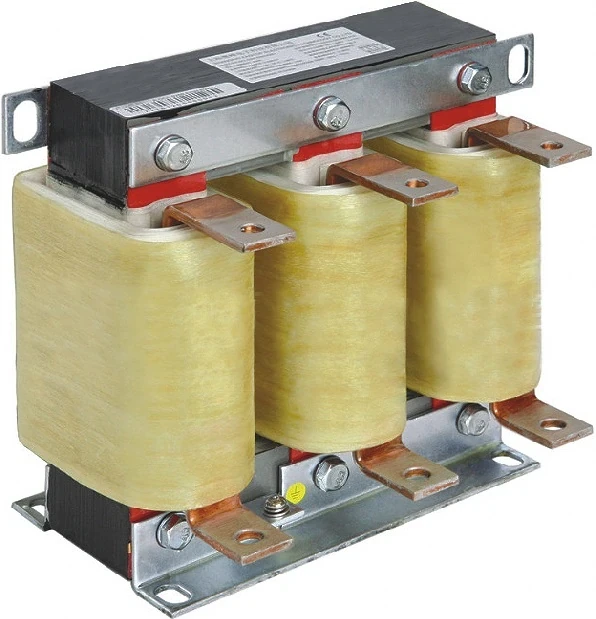
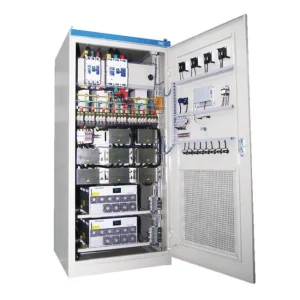
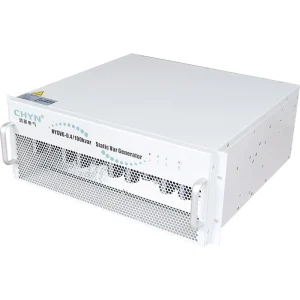
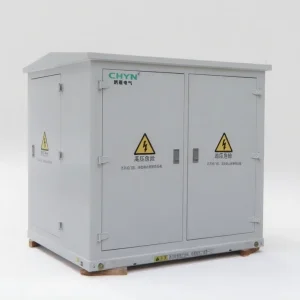
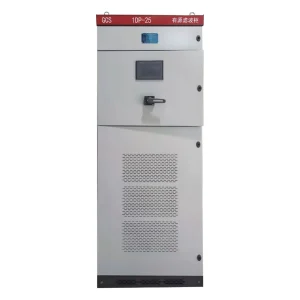
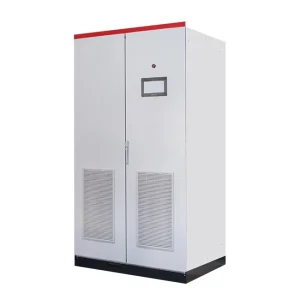
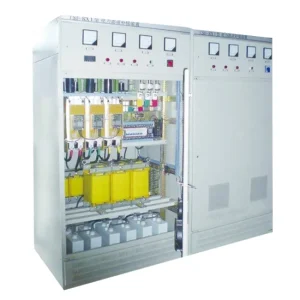
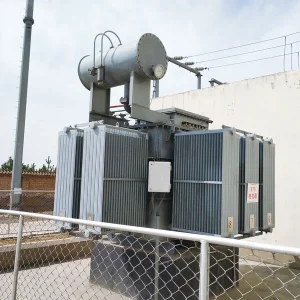
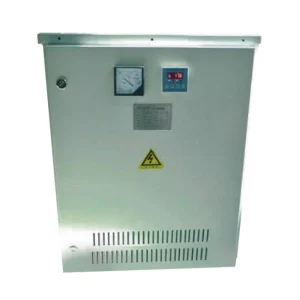
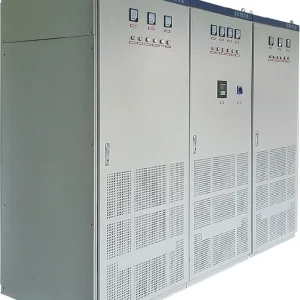
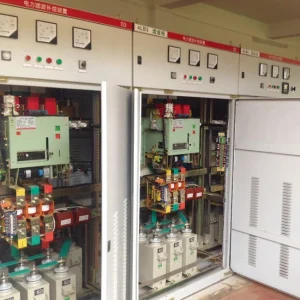
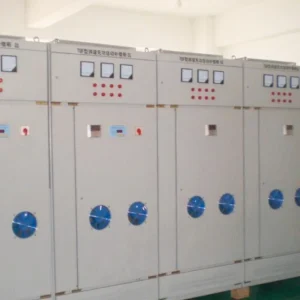
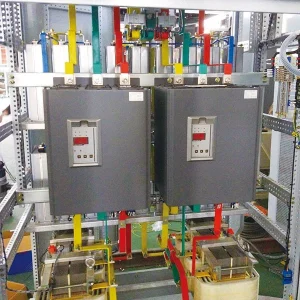
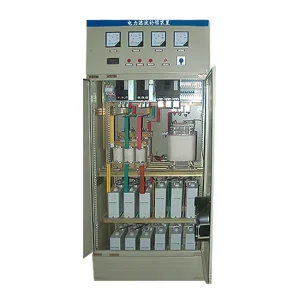
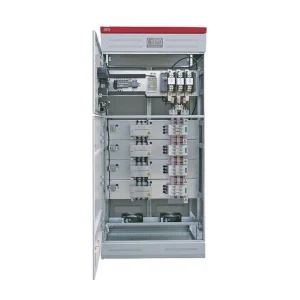
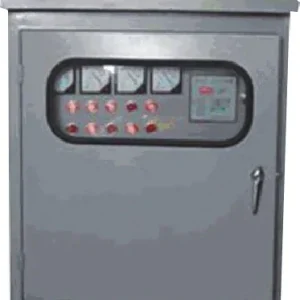
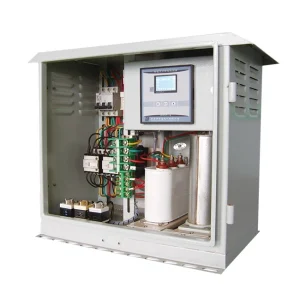
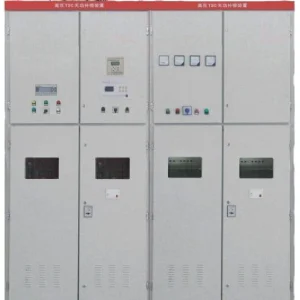
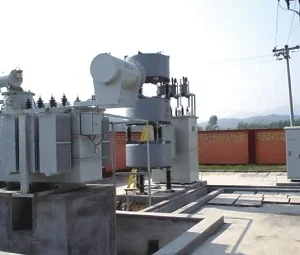
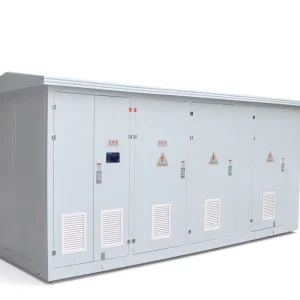
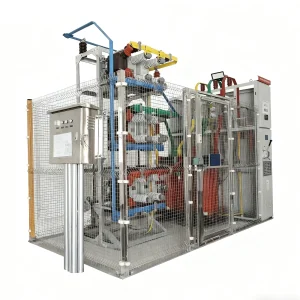
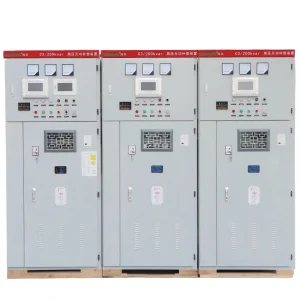
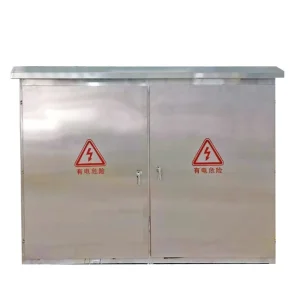
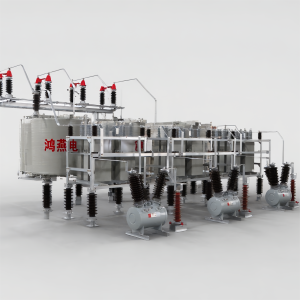
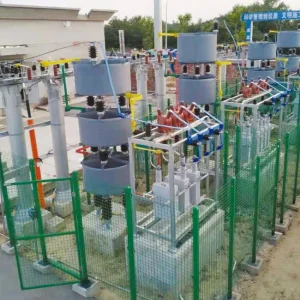
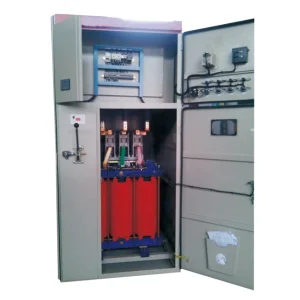
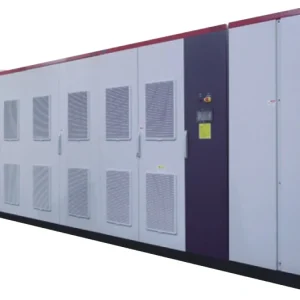
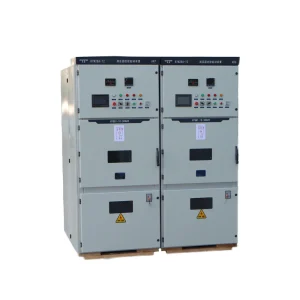
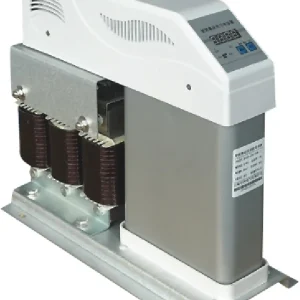
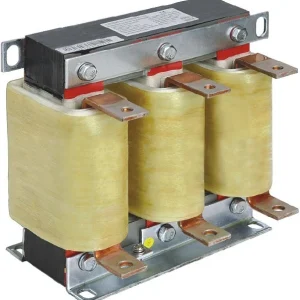
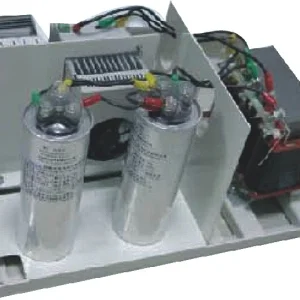
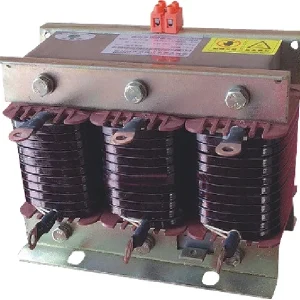
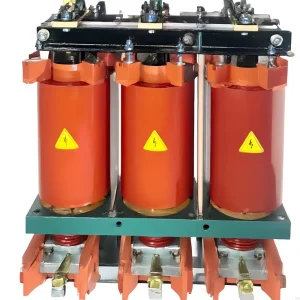
The original product photograph is useful for identifying the product family and visible geometry. It does not establish coating type, moisture resistance, lifting points or an approved storage orientation. Those details belong in the supplied documents.
Record the received condition before moving the reactor
Compare the equipment identification with the purchase order and shipping documents. Photograph the packaging, supports and accessible surfaces before unpacking or relocating the unit. Record crushed corners, punctures, water marks, corrosion or displaced restraints. If an impact indicator is supplied, record its condition according to the shipping instructions.
Inspect only to the extent permitted by the receiving procedure. Opening weather protection in an unsuitable outdoor area can create a new exposure while trying to document the original condition. Where inspection is deferred, record why it was deferred and how the unit will remain protected until inspection is possible.
Log the serial number, quantity, accessory packages, documents received and storage location. Preserve labels and traceability tags. A reactor intended for a specific capacitor step must not lose its identity among visually similar spares. The later matching checks in why reactors are used in capacitor banks depend on knowing which component was actually delivered.
Control moisture without trapping it inside the protection
A suitable indoor location should protect against roof leaks, washdown, standing water and contaminating work nearby. Check the route by which water could reach the stored equipment, including floor-level runoff. Keep the unit on its approved support and maintain access for inspection. Avoid locations where routine material handling can strike the winding or terminals.
Temperature changes matter as well as average humidity. Moving a cold unit into a warmer, moist space can create conditions for surface condensation. Obtain the manufacturer's acclimatization instructions and keep the release decision separate from the delivery deadline. A dry-looking exterior after several hours does not document the condition of every insulating surface.
The EPRI dry-type transformer and reactor maintenance guide includes storage and pre-energization inspection. It supports protecting equipment against dust and damp conditions, while the actual covering or heating arrangement must suit the supplied design. Transformer-specific recommendations in a combined guide are not automatic instructions for an unenclosed filter reactor.
Do not install an improvised heater or tightly wrap equipment that is already wet. Where the manufacturer specifies controlled heating, desiccants or particular packaging, follow the complete arrangement and inspection instructions. Record any consumable replacement or temporary power requirement so that preservation does not silently stop during a warehouse move.
Use a storage register that leads to clear actions
| Record | What to check | Action when uncertain |
|---|---|---|
| Equipment identity | Serial number, approved drawing and intended circuit | Hold allocation until traceability is restored. |
| Packaging and support | Water marks, damage, unstable support or lost restraints | Document the finding and obtain an approved handling response. |
| Storage environment | Leak risk, condensation evidence and nearby contaminants | Protect or relocate the unit under the preservation procedure. |
| Visible insulation and terminals | Cracks, dirt, corrosion or mechanical displacement | Refer the defect for assessment before testing or repair. |
| Preservation measures | Required coverings, desiccants or controlled heating | Restore the specified measure and assess the interruption. |
| Release status | Inspection, approved tests and unresolved findings | Prevent installation release until an authorized decision is recorded. |
The table is a proposed project record, not an EPRI inspection interval or acceptance standard. Set the review frequency from the manufacturer's requirements, site exposure and the consequences of losing a spare. Repeat the assessment after an environmental incident or relocation even if the next calendar inspection is not yet due.
Preserve mechanical and electrical identity during handling
Use the documented lifting and transport points, orientation and support requirements. A visible cross-member or winding opening should not be assumed suitable for a sling. Keep terminal covers and accessory identification in place. Where several units form an assembly, maintain their phase or position references if the supplied instructions require them.
Before a move, check the new location as carefully as the original one. A well-controlled indoor store offers little protection if the unit then spends a weekend beside an open loading door. Record the transfer, temporary location and custodian. Photographs before and after the move help distinguish existing marks from newly introduced damage.
Do not stack equipment unless the packaging or manufacturer explicitly permits it. Retain the specified clearances from heat sources and chemical storage. If the reactor is removed from packaging for inspection, restore the approved preservation arrangement afterward and record which seals or protective items were replaced.
Release from storage through inspection and approved testing
Review the entire storage history before planning tests. Missing records, a flooded warehouse, visible tracking or a damaged winding call for a supplier assessment rather than simply repeating a routine meter reading. Decide what information the test is intended to establish and what result would justify release.
An insulation measurement is affected by its conditions and method. Record the tested terminals, isolated accessories, instrument, applied voltage, duration and environmental conditions according to the approved procedure. The IIT Kanpur introduction to dielectric measurements explains that dielectric properties depend on factors including temperature and test conditions. A single number without that context is a weak basis for comparing stored equipment.
Use the model-specific limits and comparison method. The discussion of filter reactor insulation resistance testing explains the test boundary in more detail. Do not apply a generic high-voltage withstand test to settle uncertainty about storage; the supplier must approve the method and its suitability for the actual assembly.
If winding resistance is part of the approved release plan, keep it separate from insulation assessment. A satisfactory conductor resistance result does not prove dry insulation. It can provide useful mechanical or connection comparison evidence when measured consistently, but each test must answer its own defined question.
Handle suspected moisture as an engineering hold point
Quarantine the unit and document the exposure. Tell the supplier whether the event involved condensation, rain, contaminated water or flooding, and which surfaces were affected. Include the storage duration, available environmental record and photographs. Different exposure histories can require different recovery decisions even when the equipment appears similar afterward.
Do not infer a permissible oven temperature from the insulation class. That designation does not define an approved drying process for the complete assembly, coatings, supports or accessories. The recovery method may require controlled conditions and subsequent tests. Follow the manufacturer's written procedure and record the actual process if recovery is authorized.
After recovery, close both the technical assessment and the documentation. State which checks were completed, what limits were applied and who approved release. If replacement is required, retain the original identification and link the replacement record to the intended circuit. Storage damage should remain visible in the equipment history.
Prepare the final installation handover
The handover package should contain receipt photographs, storage inspections, relocation records, preservation interruptions and the final release decision. List temporary transport items that must be removed, as specified by the manufacturer. Make outstanding installation work visible rather than using a general warehouse release signature to imply commissioning is complete.
Confirm the electrical identity again against the approved assembly drawings. Storage release does not verify inductance, current duty or capacitor matching. If a different unit is proposed, complete the engineering review described in filter reactor replacement planning before treating it as an equivalent spare.
Educational video: a complementary winding measurement
The IIT/NPTEL Kelvin double bridge lecture below explains low-resistance measurement principles that may support an approved winding-resistance check at release. It does not assess moisture, establish insulation-test limits or provide a drying procedure; those decisions require separate evidence.

Watch the educational lecture on YouTube.
References
- EPRI — Dry-Type Transformer and Reactor Application and Maintenance Guide
- IIT Kanpur / NPTEL — Measurable Properties of Dielectrics
Frequently asked questions
Does intact packaging prove that a stored reactor is dry?
No. Review the packaging specification, environment and inspection history. Intact outer protection is useful evidence, but it does not by itself establish the condition of all insulating surfaces.
Can every filter reactor be stored outdoors?
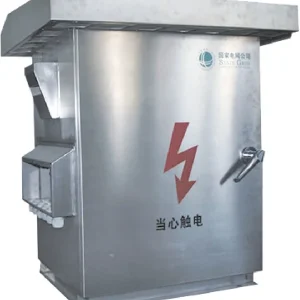
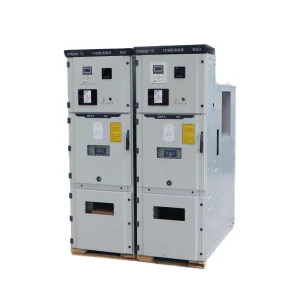
No. The approved storage environment depends on the design and preservation instructions. Do not infer outdoor storage suitability from a cabinet photograph or from another reactor's manual.
Can winding resistance confirm that insulation has not absorbed moisture?
No. Winding resistance concerns the conductor path. Moisture assessment and insulation release require their own approved inspection and testing method.
What should happen when the storage history is incomplete?
Keep the unit on hold and request an assessment based on its identity and possible exposure. Record the required inspection, tests or recovery work before an authorized person releases it.