
 Zhejiang Hongyan Electric Co., Ltd.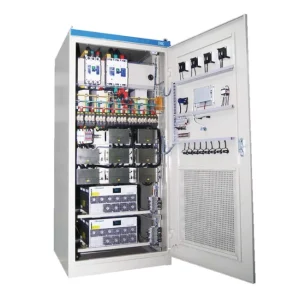
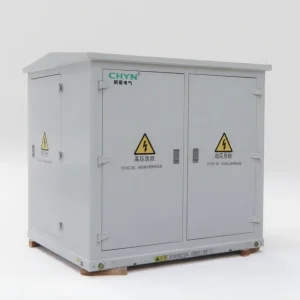
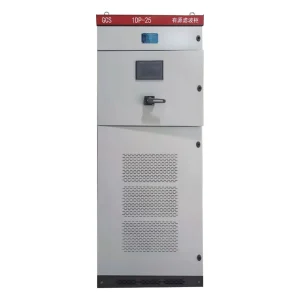
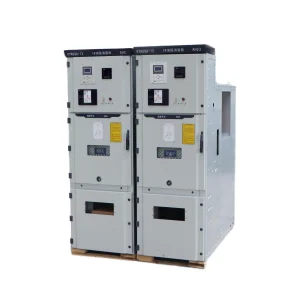
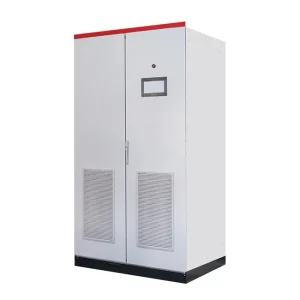
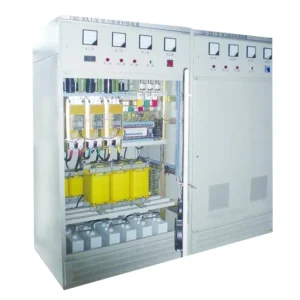
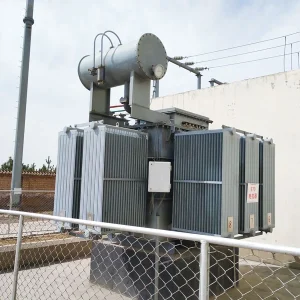
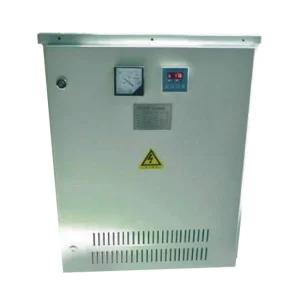
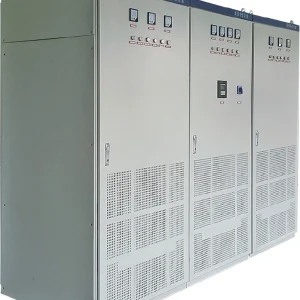
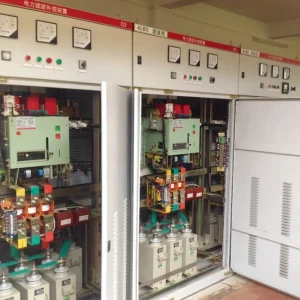
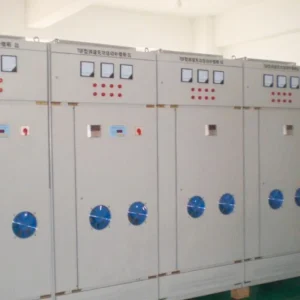
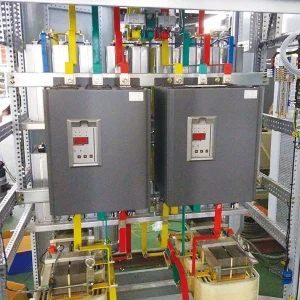
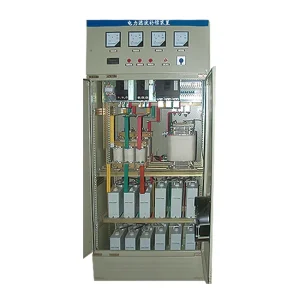
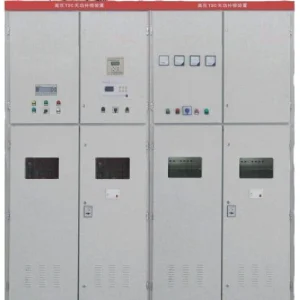
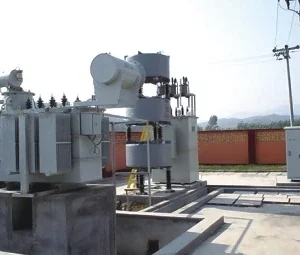
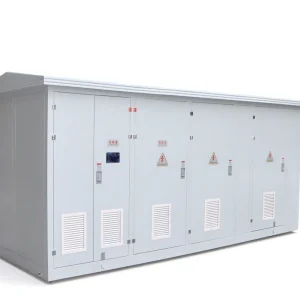
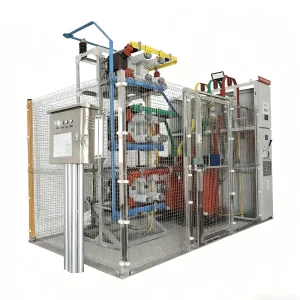
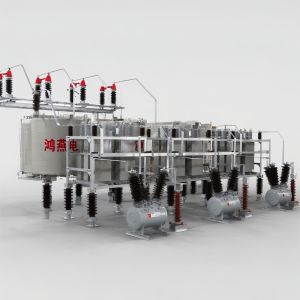
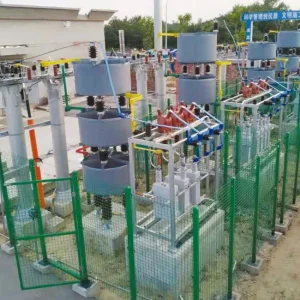
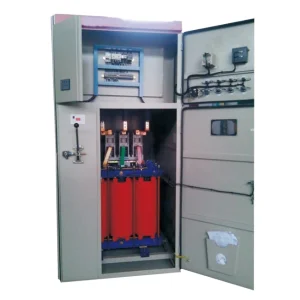
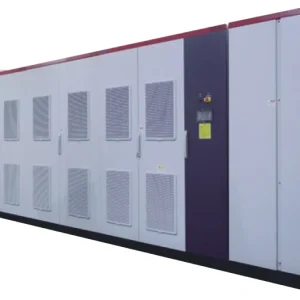
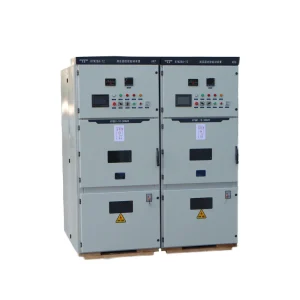
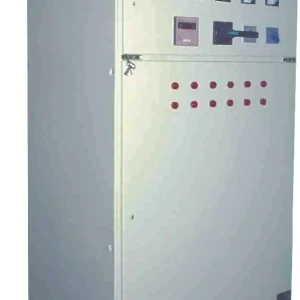
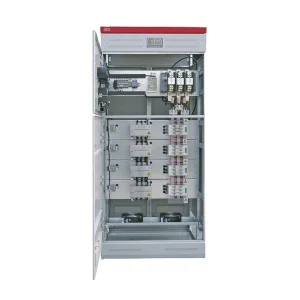
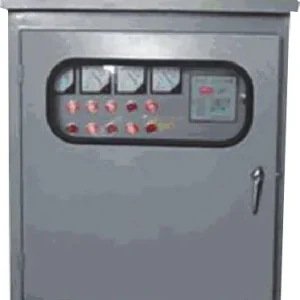
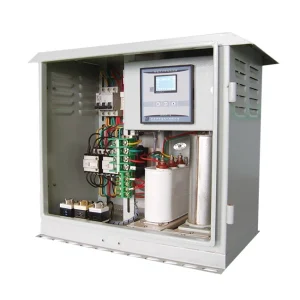
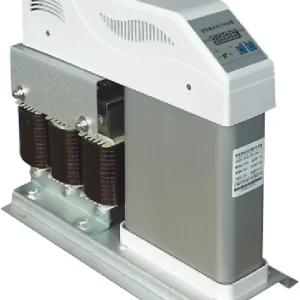
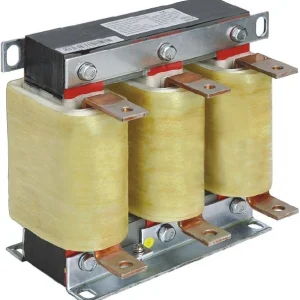
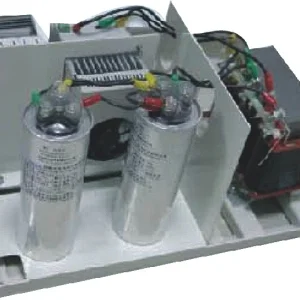
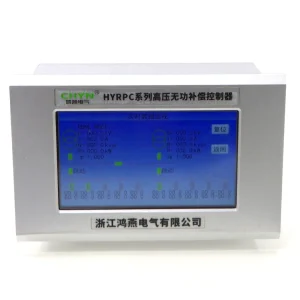
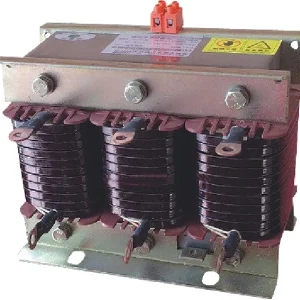
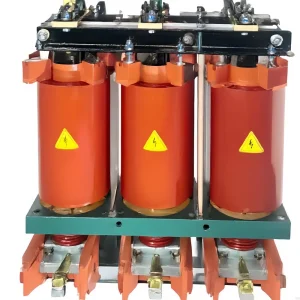
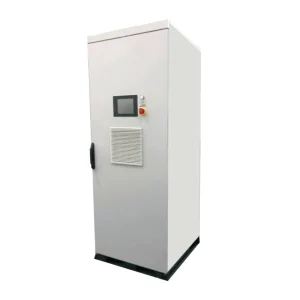
An ungrounded capacitor bank on a plant system is a wye bank whose neutral is not tied to ground. The star point stays off the ground bus, so zero-sequence current, triplen harmonic current, and fault-discharge current lose the route a grounded neutral would have given them. Neutral insulation still has to cover full line voltage, and the cabinet cell keeps isolated neutral beside non-effective grounding.
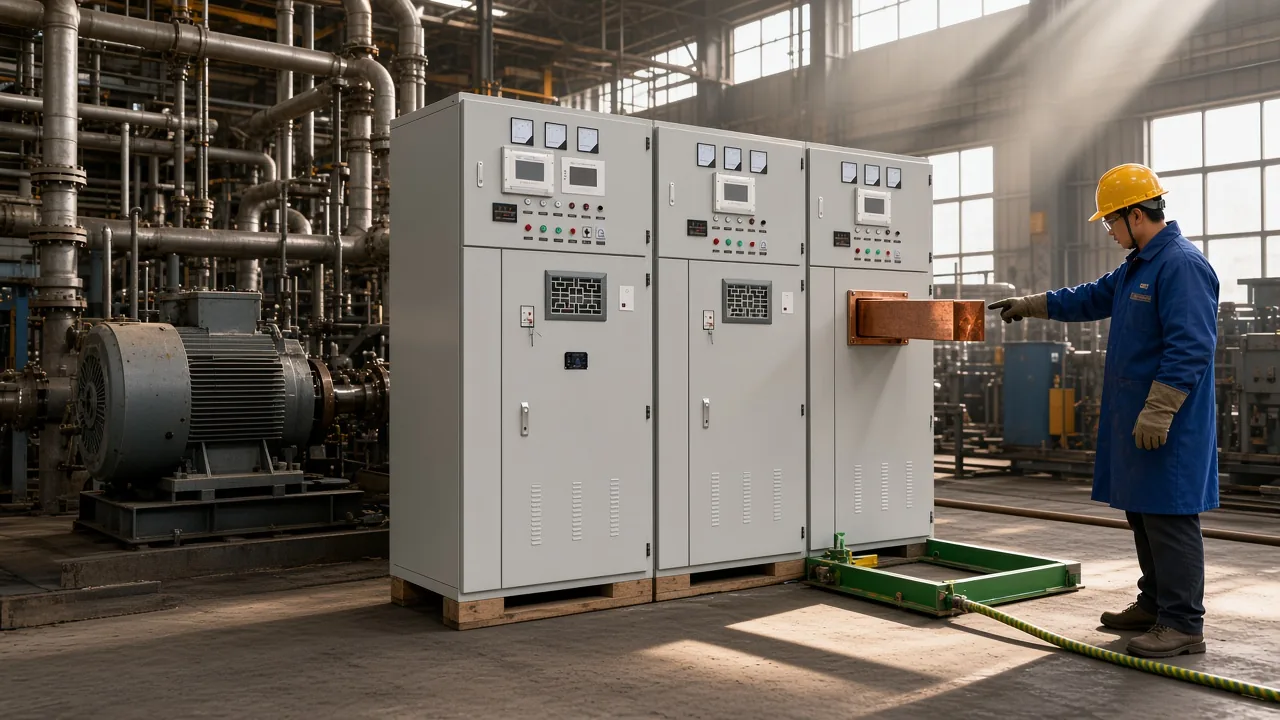
Leaving that star point open is a neutral decision, while the cabinet frame can remain bonded. A floating neutral can shift when one phase loses capacitance. Readers who need phase-to-phase connection steps already have a separate wiring article; the decision here is which point is left untied.
What an Ungrounded Capacitor Bank Means
It means a wye bank whose neutral is not tied to ground.
On a plant system the three phases still meet at a star point. That point is simply left off earth, which is what procurement language is asking when a specification says the bank is ungrounded. Handbook wording for the same arrangement is an unearthed wye bank.
People on the floor often say floating neutral when they mean the star point is free to move. The metal enclosure is a different conductor. A cabinet can sit on a bonded frame while the capacitor star point remains open, and calling the body "grounded" does not rename the star point.
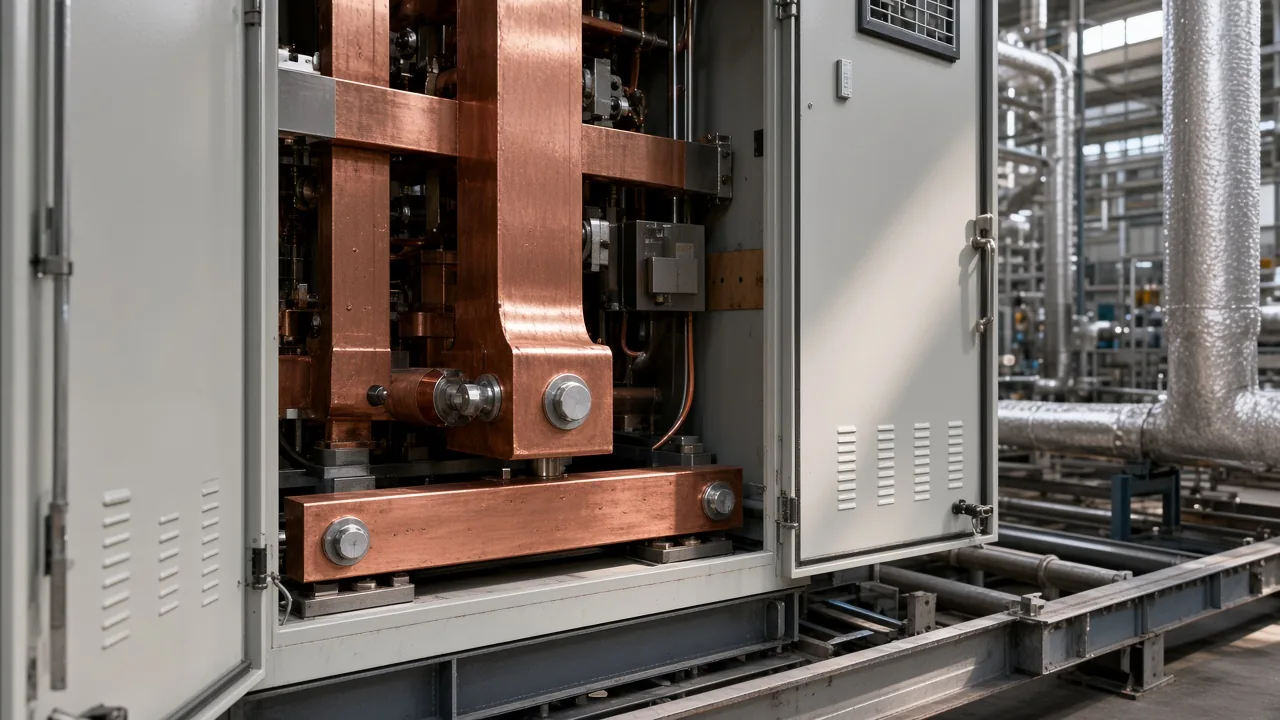
An open journal description puts the idea in one clause: a single-wye ungrounded bank has no path to ground because the neutral is isolated. That clause is the classification in the double-wye ungrounded protection overview. Worked sizes and alarm currents in that paper stay with the paper.
Wiring-code talk about an ungrounded conductor is a different job for the same adjective. It does not answer which capacitor star point is tied to earth. A single capacitor with one terminal earthed is a different object again, and it should not be used as the definition of a three-phase bank.
Currents That Lose a Neutral-to-Ground Path
Zero-sequence, triplen, and fault-discharge current have no neutral-to-ground path, and the neutral must be insulated to full line voltage.
A protection paper lists the practical result in three parts. Zero-sequence current has nowhere to enter ground through the capacitor neutral. Triplen harmonic current, including third-harmonic current, sits in that same blocked group, together with other harmonic current that would have used the neutral-to-ground route.
Capacitor discharge current during a system fault loses that route as well. With the star point free, the neutral can move toward a phase that has lost units, so the neutral insulation is specified for full line voltage. A grounded bank, in that same paper, gives lightning surge current and those harmonic currents a low-impedance path, and it reduces recovery voltage for switching equipment to approximately twice normal peak voltage.
Where a scheme uses a neutral-to-ground voltage transformer, the transformer is sized for full system voltage. Neutral voltage can rise to as high as 2.5 per unit during switching. That switching figure is the continuing-education statement in Shunt capacitor bank design and protection basics, and it stays a transformer-sizing note.
Plant readers meet this choice when a specification already says the neutral is untied and then asks what current still has a ground path. The answer is the enclosure bond, not the star point. Harmonic current that is triplen no longer has the capacitor neutral as a way into earth, which is also why some systems look at carrier-blocking hardware only after the neutral choice is settled.
How a Failed Unit Shows Up Without a Grounded Neutral
Unbalance is watched as neutral or zero-sequence voltage, or as current between two equal wye sections.
Neutral unbalance has no ground current to read when the star point is open. On a single unearthed wye, a distribution handbook starts detection by measuring neutral voltage or zero-sequence voltage. Splitting the bank into two equal wye sections moves the signal to current between two wye neutrals, and matched sections keep that signal clear of ordinary system voltage unbalance.
Remaining units see a higher voltage after one unit fails. For ungrounded-wye pole racks, Eaton says voltage on the remaining units when one is shorted equals line-to-line voltage, 1.73 times its rating.
The same note limits available current to three times the line current. Both figures stay on Eaton's pole-rack note. They stay off any cabinet fault rating.
Eaton's hardware note for this neutral choice is a two-bushing capacitor unit, so each terminal stays insulated while the case can still be grounded. A handbook typical limit on the remaining elements is 110 percent of rated voltage. That percent is the handbook's usual standards-or-manufacturer ceiling, kept apart from any relay setting on this cabinet.
From the field: A 2003 post describes a wye float-ground bank on a 23 kV line whose body was grounded, then a phase B fuse and a phase A fuse blew, and the capacitor rating given there is 14.4 kV — source: Mike Holt ungrounded capacitor thread.
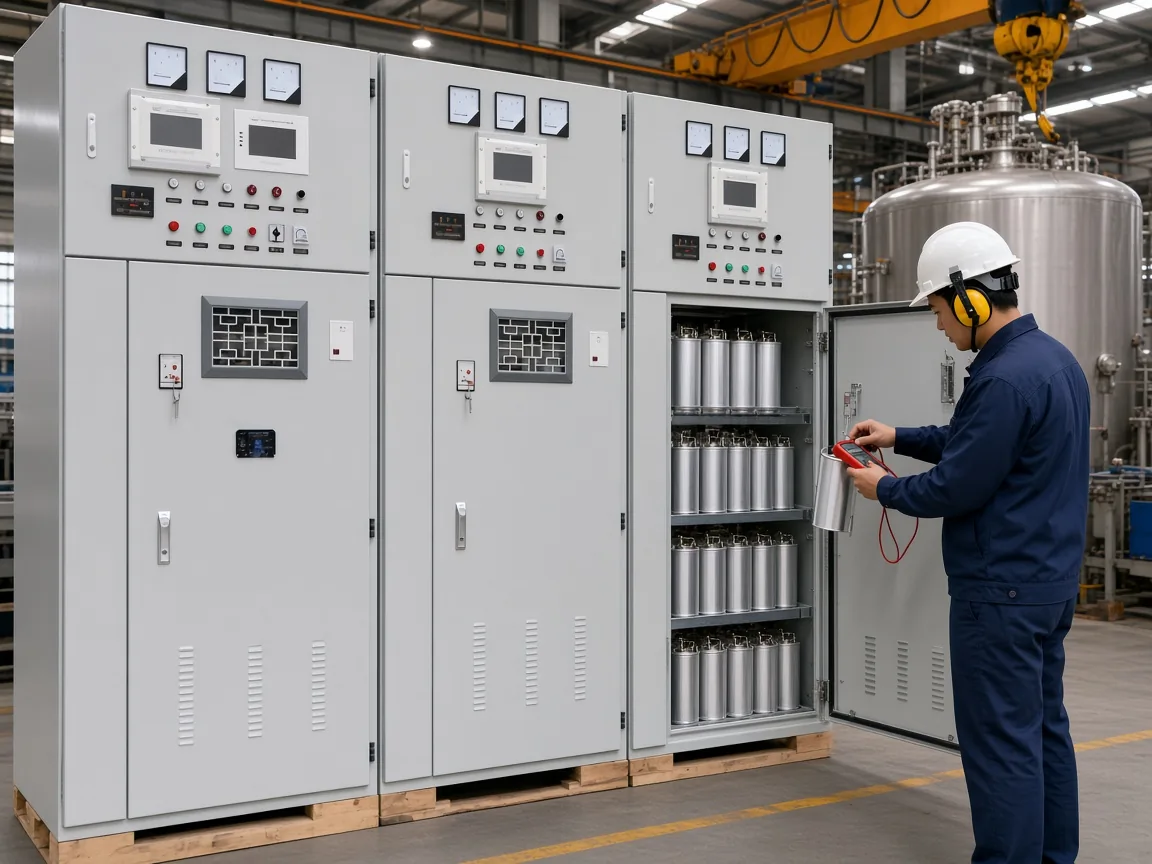
The thread is a field question, and it is not a rating sheet. The line voltage and the unit voltage stay inside that question.
What it shows for a plant reader is the split already named above: a floating wye, and a body that was still grounded. A reply on the thread says a floating wye bank will see higher voltage than the nominal voltage to ground. That reply stays a comment, rather than a cabinet limit.
Watching the neutral, or the current between two wye sections, is how a failed unit shows up once ground current is gone. It is not a fuse-link table and not a step list for replacing cans. The protection paper measures single-wye unbalance as zero-sequence voltage, and it measures double-wye unbalance as neutral current or voltage between two equal sections.
Isolated Neutral or Non-Effective Grounding, Kept as Two Phrases
The printed cell contains isolated neutral and, as a second phrase, non-effective grounding.
Isolated neutral is the first phrase. It names a star point left isolated. Non-effective grounding is the second phrase in the same cell, and it names grounding that stops short of a solid neutral-to-ground tie.
The cell text, kept as printed, reads isolated neutral or non-effective grounding. Shortening that cell to the single word ungrounded would hide the second phrase. Buyers comparing a one-word spec against this cabinet should keep both phrases visible, because the row was printed as a pair.
Those phrases are cabinet wording. They differ from the protection-paper term, and they differ from the handbook's unearthed wye.
Use the paper's word when the subject is the missing current path. Use the two printed phrases when the subject is this cabinet's neutral cell.
Two Voltage Ranges That Stay on Separate Statements
Overview wording and the parameter-table cell stay on different statements. The overview states 1 kV to 35 kV. The parameter table states 10(6)–35 kV at 50 Hz.
An overview sentence and a parameter-table cell can both be true because they are different statements. The overview sentence covers rated voltages from 1 kV to 35 kV.
The rated-voltage cell prints 10(6)–35 kV. Merging the two spans would invent a single range the cabinet description does not print.
Rated frequency in the parameter table is 50 Hz. Rated capacity in that table is 50–20,000 kvar.
Frequency stays at the printed 50 Hz figure. A second system frequency is absent from the cabinet record, so nothing here adds one.
| Statement | Where it is printed | Wording kept intact |
|---|---|---|
| Overview voltage | Cabinet overview | 1 kV to 35 kV |
| Parameter-table voltage | Rated voltage cell | 10(6)–35 kV |
| Frequency | Rated frequency cell | 50 Hz |
| Capacity | Rated capacity cell | 50–20,000 kvar |
| First neutral phrase | Neutral connection cell | isolated neutral |
| Second neutral phrase | Same cell, second phrase | non-effective grounding |
| Three-minute line | Performance features | below 50 V within three minutes |
| Five-minute line | Working principle item 3 | below 50 V within five minutes |
Read each row as its own printed line. The voltage rows do not cancel each other. The neutral rows do not collapse into one adjective.
The two time rows are listed here so they stay visible beside the voltages. The next section keeps their sentences apart.
Two Residual-Voltage Times That Stay Separate
The two clocks stay on their own lines. One line says below 50 V within three minutes. Another line says below 50 V within five minutes.
Performance features say residual voltage drops below 50 V within three minutes after disconnection. Working principle item 3 says residual voltage drops below 50 V within five minutes after disconnection. Each line keeps its own clock, and neither line is a discharge procedure or a charge procedure.
Treating the two clocks as one wait would erase a printed difference. A reader who copies only the shorter line has dropped the working-principle line. A reader who copies only the longer line has dropped the performance-features line.
Both stay, in the order the cabinet description prints them. No resistor value and no step sequence are added between them.
The times are also separate from the neutral choice. An untied star point does not rewrite either residual-voltage line. Specifying isolated neutral, or specifying non-effective grounding, still leaves those two lines to be read as two lines.
When an HYTBB Cabinet Fits This Neutral Choice
Fit depends on the printed neutral pair and the printed clocks. It fits when the job needs the printed pair, isolated neutral and non-effective grounding, at 50 Hz, with both voltage statements and both residual-voltage lines kept intact.
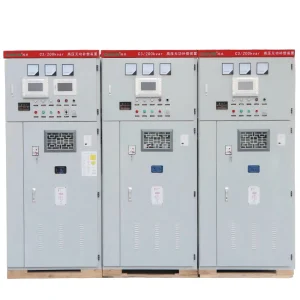
HYTBB cabinet is the name of this medium and high voltage reactive power compensation cabinet. The description calls it a shunt capacitor bank for power-frequency systems.
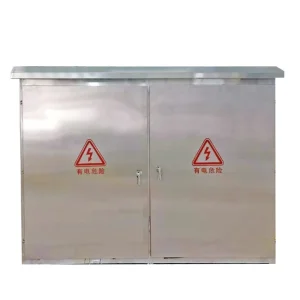
Readers meet this cabinet on industrial distribution, indoors or outdoors. No single end-user industry is named as the only fit, and the job described is compensation of inductive reactive power.
The published outcome is power factor up to 0.95 or higher. Beside that outcome, line current is described as lower by 10–20%. Those two figures stay performance-feature wording.
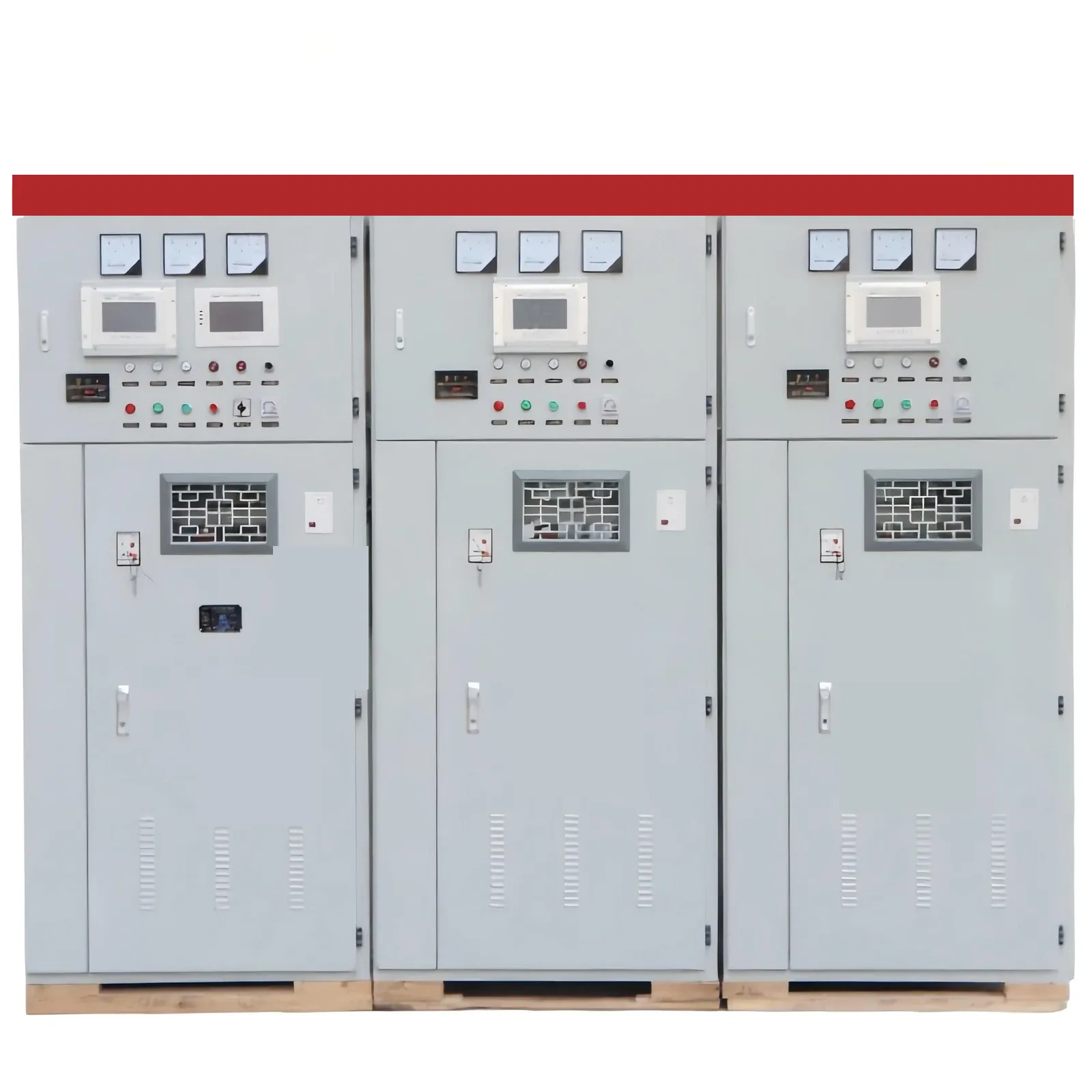
Open the HYTBB medium- and high-voltage reactive power compensation cabinet when the printed pair is the point to confirm. Neighboring compensation types sit on the high-voltage power factor compensation series. The series card repeats the overview voltage span and does not reprint the neutral cell, so the pair itself is read on the cabinet description.
| Question before calling the neutral grounded | What to compare |
|---|---|
| Is the star point tied to earth? | Untied star point versus a neutral-to-ground path |
| Is the enclosure bonded? | Frame bond, kept separate from the star point |
| Which phrase is printed? | isolated neutral, then non-effective grounding |
| Which voltage statement is in hand? | Overview 1 kV to 35 kV, or table 10(6)–35 kV |
| Which residual-voltage line is in hand? | Three minutes, or five minutes, each below 50 V |
| What frequency is printed? | 50 Hz on the parameter table |
A specification that demands a solidly grounded neutral is asking for a tie this cell does not print. Delta-versus-wye wiring steps, fuse-link selection, and a double-star relay lesson answer other questions.
No firsthand test was performed. Treat the explanation as a description of printed wording.
The trade-off that belongs with the fit is the one already walked through. An untied neutral removes the ground path for zero-sequence current and triplen current, and it moves neutral unbalance onto voltage or onto current between two wye sections.
Neutral insulation, and a neutral voltage transformer where one is used, has to tolerate the shifted neutral. That trade-off is the reason to accept the cabinet, or to pass it by, once the printed phrases are the ones the job actually asks for.
FAQ
What happens if a capacitor is grounded?
The competing question is about one capacitor, often a plate, a decoupling part, or a terminal discharged to earth. A three-phase bank asks a different question: whether the star point is tied to ground. Grounding one terminal of one unit does not, by itself, decide the bank neutral.
What are the two types of capacitor banks?
Here the two arrangements are a neutral-to-ground path and a neutral that is not tied to ground. Delta versus wye is a connection pattern, and it is not the split used here. The unearthed wye bank is the second of those two neutral arrangements.
How to shunt a capacitor bank?
Shunt, for this bank, means the capacitors sit in parallel with the load so they can supply reactive power. It does not mean a wiring sequence, a charge sequence, or a discharge sequence. The neutral choice is made inside that shunt duty, and it is still the choice of tying or not tying the star point.
What does it mean for a capacitor to be earthed?
Earthing one capacitor terminal ties that terminal to earth. An ungrounded bank leaves the three-phase neutral untied. The two sentences name different points, so an earthed terminal on a unit can exist on a bank whose star point is still open.
Does an ungrounded bank mean the cabinet enclosure is not grounded?
No. The word, for a metal-enclosed bank, points at the star point. The enclosure can remain bonded while that star point floats.
A field question about a floating wye with a grounded body is the same split. Its line and unit voltages stay inside the question.
Why are three minutes and five minutes both printed for residual voltage?
Each clock belongs to its own printed line, and each line is about residual voltage falling below 50 V. The three-minute wording sits with the performance features. The five-minute wording sits with working principle item 3.
Keeping one and discarding the other drops a line the cabinet description actually prints.
What should a reader compare before treating a bank neutral as grounded?
Compare the star point with the enclosure bond, then read isolated neutral as one phrase and non-effective grounding as the other. Keep the overview voltage statement apart from the parameter-table voltage statement. Keep the three-minute residual-voltage line apart from the five-minute line, and read frequency only as the printed 50 Hz figure.