
 Zhejiang Hongyan Electric Co., Ltd.
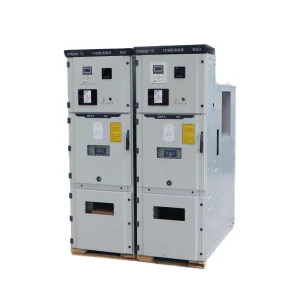
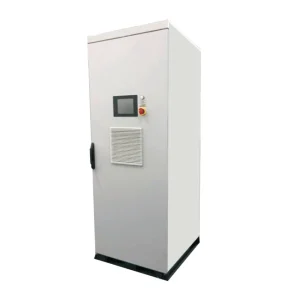
Filter reactor noise should be investigated by separating electrical excitation from the structure that transmits and amplifies vibration. A steady hum can occur during normal magnetic operation, while a new rattle, changed tone or noise accompanied by overheating deserves investigation. Sound alone cannot establish reactor condition or identify the correct repair. Compare the operating current spectrum, capacitor-branch state, mounting condition and acoustic measurement setup before deciding whether the reactor, its installation or a changed network condition is responsible. Do not adjust core gaps, replace mounting materials or alter a tuned branch merely to make the sound quieter.
Start with the change that people actually heard
Write down when the noise started and what changed around that time. Useful triggers include capacitor replacement, a new drive installation, cabinet relocation, a ventilation repair or a changed production recipe. Ask whether the noise follows one switched step, a particular shift or a specific combination of loads. A precise timeline can narrow the investigation before any equipment is disturbed.
Describe the sound without turning the description into a diagnosis. Hum, buzz and rattle are observations; loose laminations, resonance and harmonic overload are hypotheses. Keep those categories separate in the service record. If the complaint concerns a newly installed cabinet, compare the approved acoustic requirements with the actual installation and measurement conditions.
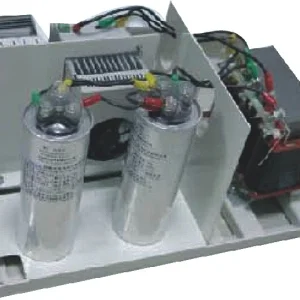
The role of reactors in capacitor banks explains why the component must be considered together with the capacitor branch. An acoustic repair must preserve that electrical function.
Understand magnetic excitation and structural response
Iron-core reactors can vibrate because magnetic operation produces mechanical forces and changes in the dimensions of magnetic material. The audible result also depends on the stiffness and natural response of the assembly. Panels, supports and nearby structures may transmit vibration or increase the sound radiated into the room. The loudest surface is therefore not automatically the original source.
A university investigation of iron-core reactor vibration studies electromagnetic and magnetostrictive effects with structural modeling and experiments. It supports treating the problem as an interaction between excitation and mechanical response. Its laboratory geometry and calculated frequencies are not acceptance values for a different filter reactor.
This distinction matters when a cabinet door is louder than the reactor body. Replacing the reactor might leave the structural amplification unchanged. Equally, damping a panel could hide a changed electrical condition. Check both paths and document the evidence supporting the chosen repair.
Capture operating conditions before comparing sound levels
Record branch current, supply voltage, the relevant current spectrum, capacitor-step state and the loads operating during the measurement. Include cabinet fan status and surrounding equipment because they contribute to the acoustic environment. If measurements are repeated on another day, use comparable production conditions or clearly mark the difference.
Use a suitable sound-level instrument and a documented method for contractual acceptance. State microphone position, distance, weighting, averaging period, background sound and cabinet condition. A phone recording can preserve the character of a new rattle, but an uncontrolled phone reading should not be treated as a certified sound level.
Keep the measurement position consistent. A reading beside a reflecting wall cannot be directly compared with a factory reading in a different acoustic environment. If the background is close to the equipment sound, have an acoustic specialist determine whether the measurement can resolve the equipment contribution reliably.
Use symptoms to choose the next check
| Observed pattern | Evidence to collect | Appropriate next step |
|---|---|---|
| Noise follows one capacitor step | Step identity, current spectrum and capacitor records | Review the complete branch against its approved design |
| New metallic rattle after transport | Delivery record and isolated mechanical inspection | Check approved supports and fasteners with the manufacturer |
| Cabinet panel is the loudest surface | Vibration distribution and enclosure drawings | Assess structural transmission without assuming the reactor is healthy |
| Noise rises with a new nonlinear load | Comparable before/after electrical recordings | Review harmonic duty and system interaction |
| Noise accompanies smell, discoloration or trips | Event record from safe observation points | Follow the site fault-response procedure and obtain qualified inspection |
The table is an investigation guide, not a list of definitive fault signatures. The same sound can have several causes. It provides no universal sound, vibration or temperature limit; use the component documentation and the agreed project requirements.
Inspect the mechanical path under controlled isolation
Electrical personnel should apply the site's isolation procedure, including stored-energy controls for the capacitor bank and verification of the safe condition. A stopped fan or open contactor does not by itself establish that every part is safe to touch. Keep mechanical inspection within the approved maintenance scope.
Inspect the mounting arrangement against the drawing: support surfaces, fastener condition, approved spacers, cable restraint and signs of contact between components. Look for transport damage, displaced parts and rubbing marks. Record the condition before tightening or replacing anything so the investigation does not lose its starting evidence.
Use the specified tightening method and torque where provided. More force is not automatically better. Do not loosen or modify the reactor's core assembly, remove spacers or substitute magnetic materials for specified hardware. Such changes can affect the component's electrical and mechanical behavior and should be referred to the manufacturer.
Check electrical duty without confusing related faults
A reactor's total duty depends on more than a single fundamental current reading. Review the harmonic spectrum and the capacitor arrangement, especially after a step replacement or a network change. Check the approved capacitor capacitance and connection rather than assuming that equal kvar labels establish equivalence in the installed branch.
Use filter reactor inductance testing when a qualified investigation requires measured component values. Acoustic observations cannot substitute for that test. Likewise, a satisfactory low-current inductance result does not independently establish that the reactor meets every loaded thermal or acoustic requirement.
If elevated temperature is also present, use the separate detuned reactor overheating investigation to review ventilation and electrical duty. Keep the noise and temperature records linked, but do not assume that every loud reactor is overloaded or every quiet reactor is healthy.
Choose a repair that preserves the filter function
Repairs may involve restoring approved mounting, correcting a damaged enclosure part, resolving excessive electrical duty or replacing a confirmed defective component. The evidence should determine the action. Replacing a reactor with a different inductance to change its sound can shift the branch behavior and requires an engineering review of the complete filter circuit.
Do not add unapproved foam, pads or barriers around a reactor. They may affect cooling, electrical clearances, fire performance or mechanical stability. A proposed damping treatment needs review against the equipment's installation requirements. The fact that a treatment reduces audible sound is only one part of its suitability.
A separate study of structural optimization and damping in UHV shunt reactors illustrates the importance of vibration transmission paths. Those large, tanked reactors differ from dry-type filter reactors; the reported reductions and construction measures are not retrofit instructions for a CHYN cabinet.
Prepare a useful CHYN service enquiry
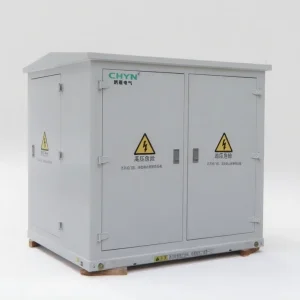
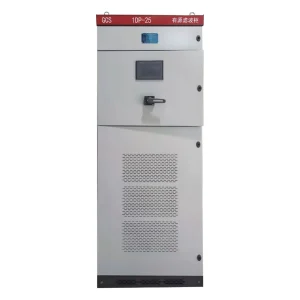
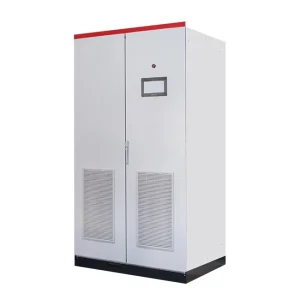
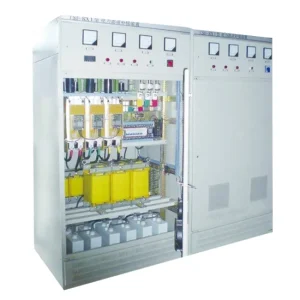
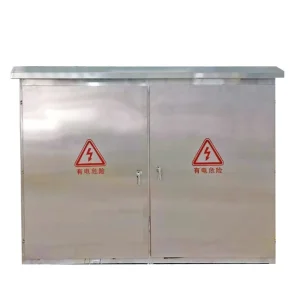
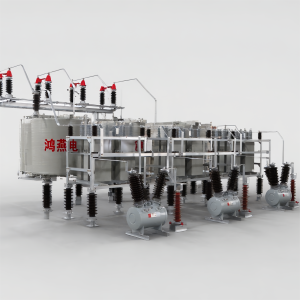
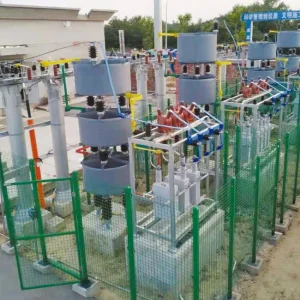
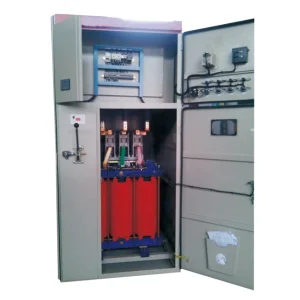
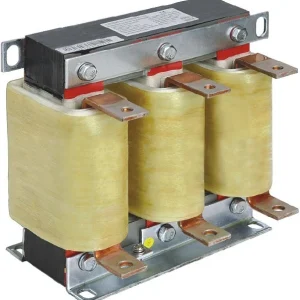
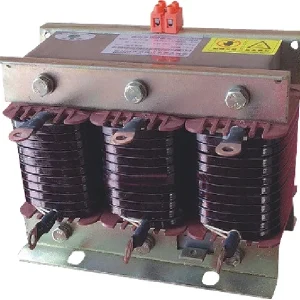
The CHYN filter reactor range is the relevant product reference. Provide the exact model and nameplate photograph, cabinet drawing, capacitor details, installation date and the circumstances of the complaint. Include an unedited recording taken from a safe position, together with electrical and acoustic measurements made by suitable personnel.
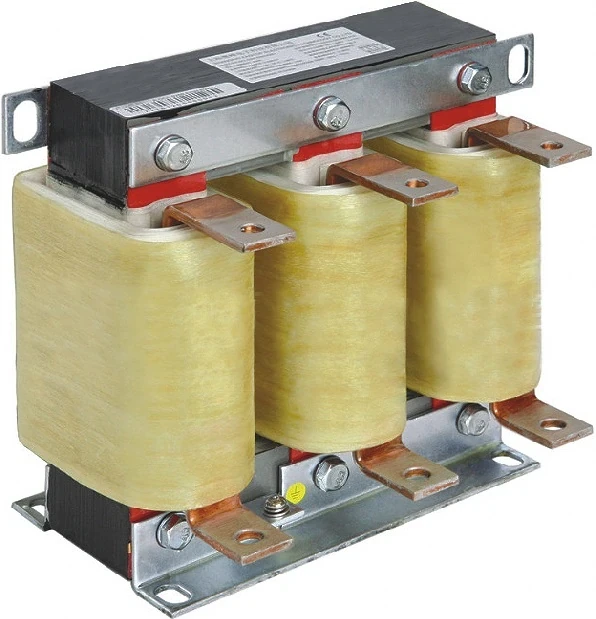
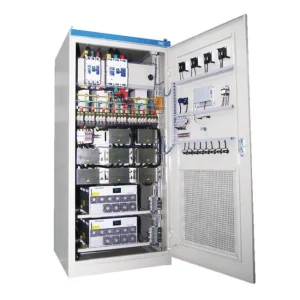
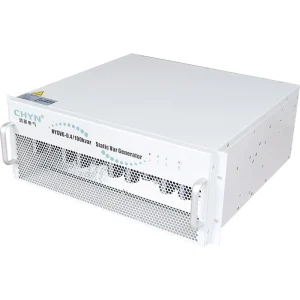
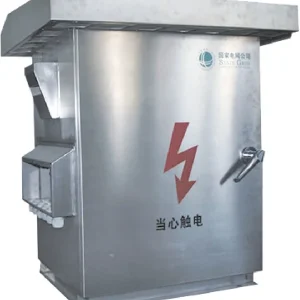
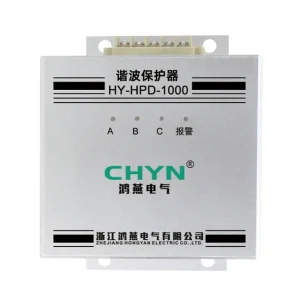
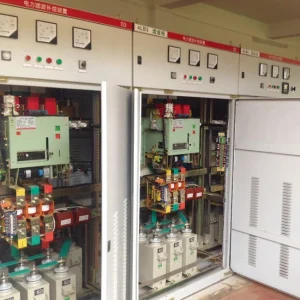
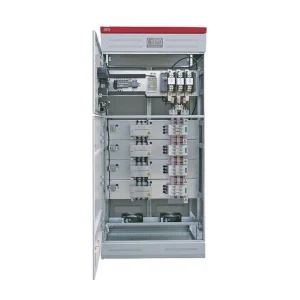
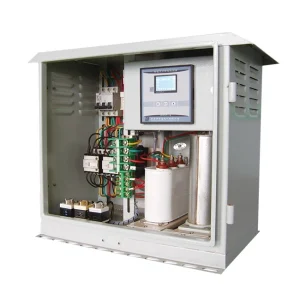
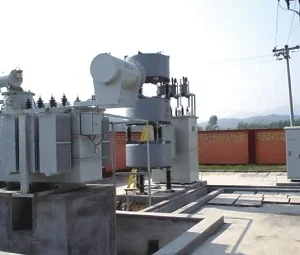
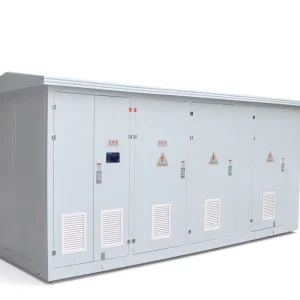
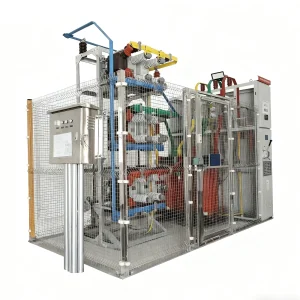
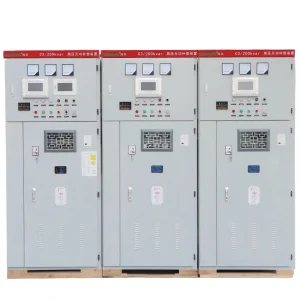
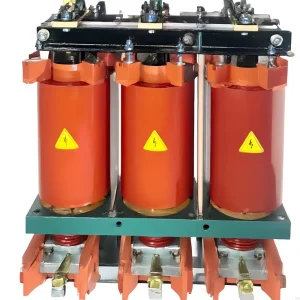
The product photograph shows the actual reactor family, but it cannot establish the condition of an installed unit or the cause of its sound. Ask the supplier to identify model-specific inspection points, allowable mounting arrangements and any required return-to-service tests. Keep written approval for proposed material or support changes.
For replacement evaluation, request an electrically compatible unit with documented acoustic conditions. Agree where and how the new installation will be measured. This prevents a factory sound statement from being misunderstood as a guarantee for a reflective plant room with several other machines operating.
Verify the result and retain the baseline
After an approved repair, repeat the relevant electrical, thermal and acoustic checks under comparable conditions. Note what changed and what remained the same. A successful outcome should address the identified cause while preserving filter performance and all installation requirements. Keep any unresolved difference in the final service report.
Save a baseline for each representative operating state. Future complaints can then be compared with measured behavior instead of staff memory. Record the instrument setup and production condition with the baseline so another technician can reproduce it. Schedule further investigation if a new trend appears or the operating duty changes.
Educational background
The following university lecture covers passive power filters and the electrical role of their components. It helps explain why an acoustic modification must preserve the filter design. It is background education rather than a diagnosis or a demonstration of reactor noise testing.

Watch the educational lecture on YouTube.
Frequently asked questions
Does filter reactor noise always mean the reactor is faulty?
No. Magnetic operation and structural transmission can produce sound. A change in sound needs comparison with electrical duty, installation condition and the manufacturer's requirements before a fault is diagnosed.
Can mounting pads be added to make a reactor quieter?
Only if the manufacturer approves the arrangement and its effects on cooling, clearances and mechanical stability have been reviewed. Unapproved damping materials can introduce other problems.
Can a phone app establish compliance with a noise guarantee?
An informal recording can document the complaint, but contractual acceptance needs a suitable instrument and an agreed method, including background noise and measurement position.
Should the reactor be replaced with a different inductance?
Not solely to change its sound. Inductance is part of the capacitor-branch design. Any change requires review of the complete filter circuit and its intended duty.