
 Zhejiang Hongyan Electric Co., Ltd.


A soft starter for high inertia loads must provide enough accelerating torque across the complete speed range while keeping the motor and starter within their approved thermal duty. Extending the voltage ramp cannot overcome a torque deficit. Start with the total inertia referred to the motor shaft, the motor and load torque curves, and the voltage available during starting. Then check the predicted acceleration against hot-start and cold-start limits. This article addresses whether the drive system can accelerate a large rotating mass; it does not prescribe universal current-limit settings or assume that a larger starter makes every load suitable.
Separate high inertia from high running power
Inertia describes resistance to a change in rotational speed. A machine can have substantial inertia even when its steady running torque is modest. Conversely, a relatively compact process load can demand high breakaway torque without storing much rotational energy. The motor kilowatt rating alone does not distinguish these situations. A large fan, centrifuge or flywheel application therefore needs mechanical data rather than a selection based only on the process equipment name.
Ask the driven-equipment supplier for inertia with units, the shaft to which it is referred, the speed ratio and the load torque-speed curve. Include couplings, gears and other significant rotating parts. Check whether the supplied value already includes the motor or an intermediate shaft. Double-counting inertia can exaggerate the predicted start, while mixing motor-shaft and load-shaft values can produce a more serious selection error.
Natural Resources Canada's motor reference guide distinguishes starting, pull-up and breakdown torque. Those points help describe the motor curve, but the complete acceleration path matters. A favorable locked-rotor value does not guarantee that adequate torque remains available at an intermediate speed.
Calculate acceleration from the torque margin
For a simplified rigid rotating system referred to one shaft, Tmotor − Tload = Jtotal × dω/dt. Torque is in N·m, inertia is in kg·m² and angular speed is in rad/s. The left side is the accelerating torque. If it approaches zero, acceleration becomes very slow; if it becomes negative, the machine cannot continue accelerating through that operating point under the assumed conditions.
For a load connected through an ideal fixed speed ratio, its inertia referred to the motor shaft is Jload × (ωload/ωmotor)². Add the motor inertia and the appropriately referred inertia of other components. Real gear losses, flexible couplings and torsional behavior require the mechanical supplier's assessment. Do not insert a quoted WK² or GD² value into an SI formula without confirming the definition and conversion.
Consider an independently calculated example with 20 kg·m² total inertia, a speed change from zero to 1,500 rpm and a constant net accelerating torque of 100 N·m. The speed change is 157.08 rad/s, so the estimated time is 20 × 157.08 / 100 = 31.4 seconds. If the net torque falls to 50 N·m, the simplified estimate doubles to 62.8 seconds. These are mathematical examples, not CHYN ratings or a prediction for a real fan.
Actual motor torque and process resistance vary with speed. Divide the acceleration into suitable speed intervals and calculate each interval using the corresponding torque margin, or use a validated dynamic model. Near-zero margin requires particular scrutiny because a broad average may conceal a stall region. Include the intended process condition: an unloaded start and a fully loaded start may have quite different curves.
Understand what reduced voltage changes
A voltage-controlled soft starter reduces the applied motor voltage during starting. At a given slip, frequency and comparable motor conditions, induction-motor torque is approximately proportional to voltage squared. Thus a simplified 80% voltage condition corresponds to about 64% of the full-voltage torque at that slip. Phase-controlled waveforms and current-limiting behavior require a more complete model for final selection.
The IIT Bombay induction-motor starting notes show the reduced-voltage torque trade-off. They explain the underlying principle using conventional starting methods, not a specific soft-starter control algorithm. Use manufacturer curves for the actual motor and starter rather than treating the square-law estimate as a commissioning setting.
Supply impedance also matters. The starter's input voltage may sag during a demanding start, leaving less voltage available than the selection assumed. Record or model the feeder and transformer condition, including other operating loads. A starter current limit intended to protect the supply can further restrict motor torque. The chosen operating point must satisfy both the network constraint and the mechanical acceleration requirement.
Screen the application before selecting a larger unit
| Selection question | Required evidence | What a larger starter cannot resolve alone |
|---|---|---|
| Is the inertia value usable? | Units, shaft reference, speed ratio and included components | An incorrect mechanical calculation |
| Is torque margin positive throughout acceleration? | Motor and load curves at the expected terminal voltage | A motor that cannot produce sufficient torque |
| Can the motor survive the start? | Manufacturer hot/cold thermal limits and approved protection model | Inadequate rotor or stator thermal capability |
| Can the starter carry the duty? | Current-time envelope, cooling conditions and repetition rate | Insufficient feeder voltage or an unsuitable process sequence |
| Is the next start permissible? | Actual thermal state, elapsed cooling and machine coast-down status | Missing restart interlocks or an unauthorized restart policy |
The table is an engineering review sequence based on the mechanical balance and reduced-voltage limitations discussed above. It does not replace a manufacturer's current-time envelope. Select the motor, starter, protection and process sequence as a coordinated system rather than assigning an arbitrary oversizing percentage.
Check thermal limits for the complete starting sequence
Starting duty includes current and duration. Lower current over a much longer interval is not automatically a cooler start. Obtain the motor manufacturer's permitted acceleration duty, including the initial thermal state and any rotor limitations. Compare it with the predicted speed-current-time record. A generic overload class cannot establish that an unusual high-inertia rotor remains safe during acceleration.
For the starter, verify the approved current magnitude, duration, starts per hour, ambient conditions and cooling interval. A bypass contactor reduces semiconductor conduction duty after the transition, but it does not remove the heat generated before the motor reaches operating speed. If the proposed start sits outside the published envelope, obtain an application-specific selection instead of assuming that the next frame size will suffice.
Repeated failed starts deserve a controlled investigation. Preserve current, speed, voltage and trip records, then follow the motor and starter restart restrictions. A cold machine's successful test does not establish the right to repeat the same sequence immediately while hot. For protection coordination details, consult the separate guide to soft-starter motor thermal protection.
Commission with speed and current together
Before energization, agree the test sequence, expected acceleration envelope, abort conditions and responsibility for stopping the test. Confirm the mechanical process state, direction requirements, interlocks and approved protection settings. All work must follow the site's electrical and mechanical safety procedures. A blog example cannot authorize a change to medium-voltage equipment or protection.
During the authorized start, collect a time-aligned record of input voltage, phase currents, speed, control mode, current limit and starter status. Current alone cannot show whether the machine is gaining speed. A nearly flat speed trace with sustained current is materially different from a slowly but steadily accelerating machine. Compare the recorded path with the predicted curve before deciding whether the ramp is too short.
After the start, verify that the machine reached its agreed running state and that the bypass sequence, if fitted, occurred correctly. Document temperatures and thermal estimates only through approved sensors and methods. Keep the failed and successful traces with the final settings. Changing several parameters at once can obscure the cause of improvement and make the next maintenance intervention harder to assess.
Prepare a decision-ready supplier inquiry
Send the motor nameplate, torque-speed and current-speed curves, inertia calculation, load curve, supply study and required production sequence. State whether the machine starts loaded, how frequently it restarts and whether the owner requires a controlled speed trajectory. If variable operating speed or a tightly defined acceleration profile is essential, compare an appropriate drive arrangement rather than expecting a voltage ramp to act as precise speed control.
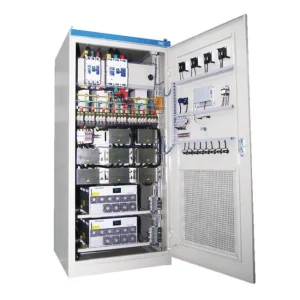
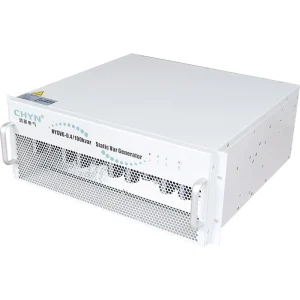
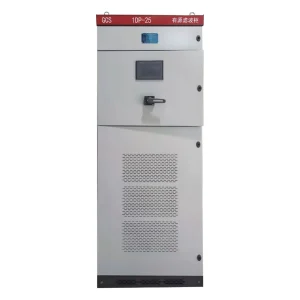
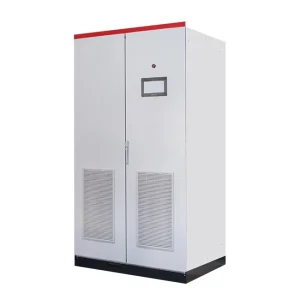
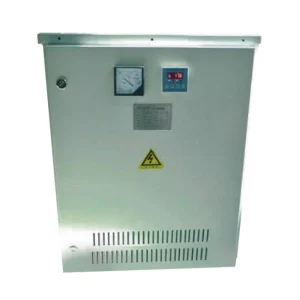
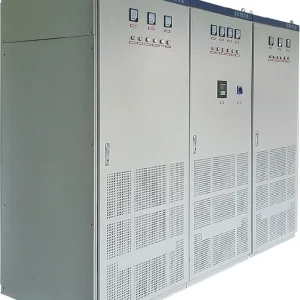
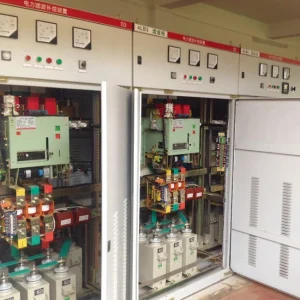
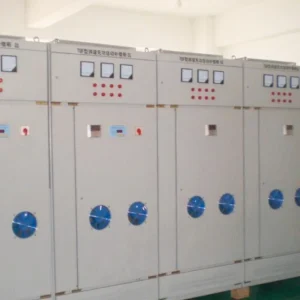
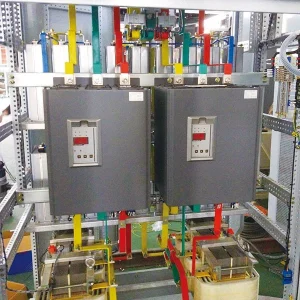
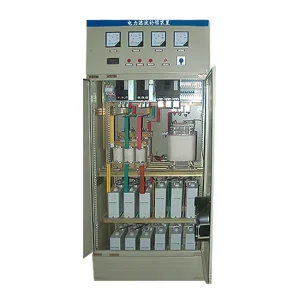
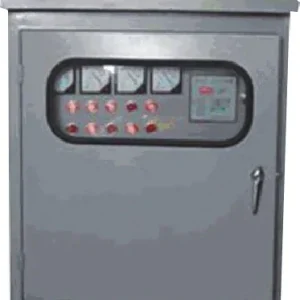
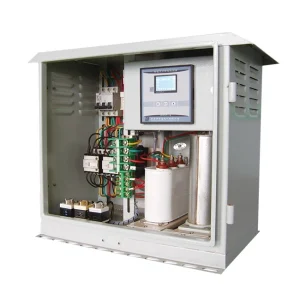
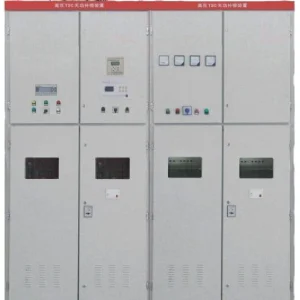
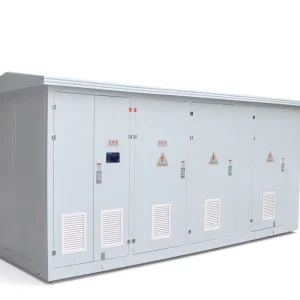
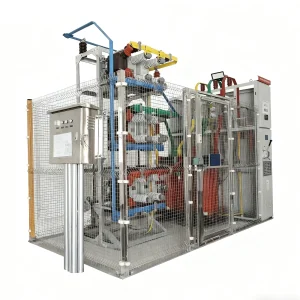
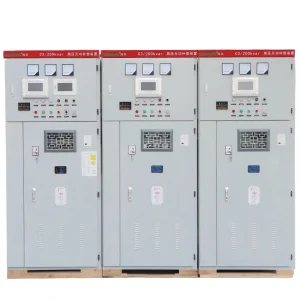
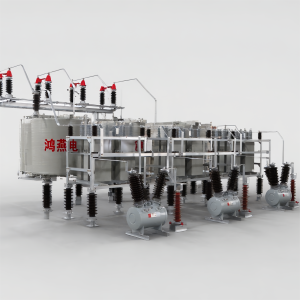
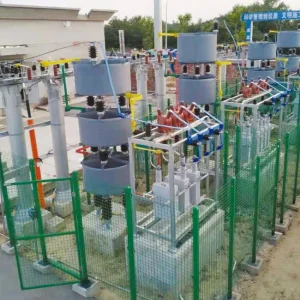
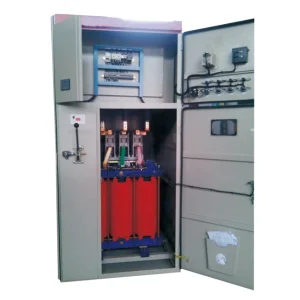
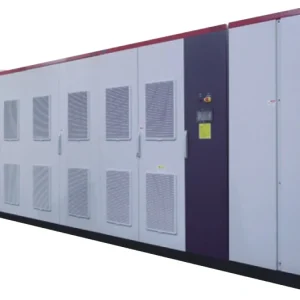
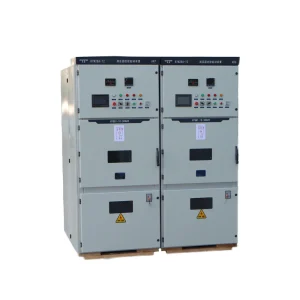
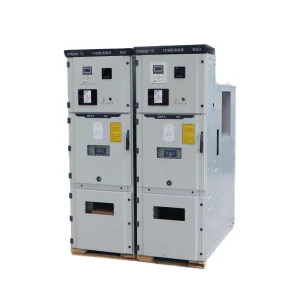
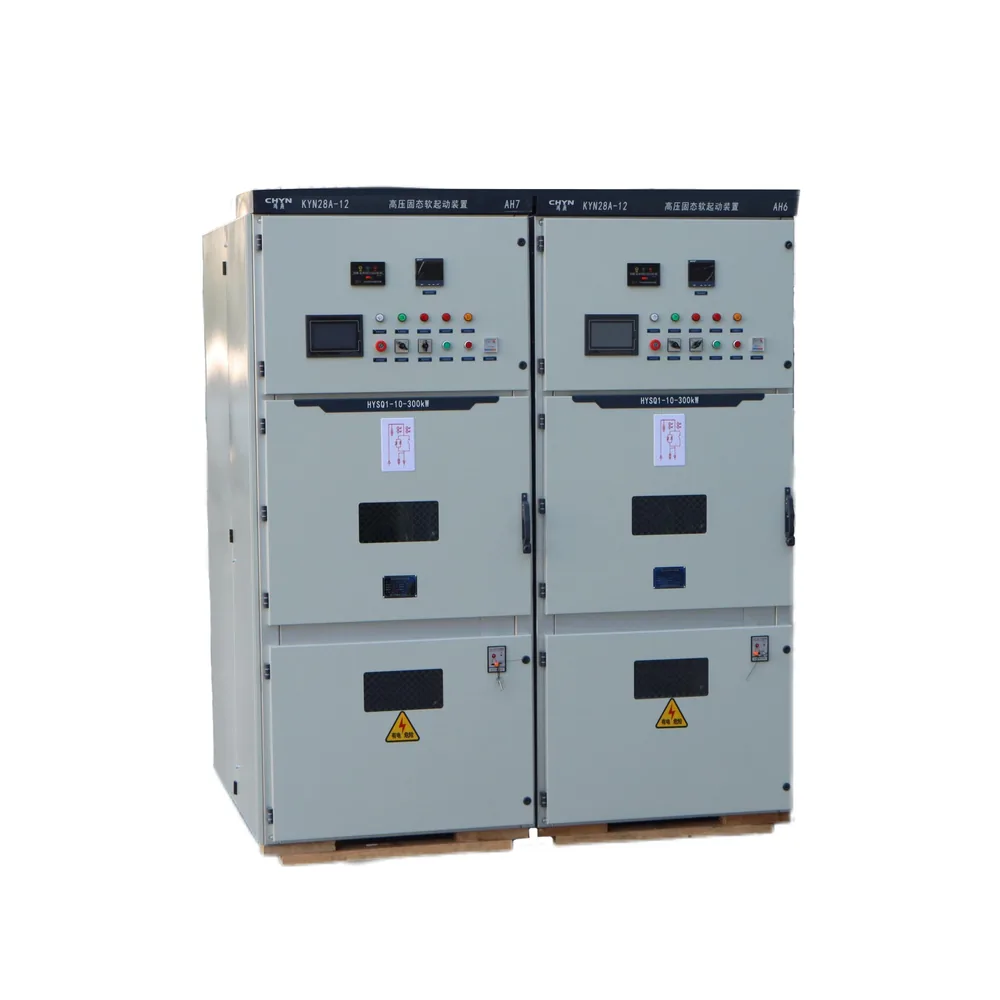
The CHYN HYSQ1 high-voltage solid-state soft starter provides a relevant product family for an application review. Its website photograph does not demonstrate suitability for the inertia or times used here. Ask CHYN to confirm the selected assembly and duty in writing. The medium-voltage starter versus VFD comparison supports the equipment decision, while the acceleration-time guide addresses ramp interpretation after the mechanical feasibility has been established.
Educational lecture: induction-motor starting
This NPTEL IIT Delhi lecture covers induction-motor starting and speed-control principles. It provides background for the torque discussion, not approved settings, a CHYN test or a substitute for the motor supplier's thermal assessment.
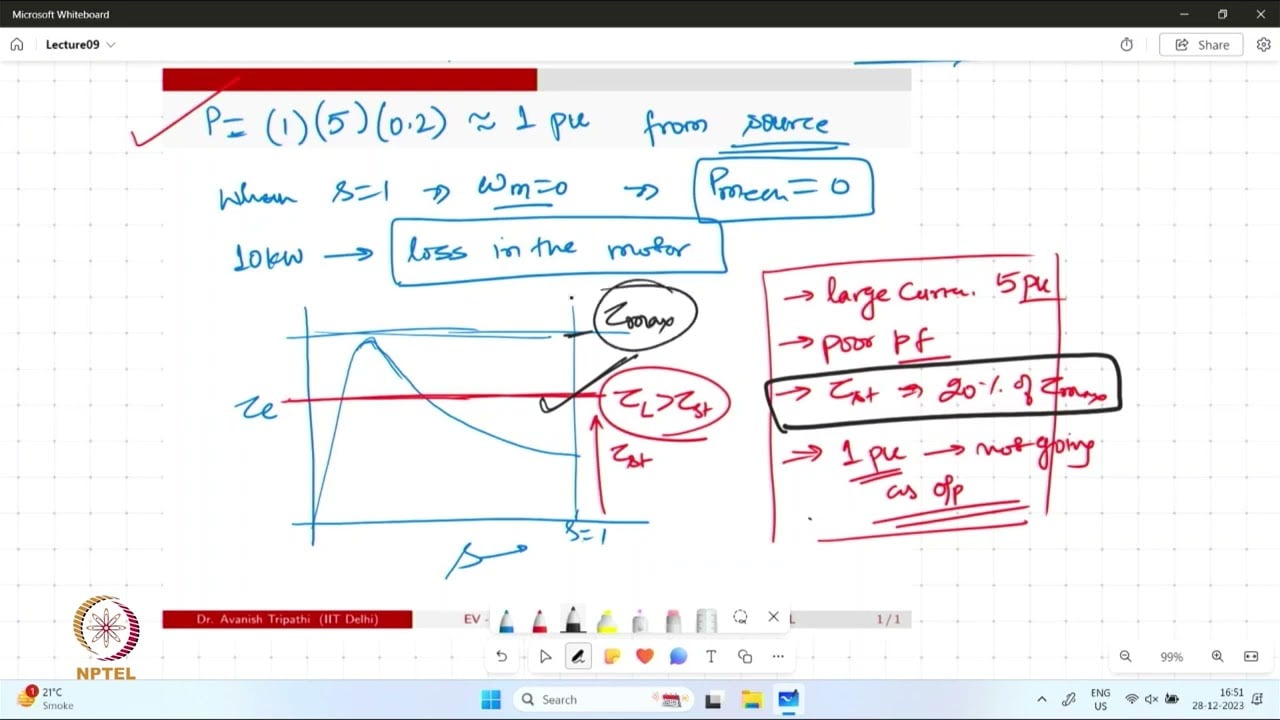
Watch the educational lecture on YouTube.
Frequently asked questions
Can a soft starter start a high-inertia fan?
It may, if the motor has adequate torque throughout acceleration and both motor and starter can withstand the complete starting duty. Use the fan's actual inertia and torque curve rather than judging suitability from its running kilowatts.
Will increasing ramp time cure a stalled start?
No. More time does not create a missing torque margin and may increase heating. Investigate motor-terminal voltage, the load curve, current limiting and the approved starting arrangement before modifying the sequence.
Is a larger soft starter enough for a longer start?
A larger assembly may provide greater permitted duty, but it cannot by itself fix inadequate motor torque, motor thermal limits or supply voltage. Confirm the complete application rather than using a fixed oversizing rule.
Which information is most often missing from an inquiry?
The load inertia with units and shaft reference, the process torque-speed curve and the motor's hot-start limits are essential. Without them, a supplier cannot reliably verify a demanding acceleration duty.