
 Zhejiang Hongyan Electric Co., Ltd.

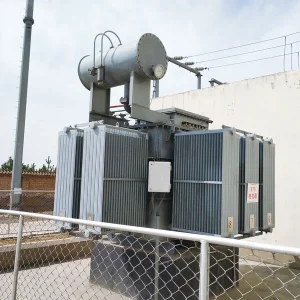
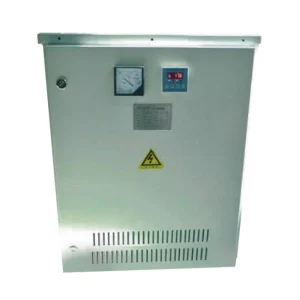
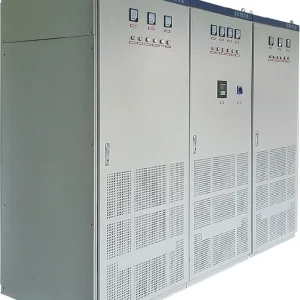
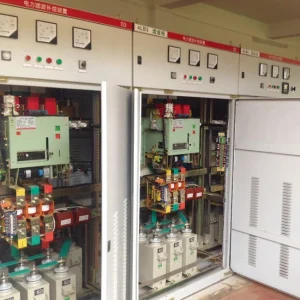
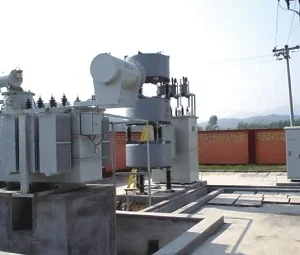
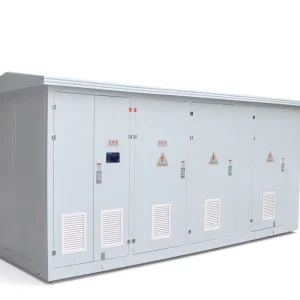
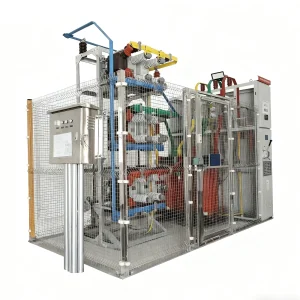
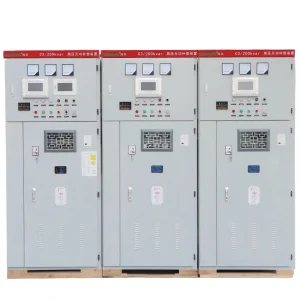
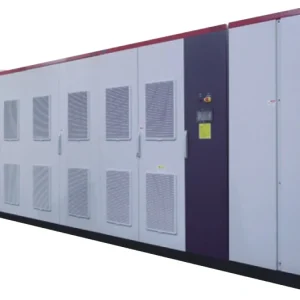
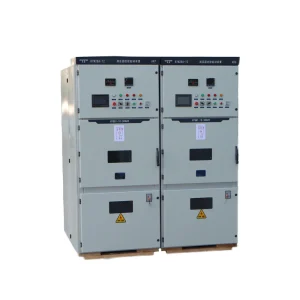
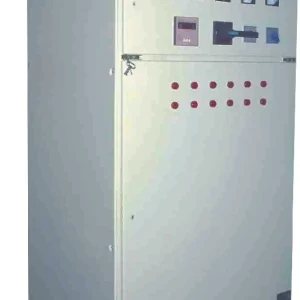
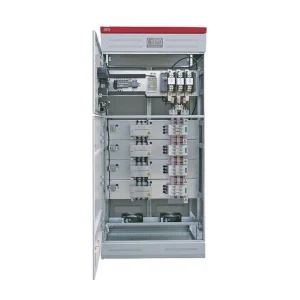
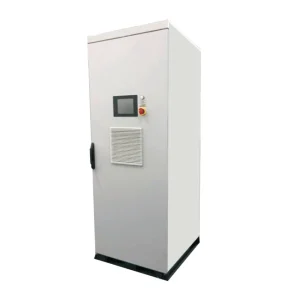
A capacitor bank short circuit rating must be assessed for the complete assembly at its installation voltage and against the available fault current at the connection point. The interrupting rating printed on an incoming circuit breaker does not, by itself, establish the rating of the busbars, branch circuits and assembled panel. For a purchasing review, obtain the site fault study, the offered assembly rating and any conditions attached to the specified protective device. Keep short-circuit duty separate from normal capacitor current, switching inrush and arc-flash assessment. Each describes a different engineering question that needs its own evidence.
Start with the connection point and applicable equipment category
Identify the exact terminals where the bank connects. Obtain the available fault current for the credible operating arrangements, including normal supply and alternative sources where relevant. A transformer nameplate, feeder current reading or bank kvar value is not a complete fault study. Ask the responsible electrical engineer for the study assumptions and date, particularly when the distribution system has changed.
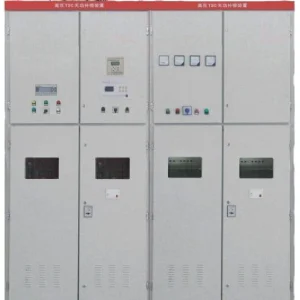
Define whether the purchase concerns a low-voltage assembly, a medium-voltage bank or another product category. This article focuses on the review of a low-voltage industrial capacitor panel. Do not transfer its terminology or paperwork directly to a medium-voltage installation without the applicable equipment standards and project engineering assessment.
The IEC 61439-1 public scope covers general requirements and verification for low-voltage switchgear and controlgear assemblies, used with the relevant specific part. The public listing establishes the standard’s scope; it does not certify a CHYN product or replace examination of the purchased standard and the manufacturer’s assembly documentation.
Separate breaker interruption from assembly withstand
A breaker has an interrupting duty. The assembly also has conductors, supports, connections and other components exposed to fault stress before the protective arrangement clears the fault. A strong breaker therefore cannot automatically upgrade every other part of the panel. Request the declared assembly capability and the basis on which its offered component combination was assessed.
UL Solutions’ panelboard application guide explains why ratings can depend on voltage and specified protective devices. That document addresses panelboards under its own equipment framework. Use it to understand the distinction, not as a universal certification method for capacitor banks or as permission to combine unrelated IEC and North American rating systems.
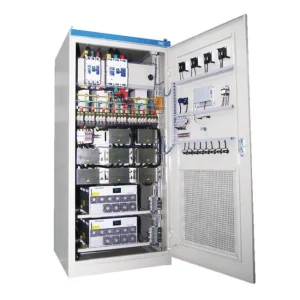
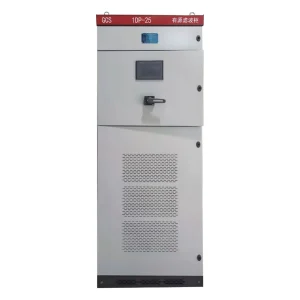
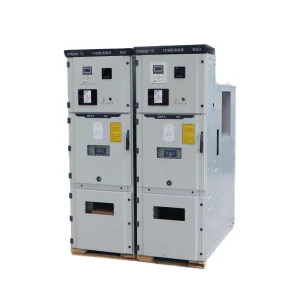
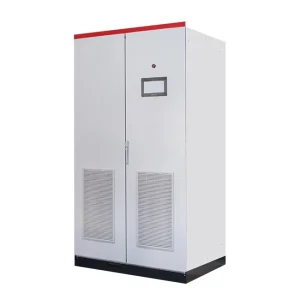
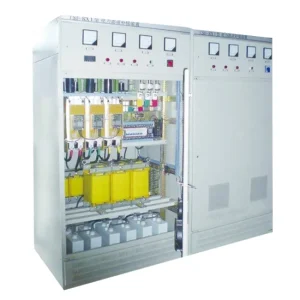
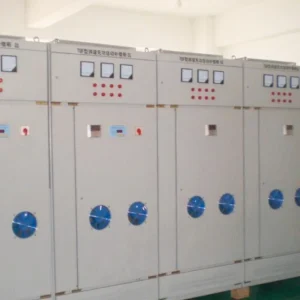
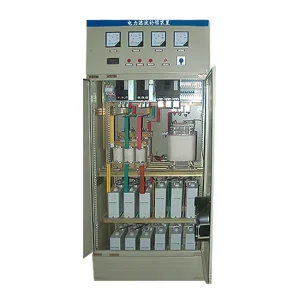
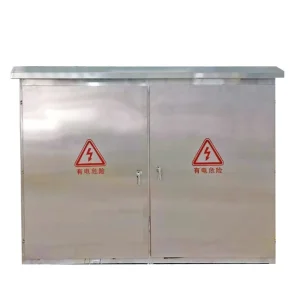
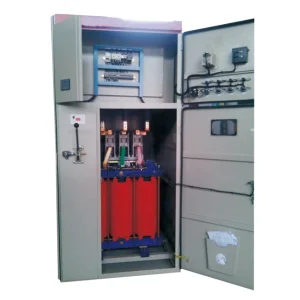
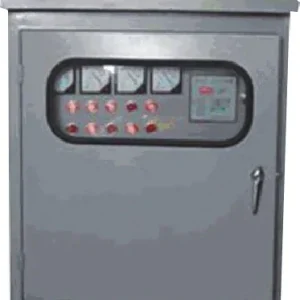
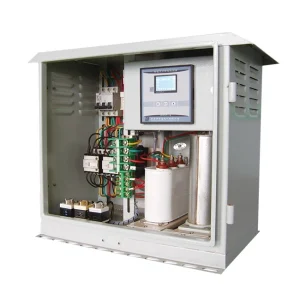
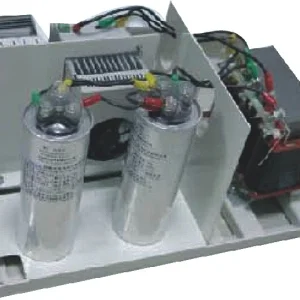
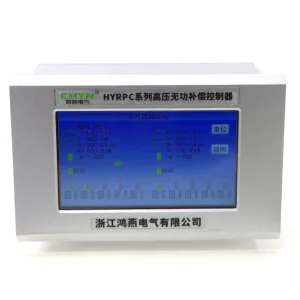
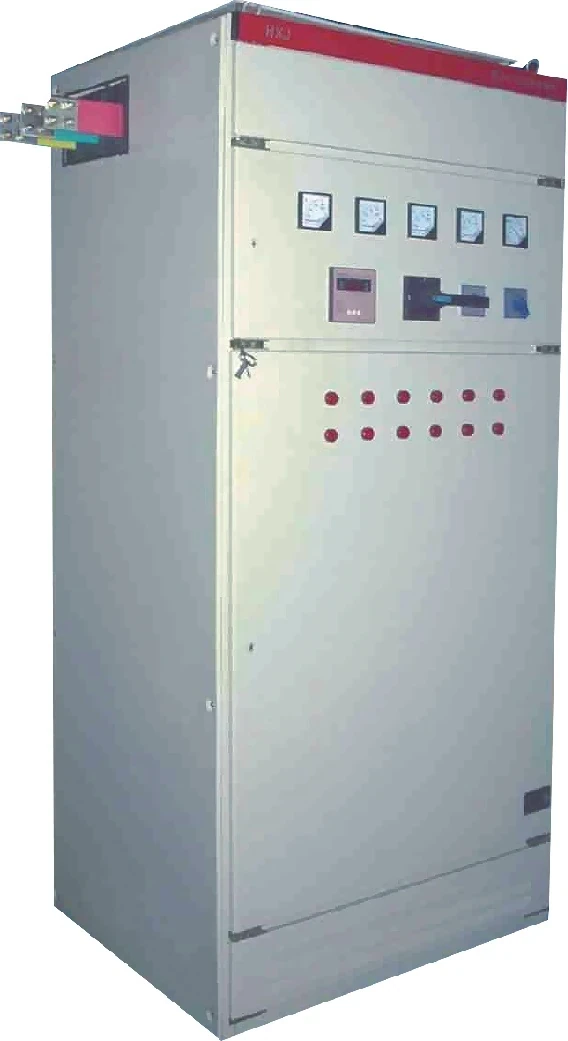
The relevant CHYN starting point is the HYTBBJ low-voltage reactive compensation product. Request the rating and evidence for the exact configuration offered, including its incoming protective device and branch arrangement. Do not interpret the cabinet photograph, number of meters or product-family name as a declared fault rating.
Read the rating together with all its conditions
The KEMA Labs overview of IEC 61439-1:2020 distinguishes time-specific withstand declarations from conditional ratings involving a specified protective device. When an IEC assembly declaration uses rated short-time withstand current, record the associated duration. When it uses a conditional short-circuit rating, identify the protective device and conditions supporting that declaration. Where peak withstand is stated, retain that value as a separate part of the review. A single “kA” number without the rating type, voltage and conditions is insufficient for approval.
Ask the supplier to identify the standard and edition, assembly configuration, protective device type and settings, and any restrictions on substitutions. The project engineer must compare quantities using the same definitions. Do not compare a peak current directly with an rms prospective value, or a short-time withstand value with an interrupting value, as if they described the same duty.
For example, a hypothetical site calculation of 25 kA rms cannot be approved merely because a brochure contains “50 kA.” The latter could refer to a different voltage, a breaker alone, another protective combination or another duration. This illustration contains no proposed CHYN rating. Its purpose is to show which missing information prevents a meaningful comparison.
| Document or marking | Question to resolve | Reason to hold approval |
|---|---|---|
| Site fault study | Does it cover the bank terminals and credible supply configurations? | The supplied value describes another location or an outdated arrangement |
| Assembly rating | What rating type, voltage, duration and standard apply? | A bare kA number cannot be interpreted consistently |
| Protective arrangement | Which device, settings and conditions support the declared rating? | The proposed installed combination differs from the evidence |
| Assembly verification evidence | Does it cover the offered construction and component combination? | Only an individual component certificate has been supplied |
| Change record | Were substitutions assessed by the responsible manufacturer? | A field replacement has changed the accepted configuration |
This table is a document-review checklist rather than a standard rating schedule. The IEC scope and UL application guide above explain the distinction between equipment categories and rating evidence.
Review the whole capacitor branch
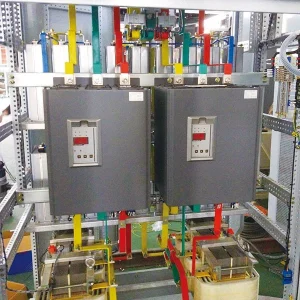
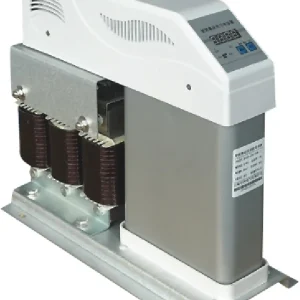
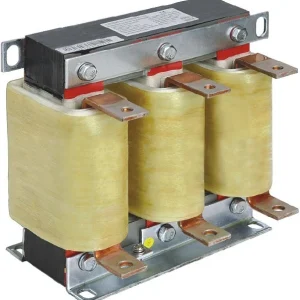
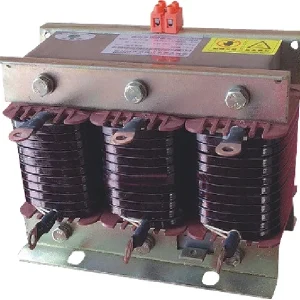
List the branch protective devices, switching equipment, reactors where fitted, capacitors, conductors and terminals in the offered panel. Ask the manufacturer how the complete branch is covered by the assembly declaration. Avoid building an approval from unrelated component catalogues: each individual component may be suitable in some application while the proposed combination remains undocumented.
Keep the normal capacitor operating duty in a separate check. Harmonic loading, component tolerances, ambient conditions and switching frequency affect selection but do not replace the fault-duty assessment. Likewise, capacitor switching can create a high transient current, yet that event is not interchangeable with a sustained fault calculation.
The capacitor-bank contactor selection guide addresses switching-duty questions. Use it alongside the assembly fault review rather than treating a capacitor-duty contactor selection as proof of short-circuit suitability. The same separation helps identify which supplier document answers which concern.
Check every realistic source arrangement
A panel may operate with bus ties open or closed, or from an alternative supply. Ask the project engineer which arrangements produce the relevant fault duty and whether protection remains effective for lower-current conditions as well. The largest current is not the only operating case that can matter to protective-device coordination.
Record the supply arrangement associated with each accepted study case. If the project later changes transformers, feeder lengths, source combinations or protection settings, determine whether the accepted assembly application still holds. A previous approval belongs to the documented system, not to every future use of the cabinet.
Do not revise protective settings merely to make a paperwork comparison pass. Changes can affect selectivity, clearing time and other equipment. The responsible designer should assess the complete protection arrangement, and the manufacturer should confirm the effect on any conditional assembly rating.
Keep arc-flash assessment separate
Equipment suitability for available fault current does not calculate the energy exposure of a person working near an electrical arc. UL Solutions distinguishes SCCR from arc-flash assessment. A panel rating cannot, on its own, select work practices or personal protective equipment.
This article is a purchasing and document-review guide. It does not authorize live inspection, fault testing or changing protection. Electrical work requires the site’s approved procedures and qualified personnel. Capacitors can retain stored energy after isolation; follow the manufacturer’s documented isolation and verification arrangements rather than relying on a visual indicator.
For the broader system role, see capacitor bank design considerations. For recurring checks after handover, use the separate capacitor bank maintenance guide. Both are complementary to the narrowly defined rating review here.
Make the purchase package traceable
Ask for a schedule connecting the offered model, assembly drawing revision, bill of materials, declared rating, protective-device details and verification references. The delivery documents should identify the supplied assembly clearly enough to relate it to that schedule. A test report for a different construction needs an explained basis of applicability, not an assumption based on visual similarity.
During review, assign a named owner to each unresolved item. The site designer supplies the connection-point fault information; the assembly manufacturer supplies configuration-specific rating evidence; the purchaser ensures the delivered arrangement matches the accepted offer. This division prevents an ambiguous “complies” statement from passing between parties without anyone resolving the actual mismatch.
After delivery, retain the accepted protection settings and substitution restrictions with the equipment record. A maintenance replacement should be assessed against the original conditions before installation. This is especially important when a protective-device combination underpins the declared capability: apparently similar replacement parts may not preserve that combination.
Further learning: where fault current comes from
NPTEL’s lecture on short-circuit analysis explains the system-study context behind an available fault-current value. It is educational background, not a capacitor-panel certification procedure. Use the supplier’s assembly evidence and the site engineer’s study together for the actual purchase.
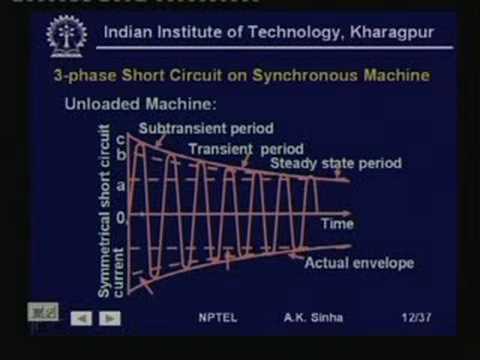
Watch Lecture -25 Short Circuit Analysis on YouTube.
Frequently asked questions
Does a high-rated incoming breaker establish the panel rating?
No. The breaker rating addresses its own duty and applicable conditions. The assembled panel needs suitable evidence for its construction, conductors, components and protective arrangement. Ask the manufacturer for the complete assembly declaration and its conditions, then compare them with the fault information at the actual connection point.
Can I compare two kA values without further information?
No. Record the voltage, rating type, standard and any duration or protective-device conditions. Peak, rms, interrupting and short-time withstand quantities are not interchangeable. A larger number in a brochure can describe a different duty or component and therefore may not answer the project approval question.
Does a suitable short-circuit rating complete the arc-flash review?
No. Equipment fault-current suitability and personnel exposure during an arc are distinct assessments. The project needs the applicable engineering review and work procedures for both. Do not use an assembly kA marking alone to choose protective equipment, clearing-time assumptions or permission to inspect energized capacitor equipment.
Should the rating be reviewed after replacing a protective device?
Yes. Check whether the original declaration depends on the specified device type, settings or tested combination. Obtain the responsible manufacturer’s assessment before a substitution. A replacement that appears similar or has a higher individual rating does not automatically preserve the conditions supporting the assembly’s accepted capability.